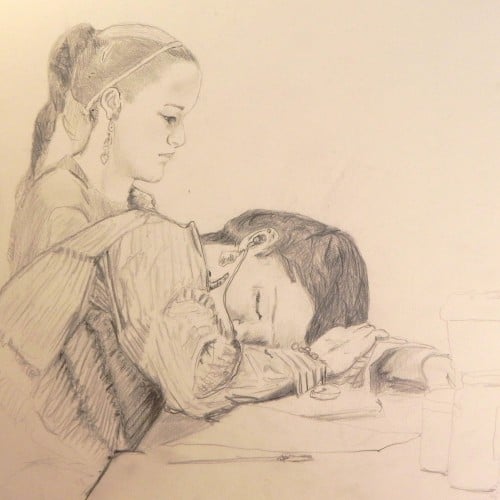
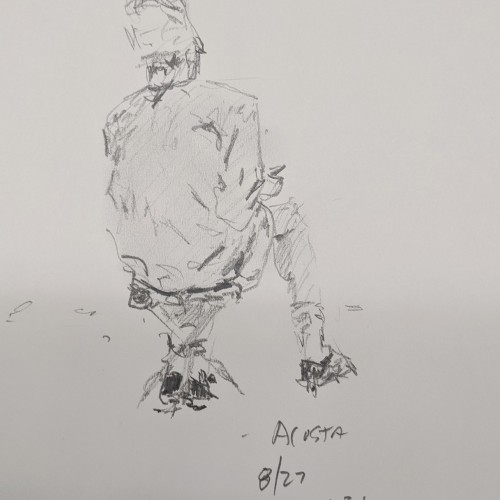
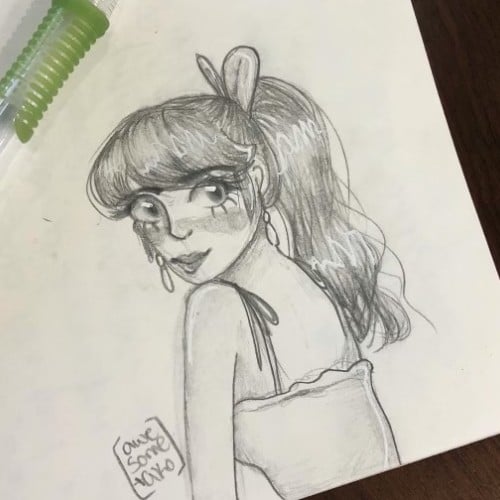
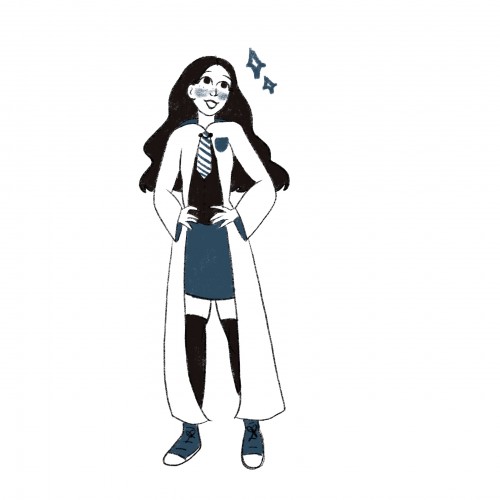
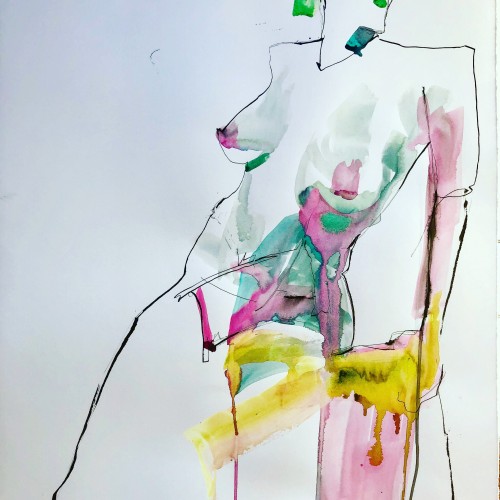
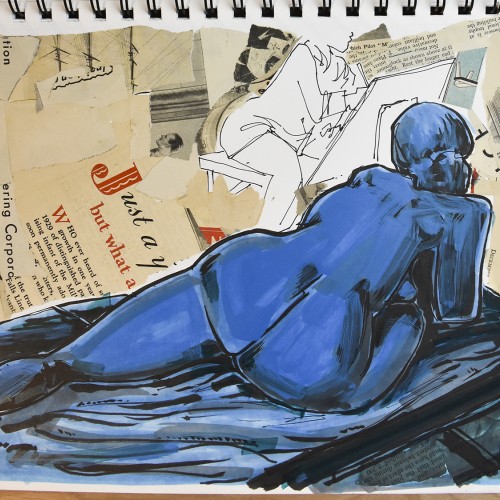
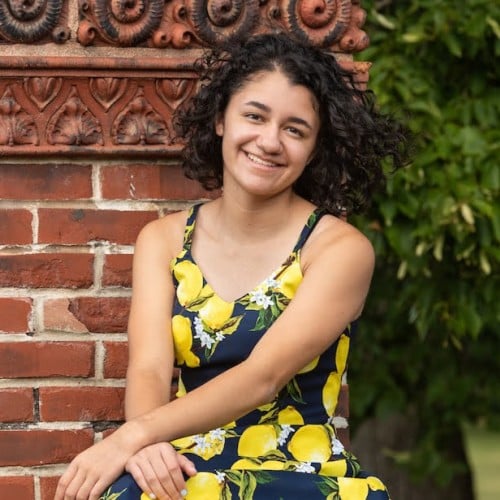
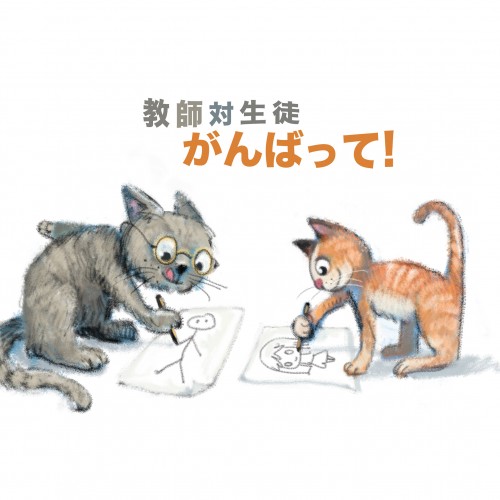
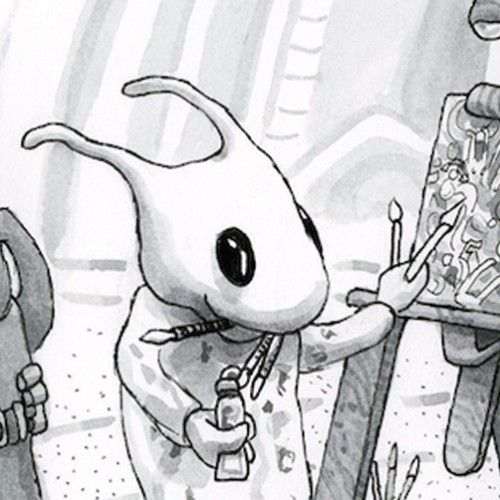
As a teacher, I see the full range of work ethic and value choices. Tatum works while Melanie sleeps. I do not judge because everyone is fighting a battle. I provide a safe place for students to create and breathe and sleep and be. I create a non-judgmental space that often accomodates students and adults who feel free to voice thier opinions... which can often be judgmental. We are fighting battles and we are on our own journies of self awareness. Peace.
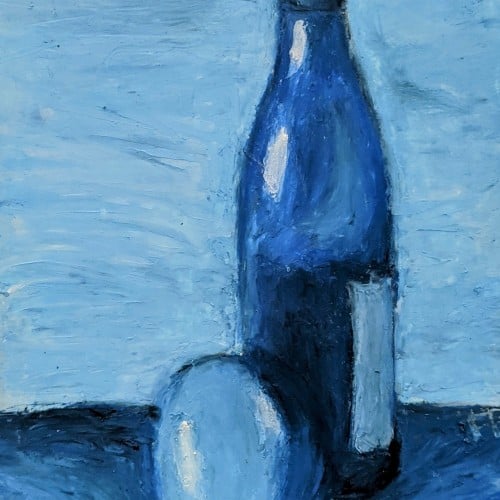
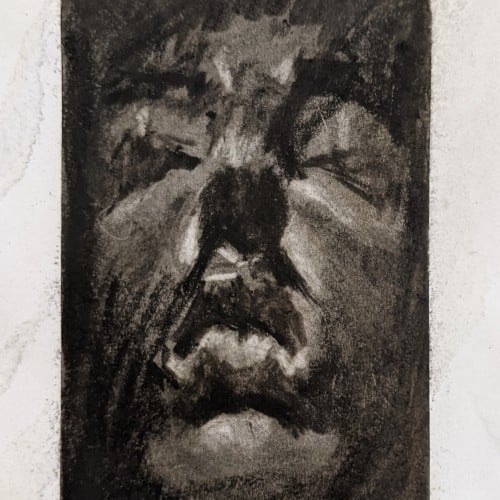
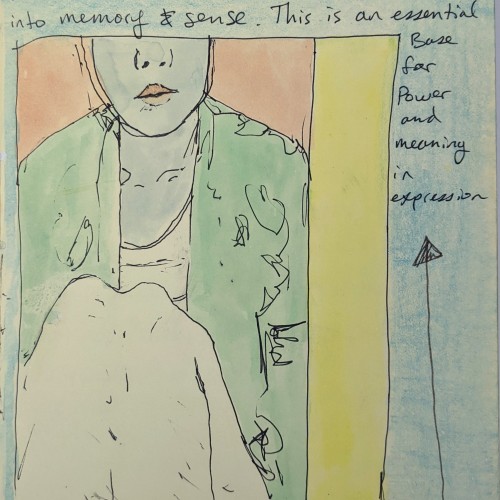
Teaching painting is a great task to ask of a person who doesn't paint. I do not paint. I teach the manipulation of media through experience. "Learn from doing!" I say. Monochromatic pastel exercises help my students to get a handle on the media. We explore value and composition and the handling of media. Sometimes happy accidents occur. This was my example to the teens on composition and value. It is a journey.
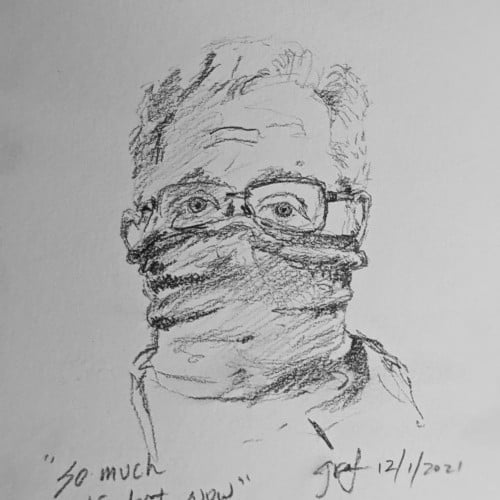
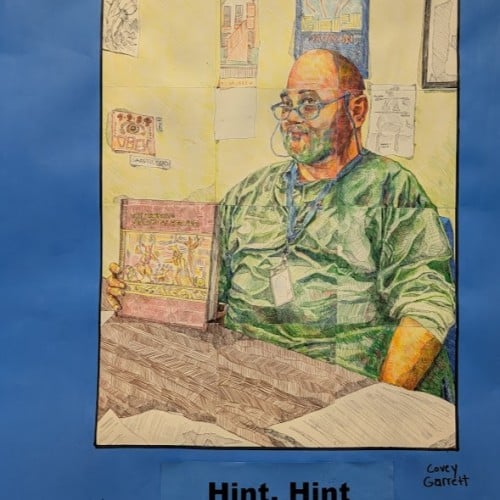
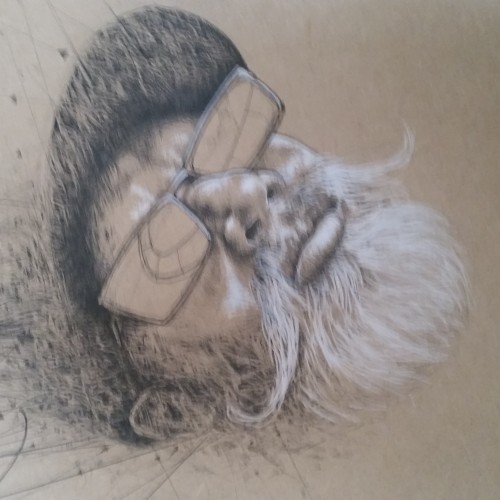
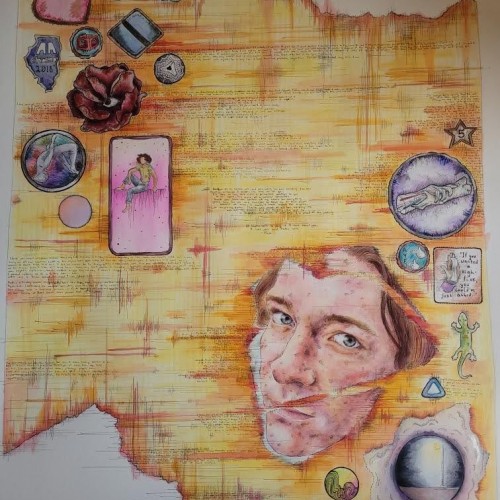
This portrait of Mr. Joshua Anderson—our resident Shakespeare whisperer—was drawn by student artist Covey Garrett as part of a school-wide tribute to our teachers. Students photographed, gridded, and drew 18x24” posters of their teachers, each paired with a favorite catchphrase. Mr. Anderson’s? A classic:
“Hint, hint. Wink, wink. Nudge, nudge.”
We think the Bard would approve.
"All the world's a stage, and all the men and women merely teachers..."
(okay, we may have paraphrased a bit).
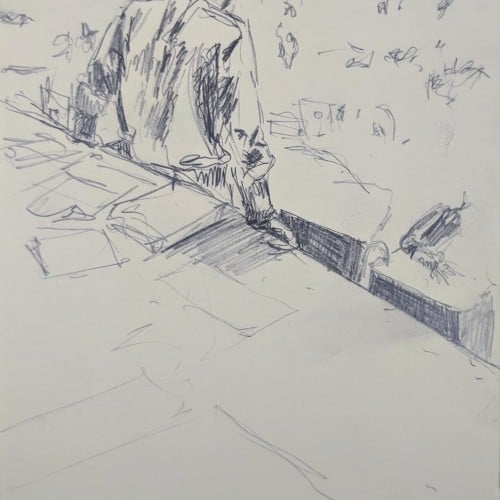
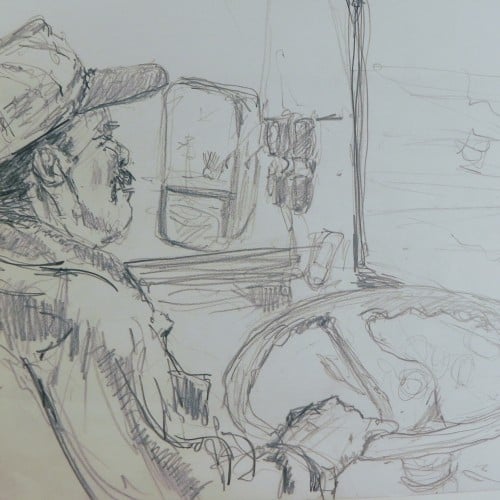
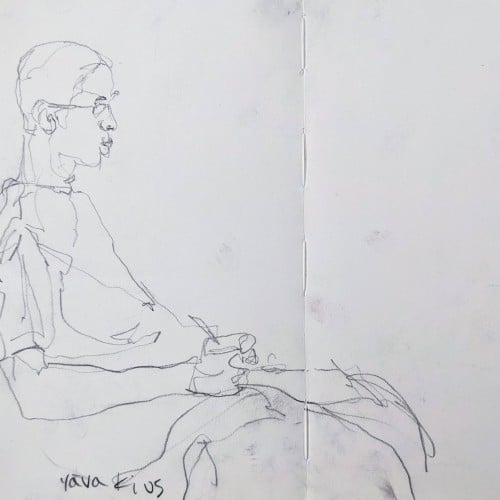
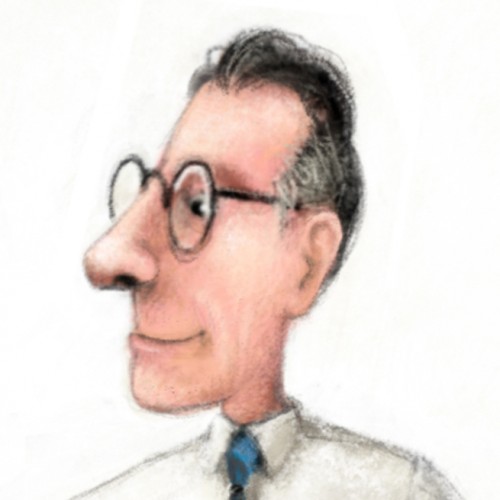
It has been a delight to share with my students the incredible resource of people. Over the years, I’ve had the great privilege of connecting them with inspiring individuals such as Lois Ehlert, Dave Nice, Gregory Martens, Colette Odya Smith, and—as seen in this “Behind the Professor” sketch—Dr. Gaylund Stone. There’s something powerful about the presence of someone who lives their craft with humility and depth. In moments like these, my students are reminded that more is often caught than taught.
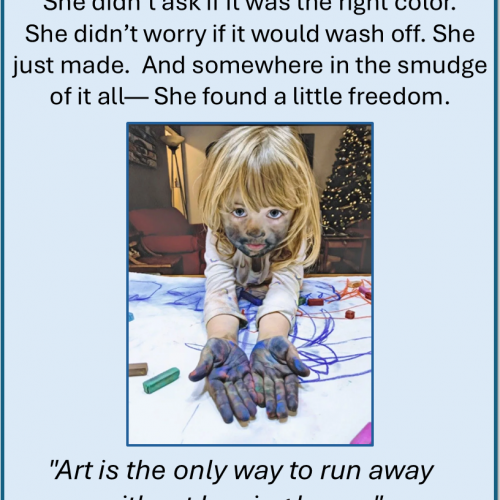
The tables were covered in white paper. Crayons, pastels, and smooth sticks waited quietly. Then came Lucy’s glittery purse—her 8-year-old hands had filled it with stones to pass along, one by one, to the strangers around the table.
We traced them. Pushed them. Held them.
Then we let the colors lead:
-Red for emotion.
-Yellow for curiosity.
-Blue for memory.
Each color came with music, with story, with space.
At the Museum of Wisconsin Art, we made marks not for meaning but for presence.
Thank you to Ann Marie and MOWA for the invitation and trust. And thank you to the participants—some new friends, some old students—for showing up and making lines that listened before they spoke.
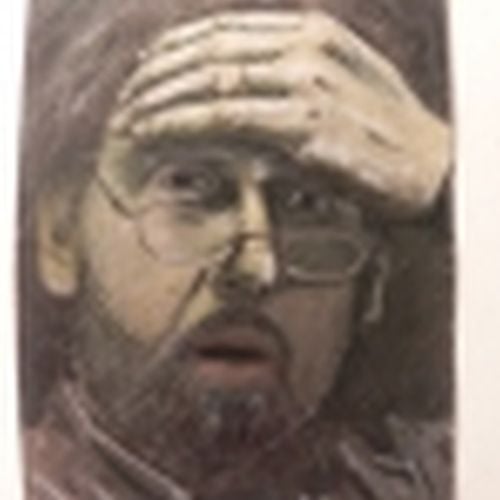
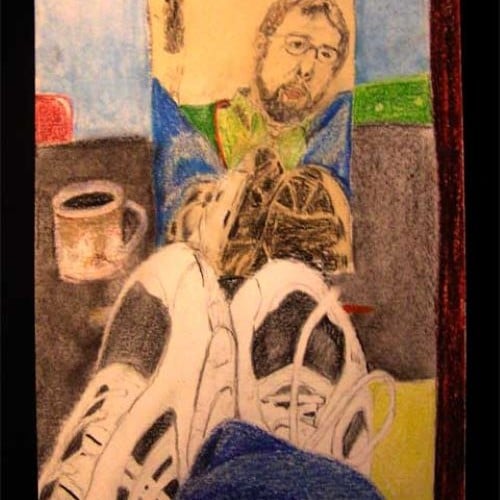
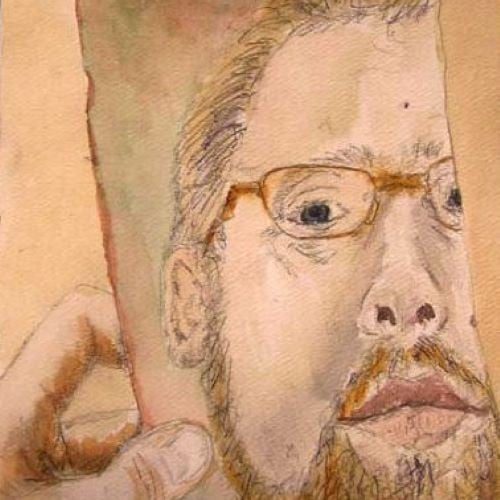
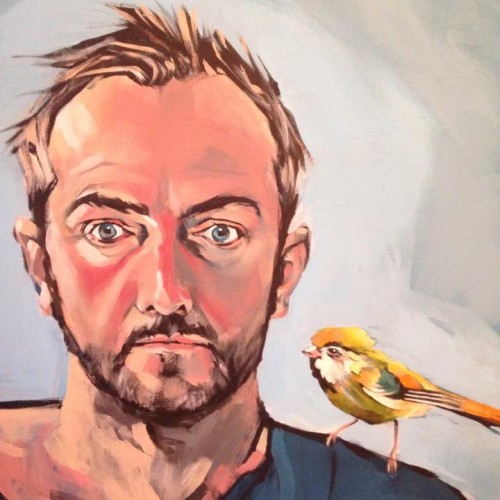
Color Pencil over Gesture. It was a contemplative day in the art classroom. Students were drawing self portraits and I had time to join them. Our discussion was on 'Reflection'. The image we see of ourselves in the mirror is not what people see when they look at us. They see the reverse. The mole on my cheek is on the other side of my face, if you were to look at me in person. This leads to discussions of perception and reality. It can be fun and humbling. We cannot live only by sight. We must have a faith of some sort. This reminds me of the Michael Feldman Public Radio Program called: "Whad'Ya Know?" It opens with the audience shouting: "Whad'd Ya Know?" and Michael replying: "Not Much! You?". We do not know much, I think, as much as we like to pretend that we think we do.
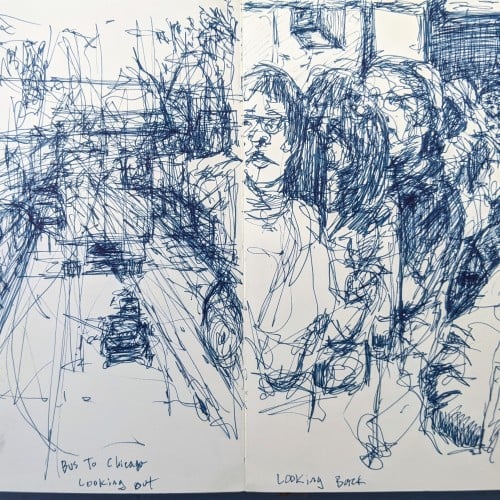
Kierkegaard said we undersand life by looking back, but we must live life forward. On a trip to the Chicago Art Institute with a group of students, I penned the students behind me and then I penned the rapidly moving images I saw through the front window of the bus . I still do not understand life except that perhaps it is full of energy and art and love.
Sometimes, a good goodbye is also a fresh hello.
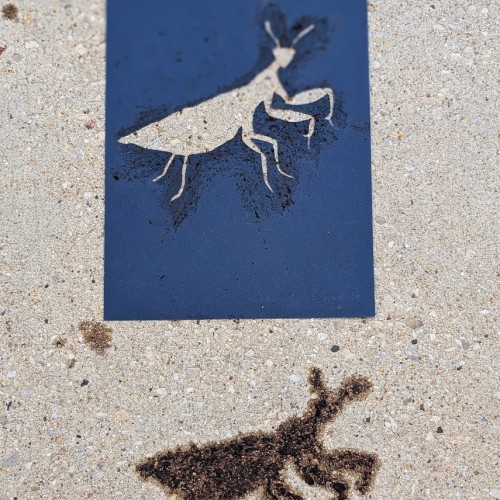
As we wrapped up our "Sacred Spaces" paintings, I asked our student teacher to design a one-day project—something playful, earthy, and engaging to ease the class into her care. She brought mud. Literally.
Using mud and simple stencils, students pressed images—flowers, insects, wings—onto the sidewalk behind our school. There's something timeless about making marks with the ground itself. It felt ancient and immediate at the same time.
These prints won’t last long, but maybe that’s the point. A fleeting image, a shared laugh, a new hand guiding the next phase of learning.
Art is about making marks. Not all of them need to be permanent.
I have given my students the problem of creating 100 self portraits in 20 days on 5x7 in paper. The challenge is to create something other than an image that depicts a 'dead-pan' stare. When the brain is given a problem, it goes to work immediartely to solve that problem. I have seen some wonderful solutions. This is a tall order for teens who are sensative to judgment and still developing in thier perception. It has generated wonderful discussions of self-awareness, world view, and judgment. Those who engage in the exercise in an authentic manner have only good things to say about the experience. It is not an exercise for everyone. We are on a journey. Be Bold! Be Honest! Draw what you see. Draw what you think. -Peace
An attempt at organizing my 'why' for making drawing the center of my curriculum, and selling the idea to my students. Suggestions for refinements welcome.
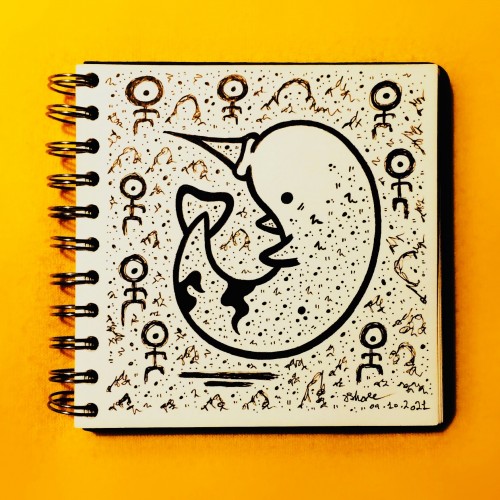
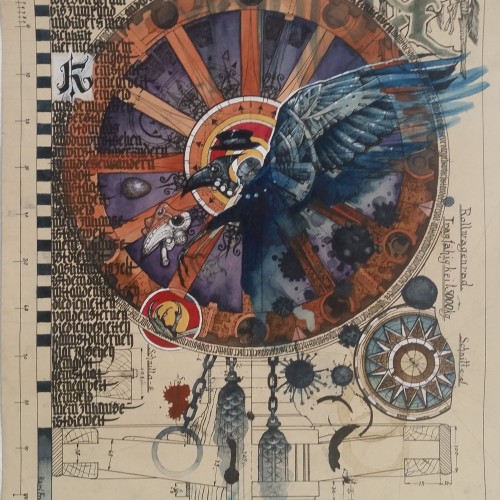
Apparently, Blixa Bargeld of Einsturzende Neubaten and Nick Cave & The Bad Seeds fame actually did this to his school back when he was a lad! I needed an idea for a convoluted weird-as-they-come title, and after reading that story I knew I had something, heheheh :)
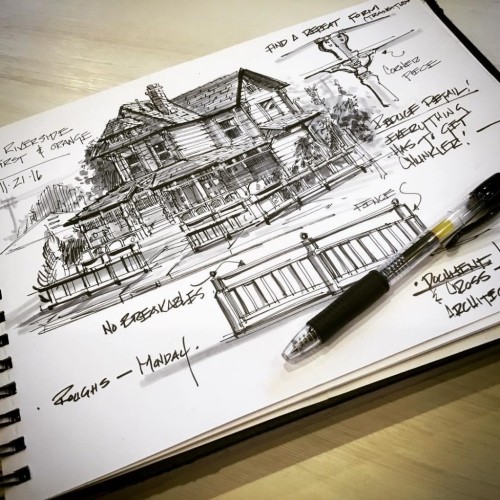
I always tell students to start a project with quick sketches to develop a shape language. Plus research, then you can start to generate ideas. This is one of who knows how many small sketches I'll do to start this project. #ideation #designsketches #pilo
It's crazy to think that 6 years have already flown by since I first moved onto the Xcel gymnastics team, let alone the fact that I've spent 15 years of my life as a gymnast. Tomorrow, August 6th, 2021, marks my last day as a gymnast on the team since I'm officially a college student. I've genuinely been dreading this day, but it's not the ending I expected...in an oddly good way. I know no one expected to spend the past year in a pandemic, and I definitely didn't think gym would shift so much in the following months, but here we are. Gymnastics has taught me more than I ever imagined it could, and my coaches (especially one of them) have become two of the people I'm closest with, words can't describe how grateful I am for everything. This 'ending' doesn't feel like an end, more so a closing to this chapter. Honestly, my love for the sport has only grown, and it feels like I'm finally figuring it all out. So, although my final practice as a team member is tomorrow, my journey is not over yet. "Goodbyes are the hardest part, and this ending has been something I’ve been dreading, although I know it’s time to let go. I’d like to say this isn’t a permanent goodbye to you or the sport, it’s more of a natural conclusion. Thank you from the bottom of my heart for everything you’ve done for me and managed to teach me in this short amount of time, I couldn’t have asked for anyone, or anything, better. Thank you most of all for helping me achieve my dreams and for helping me get to a point in which I can say I’m proud of my journey.
All that’s left to say is I care about you, I love you, and take care."
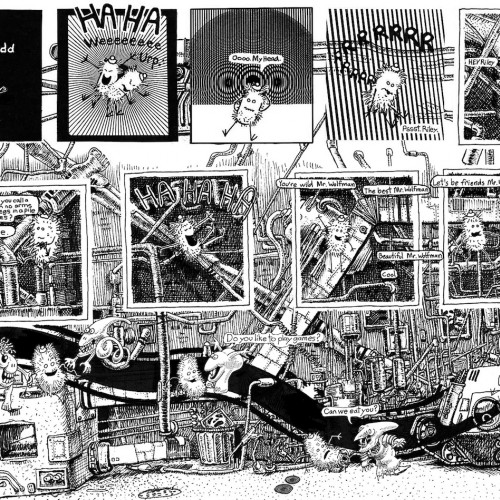
This is the centre section of a cartoon I did back in my university days for the student newspaper. It was fun to do, but took a lot of time. I hope to put it into a collection of comics.
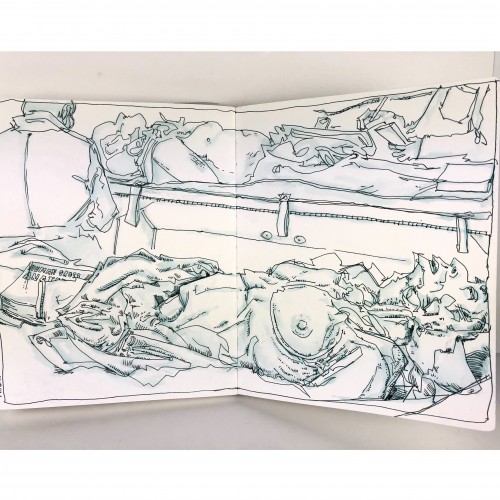
I was fortunate enough to to take my sketchbook class to observe medical students dissect donor cadavers. These donors gave there bodies to science to further our knowledge of the human anatomy and to train our future doctors. We worked alongside the med students and anatomy fellows. It was a humbling and fascinating experience.
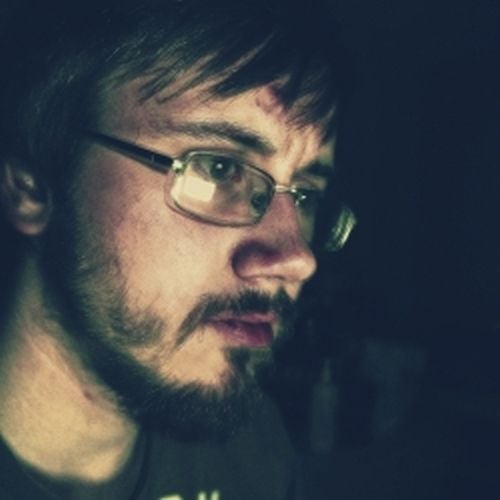
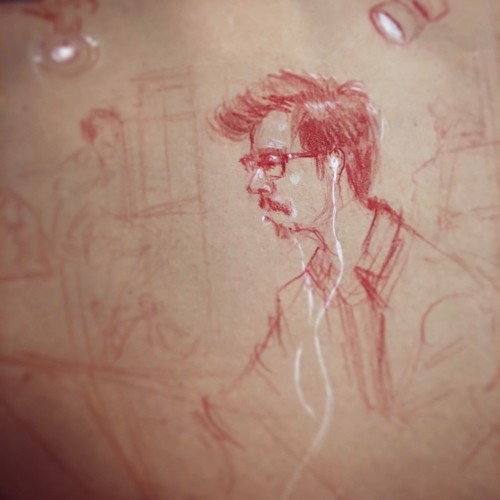
One of the students from my lifedrawing class, I have a tendency to draw the other artists in the room and not the model. #drawing #lifedrawing #sketching #tonedpaper #lifemodels #prismacolor #prismacolorpencil #saddbackcollege #saddlebackarts #drawingfro
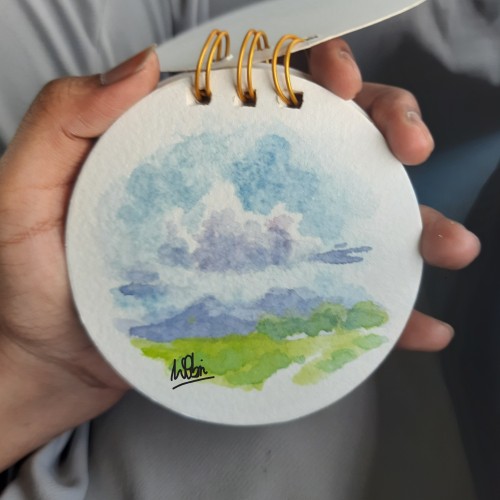
This is part of a beautiful moment that was created as I was painting on these mini watercolour sheets. During the journey, I painted around 5 paintings. This is the first painting I painted during my train journey. A group of girls ( students ) got excited when I showed some of my paintings. So I gifted them this. More on the way ....
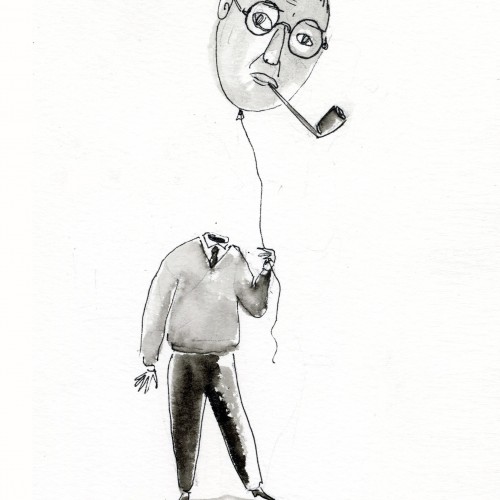
Jean-Paul Sartre (1905–1980)
By the 1950s, too much work on too little sleep—with too much wine and cigarettes—had left Sartre exhausted and on the verge of collapse. Rather than slow down, however, he turned to Corydrane, a mix of amphetamine and aspirin then fashionable among Parisian students, intellectuals, and artists (and legal in France until 1971, when it was declared toxic and taken off the market). The prescribed dose was one or two tablets in the morning and at noon. Sartre took twenty a day, beginning with his morning coffee and slowly chewing one pill after another as he worked. For each tablet, he could produce a page or two of his second major philosophical work, The Critique of Dialectical Reason.
The biographer Annie Cohen-Solal reports, “His diet over a period of twenty-four hours included two packs of cigarettes and several pipes stuffed with black tobacco, more than a quart of alcohol—wine, beer, vodka, whisky, and so on—two hundred milligrams of amphetamines, fifteen grams of aspirin, several grams of barbiturates, plus coffee, tea, rich meals.”
- From Daily Rituals: How Artists Work by Mason Currey
#dailyrituals #inktober #jeanPaulSartre @masoncurrey