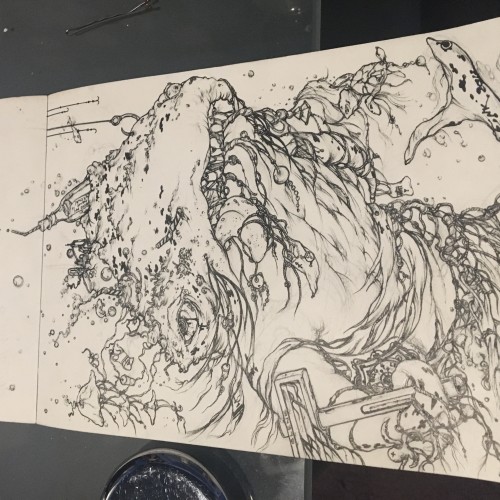
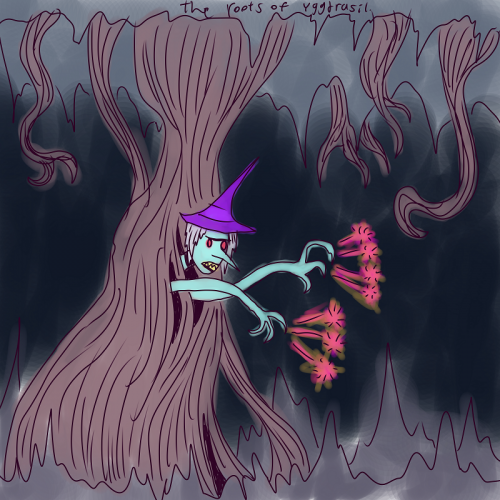
The more oftenly heard about whale stuffed with human by products, keeping it relevant which is important i feel. Again it wont upload vertically for some reason, any ideas why this happens? Hmmmffff.
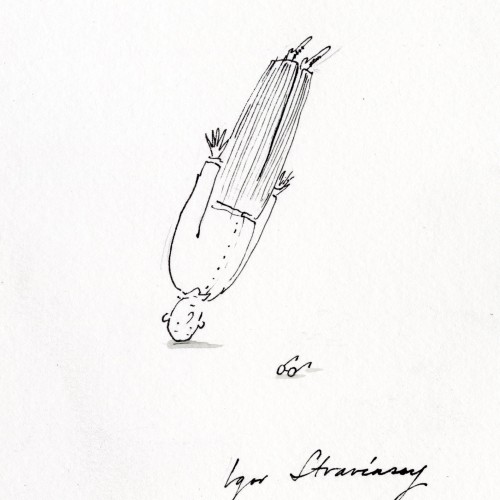
Igor Stravinsky (1882–1971)
“I get up at about eight, do physical exercises, then work without a break from nine till one,” Stravinsky told an interviewer in 1924. Generally, three hours of composition were the most he could manage in a day, although he would do less demanding tasks—writing letters, copying scores, practicing the piano—in the afternoon.
Unless he was touring, Stravinsky worked on his compositions daily, with or without inspiration, he said. He required solitude for the task, and always closed the windows of his studio before he began: “I have never been able to compose unless sure that no one could hear me.” If he felt blocked, the composer might execute a brief headstand, which, he said, “rests the head and clears the brain.”
- From Daily Rituals: How Artists Work by Mason Currey
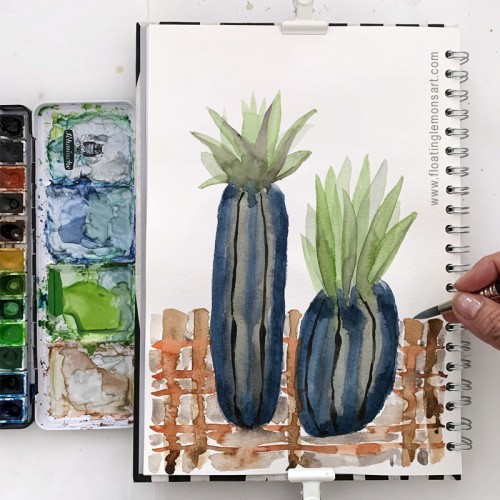
"And I Can't Get It Out of My Head"
Watercolor
I feel like I may be cheating since the song I was inspired by is not so simple, but I'm pleased with the result. To be completely honest, this was the piece I needed right now.
The past week has been interesting for me, I've found myself in a peculiar slump. There's not one thing I'm thinking or worrying about, it's a constant buzz of thoughts streaming through my head. Sometimes I can get the buzzing to quiet down, other times it gets overwhelmingly loud.
I've always found art to be a release, it fills in the blanks when I can't figure out how to make my words work. Lately, it's been more of a challenge than usual, but I think this piece says all I've been wanting to say.
I've been experimenting with colour pallets and line width. Also trying to do LESS - my natural tendency is to add everything so cutting back is quite hard, but I think works better.
This colorful painting was created using gouache paint to give an illustrative design feel. The subject is a cow painted using non-local colors like pink and violet, contrasting the orange sky background. I love the small clover flower the cow appears to be smelling in the foreground of this piece. For more in my gallery, please visit ArtsyDrawings.com!
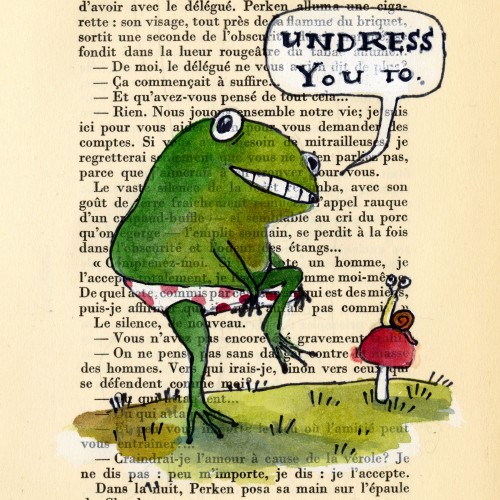
Undress you to.
"English as She is Spoke" is a delightful example of incompetence and bad judgement. Jose da Fonseca and Pedro Carolina set out to write a Portuguese-English phrasebook. The only problem was that they didn't speak any English. They did know some French and armed with French-English phrasebook, dictionaries and enthusiasm they brought forth this book. Mark Twain was an early admirer of this book. "Nobody can add to the absurdity of this book, nobody can imitate it successfully, nobody can hope to produce its fellow; it is perfect, it must and will stand alone: its immortality is secure."
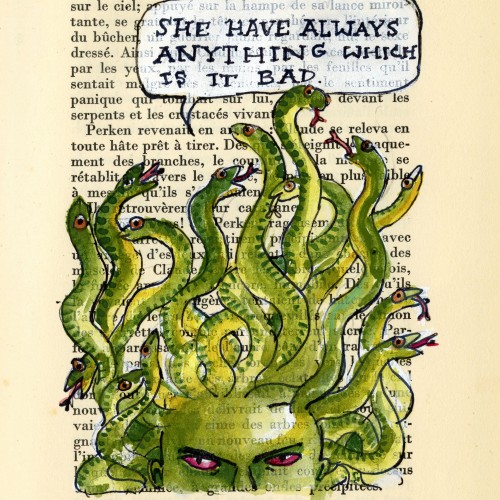
She have always anything which is it bad.
"English as She is Spoke" is a delightful example of incompetence and bad judgement. Jose da Fonseca and Pedro Carolina set out to write a Portuguese-English phrasebook. The only problem was that they didn't speak any English. They did know some French and armed with French-English phrasebook, dictionaries and enthusiasm they brought forth this book. Mark Twain was an early admirer of this book. "Nobody can add to the absurdity of this book, nobody can imitate it successfully, nobody can hope to produce its fellow; it is perfect, it must and will stand alone: its immortality is secure." https://www.instagram.com/p/CJBWDgHhGSY/?utm_source=ig_web_copy_link