Previous
Next
logo logo
logo logo
  • Discover Art
    • Trending
    • Most Recent
    • Most Faves
    • Most Views
    • Curated Galleries
  • Drawing Challenges
    • See All Challenges
  • Drawing Prompts
  • Artists
    • Most Popular
    • Most Recent
    • Available For Hire
    • Artist Spotlight
  • More
    • Marketplace
    • Art Discussions
    • Resources
    • News + Blog
Login
Most Views
Select an option
  • Most Relevant
  • Most Faves
  • Most Views
  • Most Comments
  • Most Recent
SEARCH RESULTS FOR

visual

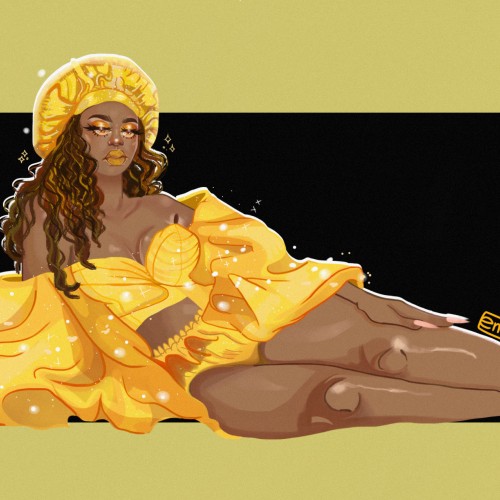
Emma HM. Watts Emma HM. Watts
Enlarge
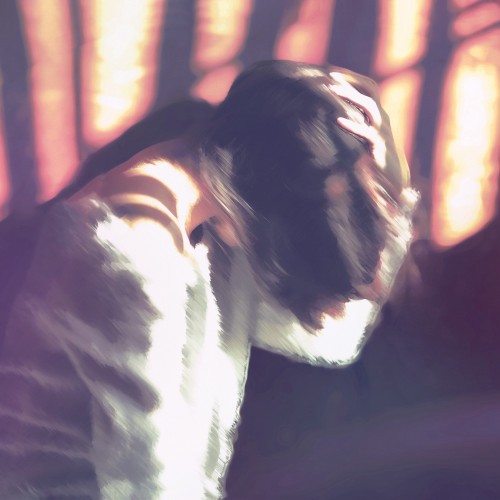
Mayan Princess

Follow me on Instagram @emmasvisuals

  • 19
  • 5
  • 0
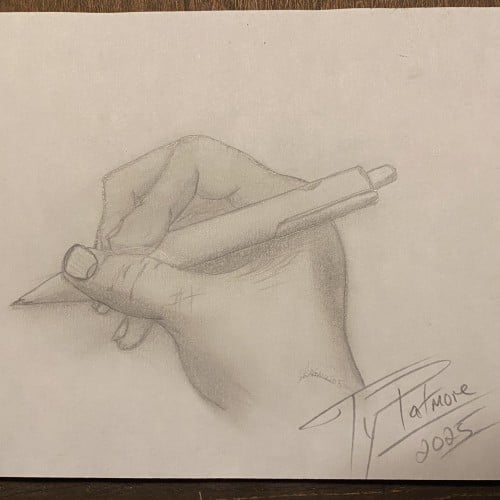
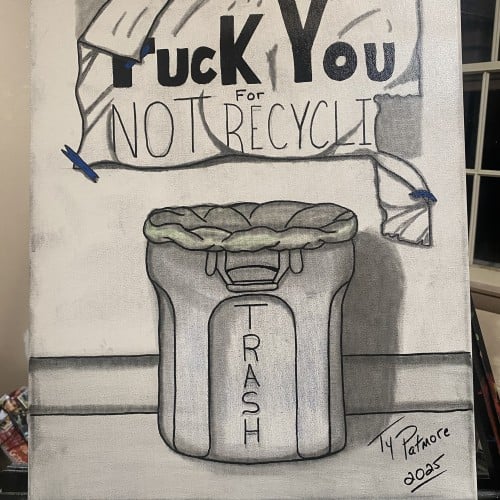
Ty patmore Ty patmore
Enlarge
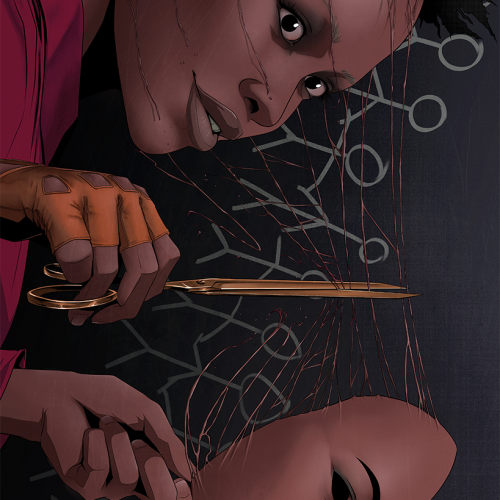
Speak No Evil (The Slanderer)

This portrait is the darkest in the series, examining the internal malice that persists even when communication is restricted, illustrating that evil doesn't require a loud voice. * Visual Focus: The mask's mouth is horrifyingly held closed across the center by surgical thread and a needle, which only covers half of the wide, unnerving smile. The stitching reveals a set of sharp, feral teeth underneath. Disturbingly, a pair of prominent horns protrude from the top of the mask's head. * Symbolism: * The Stitched Mouth: Represents the idea of selective silence or the censorship of truth. The fact that the stitching only covers half the mouth highlights the "half-done" nature of modern morality. The revealed sharp teeth suggest that even in silence, the capacity for vicious, cutting, or "devilish" speech remains barely contained. Showed directly on the piece by the date being misleading. * The Horns: A classic, unambiguous symbol of the Devil or pure malice. This is the figure's core identity—it suggests that even while hiding behind a neutral mask and being partially silenced, the individual's "tongue like the devil" and evil intent are still very much present, emphasizing the inherent corruption and hypocrisy behind the facade.

  • 18
  • 3
  • 2
Ty patmore Ty patmore
Enlarge
Hear No Evil (The Materialist)

This figure explores how the relentless pursuit of monetary gain and digital distraction stifles genuine attention and moral listening. * Visual Focus: The mask is equipped with a headphone covering a single ear. The headphone wire is visibly broken, frayed, and cut short, suggesting a deliberate disconnect or a failed attempt at communication. A small coin dangles conspicuously from the corner of the figure's mouth. * Symbolism: * The Headphones: Represent modern distraction and the ability to selectively "tune out" inconvenient truths or moral calls. The broken, frayed wire reinforces the idea of a failed connection to the real world. * The Coin in the Mouth: Serves as a powerful, visceral metaphor for being "consumed by monetary means." It connects the act of speaking/listening to the theme of greed, suggesting that the voice and ear are functionally "plugged" or corrupted by the all-consuming focus on wealth. The refusal to hear moral guidance is dictated by the pursuit of money.

  • 18
  • 2
  • 1
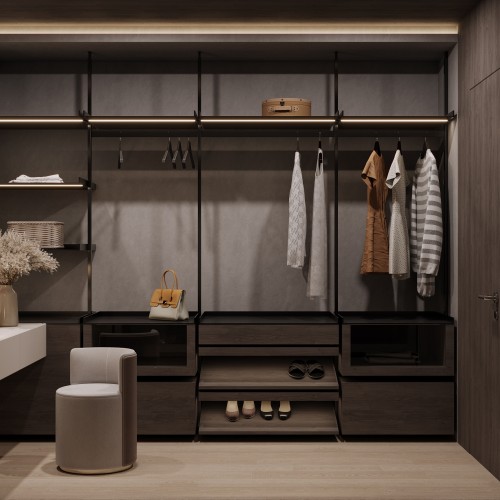
Sujoy Bera Sujoy Bera
Enlarge
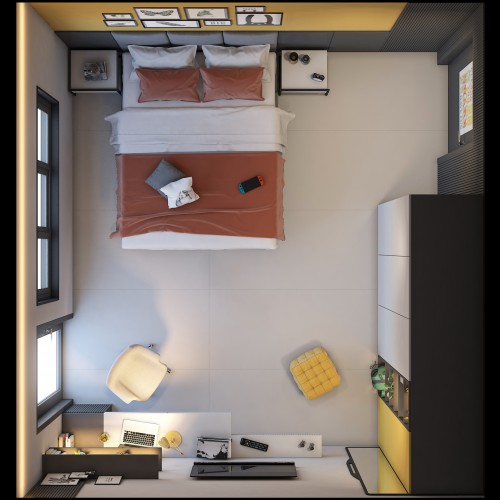
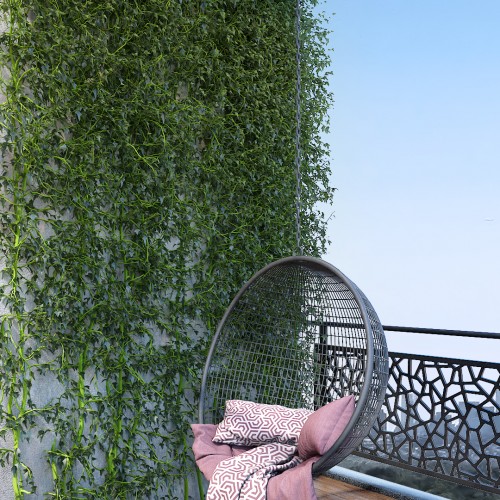
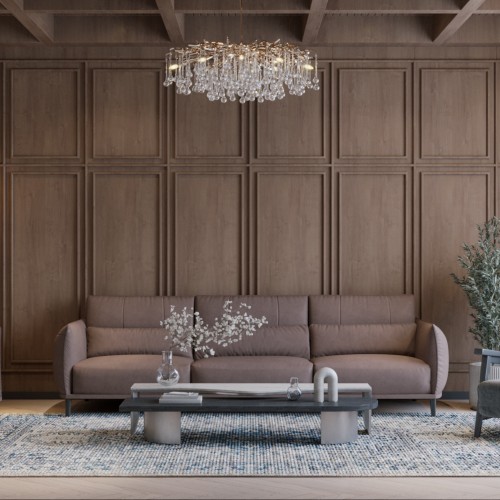
Sujoy Bera 3D Visualizer Interior Designer

Sujoy Bera 3D Visualizer Interior Designer

  • 18
  • 4
  • 0
Sujoy Bera Sujoy Bera
Enlarge
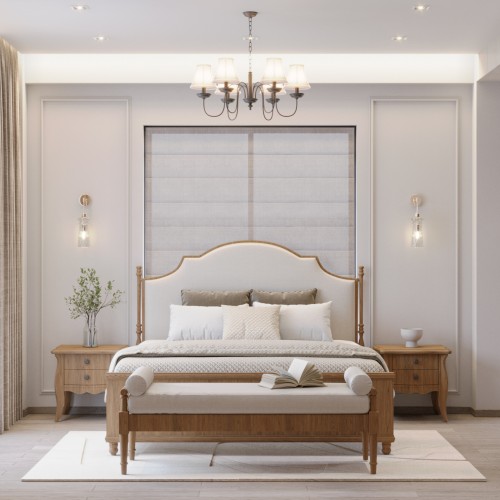
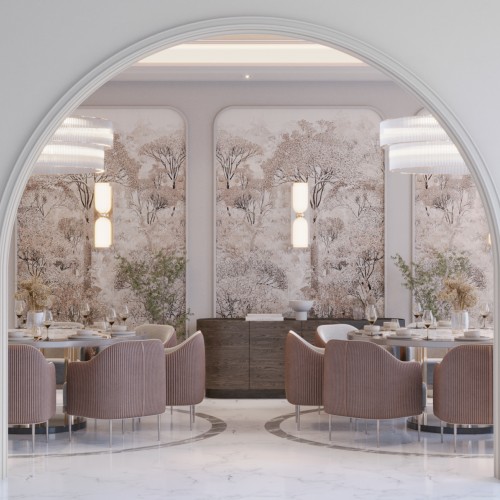
Sujoy Bera 3D Visualizer Interior Designer

I am a professional CG Artist offering high-quality 3D rendering services worldwide. WhatsApp +91 7980561059

  • 18
  • 1
  • 0
Sujoy Bera Sujoy Bera
Enlarge
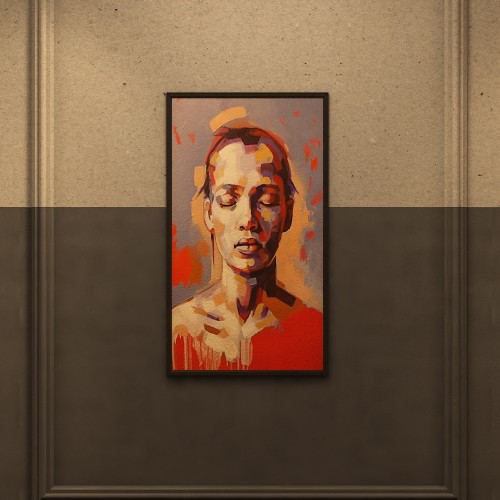
Sujoy Bera 3D Visualizer Interior Designer

Sujoy Bera 3D Visualizer Interior Designer

  • 17
  • 1
  • 0
Will (Bampi) Edwards Will (Bampi) Edwards
Enlarge
The European Goldfinch

The European Goldfinch is a striking small finch with a distinctive red face and black-and-white head. Its wings are black with a bright yellow wing bar, while the body is mainly buff or light brown. During the breeding season, the bill of male and female goldfinches is white, but at other times of the year, it is marked with a black tip. Female goldfinches are very alike in appearance to males, and visually, it is hard to tell them apart from a distance. At close range, the sexes can be distinguished by the size of the red facial patch, with the females not extending past the eyes as it does in males of the species. Juvenile goldfinches do not develop adults' red, white and black facial markings until the late summer or autumn after hatching. Until this point, they have streaky buff-brown markings on their heads. Info: Birdfact . com

  • 15
  • 6
  • 0
Sujoy Bera Sujoy Bera
Enlarge
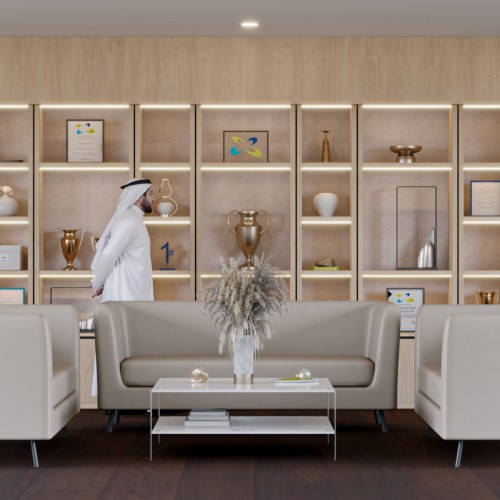
Sujoy Bera 3D Visualizer Interior Designer

Sujoy Bera 3D Visualizer Interior Designer

  • 14
  • 2
  • 0
Sujoy Bera Sujoy Bera
Enlarge
Sujoy Bera 3D Visualizer Interior Designer

Sujoy Bera 3D Visualizer Interior Designer

  • 14
  • 2
  • 0
Sujoy Bera Sujoy Bera
Enlarge
Sujoy Bera 3D Visualizer Interior Designer

Sujoy Bera 3D Visualizer Interior Designer

  • 14
  • 2
  • 0
Sujoy Bera Sujoy Bera
Enlarge
Sujoy Bera 3D Visualizer Interior Designer

I am a professional CG Artist offering high-quality 3D rendering services worldwide. WhatsApp +91 7980561059

  • 14
  • 1
  • 0
Sujoy Bera Sujoy Bera
Enlarge
Sujoy Bera 3D Visualizer Interior Designer

Sujoy Bera 3D Visualizer Interior Designer

  • 13
  • 2
  • 0
Vadim Vadim
Enlarge
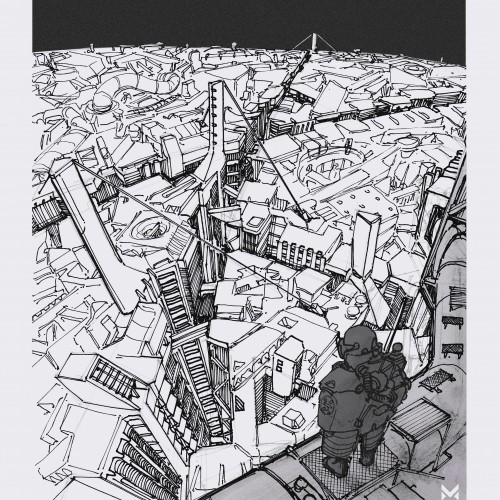
Exploring the Megastructure

Little tribute to the visualy amazing works of Tsutomu Nihei.

  • 13
  • 6
  • 0
Evan Winston Evan Winston
Enlarge
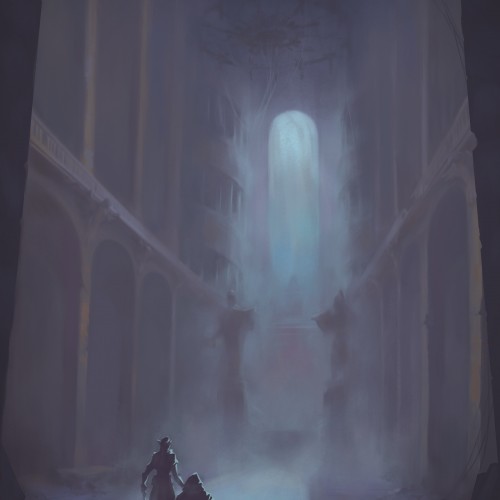
The library

Cover image used for an abandoned 5e adventure

  • 13
  • 5
  • 0
Emma HM. Watts Emma HM. Watts
Enlarge
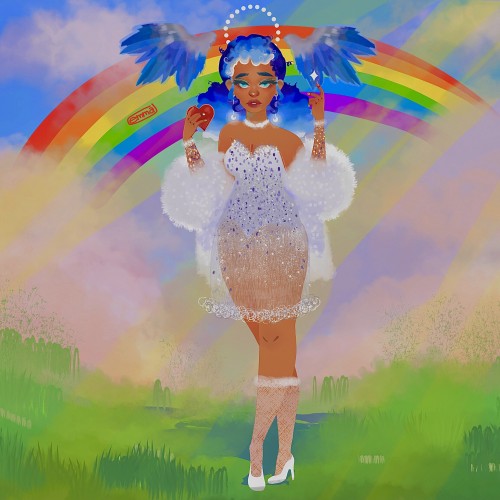
Rainbow Angel

You can follow me on my other platforms (Instagram: @emmassvisuals Twitter:@emmasvisuals)

  • 13
  • 3
  • 1
Sujoy Bera Sujoy Bera
Enlarge
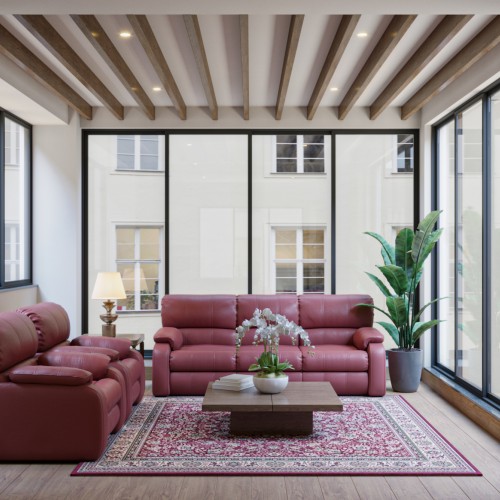
Sujoy Bera 3D Visualizer Interior Designer

Sujoy Bera 3D Visualizer Interior Designer

  • 12
  • 3
  • 0
crais robert crais robert
Enlarge
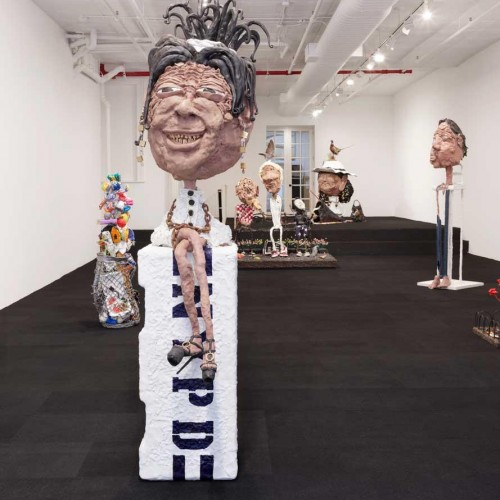
The House of Ryman: A Family of Artists

Take the Rymans, for instance. There is Robert Ryman (1930 – 2019), the patriarch whose paintings are indisputable icons of the modernist canon. Then there are his wives and children. Ethan Ryman (b. 1964) is the oldest of Robert’s three artist children. Though his mother was not an artist, Lucy Lippard (b. 1937) was still a scrappy and eloquent art critic, a feminist, a social activist, and an environmentalist. Ethan’s meticulously considered and crafted artworks might be characterized as somewhere between photography and sculpture, the abstract and the (f)actual. Though Lippard and Ryman divorced just six years after their 1961 marriage, their son is arguably the closest to his father’s methodologies if not his medium, and was certainly the last to become a visual artist. Robert Ryman went on to marry fellow artist Merrill Wagner (b. 1935) in 1969 and they had two sons. Though Wagner is more quietly acknowledged than Ryman, her boundless practice includes sculpture, painting, drawing, installation, and more. With an emphasis on materiality, her sites are indoors and out, her styles alternating. Will Ryman (b. 1969) is the elder son of Robert and Merrill. He started out as an actor and playwright though he too eventually assumed a visual art practice to become a sculptor. He is best known for his large-scale public artworks and theatrical installations that focus on the figurative and psychological, at times absurdist, narratives. Cordy Ryman (b. 1971) is the youngest, and the only one of the three who knew that he was going to be a visual artist early on. His work is abstract, the sophistication understated, and his output is prolific. With his mother’s DIY flair, his homely materials seem sourced from the overflow of construction projects, lumberyards, and Home Depot. Ethan Ryman said that, when he was young, he didn’t want to be a visual artist. Instead, he pursued music and acting, producing records for Wu-Tang Clan, among others, getting “my ears blown out.” But he was always surrounded by artists—Sol LeWitt, Carl Andre, Jan Dibbetts, William Anastasi, and countless others at his mother’s place on Prince Street in SoHo and at the Rymans’s 1847 Greek Revival brownstone on 16th Street in Manhattan, where everyone was often seated around the family dinner table. He would spend part of most weekends in the highly stimulating chaos that reigned there—birds, dogs, plants, toys, art, people, everywhere. “While nowhere near as overwhelming, I was also constantly exposed to artists, writers and other creative folks at my Mom’s place.” “While nowhere near as overwhelming, I was also constantly exposed to artists, writers and other creative folks at my Mom’s place.” Ethan Ryman Lippard was “a powerhouse.” She took Ethan on her lecture tours, readings, conferences, galleries, studios, wherever she had to go. And while that almost always breeds rebellion, at some point, he began noticing all the art around them—both what it looked like and how it was made. He began to take photographs of buildings and realized that “abstract color fields were all around us.” He also began to notice his father and Wagner’s work more carefully—how sensitively it was executed and how reactive it was to its surroundings. “Once you’re interested, you notice. When I asked my dad questions, I would most likely get a one-word response. I had to go to his lectures for answers where he broke down modern art for me. After listening to him, it seemed to me we should all be painting, otherwise what were we doing with our lives?” Will Ryman, on the other hand, said that all his work has a narrative component. His background is in theatre and his interests have always been film and plays, his narratives about New York City and American culture and history. “It’s a city I love,” he said. “I try to observe culture in a bare-bones way and I’ve always been interested in telling stories—we’re the only species that tells stories to each other. It comes from an intuitive, cathartic place in me. I want to stay away from preconceived notions, although that’s not completely possible. I have no plan except to do something honest, with a little bit of a political bent and humor but I’m not an activist. I’m interested in exploring a culture and its flaws as an interaction between human beings.” His interests and his work are very different from his last name. There is no connection to minimalism. He didn’t go to art school, drawn instead to theatre workshops and theatre troupes. “I didn’t become involved with the visual arts until my mid-thirties. It’s easy to say what I make is a reaction, but I dismiss that. And I also wouldn’t say it’s rebellious after twenty years.” Of his family, he said, “we’re a normal family, a close family, with all the dynamics and complications that go along with that. And while everyone who came to 16th Street were artists, they were also just family friends. I have no other measure for how a family interacts. It was just the way it was.” Cordy Ryman was the only one of the three who went to art school, earning a BFA from the School of Visual Arts, but it was reportedly awkward for him, since all his teachers knew his parents. “When I started making abstract paintings, it was kind of push and pull but it became more interesting to me than my earlier figurative or narrative work. That’s when I started to know where I came from. I realized that I had a visual memory, and the language was there, a language I didn’t know I knew. We all had different ways of working; our processes are very different and it’s hard to compare us. Ethan and I use a similar inherited language but he thinks about what he does more. I work very fast, the ideas come from the process itself. I work in two or three modes simultaneously and bounce around.” At home, they were around Wagner’s work since her studio was there. “Will and I were always in her studio, helping her, going to her installation sites with her, adjusting her boulders or whatever the project was she was working on. That was special and made a deep impression, but I didn’t realize it then.” All five Rymans have in common an acute consciousness of space and of place as an integral component of their work. For the brothers, part of that consciousness might stem from their parents, but also from their attachment to their family home, which was a crucible of sorts for them, where everyone was an artist. To Cordy, the house was a “living, breathing thing, and the art in it felt alive, growing, and occupying any space that was available. It was the structure of our world. When I’m making work, it doesn’t need to be the most beautiful thing ever, but it needs to have its own life, its own space, like the art we grew up with.” And the next generation of Rymans, also all sons—what about them? Will said his son is still too young to know. Cordy thought the same about his two younger children; his oldest is in the art world, but not as an artist—so far. Ethan perhaps summed it up best: my two sons are artists; they just don’t know it yet.

  • 12
  • 1
  • 0
mARTia mARTia
Enlarge
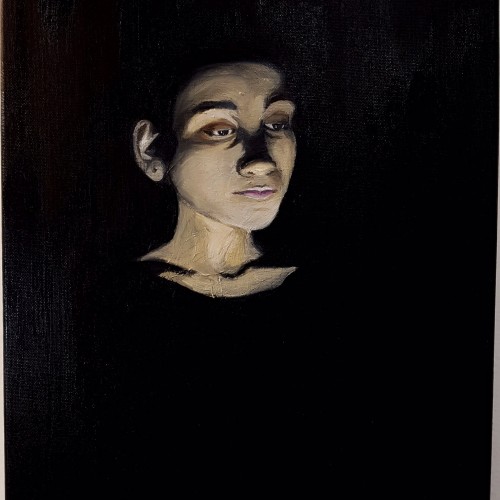
Illuminated

Inspired by the Neo-Classical period, I pushed myself as an artist to portray subjects in an idealistic fashion combining drama and artificial lighting. The subject is my sister who modelled as a reference, enabling me to control the shadowy effect over her face. The dim lighting and dark background resonated with the period style, focusing on the facial parts that are visible. The end result looks like she is emerging from the darkness. A somber atmosphere is illustrated through visual expression. Adding the fast drying oil on the brushes improved the blending of the colours on the canvas which was especially useful when it came to applying strokes on the face smoothly. Visit https://www.martiaposts.com for more

  • 12
  • 5
  • 0
Sujoy Bera Sujoy Bera
Enlarge
Sujoy Bera 3D Visualizer Interior Designer

Sujoy Bera 3D Visualizer Interior Designer

  • 11
  • 3
  • 0
Sujoy Bera Sujoy Bera
Enlarge
Sujoy Bera 3D Visualizer Interior Designer

I am a professional CG Artist offering high-quality 3D rendering services worldwide. WhatsApp +91 7980561059

  • 11
  • 2
  • 0
HEL MORT HEL MORT
Enlarge
Hel Morts Women, lAdolescence Perdue

Original painting created by HEL MORT®, Mixed Media on Aluminium.

  • 11
  • 4
  • 0
Steve Steve
Enlarge
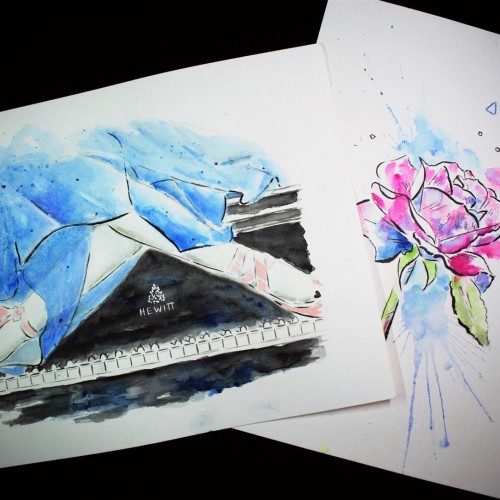
Two Is Better Than One

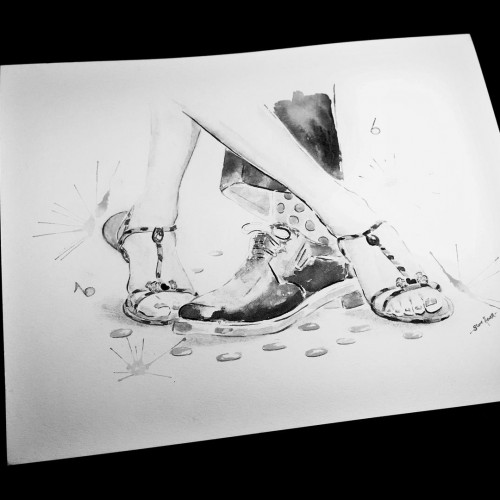
To enjoy the best of each other is poetry. A watercolor painting where poetry reigns.

  • 11
  • 2
  • 0
Ty patmore Ty patmore
Enlarge
See No Evil (The Consumer)

This piece critiques the modern tendency to hide identity behind brands and consumerism. * Visual Focus: The mask is partially obscured by a fitted baseball cap, with the bill pulled down to cover one eye. The cap itself is a symbol of brand identity and fast-fashion culture. The uncovered eye retains an unsettling, almost mechanical gaze. * Symbolism: * The Cap: Represents the societal practice of hiding behind brands and allowing consumerism to dictate self-worth and block out unwanted truths. The act of seeing is deliberately curtailed. * The Mask: Emphasizes that the consumer identity is often a façade-a manufactured mask that prevents others from truly "seeing" the individual, while simultaneously restricting the individual's full sight of the world.

  • 10
  • 3
  • 0
Sujoy Bera Sujoy Bera
Enlarge
Sujoy Bera 3D Visualizer Interior Designer

Sujoy Bera 3D Visualizer Interior Designer

  • 10
  • 3
  • 0
Roger Warn Roger Warn
Enlarge
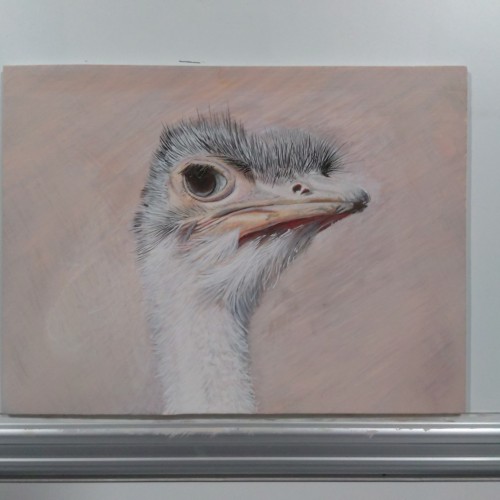
Ostrich.  Egg tempera on panel. 23cm x 30cm

This is my first attempt at traditional egg tempera painting. The panel is a Masonite board from Michaels, but I need to use true gesso because the egg tempera will not adhere to acrylic gesso. Some of my favorite artists used egg tempera. Andrew Wyeth, Robert Vickrey, and Colin Fraser are all masters of this ancient and archival medium. I have been self studying this technique for months and I was very excited to start experiencing the medium. Egg tempera is like layering stained glass on top of stained glass. the painter can expect a luminous glow to take shape as the colors blend visually through the layers of paint - assisted by the chalk of the true gesso. Egg tempera has been described as the closest painting technique to drawing, hence my draw to this medium.

  • 10
  • 1
  • 0
Steve Steve
Enlarge
Poetry

Here are a couple of paintings that compliment the poetry of each other. I used watercolor and a little ink.

  • 10
  • 4
  • 2
Sujoy Bera Sujoy Bera
Enlarge
Sujoy Bera 3D Visualizer Interior Designer

Sujoy Bera 3D Visualizer Interior Designer

  • 9
  • 2
  • 0
Pankaj Pankaj
Enlarge
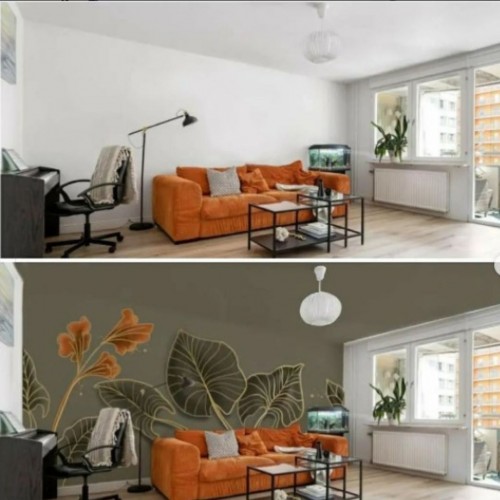
Room decoration

Visualization of the wall painting project in the living room.

  • 9
  • 1
  • 0
Sujoy Bera Sujoy Bera
Enlarge
Sujoy Bera 3D Visualizer Interior Designer

  • 8
  • 3
  • 0
William Bulmer William Bulmer
Enlarge
Galaxy

An art trade with a friend. We suggested songs to each other, and then picked one suggested from the other to draw in visual form. I chose "Spaceships" by "The Rentals"

  • 8
  • 0
  • 0
« Previous
Next »

Doodle Addicts

Navigate
  • Discover Art
  • Drawing Challenges
  • Weekly Drawing Prompts
  • Artist Directory
  • Art Marketplace
  • Resources
Other
  • News + Blog
  • About Us
  • Contact Us
Newsletter
© 2026 Doodle Addicts™ — All Rights Reserved Terms & Conditions / Privacy Policy / Community Guidelines
Add Doodle Addicts to your home screen to not miss an update!
Add to Home Screen