Joseph Cornell (1903–1972)
Cornell worked nights at the kitchen table, sorting and assembling materials for his boxes. It was not easy going. Some nights he felt too fatigued from his day job to concentrate on his art and would sit up reading instead, switching on the oven for warmth. In the mornings, his quarrelsome mother would scold him about the mess he’d left at the kitchen table; without a proper workroom, Cornell was forced to store his growing collection of magazine clippings and dime-store baubles out in the garage.
In 1940 Cornell finally mustered the courage to quit his job and pursue his art full-time—and even then his habits changed little. He still worked nights at the kitchen table, while his mother and brother slept upstairs. In the late morning he would head downtown for breakfast at his local Bickford’s restaurant, often satisfying his sweet tooth with a Danish or a slice of pie (and lovingly cataloging these indulgences in his diary).
- From Daily Rituals: How Artists Work by Mason Currey
#dailyrituals #inktober #JosephCornell @masoncurrey
In this captivating cross-hatched pencil shading, a tranquil village scene comes to life. The intricate strokes create a harmonious blend of light and shadow, showcasing the serene beauty of rural life. Thatched roofs, winding pathways, and towering trees are meticulously detailed, inviting viewers to step into the peaceful simplicity of village existence. The gentle interplay of shades and textures evokes a sense of nostalgia and calm, capturing the essence of a timeless village story.
this was a sweet gift I did for Christmas for my mom & dad - they love traveling and Telluride, CO, has become their second home! my mom loves Aspen trees and the mountains, found it only fitting they be included in this collaged painting I did for them. I used gouache paint for all landscape and watercolors for my parents. It was fun combining the two paint types and my first attempt using gouache paint - I loved it!
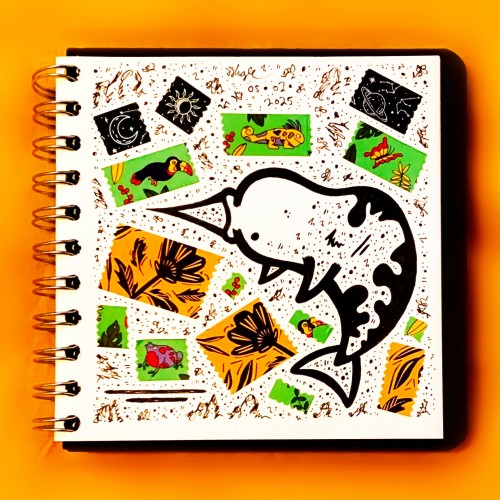
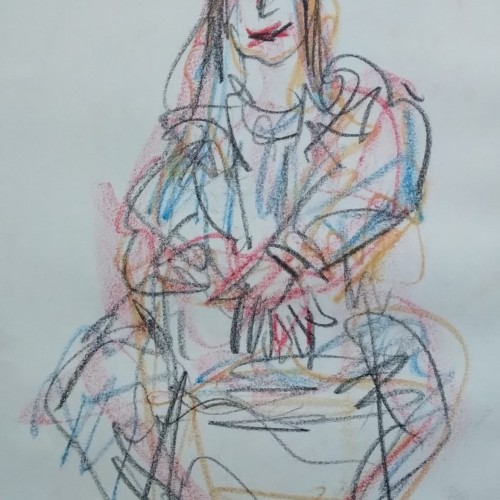
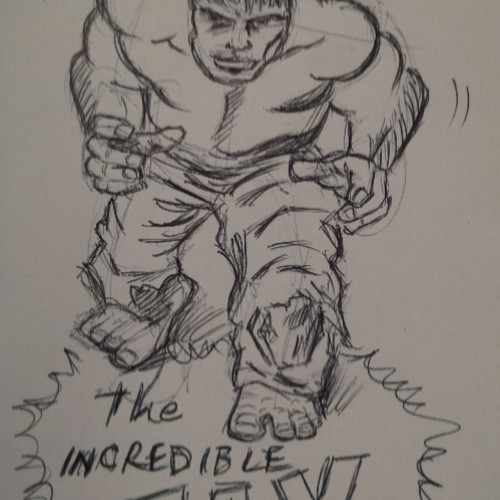
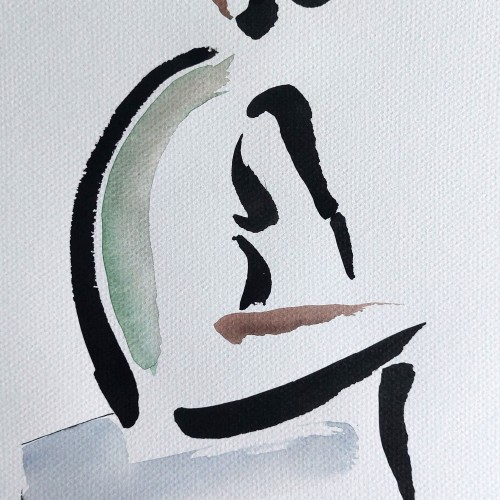
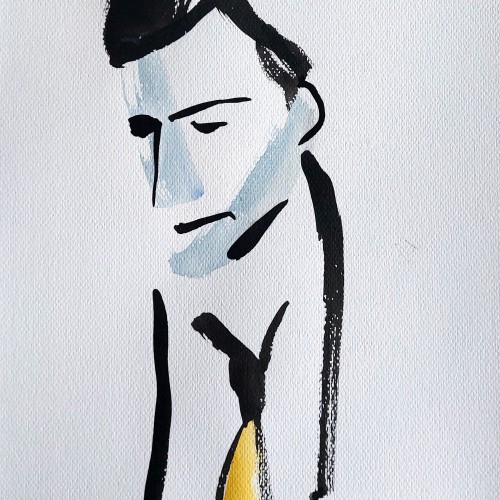
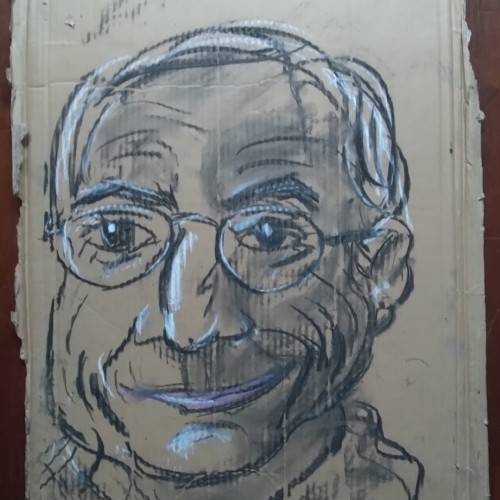
It was a quick sketch i made for a person..I promised him a sketch but didn't fulfilled the promise for like 2 weeks then i choose to work on it..drew lines for 6-7 mins
Graham Greene (1904–1991)
In 1968, an interviewer asked if he was “a nine-till-five man.” “No,” Greene replied. “Good heavens, I would say I was a nine-till-a-quarter-past-ten man.”
- From Daily Rituals: How Artists Work by Mason Currey
#dailyrituals #inktober #GrahamGreene #goals @masoncurrey
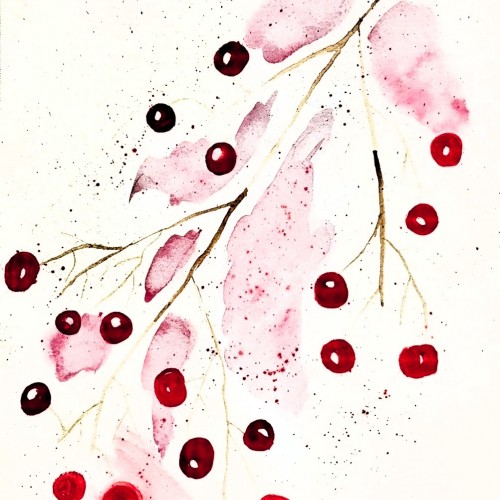
christmas ‘24 destination spent with my people - thankful for the few days of quality family time, endless memories made, the many many laughs, and the beautiful view we were blessed with from our airbnb! enjoy a little watercolor I did while there, a breathtaking view from the Ozarks!
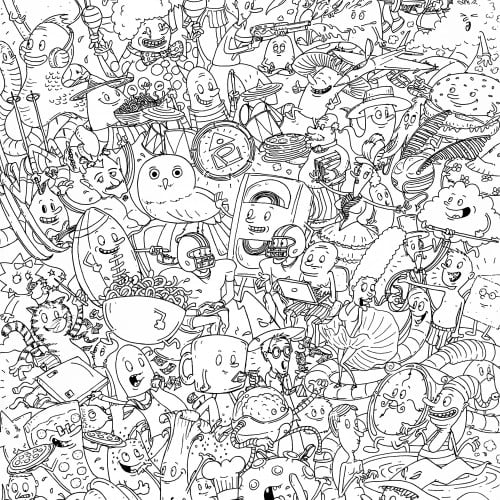
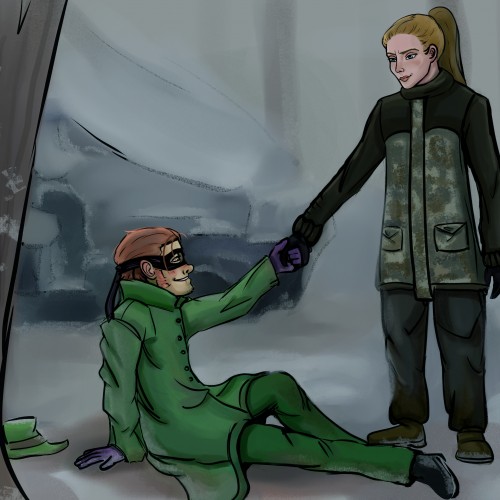
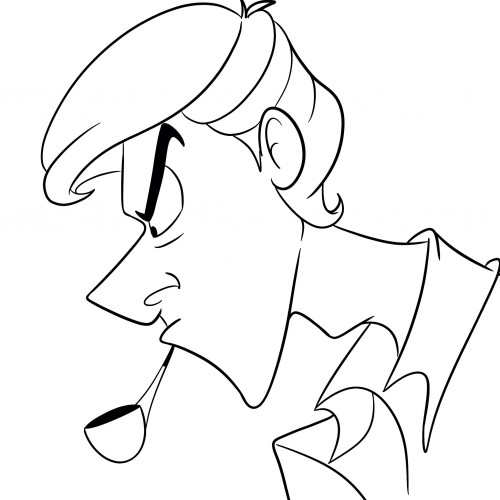
So after seeing some pictures of his human pictures I wanted to make something. This is based off the YouTube video link below. This guy made Alastors radio show and its KA! You should go check it out, I like to listen to it when I'm alone at the office, or when I study or whenever really.
https://www.youtube.com/watch?v=ns18ZVI-ObQ
4 year old Henry engaged fully with thick applications of watercolor and oil pastels. He said it was a stormy sea with a small boat. This was at the onset of the pandemic, when we were all a bit uncertain and confined to our homes. I was reminded of an insight by Kierkegaard written in the early 1800s: “When the sailor is out on the sea and everything is changing around him, as the waves are continually being born and dying, he does not stare into the depths of these, since they vary. He looks up at the stars. And why? Because they are faithful – as they stand now, they stood for the patriarchs, and will stand for coming generations. By what means then does he conquer changing conditions? Through the eternal: By means of the eternal, one can conquer the future, because the eternal is the foundation of the future.”
Jean-Paul Sartre (1905–1980)
By the 1950s, too much work on too little sleep—with too much wine and cigarettes—had left Sartre exhausted and on the verge of collapse. Rather than slow down, however, he turned to Corydrane, a mix of amphetamine and aspirin then fashionable among Parisian students, intellectuals, and artists (and legal in France until 1971, when it was declared toxic and taken off the market). The prescribed dose was one or two tablets in the morning and at noon. Sartre took twenty a day, beginning with his morning coffee and slowly chewing one pill after another as he worked. For each tablet, he could produce a page or two of his second major philosophical work, The Critique of Dialectical Reason.
The biographer Annie Cohen-Solal reports, “His diet over a period of twenty-four hours included two packs of cigarettes and several pipes stuffed with black tobacco, more than a quart of alcohol—wine, beer, vodka, whisky, and so on—two hundred milligrams of amphetamines, fifteen grams of aspirin, several grams of barbiturates, plus coffee, tea, rich meals.”
- From Daily Rituals: How Artists Work by Mason Currey
#dailyrituals #inktober #jeanPaulSartre @masoncurrey
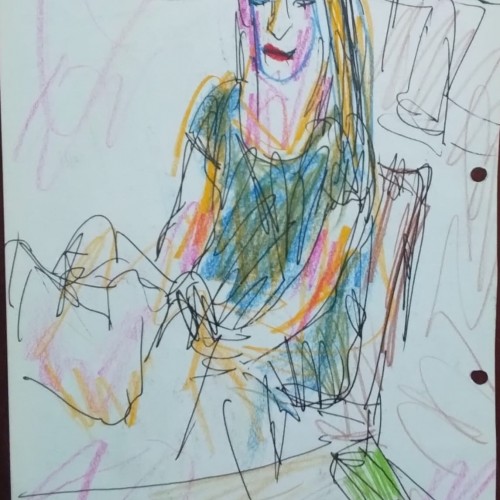
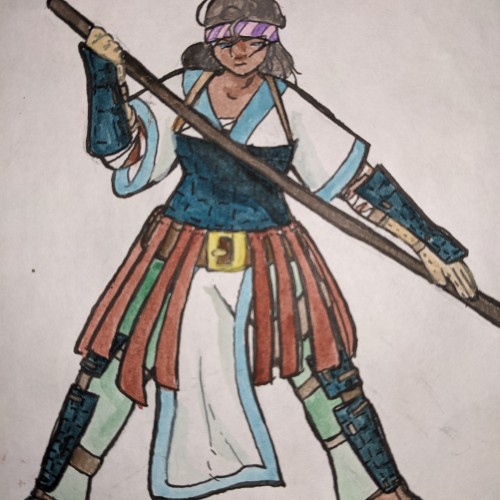
Anyone is welcome to post their own version of this expressing their unique identity, in fact i highly encourage it
I saw a lot of people posting this on other platforms and wanted to post my own version
This "trend" I guess you could call it, came from the movie "I saw the TV glow". Which is a movie that's a metaphor for trans identities and other queer identities.