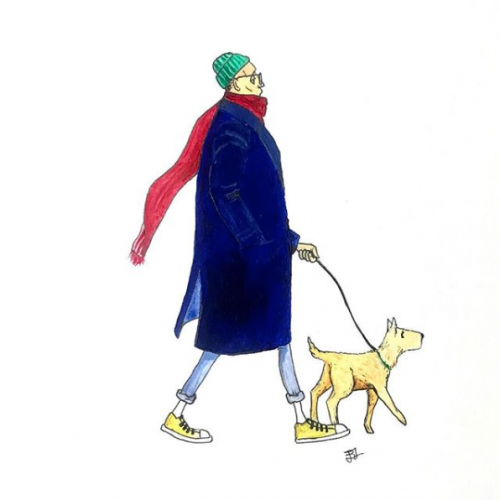
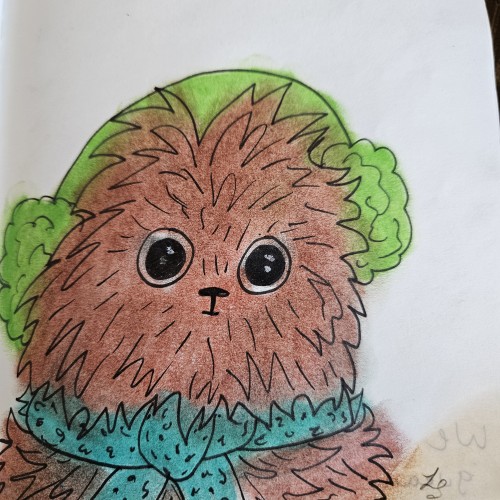
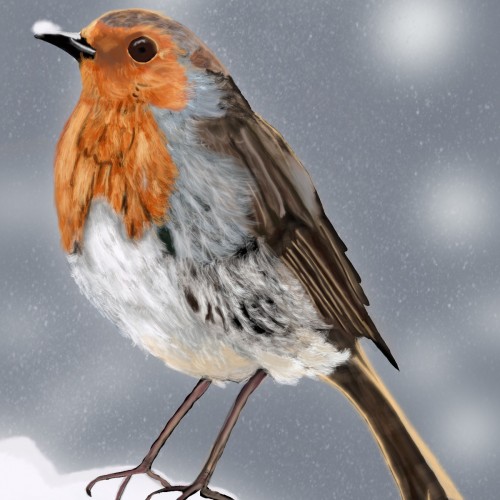
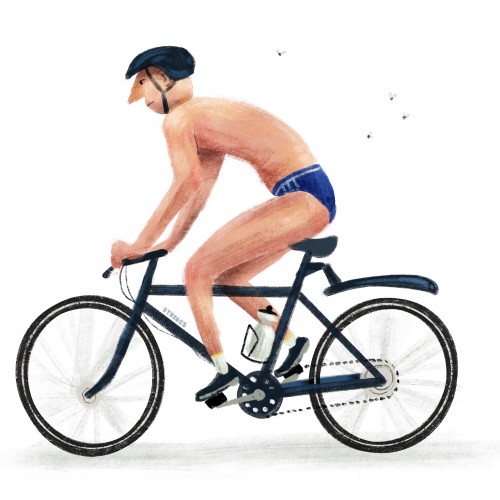
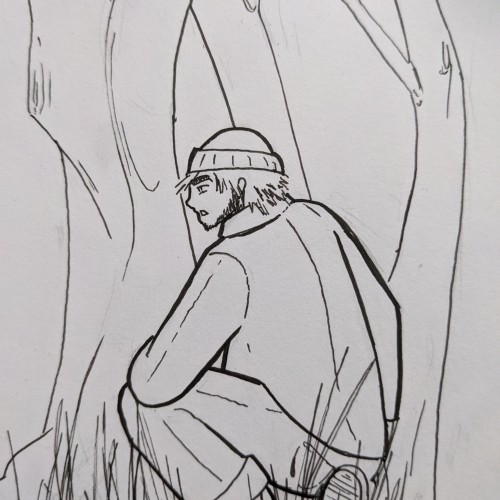
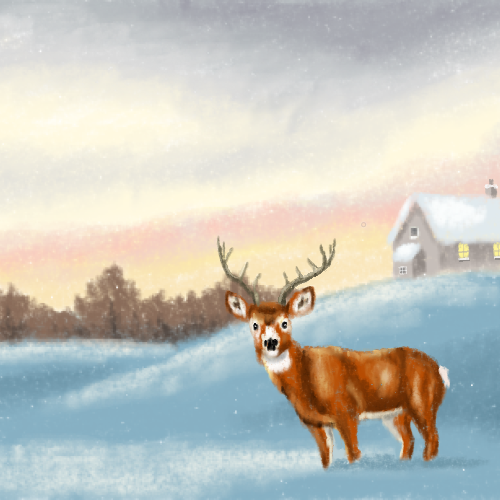
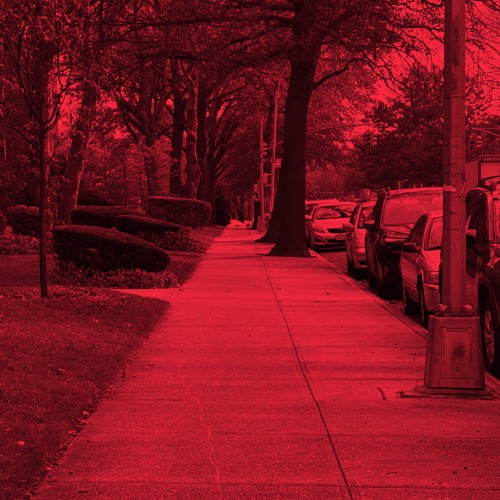
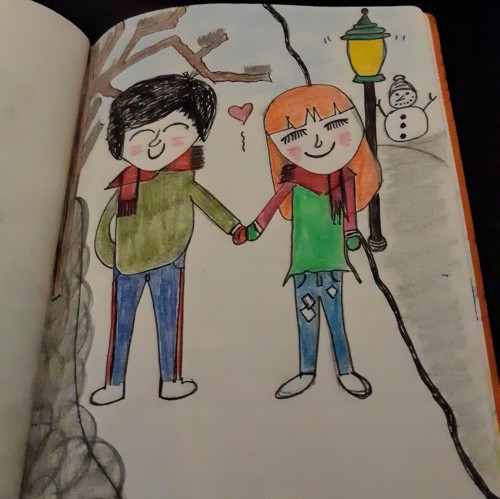
Winter strikes Stoke Newington and the scarves come out along Church Street. Pops of colour and man's best friend help get us through the most trying of seasons
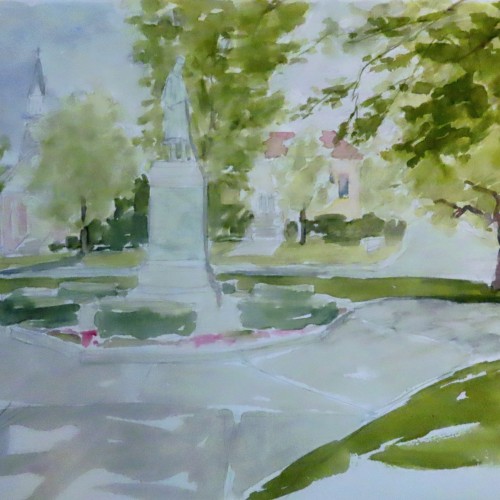
Starting this past winter I began redoing some of my old artwork. This one was painted about 15 years ago--is quite pale. Soon I'll be brightening it, adding more value contrast. After each redo is done, I choose the next. Anyone else out there do redos? I'd love to hear about your experiences.
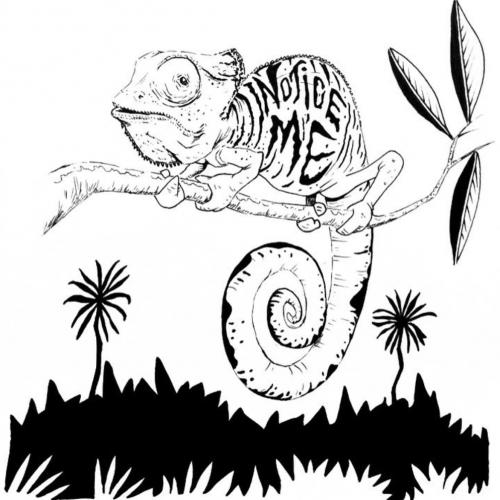
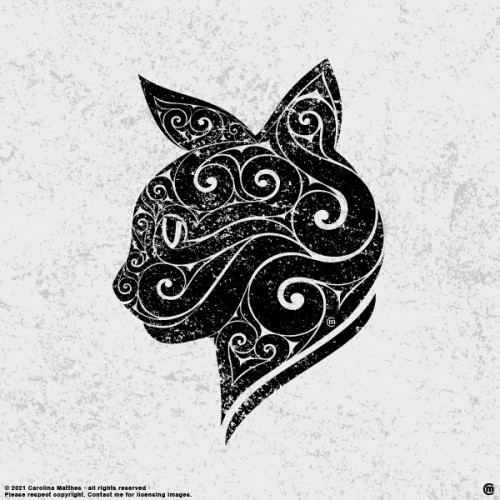
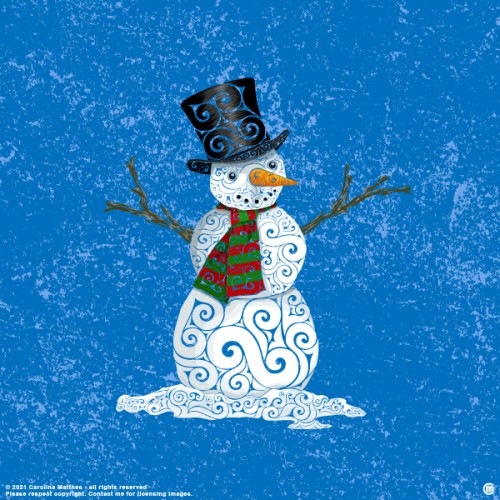
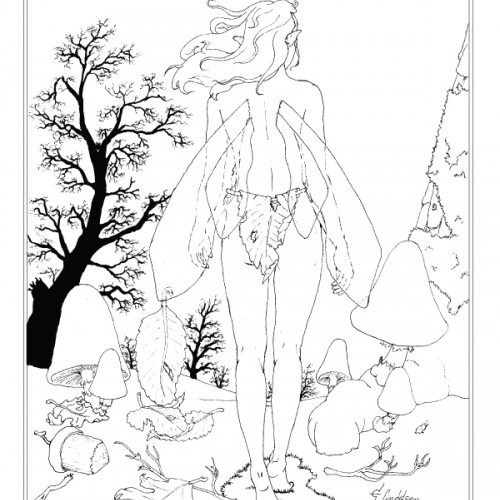
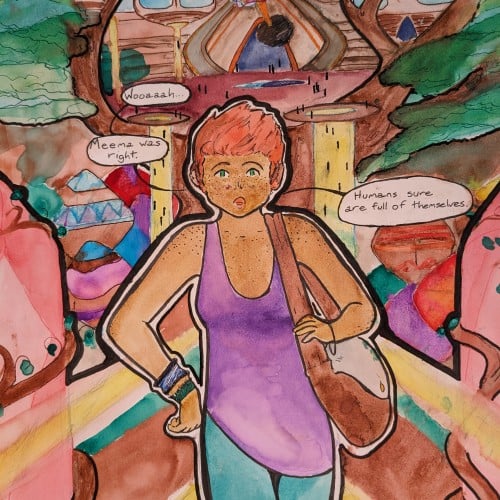
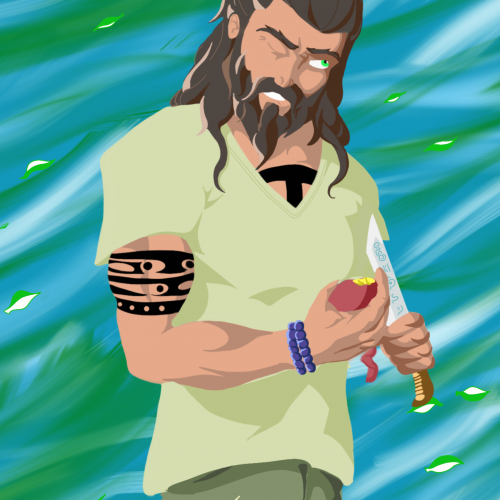
One of my Swirly Designs, illustrated with different tools such as Graphite, Aquarelle, Ink Pens and Ai & Tablet. Sometimes sheer Vectorillustration/design.
.
Urh.-Nr:1811955
.
Copyright by Carolina Matthes
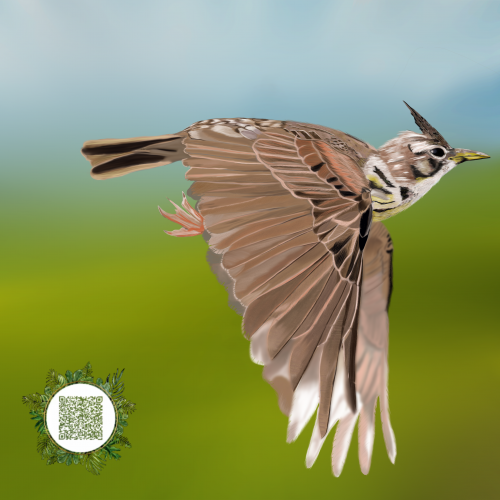
I just finished the Calandra Lark. Here are some facts about this beautiful bird...
Appearance: It's a large lark, about 17.5-20 cm long, with a robust build, a heavy bill, and noticeable pale eyebrows
. Its plumage is mainly greyish-brown streaked above and white below, with large black patches on the breast sides.
Habitat: This species is found in open plains, steppes, pastures, and dry cereal cultivations. It's mainly resident in the west of its range but Russian populations migrate further south in winter.
Diet: Their main food source is seeds, but they also consume insects when nesting.
Behaviour: Calandra Larks are known to be gregarious outside the breeding season, often forming large flocks.
Song: Their song is considered musical and slower than the Skylark's. It has been historically popular as a cagebird.
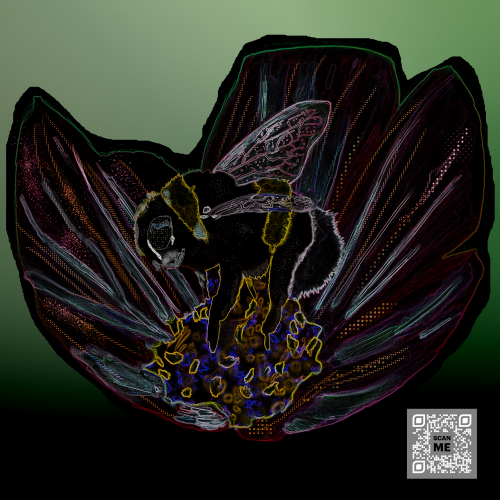
Flight of the bumblebee The lifecycle begins in spring, when rising temperatures awaken a queen bumblebee that has been hibernating alone in the soil. The queen will have spent the entire winter underground, using up reserves of energy stored as fat in her body. When she first emerges, she feeds on flowers, drinking nectar to gain energy. She will then begin to search for a suitable nest site. Frequent nesting sites include holes in the ground, tussocky grass, bird boxes and under garden sheds.
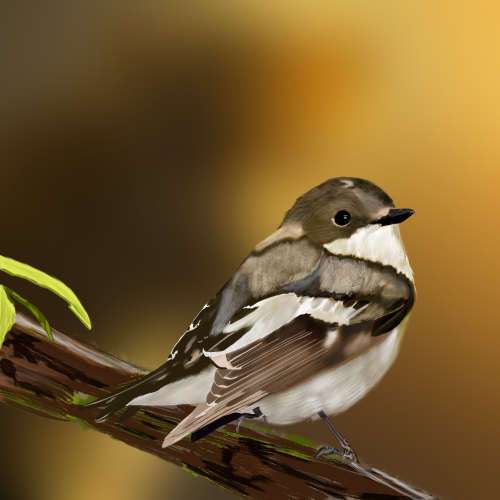
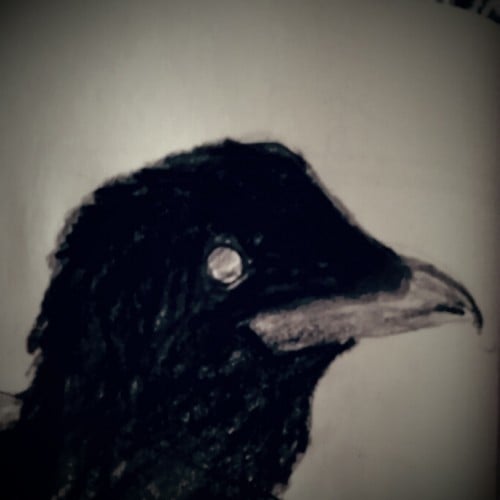
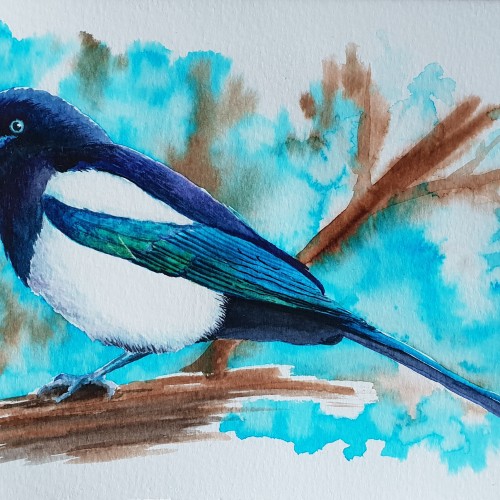
A Female Pied Flycatcher Ficedula Hypoleuca…
The Pied Flycatcher is a summer migrant to the UK.
As the name suggests, it feeds on flies that are caught by making a quick dash from an obvious perch. There are around 40,000 pairs in the UK each summer. The Pied Flycatcher is a small unmistakable bird that often sits with drooped wings. It spends its winter in Africa.
Identification:
Adult
Adult males and females share the same plumage pattern but are different colours.
Male Pied Flycatchers are small and chunky,13cm in length and are black and white all over, they are quite unmistakable.
The upperparts are black and white, tail is black with white base to outer tail feathers, rump is a slightly paler, back is jet black, wings are black with white wing patch (tertials)
The nape and head is black except for small white patch above the black bill. Chin and throat white, extending to form a half collar.
The entire underparts are white, ie; chin, throat, breast, belly and undertail coverts. Legs, bill and eye black.
Females are brown versions of the male although tail is dark, no obvious white patch over the bill and the collar is less distinct. #piedflycatcher #brd #birdart #birdartist #birdsketch #birddrawing #bampidraws #birdlovers
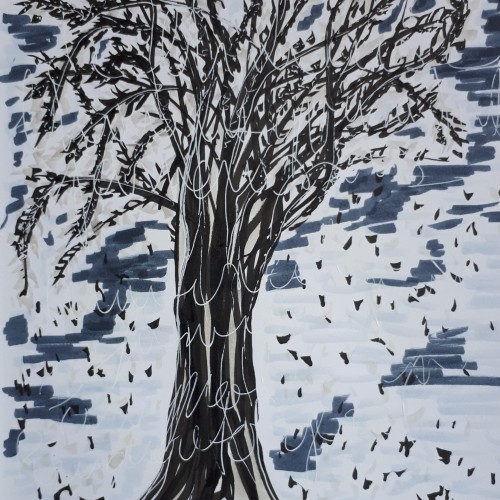
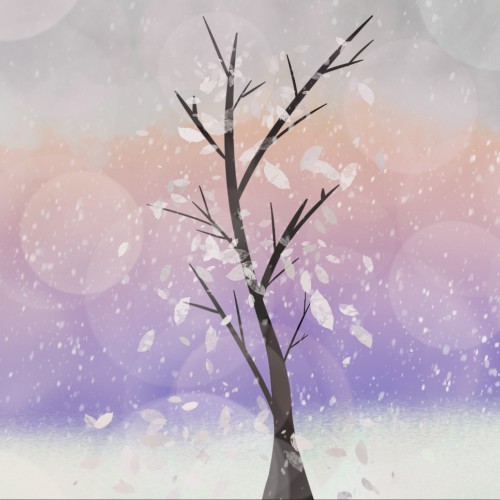
As awesome as summer and winter are, I love the transitional seasons the best, especially fall. It's the best time to do sports, orienteering, bird watching, hikes. The crisp air feels so good, and I love the rustle of the dead leaves and grasses on a windy day. While sometimes I get sad to see the branches bare, I also love looking at and analyzing their structure. I find it fascinating that a tree can go from this mighty, fluttering thing to a spindly, knobby structure and remain fundamentally unchanged. It's a bit of a miracle
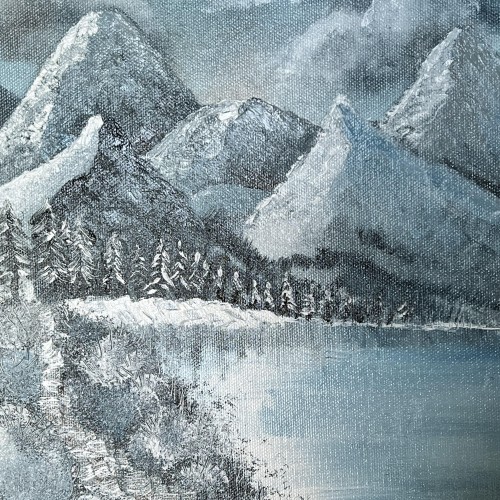
This is the second oil painting I have ever made, and the first time I have attempted to create mountains, trees and bushes. I used just 3 colours for this: Raw Umber, Phthalo Blue and Titanium White. I learned a lot and had tonnes of fun at the same time.
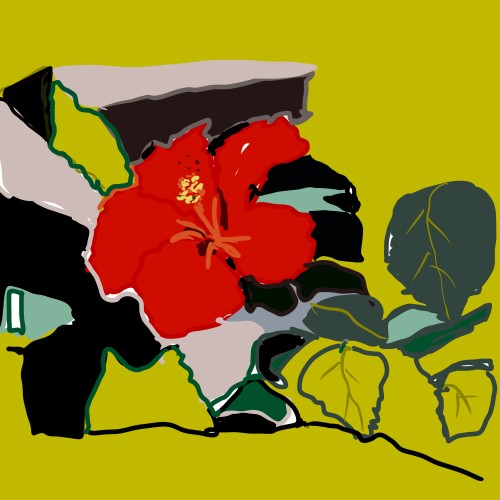
Based on a photograph of a hibiscus flower enjoying its last day in the garden before being brought back home before the Canadian fall and winter. I imported the photo in Procreate and the rest is history.
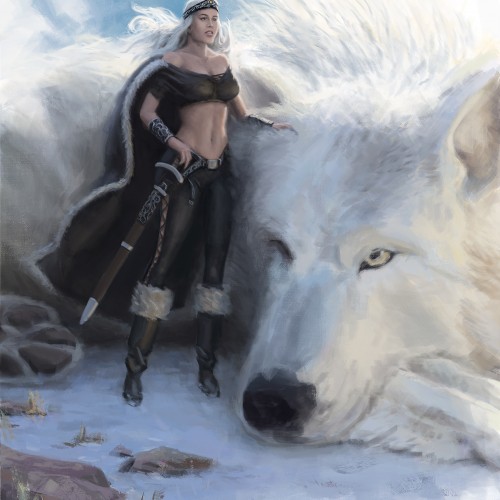
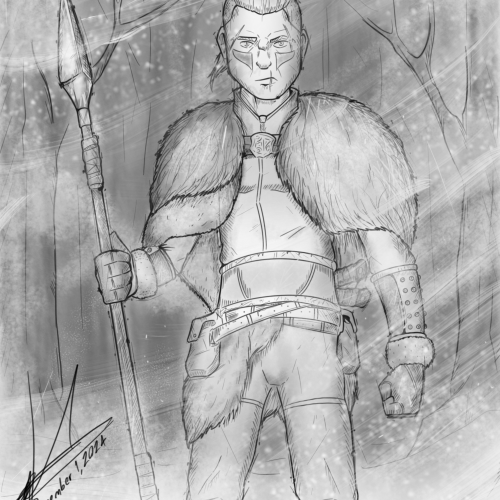
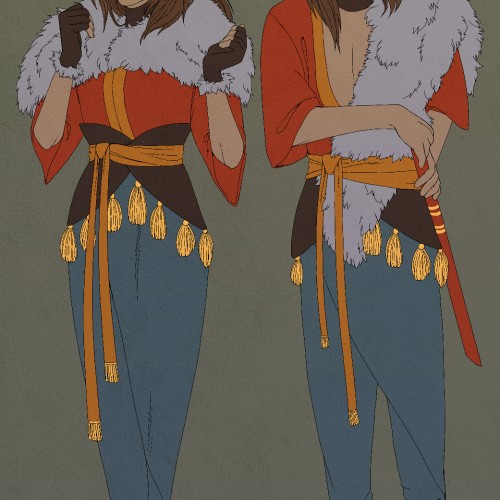
The lord of winter has had many wives throughout his life and many half god children. Wren and Wilder are two of them. Twins who do mischief in an attempt to get some attention from their distant father.
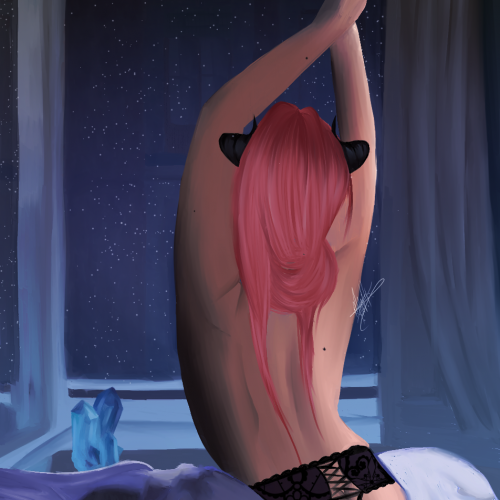
my first *official* painting titled "Winter Solace". I painted this one of my OC when I was feeling down. We all know how it feels during the winter months... dark, gloomy, and a good portion of us suffer from seasonal depression. But sometimes, we just have to take it in and be thankful for how far we've come, and how much we have yet to experience. I painted this to remind myself and others that there's always the calm after the storm, no matter how intense your storm may be. It's okay to not be okay.