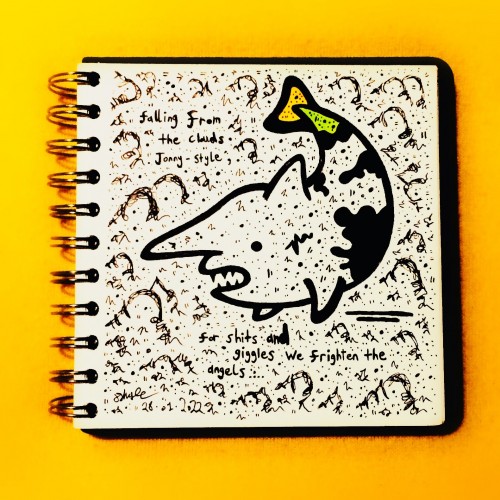
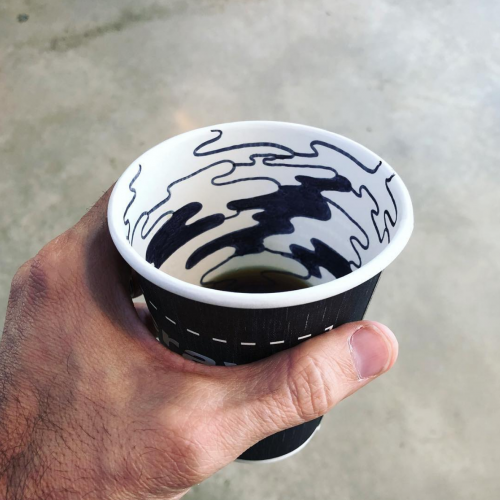
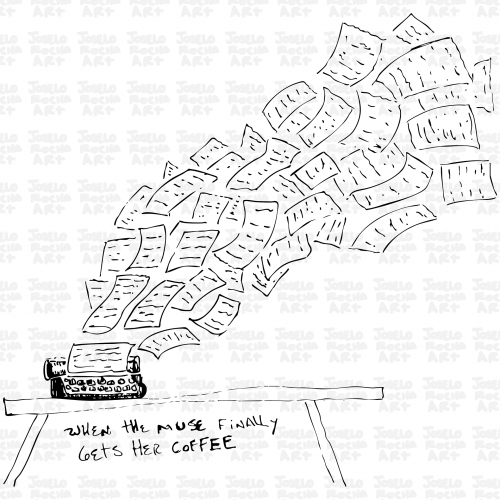
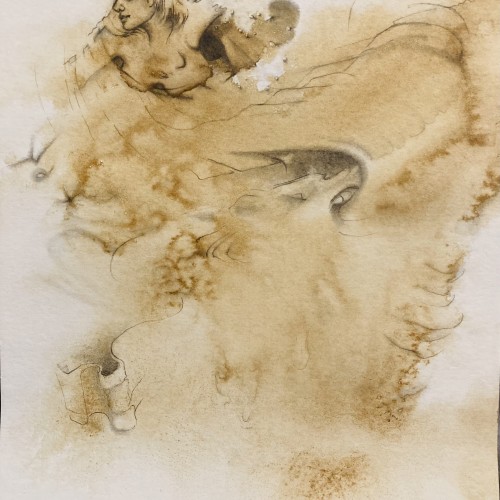
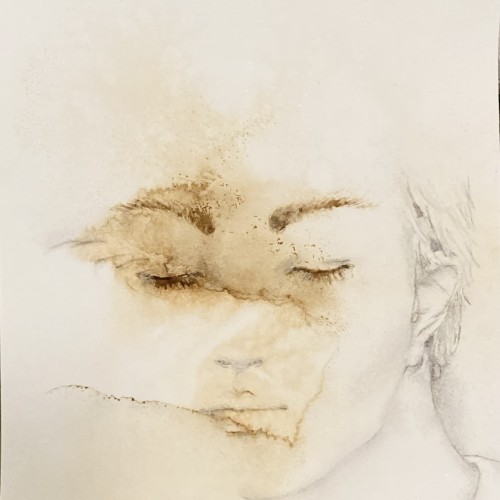
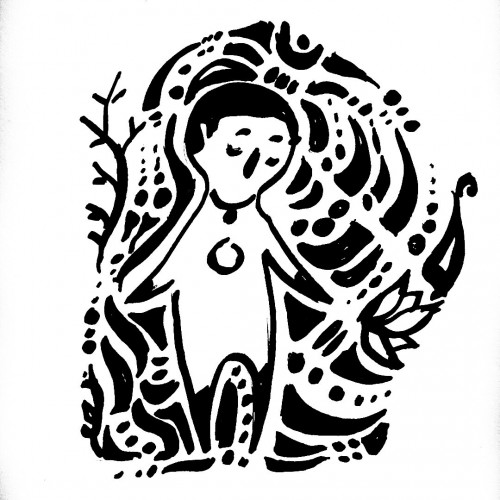
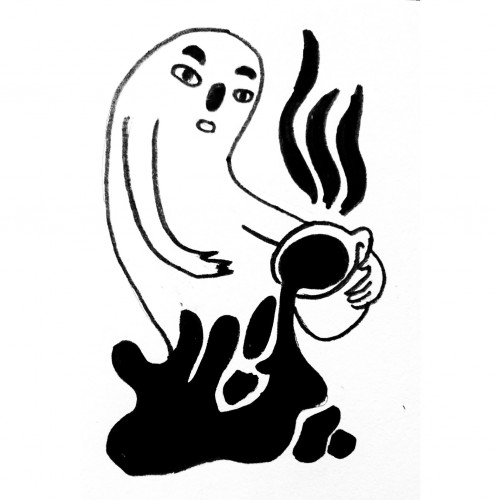
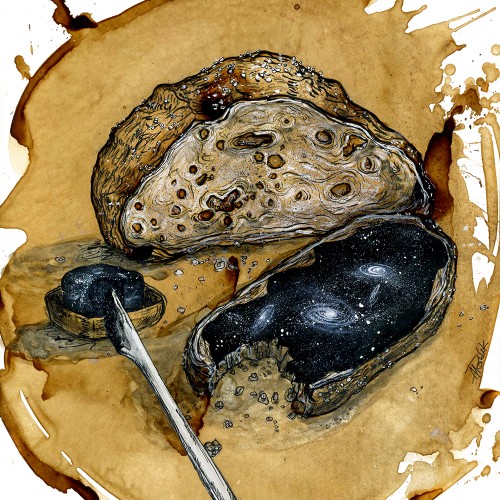
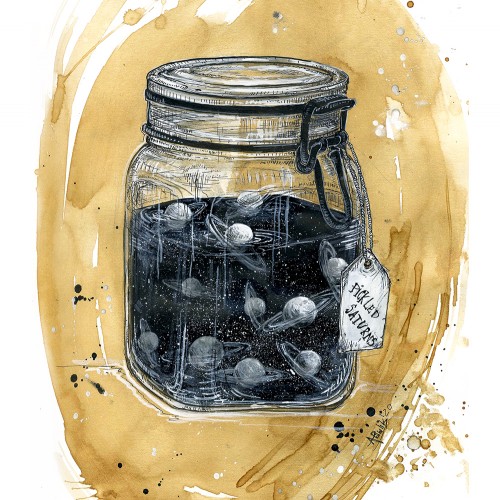
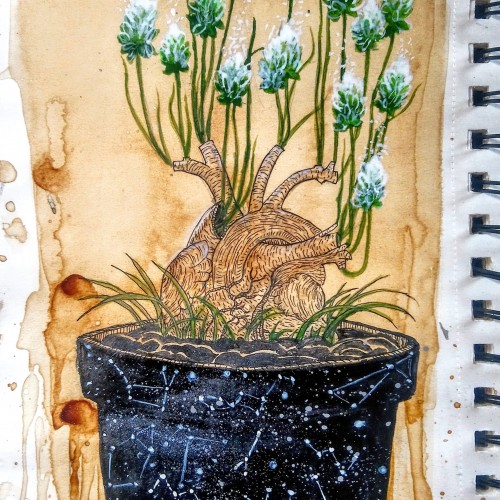
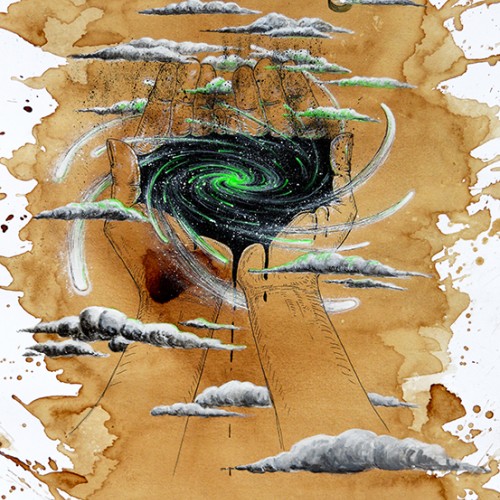
Many years back, I watched that documentary ‘The Boy Whose Skin Fell Off’ about a fellow called Jonny Kennedy who lived with the skin condition EB. There’s a bit in that film where he talks about what he hopes his afterlife would be like and, for whatever reason, a couple of coffees as I was re-reading the Wikipedia article about it triggered an idea I had to scribble down...
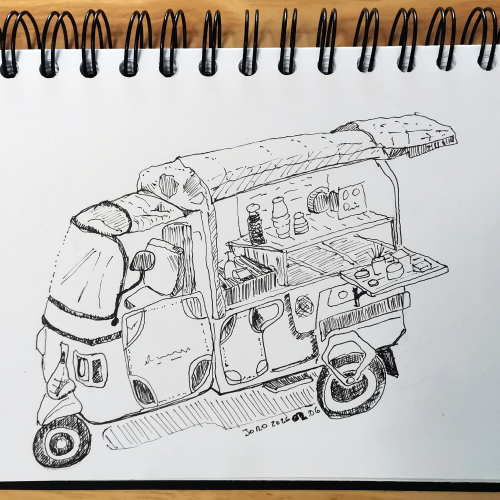
A detailed pen-and-ink exploration of a modified auto-rickshaw turned into a mobile coffee stall. This design captures the charm of urban travel and the global love for street food culture, rendered in a raw, sketchbook style.
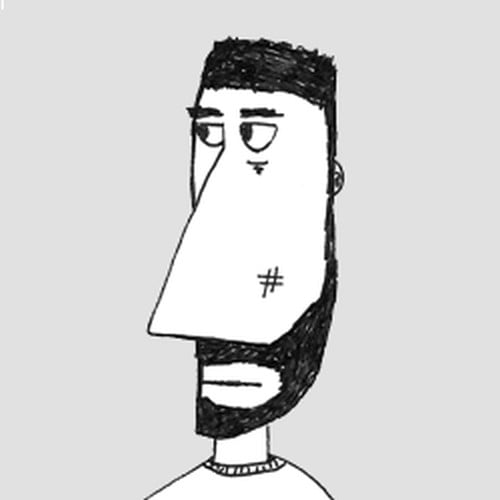
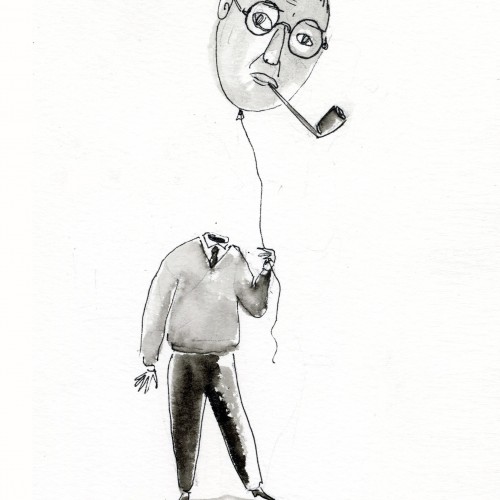
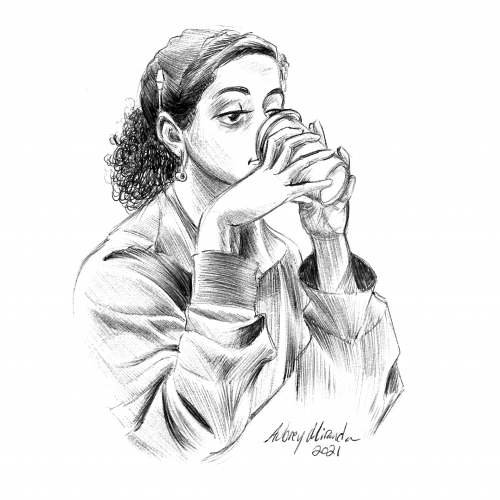
Jean-Paul Sartre (1905–1980)
By the 1950s, too much work on too little sleep—with too much wine and cigarettes—had left Sartre exhausted and on the verge of collapse. Rather than slow down, however, he turned to Corydrane, a mix of amphetamine and aspirin then fashionable among Parisian students, intellectuals, and artists (and legal in France until 1971, when it was declared toxic and taken off the market). The prescribed dose was one or two tablets in the morning and at noon. Sartre took twenty a day, beginning with his morning coffee and slowly chewing one pill after another as he worked. For each tablet, he could produce a page or two of his second major philosophical work, The Critique of Dialectical Reason.
The biographer Annie Cohen-Solal reports, “His diet over a period of twenty-four hours included two packs of cigarettes and several pipes stuffed with black tobacco, more than a quart of alcohol—wine, beer, vodka, whisky, and so on—two hundred milligrams of amphetamines, fifteen grams of aspirin, several grams of barbiturates, plus coffee, tea, rich meals.”
- From Daily Rituals: How Artists Work by Mason Currey
#dailyrituals #inktober #jeanPaulSartre @masoncurrey
Cute peaceful fox drinking coffee, wearing a scarf. Trying gouache for the first time. It's a really nice medium. I am definitely going to keep at it and make some more gouache paintings.