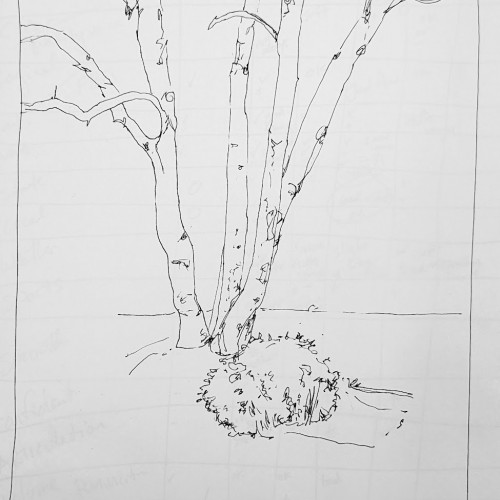
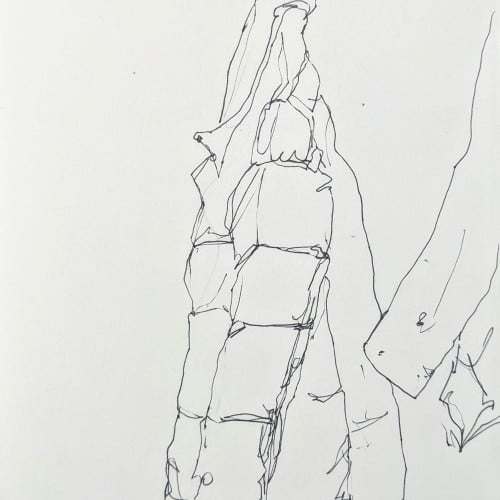
Three trunks rising from one root, steady and separate yet belonging. The little bush at their base reminds me that life gathers in layers—quiet companions at the feet of giants. A simple contour line holds it all, the way a moment holds both strength and tenderness.
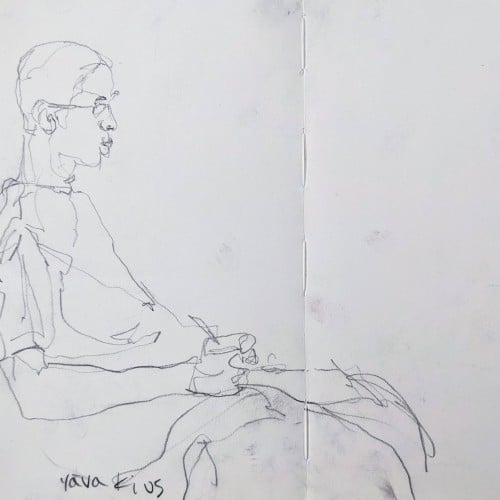
I think that sometimes 'waiting' is the hardest thing to do. If you have a place to hang your coat and you have a rich inner life, you will be fine waiting. I was waiting to be seen by my doctor. A general check-up. The prognosis is that I am getting older and I need to lose weight. OK then. Thank you.
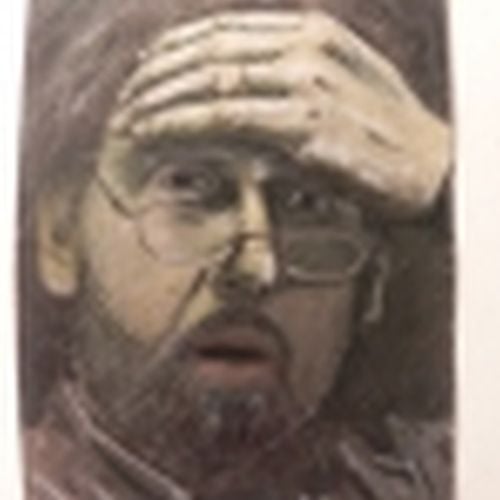
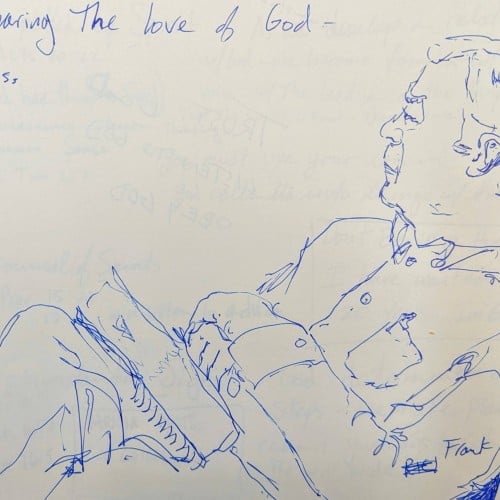
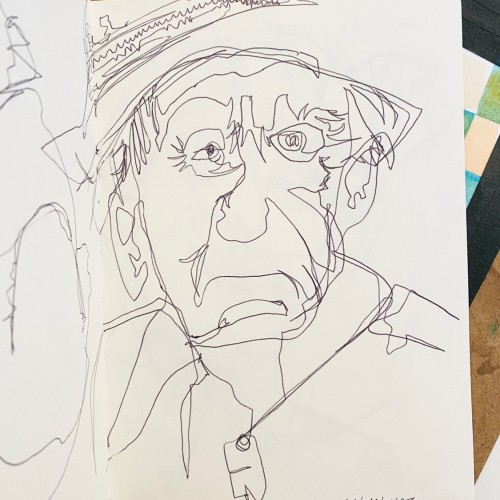
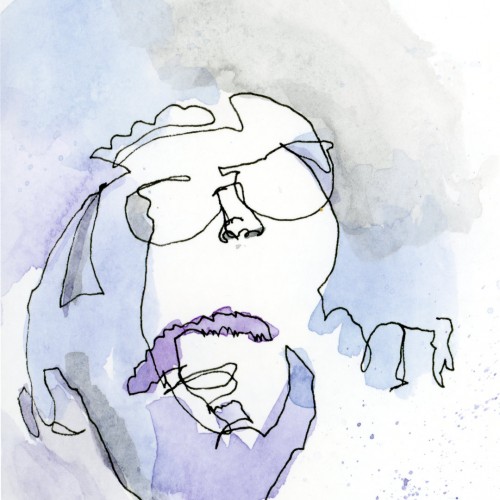
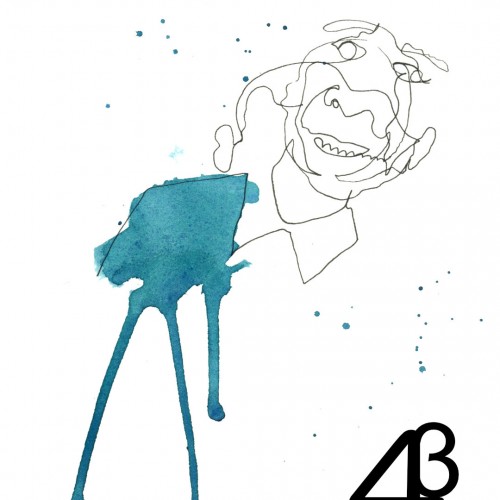
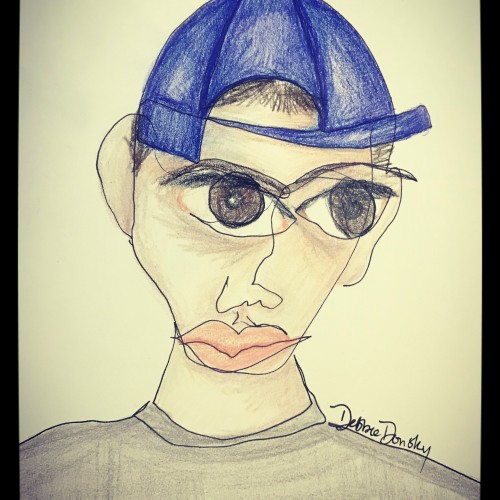
Sometimes the quickest drawings hold the deepest truths. During an after-sermon discussion about understanding the love of God, I found myself listening with one ear and drawing with the other. Frank, seated across the room, made a natural model—relaxed posture, thoughtful presence, and a face full of character.
With a pen in hand, I traced his form in a quick contour line, following the folds of his shirt, the tilt of his jaw, the stillness of his hands resting in his lap. Contour drawing asks us to see more than just the surface—it demands patience and presence, a slowing down until the line itself feels like prayer.
Frank became more than a subject; he was a reminder that the love of God is often revealed in ordinary moments and everyday people.
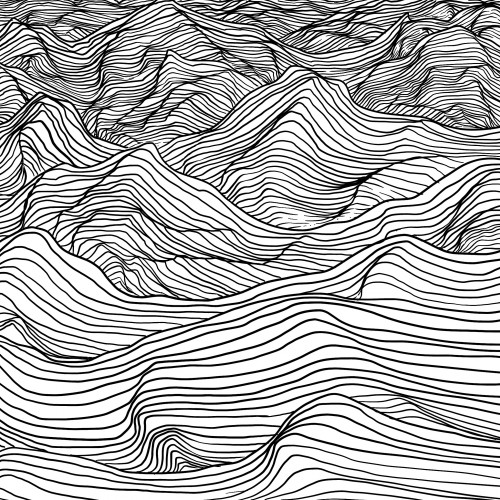
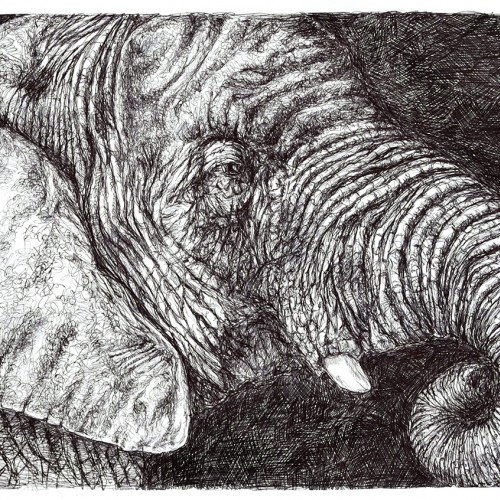
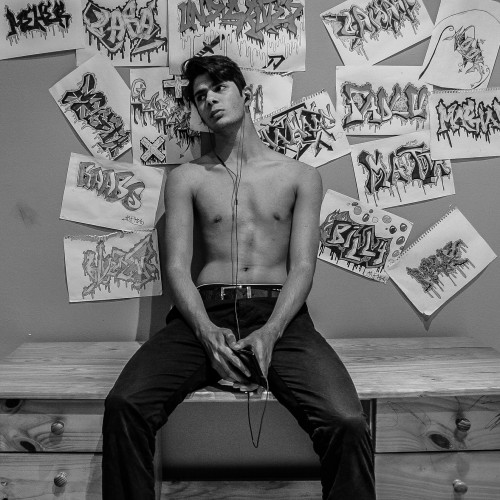
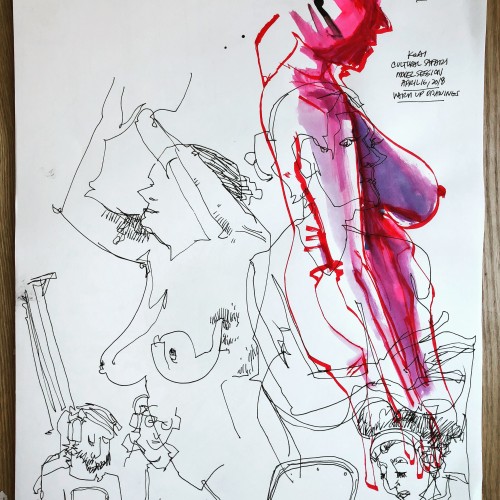
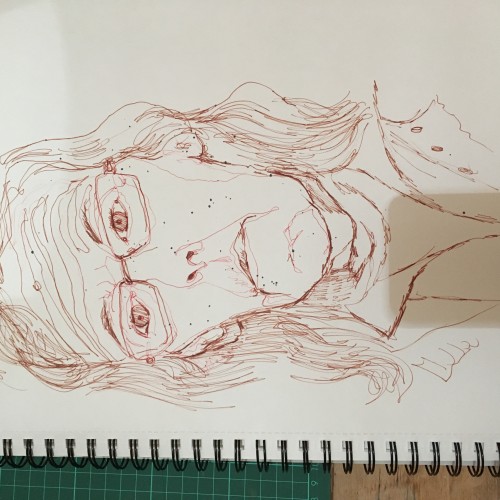
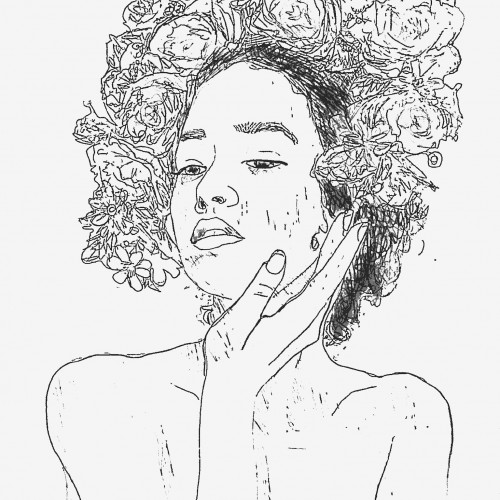
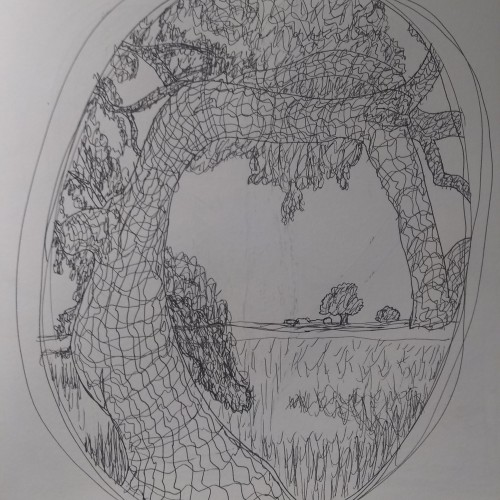
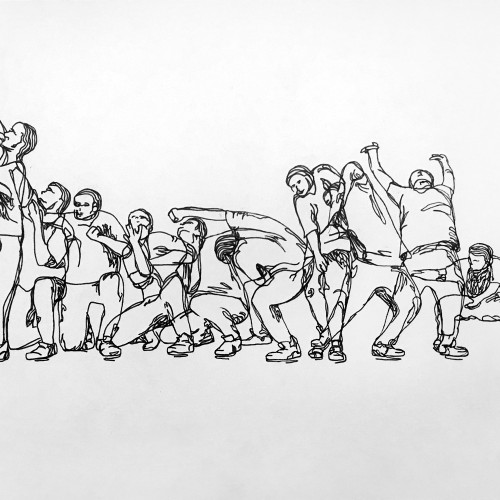
BIC ballpoint stick pen drawing on Richeson bulk drawing paper. This started as a contour drawing and just got squiggly (not the original intent). This was clipped to my board for weeks and I would add a few squiggles from time to time when I wanted to make marks, but didn't have inspiration. It's just a bit under 15 inches (12x18 inch paper) and is probably about 25 hours of making little lines and squiggles. The reference was a Dreamstime royalty-free photo.
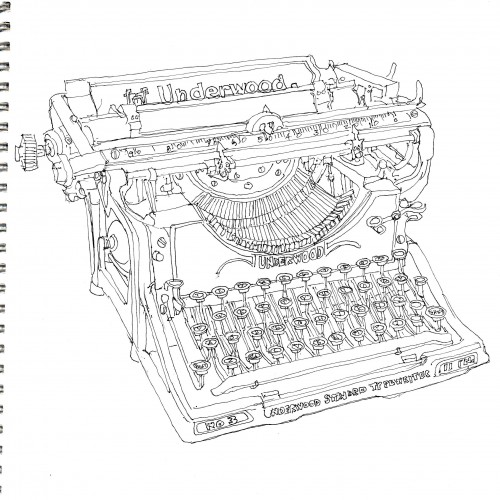
I have dragged this typewriter around for more than 50 years. I found it in an antique store when I was in college. It's still fully useable, except that it's REALLY hard to find ribbons. Basically, it's just another object to dust. But it is a beautifully made object. The basic shapes and perspective were blocked in with a 2H pencil, then I used a Sakura 005 micron pen to do the contour drawing.
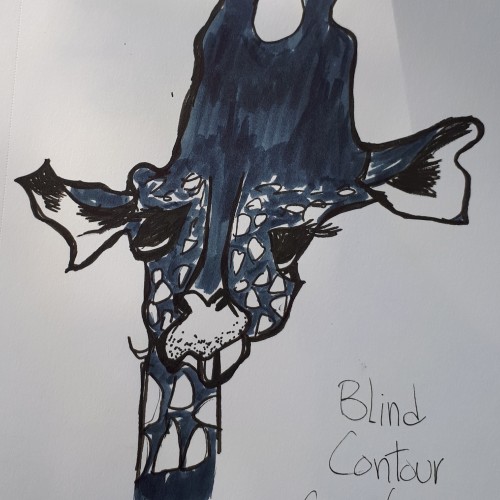
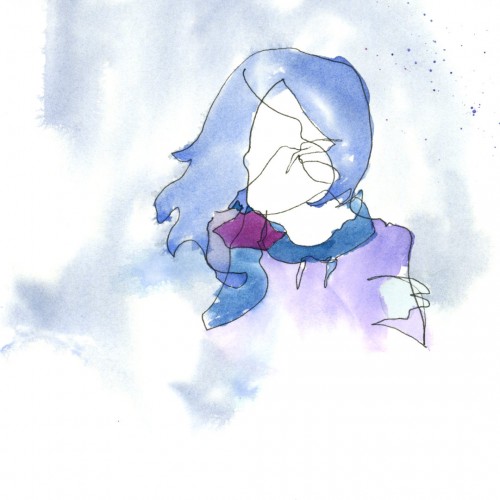
Currently exploring image making with fountain pens: immediate mark making, no pencil, no eraser. I'm enjoying the discovery process and embracing the stray mark made with semi-blind contour and continuous line drawings.
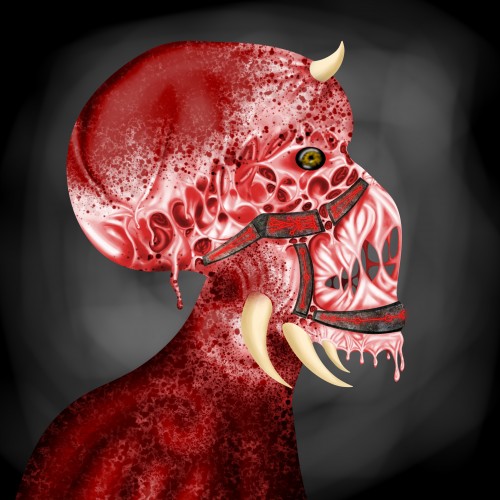
I spent 4 days working on this drawing using nothing but my laptops trackpad. I took inspiration from drips of paint and then stretched them apart to span between where bones should be.
The eye contour area was designed that way in order for it to stretch and collapse almost the same as how muscles contract and relax.
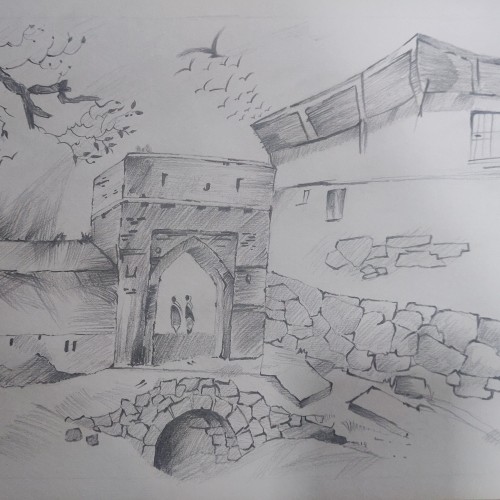
Draped in delicate pencil strokes, this artwork elegantly portrays a historic city gate, standing as a timeless sentry to myriad untold stories. Each shaded contour brings forth the intricate details of the gate's architecture, echoing the urban landscape of a bygone era. The deft use of monochrome evokes a nostalgic journey through the annals of time, where every shadow and highlight adds to the depth and texture of this piece. This mesmerizing blend of artistry and history invites viewers to step into the past and embrace the serene splendor of the city's storied gateway.
A solitary rowboat drifts across a muted, restless surface, unanchored and unattended. Rendered in charcoal, ink, and subtle white highlights, the vessel exists in a quiet state of motion—moving, yet going nowhere. The surrounding water is suggested through loose, rhythmic lines, emphasizing atmosphere and isolation over realism.
The boat is sharply defined against the hazy background, its dark contours and interior shadows contrasting with the soft, unsettled environment. Oars rest unevenly, implying recent human presence while reinforcing absence. The name Perditas—Latin for “lost”—is affixed to the hull, anchoring the emotional weight of the piece without explanation.
This work explores themes of solitude, uncertainty, and endurance. With no shoreline or destination in sight, Perditas becomes a reflection on drifting—physically, mentally, and emotionally—inviting the viewer to confront their own sense of direction within an undefined space.