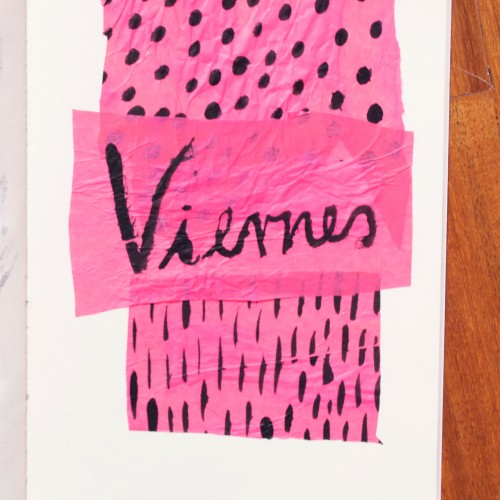
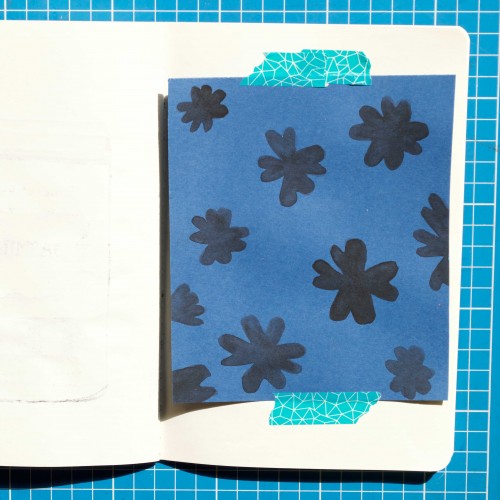
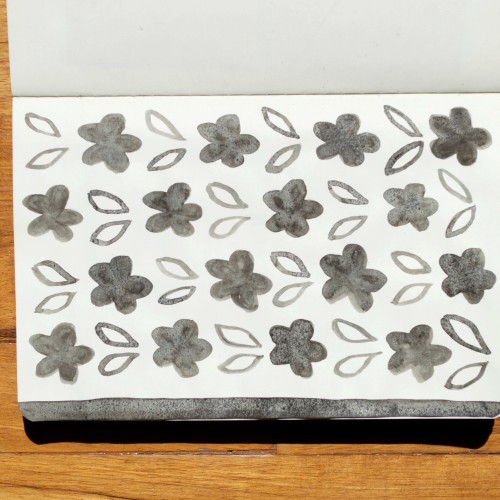
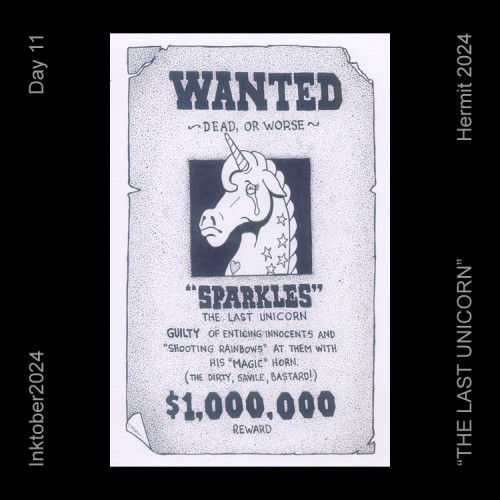
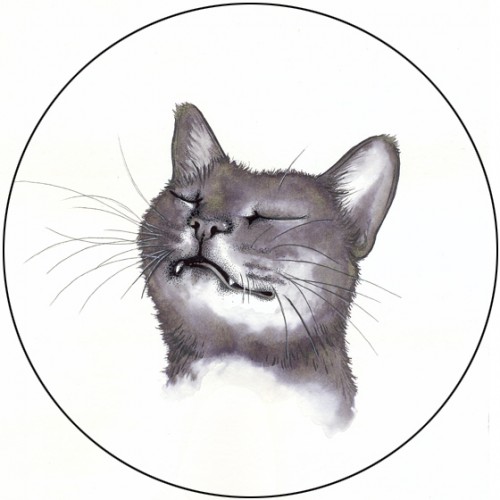
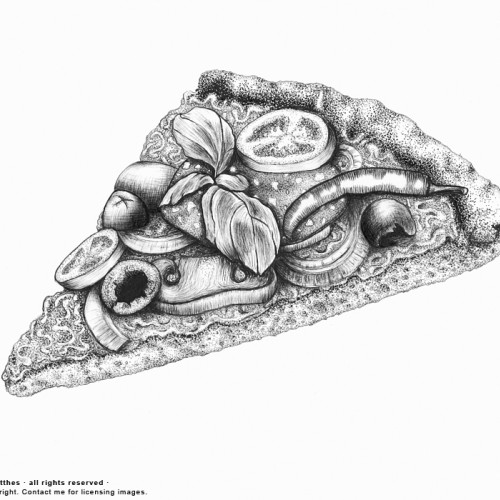
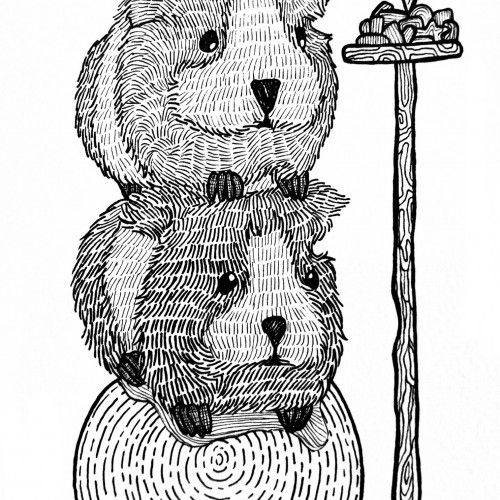
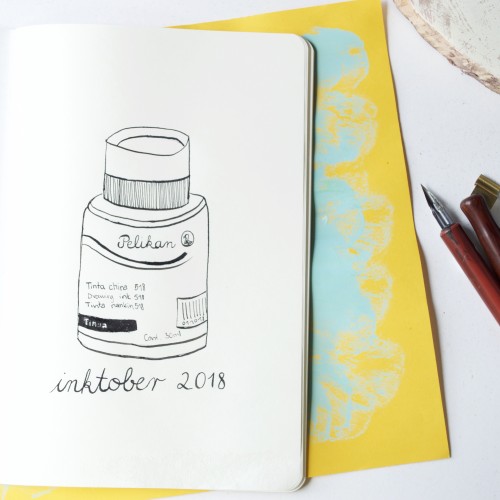
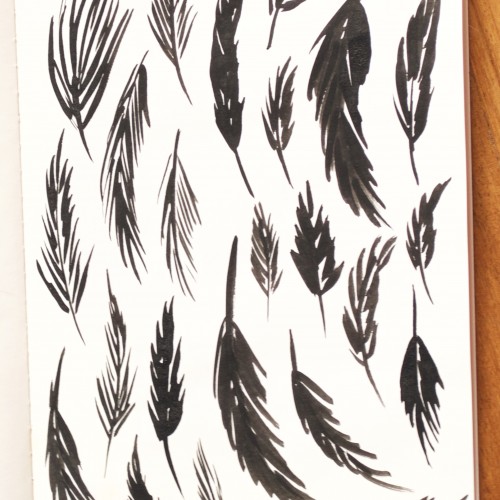
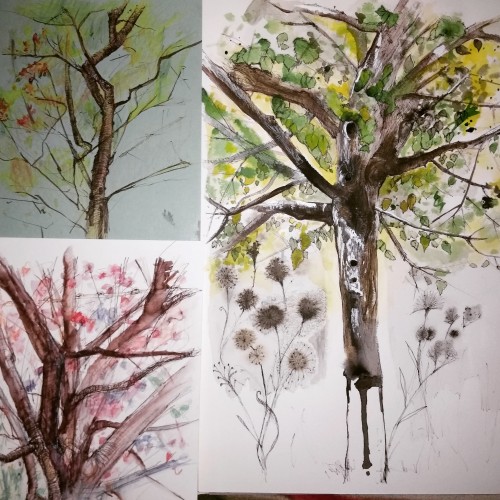
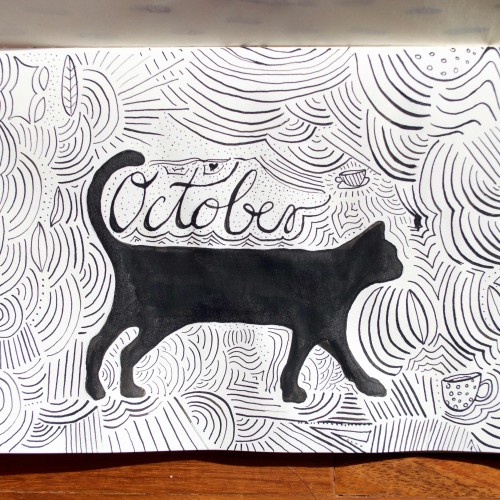
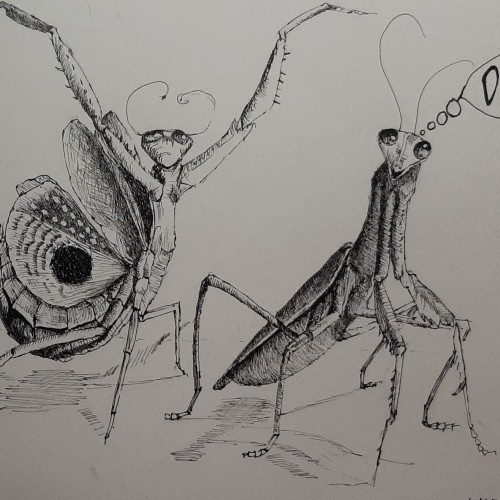
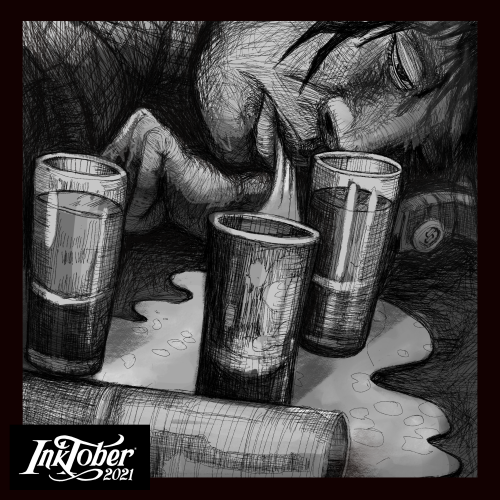
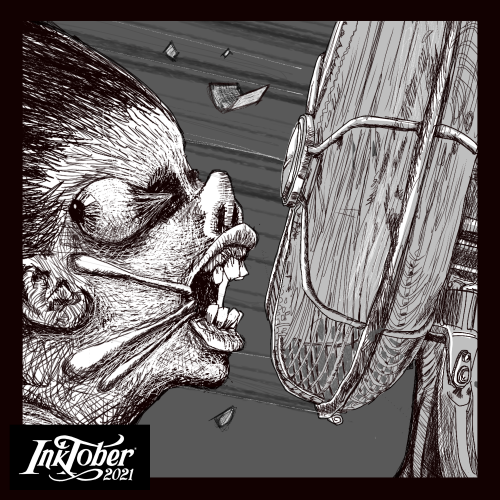
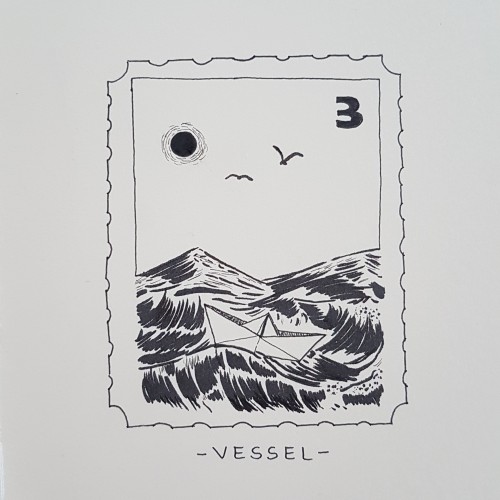
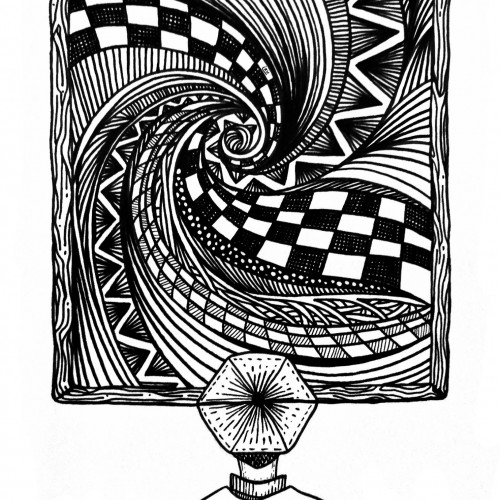
India ink on tissue paper. I had never used ink on this kind of paper before; I really liked the results! There are some folds and wrinkles on the paper that give the pattern some interesting details. The paper is also super absorbing, which plays nicely with the quantities of ink. Since it's very thin, there can easily be overlays between textures. And finally, when trying to use less ink (so that it wouldn't seep through and cause a big dot - the absorbing quality is nice, but it was also somewhat of a challenge!) I used very little ink on the lettering, causing a scratchy, dry look.
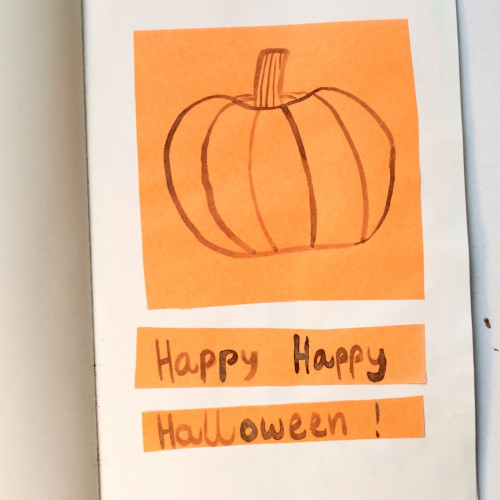
For the last day of Inktober, I drew a pumpkin with black india ink on orange paper. I had never done an Inktober challenge before, and I really liked it! I'm definitely doing it next year, too. I got very good ideas for new projects, I played with different textures and colours, and I used a calligraphic pen to draw, which I had never done before and which I loved.
Benjamin Franklin (Part 2)
The plan worked, up to a point. After following the course several times in a row, he found it necessary to go through just one course in a year, and then one every few years. But the virtue of order—“Let all your things have their places; let each part of your business have its time”—appears to have eluded his grasp. Franklin was not naturally inclined to keep his papers and other possessions organized, and he found the effort so vexing that he almost quit in frustration.
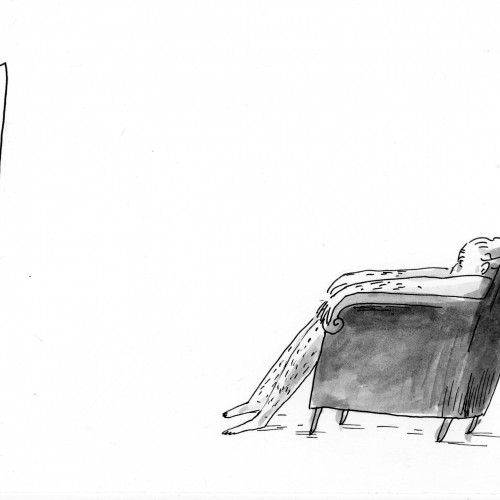
This timetable was formulated before Franklin adopted a favorite habit of his later years—his daily “air bath.” At the time, baths in cold water were considered a tonic, but Franklin believed the cold was too much of a shock to the system. He wrote in a letter: I have found it much more agreeable to my constitution to bathe in another element, I mean cold air. With this view I rise early almost every morning, and sit in my chamber without any clothes whatever, half an hour or an hour, according to the season, either reading or writing. This practice is not in the least painful, but on the contrary, agreeable; and if I return to bed afterwards, before I dress myself, as sometimes happens, I make a supplement to my night’s rest, of one or two hours of the most pleasing sleep that can be imagined.
From Daily rituals by Mason Currey
#daulyrituals #inktober #benjaminfranklin @masoncurrey
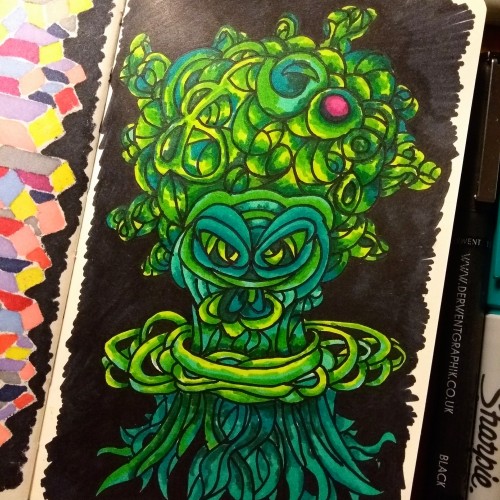
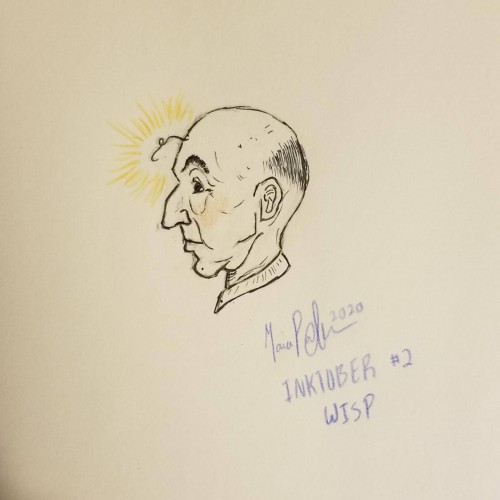
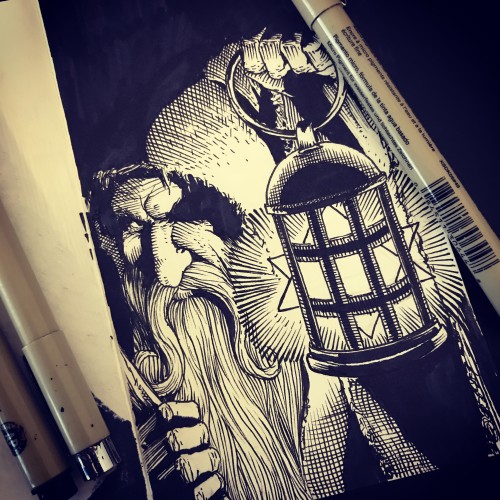
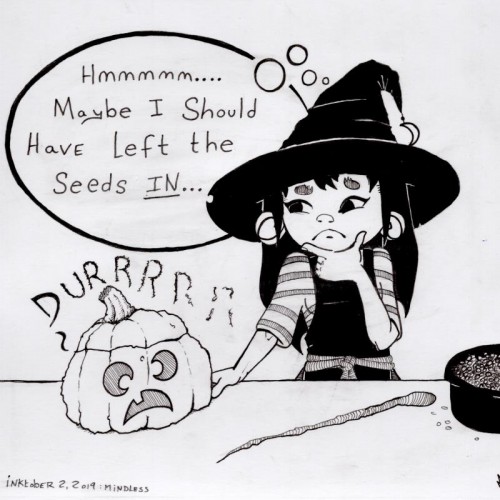
Day 2 of Inktober (I'm hoping to do this every day this year). A quick sketch in a clearer mindset than last night. Not sure why I named him Larry, but it seemed fitting. Here's to the fact that solving a physics problem on the first try legitimately made me jump out of my chair in excitement.
Jane Austen (1775–1817)
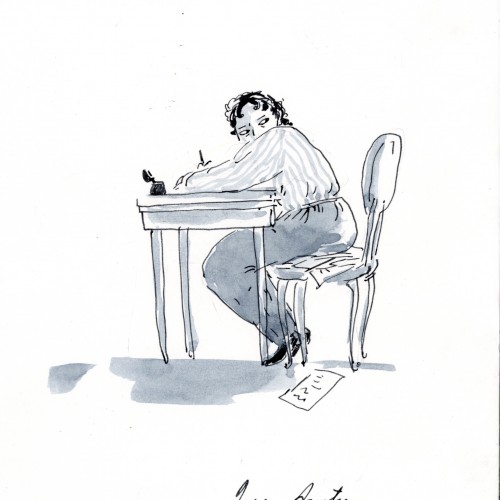
Austen never lived alone and had little expectation of solitude in her daily life. Her final home, a cottage in the village of Chawton, England, was no exception: she lived there with her mother, her sister, a close friend, and three servants, and there was a steady stream of visitors, often unannounced.
...
Austen wrote in the family sitting room, “subject to all kinds of casual interruptions,” her nephew recalled. She was careful that her occupation should not be suspected by servants, or visitors, or any persons beyond her own family party. She wrote upon small sheets of paper which could easily be put away, or covered with a piece of blotting paper. There was, between the front door and the offices, a swing door which creaked when it was opened; but she objected to having this little inconvenience remedied, because it gave her notice when anyone was coming.
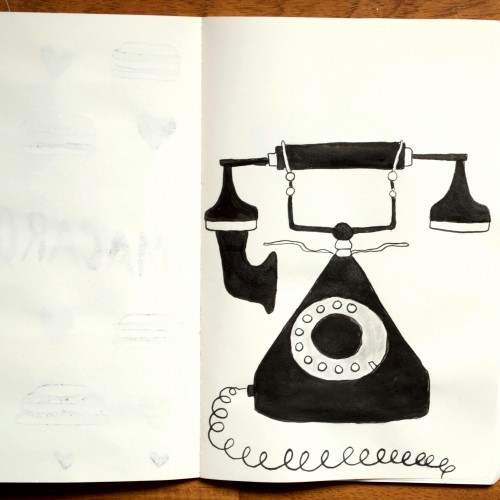
“Composition seems to me impossible with a head full of joints of mutton & doses of rhubarb.”
From Daily rituals by Mason Currey
#dailyrituals #inktober #janeAusten @masoncurrey