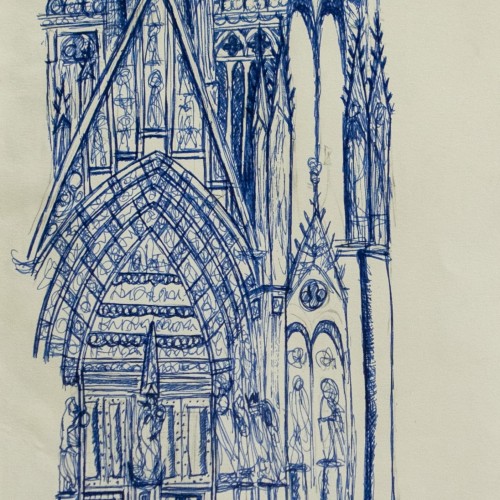
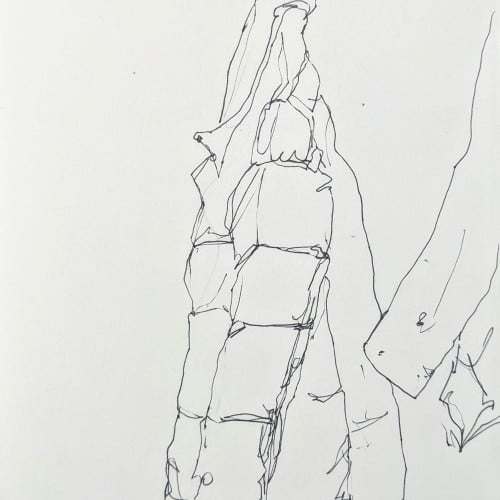
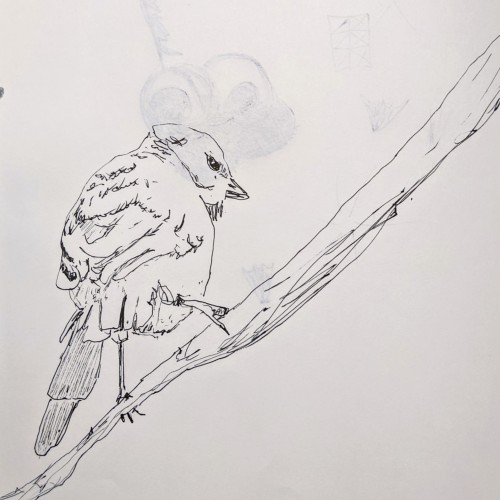
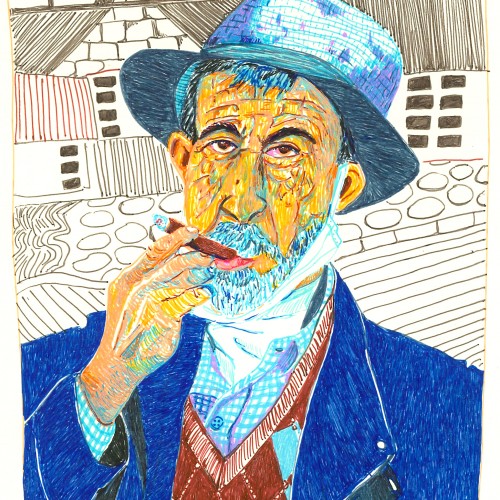
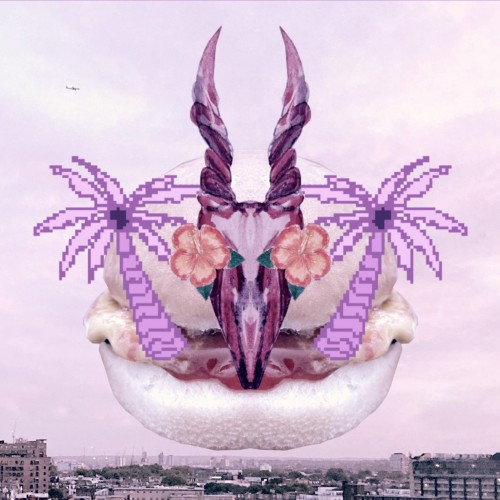
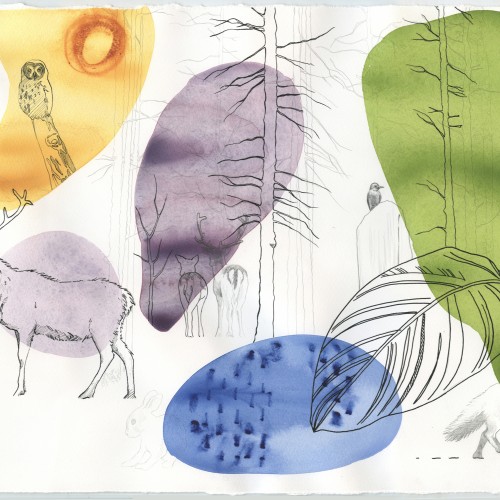
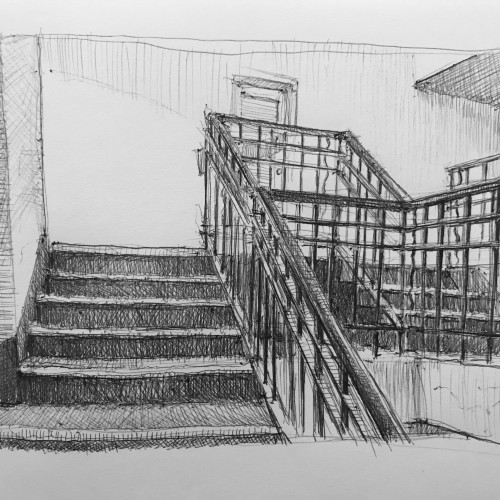
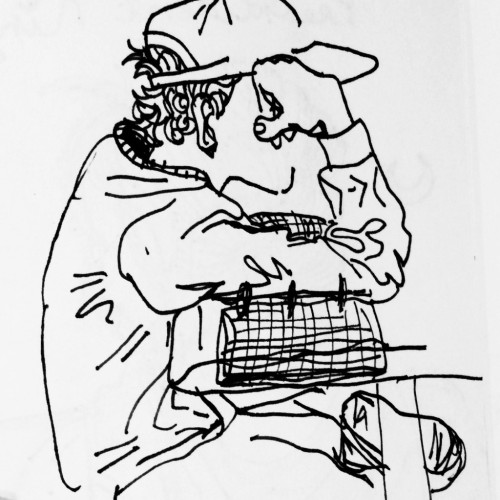
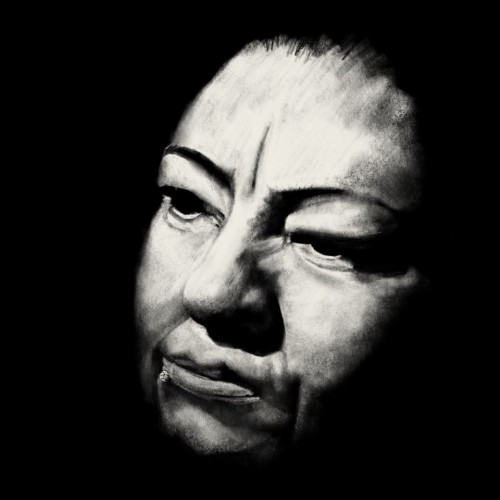
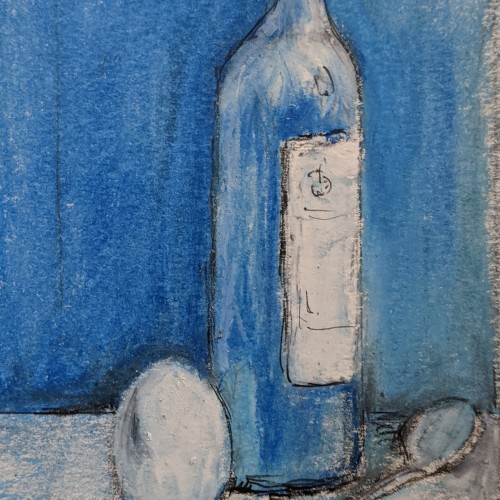
The observational sketch was done in ink. One of my few urban sketches. The grandeur of the entire cathedral was too large for me to capture in my drawing but here's a little of what I did.
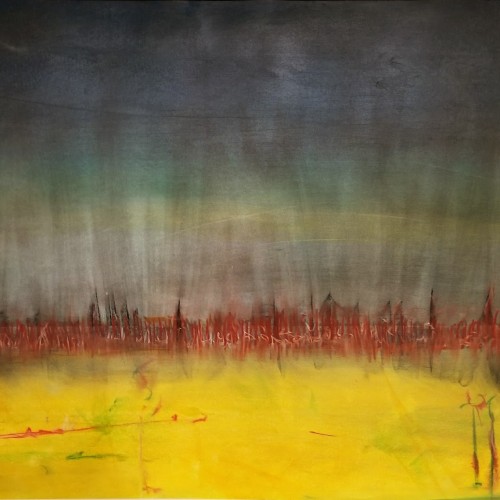
This is no landscape you could ever stand in.
No observational drawing, no safe horizon line.
This chalk experiment is a dream unfolding in color: a golden field lit from within, a scarlet seam of fire at its edge, and a storm-heavy sky pressing down with ancient weight.
It feels like a place between worlds—where the conscious and unconscious meet, where memory and imagination blur. Some might see a battlefield, others a meadow after rain, and still others a veil between life and death. That is the beauty: the painting does not tell you what it is; it invites you to confess what you see.
Psychologists say we project ourselves onto images like these. So—what do you notice first? The light? The darkness? The burning red?
Perhaps that is not about the drawing at all, but about you.
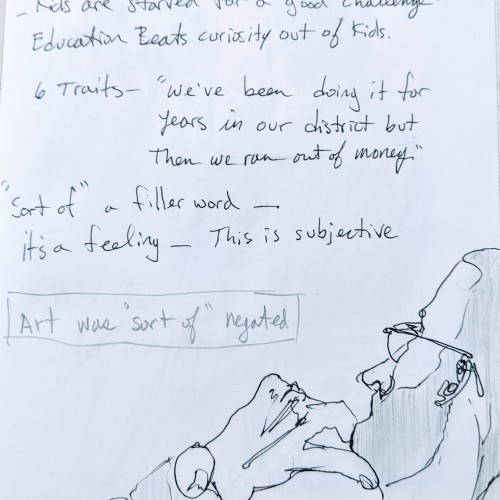
I think that sometimes 'waiting' is the hardest thing to do. If you have a place to hang your coat and you have a rich inner life, you will be fine waiting. I was waiting to be seen by my doctor. A general check-up. The prognosis is that I am getting older and I need to lose weight. OK then. Thank you.
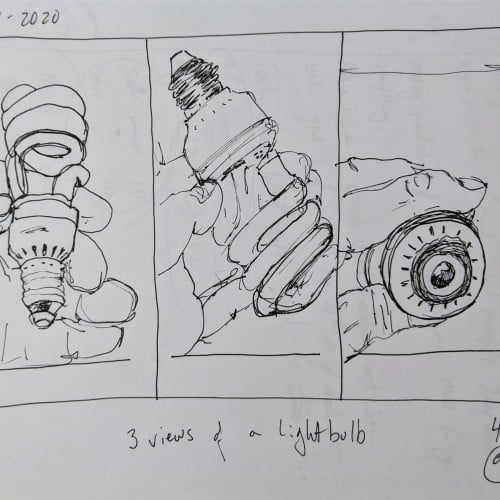
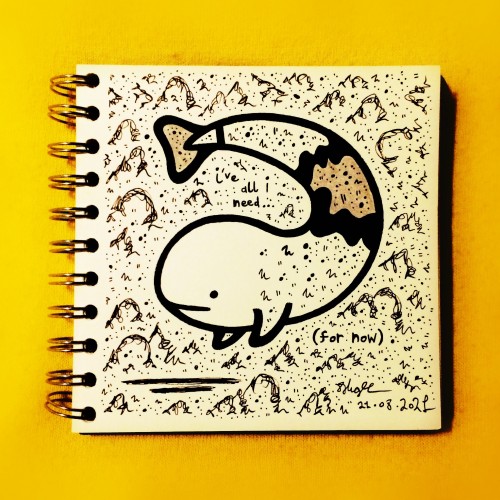
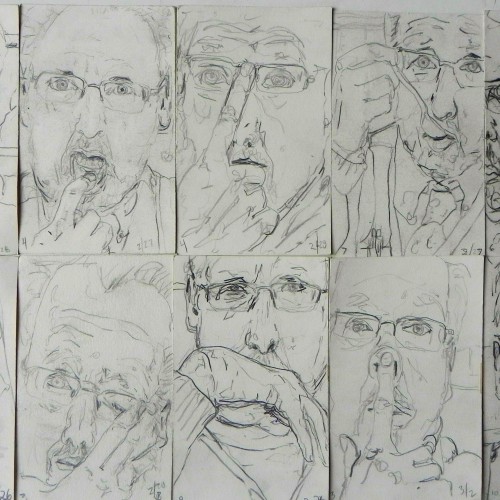
An exercise in observation - quick sketch. I was told that if I made a drawing a day for 365 days, that in a year, I might have a couple nice drawings.
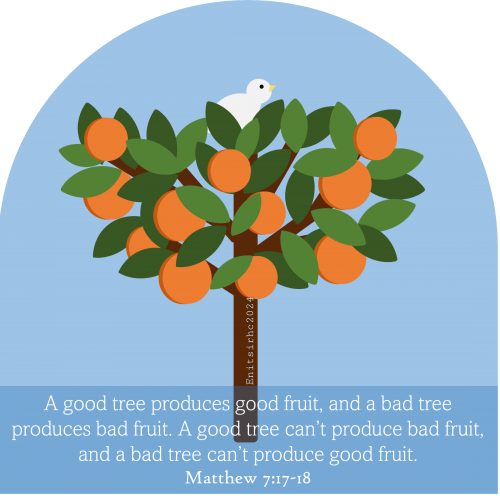
How do we know if we are on the right track? When we display the fruits of the Spirit. //There are 6 Sundays leading up to Good Friday. In observation of Lent, I will be posting 6 works inspired by the theme. This is for the 6th Sunday of Lent.
These were drawn on different days, in different places.
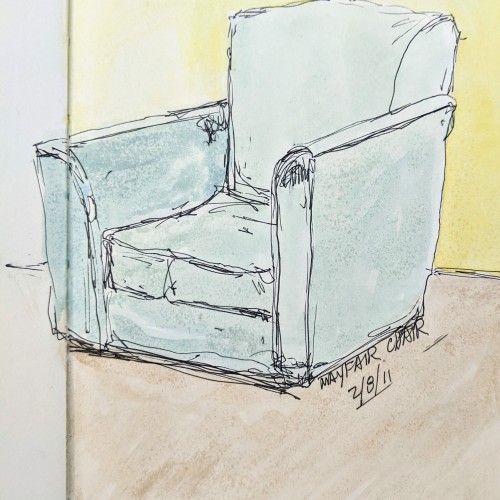
A salt shaker and sugar rack at Beans & Barley on Milwaukee’s East Side—a place that is gone now. A chair at Starbucks, which is still there.
When I go places, I wait.
Waiting is filled with observation.
Observation is recorded with marks.
Marks spark memory.
I can look at a few pencil lines years later and remember where I was.
Maybe that’s what a sketchbook really keeps. Not drawings of things, but evidence of moments.
For Doodle Addicts, I would use this rather than making Beans & Barley the whole story. The loss of Beans & Barley gives one sketch poignancy, but your larger idea is better: drawing converts otherwise disposable waiting into memory.
A quick observational sketch from the chess meet—boards, pieces, and the strange architecture of waiting. The chessmen seemed to be rehearsing before the players arrived.
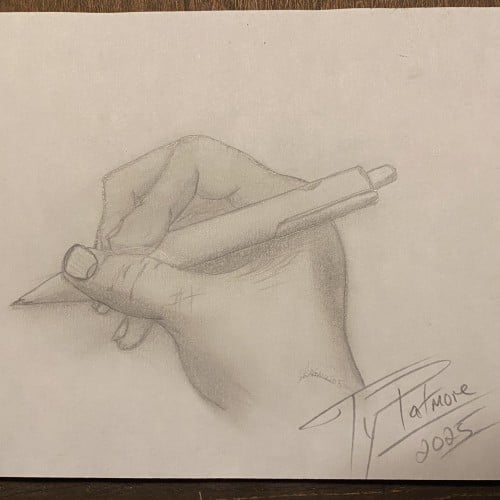
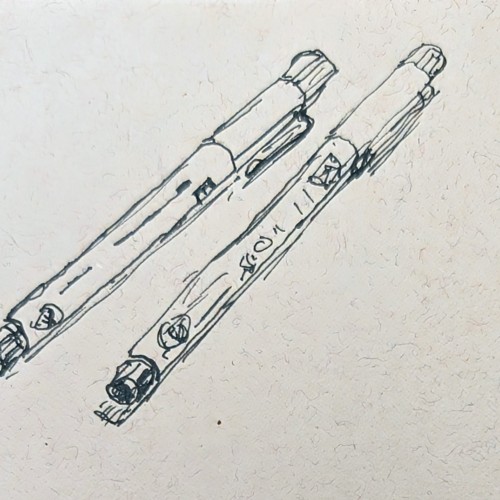
Two pens resting on the table, drawn quickly before they were put back to work. The lines wander and double back, but that is part of looking: an ordinary object becomes particular when we give it our full attention.
Ink sketch from observation.
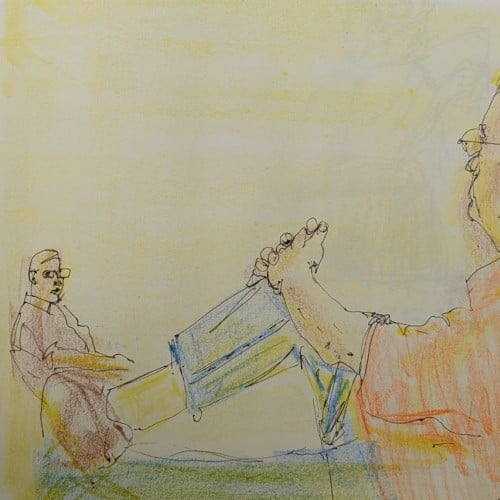
Relaxed tension. Two parents at a national chess competition. Their kids squared off at the board, and so did they — one leaning back, shoe propped up, trying for calm; the other sitting stiff, watchful. The game played out in more ways than one.