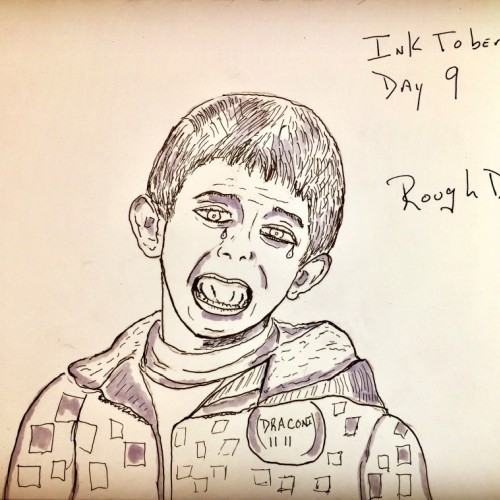
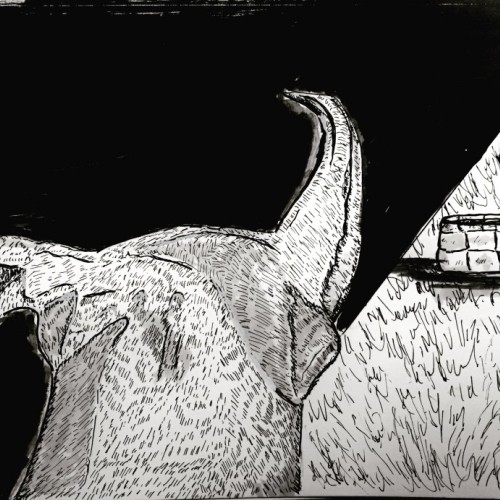
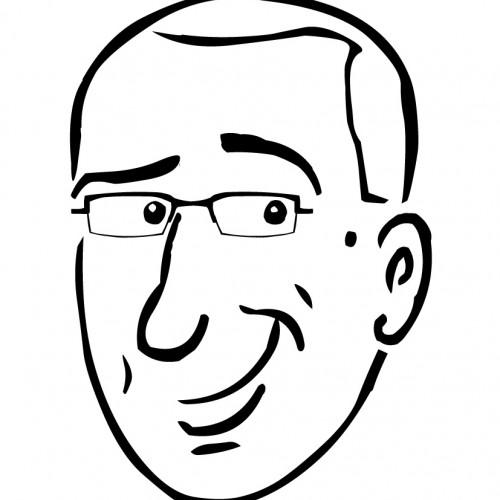
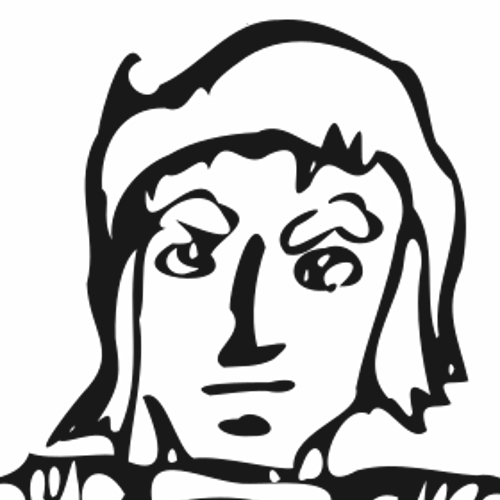
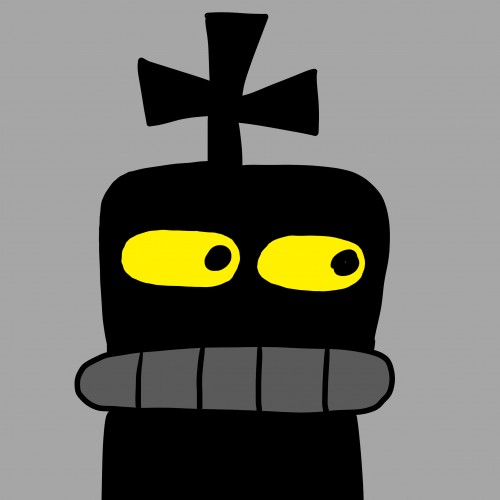
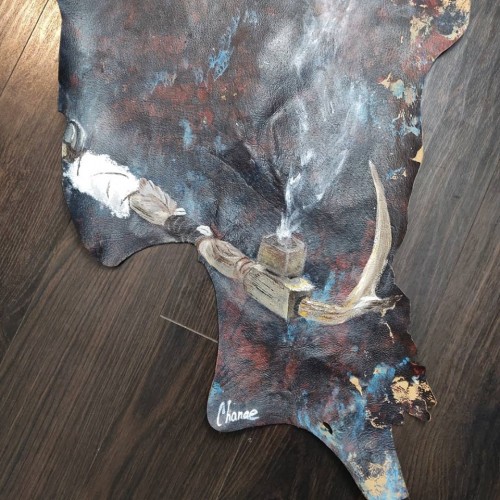
InkTober day 8 "Crooked" Meh! I'm not really happy with the way this one came out; c'est la vie! It's the back of a dogs head. #blackcatink #illustration #noir #inktober2017 #piperdraconi
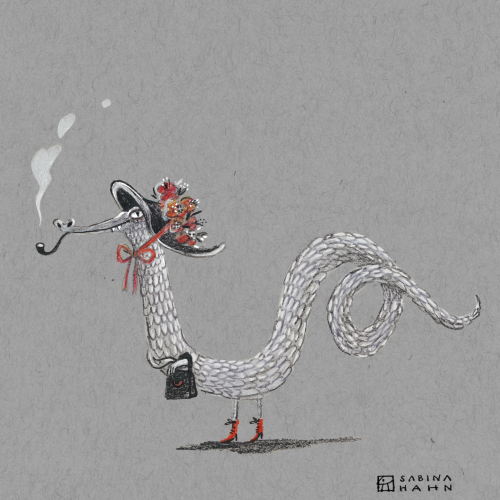
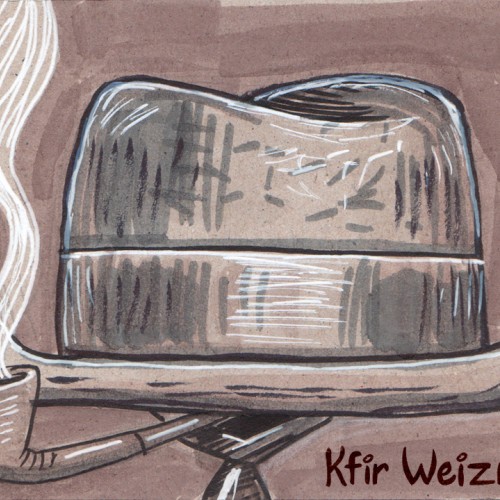
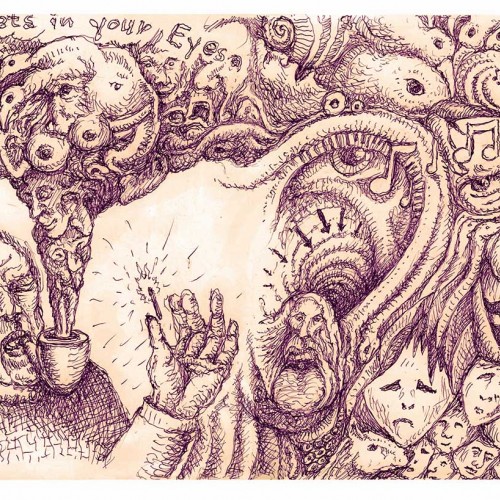
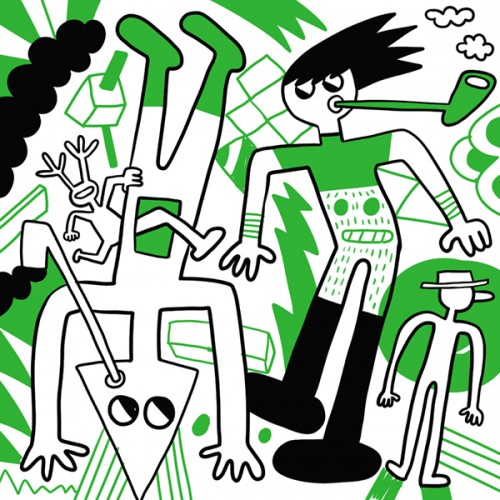
A transmundane Tuesday prompt by Carson Ellis (with a serpent tail, in a hat, smoking a pipe). https://www.instagram.com/p/B8NSotBh5I2/?utm_source=ig_web_copy_link
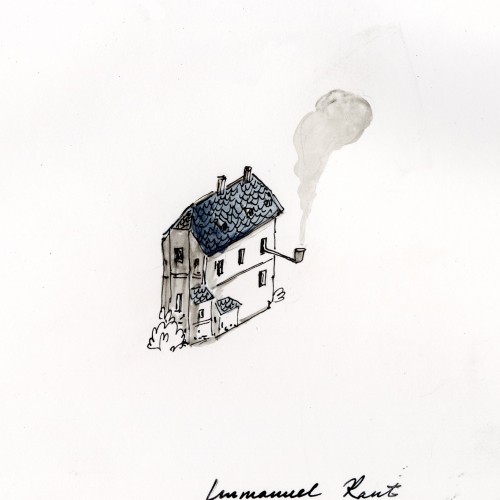
Immanuel Kant (1724–1804)
Kant’s biography is unusually devoid of external events.
As Heinrich Heine wrote: The history of Kant’s life is difficult to describe. For he neither had a life nor a history.
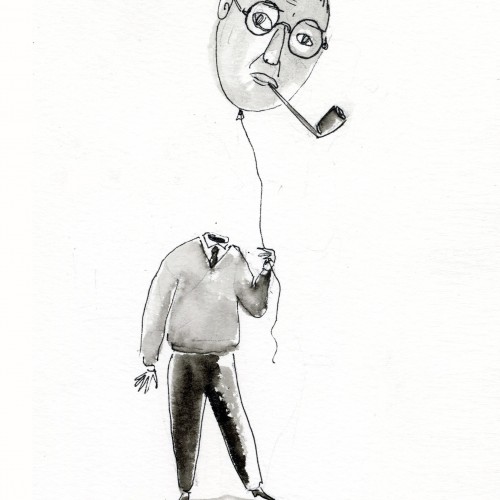
In actual fact, as Manfred Kuehn argues in his 2001 biography, Kant’s life was not quite as abstract and passionless as Heine and others have supposed…. If he failed to live a more adventurous life, it was largely due to his health: the philosopher had a congenital skeletal defect that caused him to develop an abnormally small chest, which compressed his heart and lungs and contributed to a generally delicate constitution. In order to prolong his life with the condition—and in an effort to quell the mental anguish caused by his lifelong hypochondria—Kant adopted what he called “a certain uniformity in the way of living and in the matters about which I employ my mind.”
This routine was as follows: Kant rose at 5:00 A.M., after being woken by his longtime servant, a retired soldier under explicit orders not to let the master oversleep. Then he drank one or two cups of weak tea and smoked his pipe. According to Kuehn, “Kant had formulated the maxim for himself that he would smoke only one pipe, but it is reported that the bowls of his pipes increased considerably in size as the years went on.”
- From Daily Rituals: How Artists Work by Mason Currey
#dailyrituals #inktober #ImmanuelKant @masoncurrey
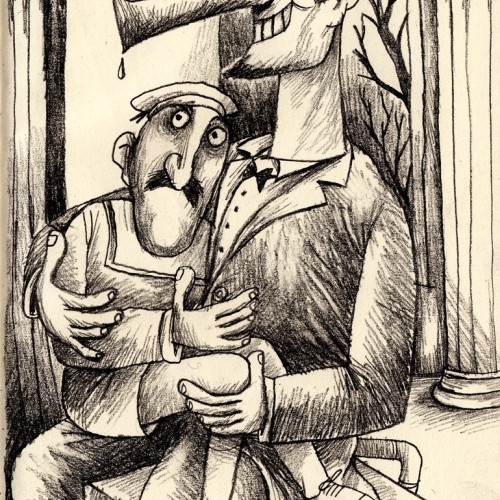
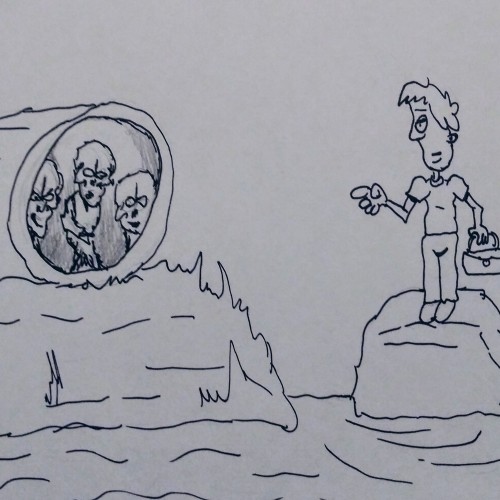
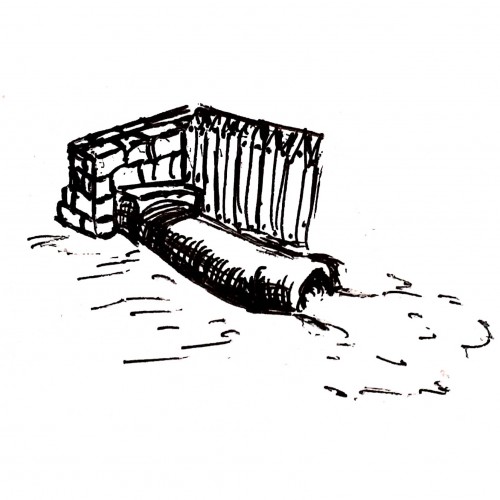
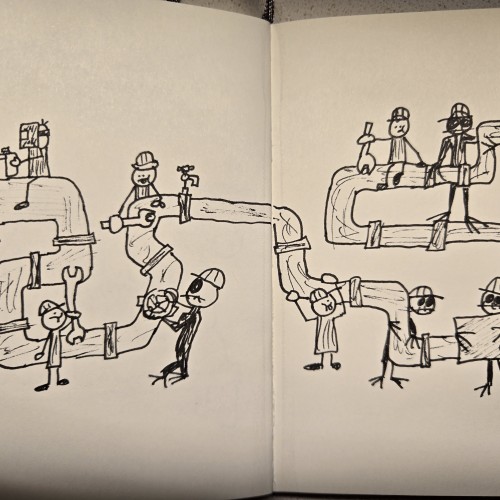
THE TUNNEL from Stories for Nighttime and Some for the Day by Ben Loory.
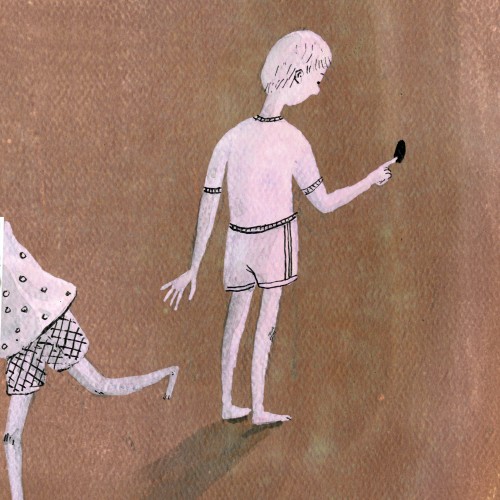
" TWO BOYS ARE WALKING HOME FROM SCHOOL WHEN ONE of them sees a drainpipe set back in the woods. "
https://www.instagram.com/p/CgEs7eqOFAz/?utm_source=ig_web_copy_link
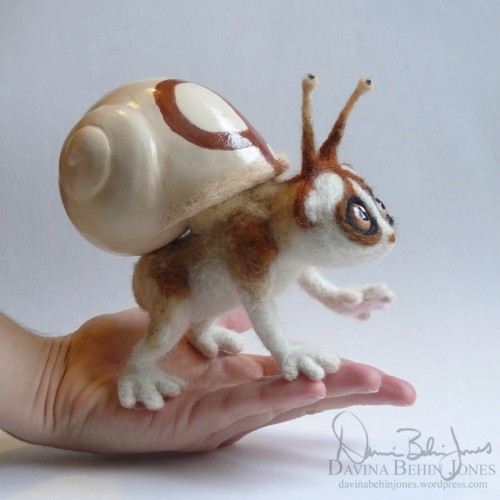
Meet Lorisnail, my original character for a children’s book. It is a lonely and thoughtful creature that looks like a loris (a small primate that lives in Southeast Asia) and a snail. Needle felted wool on pipe cleaner with paper mache shell.
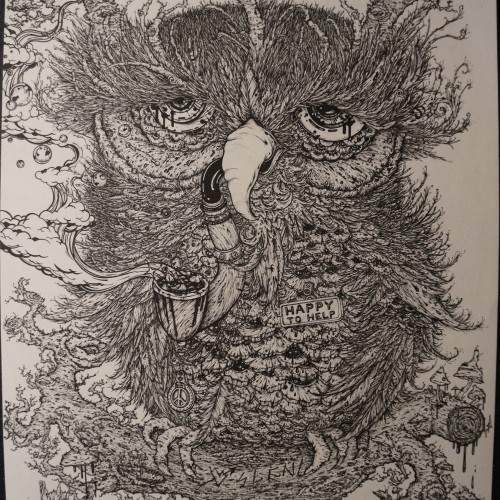
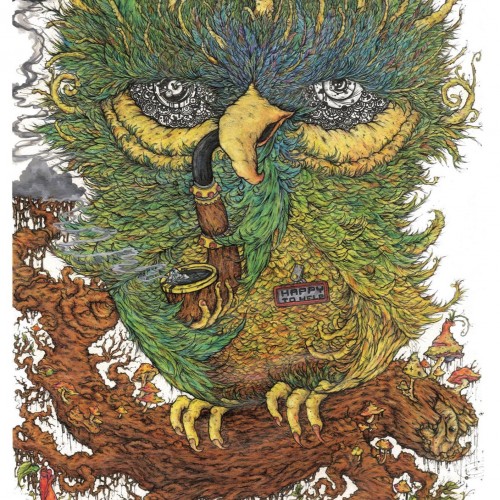
Watercolour crayon, crayon, fineliner and acrylic paint.. . . . . ... . .... . ... . . . ... . . .. . . . . . . Just your run of the mill tree bearing owl with a pipe in hand and a story to tell. .... . . .. . . . . .. . . . . .. ... ... ......... ... .. A3 prints for sale ( 12 left out of 20 at the time of going to press )
Jean-Paul Sartre (1905–1980)
By the 1950s, too much work on too little sleep—with too much wine and cigarettes—had left Sartre exhausted and on the verge of collapse. Rather than slow down, however, he turned to Corydrane, a mix of amphetamine and aspirin then fashionable among Parisian students, intellectuals, and artists (and legal in France until 1971, when it was declared toxic and taken off the market). The prescribed dose was one or two tablets in the morning and at noon. Sartre took twenty a day, beginning with his morning coffee and slowly chewing one pill after another as he worked. For each tablet, he could produce a page or two of his second major philosophical work, The Critique of Dialectical Reason.
The biographer Annie Cohen-Solal reports, “His diet over a period of twenty-four hours included two packs of cigarettes and several pipes stuffed with black tobacco, more than a quart of alcohol—wine, beer, vodka, whisky, and so on—two hundred milligrams of amphetamines, fifteen grams of aspirin, several grams of barbiturates, plus coffee, tea, rich meals.”
- From Daily Rituals: How Artists Work by Mason Currey
#dailyrituals #inktober #jeanPaulSartre @masoncurrey
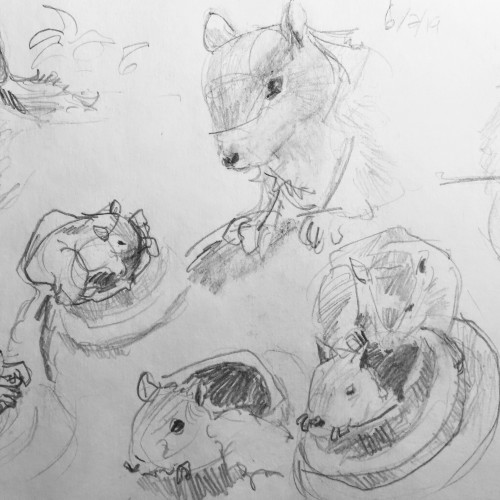
Spotted these two squirrels while out walking during spring 2018. The highly entertaining pair were exceptionally easy to photograph. NOTE: I'm working on how to make a better digital image of my artwork. Will get there--sorry for the gray background.
Pipe Wrench — 16×20, graphite & acrylic accents
The next addition to my growing Tool Series. # 6
A classic pipe wrench rendered with tight line work, layered shading, and subtle grit that brings out every ridge and tooth. I leaned into the industrial personality of the tool—solid, heavy, built for work—and let the shadows do the storytelling. It’s a tribute to the objects that shaped my childhood and still live on in my shop today.