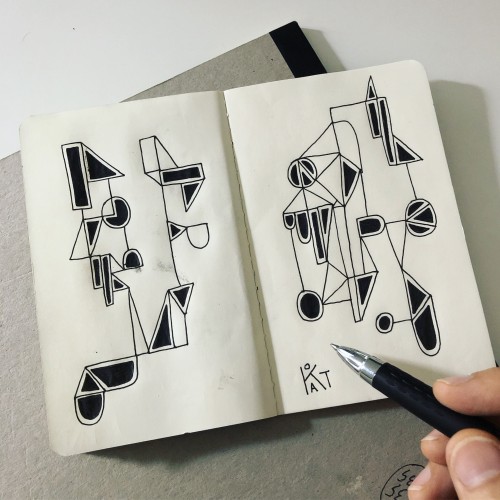
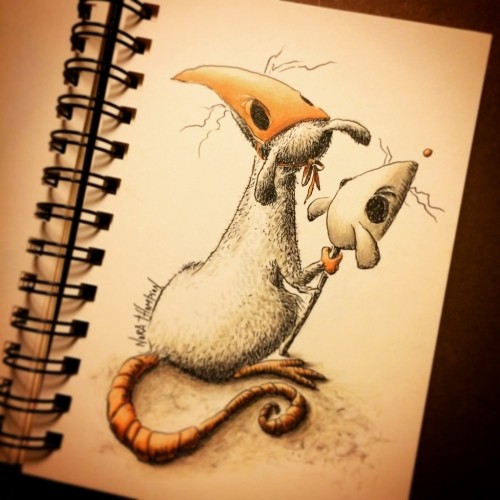
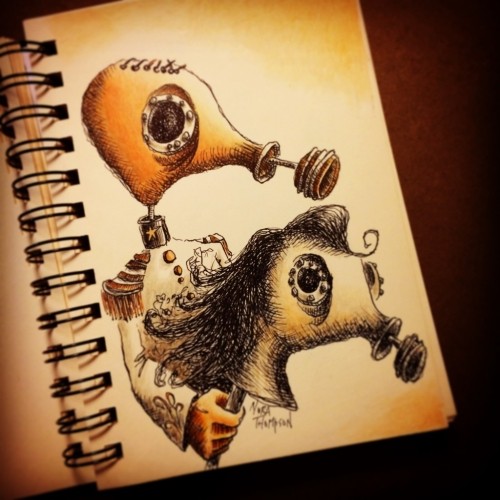
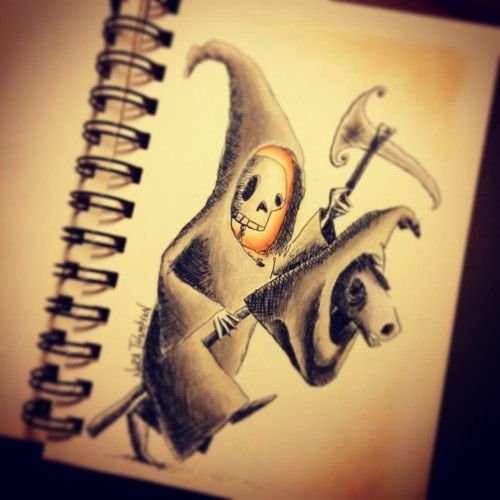
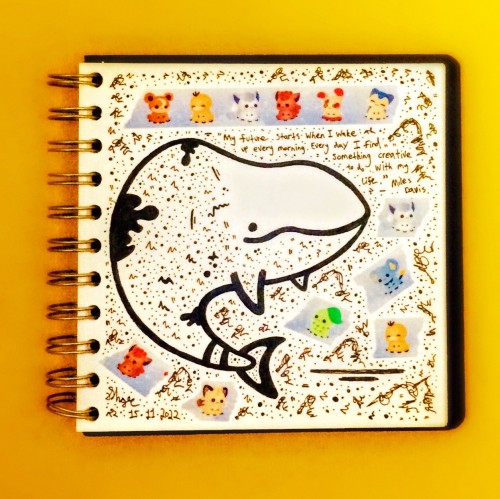
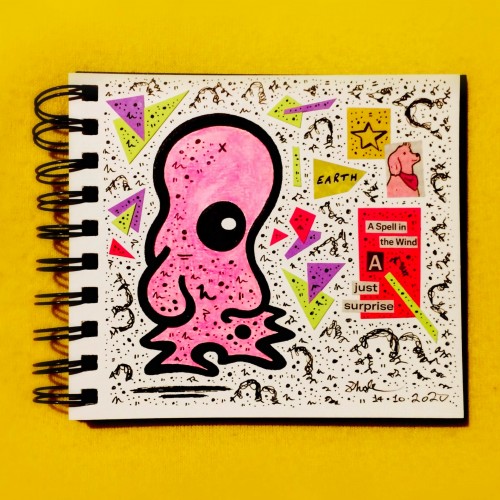
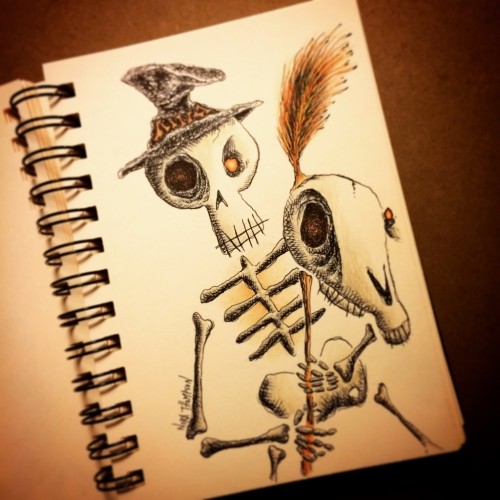
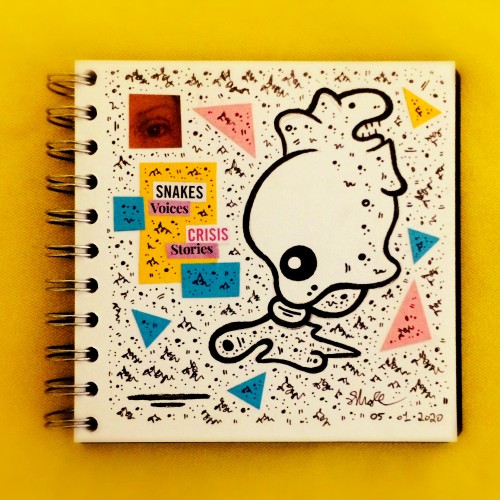
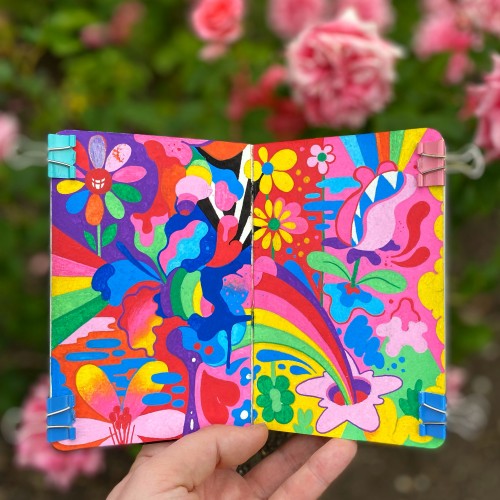
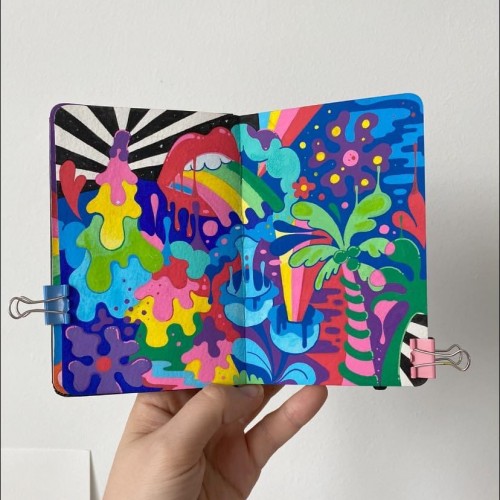
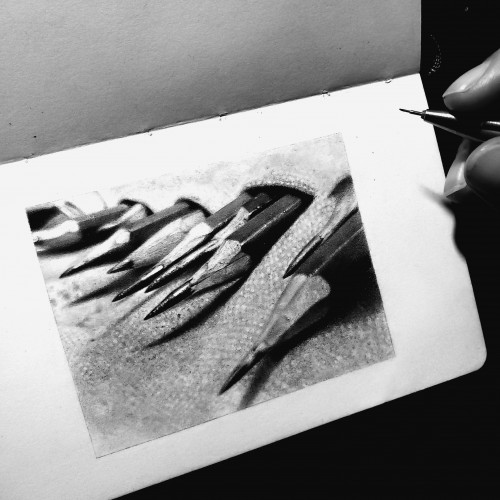
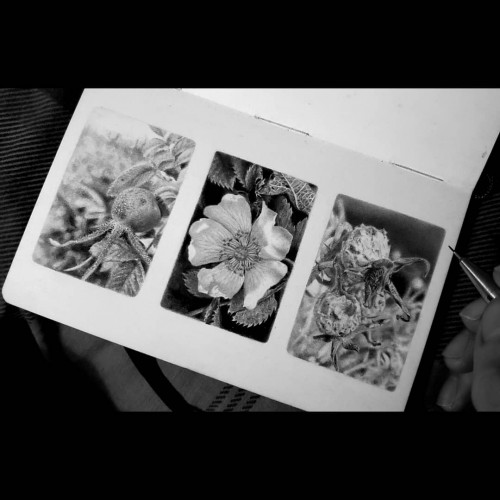
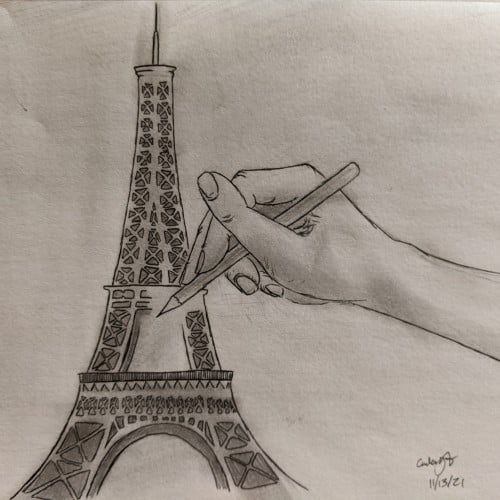
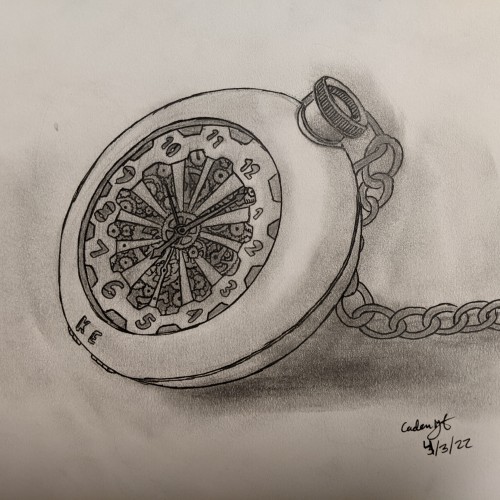
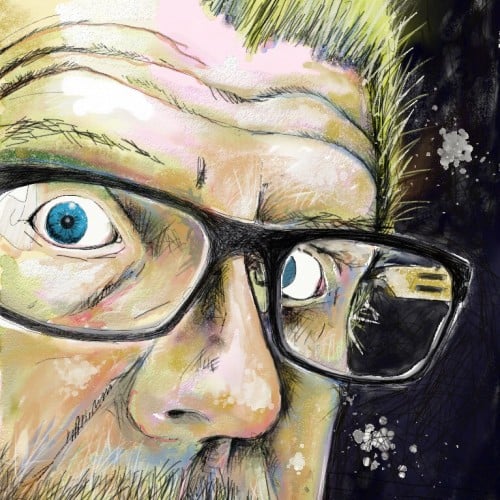
This sketchbook is my therapist. Not this one specifically, but any single one small enough to fit in my pocket. I tell it everything, from quirky thoughts and funny notes to abstract concepts, drawings and positive reminders. Keep it analog folks… a doodle, sketch, writing, poem, or scribble every day helps to keep the brain fit and the thoughts flowing. ✏️
Of all the dreams I’ve had in my life, the one I had back in July of 2007 as a 14 year old seems to have stuck somewhere in my memory the longest. It involved some airy-fairy death and rebirth of the world and it all got very 2001-sy real quick.
Here’s a retelling of that story...ish.
Every day in 2017 I drew in a Moleskine Japanese (Accordion Fold) Album (pocket size) with the goal of completing one continuous drawing all year. I filled up nearly six complete sketchbooks, completing a drawing that is 5.5 inches high and more than 600 inches wide. Now, what do I do with it?
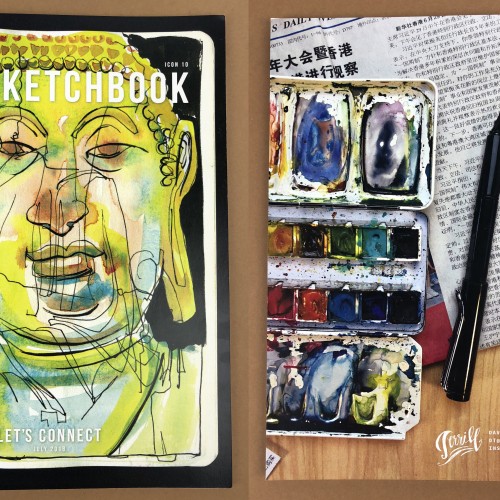
This is the book I made which contains the educational paper I wrote and illustrated about my trip to China in the summer of 2017. I gave a lecture entitled, The Sketchbook: Let's Connect at ICON10, The Illustration Conference in Detroit, MI this past July. I gave a few of these books out along with pocket sketchbooks to the audience. Below are a few spreads from the 40-page book.
Here's a traditional art sketch card, produced on a 4 X 5 inch blank licensed card. The cut lines are set at 2.5 X 2.3 standard trading card size. Artwork is Copic marker and Prismacolor colored pencil. This card was created as a random insert for the 2018 Rittenhouse Archives Star Trek Captains collection Card series. See more at Sketchcardsandcovers.com
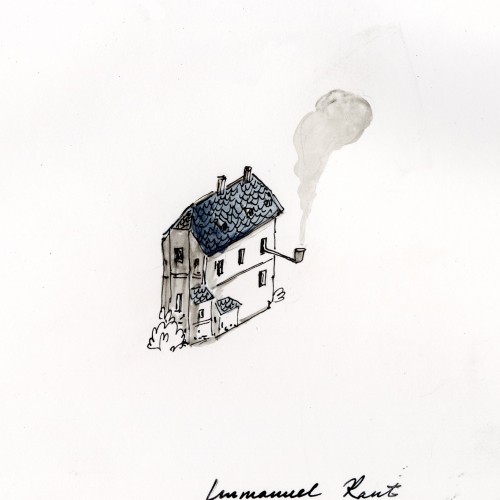
Immanuel Kant (1724–1804)
Kant’s biography is unusually devoid of external events.
As Heinrich Heine wrote: The history of Kant’s life is difficult to describe. For he neither had a life nor a history.
In actual fact, as Manfred Kuehn argues in his 2001 biography, Kant’s life was not quite as abstract and passionless as Heine and others have supposed…. If he failed to live a more adventurous life, it was largely due to his health: the philosopher had a congenital skeletal defect that caused him to develop an abnormally small chest, which compressed his heart and lungs and contributed to a generally delicate constitution. In order to prolong his life with the condition—and in an effort to quell the mental anguish caused by his lifelong hypochondria—Kant adopted what he called “a certain uniformity in the way of living and in the matters about which I employ my mind.”
This routine was as follows: Kant rose at 5:00 A.M., after being woken by his longtime servant, a retired soldier under explicit orders not to let the master oversleep. Then he drank one or two cups of weak tea and smoked his pipe. According to Kuehn, “Kant had formulated the maxim for himself that he would smoke only one pipe, but it is reported that the bowls of his pipes increased considerably in size as the years went on.”
- From Daily Rituals: How Artists Work by Mason Currey
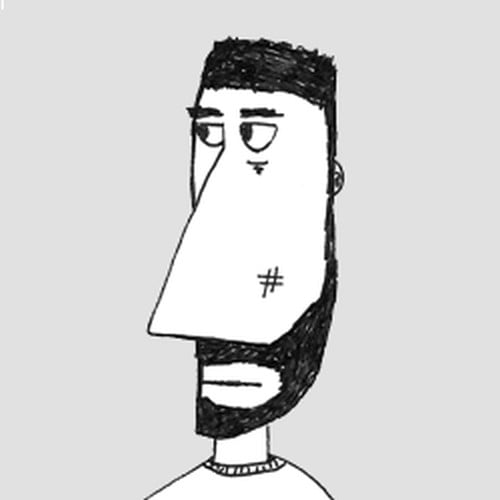
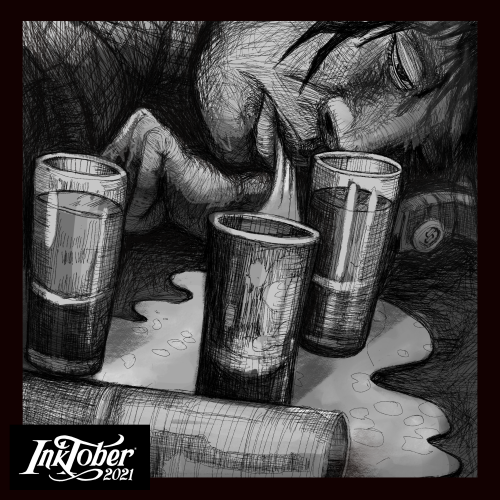
#dailyrituals #inktober #ImmanuelKant @masoncurrey
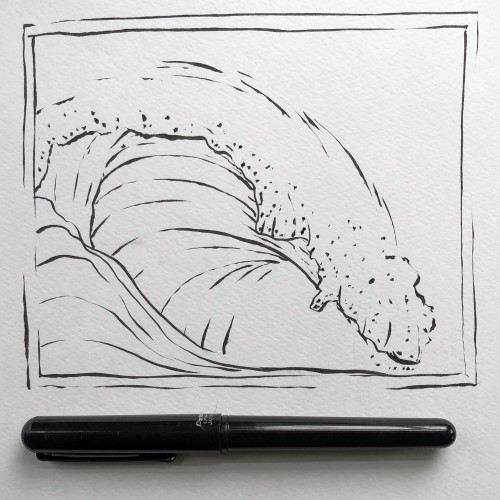
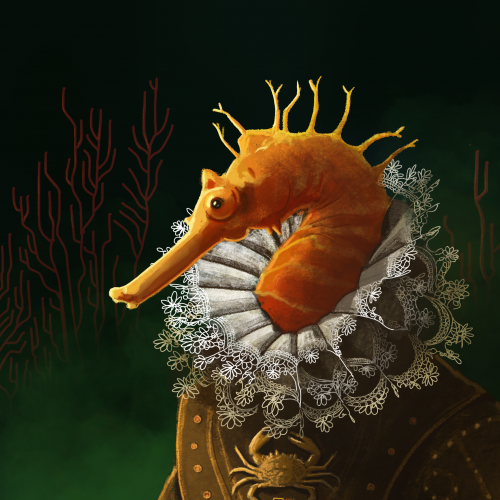
Seahorse are of the genus Hippocampus, from the Ancient Greek, hippos meaning "horse" and kampos meaning "sea monster". Seahorses are not great swimmers so they spend a lot of time with their tail wrapped around stationery objects.