Previous
Next
logo logo
logo logo
  • Discover Art
    • Trending
    • Most Recent
    • Most Faves
    • Most Views
    • Curated Galleries
  • Drawing Challenges
    • See All Challenges
  • Drawing Prompts
  • Artists
    • Most Popular
    • Most Recent
    • Available For Hire
    • Artist Spotlight
  • More
    • Marketplace
    • Art Discussions
    • Resources
    • News + Blog
Login
Most Relevant
Select an option
  • Most Relevant
  • Most Faves
  • Most Views
  • Most Comments
  • Most Recent
SEARCH RESULTS FOR

political

Bleu Hope Bleu Hope Plus Member
Enlarge
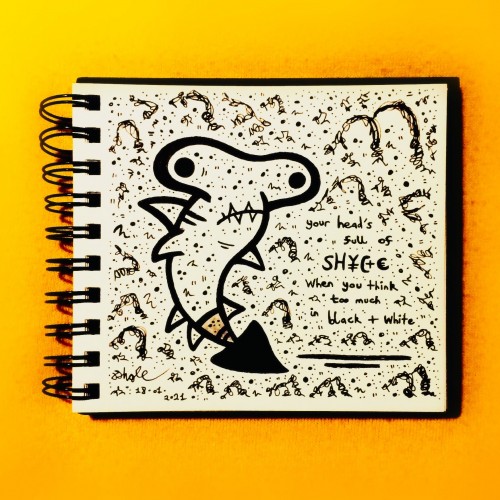
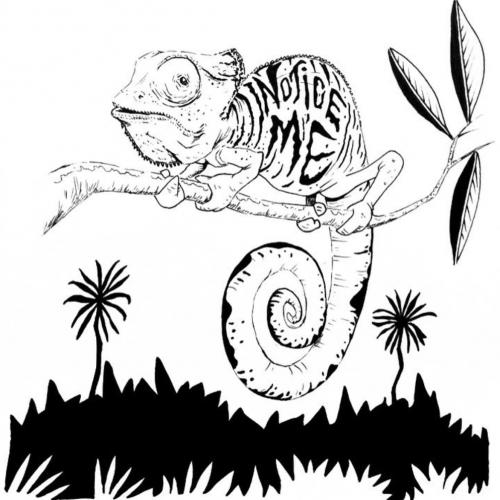
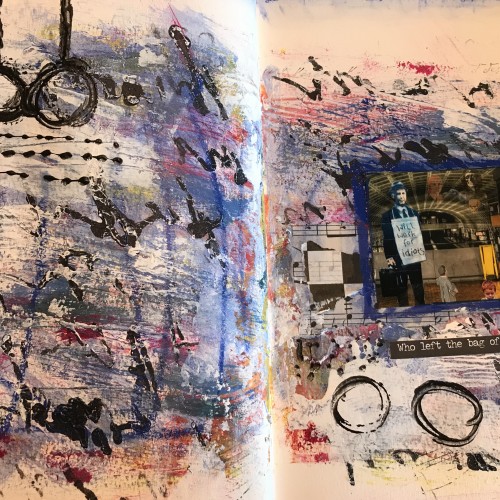
Binary, January 2021.

I keep seeing the word 'binary' crop up a lot in various discourses I’ve caught a glance at recently, whether it pertains to discussions around things like cancel culture or countless other things too numerous to mention. Funny what the lack of a middle ground these days does to certain people, irrespective of their political/ethical viewpoints...

  • 194
  • 4
  • 0
Dean C. Graf Dean C. Graf Plus Member
Enlarge
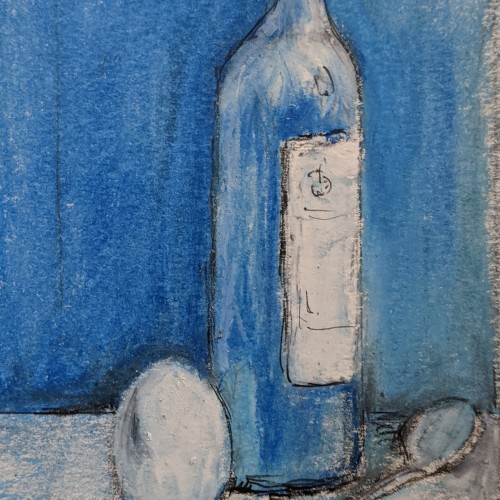
Monochromatic still life

Finding edges is a conversation between values. That sounds political. Like Ruskin's observation that drawing is soiling the paper delicately.

  • 28
  • 2
  • 0
Ed Ed
Enlarge
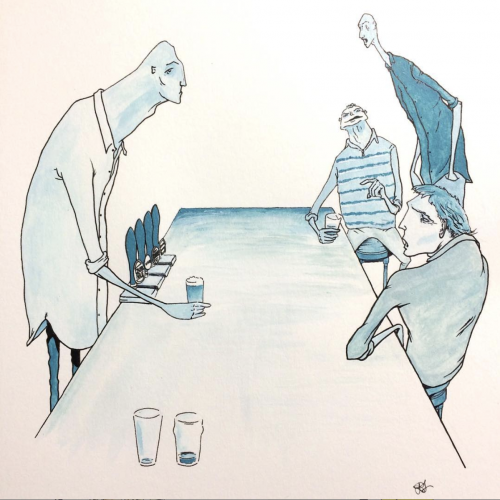
A Calm Distress

An article/rant/annotation to an illustration. A #Hackney bar and its flies. This picture is not as sad and blue as it might at first seem, I promise. It is early in the week and the pub becomes the territory of the most outspoken drinkers. Raised somewhere between Churchill and Harold MacMillan, a night such as this is time for them to spin out a yarn of nostalgic fantasy. Encouraged by the lack of a crowd and with space to fill, statements start to fly. In the opening rounds the barman athletically hits back with factual blocks and reality-check haymakers; statistics and personal experiences are given. Two histories cross examined, one where 1982 means Thatcher and the Falklands, the other renders Reagan and the AIDS crisis. Stoicism and national pride vs mental health and realism. In the latter rounds the barman is fatigued, swaying on the backbar, glasses begin to stack up as form begins to drop. The older men seem stronger than ever. The barflies come in close now, they scrutinise his generations work ethic and make wild political comments on poverty, immigrants and the minimum wage. The barman is close to sheer bloody despair, he maintains his defence and focuses on breathing while maintaining his professional stance. But at the end of the night the barman knows HE will ring that bell, they will politely leave and they will return again in a week and maybe, just maybe there will be a change, common ground or maybe at least polite silence. But what these interactions have given despite the salt in the eye is community and an exchange between generations, culture and class of those participating. No home is ever straight forward, no relative without their good and bad traits and in a world where we often slide into echo chambers online or in our physical environments, the pub is still a place where society is family, face to face, pint to pint. Or maybe it's just a room with alcohol on tap?

  • 93
  • 22
  • 4
Nav Nav
Enlarge
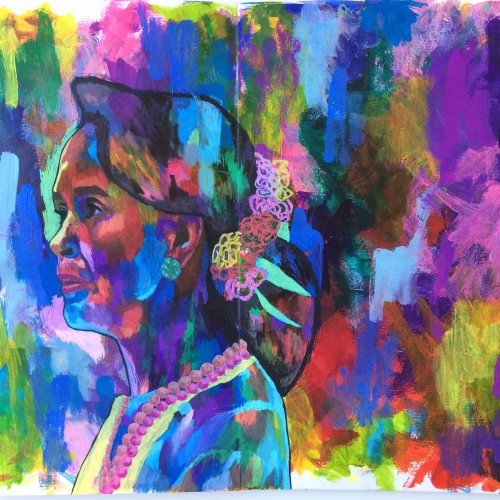
Aung San Suu Kyi - Partial Democracy

First post on here and I didn't mean for it to be political! But this is probably one of the pieces that I'm most proud of in their use of bold colours. And I've not really been able to recreate it since.

  • 673
  • 16
  • 2
Sabina Hahn Sabina Hahn
Enlarge
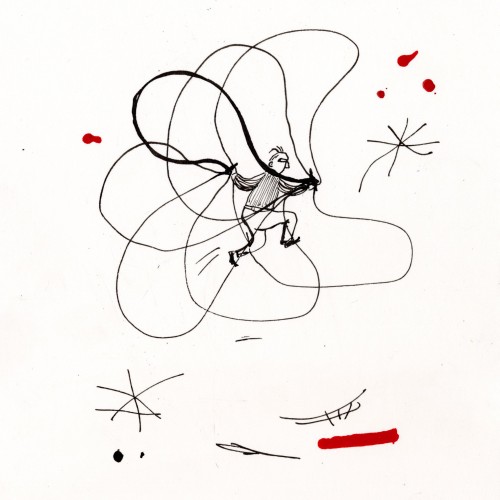
Joan Miró

Joan Miró (1893-1983) Miró always maintained a rigidly inflexible daily routine—both because he disliked being distracted from his work, and because he feared slipping back into the severe depression that had afflicted him as a young man, before he discovered painting. To help prevent a relapse, his routine always included vigorous exercise—boxing in Paris; jumping rope and Swedish gymnastics at a Barcelona gym; and running on the beach and swimming at Mont-roig, a seaside village where his family owned a farmhouse. Miró hated for this routine to be interrupted by social or cultural events. As he told an American journalist, “Merde! I absolutely detest all openings and parties! They’re commercial, political, and everybody talks too much. They get on my tits!” From Daily Rituals: How Artists Work by Mason Currey

  • 448
  • 6
  • 0
Caden Hoyt Caden Hoyt
Enlarge
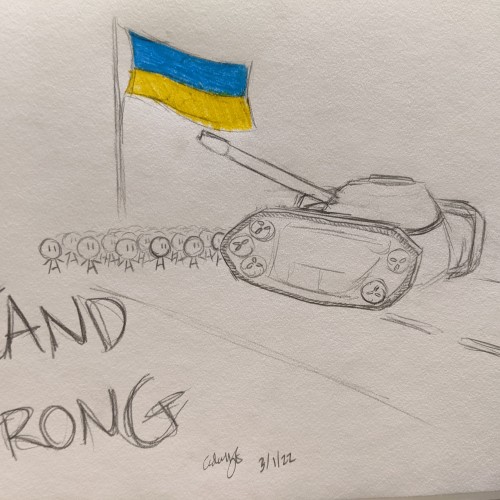
Standing with

I'm not usually a political cartoonist but I want to show support for the people of Ukraine

  • 47
  • 5
  • 1
Stephen Stephen
Enlarge
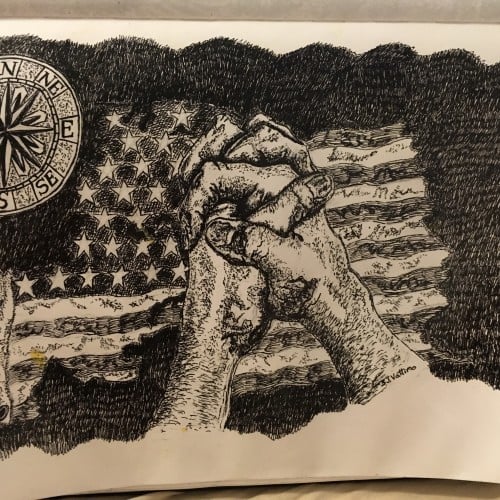
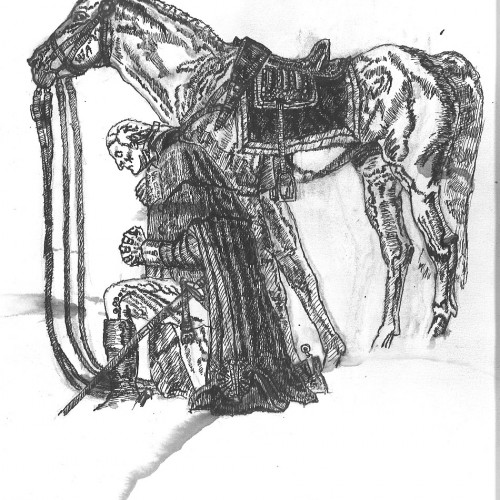
Humble Thy Self In The Sight Of The Lord

Humble Thy Self In The Sight Of The Lord This Pen And Ink was rendered from a image Of the painting entitled," The Prayer At Valley Forge" by artist Arnold Fryberg. I drew this rendering from my computer screen. It took a couple of hour to draw. I carved this image on a pumpkin at the annual Chadds Ford Historical Society Great Pumpkin Carve. So this rendering was done as a guide not a finished piece . As you look over this picture you will notice the ink ran in a few places, that is be cause it was raining while I was carving the pumpkin. Even though I had clear plastic laid over the picture, rain still got it wet. It seem like almost ever time I took part in this event it has rained . The reason I chose to carve this image is be cause the battle of the Brandywine was fought around the town of Chadds Ford, and because George Washington was a renown Christian man of Prayer. Just as the thirteen colony were freighting their way through hell to gain their independence from England, I feel our nation is going through Hell to maintain the principle the founding fathers had laid as the foundation of this country. Our country is in trouble and no political party can save this nation, only The American People who humble themselves before God, repent of their rebellious ways against God, and pray for His forgiveness, and seek Him to guild our nation out of the dark,and back into the light. Then will our nation be able to receive blessings from the hand of God. Stephen J. Vattimo July 16, 2012 See Less

  • 103
  • 5
  • 0
Connie Hammond Saunders Connie Hammond Saunders
Enlarge
Will Work for Idiots

A not so subtle political message.

  • 30
  • 3
  • 0
Spearmint Chalk Spearmint Chalk
Enlarge
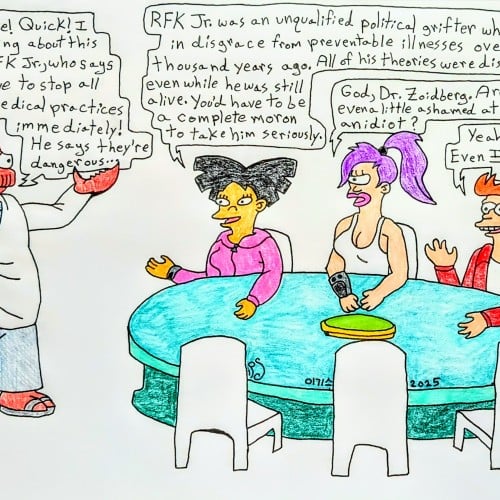
Bad news, everybody (if you dont think about it)

Zoidberg: Everyone! Quick! I was reading about this man RFK Jr. who says that we have to stop all modern medical practices immediately. He says they're poisonous.... Amy: RFK Jr. was an unqualified political grifter who died in disgrace from preventable illnesses over a thousand years ago. All of his theories were discredited even while he was still alive. You'd have to be a complete moron to take him seriously. Leela: God, Dr. Zoidberg. Aren't you even a little ashamed at being such an idiot? Fry: Yeah, Zoidberg. Even I knew that. How embarrassing for you.

  • 3
  • 2
  • 1
NAIMIT ABOBOVICH NAIMIT ABOBOVICH
Enlarge
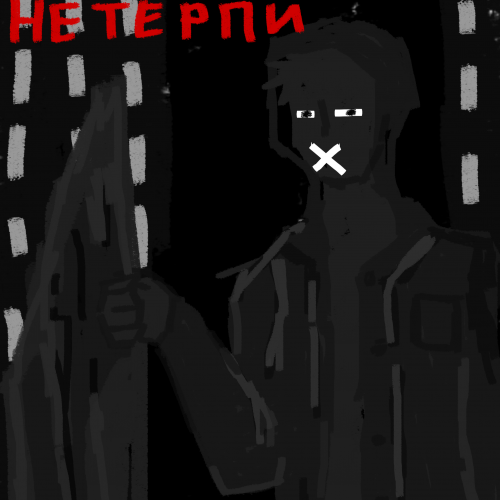
Dont be patient

  • 22
  • 2
  • 0
Karen Karen
Enlarge
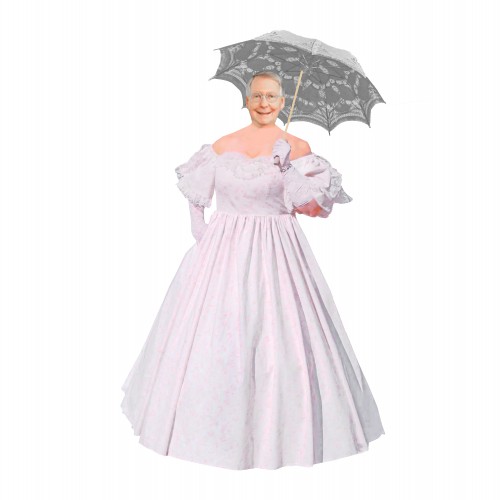
Trick or Treat

Mitch McConnell trick or treating as a southern belle as he does every weekend at the BDSM club, The Woodshed in Orlando Florida. 26.667 ‘ x 21,667” Depth 24 300 pixels/inch

  • 119
  • 2
  • 0
E Guiazanni E Guiazanni
Enlarge
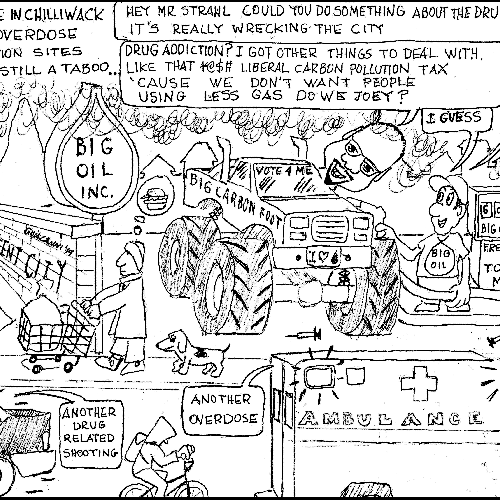
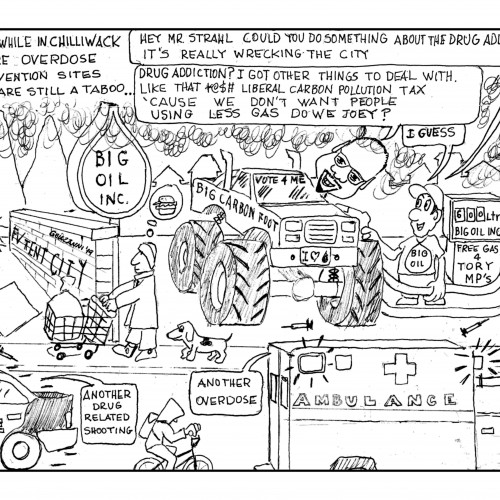
Big Carbon Foot

Just trying my hand at political cartoons.

  • 26
  • 2
  • 0
Hermit Hermit
Enlarge
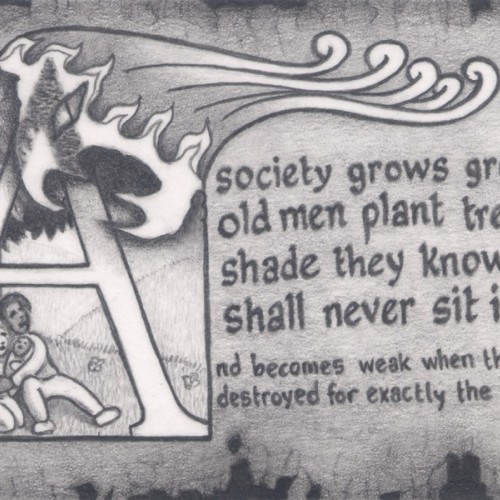
Flames of Ignorance

(2B pencil on a 75mm x 125mm notecard) A reactionary piece, considering the growth of the far right in the world today.

  • 1,566
  • 2
  • 1
Spearmint Chalk Spearmint Chalk
Enlarge
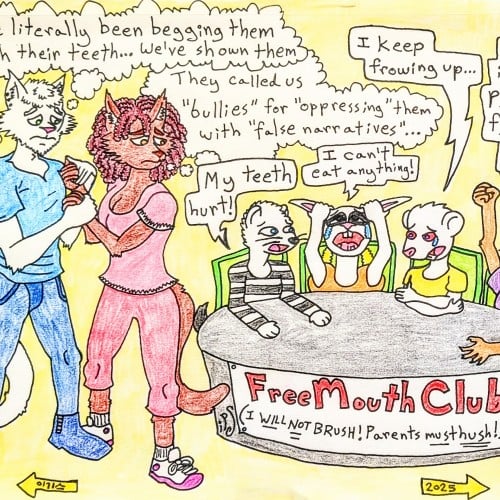
Misinformation Club

My mouth shall be free! You can't oppress me! Toothpaste is crap! So shut your trap!

  • 4
  • 1
  • 2
Spearmint Chalk Spearmint Chalk
Enlarge
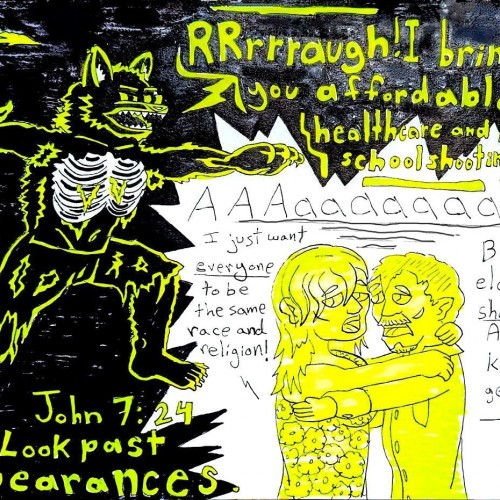
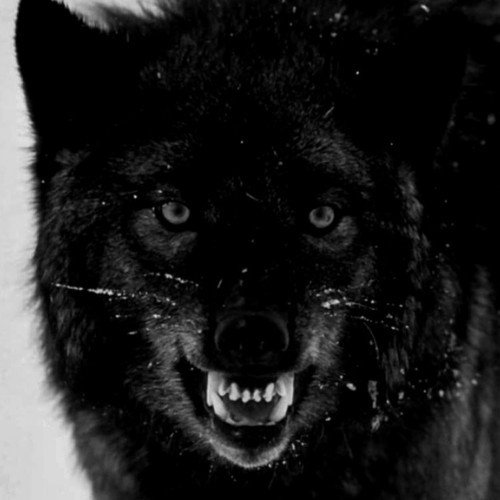
Who is the real monster here?

it's a thinker

  • 3
  • 1
  • 1
crais robert crais robert
Enlarge
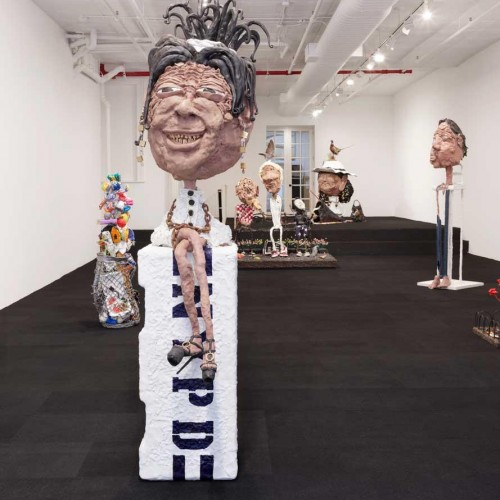
The House of Ryman: A Family of Artists

Take the Rymans, for instance. There is Robert Ryman (1930 – 2019), the patriarch whose paintings are indisputable icons of the modernist canon. Then there are his wives and children. Ethan Ryman (b. 1964) is the oldest of Robert’s three artist children. Though his mother was not an artist, Lucy Lippard (b. 1937) was still a scrappy and eloquent art critic, a feminist, a social activist, and an environmentalist. Ethan’s meticulously considered and crafted artworks might be characterized as somewhere between photography and sculpture, the abstract and the (f)actual. Though Lippard and Ryman divorced just six years after their 1961 marriage, their son is arguably the closest to his father’s methodologies if not his medium, and was certainly the last to become a visual artist. Robert Ryman went on to marry fellow artist Merrill Wagner (b. 1935) in 1969 and they had two sons. Though Wagner is more quietly acknowledged than Ryman, her boundless practice includes sculpture, painting, drawing, installation, and more. With an emphasis on materiality, her sites are indoors and out, her styles alternating. Will Ryman (b. 1969) is the elder son of Robert and Merrill. He started out as an actor and playwright though he too eventually assumed a visual art practice to become a sculptor. He is best known for his large-scale public artworks and theatrical installations that focus on the figurative and psychological, at times absurdist, narratives. Cordy Ryman (b. 1971) is the youngest, and the only one of the three who knew that he was going to be a visual artist early on. His work is abstract, the sophistication understated, and his output is prolific. With his mother’s DIY flair, his homely materials seem sourced from the overflow of construction projects, lumberyards, and Home Depot. Ethan Ryman said that, when he was young, he didn’t want to be a visual artist. Instead, he pursued music and acting, producing records for Wu-Tang Clan, among others, getting “my ears blown out.” But he was always surrounded by artists—Sol LeWitt, Carl Andre, Jan Dibbetts, William Anastasi, and countless others at his mother’s place on Prince Street in SoHo and at the Rymans’s 1847 Greek Revival brownstone on 16th Street in Manhattan, where everyone was often seated around the family dinner table. He would spend part of most weekends in the highly stimulating chaos that reigned there—birds, dogs, plants, toys, art, people, everywhere. “While nowhere near as overwhelming, I was also constantly exposed to artists, writers and other creative folks at my Mom’s place.” “While nowhere near as overwhelming, I was also constantly exposed to artists, writers and other creative folks at my Mom’s place.” Ethan Ryman Lippard was “a powerhouse.” She took Ethan on her lecture tours, readings, conferences, galleries, studios, wherever she had to go. And while that almost always breeds rebellion, at some point, he began noticing all the art around them—both what it looked like and how it was made. He began to take photographs of buildings and realized that “abstract color fields were all around us.” He also began to notice his father and Wagner’s work more carefully—how sensitively it was executed and how reactive it was to its surroundings. “Once you’re interested, you notice. When I asked my dad questions, I would most likely get a one-word response. I had to go to his lectures for answers where he broke down modern art for me. After listening to him, it seemed to me we should all be painting, otherwise what were we doing with our lives?” Will Ryman, on the other hand, said that all his work has a narrative component. His background is in theatre and his interests have always been film and plays, his narratives about New York City and American culture and history. “It’s a city I love,” he said. “I try to observe culture in a bare-bones way and I’ve always been interested in telling stories—we’re the only species that tells stories to each other. It comes from an intuitive, cathartic place in me. I want to stay away from preconceived notions, although that’s not completely possible. I have no plan except to do something honest, with a little bit of a political bent and humor but I’m not an activist. I’m interested in exploring a culture and its flaws as an interaction between human beings.” His interests and his work are very different from his last name. There is no connection to minimalism. He didn’t go to art school, drawn instead to theatre workshops and theatre troupes. “I didn’t become involved with the visual arts until my mid-thirties. It’s easy to say what I make is a reaction, but I dismiss that. And I also wouldn’t say it’s rebellious after twenty years.” Of his family, he said, “we’re a normal family, a close family, with all the dynamics and complications that go along with that. And while everyone who came to 16th Street were artists, they were also just family friends. I have no other measure for how a family interacts. It was just the way it was.” Cordy Ryman was the only one of the three who went to art school, earning a BFA from the School of Visual Arts, but it was reportedly awkward for him, since all his teachers knew his parents. “When I started making abstract paintings, it was kind of push and pull but it became more interesting to me than my earlier figurative or narrative work. That’s when I started to know where I came from. I realized that I had a visual memory, and the language was there, a language I didn’t know I knew. We all had different ways of working; our processes are very different and it’s hard to compare us. Ethan and I use a similar inherited language but he thinks about what he does more. I work very fast, the ideas come from the process itself. I work in two or three modes simultaneously and bounce around.” At home, they were around Wagner’s work since her studio was there. “Will and I were always in her studio, helping her, going to her installation sites with her, adjusting her boulders or whatever the project was she was working on. That was special and made a deep impression, but I didn’t realize it then.” All five Rymans have in common an acute consciousness of space and of place as an integral component of their work. For the brothers, part of that consciousness might stem from their parents, but also from their attachment to their family home, which was a crucible of sorts for them, where everyone was an artist. To Cordy, the house was a “living, breathing thing, and the art in it felt alive, growing, and occupying any space that was available. It was the structure of our world. When I’m making work, it doesn’t need to be the most beautiful thing ever, but it needs to have its own life, its own space, like the art we grew up with.” And the next generation of Rymans, also all sons—what about them? Will said his son is still too young to know. Cordy thought the same about his two younger children; his oldest is in the art world, but not as an artist—so far. Ethan perhaps summed it up best: my two sons are artists; they just don’t know it yet.

  • 12
  • 1
  • 0
WaterproofFade-Proof WaterproofFade-Proof
Enlarge
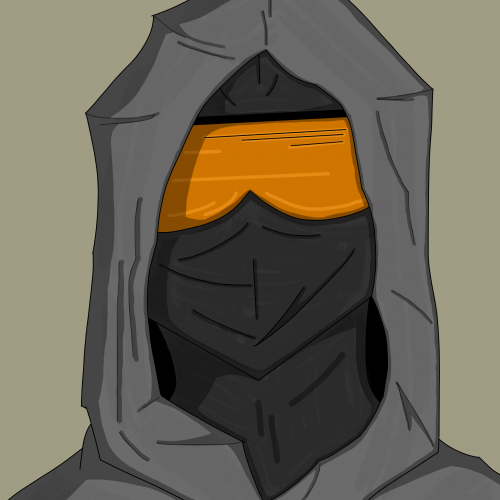
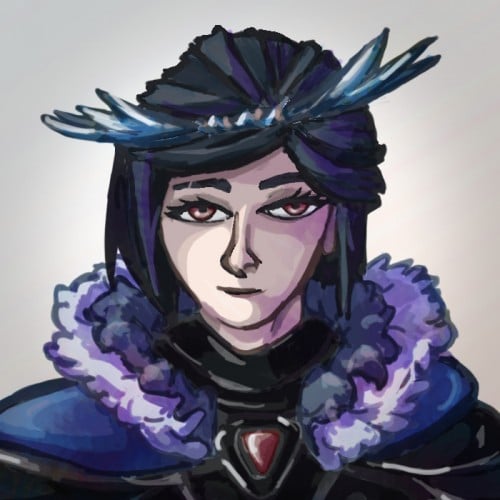
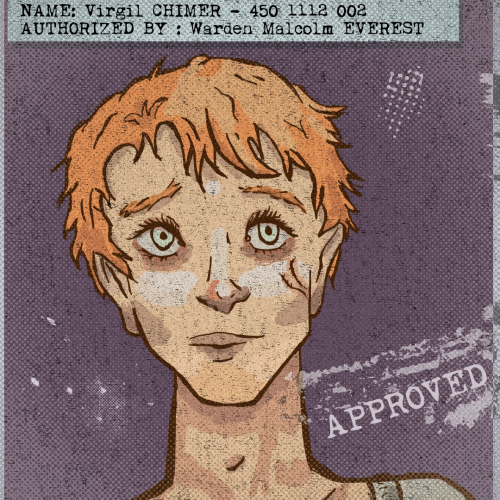
Virgil Release Visa

A more recent work of mine from a series of pieces I made revolving around an original character who was a political prisoner of a dystopian space-faring setting.
  • 46
  • 1
  • 0
E Guiazanni E Guiazanni
Enlarge
Big Carbon Foot

My debut into political cartoon. Just retouching this one.

  • 43
  • 0
  • 0
Ibby Brown Ibby Brown
Enlarge
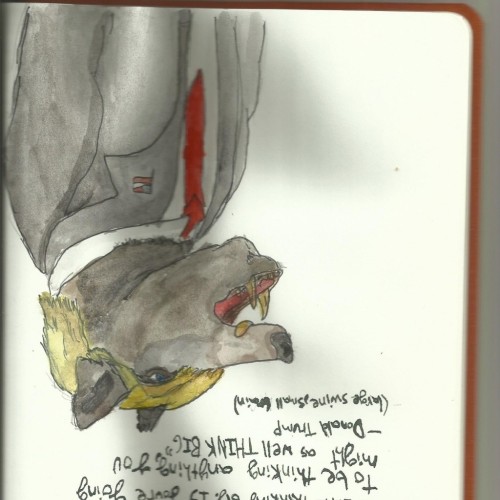
Portrait of Donald Trump

This is a portrait of Donald Trump that I did, because I was bored.

  • 726
  • 0
  • 0

Doodle Addicts

Navigate
  • Discover Art
  • Drawing Challenges
  • Weekly Drawing Prompts
  • Artist Directory
  • Art Marketplace
  • Resources
Other
  • News + Blog
  • About Us
  • Contact Us
Newsletter
© 2026 Doodle Addicts™ — All Rights Reserved Terms & Conditions / Privacy Policy / Community Guidelines
Add Doodle Addicts to your home screen to not miss an update!
Add to Home Screen