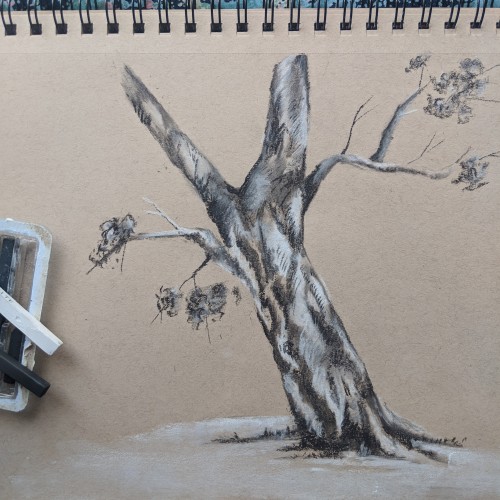
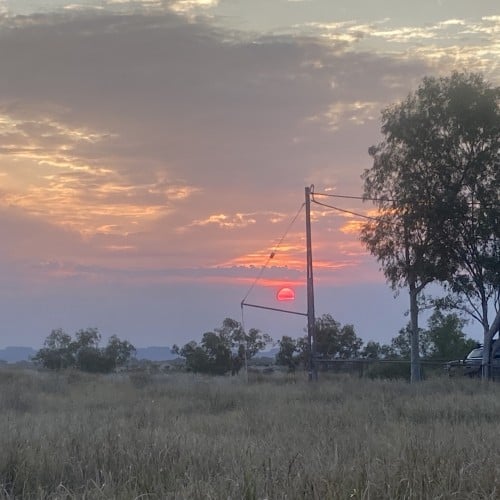
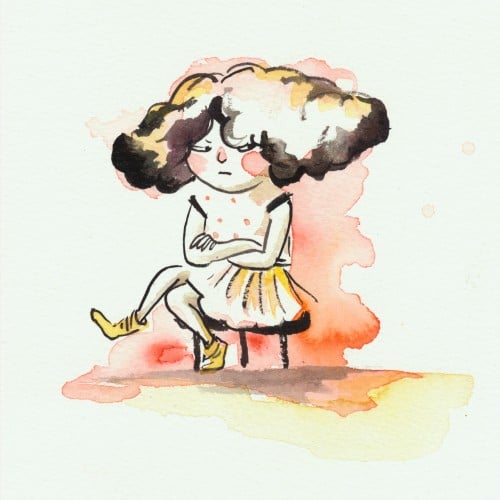
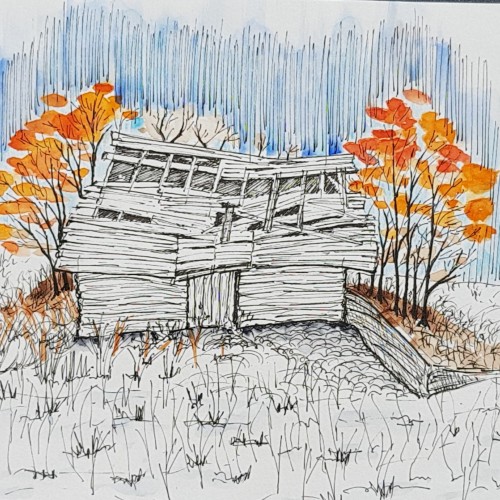
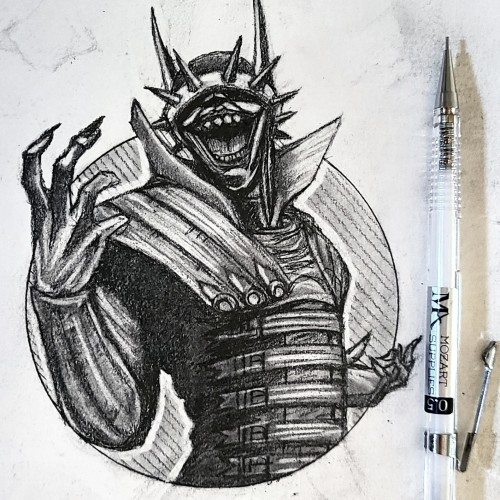
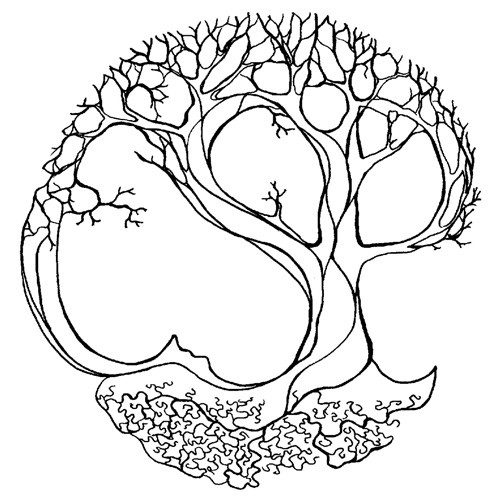
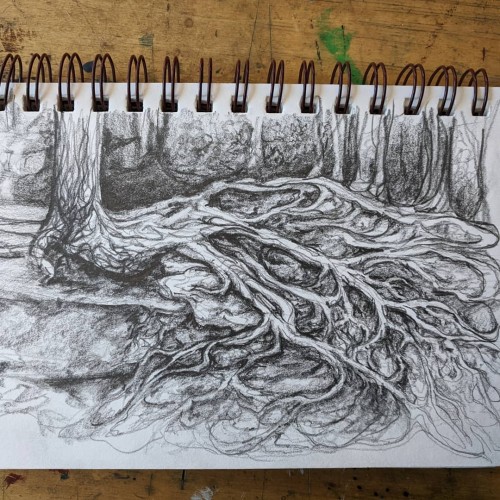
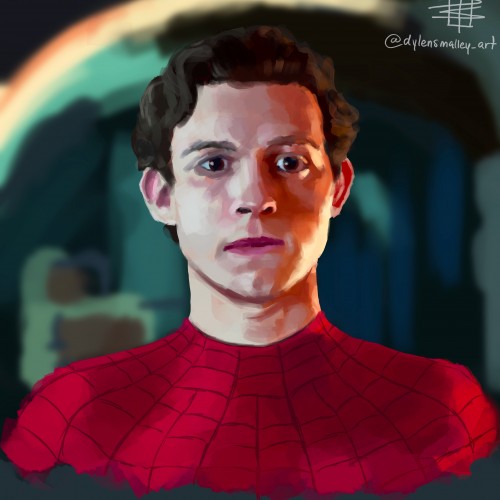
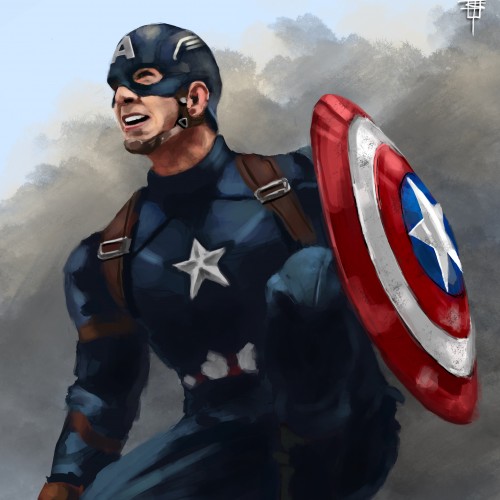
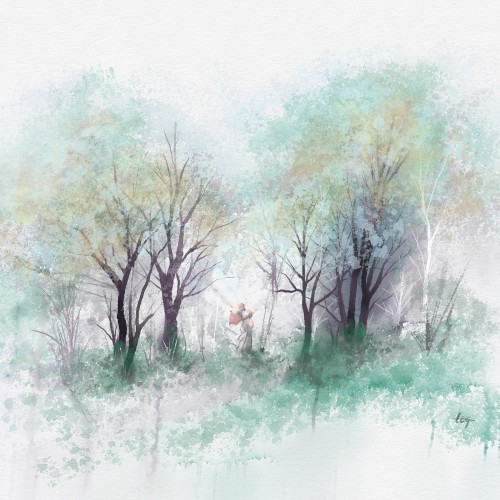
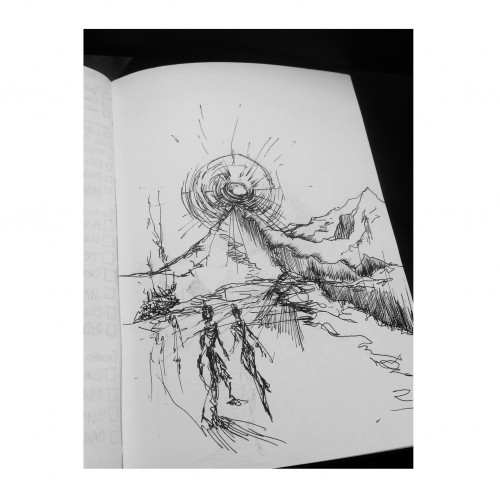
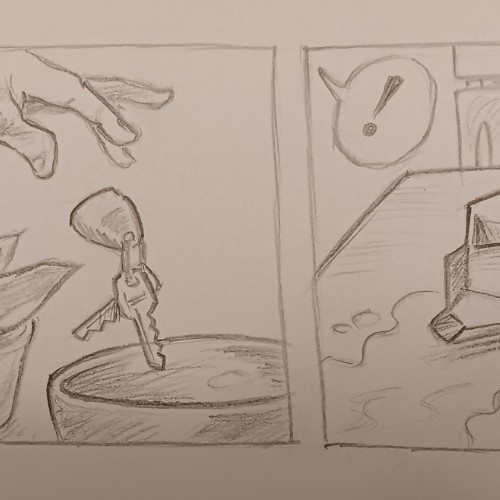
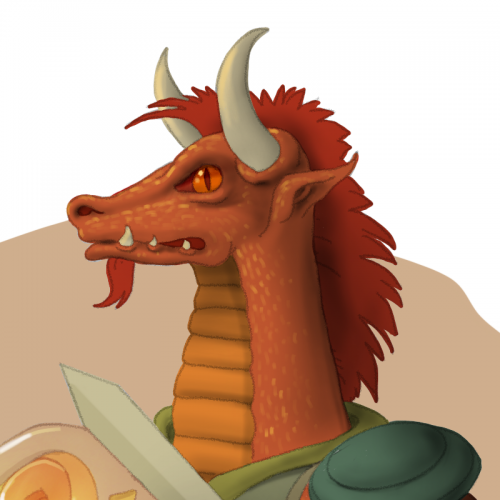
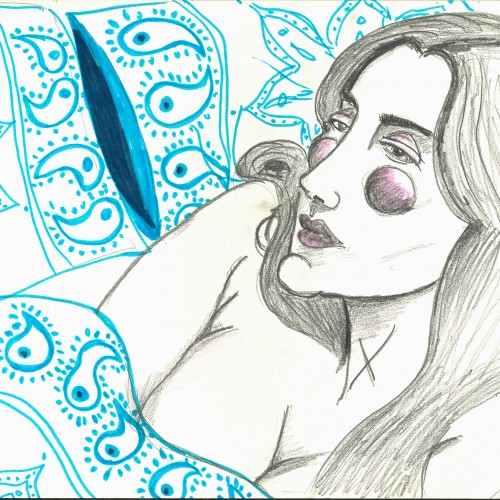
Don’t get caught here unawares… I don’t suggest you take the stairs. The treasure that this castle keeps, deep beneath the water sleeps. But if you’re patient with the tides, there’s another path it hides. Quickly now! Find the door! and hurry back onto the shore. For the moon, she will not wait to turn the tide and flood the gate. Don’t get caught here unawares… I don’t suggest you take the stairs.
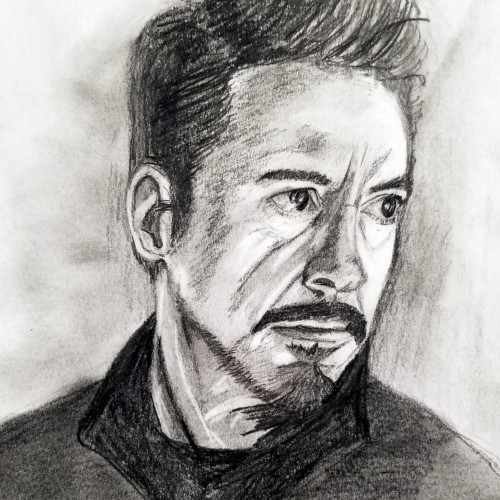
Dmitry Shostakovich (1906–1975)
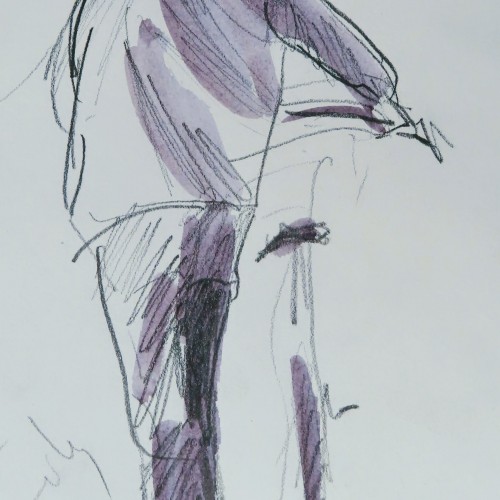
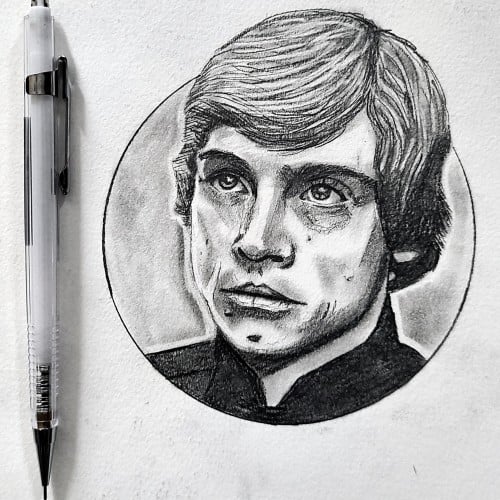
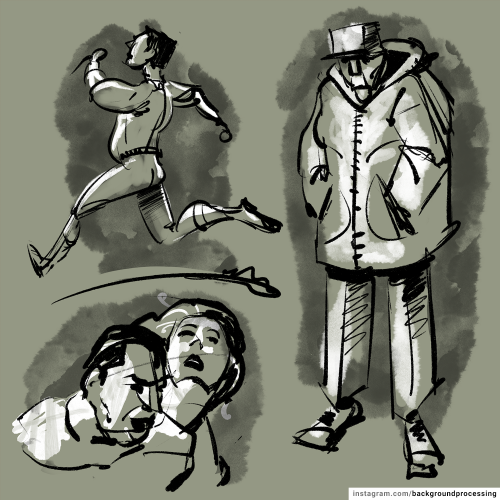
Shostakovich’s contemporaries do not recall seeing him working, at least not in the traditional sense. The Russian composer was able to conceptualize a new work entirely in his head, and then write it down with extreme rapidity—if uninterrupted, he could average twenty or thirty pages of score a day, making virtually no corrections as he went.
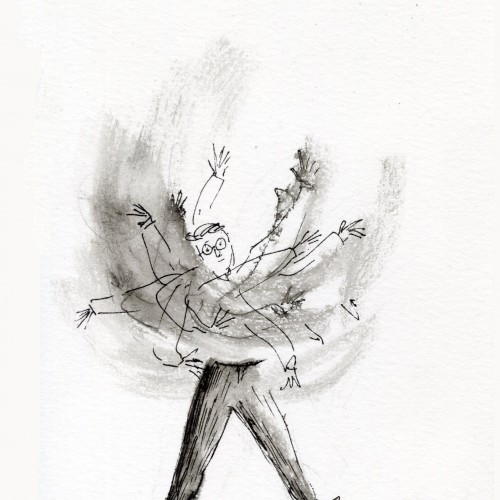
But this feat was apparently preceded by hours or days of mental composition—during which he “appeared to be a man of great inner tensions,” the musicologist Alexei Ikonnikov observed, “with his continually moving, ‘speaking’ hands, which were never at rest.”
Shostakovich himself was afraid that perhaps he worked too fast. “I worry about the lightning speed with which I compose,” he confessed in a letter to a friend. Undoubtedly this is bad. One shouldn’t compose as quickly as I do. Composition is a serious process, and in the words of a ballerina friend of mine, “You can’t keep going at a gallop.” I compose with diabolical speed and can’t stop myself.… It is exhausting, rather unpleasant, and at the end of the day you lack any confidence in the result. But I can’t rid myself of the bad habit.
- From Daily Rituals: How Artists Work by Mason Currey
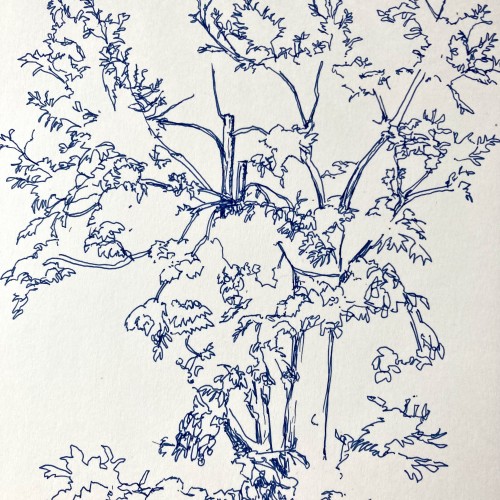
#dailyrituals #inktober #shostakovich @masoncurrey
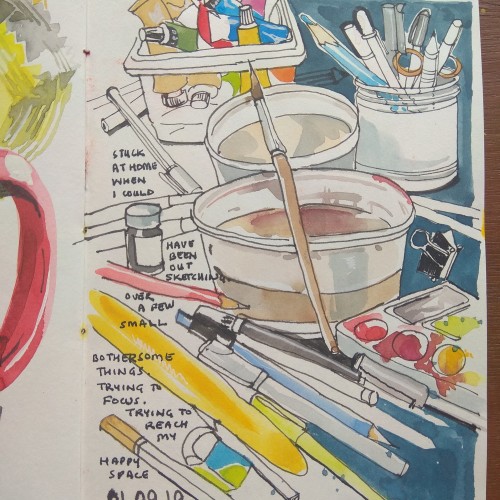
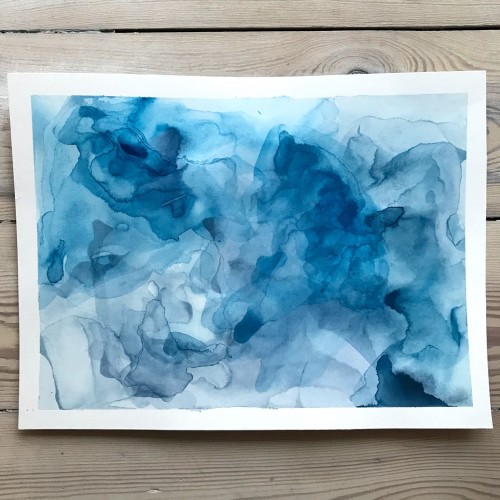
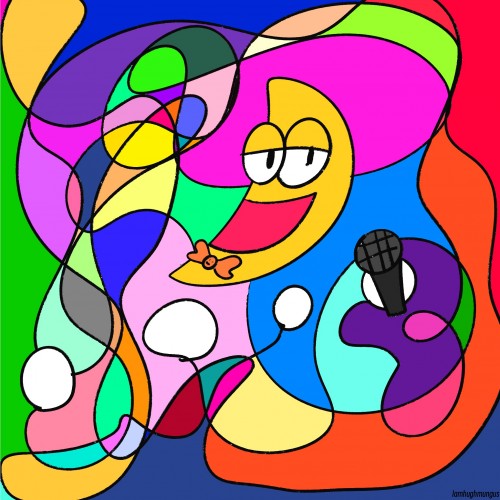
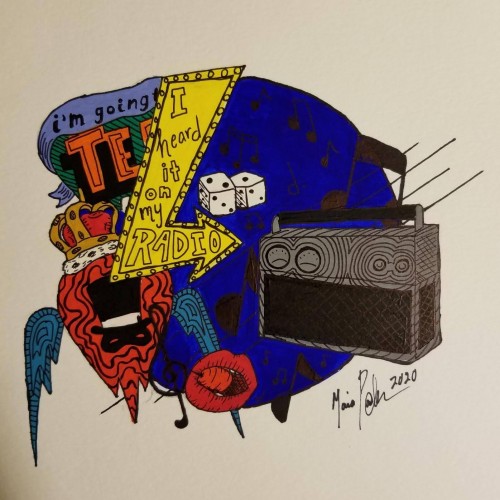
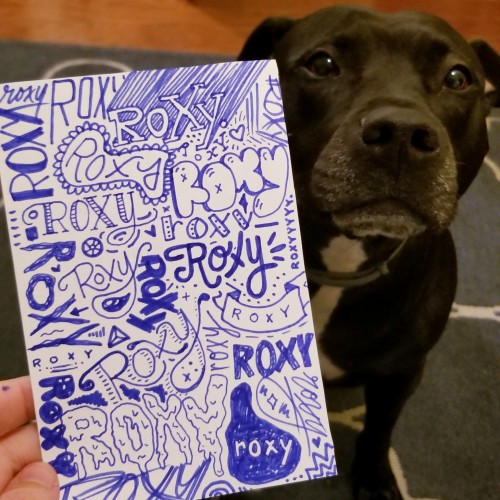
Inktober Day 4: Radio. A quick paint/doodle while talking with a good friend. Today was decent. Hoping for a better week this time around. "From the end of the world to your town."
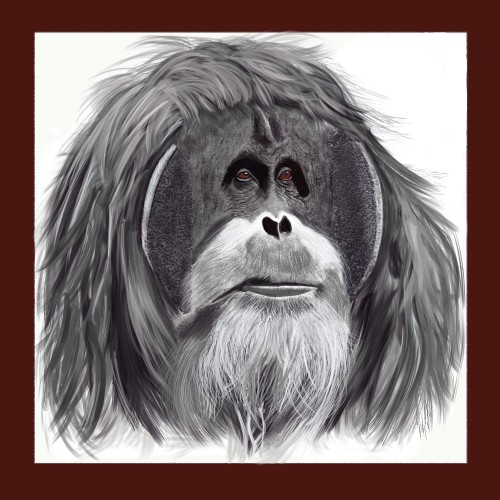
Orangutan sketch (Original Dimensions: 3000x3000px x 300DPI) to try out my new iPad Air M2 13 using both iArtbook Pro and Artstudio Pro artist apps. This iPad is awesome for power and quickness.
Here are three main facts about adult male orangutans:
1. **Physical Characteristics**: Adult male orangutans are significantly larger than females, with an average height of about 1.2-1.5 meters (4-5 feet) and weighing around 50-100 kg (110-220 lbs). They develop distinctive physical features such as large cheek flanges (fleshy pads) and a throat pouch, which they use to produce long calls to communicate across the dense forests.
2. **Solitary Lifestyle**: Unlike many primates, male orangutans are solitary creatures. They spend most of their lives alone, except during brief periods of mating. This solitary behaviour reduces competition for food and other resources. The males will range widely and have large territories that often overlap with the ranges of several females.
3. **Long Call**: Adult male orangutans have a unique and powerful long call that can be heard over great distances. This call is used to establish territory and attract females. The call consists of a series of roars, grunts, and bellows, and it serves to warn other males of their presence, helping to maintain social hierarchy and reduce conflicts.
A little while back I started doing little triptych cartoons, something I could have fun with and zip off pretty quickly. Then I expanded them to four panels when it felt necessary. Some people think too deeply about my little toons and are confused about what's happening. I just tell them to look at it more simply, and not to overthink it. Like this one.