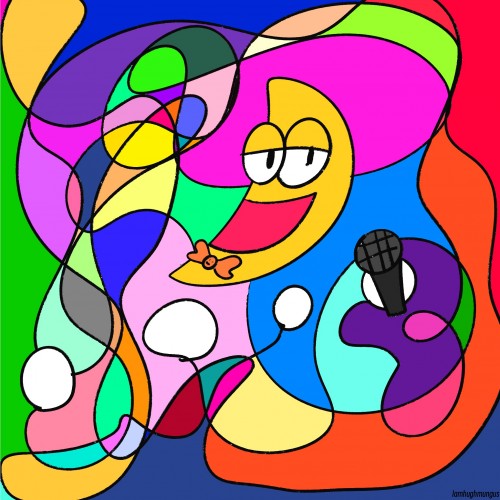
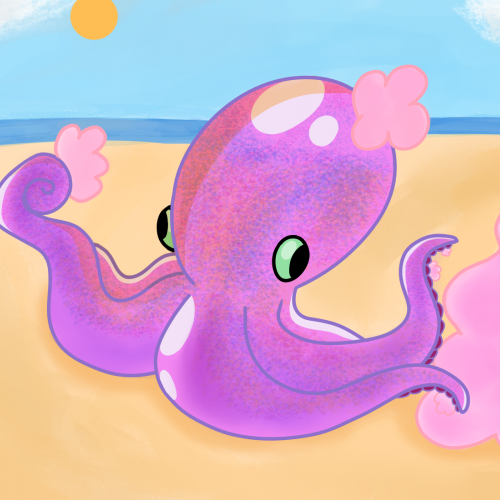
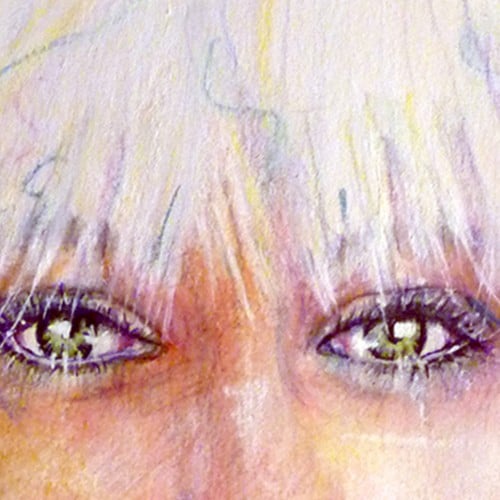
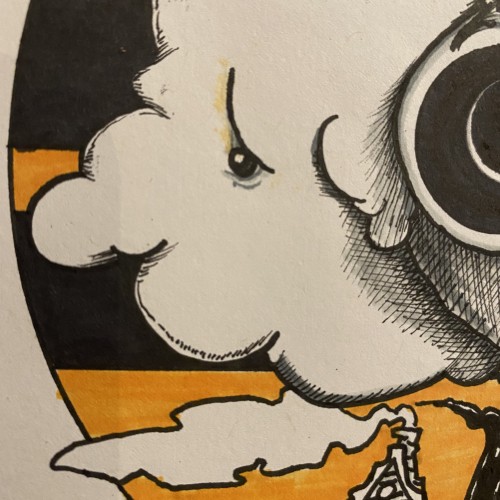
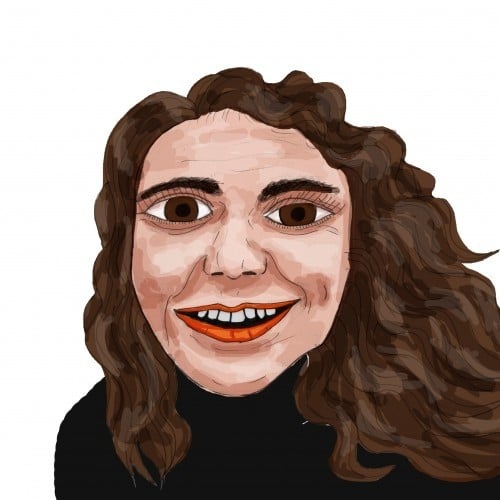
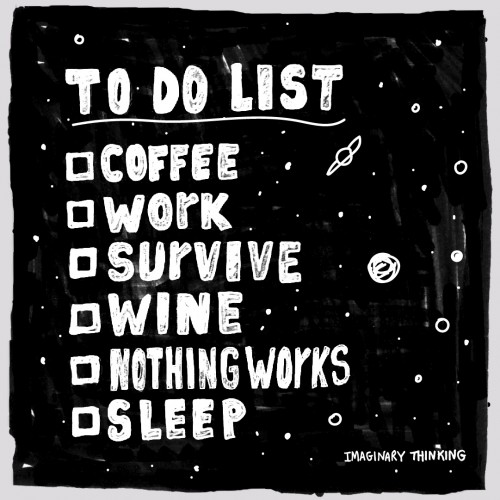
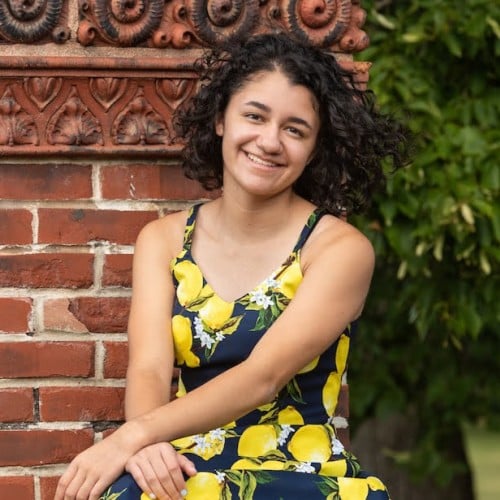
This is another drawing i'm really proud of creating on my tablet and thankfully I recorded the progress (I will be uploading the speedpaint next week) I drew an Octopus because I really love Octopuses since they are one of my favorite animals in the entire world.coloring was quite fun as well as experimenting which led me to create this.
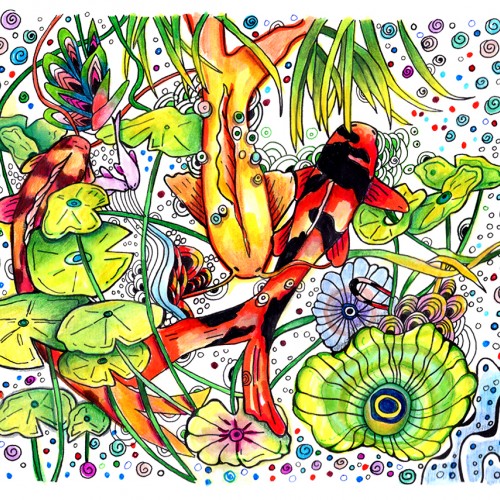
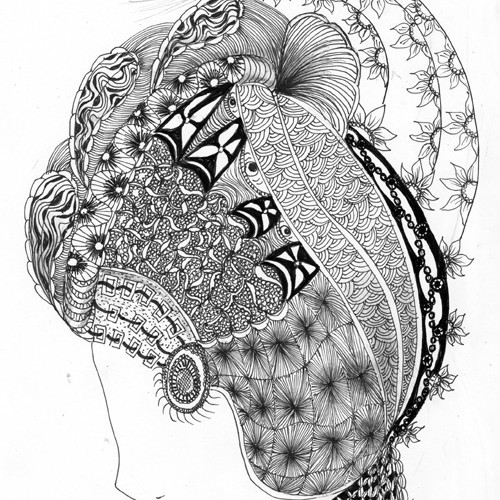
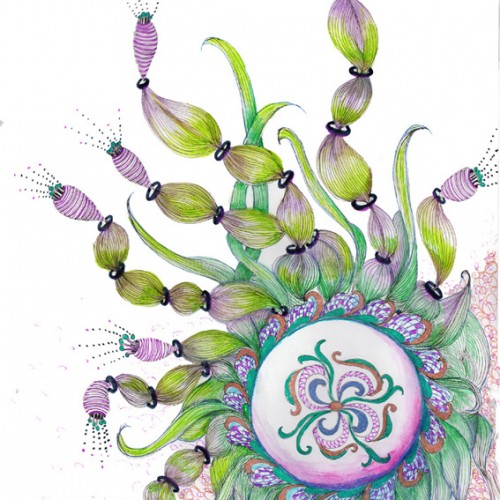
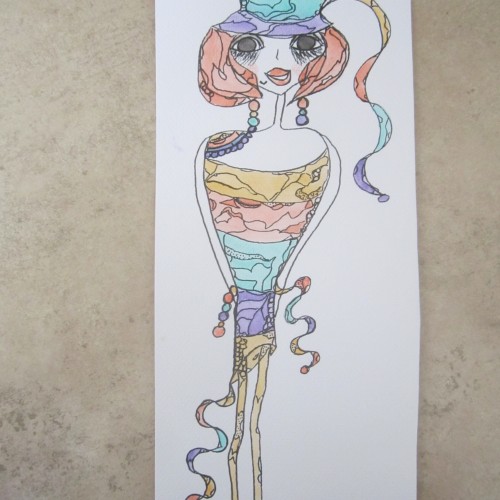
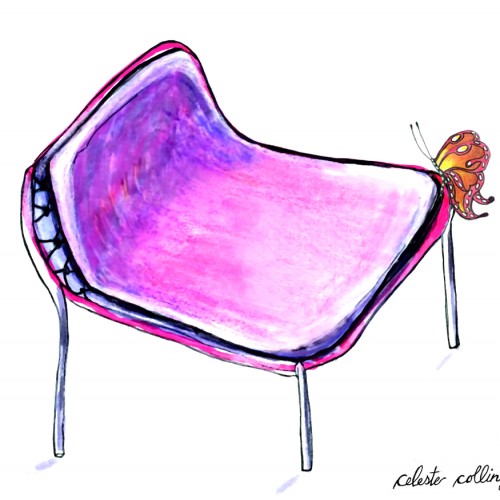
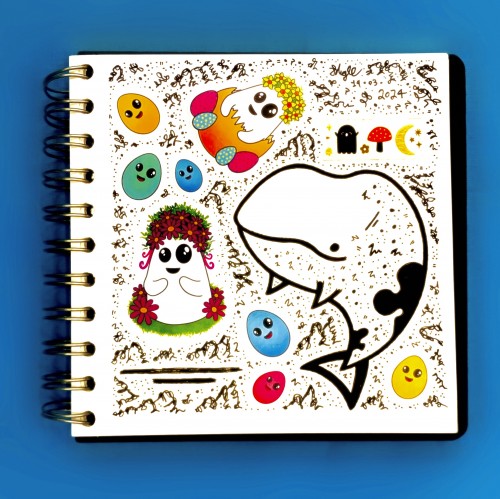
My idea was to make a textile pattern for fabric printing. Drawn on paper with a micron pen .005, colored with pens then put into Photoshop for some color manipulation, blurring of lines and pattern arrangement.
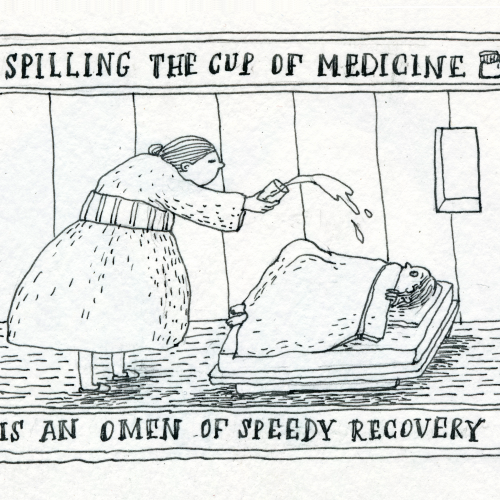
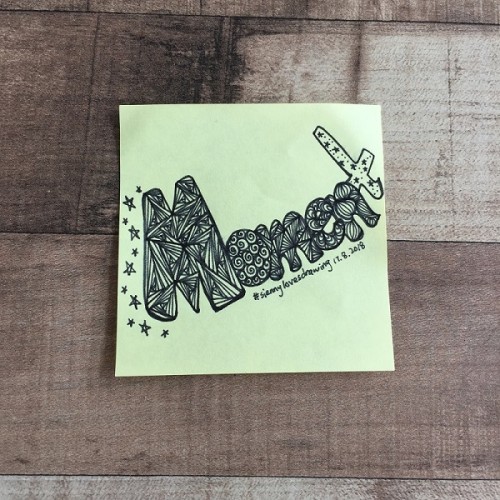
Omens and Superstitions.
In Japan there is a superstition that if a cup or glass containing medicine for a sick person is accidentally upset, then it is an omen of that person's speedy recovery.
From "A DICTIONARY OF OMENS AND SUPERSTITIONS" by Philippa Waring
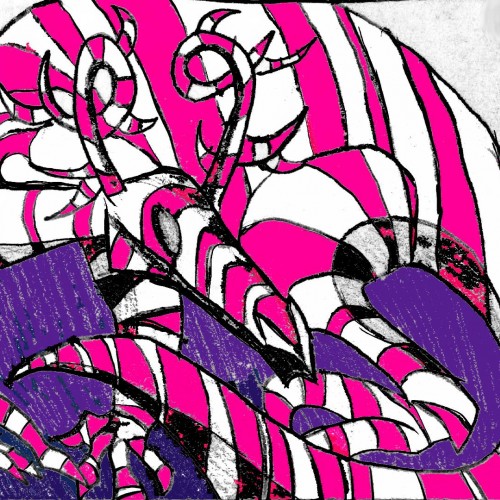
Welcome to Nornwan, Untitled Heroes!!! What brings you here today? Escape from reality? Sweet! Me too! This is an illustration of her majesty the queen. She has no name that we simpler lifeforms can pronounce. She has lived long, and ever watched over the land of Sucrosia, (the land of candy). Not all dragons that come to the land of Nornwan are peaceful and life-loving creatures, nay, some are wicked beasts, they oft seek the utter destruction of the peoples! How very fortunate we are, indeed, to be blessed by the Candied Lady.
we are #untitledheroes
https://www.youtube.com/channel/UCKXBKF6a2BWVDy_SgMvk8GQ?view_as=subscriber
Liked by johntmealy and
meanwhileplaces's profile picture
meanwhileplaces
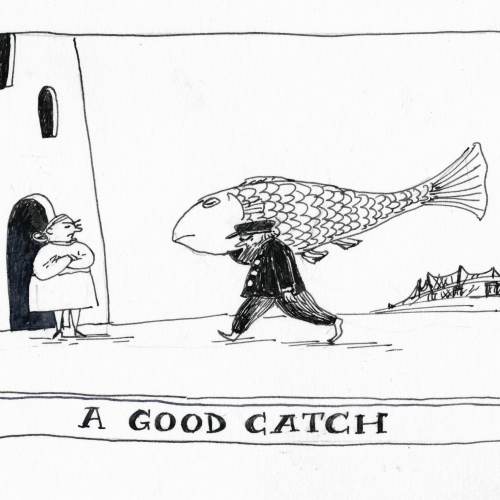
Superstition : Fishing.
One of the strangest sea fishing superstitions says that if a fisherman and his wife have a quarrel and fight just before he goes to sea then he can expect a good catch. The argument though, must develop naturally, and not be staged deliberately, and if a man actually draws blood from his wife then he can expect an especially large haul.
From "A DICTIONARY OF OMENS AND SUPERSTITIONS" by Philippa Waring
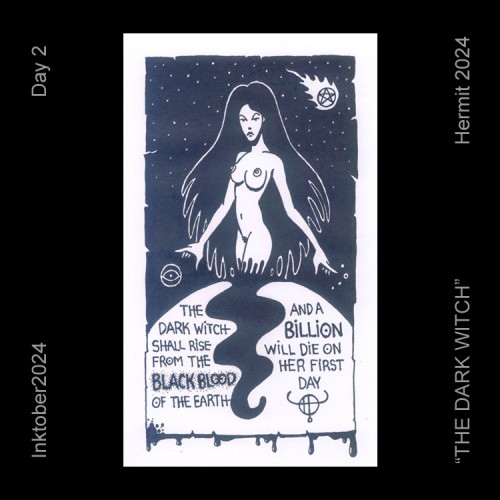
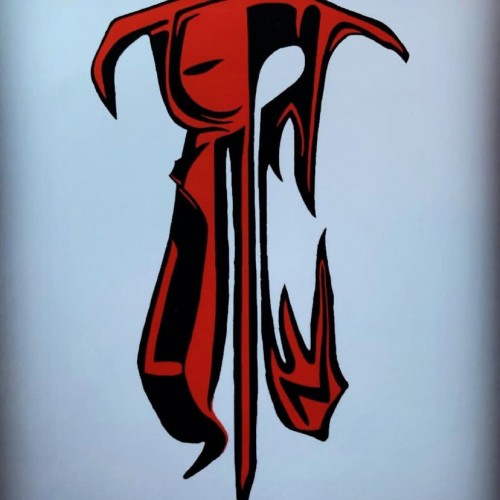
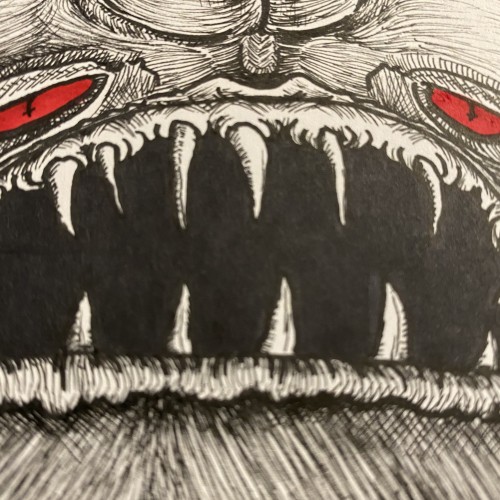
(Gel fineliner on A5 paper) A weird piece of dark art for the second day of the Inktober challenge. I've not bothered with the prompt words, much preferring to go "vanilla" with it.
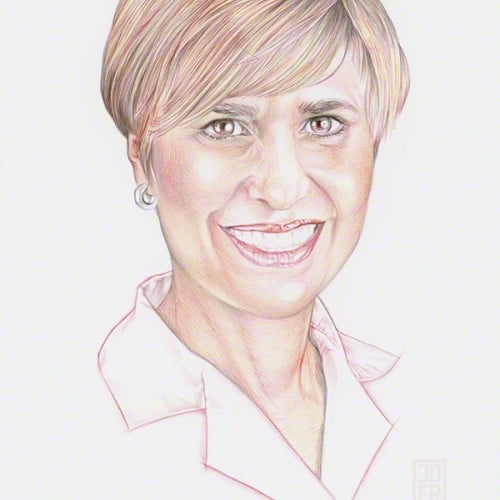
Meet Dr. Lorna Breen. She was in the trenches of the front line inside the New York hot zone during the first wave of the pandemic. She saw the massive influx of patients she knew she could not save (29,000 deaths reported in April, 2020). She contracted the virus and after recuperating, went straight back to work. A week and a half later, the hospital sent her home. Her family intervened to bring her back home to Charlottesville, Virginia. During her visit with her family, she seemed “detached.” She passed away April 26, 2020 at the UVA University Hospital in Charlottesville from self-inflicted wounds.
"She tried to do her job, and it killed her… Make sure she’s praised as a hero. Because she was, she’s a casualty just as much as anyone else who has died."
—Dr. Philip C. Breen, Father
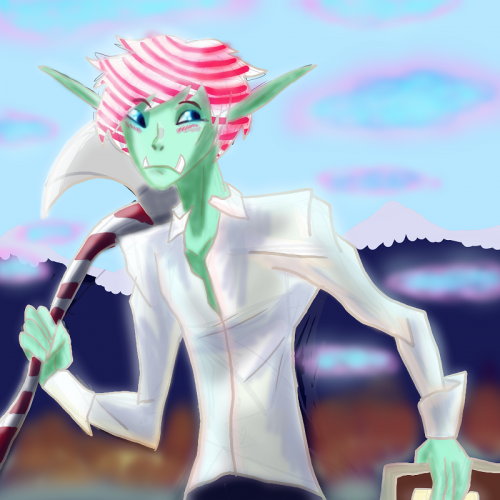
One of he Heroes of Nornwan in the Time of Orkinia . Half orc, half candyborn . Raised in the Church Faction . He helps Orkinia slay the Automic Dragon ad bring peace to the land of Nornwan.
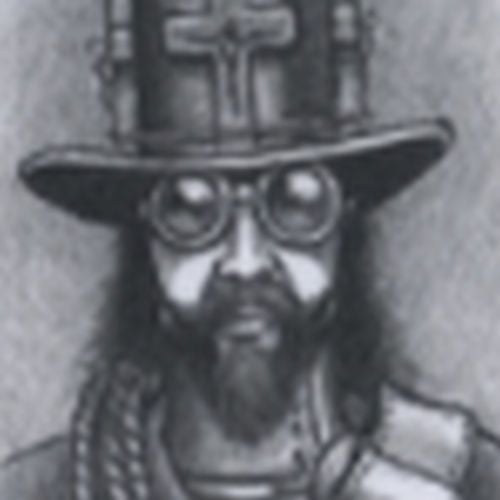
Anyone remember the old hobbit/lord of the rings cartoons? This just reminds me of the goblins song, “where there’s a whip, there’s a way.....” come check out my page #embracingnightmares to see this guys progress. It’s good for your peepers, I’m not a doctor, so you can definitely trust me on that.
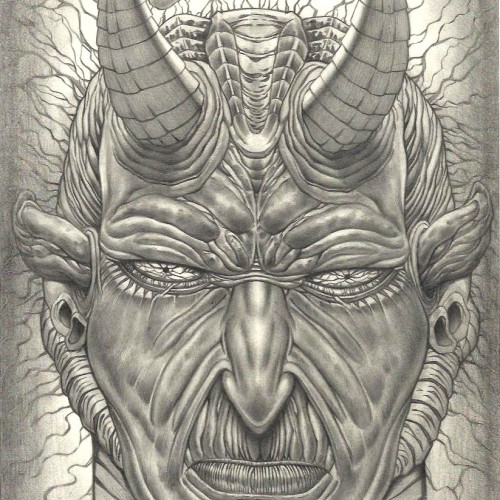
Malthus appears to be absent of any kind of mercy or remorse, often toying with its victims before attempting to kill them and take their souls. Malthus is also very sadistic, persistent, aggressive, terrifying, and pure evil. Done with lead pencil on 11x17 80ibs strathmore drawing paper. This character is based on demon that came in real life story. In Annabelle comes home movie is where he gets involved the most. If you are interested in purchasing this artwork $55 and also I am doing private commission. Just leave a comment or you can email me jungmeister4@yahoo.com (Shipping the original artwork fee will apply)
and now, a short poem: "I am so close to the edge, I could just take a step, and leave this lonely world behind" ... thank you, and now back to our regularly scheduled fear-mongering and brain-washing, yay!
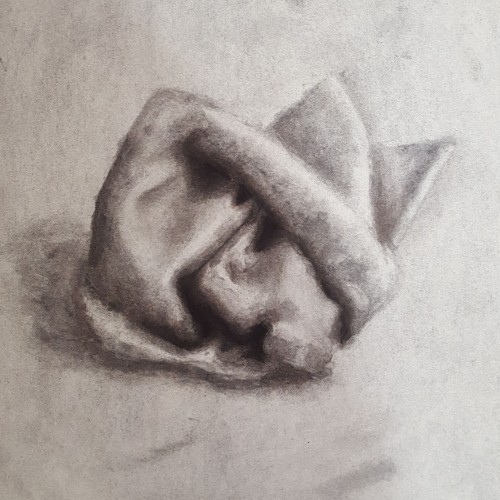
I suppose this was just a tester/practice piece? My first actual still life from observation and my first time actually using charcoal (yes, I've never truly used charcoal before. Charcoal and pastels are two things I avoid. Their looseness and freeness scare me, considering how rigid I can be). Not sure how to feel about this one. I'm my worst critic, and I've known that for a long time now. There's a lot of practice and progress to be made, but it turned out half-way decent.