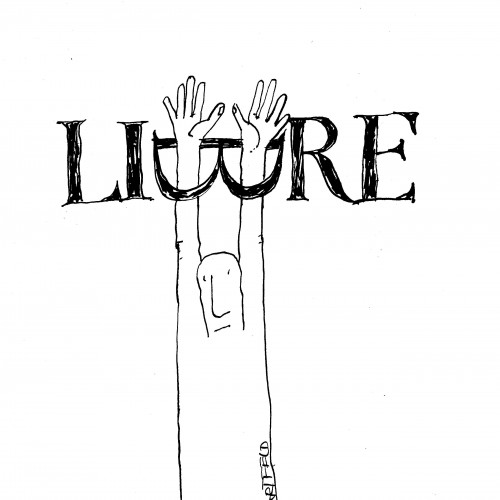
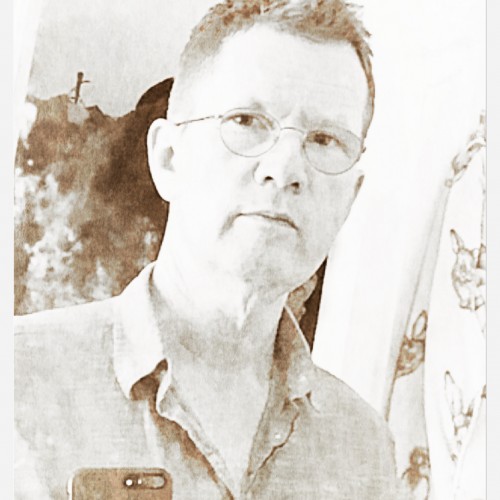
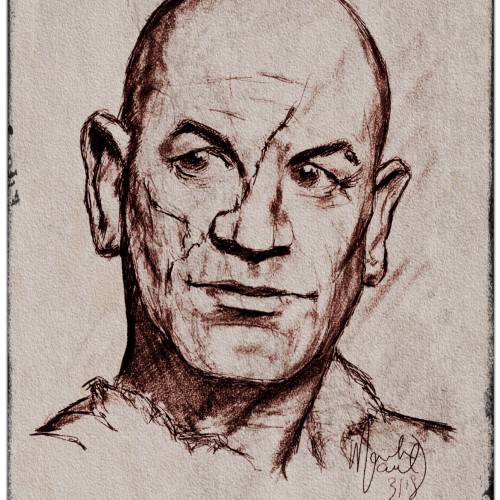
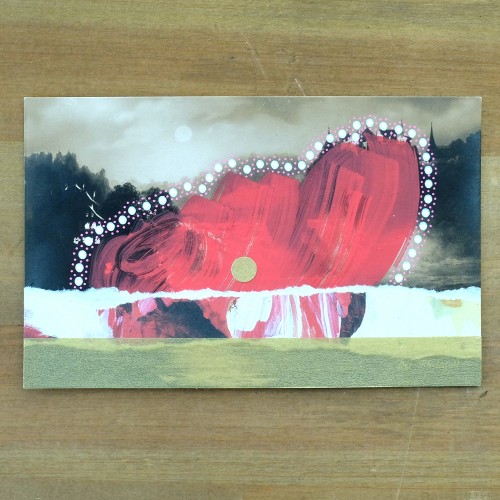
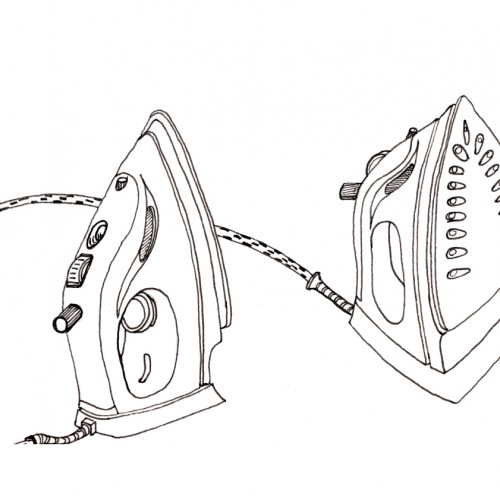
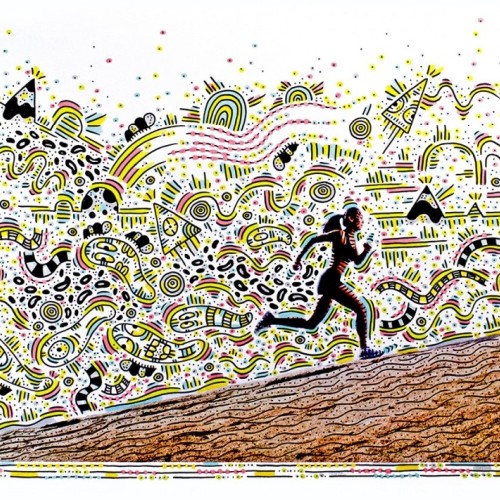
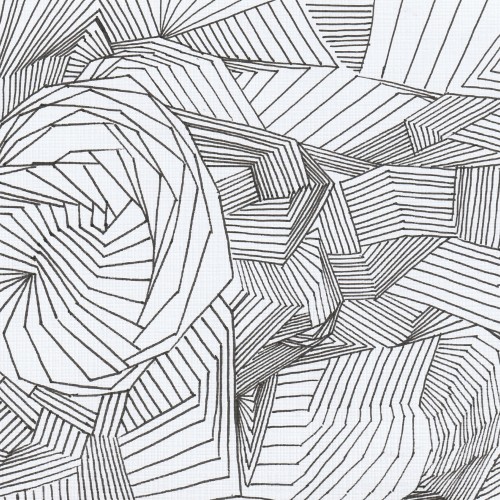
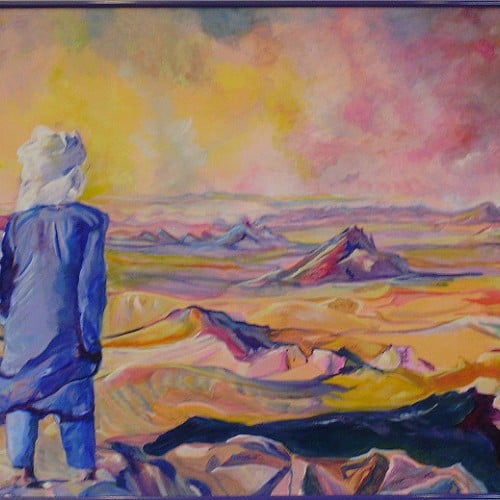
Français : L’Appropriationnisme ou le « Remake » est un concept simple. En effet, il suffit de reprendre le travail d’un artiste et signer la nouvelle production de son nom. Il ne s’agit, en aucun cas, de copier l’œuvre comme pourrait le faire un faussaire. Il ne s’agit pas non plus de plagier l’œuvre.
En ce qui me concerne, j’utilise l’œuvre célèbre d’un artiste reconnu. En réutilisant une œuvre originale préexistante et célèbre, condition sine qua non, je propose de rendre un hommage. Il ne s’agit en aucun cas d’un manque d’inspiration surtout lorsque l’on sait maintenant que : « l’art naît de l’art et non de la nature » : Ernst Gombrich.
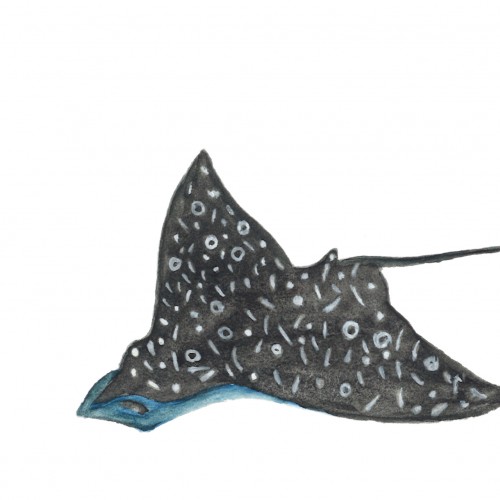
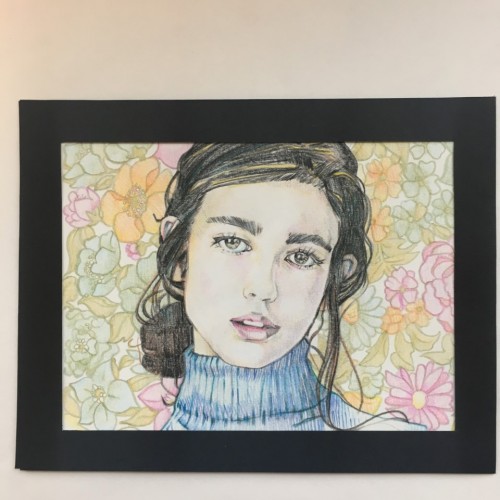
Dans cette série, j’ai voulu revisiter des œuvres célèbres en utilisant ma technique graphique de l’éloge de l’approximation mettant en évidence la problématique de la défaillance et de la mémoire vaporeuse.
English: Appropriationism or Remake is a simple concept. Indeed, it is enough to take again the work of an artist and to sign the new production of his name. It is not a question of copying the work as a forger could do. It is not a question of plagiarizing the work.
As far as I'm concerned, I use the famous work of a recognized artist. By reusing a pre-existing and famous original work, condition sine qua non, I propose to pay tribute. It is by no means a lack of inspiration especially when we now know that: "art is born of art and not of nature": Ernst Gombrich.
In this series, I wanted to revisit famous works using my graphic technique of praising the approximation highlighting the problem of failure and vaporous memory.
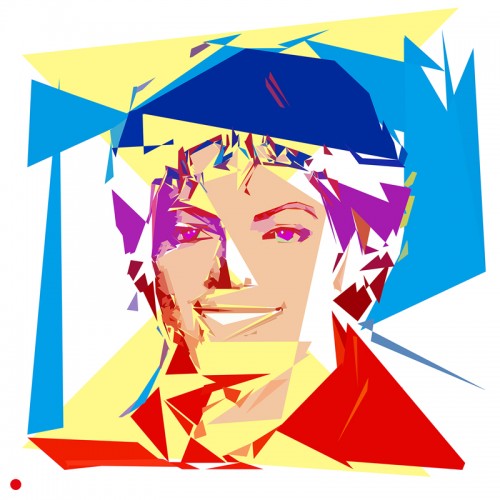
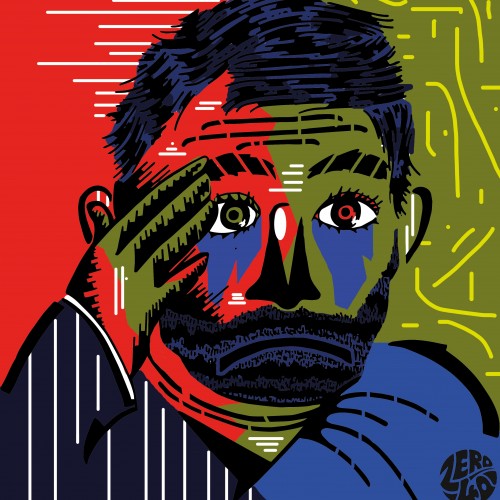
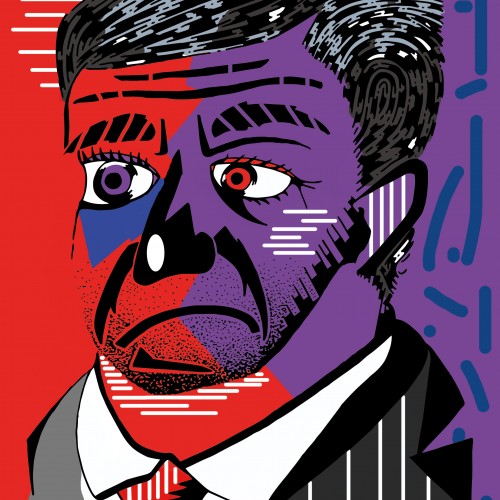
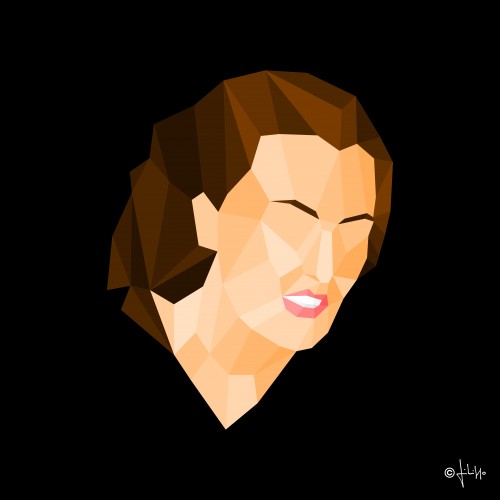
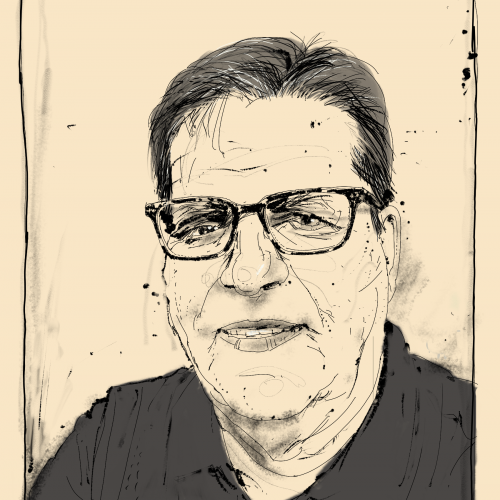
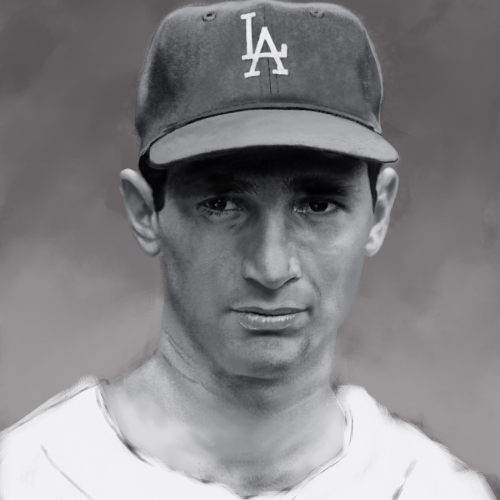
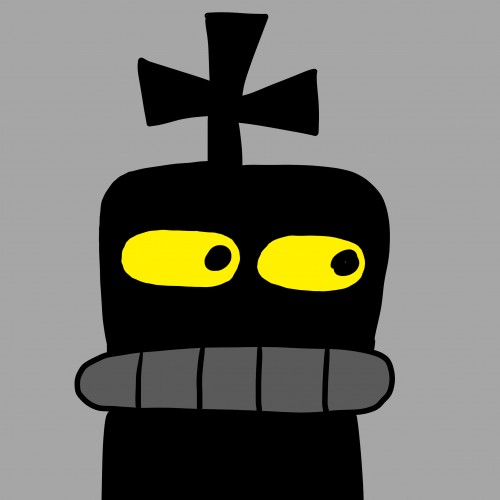
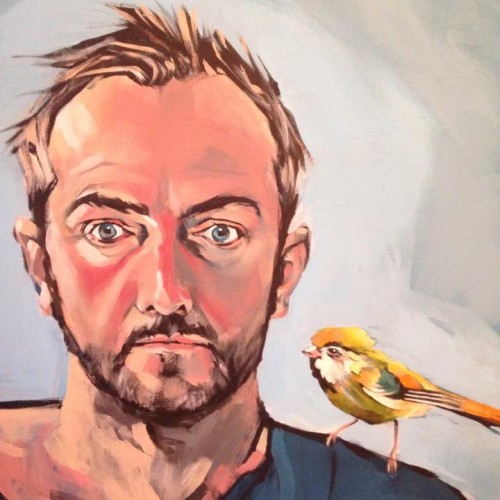
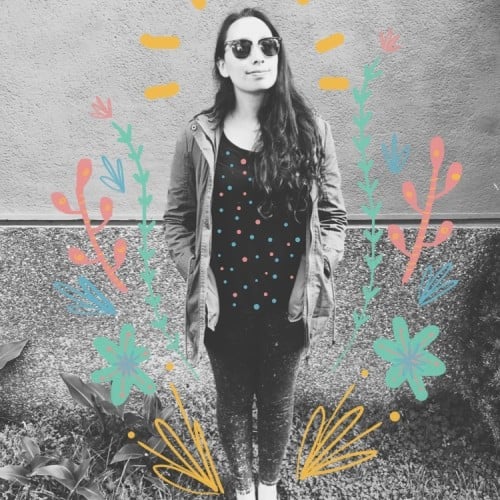
One of a Series of Manager Portraits that was used by the Zero Forty Brewery to promote the events on their social media that focused on the Premier League.
One of a Series of Manager Portraits that was used by the Zero Forty Brewery to promote the events on their social media that focused on the Premier League.
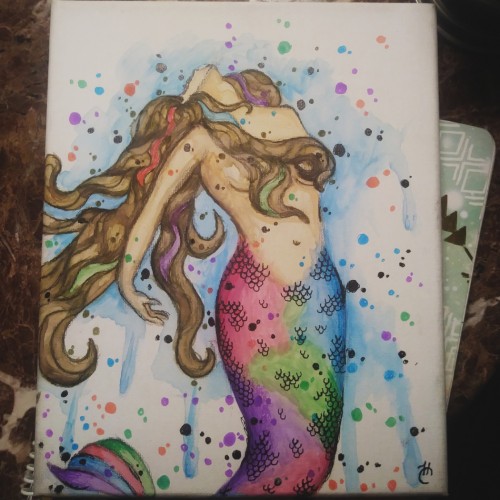
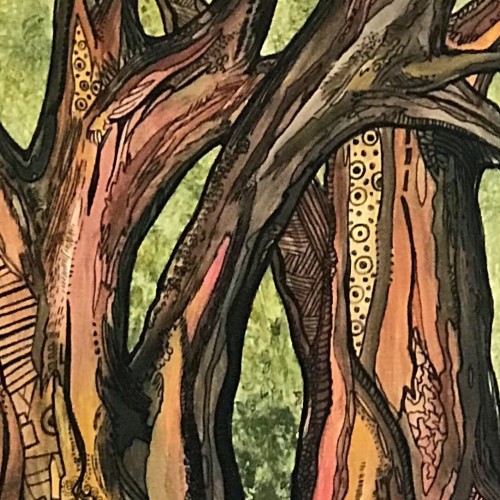
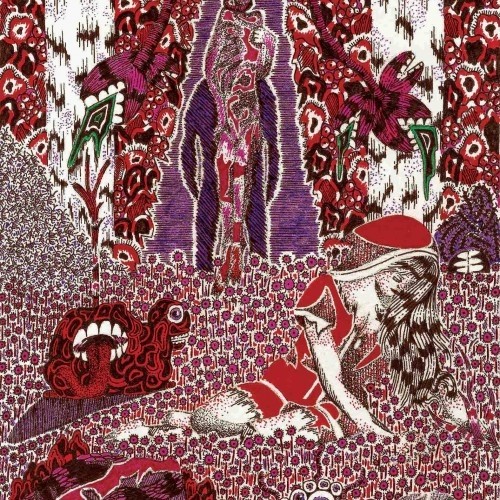
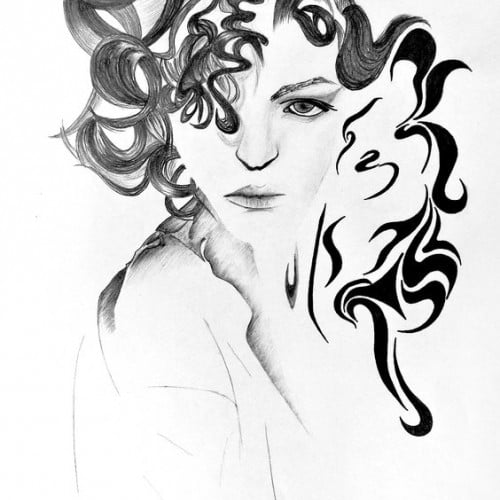
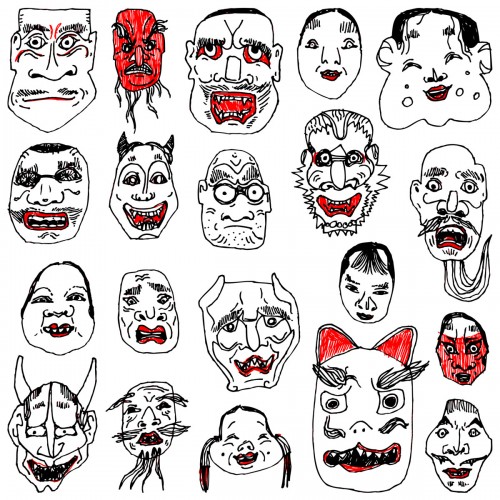
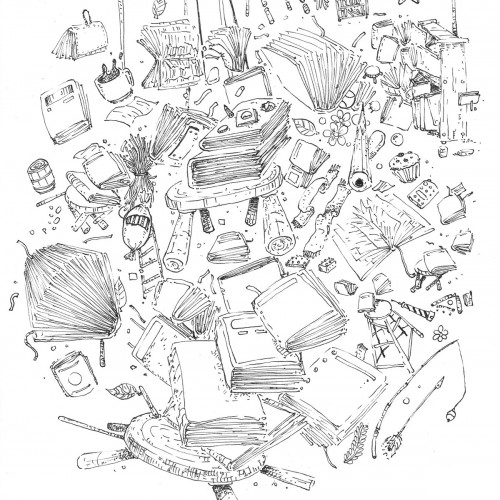
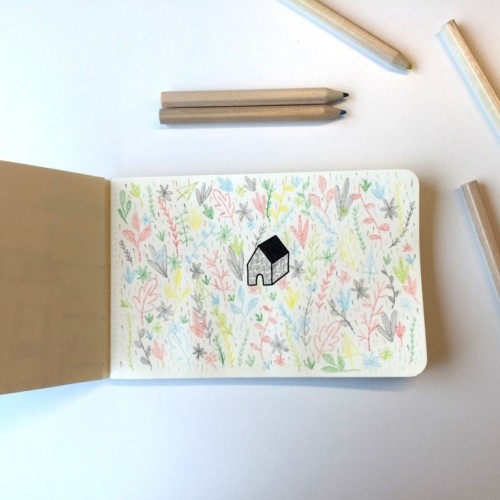
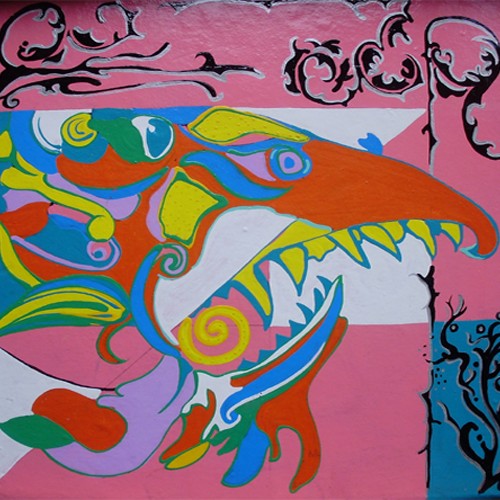
One of a series of illustrations done for a book of poetry. The poetry was in Dutch so I have no idea what the poems are about! However the designer, the late Baer Cornet liked my work!!
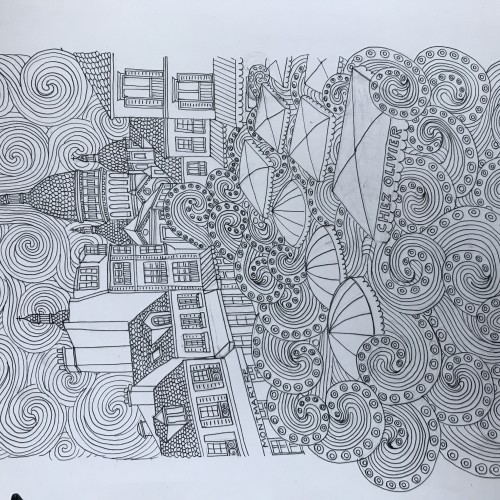
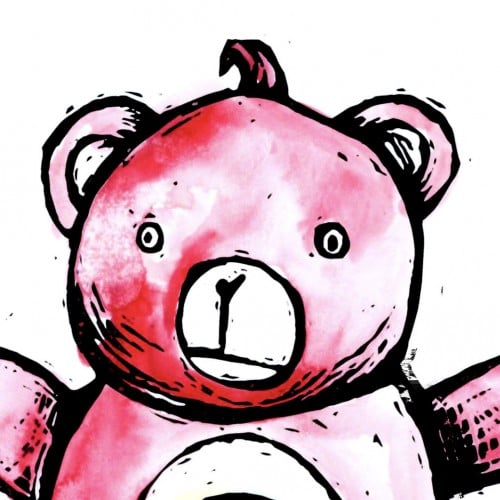
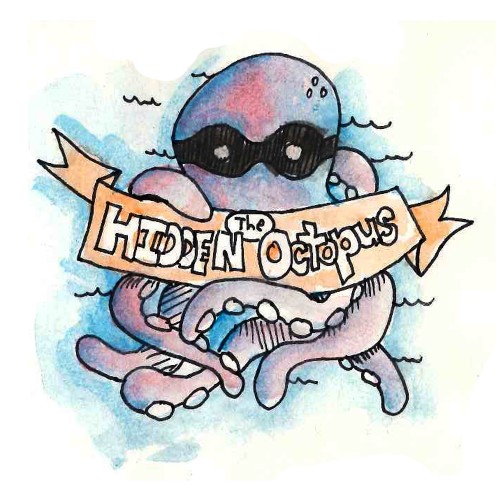
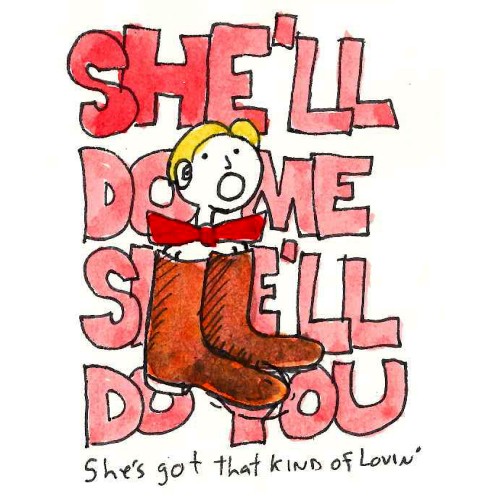
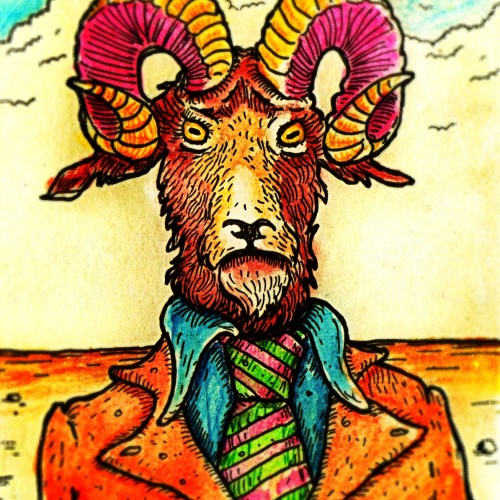
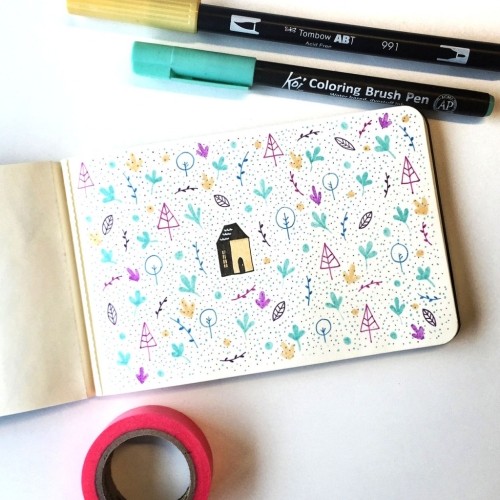
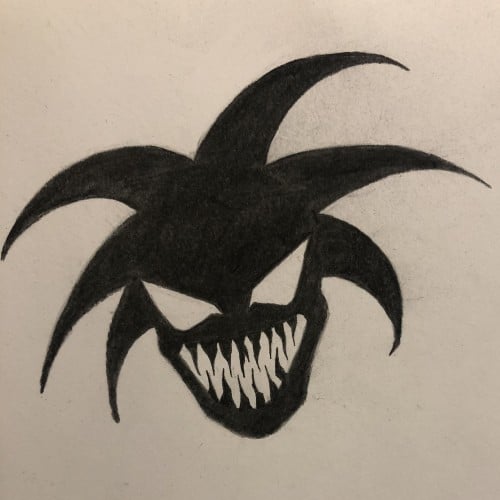
I've started a series in my sketchbook...actually, it's a series inside of a series. The series started as an idea I called "The Hidden Octopus". It's an Instagram account where I post quirky little ideas I draw with my Sharpie and the watercolor it to make it pretty. Then I thought I'd start a series inside of that where I do Song Lyrics that I really like. This is one of the first in that series.
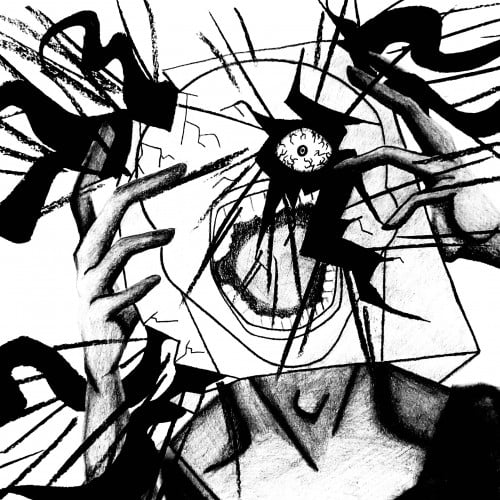
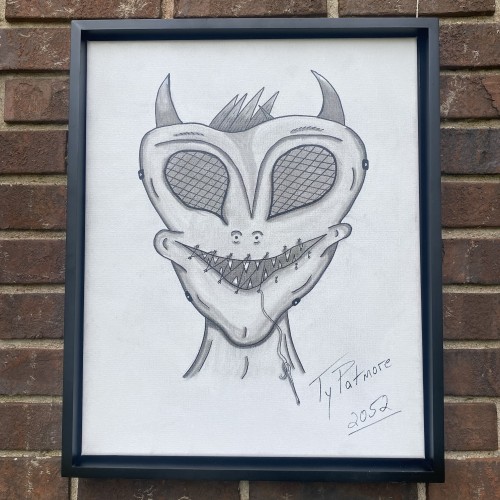
This portrait is the darkest in the series, examining the internal malice that persists even when communication is restricted, illustrating that evil doesn't require a loud voice.
* Visual Focus: The mask's mouth is horrifyingly held closed across the center by surgical thread and a needle, which only covers half of the wide, unnerving smile. The stitching reveals a set of sharp, feral teeth underneath. Disturbingly, a pair of prominent horns protrude from the top of the mask's head.
* Symbolism:
* The Stitched Mouth: Represents the idea of selective silence or the censorship of truth. The fact that the stitching only covers half the mouth highlights the "half-done" nature of modern morality. The revealed sharp teeth suggest that even in silence, the capacity for vicious, cutting, or "devilish" speech remains barely contained. Showed directly on the piece by the date being misleading.
* The Horns: A classic, unambiguous symbol of the Devil or pure malice. This is the figure's core identity—it suggests that even while hiding behind a neutral mask and being partially silenced, the individual's "tongue like the devil" and evil intent are still very much present, emphasizing the inherent corruption and hypocrisy behind the facade.