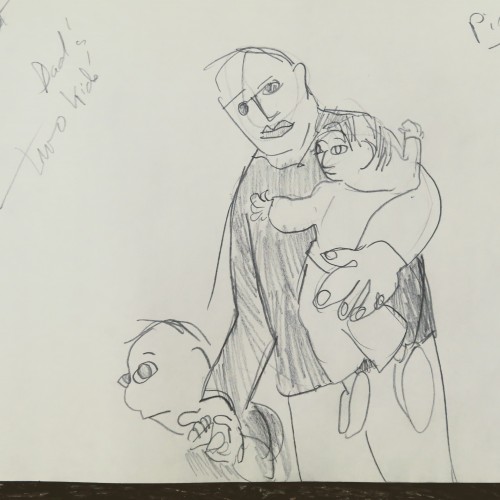
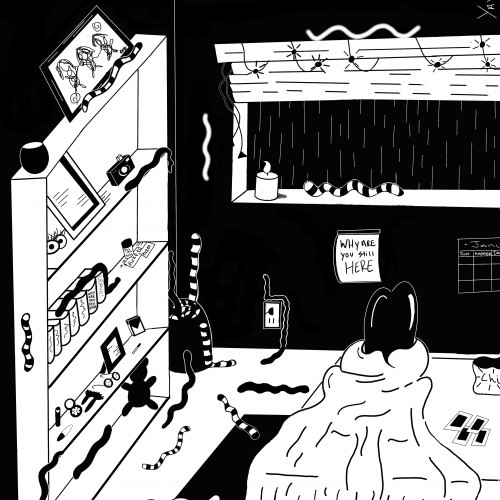
I used to sketch in my car much more often. I'd go downtown and quick sketch people, scenes--whatever moved the spirit. With this sketch, I got the idea for a series...a what if ordinary moments in life were done in Picasso fashion. In this case, it was a Dad with his two kids. I never pursued the idea any further than a handful of quick sketches, but I wonder, what if I painted Dad with two kids Picasso style? It's still on my bucket list. What about you? What's on your bucket list regarding art ideas, projects?
Pipe Wrench — 16×20, graphite & acrylic accents
The next addition to my growing Tool Series. # 6
A classic pipe wrench rendered with tight line work, layered shading, and subtle grit that brings out every ridge and tooth. I leaned into the industrial personality of the tool—solid, heavy, built for work—and let the shadows do the storytelling. It’s a tribute to the objects that shaped my childhood and still live on in my shop today.
I'm going to do a series of comics revolving around this character, Carlyle! She's such a an arrogant little diva, and I love her. I'm just doing this to test the waters and get used to writing comics. Not sure how serious I'm going to be with it, but hopefully I'll have fun along the way : )
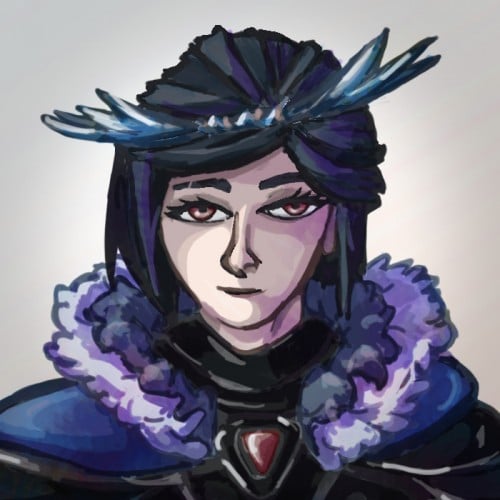
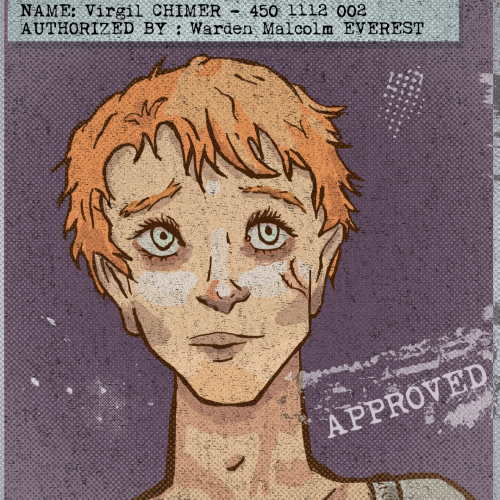
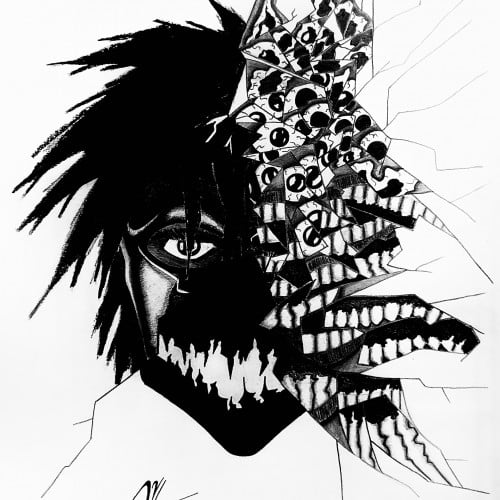
A more recent work of mine from a series of pieces I made revolving around an original character who was a political prisoner of a dystopian space-faring setting.
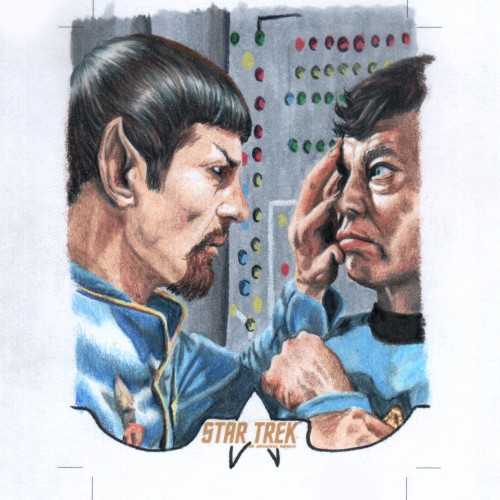
Here's a traditional art sketch card, produced on a 4 X 5 inch blank licensed card. The cut lines are set at 2.5 X 2.3 standard trading card size. Artwork is Copic marker and Prismacolor colored pencil. This card was created as a random insert for the 2018 Rittenhouse Archives Star Trek Captains collection Card series. See more at Sketchcardsandcovers.com
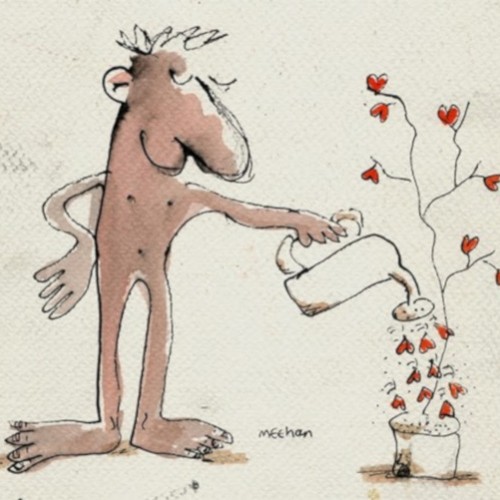
This design is from a series used for postcards, A4 prints, bags, tshirts etc https://davidmeehanart.blogspot.com/p/y.html David Meehan Art = Good art at reasonable price
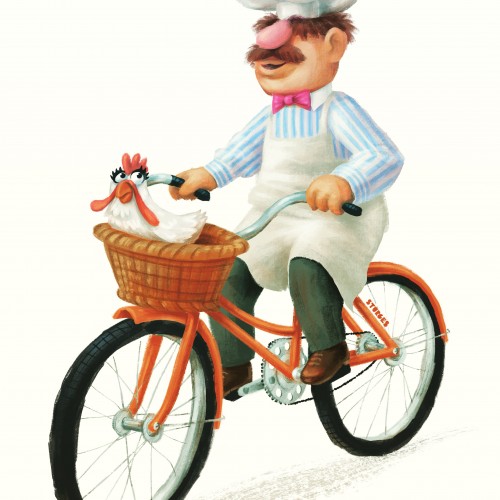
Bork, bork, bork! The Swedish Chef is taking “fast food” to a whole new level—now with 100% more chicken anxiety. Camilla did not sign up for this Tour de Flap, but here we are. Will they reach the kitchen safely, or will this turn into an unscheduled poultry emergency? Stay tuned.
Latest from my Bikes of Amsterdam series
The symbolic painting "Expectations" is filled in with both literal and metaphorical meanings. Time passes very quickly, but when we are waiting for something, it practically stands still. Expecting an event can be unbearably tiring, or it can be enjoyable. It all depends on the circumstances. And everyone can remember something similar. The girl depicted in the painting is possibly expecting a child, or perhaps some other event. She gently hugs the clock, a symbol of time, like the belly of a pregnant woman. This expectation reveals all her inner feelings, doubts, fears, and hopes associated with this event. Time drags on for an impossibly long period, so long that it seems to her that she has already grown old from this expectation. In the painting, the artist indicates this with the gray hair of a young girl. Despite the long wait, the girl smiles and hopes for the best. The artist used warm pastel colors of oil paints on canvas with gilding. The painting was created using clockwork to enhance the meaning. The artwork "Expectations" is part of a “Time” series of paintings with clocks.
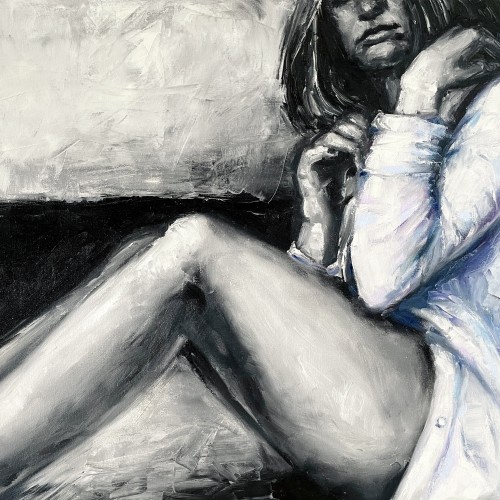
"The painting ""The Girl in a Shirt"" is one of the paintings series ""Her"".The artwork is painted in oil on canvas with wide textured strokes of a brush and a palette knife. In the work, we can see the opposition of a gentle female image and deliberately careless aggressive rough strokes of paint. The artist plays of black and white hard contrast against delicate pastel colors. The girl depicted in the painting feels
constrained by external conditions, which prevents this painting from having an erotic value. The girl nervously tries to unbutton her shirt in order to get more air and freedom. Her pose is not balanced, which shows even more uncertainty and indecision. That's why this artwork is considered rather dramatic."
The five part illustration series Don't Lose Yourself. You can lose yourself in many ways; Consumerism, Heartbreak, American Culture, Loneliness, Giving In, Giving Up, Settling. The five part illustration series, “Don’t Lose Yourself” highlights the chaos we don’t notice around or within ourselves when we’re disconnected away from reality. Sinking so deep, we forget our own values or who we are. The collection reminds us to stay within ourselves by showcasing the dangers of what happens when we don’t.
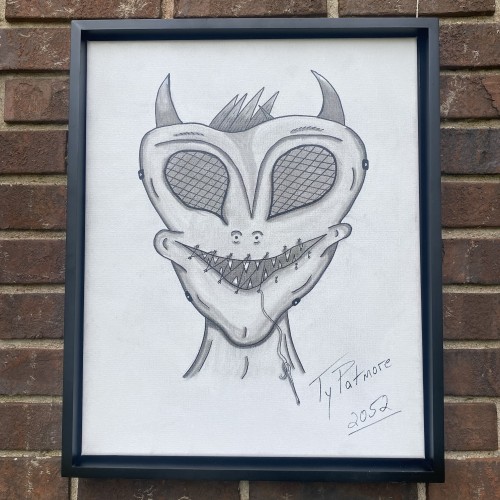
This portrait is the darkest in the series, examining the internal malice that persists even when communication is restricted, illustrating that evil doesn't require a loud voice.
* Visual Focus: The mask's mouth is horrifyingly held closed across the center by surgical thread and a needle, which only covers half of the wide, unnerving smile. The stitching reveals a set of sharp, feral teeth underneath. Disturbingly, a pair of prominent horns protrude from the top of the mask's head.
* Symbolism:
* The Stitched Mouth: Represents the idea of selective silence or the censorship of truth. The fact that the stitching only covers half the mouth highlights the "half-done" nature of modern morality. The revealed sharp teeth suggest that even in silence, the capacity for vicious, cutting, or "devilish" speech remains barely contained. Showed directly on the piece by the date being misleading.
* The Horns: A classic, unambiguous symbol of the Devil or pure malice. This is the figure's core identity—it suggests that even while hiding behind a neutral mask and being partially silenced, the individual's "tongue like the devil" and evil intent are still very much present, emphasizing the inherent corruption and hypocrisy behind the facade.
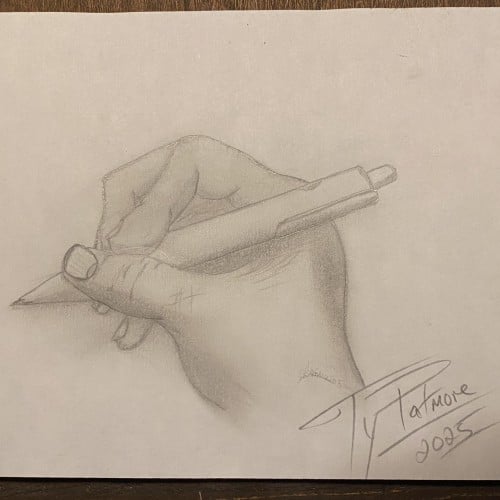
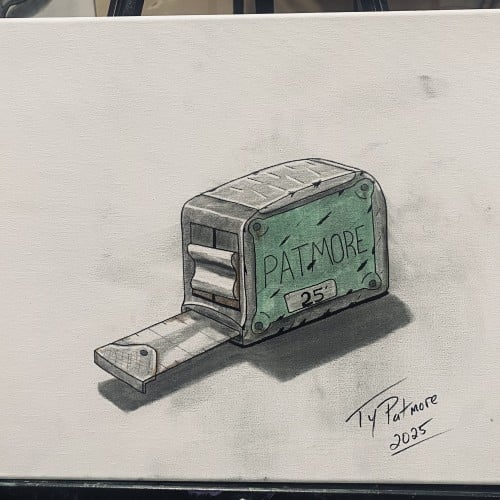
Another addition to my Tool Series—this time a tape measure, the symbol of accuracy, patience, and work ethic. I signed it with Patmore 25 as a nod to the years it has taken to become the artist I am today. Just graphite, ink, and intention… transformed into something that feels alive.