Previous
Next
logo logo
logo logo
  • Discover Art
    • Trending
    • Most Recent
    • Most Faves
    • Most Views
    • Curated Galleries
  • Drawing Challenges
    • See All Challenges
  • Drawing Prompts
  • Artists
    • Most Popular
    • Most Recent
    • Available For Hire
    • Artist Spotlight
  • More
    • Marketplace
    • Art Discussions
    • Resources
    • News + Blog
Login
Most Views
Select an option
  • Most Relevant
  • Most Faves
  • Most Views
  • Most Comments
  • Most Recent
SEARCH RESULTS FOR

source

Haru Haru
Enlarge
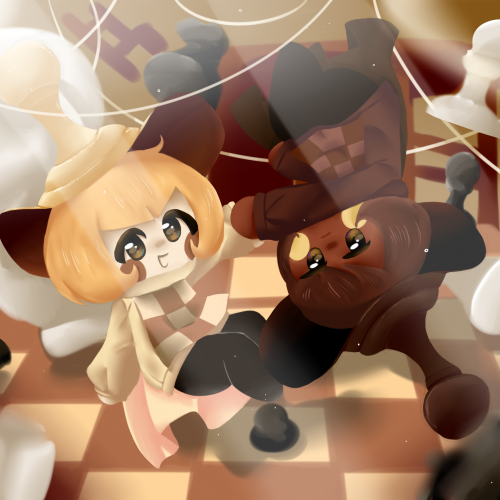
Teru Mage

Teru Mage is a mage based in a teru teru bozu Japanese doll, they walk through plains and shrines in order to relieve negative magic sources.

  • 84
  • 5
  • 1
xenn xenn
Enlarge
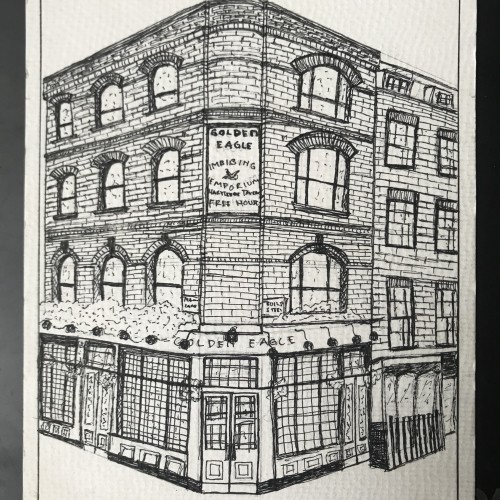
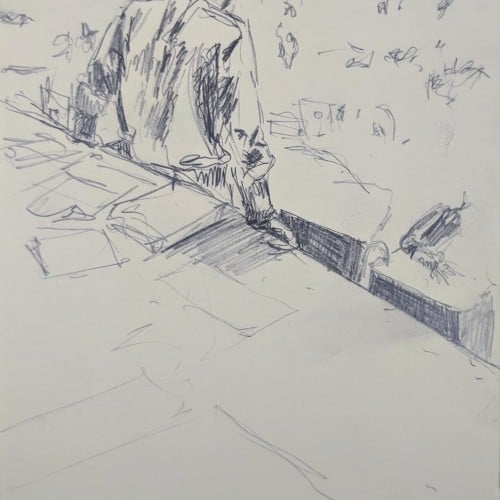
London street building

I drew a London Street Building, source from pinterest using the freehand sketch method. The story behind this sketch is that I drew it with a hesitation feeling, you can feel it when you see how my lines were drawn to create the brick texture.

  • 69
  • 11
  • 0
Erin Rivera Erin Rivera
Enlarge
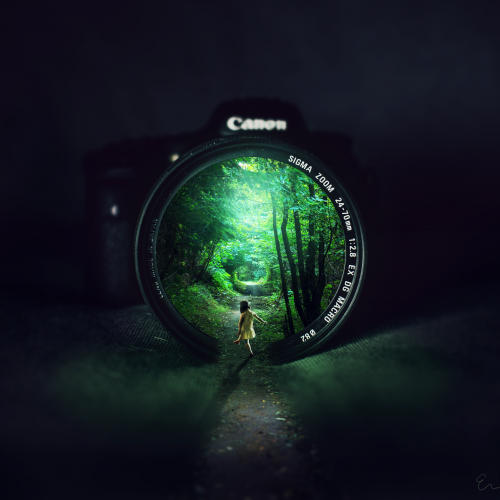
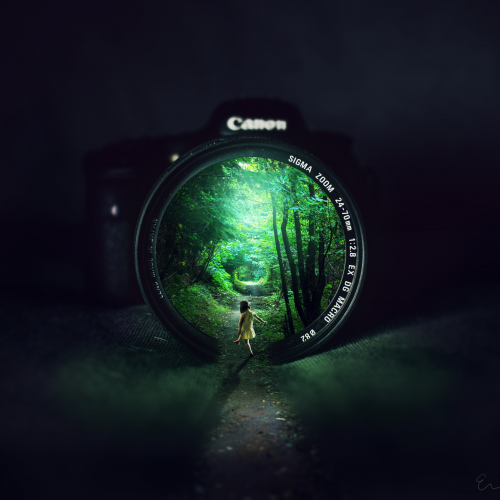
A Walk on the Wildside

Inspired by the wonderful tutorial by rafy A, you can find it here: https://youtu.be/JM-esQnGIhQ Camera photo source: https://www.pexels.com/photo/aperture-black-blur-camera-274973/ Forest and child source: Unsplash.com

  • 68
  • 12
  • 1
Marqueta Wells Marqueta Wells
Enlarge
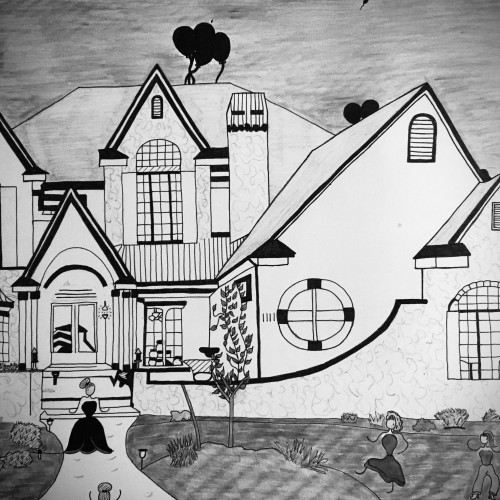
House

Source(online).... Drawn by “21SmartBeauty”

  • 67
  • 6
  • 0
Amadeus Arkham Amadeus Arkham
Enlarge
Wassailing FIN

This started as something I was doing for fun, but turned into a very strenuous exercise on how to work with this many light sources.

  • 67
  • 14
  • 3
Psylent Psylent
Enlarge
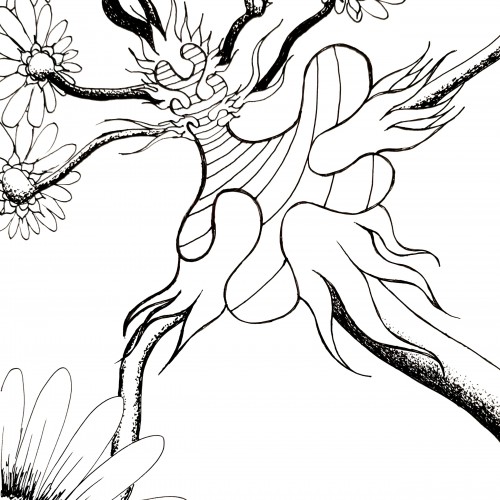
Unfolding Flowers

Flowers growing from an unnamed energy source.

  • 62
  • 4
  • 1
Ravshan Egamberdiev Ravshan Egamberdiev
Enlarge
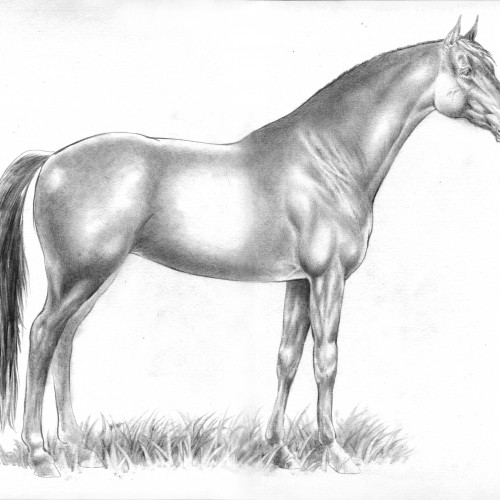
Horse

Horses ... These noble animals have always been a source of inspiration for every artist, sculptor, photographer and will never cease to delight us as one of the most successful creations of God, pleasing the eye and soul with graceful forms.

  • 54
  • 10
  • 6
Jufi Jufi
Enlarge
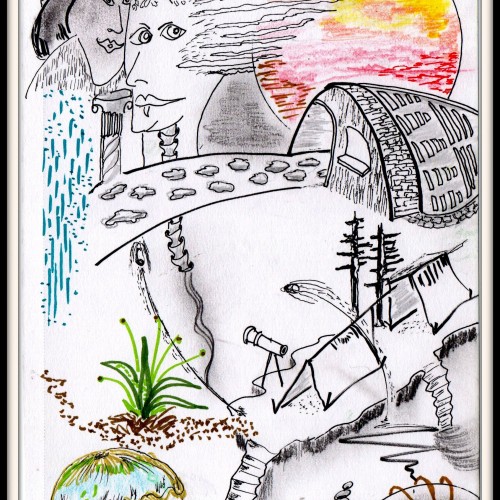
My space 014

my imagination My imagination in search of the source

  • 53
  • 0
  • 0
xenn xenn
Enlarge
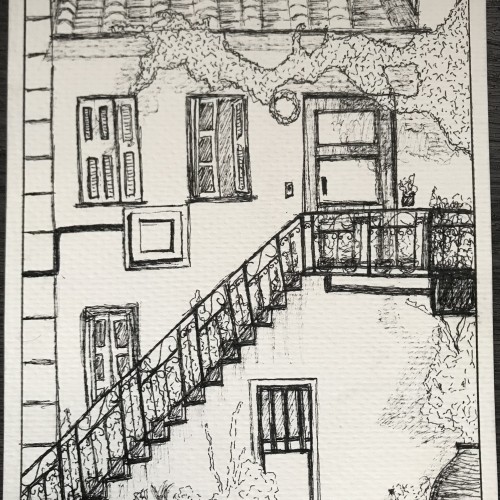
old house

I drew an old house, source from pinterest using the freehand sketch method. The story behind this sketch is that I drew it with a happy feeling, so you can feel positive energy when you see it.

  • 50
  • 5
  • 0
Dean C. Graf Dean C. Graf Plus Member
Enlarge
The Power of Presence

It has been a delight to share with my students the incredible resource of people. Over the years, I’ve had the great privilege of connecting them with inspiring individuals such as Lois Ehlert, Dave Nice, Gregory Martens, Colette Odya Smith, and—as seen in this “Behind the Professor” sketch—Dr. Gaylund Stone. There’s something powerful about the presence of someone who lives their craft with humility and depth. In moments like these, my students are reminded that more is often caught than taught.

  • 47
  • 6
  • 6
Psylent Psylent
Enlarge
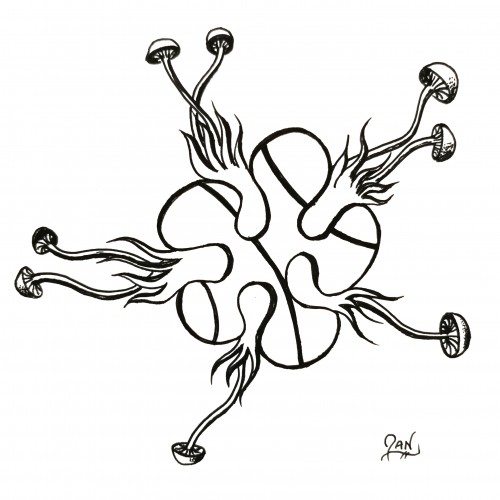
Mushrooms

Mushrooms emanating from an unnamed source.

  • 44
  • 2
  • 0
S.J. Penner S.J. Penner
Enlarge
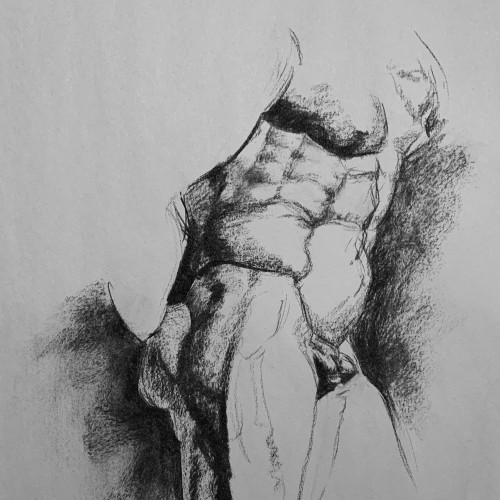
Hercules
1/4

Another class assignment. We had to draw the Farnese Hercules' gratuitously muscled torso 4 times from different angles and with different light sources. We had thirty minute time limits. I thought I was going to lose my mind. Medium: Charcoal on newsprint. Time: 30 minutes x 4.

  • 41
  • 4
  • 1
Will (Bampi) Edwards Will (Bampi) Edwards
Enlarge
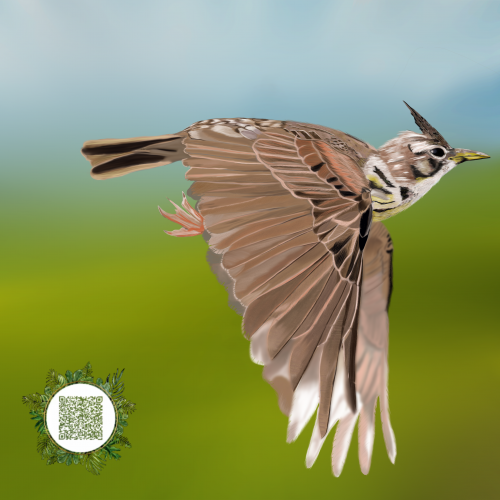
Calandra Lark

I just finished the Calandra Lark. Here are some facts about this beautiful bird... Appearance: It's a large lark, about 17.5-20 cm long, with a robust build, a heavy bill, and noticeable pale eyebrows . Its plumage is mainly greyish-brown streaked above and white below, with large black patches on the breast sides. Habitat: This species is found in open plains, steppes, pastures, and dry cereal cultivations. It's mainly resident in the west of its range but Russian populations migrate further south in winter. Diet: Their main food source is seeds, but they also consume insects when nesting. Behaviour: Calandra Larks are known to be gregarious outside the breeding season, often forming large flocks. Song: Their song is considered musical and slower than the Skylark's. It has been historically popular as a cagebird.

  • 40
  • 8
  • 0
Paul Richardson Paul Richardson
Enlarge
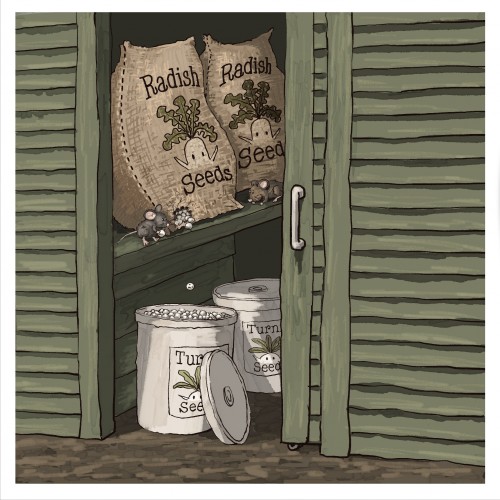
The source

Those pesky mice ...

  • 31
  • 5
  • 0
BeastGurl1989 BeastGurl1989
Enlarge
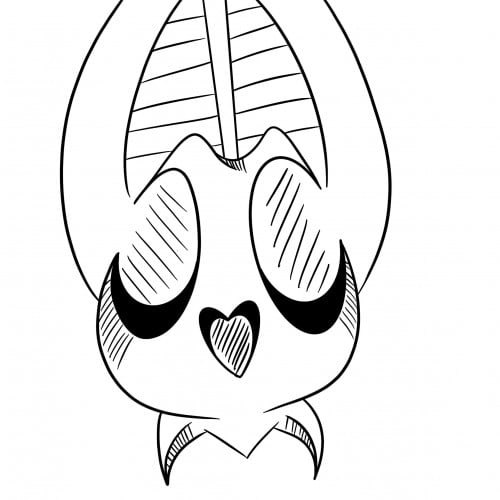
Bat Skull

This is something I'm working on for a project, its part of a template I'm putting together. Its a little off center but I spent most of yesterday morning doodling in my sketch pad until I was happy with the design. I did have to use bat skulls as resource, it was fun.

  • 24
  • 4
  • 0
Mostafa Saad Mostafa Saad
Enlarge
A future Agriculture company |Brand|

Farmalytica is a brand-new company in the field of agriculture which aims for utilizing technology in the field to achieve the sustainability of land resources. Here is the lOGO design for this brand, I hope you like it...

  • 23
  • 0
  • 1
Gespenst Type Rapidity Gespenst Type Rapidity
Enlarge
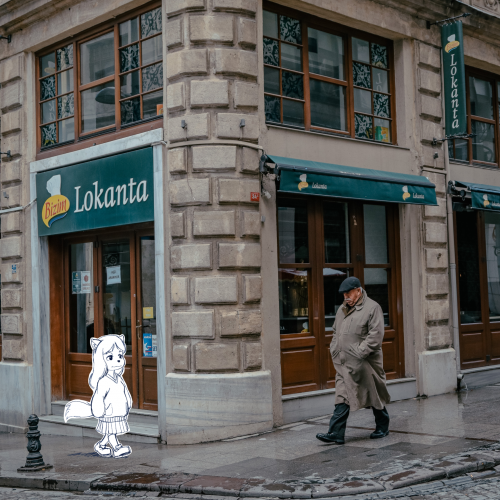
A Glegle taking a stroll

Another image using a photograph as background. I wanted to draw the character idly strolling in the setting. I didn't give much thought to it, other than to make the character's presence feel 'natural'. This image was also source from Pexels, but I cannot find the exact link at this time.

  • 21
  • 3
  • 0
Gespenst Type Rapidity Gespenst Type Rapidity
Enlarge
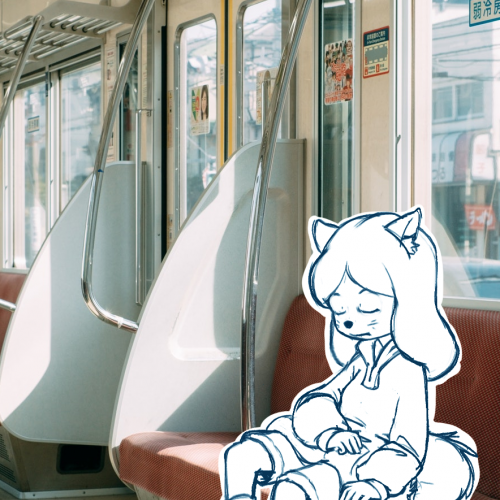
A Glegle on the bus

"She missed her stop". A drawing I did based on a character made on a certain internet forum. This is the first time I used a photograph as an environment for my doodles, and it charmed me enough to want to do more of them. The image was source from Pexel, by Wencheng Jiang ( https://www.pexels.com/@wenchengphoto/ ).

  • 21
  • 4
  • 0
Will (Bampi) Edwards Will (Bampi) Edwards
Enlarge
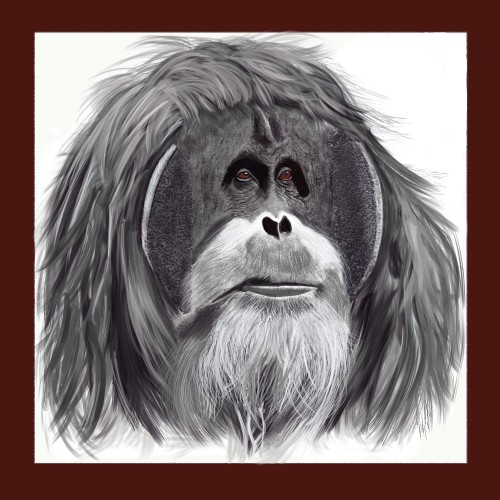
Orangutan sketch

Orangutan sketch (Original Dimensions: 3000x3000px x 300DPI) to try out my new iPad Air M2 13 using both iArtbook Pro and Artstudio Pro artist apps. This iPad is awesome for power and quickness. Here are three main facts about adult male orangutans: 1. **Physical Characteristics**: Adult male orangutans are significantly larger than females, with an average height of about 1.2-1.5 meters (4-5 feet) and weighing around 50-100 kg (110-220 lbs). They develop distinctive physical features such as large cheek flanges (fleshy pads) and a throat pouch, which they use to produce long calls to communicate across the dense forests. 2. **Solitary Lifestyle**: Unlike many primates, male orangutans are solitary creatures. They spend most of their lives alone, except during brief periods of mating. This solitary behaviour reduces competition for food and other resources. The males will range widely and have large territories that often overlap with the ranges of several females. 3. **Long Call**: Adult male orangutans have a unique and powerful long call that can be heard over great distances. This call is used to establish territory and attract females. The call consists of a series of roars, grunts, and bellows, and it serves to warn other males of their presence, helping to maintain social hierarchy and reduce conflicts.

  • 20
  • 7
  • 2
Tammy Comfort Tammy Comfort Plus Member
Enlarge
Solar Eclipse ~ Seeded
1/5

The solar eclipse was incredible for me on many levels ~ In deep mediation the movement of the solar eclipse inspired me, grounded me and offered an intense level of focus and internal balance of the feminine and masculine within us all ~ Parts of this ongoing collage has been done with the left hand. Grounding and clearing tools I like to use: Florida water, Sage ash, Palo ash (all ethically sourced and pure)

  • 19
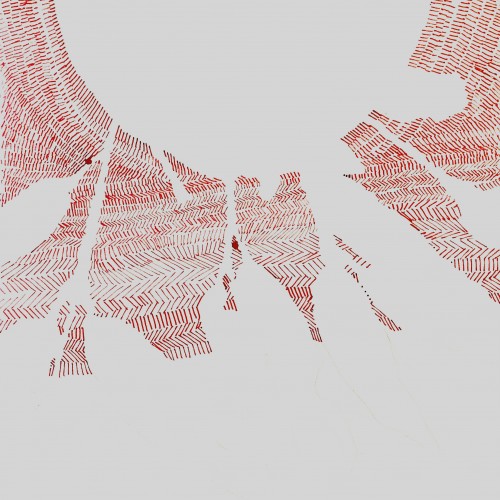
  • 3
  • 0
Annie Tate Annie Tate Plus Member
Enlarge
Bush Medicine 1

Many people walk past plants either without noticing them or with just a glance. For the Walmajarri people in the Kimberley region of Western Australia, and many other Indigenous groups, plants provide a source of food and medicine. These outlines are of plants that are used by Walmajarri people as either food or medicine. For most people they remain a mystery, hence the outline only.

  • 19
  • 5
  • 1
Joanne Vernon Joanne Vernon
Enlarge
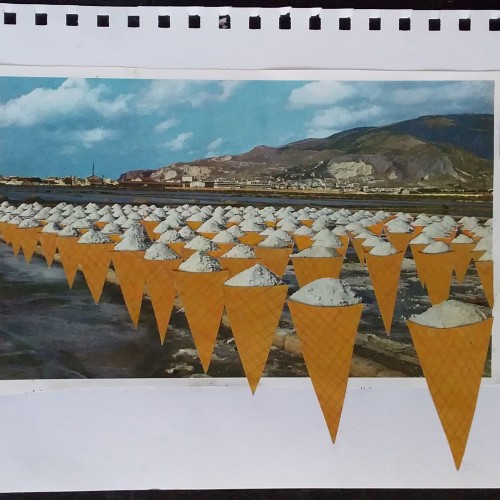
Salted Caramel

Maybe this is about consumerism, or exploitation of resources - who knows - I don't want to be too serious. I just want to have fun - and eat tonnes and tonnes of ice-cream!

  • 19
  • 4
  • 0
Mike Cooper Mike Cooper
Enlarge
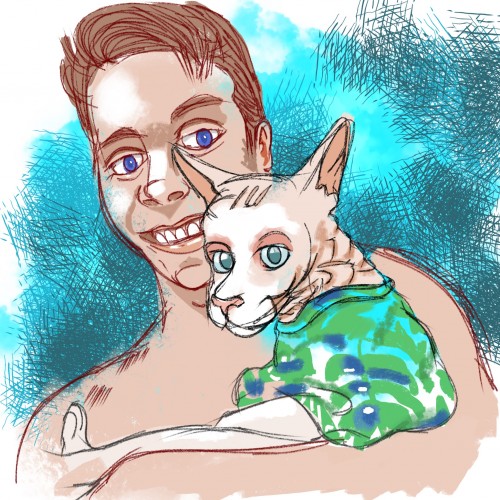
Guy and hairless cat

For r/redditgetsdrawn (https://www.reddit.com/r/redditgetsdrawn/comments/hqd9il/this_is_my_cat_and_my_boyfriend/?utm_source=share&utm_medium=ios_app&utm_name=iossmf) Drawn with my finger with Procreate Pocket on my iPhone.

  • 15
  • 0
  • 0
Juice_Lime Juice_Lime
Enlarge
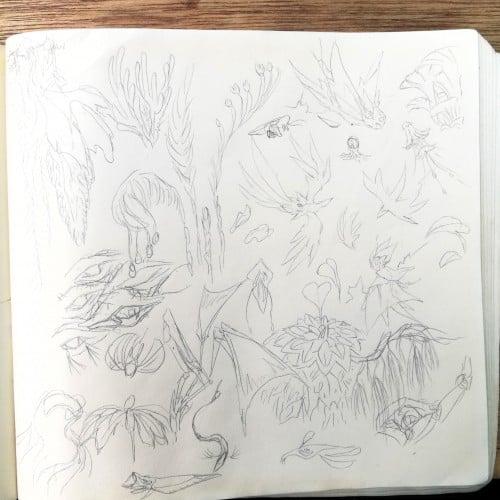
Scribbles: Alien World

Had a thought to revisit one of my old worlds created during the creative streak over years ago. It was a world built from the primordial creative juices in my head, put from uncountable inspirations and knowledge bases learned from who knows forever. Here is a perspective of how a world is built from the rise of some fundamental ideas. What happens if you consider a world suspended in nigh microgravity conditions, a supercharged atmospheric envelope orbiting a twin neutron star system, gravitational suspension, intense magnetic fields and radiation? A extreme and chaotic environment bordering an impossible miracle, in a constant state of freefall. Not gonna lie, worldbuilding in detail is not easy. I don't have the mental and time resources these days, to expand a world in such intricate detail. Each of the scribbles above are mostly ideas of local flora and fauna that push the limits of my science knowledge base combined with accumulated general knowledge. Some of the concepts here are bordering magical fantasy, without even getting into the residing intelligent lifeforms.

  • 14
  • 0
  • 0
Rochelle Rochelle
Enlarge
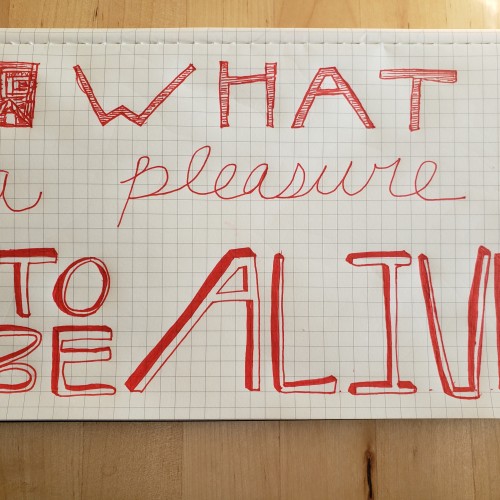
A Pleasure

Comments welcome! On another note - Does anyone have any resources on how to draw mountains?

  • 14
  • 1
  • 0
Beresford Beresford
Enlarge
Industrial Art Project

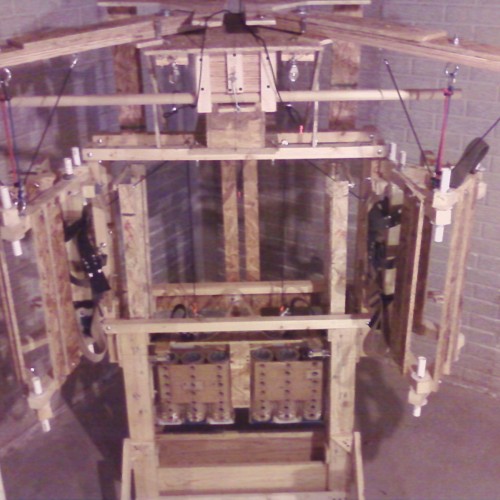
What was created? A concept exerciser (aka: homemade workout machine) made mostly out of wood components, that was a contraption full of hinges, pulleys, weights, and grips (see pin 1). With my system, a person could perform both the butterfly and lat pull down exercises and transition between them with minimal effort. The unit stood about 8 feet tall and was about 6 ft wide when the butterfly arms were connected to it. Why was it created? I have always been fascinated with weight training machine design. I had a bench press weight set at home that did not come with a butterfly attachment, so I decided to make one of my own. I was able to get a steady supply of material (scrap wood) from a local source and constructed a workout routine by stacking columns of weight (instead of accumulating weight plates) in a moving grid generating even or uneven resistance (see pin 3). I also consider what I made could be a benefit to others since it does: (1) represent an extension of DIY culture (i.e. advancing individual knowledge, learning new skills, and the feeling of satisfaction that comes from building from your own ideas), (2) how to apply simple machine principles (i.e. pulleys, leverage, changing the direction or amount of force, etc.) in making a project and, (3) promote woodworking (which allows a person to be creative and is a wonderful medium for artistic expression). What makes it special? What makes my work distinctive concerns the butterfly arms and the weight container. Butterfly Attachment The butterfly attachment arms can be quick disconnected and re-mounted easily. The jackknife motion that the butterfly arms travel in as they flex forward and return to their starting position is an original conception. Weight Grid (see pin 3) Unlike traditional stacked weight plate machines, a person is allowed to make a variety of pattern configurations on the grid (X,□, /,\, —, etc.) by using cup shaped ballast inserts (up to 24) that changes the amount of force a user exerts for each repetition (see figure 2). An individual can position the weights in organized horizontal/vertical patterns or treat them more as random objects in the load basket. In their current form my system’s weight supplements are ½ pound each (about 2 ¾ inches long and 1 14/16 inches in diameter): making them easy to manage. If solid roll stock were used in their construction, they would be estimated to weigh 2 ½ to 2 ¾ pounds (see pin 2). When not in use, weights can be placed in the grid case for compact storage. As a point of fact, the sight holes cut into the drop tubes were drilled by hand with a fixture and not with the use of a drill press. At one point, I contemplated that one could focus on certain muscle groups in the upper body by placing inserts on the weight grid in particular patterns (X,□, /,\, —, etc.). This may have been beneficial for those in need of rehabilitation (through segregation of muscle areas that needed treatment) in such disciplines as Kinesiology or Physical Therapy. What was learned creating it? I learned how much ideas on paper can change drastically when fabricated physically. I learned how challenging it was to develop removable butterfly arms that hang and pivot in mid air. The exerciser’s weight box glides up and down on a vertical guide. I researched various ways of how to make that move while keeping the friction between the connectors on the weight box and the track surface it to a minimum. This was in order to make the climb and drop motion as fluid and controlled as possible. I considered using various sprays, waxes, greases, lacquers, covers, wheels, and even ball bearings to accomplish that. I ended up sanding the inside of the track extensively and then mounted small furniture mover inserts to the weight box on its four corners for a successful connection. Therefore, I learned here how important considering a variety of ideas provides solution to a problem. If I were to start over and do things again? I probably would have done some more background research in the areas of Fluid Dynamics or Biomechanics. I figure, if I had consulted with people in those areas, the time it took to design and redesign the overall unit as well as the weight box might not have taken about 3 years to fully complete. Miscellaneous In the back the machine was a counterweight of tube sand (60 lbs.). Without that, the whole thing would have toppled forward when trying to use it. Thank you for your time. Best Regards. Matthew Link: https://www.pinterest.com/meb206/industrial-art-project/

  • 14
  • 1
  • 0
Andy Xu Andy Xu
Enlarge
Amazing artist on Fiverr!!!

This artist is an amazing. She sells incredible art for just 30 dollars! Go check them out! https://go.fiverr.com/visit/?bta=487415&brand=fiverrcpa&landingPage=https%3A%2F%2Fwww.fiverr.com%2Fweiicart%2Fpremium-anime-waist-up%3Fcontext_referrer%3Dlogged_in_homepage%26source%3Dviews_related%26ref_ctx_id%3D5a215d2becb7a14a184e3df8c4c52b90%26context%3Drecommendation%26pckg_id%3D1%26pos%3D1%26context_alg%3Dgig_views_graph%26imp_id%3Df27c5841-1e45-47c4-b075-36319d2247ce

  • 13
  • 4
  • 1
crais robert crais robert
Enlarge
The House of Ryman: A Family of Artists

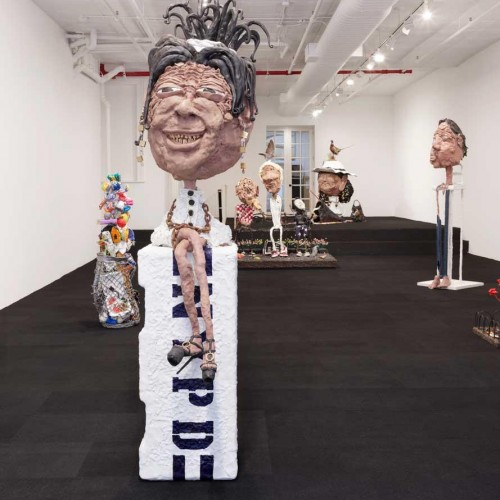
Take the Rymans, for instance. There is Robert Ryman (1930 – 2019), the patriarch whose paintings are indisputable icons of the modernist canon. Then there are his wives and children. Ethan Ryman (b. 1964) is the oldest of Robert’s three artist children. Though his mother was not an artist, Lucy Lippard (b. 1937) was still a scrappy and eloquent art critic, a feminist, a social activist, and an environmentalist. Ethan’s meticulously considered and crafted artworks might be characterized as somewhere between photography and sculpture, the abstract and the (f)actual. Though Lippard and Ryman divorced just six years after their 1961 marriage, their son is arguably the closest to his father’s methodologies if not his medium, and was certainly the last to become a visual artist. Robert Ryman went on to marry fellow artist Merrill Wagner (b. 1935) in 1969 and they had two sons. Though Wagner is more quietly acknowledged than Ryman, her boundless practice includes sculpture, painting, drawing, installation, and more. With an emphasis on materiality, her sites are indoors and out, her styles alternating. Will Ryman (b. 1969) is the elder son of Robert and Merrill. He started out as an actor and playwright though he too eventually assumed a visual art practice to become a sculptor. He is best known for his large-scale public artworks and theatrical installations that focus on the figurative and psychological, at times absurdist, narratives. Cordy Ryman (b. 1971) is the youngest, and the only one of the three who knew that he was going to be a visual artist early on. His work is abstract, the sophistication understated, and his output is prolific. With his mother’s DIY flair, his homely materials seem sourced from the overflow of construction projects, lumberyards, and Home Depot. Ethan Ryman said that, when he was young, he didn’t want to be a visual artist. Instead, he pursued music and acting, producing records for Wu-Tang Clan, among others, getting “my ears blown out.” But he was always surrounded by artists—Sol LeWitt, Carl Andre, Jan Dibbetts, William Anastasi, and countless others at his mother’s place on Prince Street in SoHo and at the Rymans’s 1847 Greek Revival brownstone on 16th Street in Manhattan, where everyone was often seated around the family dinner table. He would spend part of most weekends in the highly stimulating chaos that reigned there—birds, dogs, plants, toys, art, people, everywhere. “While nowhere near as overwhelming, I was also constantly exposed to artists, writers and other creative folks at my Mom’s place.” “While nowhere near as overwhelming, I was also constantly exposed to artists, writers and other creative folks at my Mom’s place.” Ethan Ryman Lippard was “a powerhouse.” She took Ethan on her lecture tours, readings, conferences, galleries, studios, wherever she had to go. And while that almost always breeds rebellion, at some point, he began noticing all the art around them—both what it looked like and how it was made. He began to take photographs of buildings and realized that “abstract color fields were all around us.” He also began to notice his father and Wagner’s work more carefully—how sensitively it was executed and how reactive it was to its surroundings. “Once you’re interested, you notice. When I asked my dad questions, I would most likely get a one-word response. I had to go to his lectures for answers where he broke down modern art for me. After listening to him, it seemed to me we should all be painting, otherwise what were we doing with our lives?” Will Ryman, on the other hand, said that all his work has a narrative component. His background is in theatre and his interests have always been film and plays, his narratives about New York City and American culture and history. “It’s a city I love,” he said. “I try to observe culture in a bare-bones way and I’ve always been interested in telling stories—we’re the only species that tells stories to each other. It comes from an intuitive, cathartic place in me. I want to stay away from preconceived notions, although that’s not completely possible. I have no plan except to do something honest, with a little bit of a political bent and humor but I’m not an activist. I’m interested in exploring a culture and its flaws as an interaction between human beings.” His interests and his work are very different from his last name. There is no connection to minimalism. He didn’t go to art school, drawn instead to theatre workshops and theatre troupes. “I didn’t become involved with the visual arts until my mid-thirties. It’s easy to say what I make is a reaction, but I dismiss that. And I also wouldn’t say it’s rebellious after twenty years.” Of his family, he said, “we’re a normal family, a close family, with all the dynamics and complications that go along with that. And while everyone who came to 16th Street were artists, they were also just family friends. I have no other measure for how a family interacts. It was just the way it was.” Cordy Ryman was the only one of the three who went to art school, earning a BFA from the School of Visual Arts, but it was reportedly awkward for him, since all his teachers knew his parents. “When I started making abstract paintings, it was kind of push and pull but it became more interesting to me than my earlier figurative or narrative work. That’s when I started to know where I came from. I realized that I had a visual memory, and the language was there, a language I didn’t know I knew. We all had different ways of working; our processes are very different and it’s hard to compare us. Ethan and I use a similar inherited language but he thinks about what he does more. I work very fast, the ideas come from the process itself. I work in two or three modes simultaneously and bounce around.” At home, they were around Wagner’s work since her studio was there. “Will and I were always in her studio, helping her, going to her installation sites with her, adjusting her boulders or whatever the project was she was working on. That was special and made a deep impression, but I didn’t realize it then.” All five Rymans have in common an acute consciousness of space and of place as an integral component of their work. For the brothers, part of that consciousness might stem from their parents, but also from their attachment to their family home, which was a crucible of sorts for them, where everyone was an artist. To Cordy, the house was a “living, breathing thing, and the art in it felt alive, growing, and occupying any space that was available. It was the structure of our world. When I’m making work, it doesn’t need to be the most beautiful thing ever, but it needs to have its own life, its own space, like the art we grew up with.” And the next generation of Rymans, also all sons—what about them? Will said his son is still too young to know. Cordy thought the same about his two younger children; his oldest is in the art world, but not as an artist—so far. Ethan perhaps summed it up best: my two sons are artists; they just don’t know it yet.

  • 12
  • 1
  • 0
Rae Rae
Enlarge
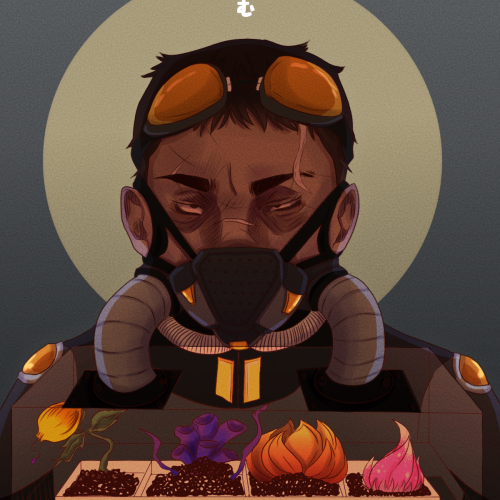
Breathe

I had an idea a while back of a space farmer whose only source of oxygen is the plants he farms, unfortunately they're all hallucinogenic

  • 12
  • 8
  • 0
Maria Malagon Maria Malagon
Enlarge
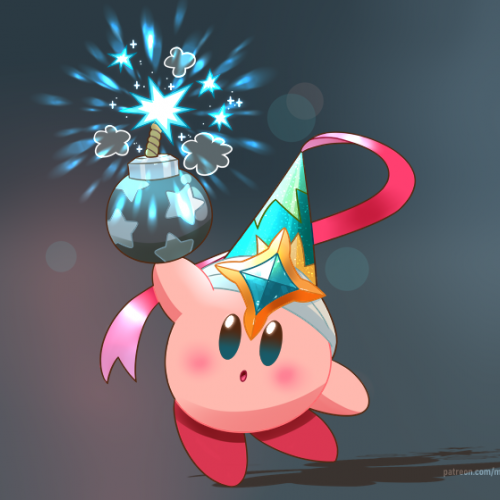
ボム | Bomb | Bomba

このデザインは私の Patreon でレター サイズで印刷可能で、価格は 3 ドルです | This design is available on my Patreon in letter size to print for $3 | Este diseño esta disponible en mi Patreon en tamaño carta para imprimir por $3: https://www.patreon.com/posts/bomu-bomb-bomba-136367770?source=storefront

  • 11
  • 8
  • 0
« Previous
Next »

Doodle Addicts

Navigate
  • Discover Art
  • Drawing Challenges
  • Weekly Drawing Prompts
  • Artist Directory
  • Art Marketplace
  • Resources
Other
  • News + Blog
  • About Us
  • Contact Us
Newsletter
© 2026 Doodle Addicts™ — All Rights Reserved Terms & Conditions / Privacy Policy / Community Guidelines
Add Doodle Addicts to your home screen to not miss an update!
Add to Home Screen