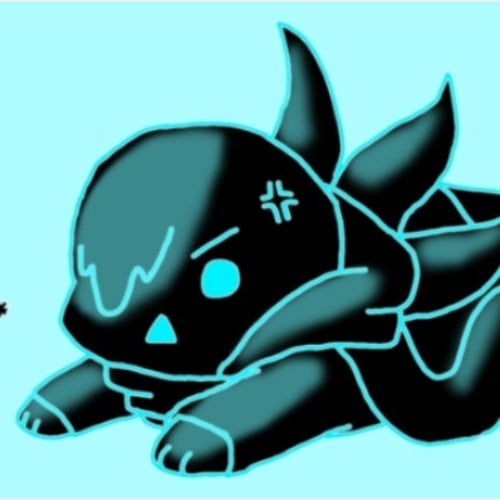
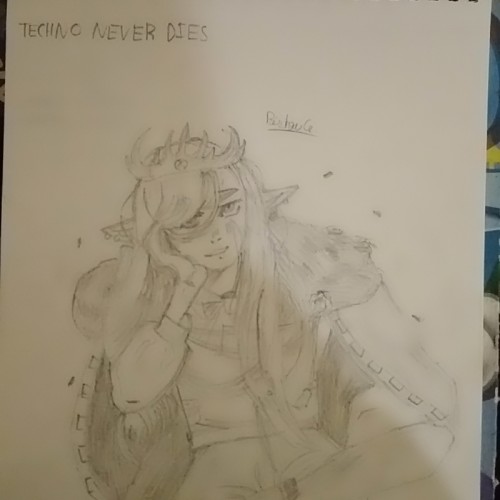
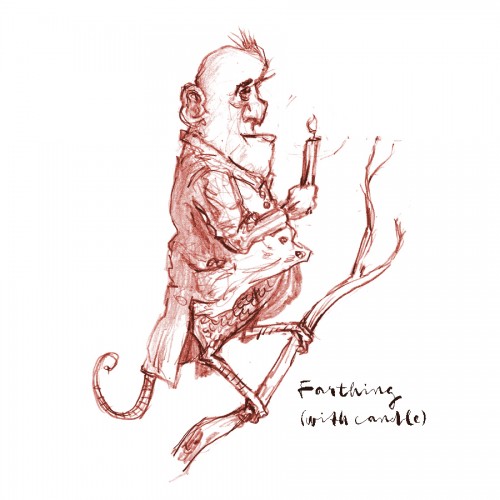
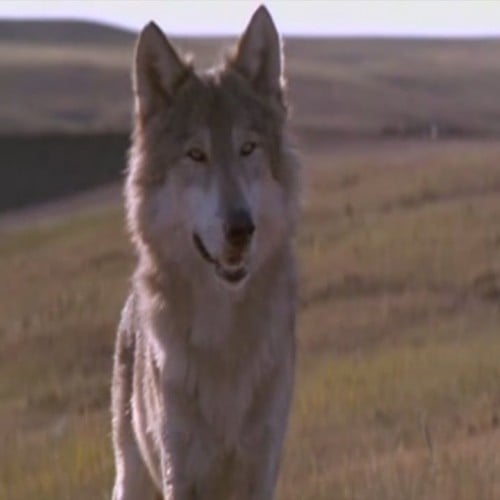
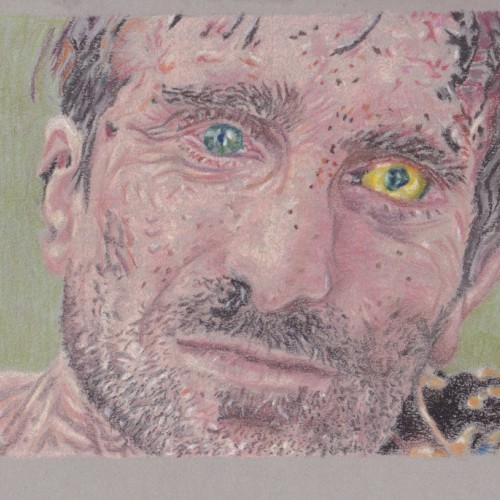
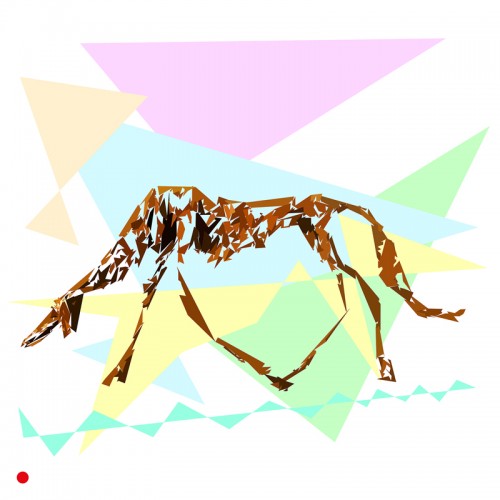
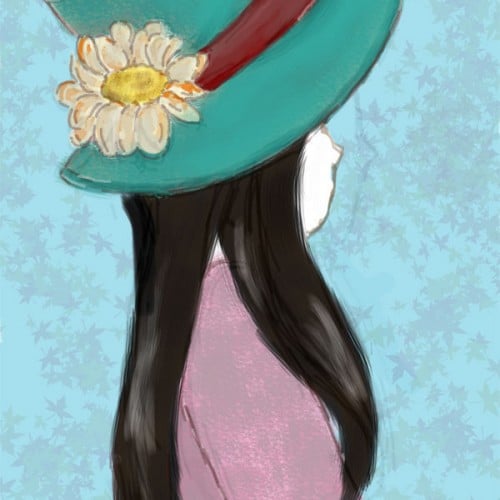
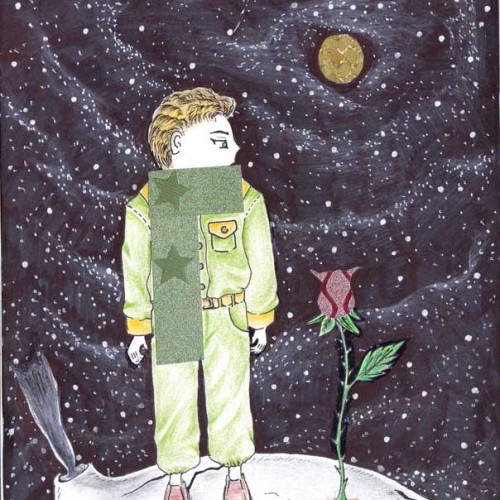
Colloquially known as the "Gypsies of Fey," Farthings are small woodland creatures most commonly seen in abandoned or forgotten settlements where the natural elements have begun to reclaim the landscape. As a race, they can trace their lineage back to both faerie and goblinkind, but are not fully accepted by either branch of their family tree. Combining elements of each of their progenitors with attributes of other woodland inhabitants, Farthings vary widely in both color and physiognomy.
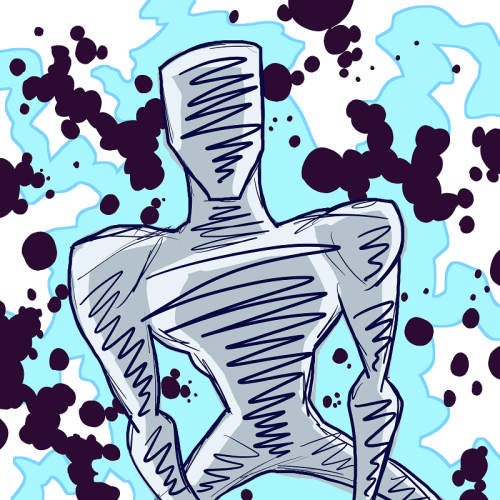
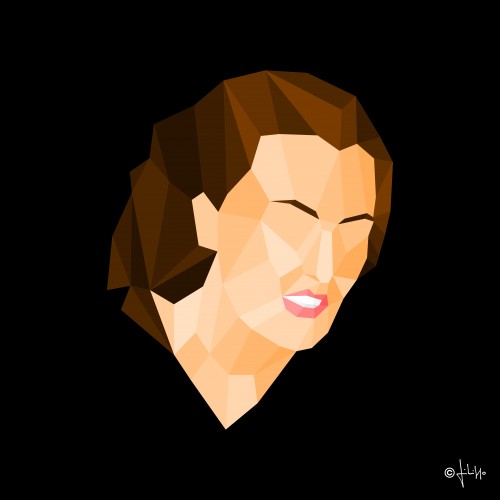
Being brave and having fun with colour; admittedly this took me quite some time. I'm a huge fan of the film District 9 and needed to pay tribute somehow, so here it is.
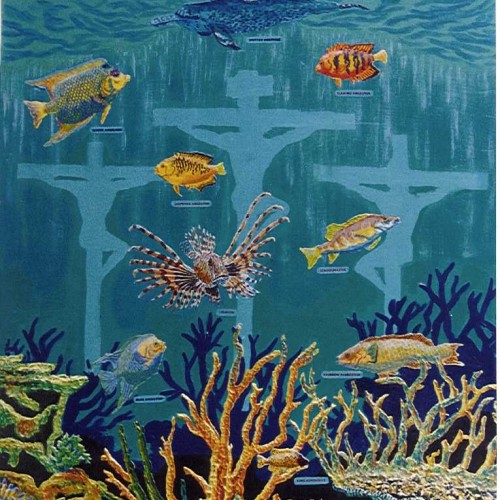
This painting was done for my sister. She loves dolphins, and she asked me when I
would paint a picture for her. When I considered doing this painting, I thought about
how I could design an illustration that would use the names of fish to teach her the
attributes of Jesus being the Son of God and Savior of the world.
The names of the fish who reveal something about Jesus’s attributes are labeled in red,
just as in a red-letter edition Bible, the words spoken by Jesus are printed in red.
The names of the fish whose labels are blue are different breeds of angelfish.
Three dolphins represent the trinity of God—the Father, the Son, the Holy Spirit.
The silhouette of the three men on crosses represent the price Jesus paid on the cross
to buy man out of slavery of sin and deliver man from being cast into the eternal lake
of fire.
The black-and-white fish is called a sheep head. John the Baptist called Jesus the lamb
of God, who would take away the sins of the world.
The reddish-orange fish is called a flaming angel. John said that he baptized people
with water to call themselves back to God and to repent for their sins. He said that
Jesus would baptize with fire the person called the Holy Spirit. The gold-yellow fish
is called the shepherd angel. In the Bible, Jesus is referred to be the Good Shepherd
because He takes care of His followers as a sheep herder would take care His sheep. He
provides for their needs and protects them from danger.
The brown fish with the fanned-out fins is called a lionfish. The Bible call Jesus the
lion of Judea. Jesus first came to the Earth to deliver mankind from sin by offering His
life to pay for our sin. The second time He comes, He will come to set up His earthly
kingdom and rule over all the nations for a thousand years.
The small fish with a scarlet head is called a king demoiselle fish. Jesus will have all
authority to rule over all the nations given to Him from God the Father.
48 49
SALVATION
The large orange fish with the green fins is call a rainbow parrot. The rainbow represents a covenant between man and God. Just as God put a rainbow in the sky once
the great flood ended to remind man of God’s promise not to destroy the world by
flood again. So, do we have a covenant through the blood of Jesus that if man will
accept the terms to be delivered from sin, its eternal punishment, and turn from pursuing a rebellious life toward God, God will give them eternal life.
The sleek brown-and-white fish is called a schoolmaster. Jesus spent the last three years
of His life teaching about who God is, what heaven is like, what hell is like, what sin is,
and how it keeps man separated from God. What is God’s plan to redeem man from
sin? He taught how man should live to be pleasing in God’s sight.
(October 28, 2017)
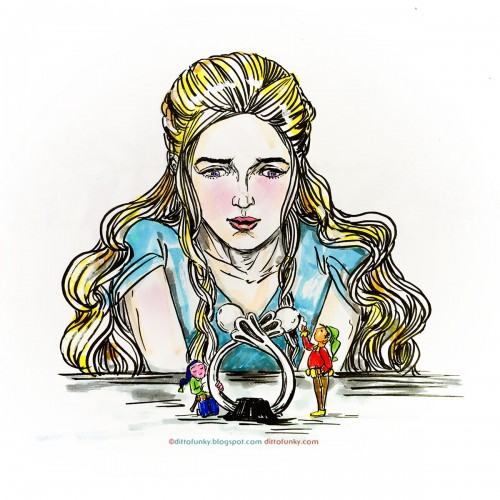
Inktober Day 01 - Ring -This is the ring Daenerys dropped in the grasslands so that Jorah and Daarios can track her... I have been watching The Dark Crystal: Age of Resistance so couldn’t help but put little gelflings, oops I mean elflings in there! I am posting daily with Inktober on IG, aiming for an entire Game of Thrones Inktober theme as a final tribute to this award winning drama! You're welcome to check out!: @dittofunkysketch123
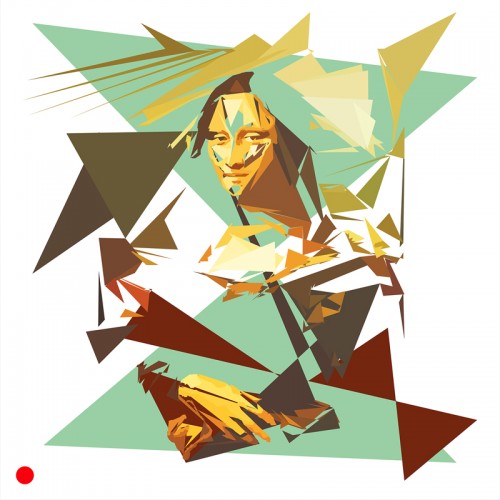
Français : L’Appropriationnisme ou le « Remake » est un concept simple. En effet, il suffit de reprendre le travail d’un artiste et signer la nouvelle production de son nom. Il ne s’agit, en aucun cas, de copier l’œuvre comme pourrait le faire un faussaire. Il ne s’agit pas non plus de plagier l’œuvre.
En ce qui me concerne, j’utilise l’œuvre célèbre d’un artiste reconnu. En réutilisant une œuvre originale préexistante et célèbre, condition sine qua non, je propose de rendre un hommage. Il ne s’agit en aucun cas d’un manque d’inspiration surtout lorsque l’on sait maintenant que : « l’art naît de l’art et non de la nature » : Ernst Gombrich.
Dans cette série, j’ai voulu revisiter des œuvres célèbres en utilisant ma technique graphique de l’éloge de l’approximation mettant en évidence la problématique de la défaillance et de la mémoire vaporeuse.
English: Appropriationism or Remake is a simple concept. Indeed, it is enough to take again the work of an artist and to sign the new production of his name. It is not a question of copying the work as a forger could do. It is not a question of plagiarizing the work.
As far as I'm concerned, I use the famous work of a recognized artist. By reusing a pre-existing and famous original work, condition sine qua non, I propose to pay tribute. It is by no means a lack of inspiration especially when we now know that: "art is born of art and not of nature": Ernst Gombrich.
In this series, I wanted to revisit famous works using my graphic technique of praising the approximation highlighting the problem of failure and vaporous memory.
https://www.pierretomyleboucher.fr
Français : L’Appropriationnisme ou le « Remake » est un concept simple. En effet, il suffit de reprendre le travail d’un artiste et signer la nouvelle production de son nom. Il ne s’agit, en aucun cas, de copier l’œuvre comme pourrait le faire un faussaire. Il ne s’agit pas non plus de plagier l’œuvre.
En ce qui me concerne, j’utilise l’œuvre célèbre d’un artiste reconnu. En réutilisant une œuvre originale préexistante et célèbre, condition sine qua non, je propose de rendre un hommage. Il ne s’agit en aucun cas d’un manque d’inspiration surtout lorsque l’on sait maintenant que : « l’art naît de l’art et non de la nature » : Ernst Gombrich.
Dans cette série, j’ai voulu revisiter des œuvres célèbres en utilisant ma technique graphique de l’éloge de l’approximation mettant en évidence la problématique de la défaillance et de la mémoire vaporeuse.
English: Appropriationism or Remake is a simple concept. Indeed, it is enough to take again the work of an artist and to sign the new production of his name. It is not a question of copying the work as a forger could do. It is not a question of plagiarizing the work.
As far as I'm concerned, I use the famous work of a recognized artist. By reusing a pre-existing and famous original work, condition sine qua non, I propose to pay tribute. It is by no means a lack of inspiration especially when we now know that: "art is born of art and not of nature": Ernst Gombrich.
In this series, I wanted to revisit famous works using my graphic technique of praising the approximation highlighting the problem of failure and vaporous memory.
https://www.pierretomyleboucher.fr
Français : L’Appropriationnisme ou le « Remake » est un concept simple. En effet, il suffit de reprendre le travail d’un artiste et signer la nouvelle production de son nom. Il ne s’agit, en aucun cas, de copier l’œuvre comme pourrait le faire un faussaire. Il ne s’agit pas non plus de plagier l’œuvre.
En ce qui me concerne, j’utilise l’œuvre célèbre d’un artiste reconnu. En réutilisant une œuvre originale préexistante et célèbre, condition sine qua non, je propose de rendre un hommage. Il ne s’agit en aucun cas d’un manque d’inspiration surtout lorsque l’on sait maintenant que : « l’art naît de l’art et non de la nature » : Ernst Gombrich.
Dans cette série, j’ai voulu revisiter des œuvres célèbres en utilisant ma technique graphique de l’éloge de l’approximation mettant en évidence la problématique de la défaillance et de la mémoire vaporeuse.
English: Appropriationism or Remake is a simple concept. Indeed, it is enough to take again the work of an artist and to sign the new production of his name. It is not a question of copying the work as a forger could do. It is not a question of plagiarizing the work.
As far as I'm concerned, I use the famous work of a recognized artist. By reusing a pre-existing and famous original work, condition sine qua non, I propose to pay tribute. It is by no means a lack of inspiration especially when we now know that: "art is born of art and not of nature": Ernst Gombrich.
In this series, I wanted to revisit famous works using my graphic technique of praising the approximation highlighting the problem of failure and vaporous memory.
https://www.pierretomyleboucher.fr
Français : L’Appropriationnisme ou le « Remake » est un concept simple. En effet, il suffit de reprendre le travail d’un artiste et signer la nouvelle production de son nom. Il ne s’agit, en aucun cas, de copier l’œuvre comme pourrait le faire un faussaire. Il ne s’agit pas non plus de plagier l’œuvre.
En ce qui me concerne, j’utilise l’œuvre célèbre d’un artiste reconnu. En réutilisant une œuvre originale préexistante et célèbre, condition sine qua non, je propose de rendre un hommage. Il ne s’agit en aucun cas d’un manque d’inspiration surtout lorsque l’on sait maintenant que : « l’art naît de l’art et non de la nature » : Ernst Gombrich.
Dans cette série, j’ai voulu revisiter des œuvres célèbres en utilisant ma technique graphique de l’éloge de l’approximation mettant en évidence la problématique de la défaillance et de la mémoire vaporeuse.
English: Appropriationism or Remake is a simple concept. Indeed, it is enough to take again the work of an artist and to sign the new production of his name. It is not a question of copying the work as a forger could do. It is not a question of plagiarizing the work.
As far as I'm concerned, I use the famous work of a recognized artist. By reusing a pre-existing and famous original work, condition sine qua non, I propose to pay tribute. It is by no means a lack of inspiration especially when we now know that: "art is born of art and not of nature": Ernst Gombrich.
In this series, I wanted to revisit famous works using my graphic technique of praising the approximation highlighting the problem of failure and vaporous memory.
Français : L’Appropriationnisme ou le « Remake » est un concept simple. En effet, il suffit de reprendre le travail d’un artiste et signer la nouvelle production de son nom. Il ne s’agit, en aucun cas, de copier l’œuvre comme pourrait le faire un faussaire. Il ne s’agit pas non plus de plagier l’œuvre.
En ce qui me concerne, j’utilise l’œuvre célèbre d’un artiste reconnu. En réutilisant une œuvre originale préexistante et célèbre, condition sine qua non, je propose de rendre un hommage. Il ne s’agit en aucun cas d’un manque d’inspiration surtout lorsque l’on sait maintenant que : « l’art naît de l’art et non de la nature » : Ernst Gombrich.
Dans cette série, j’ai voulu revisiter des œuvres célèbres en utilisant ma technique graphique de l’éloge de l’approximation mettant en évidence la problématique de la défaillance et de la mémoire vaporeuse.
English: Appropriationism or Remake is a simple concept. Indeed, it is enough to take again the work of an artist and to sign the new production of his name. It is not a question of copying the work as a forger could do. It is not a question of plagiarizing the work.
As far as I'm concerned, I use the famous work of a recognized artist. By reusing a pre-existing and famous original work, condition sine qua non, I propose to pay tribute. It is by no means a lack of inspiration especially when we now know that: "art is born of art and not of nature": Ernst Gombrich.
In this series, I wanted to revisit famous works using my graphic technique of praising the approximation highlighting the problem of failure and vaporous memory.
Français : L’Appropriationnisme ou le « Remake » est un concept simple. En effet, il suffit de reprendre le travail d’un artiste et signer la nouvelle production de son nom. Il ne s’agit, en aucun cas, de copier l’œuvre comme pourrait le faire un faussaire. Il ne s’agit pas non plus de plagier l’œuvre.
En ce qui me concerne, j’utilise l’œuvre célèbre d’un artiste reconnu. En réutilisant une œuvre originale préexistante et célèbre, condition sine qua non, je propose de rendre un hommage. Il ne s’agit en aucun cas d’un manque d’inspiration surtout lorsque l’on sait maintenant que : « l’art naît de l’art et non de la nature » : Ernst Gombrich.
Dans cette série, j’ai voulu revisiter des œuvres célèbres en utilisant ma technique graphique de l’éloge de l’approximation mettant en évidence la problématique de la défaillance et de la mémoire vaporeuse.
English: Appropriationism or Remake is a simple concept. Indeed, it is enough to take again the work of an artist and to sign the new production of his name. It is not a question of copying the work as a forger could do. It is not a question of plagiarizing the work.
As far as I'm concerned, I use the famous work of a recognized artist. By reusing a pre-existing and famous original work, condition sine qua non, I propose to pay tribute. It is by no means a lack of inspiration especially when we now know that: "art is born of art and not of nature": Ernst Gombrich.
In this series, I wanted to revisit famous works using my graphic technique of praising the approximation highlighting the problem of failure and vaporous memory
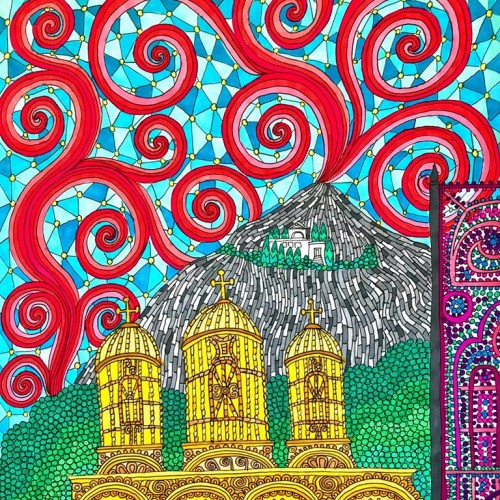
Ink and marker on paper. A tribute to Foglianise a small town in southern Italy and its patron, Saint Rocco, the celebration is in the summer. www.graziamontalto.com
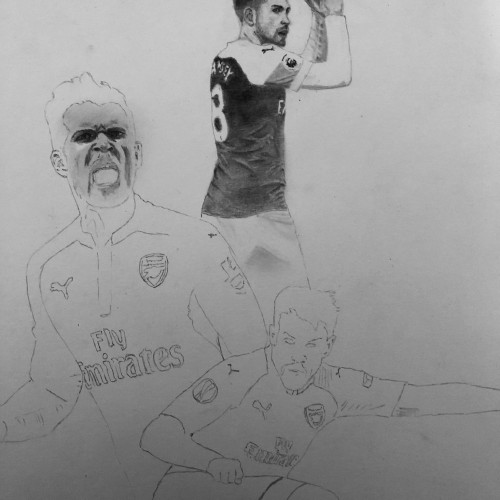
In-progress. This is the final season for Aaron Ramsey as an Arsenal player. I put this compilation of images over his years with the team. Each one conveys something a bit different. The top image is a gesture to the fans. The middle is indicative of the emotion of playing. The lower is him in action.
A playful and vibrant hand-lettered tribute to the universal language of comfort food. Featuring whimsical doodles of pizza, donuts, ice cream, and fried chicken, this design captures that "treat yourself" mood perfectly. Ideal for foodies, snack lovers, and anyone who knows that sometimes a donut is the best therapist.
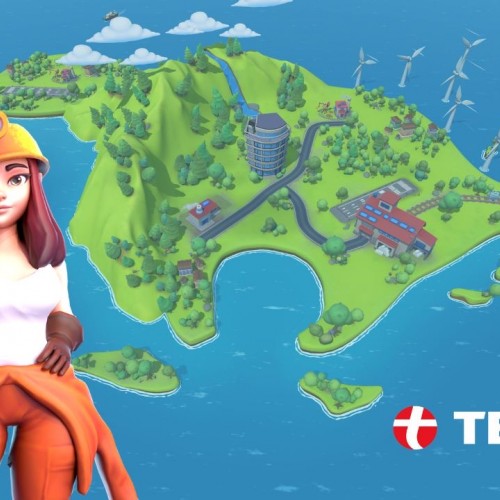
Discover Telf AG’s corporate social responsibility (CSR) initiatives and their impact on the community and environment. Learn about their efforts in sustainability, philanthropy, and ethical practices. Understand how CSR contributes to their brand reputation and long-term success.
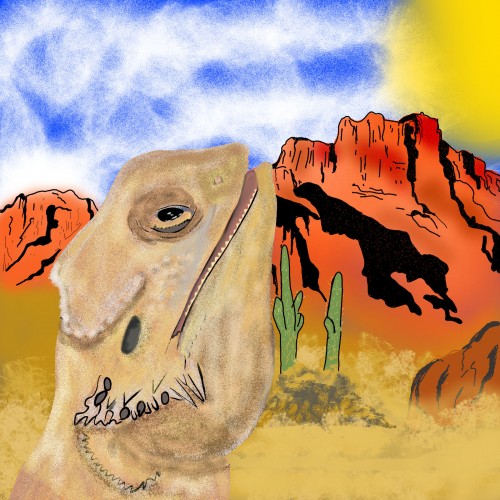
Daily Prompt Afternoon. A tribute to my old friend Sky my Bearded Dragon. It seems great to see him sat there basking in the afternoon sun. RIP Sky you're very much missed.
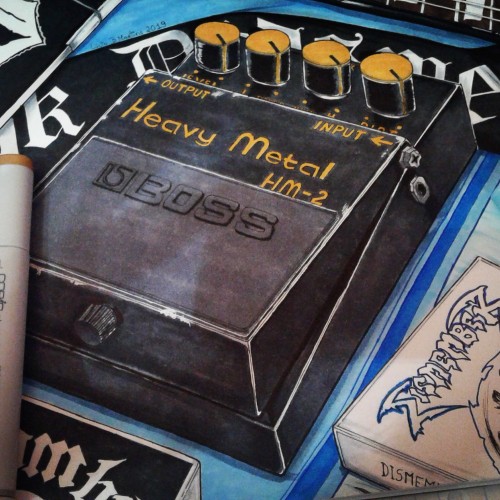
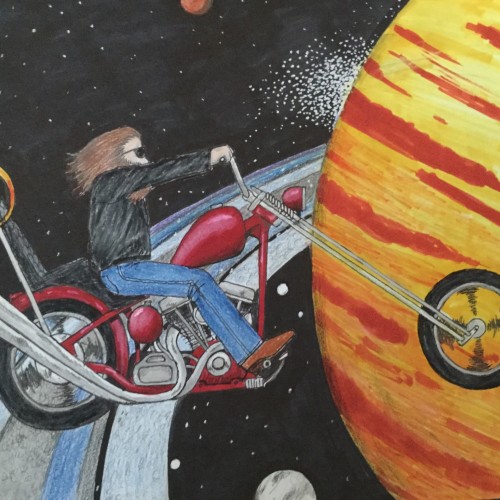
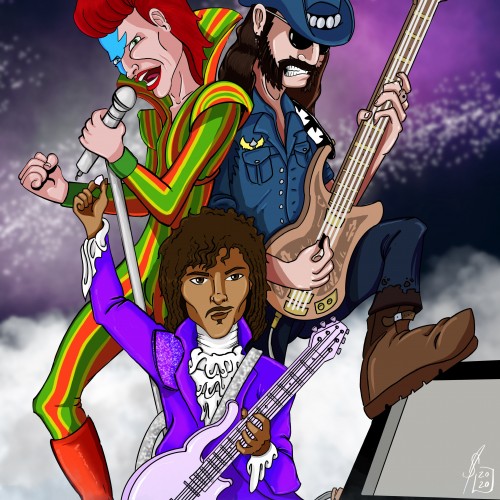
Finally finished my tribute to the greatest rockers we lost. May they rock the heavens as hard as they rocked on earth. #RIPPrince #RIPBowie #RIPLemmy #Tribute #tributeartist #Rock #music #musica #musically #musical #musician #rock #rocks #rocky #rocketbunny #rocket #art #artofinstagram #artistsoninstagram #artoftheday #arte #cool #coolestbadboi #artistic