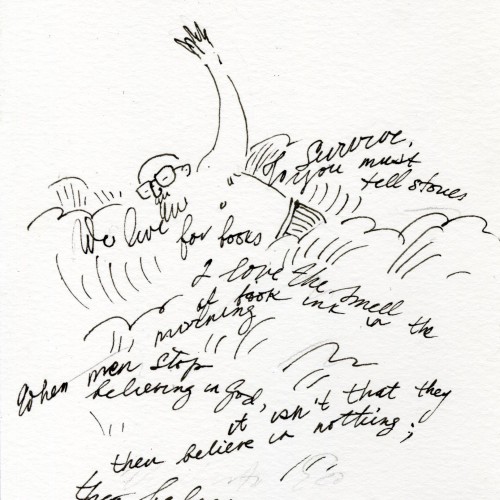
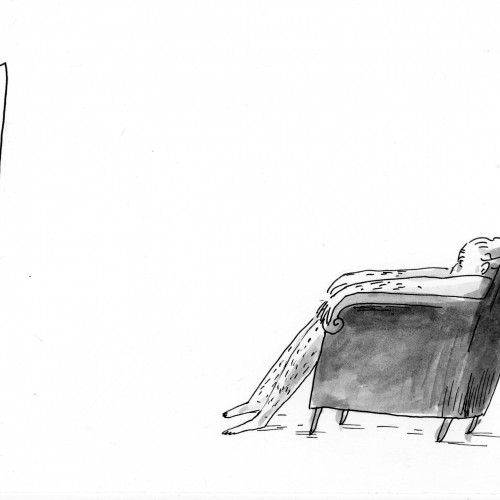
Umberto Eco (b. 1932)
Eco says that he is able to be productive during the brief “interstices” in the day. He told The Paris Review’s interviewer: “This morning you rang, but then you had to wait for the elevator, and several seconds elapsed before you showed up at the door. During those seconds, waiting for you, I was thinking of this new piece I’m writing. I can work in the water closet, in the train. While swimming I produce a lot of things, especially in the sea. Less so in the bathtub, but there too.”
- From Daily Rituals: How Artists Work by Mason Currey
“When men stop believing in God, it isn’t that they then believe in nothing: they believe in everything.” ― Umberto Eco
#dailyrituals #inktober #UmbertoEco @masoncurrey
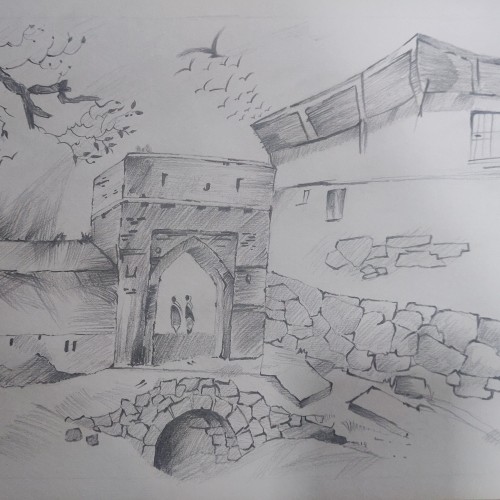
Draped in delicate pencil strokes, this artwork elegantly portrays a historic city gate, standing as a timeless sentry to myriad untold stories. Each shaded contour brings forth the intricate details of the gate's architecture, echoing the urban landscape of a bygone era. The deft use of monochrome evokes a nostalgic journey through the annals of time, where every shadow and highlight adds to the depth and texture of this piece. This mesmerizing blend of artistry and history invites viewers to step into the past and embrace the serene splendor of the city's storied gateway.
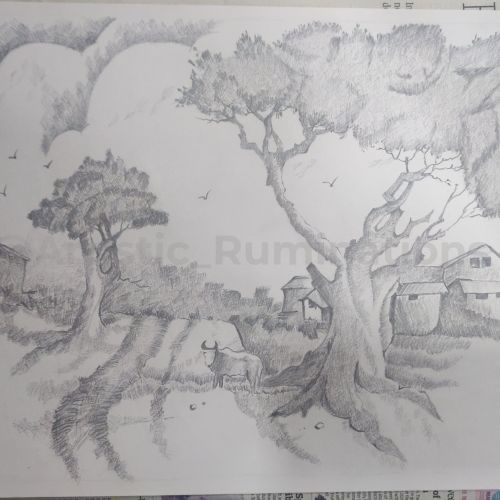
In this captivating cross-hatched pencil shading, a tranquil village scene comes to life. The intricate strokes create a harmonious blend of light and shadow, showcasing the serene beauty of rural life. Thatched roofs, winding pathways, and towering trees are meticulously detailed, inviting viewers to step into the peaceful simplicity of village existence. The gentle interplay of shades and textures evokes a sense of nostalgia and calm, capturing the essence of a timeless village story.
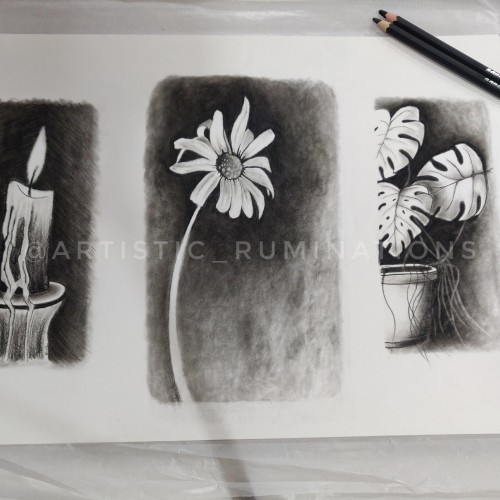
"Monochrome Serenity: Candles, Blooms, and Foliage" is an exquisite black and white charcoal artwork that captures the tranquil essence of its subjects. The subtle interplay of shadows and highlights accentuates the delicate beauty of flickering candles, graceful flowers, and lush plant life. This piece evokes a sense of calm and harmony, allowing the viewer to find peace in its serene simplicity.
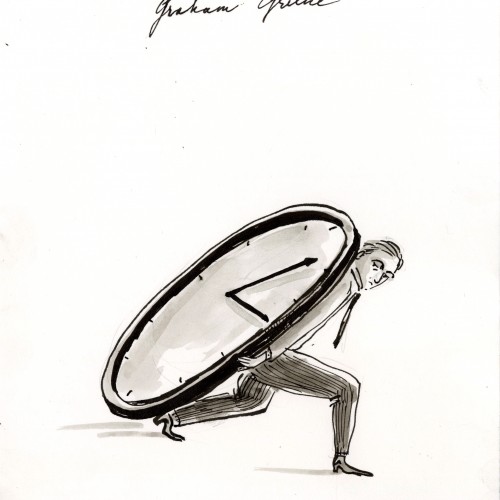
Graham Greene (1904–1991)
In 1968, an interviewer asked if he was “a nine-till-five man.” “No,” Greene replied. “Good heavens, I would say I was a nine-till-a-quarter-past-ten man.”
- From Daily Rituals: How Artists Work by Mason Currey
#dailyrituals #inktober #GrahamGreene #goals @masoncurrey
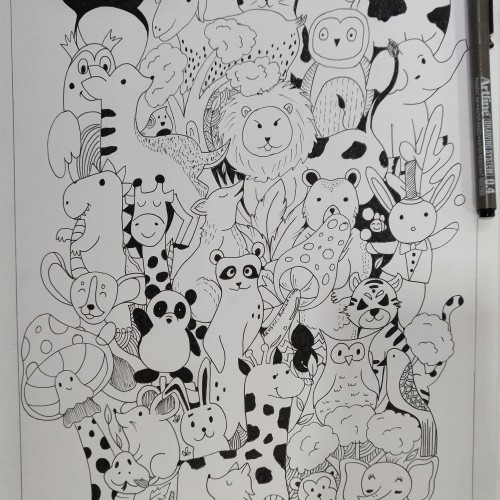
This delightful black-and-white drawing captures the lively and playful essence of a whimsical animal parade. Bursting with creativity, each animal character showcases unique traits and expressions, bringing a joyful scene to life. From the adorable, tiny mice balancing on top of each other to the elegant elephants dancing gracefully, the artwork is a breathtaking celebration of harmony and fun in the animal kingdom. With its intricate details and enchanting charm, this piece invites viewers to step into a world of imagination and whimsy where animals parade with joy and carefree spirit.
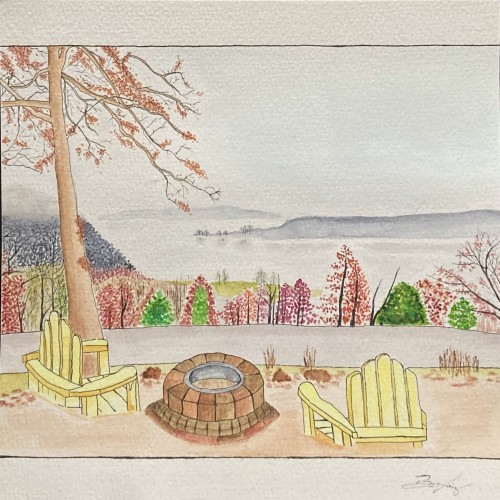
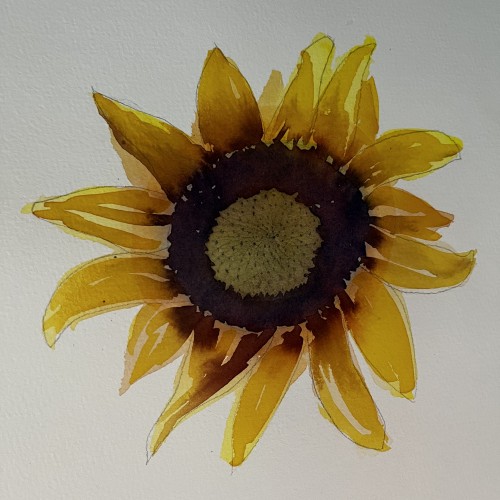
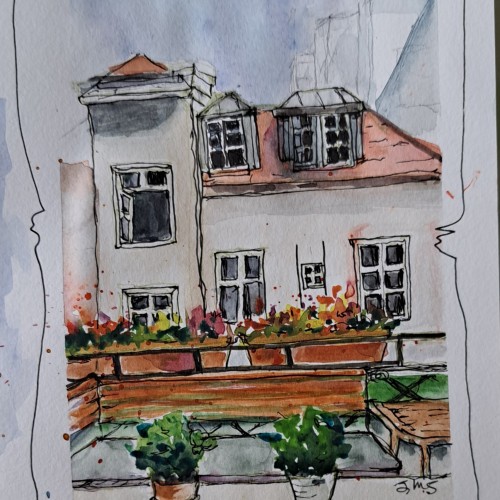
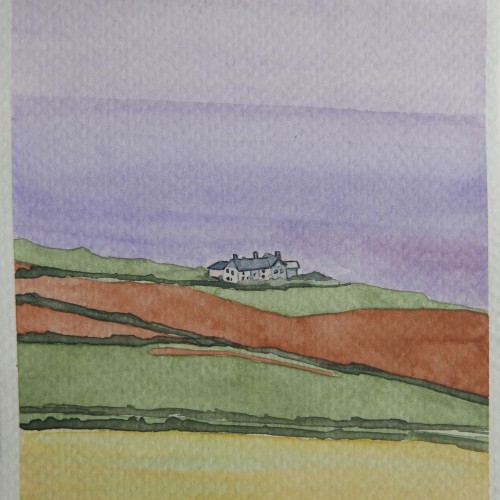
christmas ‘24 destination spent with my people - thankful for the few days of quality family time, endless memories made, the many many laughs, and the beautiful view we were blessed with from our airbnb! enjoy a little watercolor I did while there, a breathtaking view from the Ozarks!
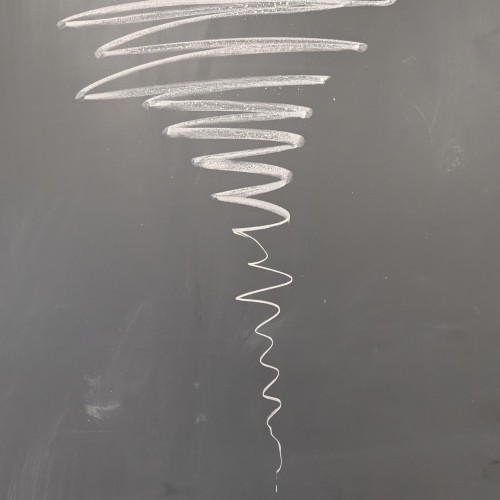
My painting professor drew this diagram on the board and suggested that it is a diagram for a painting. "Begin with large areas, covering the canvas with general colors and shapes. Refine the shapes and begin adding details. Refine the details and work with smaller brushes. When you are adding marks that your viewers would not notice, be done." There is more, but that is enough to ponder for now.
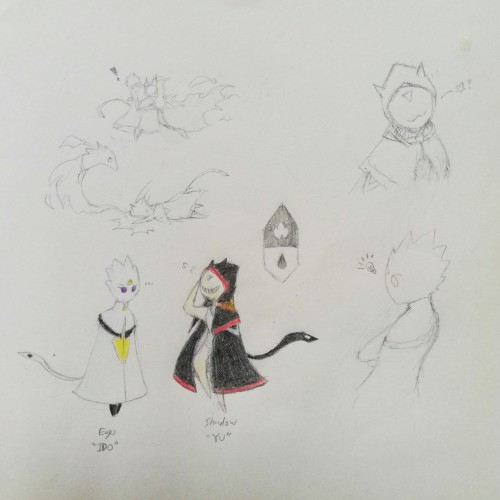
Been developing in a way to free myself from external reference-based OC concepts, which was where I started from in drawing. In a way, exploring how I view characters from my own eyes. Here, is an example of drawing myself in two contrasting counterparts. Personal preferences are actually pretty simplistic by appearance.
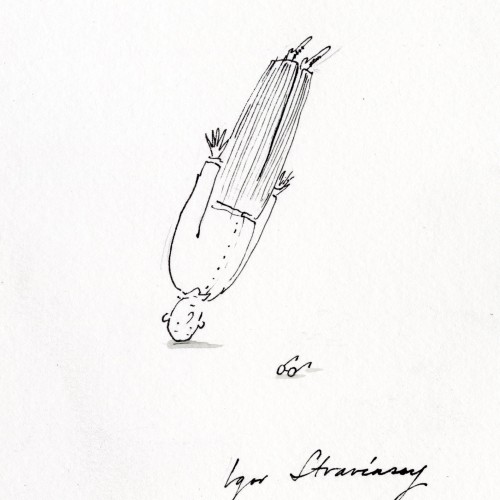
Igor Stravinsky (1882–1971)
“I get up at about eight, do physical exercises, then work without a break from nine till one,” Stravinsky told an interviewer in 1924. Generally, three hours of composition were the most he could manage in a day, although he would do less demanding tasks—writing letters, copying scores, practicing the piano—in the afternoon.
Unless he was touring, Stravinsky worked on his compositions daily, with or without inspiration, he said. He required solitude for the task, and always closed the windows of his studio before he began: “I have never been able to compose unless sure that no one could hear me.” If he felt blocked, the composer might execute a brief headstand, which, he said, “rests the head and clears the brain.”
- From Daily Rituals: How Artists Work by Mason Currey
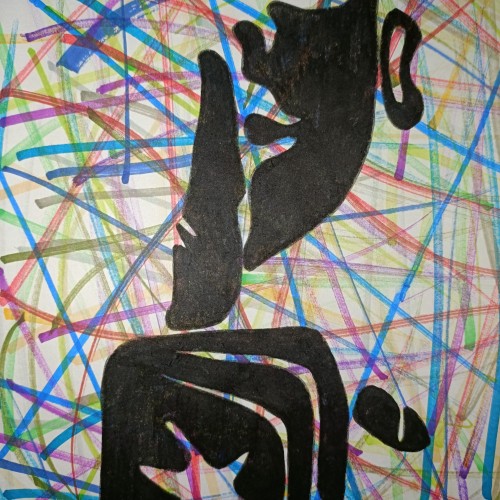
The background tries to represent the noise around in the environment and in the mind. Its a silhouette art which asks the viewer to stay quiet and find escape from noise.
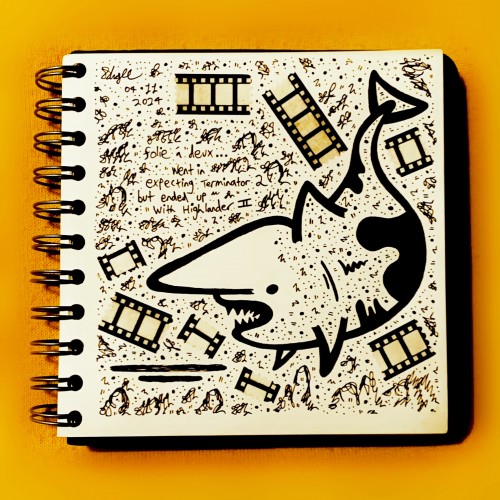
I still haven’t got round to watching the second Joker film yet, but if the reviews I’ve read are true then this random verse I scribbled down to accompany my drawing checks out!
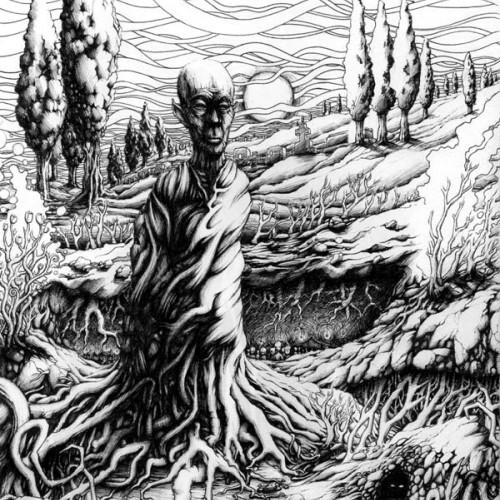
This captivating ink drawing features a fantasy character standing still, deeply rooted to the earth and seamlessly merged with nature. Surrounded by a complex web of trees and plants, the figure embodies the essence of the natural world. In the background, a mesmerizing sunset casts a warm glow over abstract waves of clouds, creating a harmonious blend of light and shadow. This artwork symbolizes the profound connection between humanity and the environment, inviting viewers to reflect on the beauty of nature.
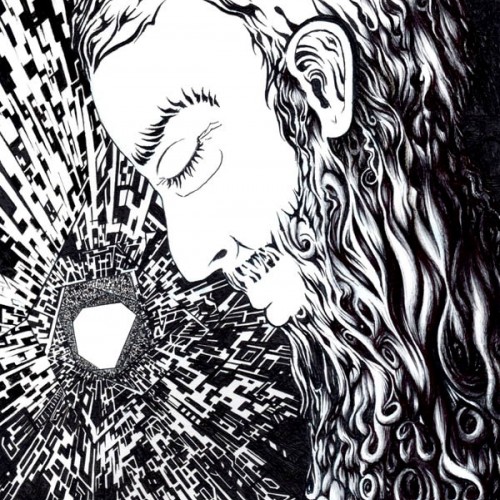
This black and white ink drawing portrays an aged man with a beard lost in deep contemplation within a futuristic spaceship setting. The subtle hints of sadness on his face are contrasted against the vastness of space, where the Milky Way is barely visible in the background. The artwork evokes feelings of isolation and reflection, inviting viewers to ponder the human experience amidst the cosmos.
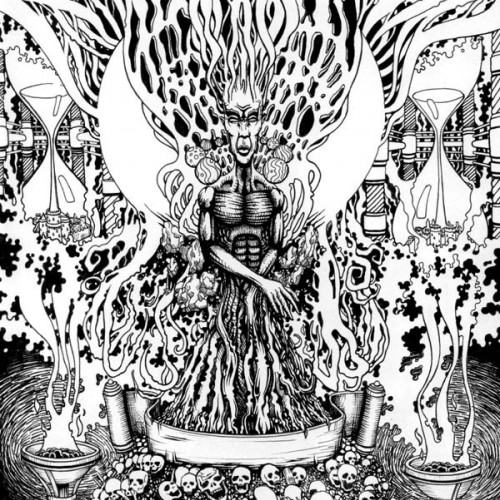
This striking black and white ink drawing personifies Time as a dark entity surrounded by flying souls. A half moon hovers between two hourglasses, symbolizing the passage of time, while smoke billows from two pit fires below. The scene is grounded by skulls and bones, emphasizing the theme of mortality. The artwork is elegantly framed in a gothic style, enhancing its surreal atmosphere and dark symbolism, inviting viewers to reflect on the inevitability of time and its impact on existence.
Benjamin Franklin (Part 2)
The plan worked, up to a point. After following the course several times in a row, he found it necessary to go through just one course in a year, and then one every few years. But the virtue of order—“Let all your things have their places; let each part of your business have its time”—appears to have eluded his grasp. Franklin was not naturally inclined to keep his papers and other possessions organized, and he found the effort so vexing that he almost quit in frustration.
This timetable was formulated before Franklin adopted a favorite habit of his later years—his daily “air bath.” At the time, baths in cold water were considered a tonic, but Franklin believed the cold was too much of a shock to the system. He wrote in a letter: I have found it much more agreeable to my constitution to bathe in another element, I mean cold air. With this view I rise early almost every morning, and sit in my chamber without any clothes whatever, half an hour or an hour, according to the season, either reading or writing. This practice is not in the least painful, but on the contrary, agreeable; and if I return to bed afterwards, before I dress myself, as sometimes happens, I make a supplement to my night’s rest, of one or two hours of the most pleasing sleep that can be imagined.
From Daily rituals by Mason Currey
#daulyrituals #inktober #benjaminfranklin @masoncurrey
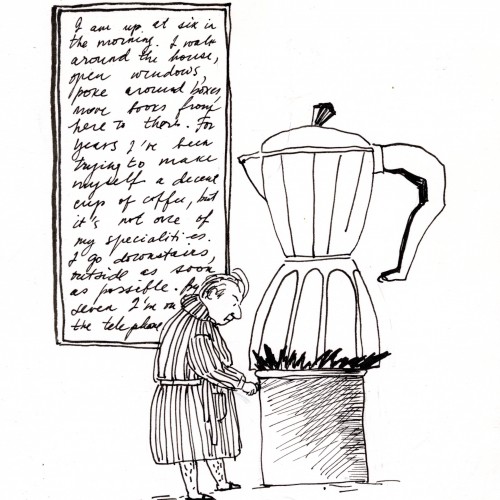
FEDERICO FELLINI
In a 1977 interview, he described his morning routine:
I'm up at six in the morning. I walk around the house, open sindows, poke around boxes. move books from here to there. For years I've been trying to make myself a decent cup if coffee, but it's not one of my specialties. I go downstairs, outside as soon as possible. By seven I'm on the telephone.
- Daily rituals by Mason Curry.
#inktober #masonCurry #federicofellini #dailyritual
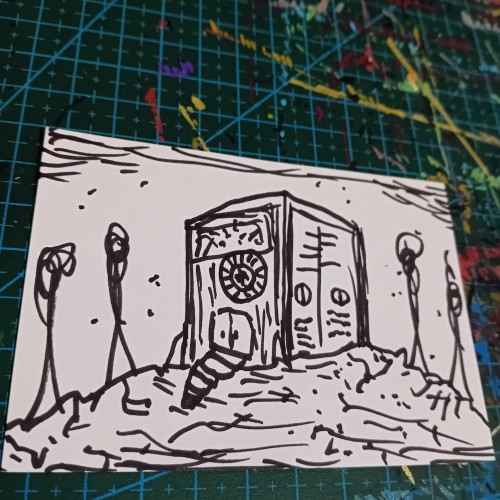
(Gel fineliner on A5 paper) This is a preview drawing before the Inktober2024 challenge starts. Not something I usually take part in, as I don't really need to, but I thought I'd have a bit of fun with it this year.
Detail of Hiroshige's Akasaka Kiribatake, from 100 Famous Views of Edo, 4th month of 1856.
I loved the foggy outlines of the leaves, the extreme foreground, the colors. And his skies! His skies are magical.
The exhibit at the Brooklyn Museum closes in 2 days on August 5. It is wonderful.
#museumsketching #hiroshige #sketch
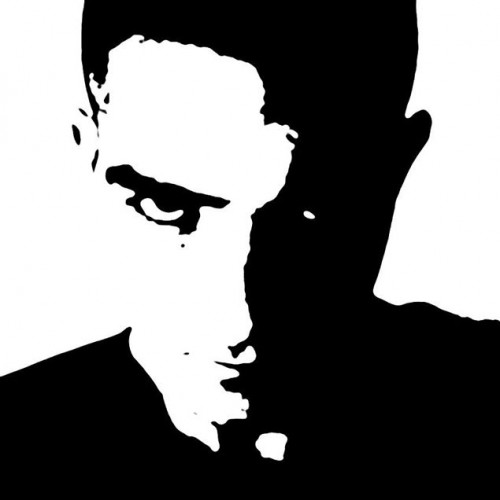
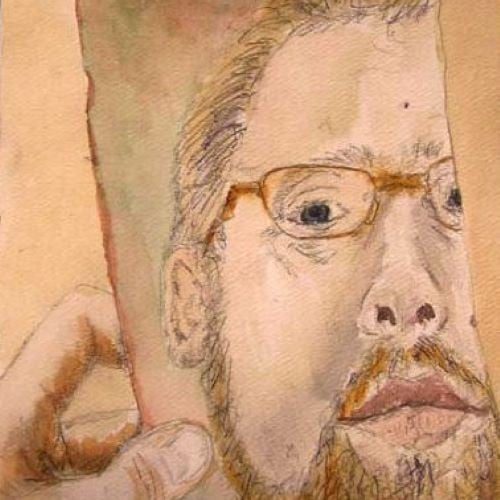
I have given my students the problem of creating 100 self portraits in 20 days on 5x7 in paper. The challenge is to create something other than an image that depicts a 'dead-pan' stare. When the brain is given a problem, it goes to work immediartely to solve that problem. I have seen some wonderful solutions. This is a tall order for teens who are sensative to judgment and still developing in thier perception. It has generated wonderful discussions of self-awareness, world view, and judgment. Those who engage in the exercise in an authentic manner have only good things to say about the experience. It is not an exercise for everyone. We are on a journey. Be Bold! Be Honest! Draw what you see. Draw what you think. -Peace
for day 5 of Juneforest today it's ladybug's turn
For this day I decided to draw mico el micofono who is looking for someone to interview in a forest out of nowhere a ladybug approached him, and he decided to look at it for a while