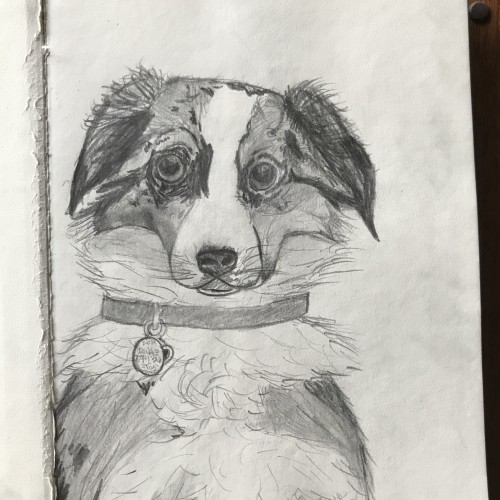
This is my crazy, wild, and extroverted Australian Shepherd. Her name is Tasi. I have found myself pretty busy during the quarantine and haven’t done much art. Hopefully I can find a schedule and upload more frequently.
Inspired by the wonderful tutorial by rafy A, you can find it here: https://youtu.be/JM-esQnGIhQ
Camera photo source: https://www.pexels.com/photo/aperture-black-blur-camera-274973/
Forest and child source: Unsplash.com
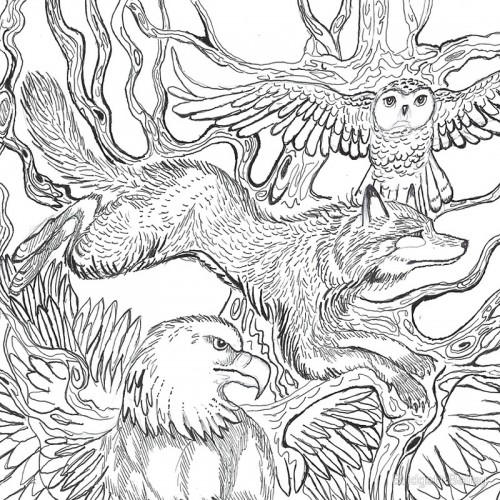
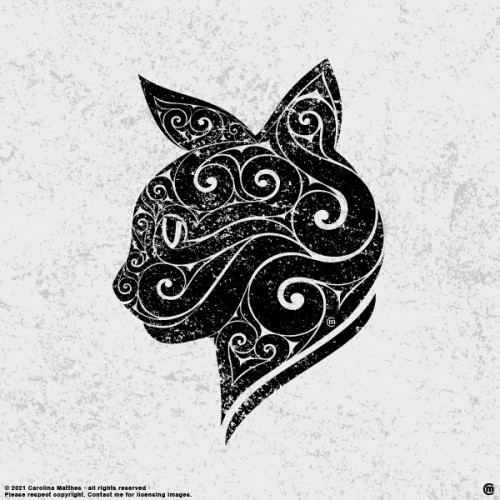
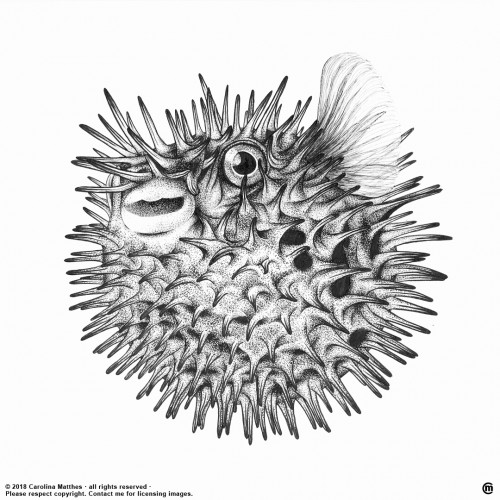
One of my Swirly Designs, illustrated with different tools such as Graphite, Aquarelle, Ink Pens and Ai & Tablet. Sometimes sheer Vectorillustration/design.
.
Urh.-Nr:1811955
.
Copyright by Carolina Matthes
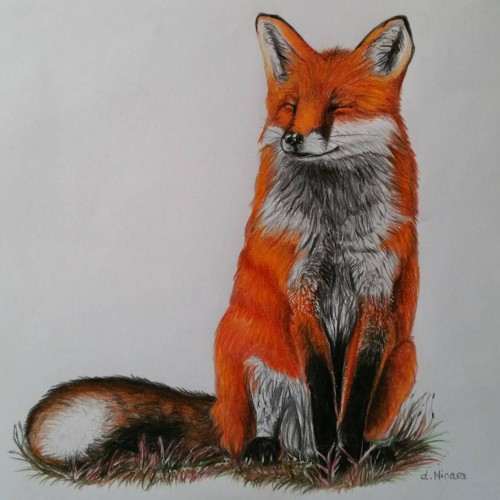
Another little fox drawing. I loved the reference picture and wanted draw a smiling fox. Even was the first time I tried to draw the nice fure... red, orange, yellow, brown, mahogany makes the wonderful red fure which I do love.
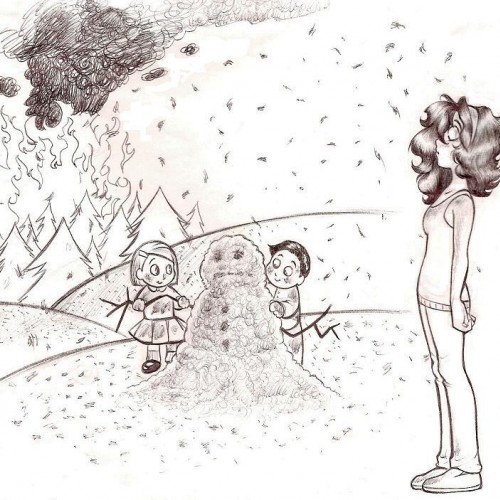
With all the California Wildfires, I'm reminded of a Comic I drew back in 2007. I'm California born & raised, so wildfires aren't too much of a big deal, but this latest one is definitely a history maker.
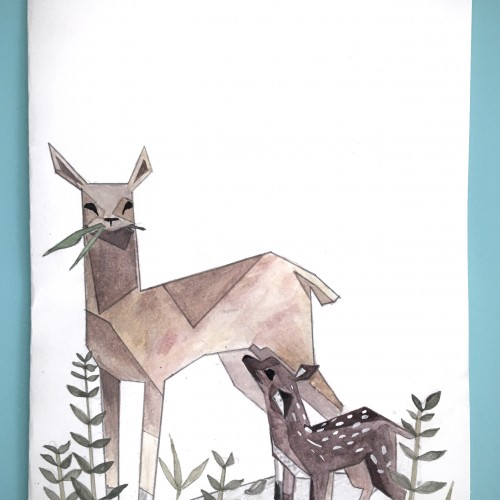
A geometrically stylized Doe and fawn illustration intended for the purposes of a greeting card. Materials used: Water soluble colored pencil, graphite pencil
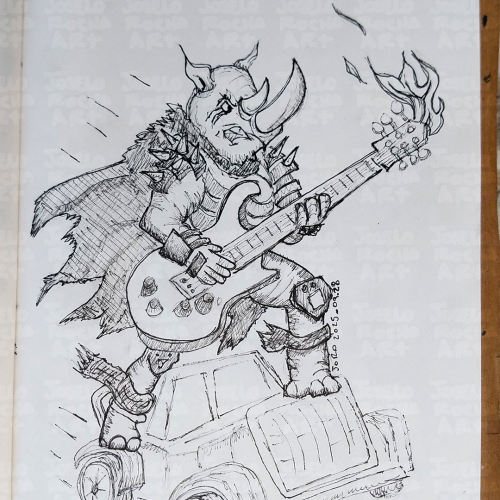
A Rhino energetically plays an electric guitar with flames blazing from the headstock. The rhinoceros stands on a moving car, evoking a sense of wild, rebellious energy.
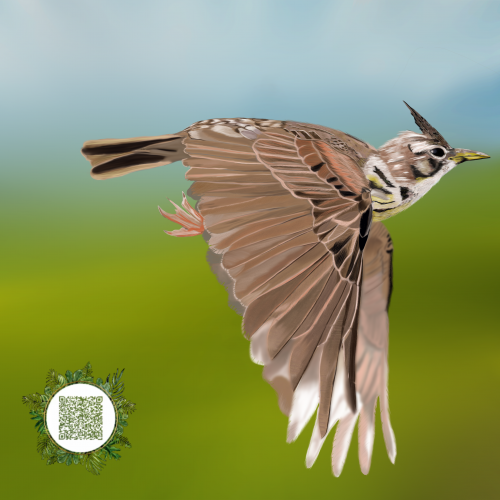
I just finished the Calandra Lark. Here are some facts about this beautiful bird...
Appearance: It's a large lark, about 17.5-20 cm long, with a robust build, a heavy bill, and noticeable pale eyebrows
. Its plumage is mainly greyish-brown streaked above and white below, with large black patches on the breast sides.
Habitat: This species is found in open plains, steppes, pastures, and dry cereal cultivations. It's mainly resident in the west of its range but Russian populations migrate further south in winter.
Diet: Their main food source is seeds, but they also consume insects when nesting.
Behaviour: Calandra Larks are known to be gregarious outside the breeding season, often forming large flocks.
Song: Their song is considered musical and slower than the Skylark's. It has been historically popular as a cagebird.
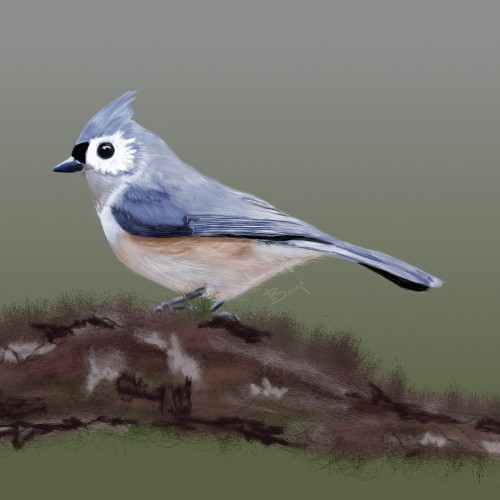
My latest sketch using Corel Painter 2021 on PC with digital pencil. The Tufted Titmouse (Baeolophus bicolor) is a small, grey-plumed songbird, easily recognized for the crest of grey feathers atop its head, its big black eyes, black forehead, and its rust-coloured flanks. They are quite common throughout the eastern part of North America, so if you're in that geographical region and want to catch a glimpse of a Tufted Titmouse, it may not be that difficult to find.