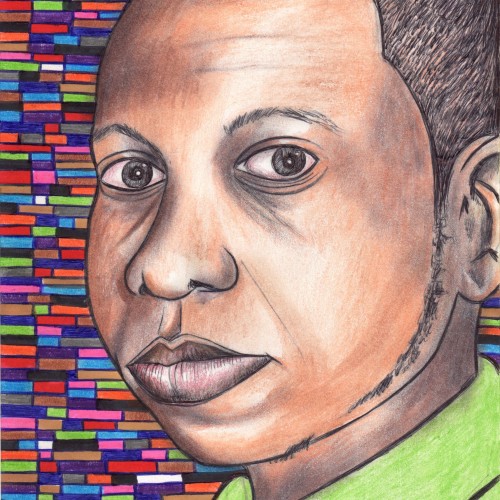
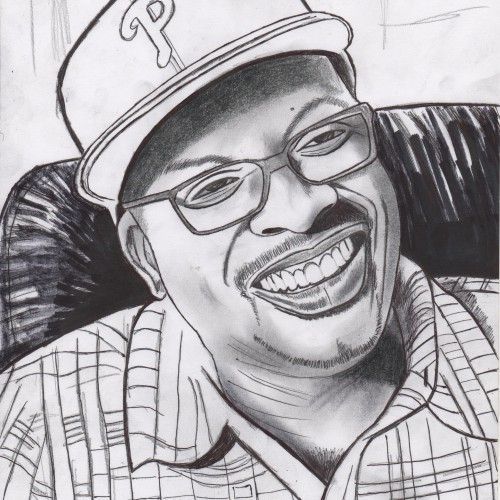
Nikola Tesla (1856–1943)
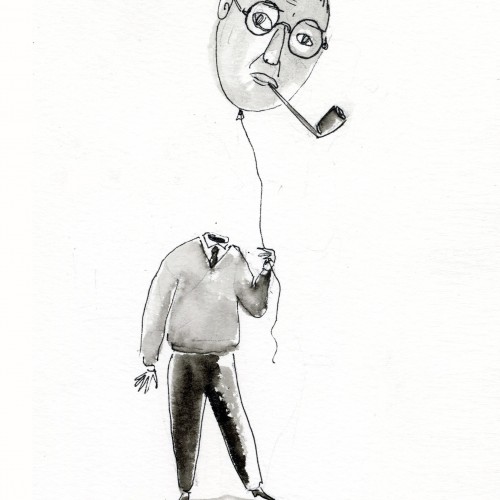
After he had started his own company, Tesla arrived at the office at noon. Immediately, his secretary would draw the blinds; Tesla worked best in the dark and would raise the blinds again only in the event of a lightning storm, which he liked to watch flashing above the cityscape from his black mohair sofa.
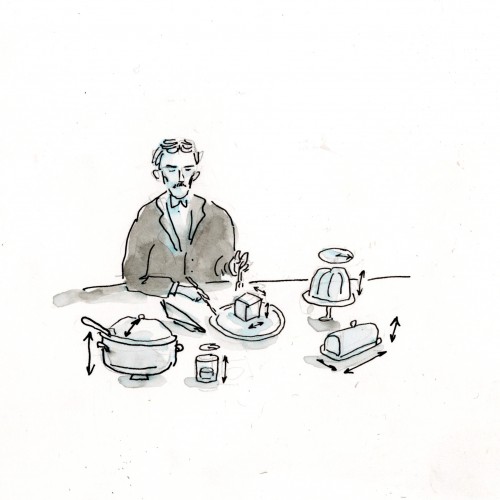
Tesla ate alone, and phoned in his instructions for the meal in advance. Upon arriving, he was shown to his regular table, where eighteen clean linen napkins would be stacked at his place. As he waited for his meal, he would polish the already gleaming silver and crystal with these squares of linen, gradually amassing a heap of discarded napkins on the table. And when his dishes arrived—served to him not by a waiter but by the maître d’hôtel himself—Tesla would mentally calculate their cubic contents before eating, a strange compulsion he had developed in his childhood and without which he could never enjoy his food.
- From Daily Rituals: How Artists Work by Mason Currey
“Of all things, I liked books best.”
― Nikola Tesla
“One must be sane to think clearly, but one can think deeply and be quite insane.”
― Nikola Tesla
#dailyrituals #inktober #NikolaTesla @masoncurrey
Had to squeeze in some drawing earlier on yesterday before editing the photos I captured at Friday night’s gig with Ozric Tentacles and friends. Fantastic stuff that was!
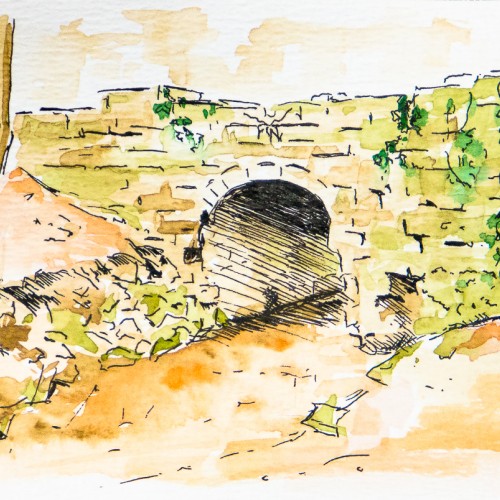
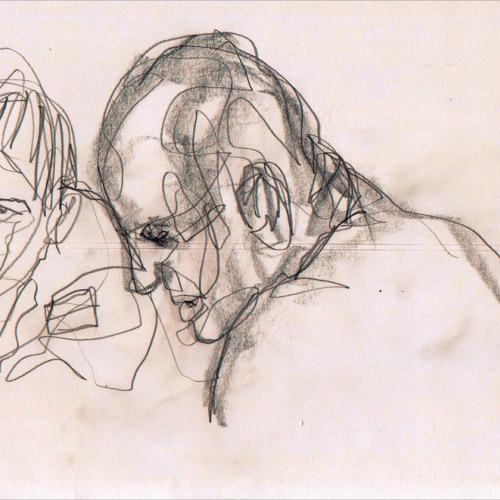
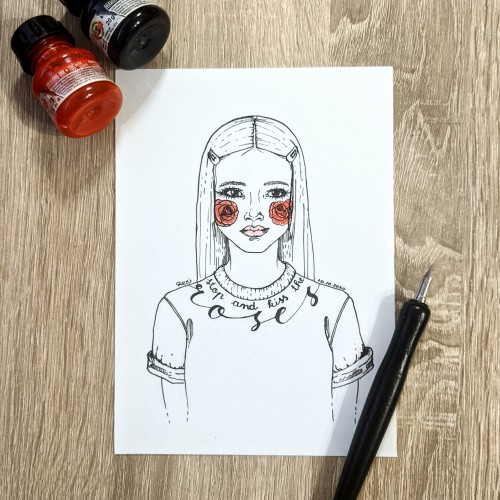
I started messing about with line and wash. I really enjoyed the speed and looseness of working on this piece. In hindsight, I'm wondering if it would be worth working on a larger, more considered version as there is quite a lot of nice texture that is missing here. Pen & watercolour on watercolour paper (4x6").
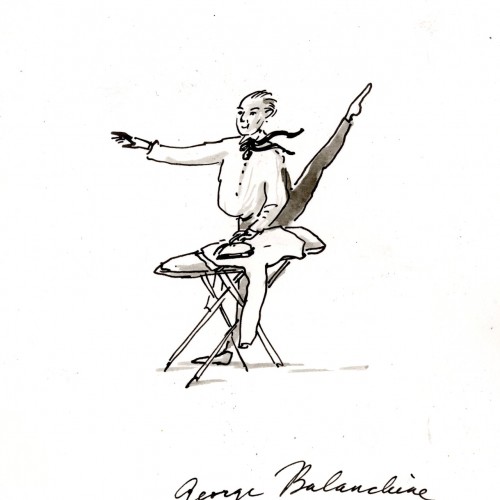
George Balanchine (1904–1983)
Balanchine liked to do his own laundry. “When I’m ironing, that’s when I do most of my work,” he once said. The choreographer rose early, before 6:00 A.M., made a pot of tea, and read a little or played a hand of Russian solitaire while he gathered his thoughts. Then he did his ironing for the day (he did his own washing too, in a portable machine in his Manhattan apartment) and, between 7:30 and 8:00, phoned his longtime assistant for a rundown of the day’s schedule.
- From Daily Rituals: How Artists Work by Mason Currey
“I like to do things certain ways and I disagree with everybody but I don't even want to argue.”
― George Balanchine
#dailyrituals #inktober #balanchine @masoncurrey
Jean-Paul Sartre (1905–1980)
By the 1950s, too much work on too little sleep—with too much wine and cigarettes—had left Sartre exhausted and on the verge of collapse. Rather than slow down, however, he turned to Corydrane, a mix of amphetamine and aspirin then fashionable among Parisian students, intellectuals, and artists (and legal in France until 1971, when it was declared toxic and taken off the market). The prescribed dose was one or two tablets in the morning and at noon. Sartre took twenty a day, beginning with his morning coffee and slowly chewing one pill after another as he worked. For each tablet, he could produce a page or two of his second major philosophical work, The Critique of Dialectical Reason.
The biographer Annie Cohen-Solal reports, “His diet over a period of twenty-four hours included two packs of cigarettes and several pipes stuffed with black tobacco, more than a quart of alcohol—wine, beer, vodka, whisky, and so on—two hundred milligrams of amphetamines, fifteen grams of aspirin, several grams of barbiturates, plus coffee, tea, rich meals.”
- From Daily Rituals: How Artists Work by Mason Currey
#dailyrituals #inktober #jeanPaulSartre @masoncurrey
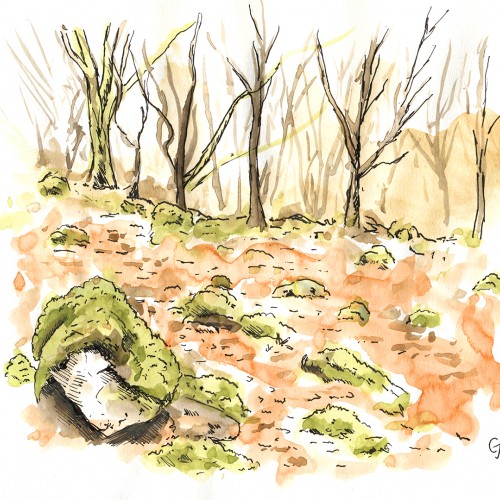
A bit of a departure from my usual style. I wanted to try something a bit messy, fast, and loose. The scene is an ancient woodland in Pembrokeshire called Tŷ Canol, an atmospheric place and full of inspiration for artworks. Pen and watercolour in Seawhite sketchbook.
A suit I designed for a fantasy SWAT (TSWATT, or the Taured Special Weapons And Tactics Team). They have wings which can fold into themselves, so far that they cannot be seen unless you look behind the back. They have special long fall boots (sort of like the ones from Portal) that allow them to fall from great heights. They have special glass goggles that act as sort of a VR set, in which they can see through smoke and walls if the area they are in is mapped out. The little orange thing on their chest records everything they witness. Drawn with FireAlpaca.
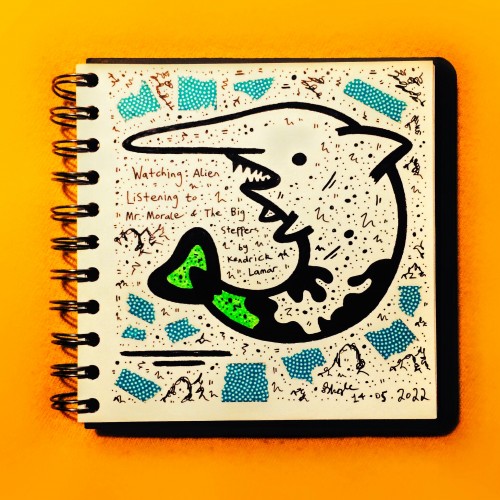
Being autistic and neurodivergent means I’m liable to mishear things quite a bit, especially when watching films where the sound mixing is utter shite (thanks sensory differences!). On that note, there’s a bit towards the end of Alien where Parker shouts “get out of the room” which I always interpreted as “get ready to roll” for years on end. Only recently did I realise how wrong I was!
Considering it was the final act of the film, I guess I can’t be blamed for assuming as such, right? If you know, you know as they say...