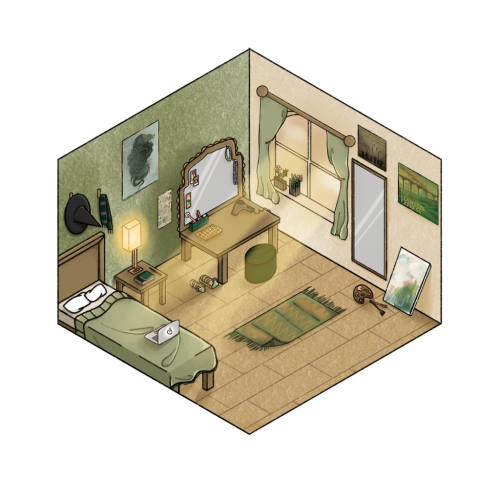
Customarily, families give their homes a thorough cleaning in the days leading up to Lunar New Year’s Day. Windows are scrubbed, floors are swept, and furniture is dusted in preparation for the new year, sweeping away away the bad luck of the past year. In addition, dusting is avoided on New Year’s Day, for fear that good fortune will be swept away.
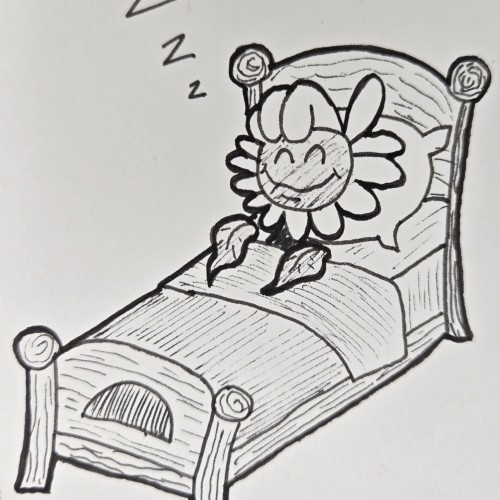
Imagine trading your soft bed for a deflating mattress.
Imagine food cooked under ash, a fire that smokes more than it warms.
Imagine waking at dawn with stiff muscles, yet finding yourself strangely alive.
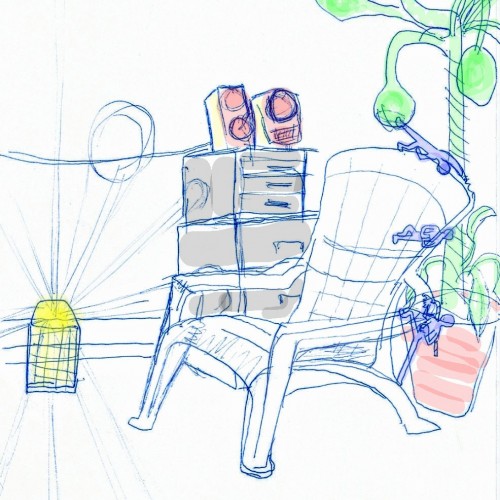
This sketch is not just about tents, cars, and campfires.
It is about the in-between—where inconvenience and beauty wrestle, and something deeper sneaks in.
Camping reminds me: comfort is overrated, but presence is priceless.
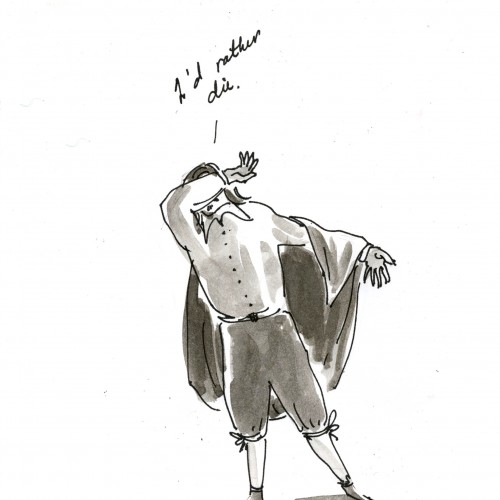
René Descartes (1596–1650)
Descartes was a late riser. The French philosopher liked to sleep until mid-morning, then linger in bed, thinking and writing, until 11:00 or so.
His comfortable bachelor’s life ended abruptly in late 1649, Descartes accepted a position in the court of Queen Christina of Sweden.
Descartes accepted a position in the court of Queen Christina of Sweden,Arriving in Sweden, in time for one of the coldest winters in memory, Descartes was notified that his lessons to Queen Christina would take place in the mornings—beginning at 5:00 A.M. He had no choice but to obey. But the early hours and bitter cold were too much for him. After only a month on the new schedule, Descartes fell ill, apparently of pneumonia; ten days later he was dead.
- From Daily Rituals: How Artists Work by Mason Currey
“Dubito, ergo cogito, ergo sum.
(English: "I doubt, therefore I think, therefore I am")”
― Rene Descartes
#dailyrituals #inktober #reneDescartes @masoncurrey #wouldratherdiethangetupearly
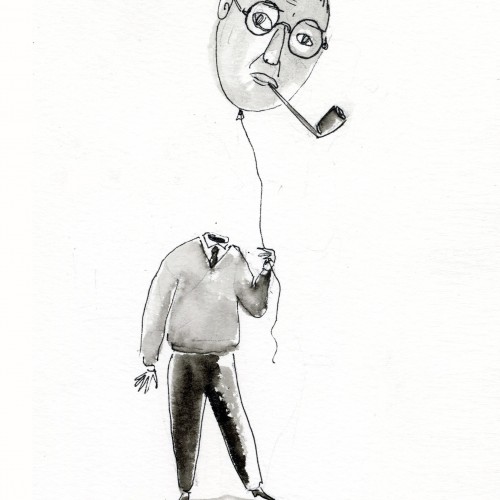
Jean-Paul Sartre (1905–1980)
By the 1950s, too much work on too little sleep—with too much wine and cigarettes—had left Sartre exhausted and on the verge of collapse. Rather than slow down, however, he turned to Corydrane, a mix of amphetamine and aspirin then fashionable among Parisian students, intellectuals, and artists (and legal in France until 1971, when it was declared toxic and taken off the market). The prescribed dose was one or two tablets in the morning and at noon. Sartre took twenty a day, beginning with his morning coffee and slowly chewing one pill after another as he worked. For each tablet, he could produce a page or two of his second major philosophical work, The Critique of Dialectical Reason.
The biographer Annie Cohen-Solal reports, “His diet over a period of twenty-four hours included two packs of cigarettes and several pipes stuffed with black tobacco, more than a quart of alcohol—wine, beer, vodka, whisky, and so on—two hundred milligrams of amphetamines, fifteen grams of aspirin, several grams of barbiturates, plus coffee, tea, rich meals.”
- From Daily Rituals: How Artists Work by Mason Currey
#dailyrituals #inktober #jeanPaulSartre @masoncurrey
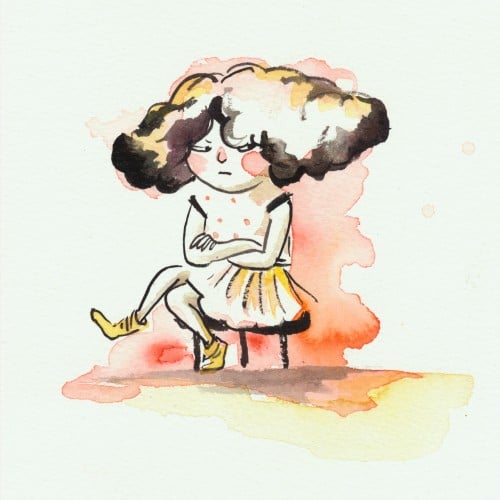
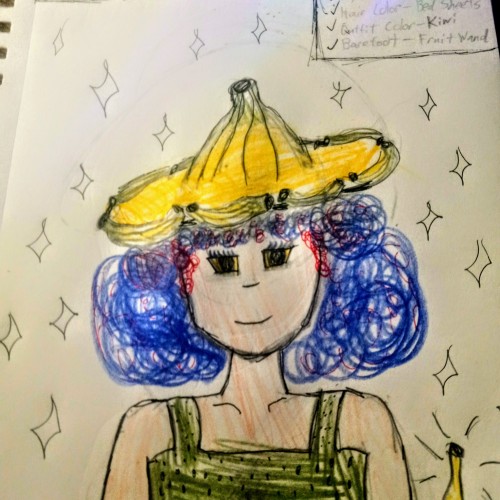
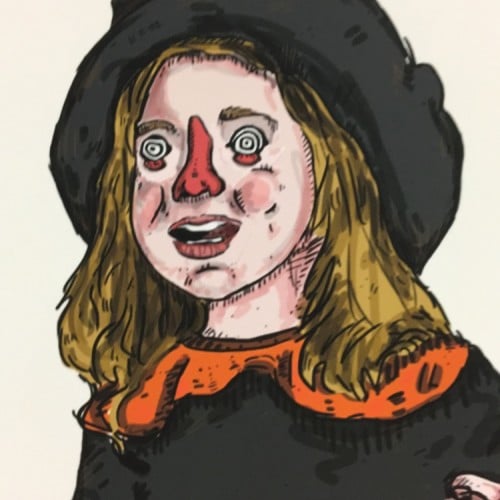
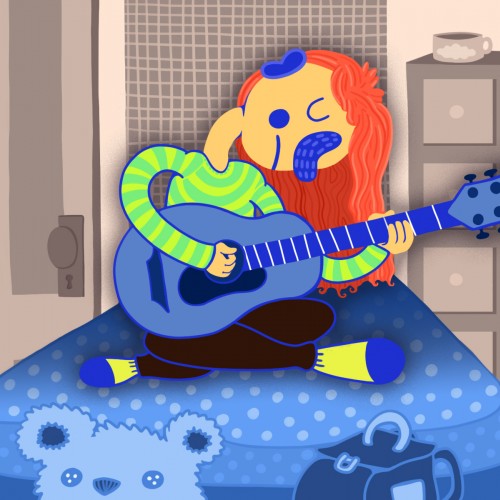
Here is the OC Challenge! Start off with gender of your choice. Your fruit depends on your birth month. Jan-Banana Feb-Strawberry March-Watermelon April-Kiwi May-Starfruit June-Grape July-Apple August-Pumpkin Sept-Plum Oct-Cherry Nov-Lemon Dec-Dragonfruit. Give your OC a fruit hat. The eye color is the color of the shirt you are currently wearing. Hair color is the color of your bed sheets. Outfit color will be the color and/or pattern of your favorite fruit. If you are wearing socks give them a fruit staff; if you are barefoot give them a fruit wand.
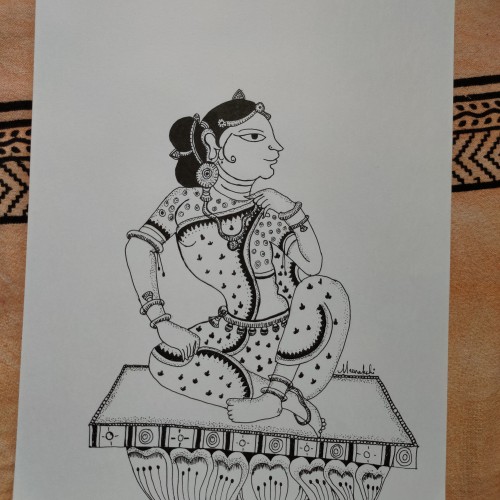
Pattachitra artform is known for its intricate details as well as mythological narratives and folktales inscribed in it. ... For more follow @miss_illustrator_ on Instagram....
There's a moment in Black Panther where Michael B Jordan's character steals an African mask from a museum. When the other character with him asks why, he says "I'm just feelin' it." The mask he grabbed was VERY cool, and I kind of wanted one, too. But, short of stealing things out of museums, I guess I'll have to draw them. If you click on the image, you'll see a full spread of them.
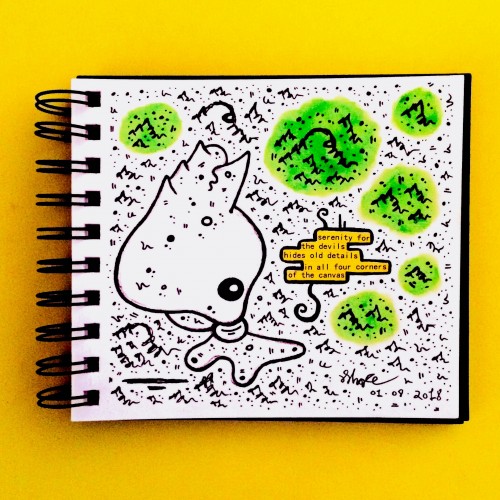
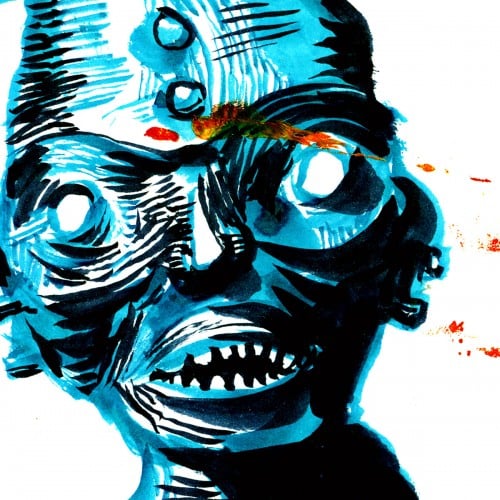
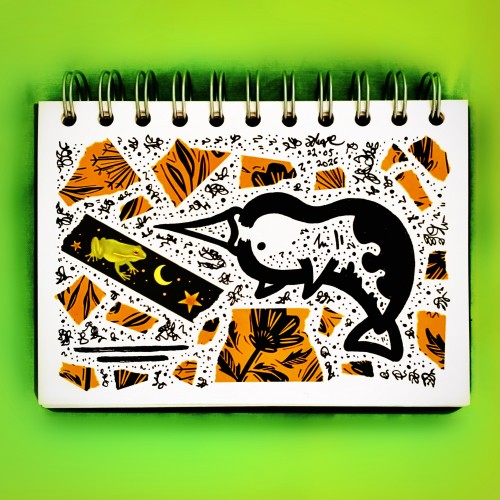
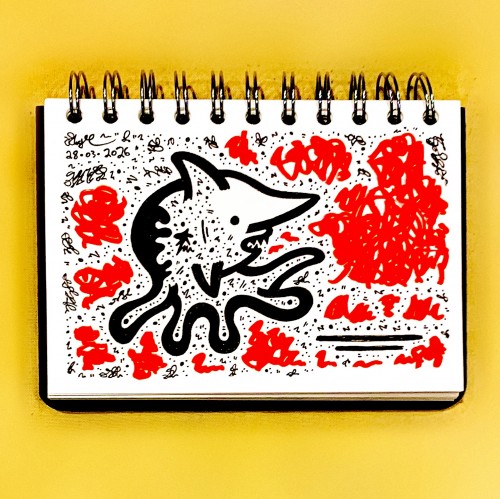
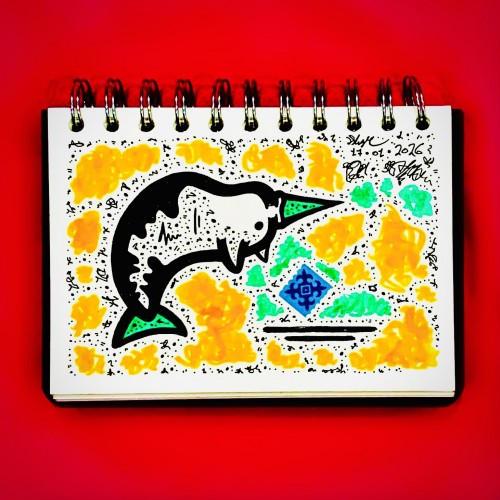
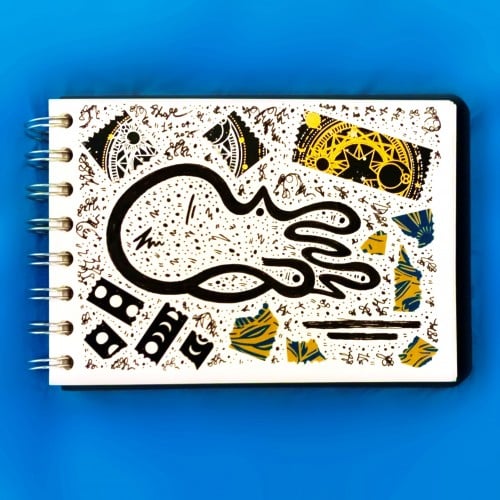
Only my second time tackling the lusca as a drawing subject… hopefully it checks out!
“The Lusca is a legendary sea monster from Caribbean folklore, primarily said to inhabit the underwater caves and blue holes near Andros Island in the Bahamas. Described as a massive hybrid—often half-shark, half-octopus—or a giant squid/octopus, it is rumored to reach lengths up to 75–200 feet.”
A Brief Pause at the Edge of Becoming
It seems I am always seeking a place to sit—
not just to rest the body,
but to settle the soul.
Yet even in stillness, Gary Brecka’s words whisper:
“The quickest way to old age
is the aggressive pursuit of comfort.”
So I do not stay long.
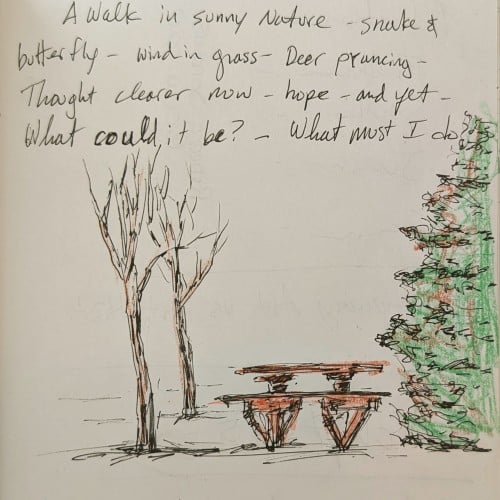
I walked until I found a picnic table
beneath a canopy of bare-limbed trees,
branches like open hands waiting for green.
The blue spruces nearby—
stoic, unchanged, whispering that some things endure.
I sketched.
Not perfectly. Not for anyone’s praise.
Just a mark to say: I was here.
Alive in this in-between.
Waiting. Listening.
Not for leaves—
but for something truer than comfort.
Thank you for joining me in this small noticing.
A moment borrowed from the rush.
A table. A tree. A thought.
A gift.