Previous
Next
logo logo
logo logo
  • Discover Art
    • Trending
    • Most Recent
    • Most Faves
    • Most Views
    • Curated Galleries
  • Drawing Challenges
    • See All Challenges
  • Drawing Prompts
  • Artists
    • Most Popular
    • Most Recent
    • Available For Hire
    • Artist Spotlight
  • More
    • Marketplace
    • Art Discussions
    • Resources
    • News + Blog
Login
Most Relevant
Select an option
  • Most Relevant
  • Most Faves
  • Most Views
  • Most Comments
  • Most Recent
SEARCH RESULTS FOR

brown

Mandy Mandy
Enlarge
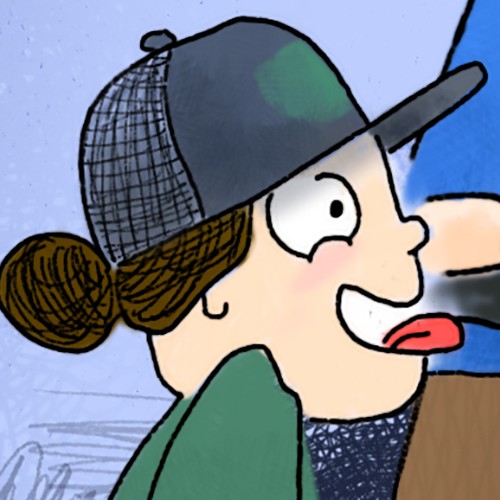
Nighttime Friends

These guys get a bad rap but they're just trying to help! This is my entry for the Kula Cloth design contest. A Kula Cloth is an a pee cloth for anybody that squats when they pee. Perfect for LNT hiking and camping!

  • 235
  • 2
  • 0
Valeria Valeria
Enlarge
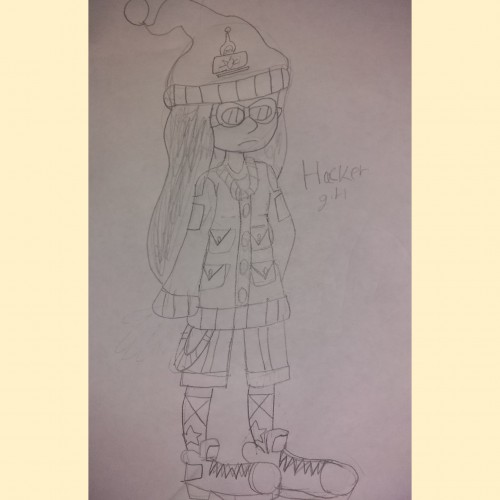
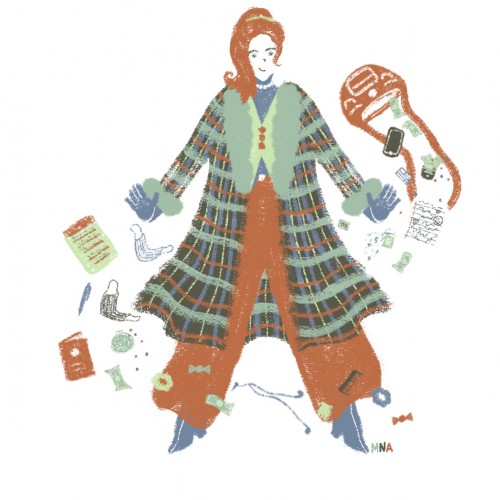
Hacker girl

Some OC I created on May as well I probably drew this on the same month too,4'9 and is very skilled at hacking despite doing illegal acts on the forbidden web,such as stealing government secrets at only 15!wears a long colorblock cardigan,brown shorts and black boots

  • 481
  • 2
  • 1
Some Beings Some Beings
Enlarge
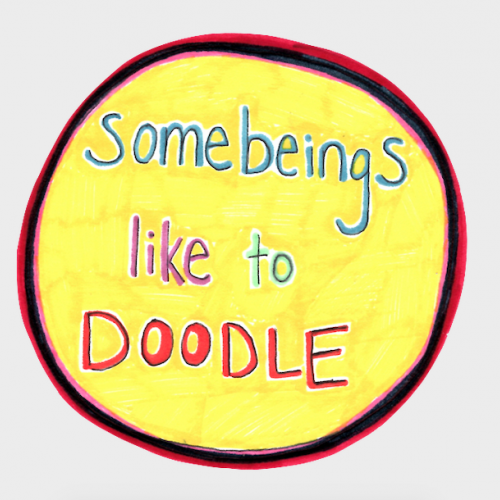
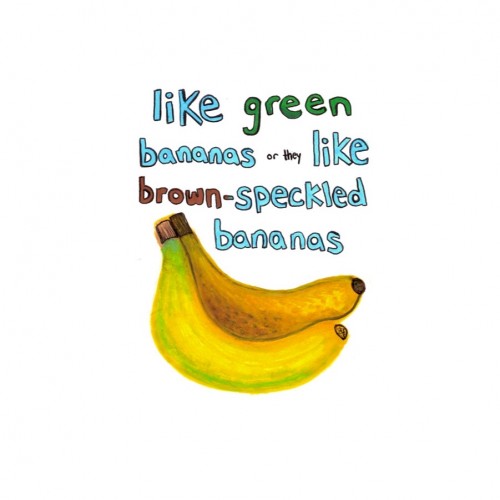
“some beings like green bananas or they like brown-speckled bananas”

  • 10
  • 2
  • 0
Andrea Andrea
Enlarge
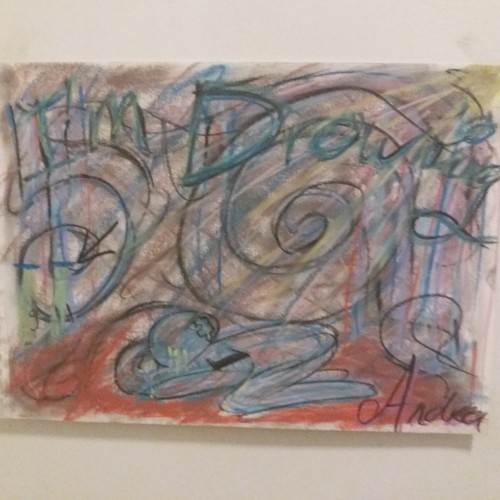
Drowning

This is a work I made as a reaction to a questionaire about suicide. I got over it, but I have been there, done that. Despair, the feeling of drowning, reaching out but never getting the help you need, deep dark depression, the grey-brown brainfog. Yet: there is some light, there always is, but I'm too scared to look at the light. I didn't varnish this pastel-drawing, just to accentuate the fragility of mental health. What you need to know it that I got out of this and so can you if you are this deep in trouble. I'm doing much better. January 2020, pastel on A3 paper.

  • 12
  • 2
  • 0
Arwen Arwen
Enlarge
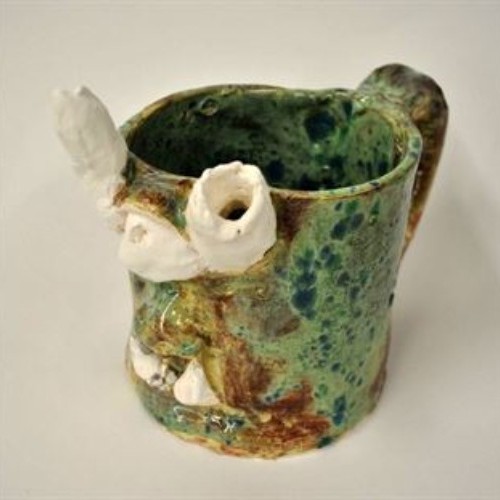
Monster Mug

The first stage of clay is slip. Slip is watery clay; it is most often used to "slip and score", which I used to attach the features of the mug to the mug itself. The second stage of clay is wet. Wet is moist, very plastic clay. Wet is the type of clay I love to use, just because it feels so fresh, and because it is moist enough that I don't have to soften it with water. The third stage of clay is leather hard. Leather hard is the stage my mug was in after being left on the shelf for twenty-four hours or so. It is easier to cut but very difficult to sculpt. The fourth stage of clay is greenware. Greenware is completely dry clay that is fragile and breakable. I would say that greenware is an overdose of leather hard for the clay. In other words, leaving clay out for a longer amount of time can turn leather hard clay into greenware. The fifth stage of clay is bisque. This is the clay after its first firing. If it was grey clay, it is now white in this stage. It is now completely hard and no longer soft in any way. Bisque, luckily, is only one stage away from glaze... The sixth stage of clay is glaze. This is the final firing and results in a smooth texture and a shiny look. I loved the way my glaze came out. While I was painting the mug, it was more of a ruddy red-brown but when it glazed, it turned out to be this beautiful spotted green.

  • 27
  • 2
  • 0
Jana Cechova Jana Cechova
Enlarge
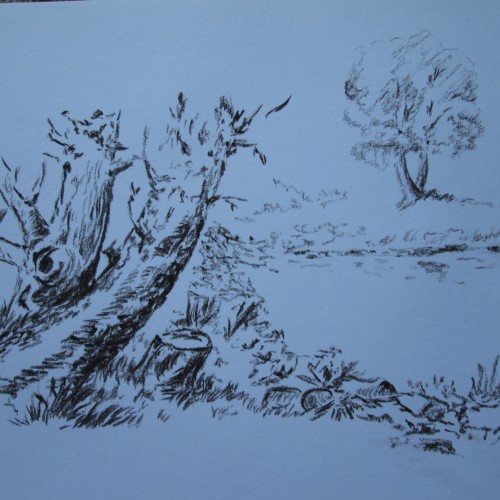
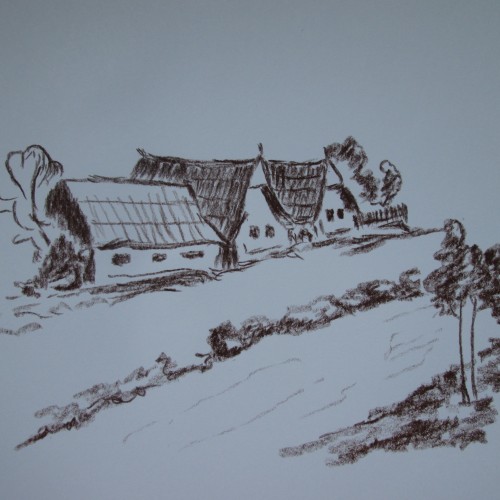
A pond bank with trees

Dark brown sepia on a paper - A pond bank with trees

  • 8
  • 2
  • 0
Mighty Lark Mighty Lark
Enlarge
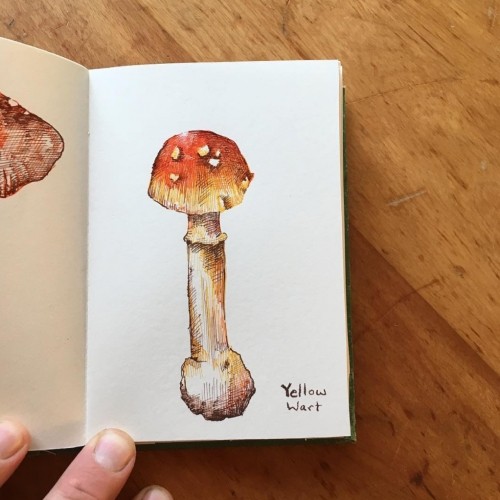
Untitled

Amanita flavoconia. Drawn with R Esterbrook school fine/firm pen nib and Higgins Yellow & Brown, Winsor & Newton Orange inks.

  • 976
  • 2
  • 0
Darién diaz Darién diaz
Enlarge
Marchusic Day 20: Live While Were Young

For the 19th of Marchusic, I thought of this cute couple of Line Friends bears because they together with Brown and Cony look adorable

  • 1
  • 1
  • 0
PHILIP GRAY PHILIP GRAY
Enlarge
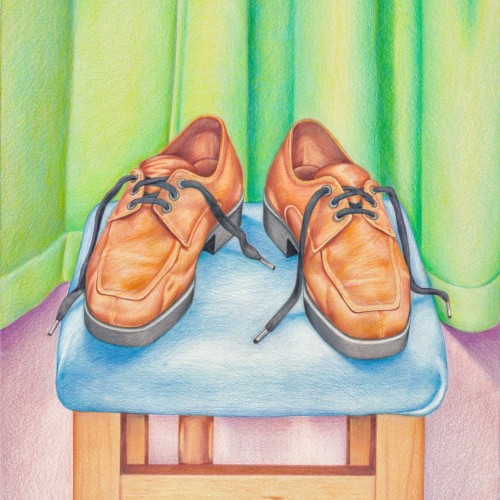
Old Brown Shoes

Something I drew a while ago, when I decided to look for things around the house that I could draw, rather than from photos. This was the first thing I did, a pair of my brown shoes on top of a stool. There are another 3 in the series of "things around the house", which I will post at some stage in the future.

  • 438
  • 1
  • 0
Sabina Hahn Sabina Hahn
Enlarge
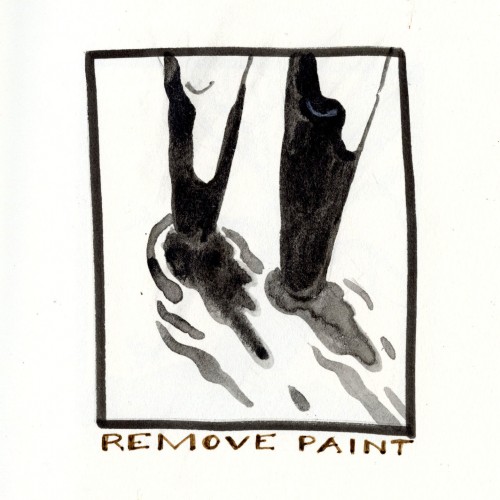
Paint

nktober day . Remove / paint. Just stand in the river. Mixed prompts from @inktober and @andreabrownlit

  • 310
  • 1
  • 0
Sabina Hahn Sabina Hahn
Enlarge
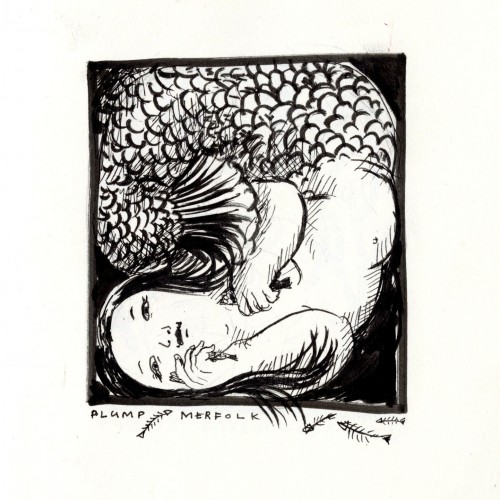
merfolk

Inktober day 19. plump / merfolk logically, all merfolk will be nice and plump, like seals, to keep the chill of the water away. Mixed prompts from @inktober and @andreabrownlit

  • 198
  • 1
  • 0
Mel A. Mel A.
Enlarge
Brown Sugar (#10)

  • 14
  • 1
  • 0
Priyanka Roy Choudhury Priyanka Roy Choudhury
Enlarge
Ice Cream with Brownie

Illustrated an irresistible combination of three overflowing, creamy, smooth scoops of strawberry, vanilla and chocolate with crunchy sticks accompanied with a warm, rich, and gooey chocolate brownie topped with chocolate sauce

  • 43
  • 1
  • 0
crais robert crais robert
Enlarge
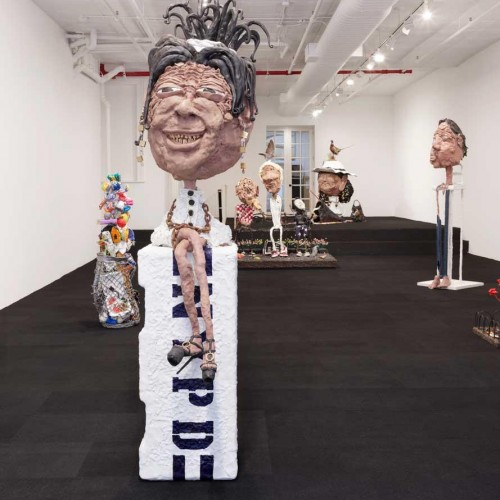
The House of Ryman: A Family of Artists

Take the Rymans, for instance. There is Robert Ryman (1930 – 2019), the patriarch whose paintings are indisputable icons of the modernist canon. Then there are his wives and children. Ethan Ryman (b. 1964) is the oldest of Robert’s three artist children. Though his mother was not an artist, Lucy Lippard (b. 1937) was still a scrappy and eloquent art critic, a feminist, a social activist, and an environmentalist. Ethan’s meticulously considered and crafted artworks might be characterized as somewhere between photography and sculpture, the abstract and the (f)actual. Though Lippard and Ryman divorced just six years after their 1961 marriage, their son is arguably the closest to his father’s methodologies if not his medium, and was certainly the last to become a visual artist. Robert Ryman went on to marry fellow artist Merrill Wagner (b. 1935) in 1969 and they had two sons. Though Wagner is more quietly acknowledged than Ryman, her boundless practice includes sculpture, painting, drawing, installation, and more. With an emphasis on materiality, her sites are indoors and out, her styles alternating. Will Ryman (b. 1969) is the elder son of Robert and Merrill. He started out as an actor and playwright though he too eventually assumed a visual art practice to become a sculptor. He is best known for his large-scale public artworks and theatrical installations that focus on the figurative and psychological, at times absurdist, narratives. Cordy Ryman (b. 1971) is the youngest, and the only one of the three who knew that he was going to be a visual artist early on. His work is abstract, the sophistication understated, and his output is prolific. With his mother’s DIY flair, his homely materials seem sourced from the overflow of construction projects, lumberyards, and Home Depot. Ethan Ryman said that, when he was young, he didn’t want to be a visual artist. Instead, he pursued music and acting, producing records for Wu-Tang Clan, among others, getting “my ears blown out.” But he was always surrounded by artists—Sol LeWitt, Carl Andre, Jan Dibbetts, William Anastasi, and countless others at his mother’s place on Prince Street in SoHo and at the Rymans’s 1847 Greek Revival brownstone on 16th Street in Manhattan, where everyone was often seated around the family dinner table. He would spend part of most weekends in the highly stimulating chaos that reigned there—birds, dogs, plants, toys, art, people, everywhere. “While nowhere near as overwhelming, I was also constantly exposed to artists, writers and other creative folks at my Mom’s place.” “While nowhere near as overwhelming, I was also constantly exposed to artists, writers and other creative folks at my Mom’s place.” Ethan Ryman Lippard was “a powerhouse.” She took Ethan on her lecture tours, readings, conferences, galleries, studios, wherever she had to go. And while that almost always breeds rebellion, at some point, he began noticing all the art around them—both what it looked like and how it was made. He began to take photographs of buildings and realized that “abstract color fields were all around us.” He also began to notice his father and Wagner’s work more carefully—how sensitively it was executed and how reactive it was to its surroundings. “Once you’re interested, you notice. When I asked my dad questions, I would most likely get a one-word response. I had to go to his lectures for answers where he broke down modern art for me. After listening to him, it seemed to me we should all be painting, otherwise what were we doing with our lives?” Will Ryman, on the other hand, said that all his work has a narrative component. His background is in theatre and his interests have always been film and plays, his narratives about New York City and American culture and history. “It’s a city I love,” he said. “I try to observe culture in a bare-bones way and I’ve always been interested in telling stories—we’re the only species that tells stories to each other. It comes from an intuitive, cathartic place in me. I want to stay away from preconceived notions, although that’s not completely possible. I have no plan except to do something honest, with a little bit of a political bent and humor but I’m not an activist. I’m interested in exploring a culture and its flaws as an interaction between human beings.” His interests and his work are very different from his last name. There is no connection to minimalism. He didn’t go to art school, drawn instead to theatre workshops and theatre troupes. “I didn’t become involved with the visual arts until my mid-thirties. It’s easy to say what I make is a reaction, but I dismiss that. And I also wouldn’t say it’s rebellious after twenty years.” Of his family, he said, “we’re a normal family, a close family, with all the dynamics and complications that go along with that. And while everyone who came to 16th Street were artists, they were also just family friends. I have no other measure for how a family interacts. It was just the way it was.” Cordy Ryman was the only one of the three who went to art school, earning a BFA from the School of Visual Arts, but it was reportedly awkward for him, since all his teachers knew his parents. “When I started making abstract paintings, it was kind of push and pull but it became more interesting to me than my earlier figurative or narrative work. That’s when I started to know where I came from. I realized that I had a visual memory, and the language was there, a language I didn’t know I knew. We all had different ways of working; our processes are very different and it’s hard to compare us. Ethan and I use a similar inherited language but he thinks about what he does more. I work very fast, the ideas come from the process itself. I work in two or three modes simultaneously and bounce around.” At home, they were around Wagner’s work since her studio was there. “Will and I were always in her studio, helping her, going to her installation sites with her, adjusting her boulders or whatever the project was she was working on. That was special and made a deep impression, but I didn’t realize it then.” All five Rymans have in common an acute consciousness of space and of place as an integral component of their work. For the brothers, part of that consciousness might stem from their parents, but also from their attachment to their family home, which was a crucible of sorts for them, where everyone was an artist. To Cordy, the house was a “living, breathing thing, and the art in it felt alive, growing, and occupying any space that was available. It was the structure of our world. When I’m making work, it doesn’t need to be the most beautiful thing ever, but it needs to have its own life, its own space, like the art we grew up with.” And the next generation of Rymans, also all sons—what about them? Will said his son is still too young to know. Cordy thought the same about his two younger children; his oldest is in the art world, but not as an artist—so far. Ethan perhaps summed it up best: my two sons are artists; they just don’t know it yet.

  • 12
  • 1
  • 0
Sandra Kluge Sandra Kluge
Enlarge
Craving Clarity

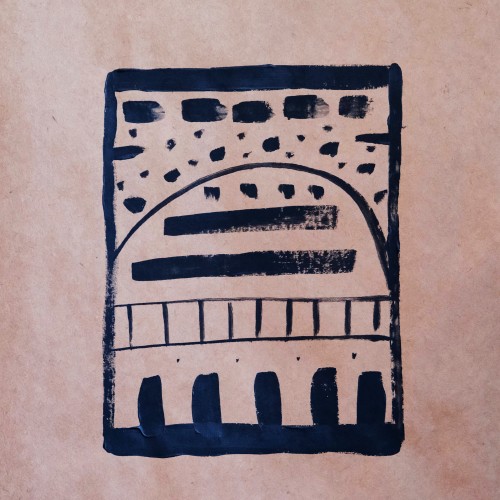
Craving Clarity // Acrylic on brown paper //⁣ 9 x 12 in // 2021

  • 2
  • 1
  • 0
Tony Bothel Tony Bothel
Enlarge
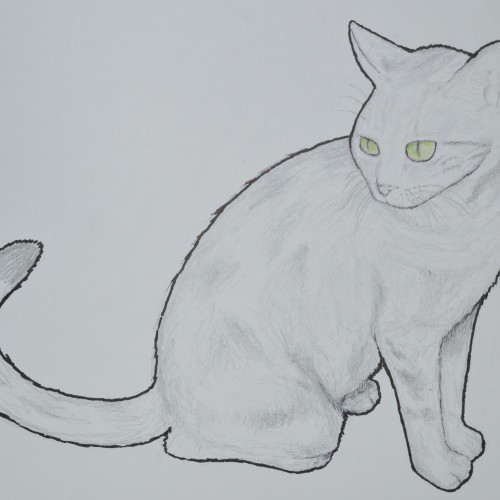
Akita Kitty

I've never been much of a cat person but I have to say that Akita helped me to appreciate cats. She is a great hunter and with take out pesky mice and she doesn't chew electronic wires. She's very nice and likes to come up to me when I go outside. But she isn't too invasive and she isn't annoying at all. She stays outside for the most part as well so the monastery doesn't smell like cat. :P I think this is probably my first drawing of a cat, I just sketched her real quick and added her eye color, she kinda looks like an artic cat like this, well she is pretty resistant to cold, lol (her normal colors are brown/black/orange/white).

  • 8
  • 1
  • 0
Ioannes Ioannes
Enlarge
Face in Red and Brown

  • 5
  • 1
  • 0
Jana Cechova Jana Cechova
Enlarge
A village I passed through

Light brown sepia

  • 6
  • 1
  • 0
Olivia Hathaway Olivia Hathaway
Enlarge
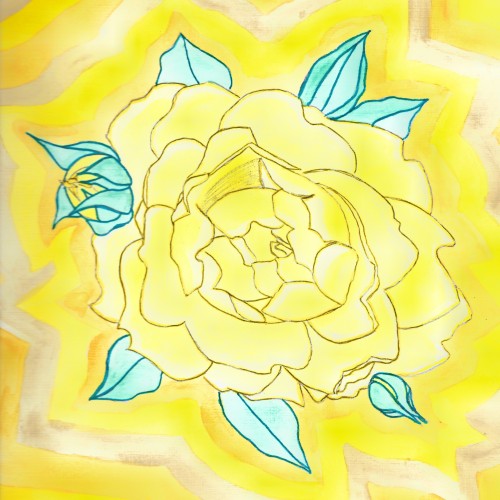
Neutral Rose

A sideways version of my watercolor painting titled "Neutral Rose." If anyone knows how I can get these properly reoriented, please help. If you can image this one quarter turn to the left and on things like shirts, hats, and posters, try checking out this link to see all those things for real: https://linktr.ee/okhismakingart

  • 259
  • 1
  • 0
L K M L K M
Enlarge
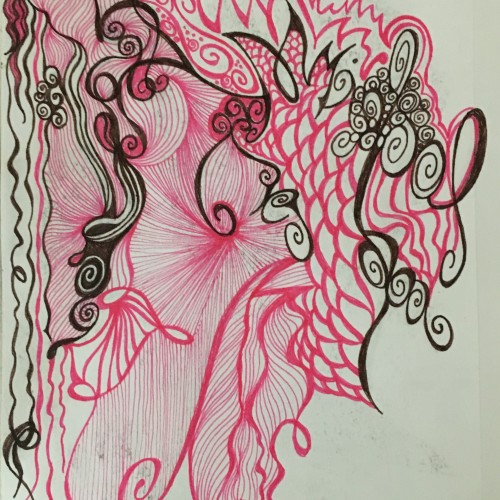
Pink & Brown

fine point pink & brown lines and swirls

  • 420
  • 1
  • 0
Jo Arnell Jo Arnell
Enlarge
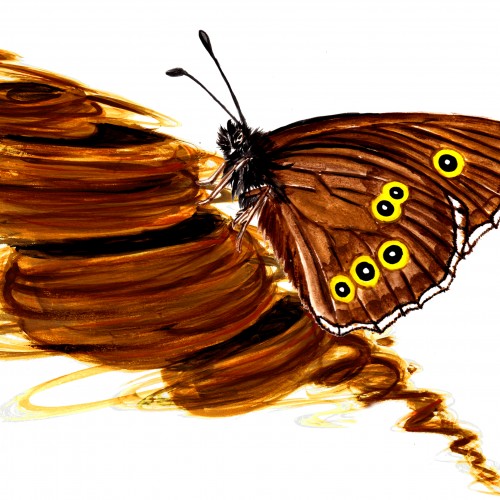
Flutterby Ringlet

Butterfly #4 of the literal butterfly project

  • 196
  • 1
  • 0
Scott Ries Scott Ries
Enlarge
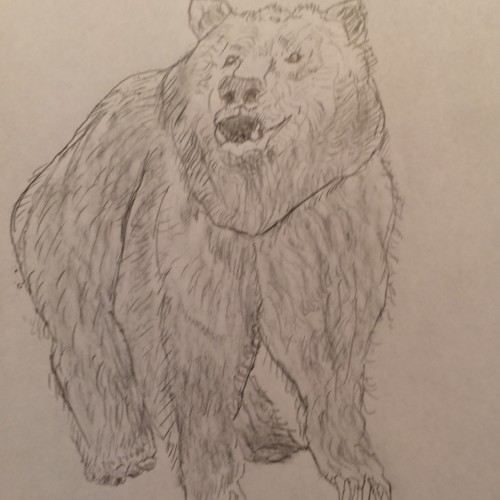
Brown Bear

Pencil Sketch

  • 562
  • 1
  • 3
Volta Voloshin-Smith Volta Voloshin-Smith
Enlarge
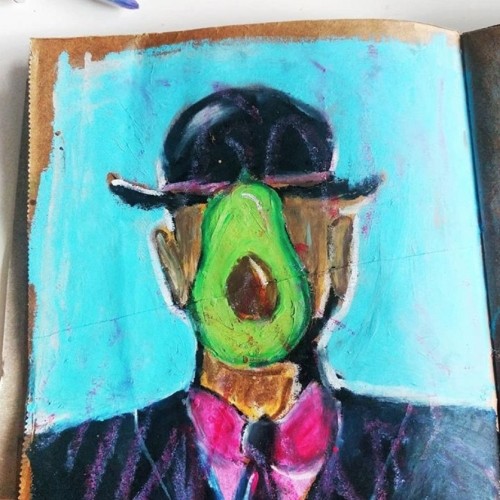
The Son of Man Is a Millenial Avocado Toast Junkie

Pastel on brown paper bags turned into a sketchbook.

  • 945
  • 1
  • 0
Xandra Mirum Xandra Mirum
Enlarge
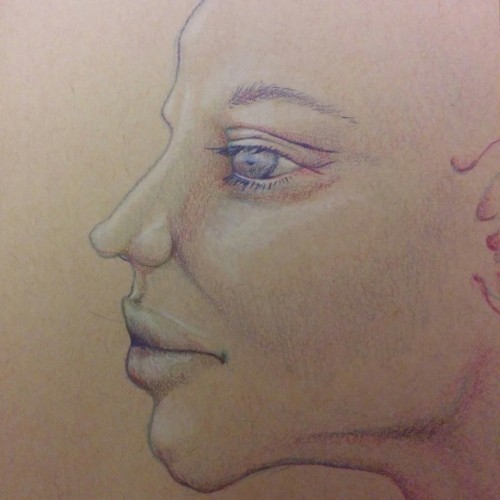
Untitled

an imagined portrait, done in prismacolor in a lovely brown paper journal

  • 499
  • 1
  • 0
R. Hendricks R. Hendricks
Enlarge
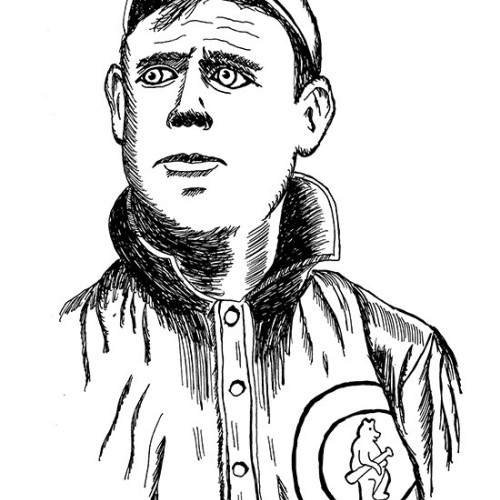
Untitled

Chicago Cubs' Mordecai "Three Fingers" Brown 1903-1916

  • 668
  • 1
  • 0
Marqueta Wells Marqueta Wells
Enlarge
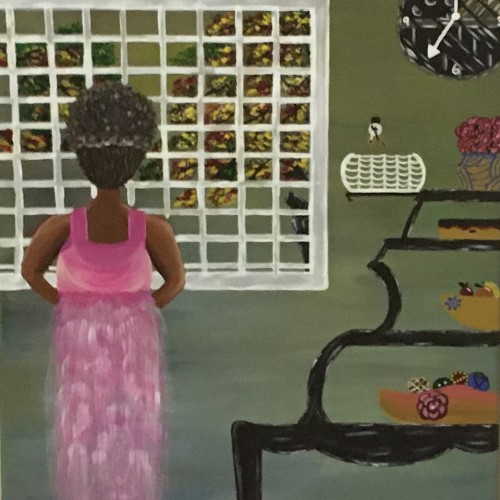
Woman in the Window

The woman in the window is wearing a pink dress. Next to her is a brown stand with complimented with decor on each shelf. There’s some keys hanging on a hook on the wall with a basket below. The clock shows that’s it’s 7:00. She’s looking out the window, and there’s some trees with colorful leaves which means the season is Autumn. To me Autumn is the perfect season for romance.

  • 63
  • 0
  • 0
Alrighty Alrighty
Enlarge
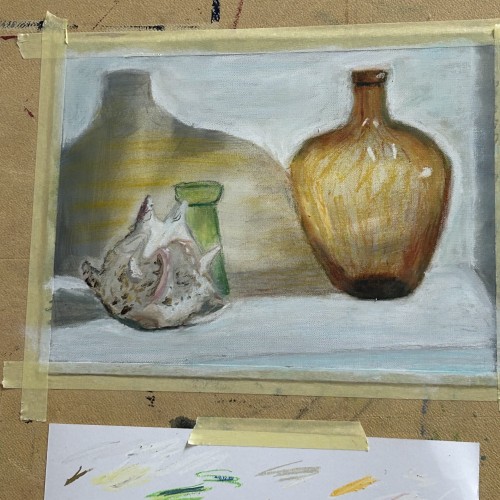
Still life

Used brown painted paper so the shadow is not painted.

  • 2
  • 0
  • 0
Marqueta Wells Marqueta Wells
Enlarge
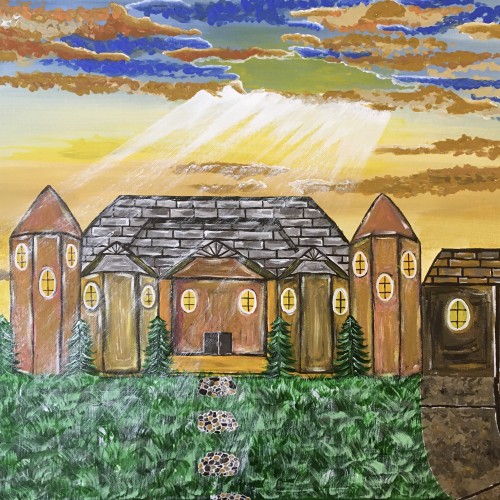
Sunny Day

The idea was to create a nice scene of the sun shining down on a house. The skies are showing off shades of blue, and brown, and yellow. I love the rustic style and I feel like I accomplished that look in this painting.

  • 102
  • 0
  • 0
E K Lindgren E K Lindgren
Enlarge
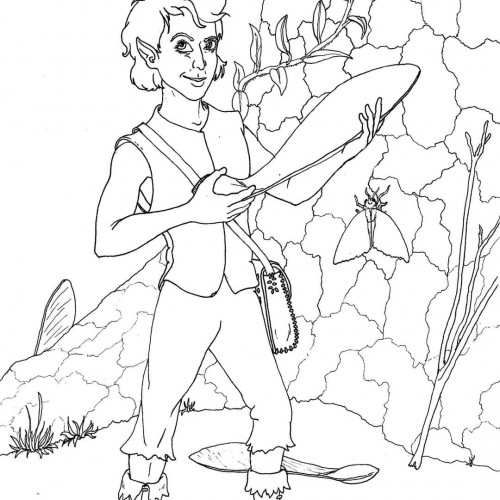
The Clever Brownie

A brownie gets a clever idea about maple seeds.

  • 33
  • 0
  • 0
Landon Taylor Landon Taylor
Enlarge
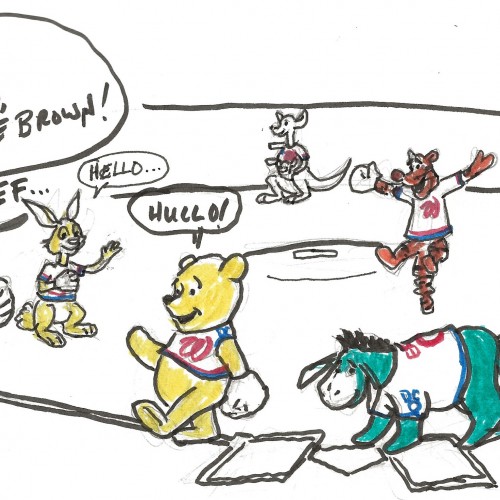
Youve Been Traded, Charlie Brown

Another challenge from my son: the Winnie the Pooh characters as Washington Nationals.

  • 15
  • 0
  • 0
« Previous
Next »

Doodle Addicts

Navigate
  • Discover Art
  • Drawing Challenges
  • Weekly Drawing Prompts
  • Artist Directory
  • Art Marketplace
  • Resources
Other
  • News + Blog
  • About Us
  • Contact Us
Newsletter
© 2026 Doodle Addicts™ — All Rights Reserved Terms & Conditions / Privacy Policy / Community Guidelines
Add Doodle Addicts to your home screen to not miss an update!
Add to Home Screen