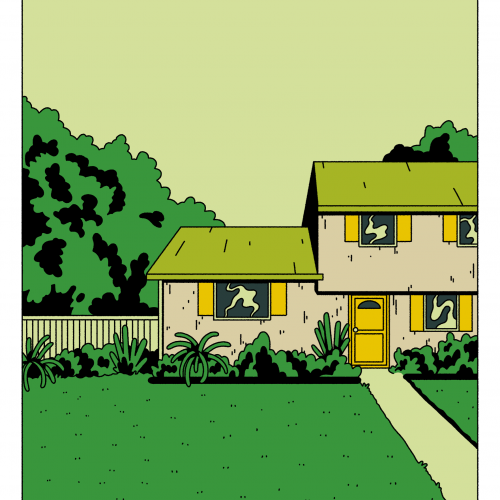
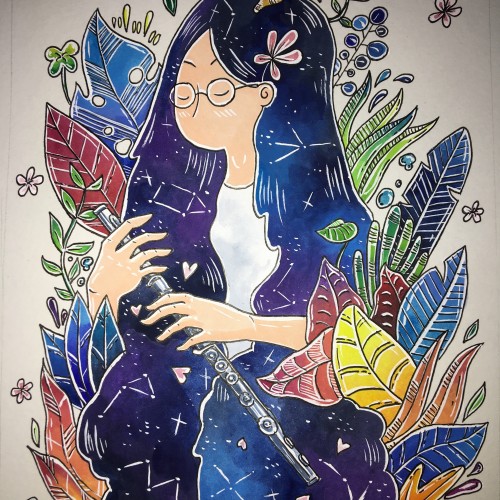
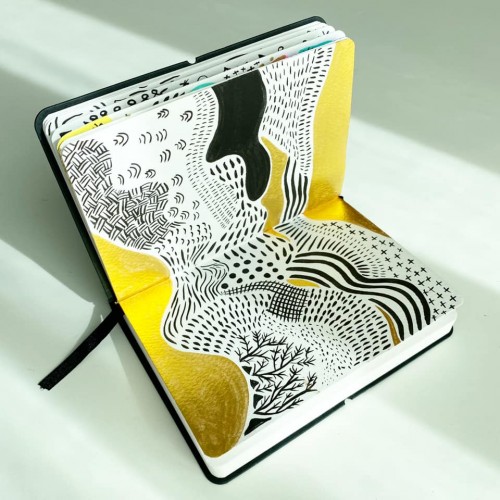
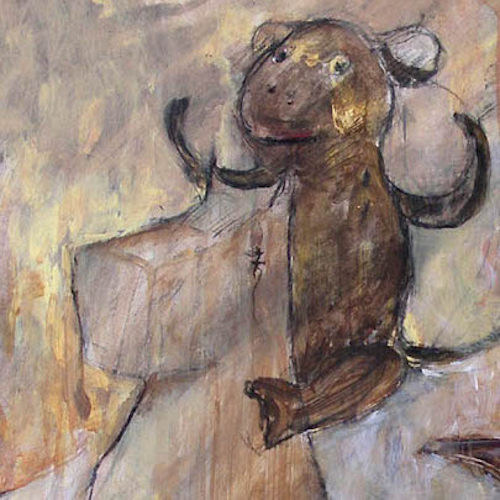
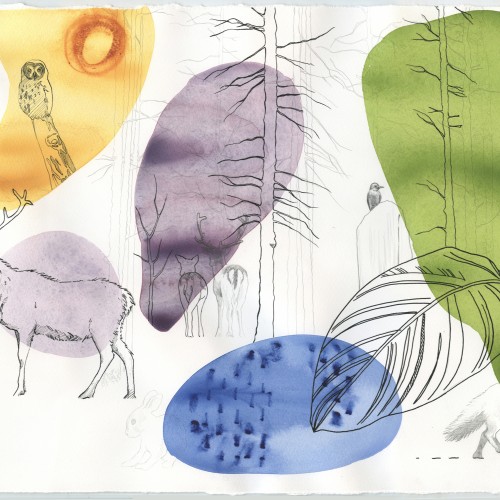
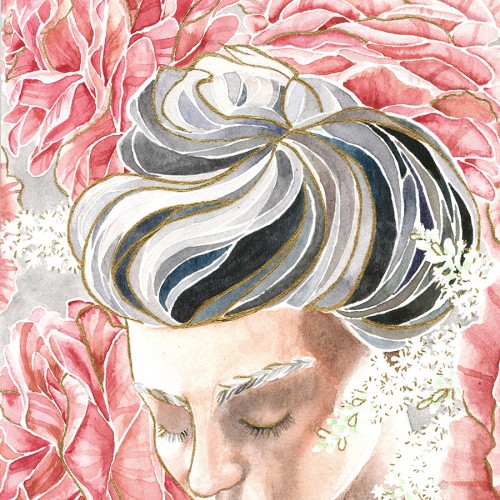
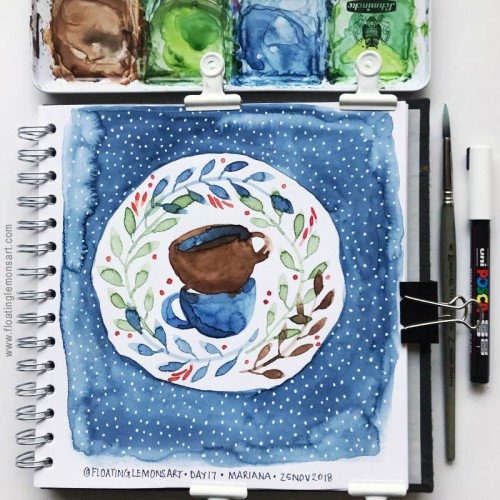
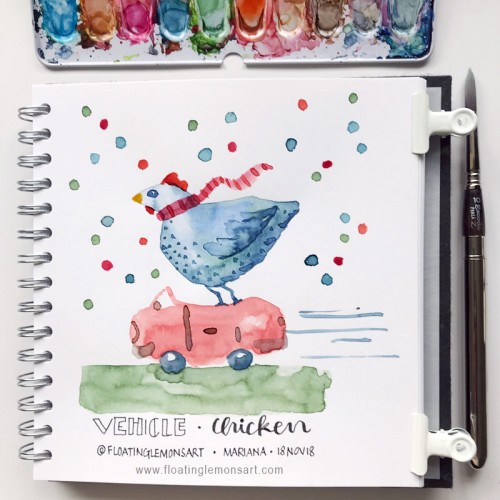
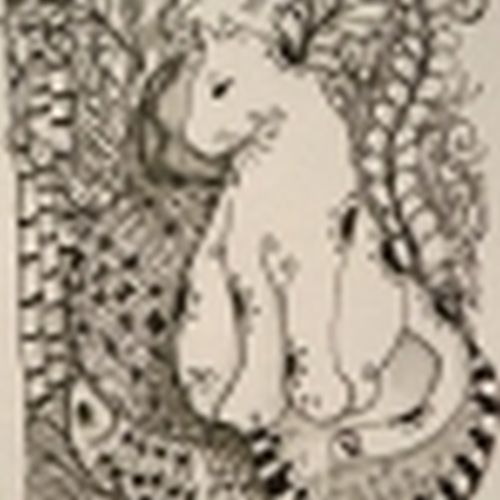
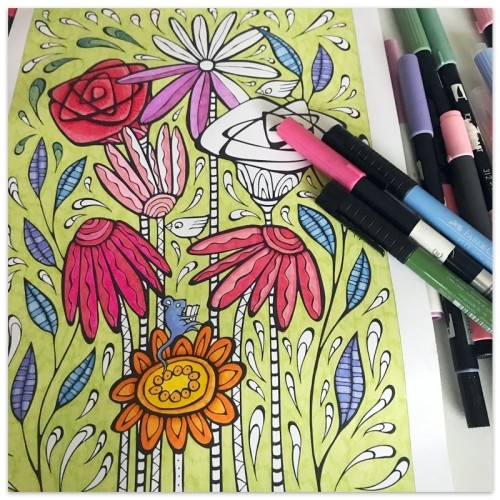
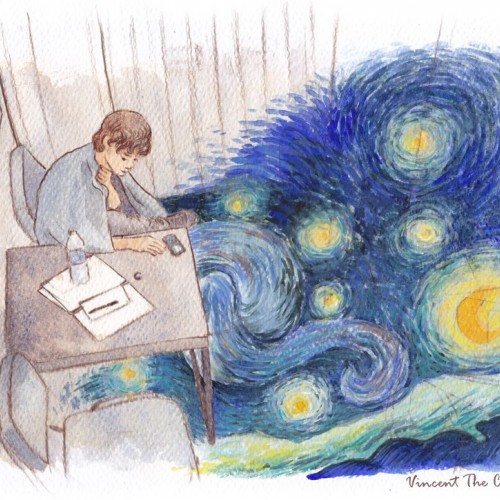
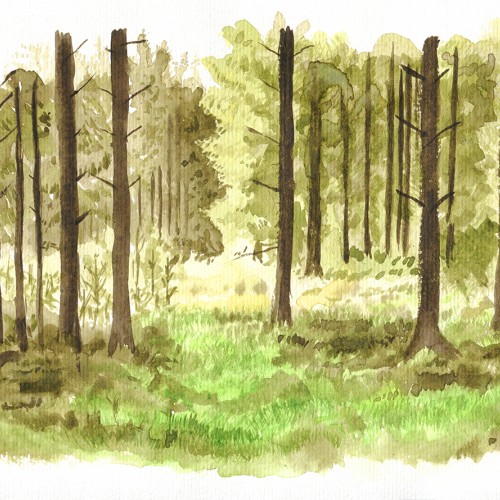
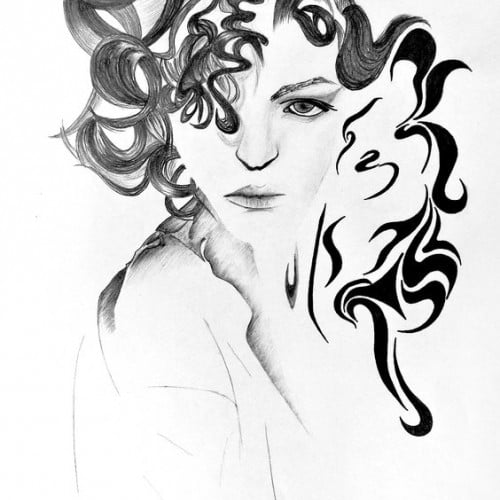
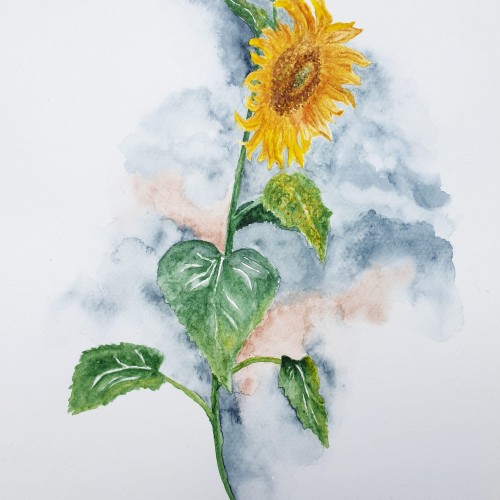
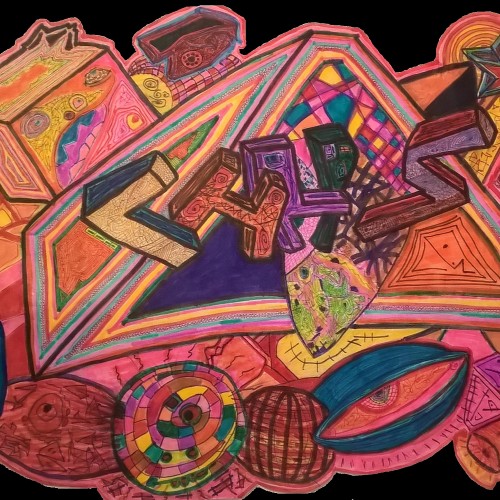
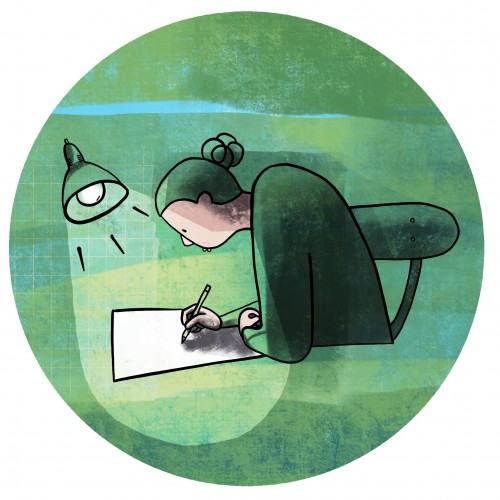
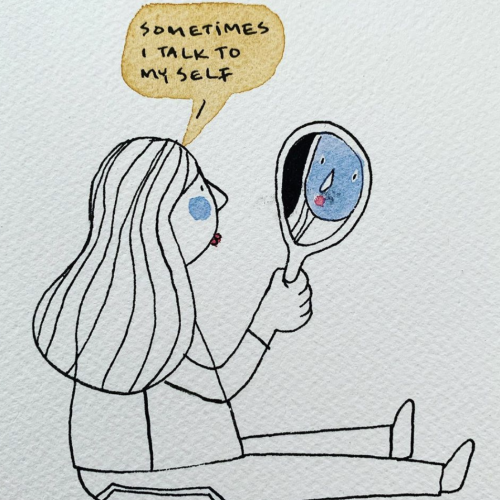
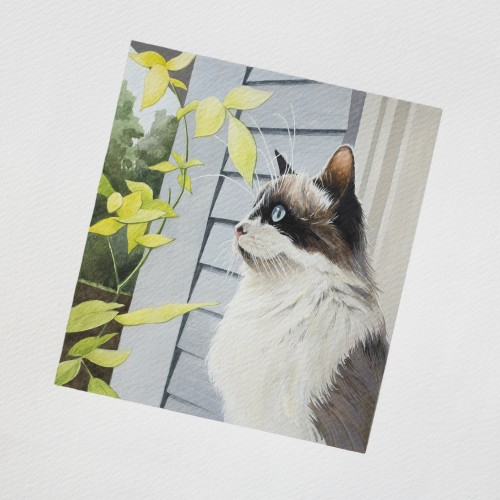
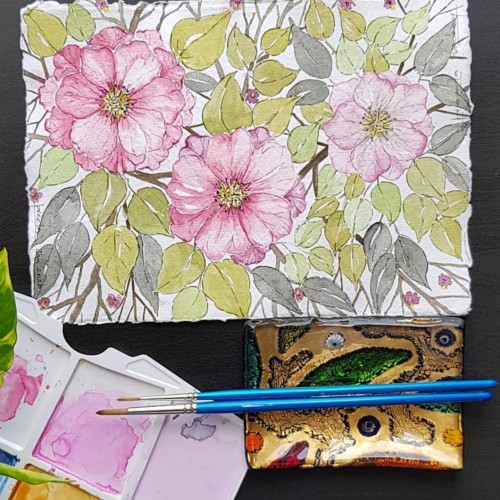
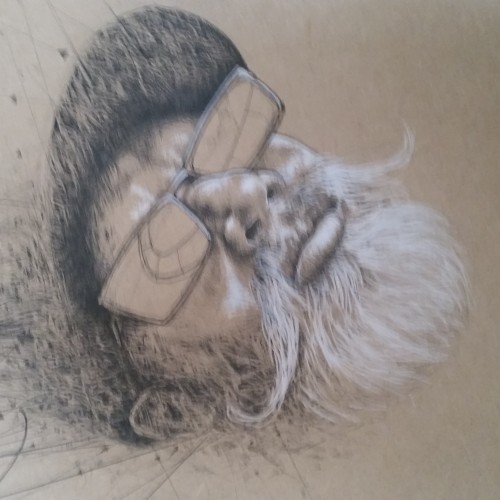
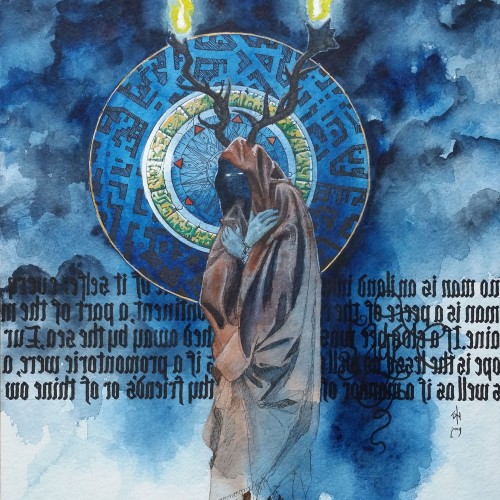
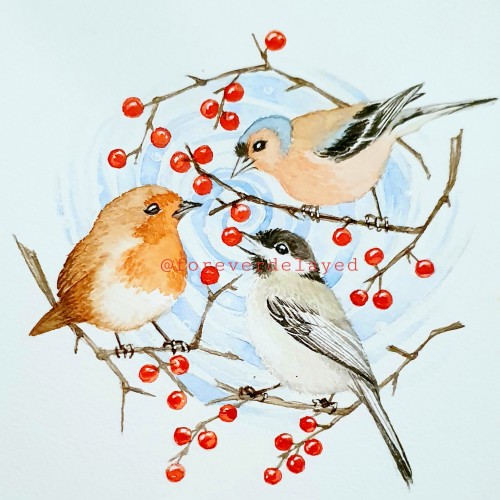
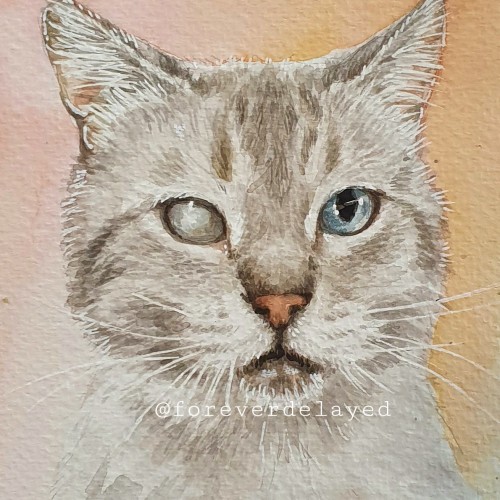
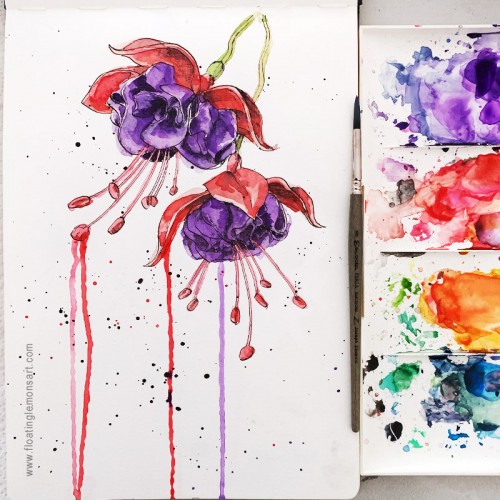
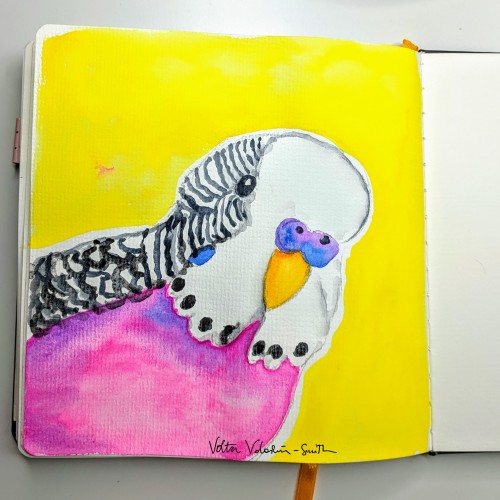
I've been experimenting with colour pallets and line width. Also trying to do LESS - my natural tendency is to add everything so cutting back is quite hard, but I think works better.
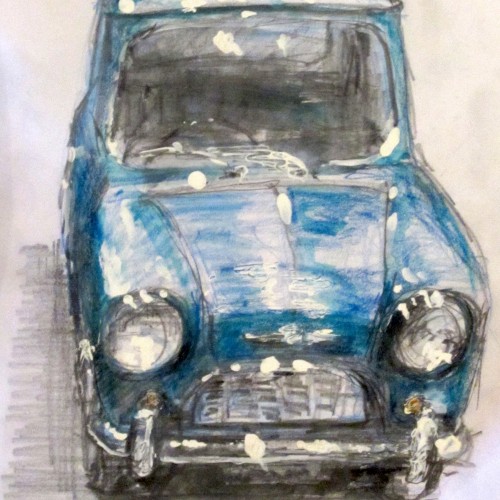
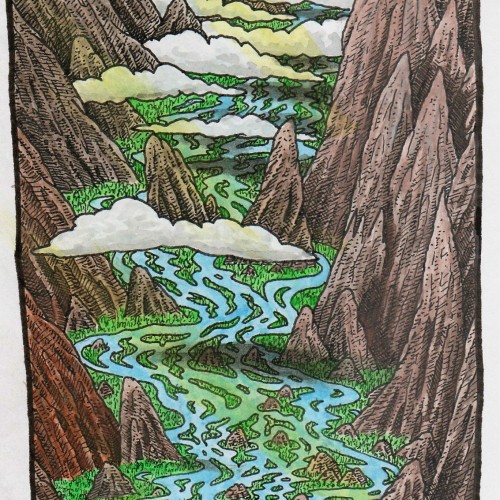
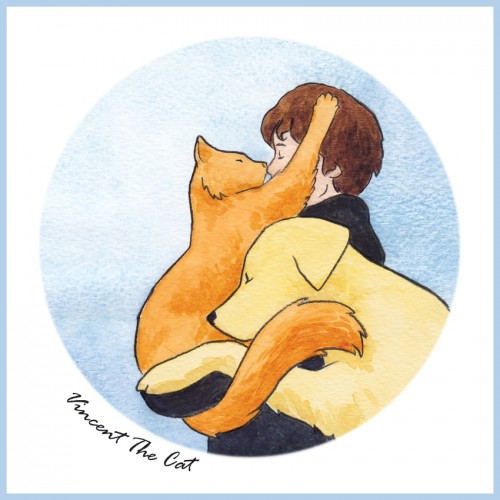
Watercolour pencils and gouache on A4. I did this today at a Urban Sketchers meet up in the National Museum of Scotland - although, I guess, strictly speaking it does not fulfil the urban sketching requirements :D
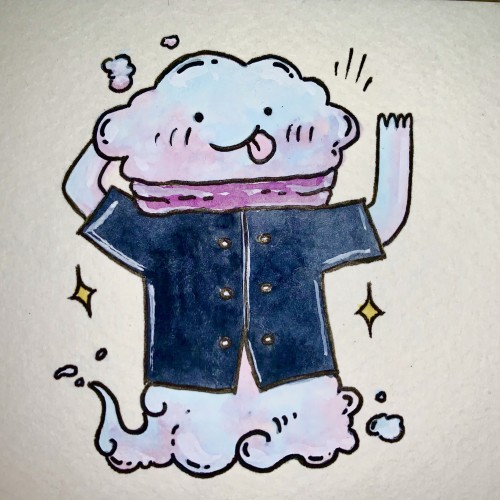
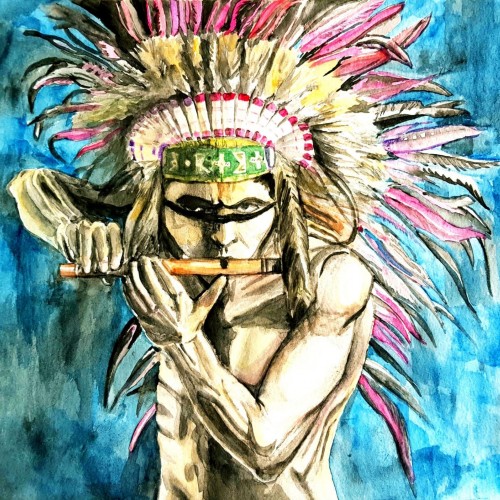
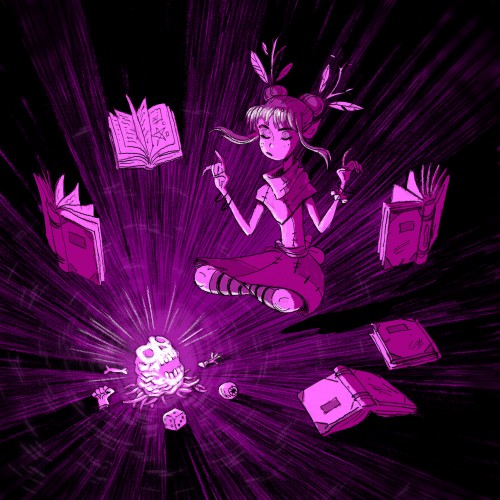
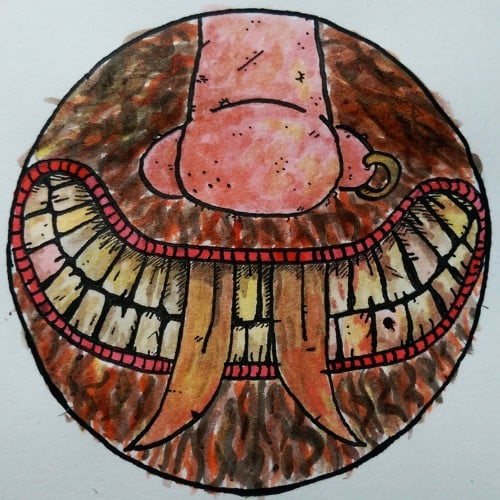
This weeks Jimbob Drawing Show Art challenge was #MagicalSkull .Pen and ink drawing, coloured in Photoshop https://www.instagram.com/jimbobdrawingshow/
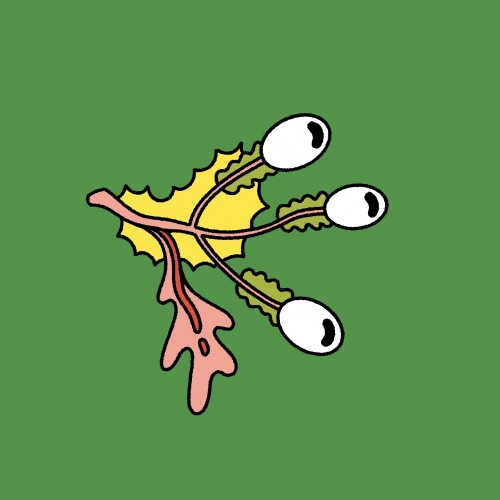
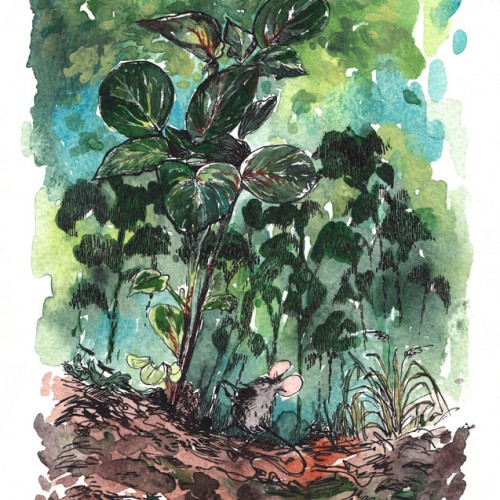
"Potato digger", watercolour and ink on paper, 210mm x 148mm(A5).
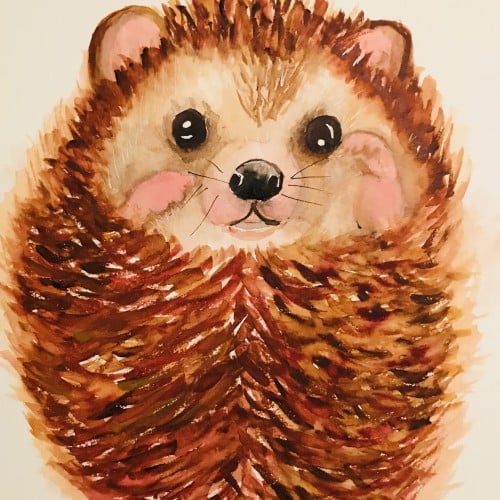
Tiny painting made on my break from a bigger project I'm working on. The whole thing sprouted from a sketch of my small potato plant. Anyone else feels sorry for their patatoes when they sprout too much and plants them? The plants are so pretty, too!
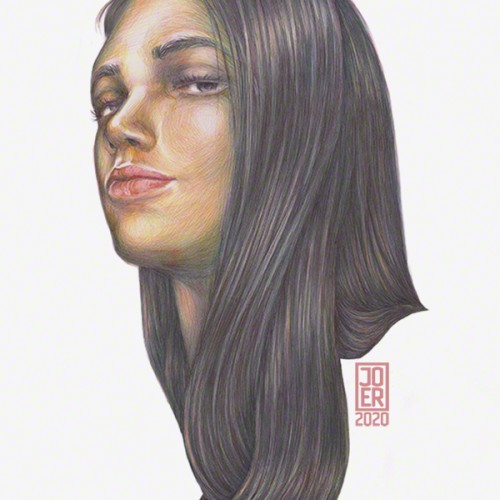
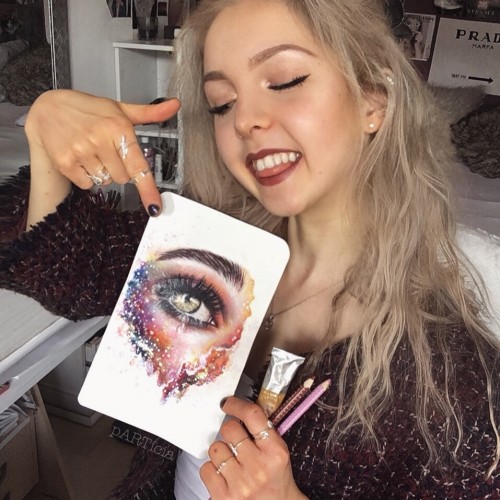
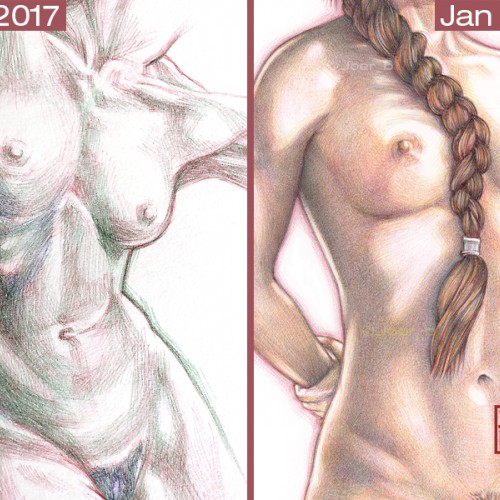
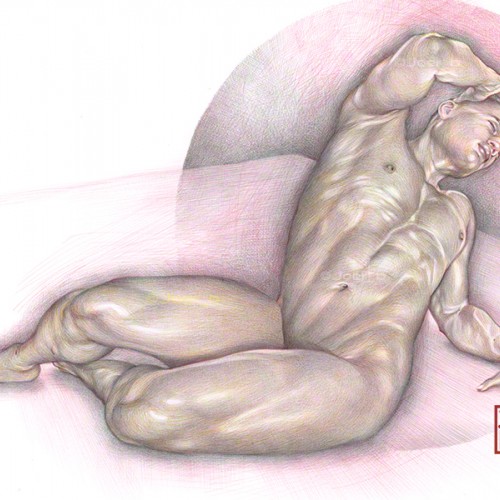
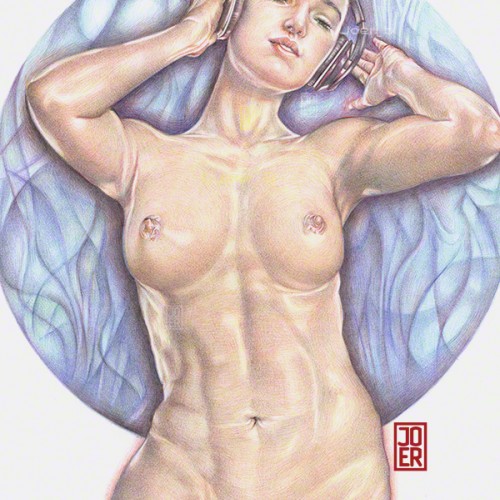
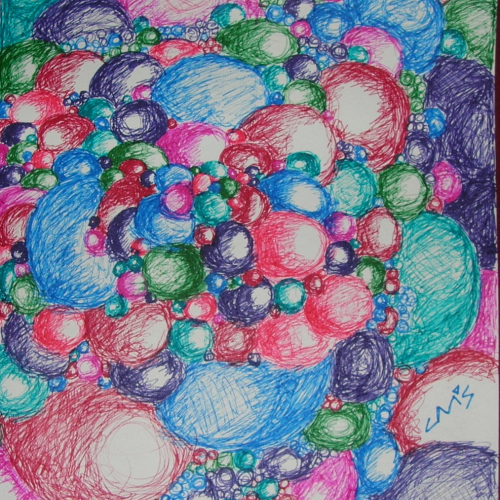
I’m often asked about my Bic pen drawings and how I do them. It starts with a good foundational drawing, the ballpoint pen part is just trying to colour within the lines. I try to do my best to explain the process, but the best way to show my progress is by posting my efforts to master pen drawings over the span of 3 or so years. I have been doodling/drawing with ballpoint pens as far back as I can remember - they were cheap, readily available and always lying around the house. It wasn’t until I was bored during a particularly long team meeting-conference call (around 2016-17) that I started to think about the possibilities of ballpoint pens as serious portrait illustration tools. My first experiments with full colour ink portrait drawings were rather crude, but that’s the point of learning new techniques—as long as the curiosity and the love of drawing is there, you can transfer that skill and passion into any medium. Remember, the most exquisite drawings and paintings you see didn’t materialise fully formed, they started out as failed experiments. Failure after failure after failure. It’s important to remember this when you get discouraged (I've failed spectacularly over the years). The only difference between the accomplished artist and the beginner is hundreds of hours of practice. Talent can only get you so far. It’s the hard work that you do behind the scenes that makes your work look effortless. Keep doodling. Keep learning. Stay curious.