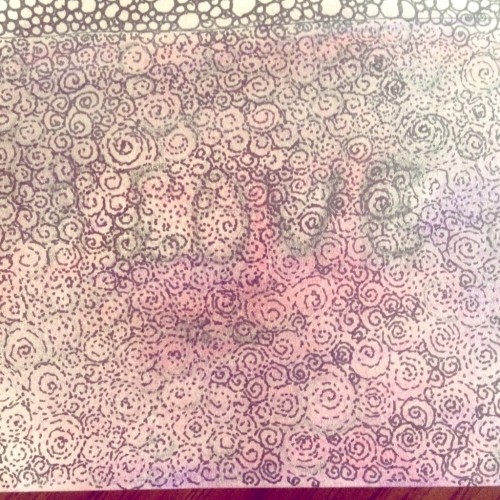
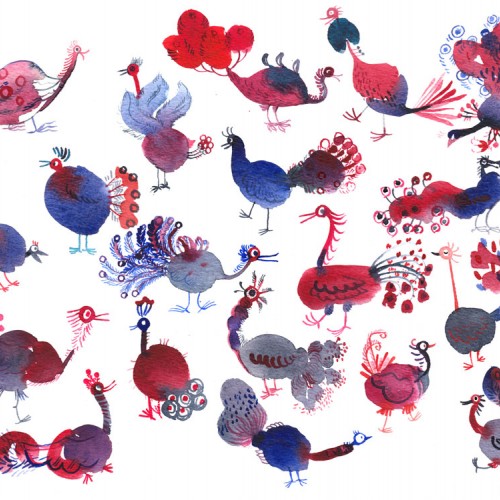
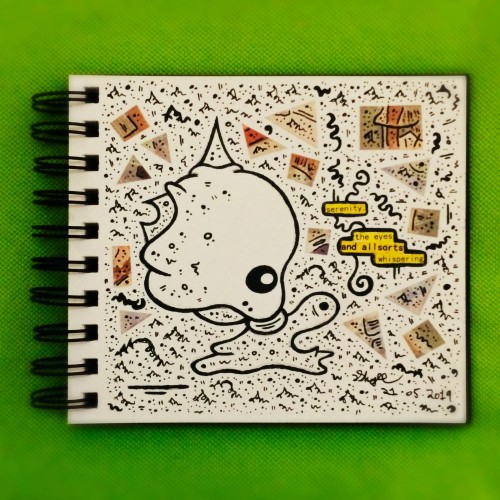
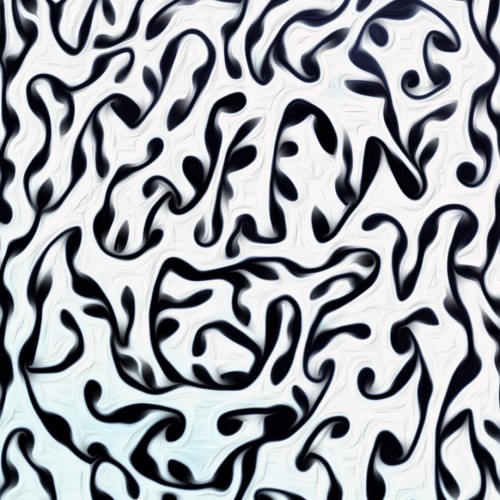
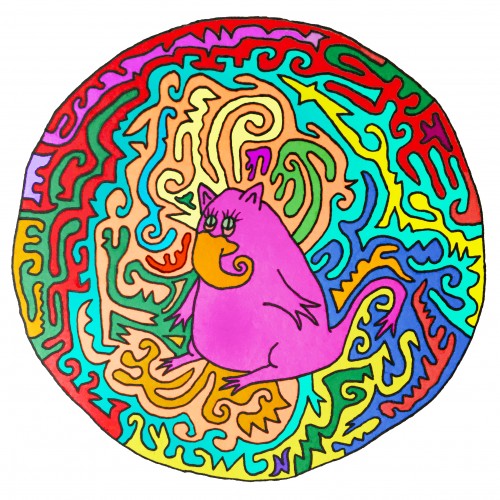
Last night I spent an hour doing this doodle with just spirals drawn completely with dots. It was a good exercise for working through some -ve feelings. I finished it off with a camouflaged word. Can you see it?
Morning play.
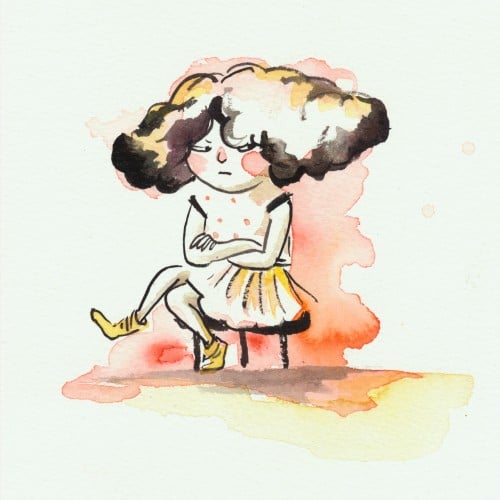
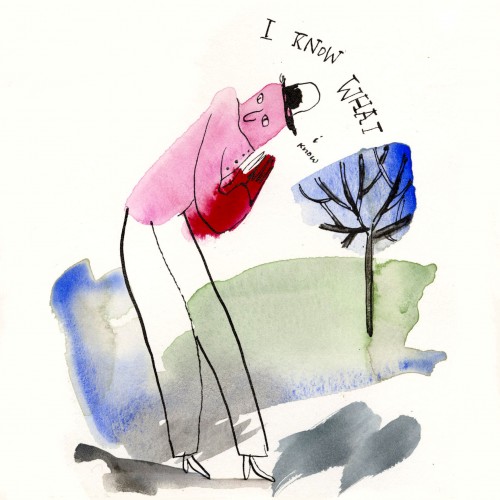
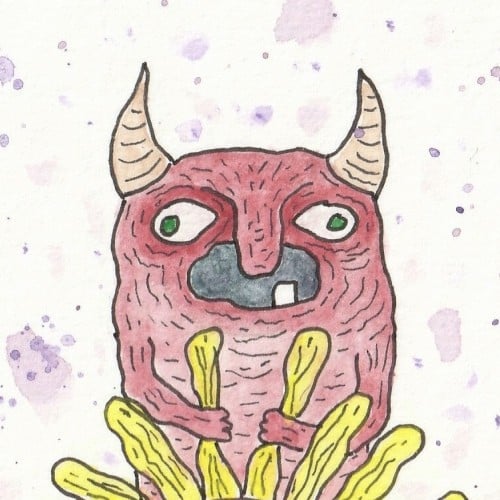
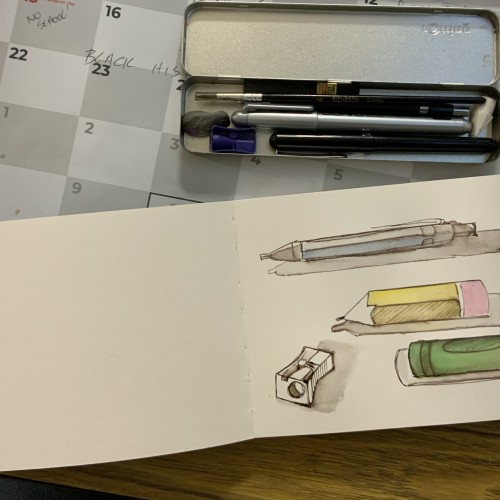
Watercolor paper tests with random colors. Ink on top to make each into a drawing. It was harder than usual today. Haven't done thise exercise in too long.
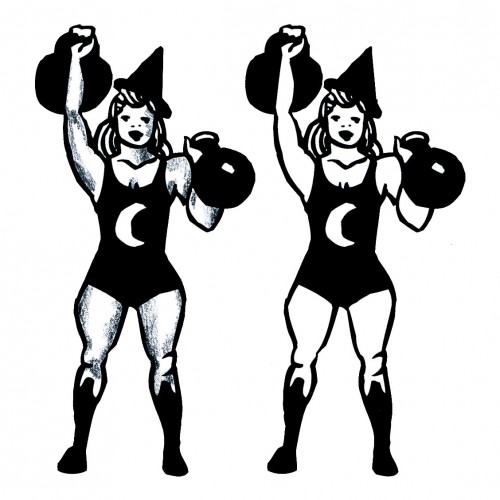
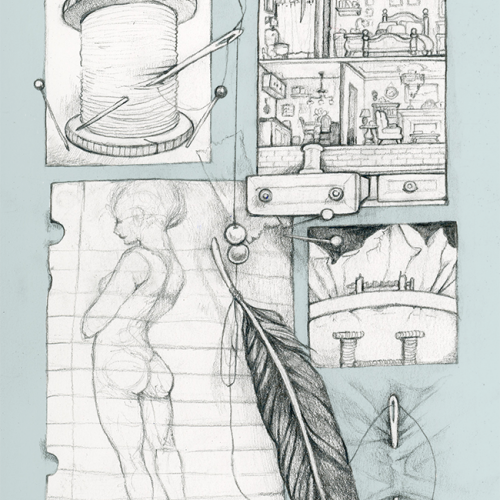
My friend and I are trying to nail down a tattoo idea for her that involves witchcraft and weight lifting. (Note: the final picture was supposed to be two different ones, but appears to be repeating itself. This happens to me sometimes. Not sure how to fix it.)
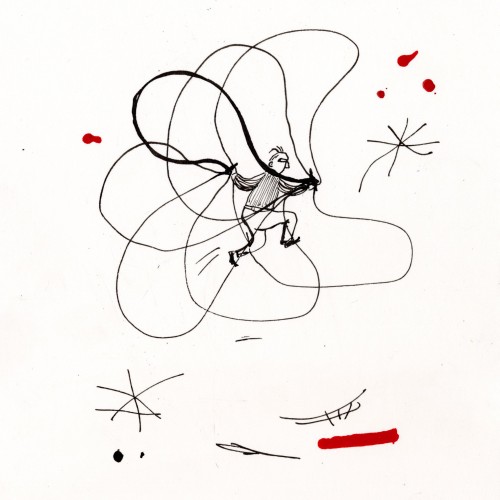
Joan Miró (1893-1983)
Miró always maintained a rigidly inflexible daily routine—both because he disliked being distracted from his work, and because he feared slipping back into the severe depression that had afflicted him as a young man, before he discovered painting. To help prevent a relapse, his routine always included vigorous exercise—boxing in Paris; jumping rope and Swedish gymnastics at a Barcelona gym; and running on the beach and swimming at Mont-roig, a seaside village where his family owned a farmhouse.
Miró hated for this routine to be interrupted by social or cultural events. As he told an American journalist, “Merde! I absolutely detest all openings and parties! They’re commercial, political, and everybody talks too much. They get on my tits!”
From Daily Rituals: How Artists Work by Mason Currey
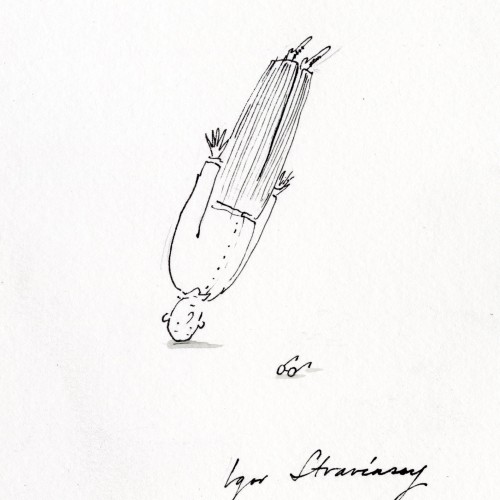
Igor Stravinsky (1882–1971)
“I get up at about eight, do physical exercises, then work without a break from nine till one,” Stravinsky told an interviewer in 1924. Generally, three hours of composition were the most he could manage in a day, although he would do less demanding tasks—writing letters, copying scores, practicing the piano—in the afternoon.
Unless he was touring, Stravinsky worked on his compositions daily, with or without inspiration, he said. He required solitude for the task, and always closed the windows of his studio before he began: “I have never been able to compose unless sure that no one could hear me.” If he felt blocked, the composer might execute a brief headstand, which, he said, “rests the head and clears the brain.”
- From Daily Rituals: How Artists Work by Mason Currey
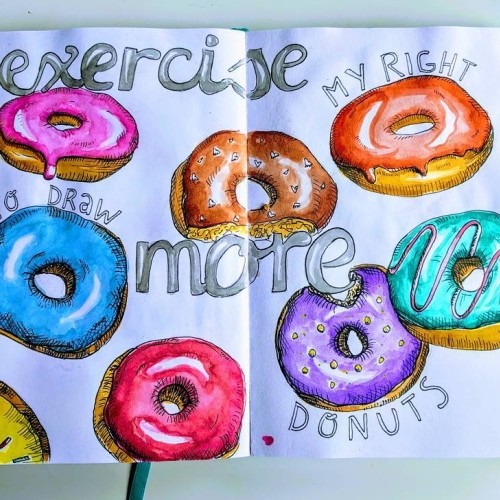
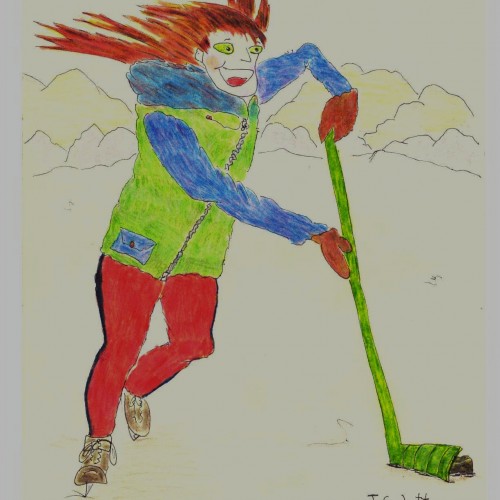
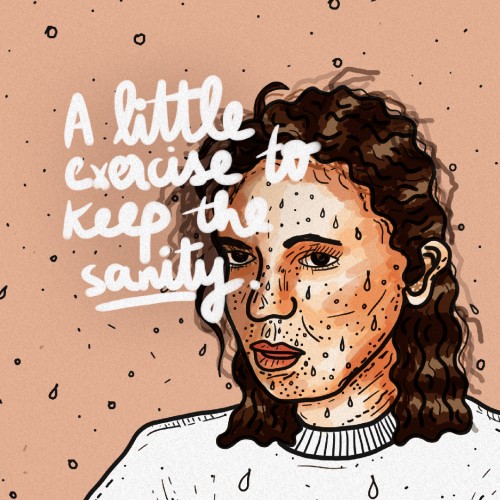
A little exercise is good for you, we know. Specially when one's home for what it seems like forever. But it's easier said than done. Still trying though. My legs hurt.
Daily Drawing 690
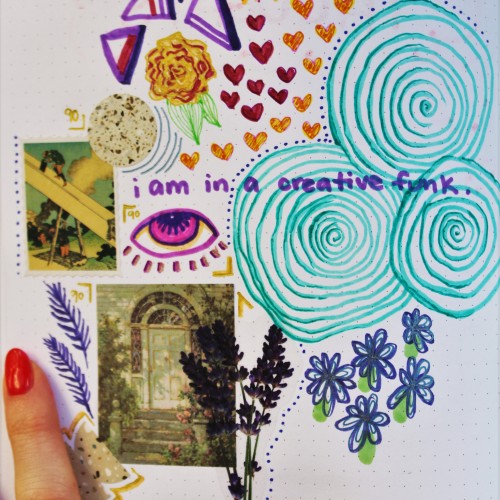
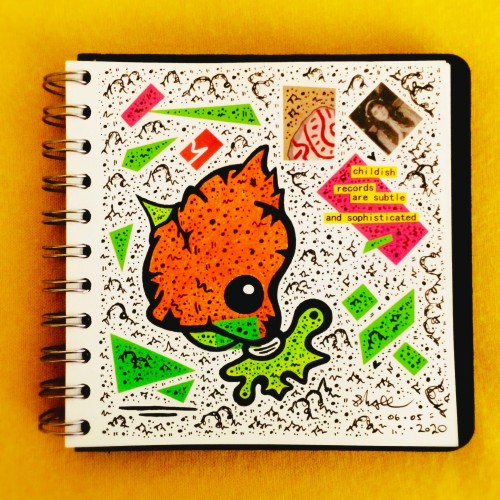
sometimes my head doesn't work right and art doesn't look like art. sometimes i like to simply draw and doodle and not have a plan nor a color scheme. this is an example of that type of in-the-moment artwork sketch in my sketchbook. it includes marker and ink drawings, stickers, and random pieces of scrapbooking materials
This a good brain drawing exercise and it helped me to practice something different aside from actual objects. I recommend giving Miss Betsi a view on Youtube if you want to learn how to do these designs yourself.
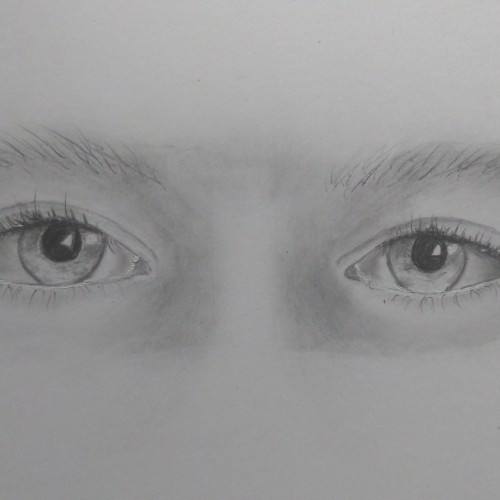
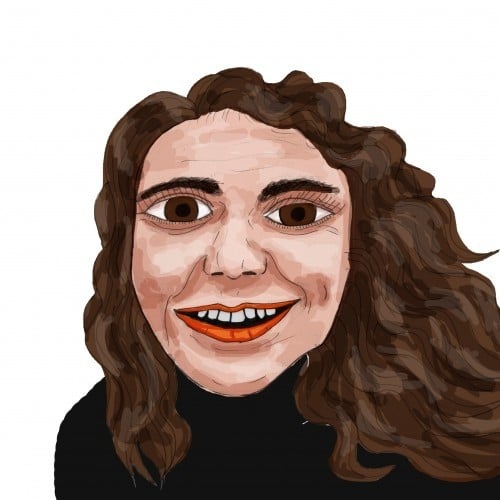
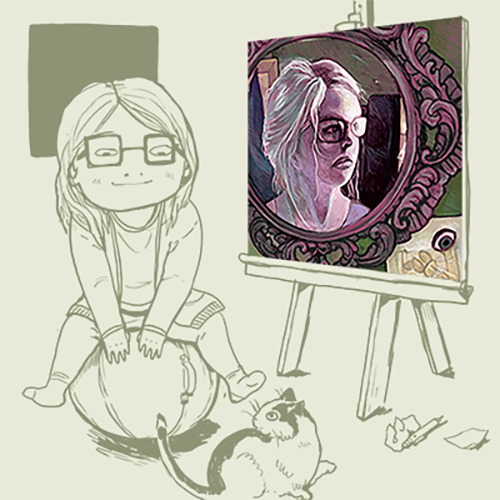
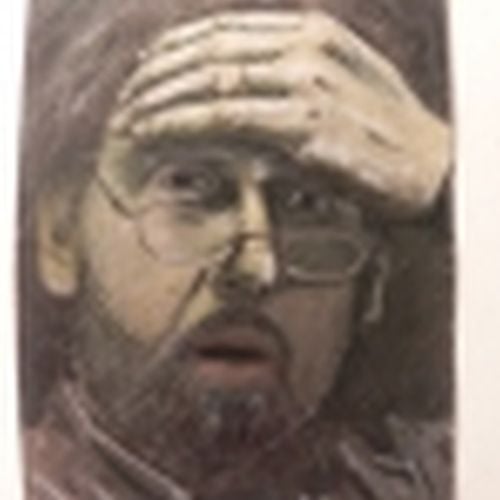
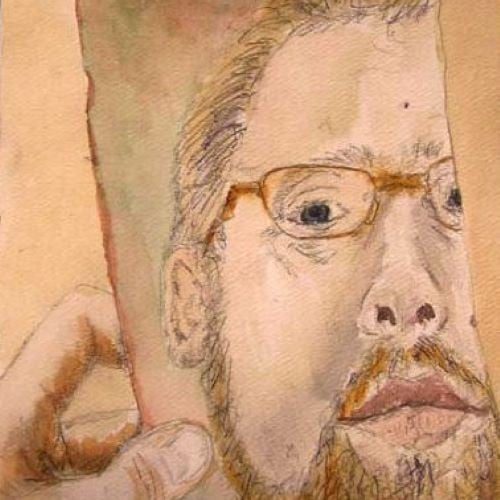
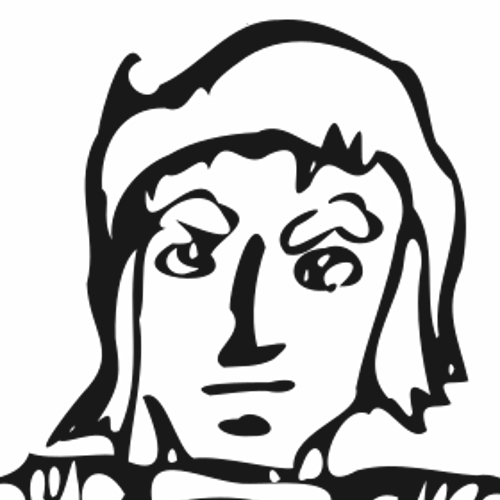
I have given my students the problem of creating 100 self portraits in 20 days on 5x7 in paper. The challenge is to create something other than an image that depicts a 'dead-pan' stare. When the brain is given a problem, it goes to work immediartely to solve that problem. I have seen some wonderful solutions. This is a tall order for teens who are sensative to judgment and still developing in thier perception. It has generated wonderful discussions of self-awareness, world view, and judgment. Those who engage in the exercise in an authentic manner have only good things to say about the experience. It is not an exercise for everyone. We are on a journey. Be Bold! Be Honest! Draw what you see. Draw what you think. -Peace
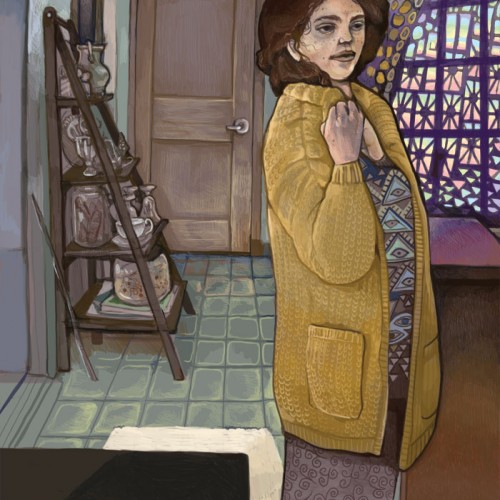
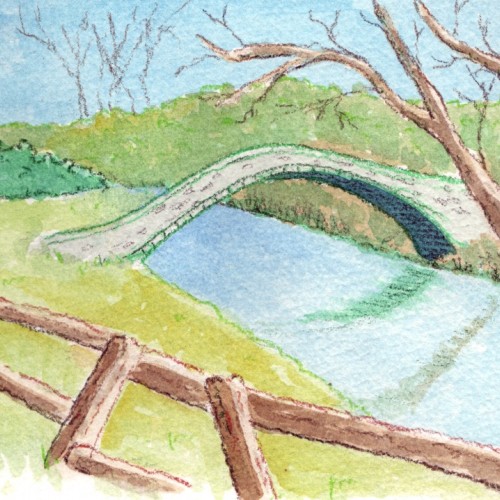
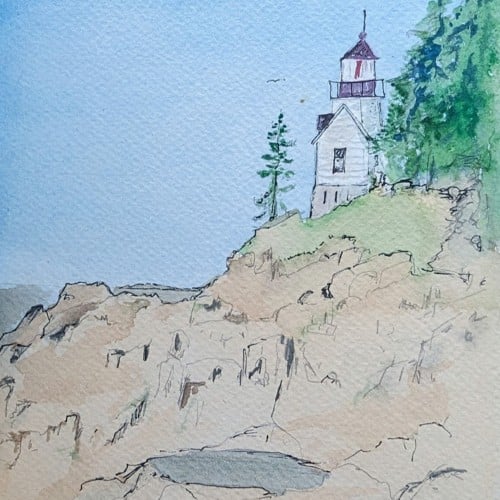
This was an exercise in taking a photo that was quite dark and foreboding and turning it into a happy looking illustration. I'm slowly getting my head around how to make my work look like illustration instead of "fine art". This is watercolour and colour pencil.