Previous
Next
logo logo
logo logo
  • Discover Art
    • Trending
    • Most Recent
    • Most Faves
    • Most Views
    • Curated Galleries
  • Drawing Challenges
    • See All Challenges
  • Drawing Prompts
  • Artists
    • Most Popular
    • Most Recent
    • Available For Hire
    • Artist Spotlight
  • More
    • Marketplace
    • Art Discussions
    • Resources
    • News + Blog
Login
Most Faves
Select an option
  • Most Relevant
  • Most Faves
  • Most Views
  • Most Comments
  • Most Recent
SEARCH RESULTS FOR

lighting

Zoe Marshall Zoe Marshall
Enlarge
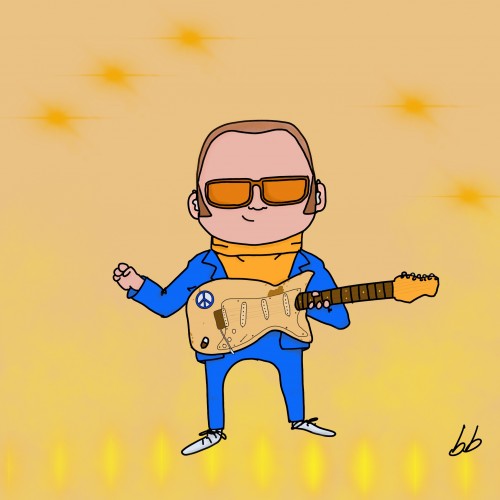
Two Door Cinema Club

Putting together a collection of my favourite acts from Glastonbury this year. Here’s Two Door Cinema Club to start. Done using Procreate, handy for lighting effects.

  • 7
  • 2
  • 0
LeBoucher LeBoucher
Enlarge
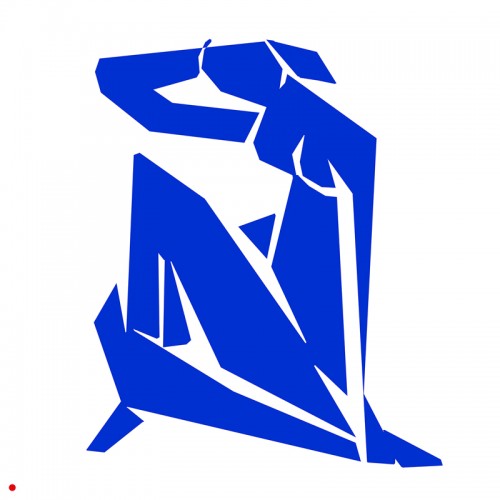
Remake : Henri Matisse : nu bleu II – 1952

Français : L’Appropriationnisme ou le « Remake » est un concept simple. En effet, il suffit de reprendre le travail d’un artiste et signer la nouvelle production de son nom. Il ne s’agit, en aucun cas, de copier l’œuvre comme pourrait le faire un faussaire. Il ne s’agit pas non plus de plagier l’œuvre. En ce qui me concerne, j’utilise l’œuvre célèbre d’un artiste reconnu. En réutilisant une œuvre originale préexistante et célèbre, condition sine qua non, je propose de rendre un hommage. Il ne s’agit en aucun cas d’un manque d’inspiration surtout lorsque l’on sait maintenant que : « l’art naît de l’art et non de la nature » : Ernst Gombrich. Dans cette série, j’ai voulu revisiter des œuvres célèbres en utilisant ma technique graphique de l’éloge de l’approximation mettant en évidence la problématique de la défaillance et de la mémoire vaporeuse. English: Appropriationism or Remake is a simple concept. Indeed, it is enough to take again the work of an artist and to sign the new production of his name. It is not a question of copying the work as a forger could do. It is not a question of plagiarizing the work. As far as I'm concerned, I use the famous work of a recognized artist. By reusing a pre-existing and famous original work, condition sine qua non, I propose to pay tribute. It is by no means a lack of inspiration especially when we now know that: "art is born of art and not of nature": Ernst Gombrich. In this series, I wanted to revisit famous works using my graphic technique of praising the approximation highlighting the problem of failure and vaporous memory.

  • 2
  • 2
  • 0
LeBoucher LeBoucher
Enlarge
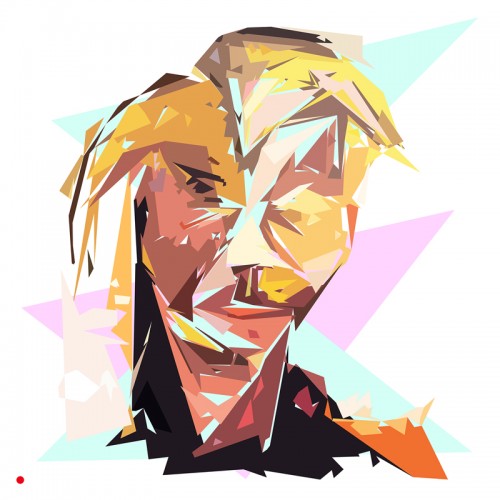
Remake : Francis Bacon – autoportrait

Remake : Francis Bacon – autoportrait Français : L’Appropriationnisme ou le « Remake » est un concept simple. En effet, il suffit de reprendre le travail d’un artiste et signer la nouvelle production de son nom. Il ne s’agit, en aucun cas, de copier l’œuvre comme pourrait le faire un faussaire. Il ne s’agit pas non plus de plagier l’œuvre. En ce qui me concerne, j’utilise l’œuvre célèbre d’un artiste reconnu. En réutilisant une œuvre originale préexistante et célèbre, condition sine qua non, je propose de rendre un hommage. Il ne s’agit en aucun cas d’un manque d’inspiration surtout lorsque l’on sait maintenant que : « l’art naît de l’art et non de la nature » : Ernst Gombrich. Dans cette série, j’ai voulu revisiter des œuvres célèbres en utilisant ma technique graphique de l’éloge de l’approximation mettant en évidence la problématique de la défaillance et de la mémoire vaporeuse. English: Appropriationism or Remake is a simple concept. Indeed, it is enough to take again the work of an artist and to sign the new production of his name. It is not a question of copying the work as a forger could do. It is not a question of plagiarizing the work. As far as I'm concerned, I use the famous work of a recognized artist. By reusing a pre-existing and famous original work, condition sine qua non, I propose to pay tribute. It is by no means a lack of inspiration especially when we now know that: "art is born of art and not of nature": Ernst Gombrich. In this series, I wanted to revisit famous works using my graphic technique of praising the approximation highlighting the problem of failure and vaporous memory.

  • 6
  • 2
  • 0
LAVIO LAVANA LAVIO LAVANA
Enlarge
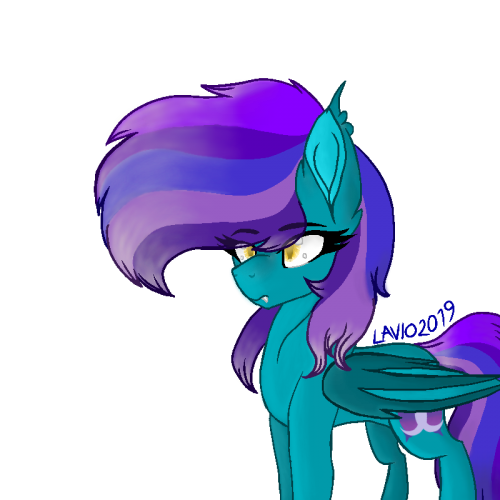
Style accuracy test 1: Midnight Bliss right 3Q view

so I did this cause I wanted to see how my anatomy was being put to a test. It came out better than I had expected.

  • 8
  • 2
  • 0
Gareth Banks Gareth Banks
Enlarge
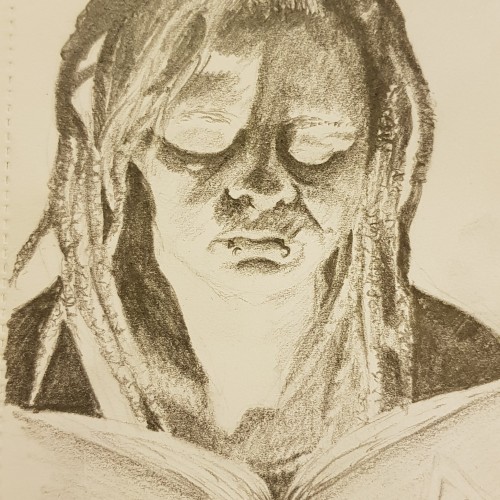
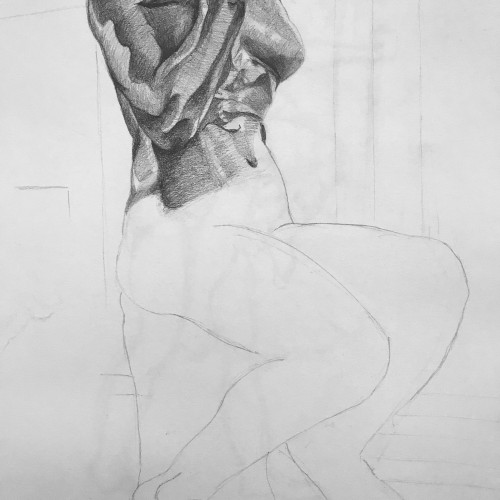
Spell

An experiment with lighting. Pencil and paper.

  • 15
  • 2
  • 0
Claire DArcy Claire D'Arcy
Enlarge
Drawing at the V&A (WIP)

Deffinitely the way forward, models that never move and lighting that never changes, I might even go back and complete this next week......

  • 204
  • 2
  • 0
Marwa Marwa
Enlarge
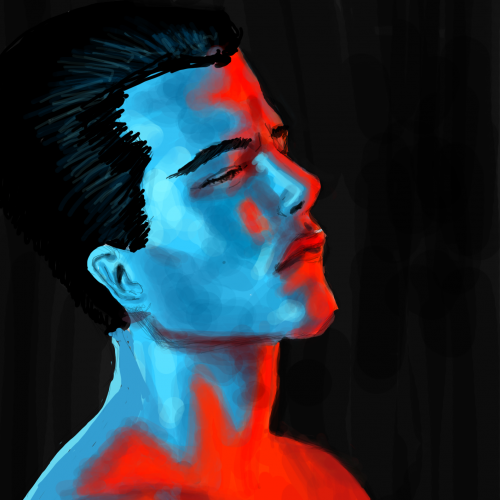
Blues

My latest lighting study ..it is drawn from a reference photo

  • 6
  • 2
  • 0
Goggles Goggles
Enlarge
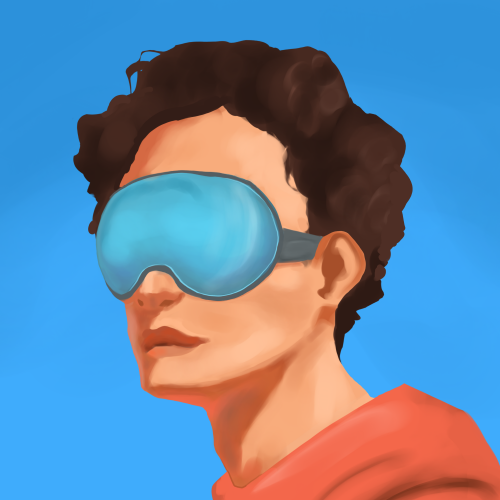
Lighting Practice!

Wanted to try some other lighting environments! This painting was referenced from a piece by Samdoesarts on YouTube, you should check out his channel, pretty cool.

  • 299
  • 1
  • 0
Lone Stag Lone Stag
Enlarge
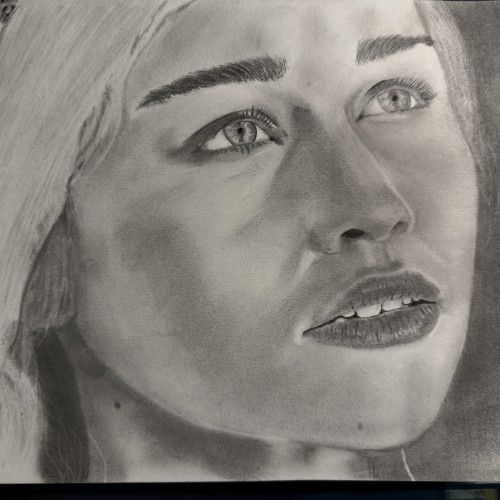
Emilia Clarke/Daenerys Targaryen

I don’t think it looks exactly like Emilia Clarke/Daenerys Targaryen, but I like the way it came out. The pic isn’t as good as the drawing as the lighting wasn’t great.

  • 251
  • 1
  • 0
E K Lindgren E K Lindgren
Enlarge
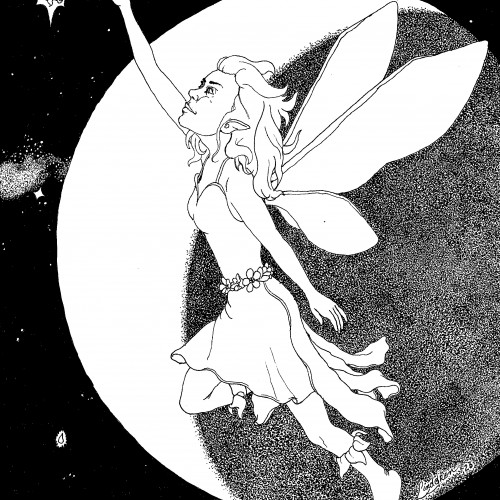
Lighting the Stars

A fairy brings the stars to light as she flies before the crescent moon. 8 1/2 by 11 black and white ink on medium weight sketch paper.

  • 38
  • 1
  • 0
Ettienne Short Ettienne Short
Enlarge
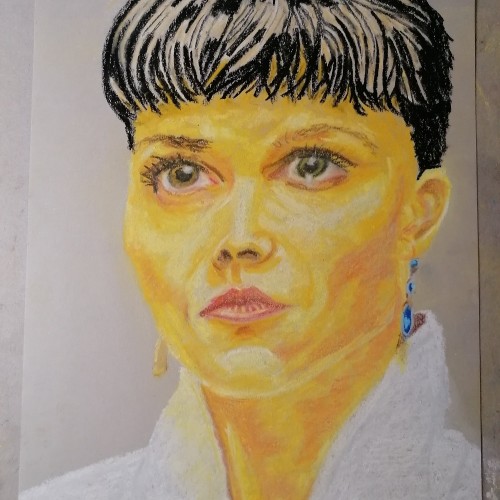
Luv

I love the Blade Runner films and the new one had such awesome weird lighting that I had to draw Luv at least once. So here is the crazy psychotic android. Done with a mix of hard and soft pastel.

  • 202
  • 1
  • 0
SparkleMuffin SparkleMuffin
Enlarge
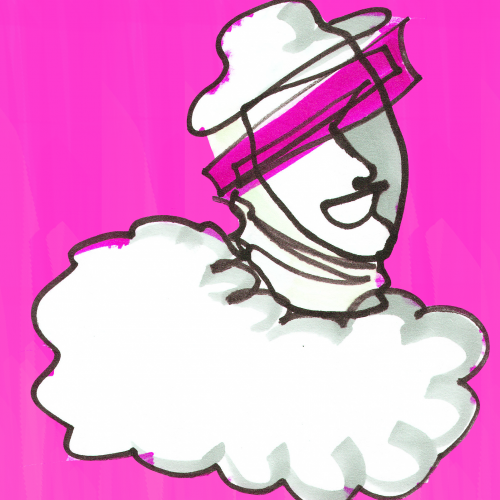
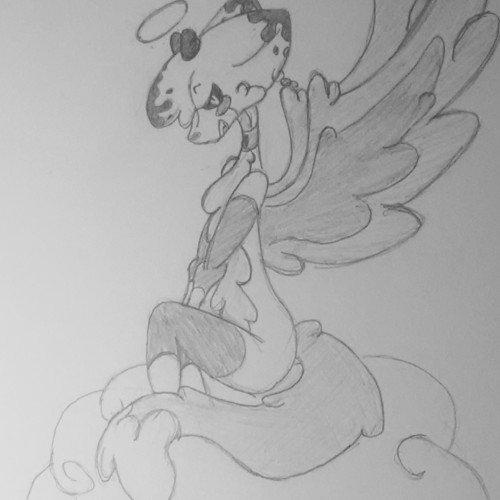
Carnage

Hi guys!! This is just a sketch I made in my free time, but this is my first upload and I would like some tips for good lighting. Thx :)

  • 14
  • 1
  • 0
LeBoucher LeBoucher
Enlarge
Appropriationnisme ou le « Remake » Woman with a book - 1923 de Fernand Léger

Français : L’Appropriationnisme ou le « Remake » est un concept simple. En effet, il suffit de reprendre le travail d’un artiste et signer la nouvelle production de son nom. Il ne s’agit, en aucun cas, de copier l’œuvre comme pourrait le faire un faussaire. Il ne s’agit pas non plus de plagier l’œuvre. En ce qui me concerne, j’utilise l’œuvre célèbre d’un artiste reconnu. En réutilisant une œuvre originale préexistante et célèbre, condition sine qua non, je propose de rendre un hommage. Il ne s’agit en aucun cas d’un manque d’inspiration surtout lorsque l’on sait maintenant que : « l’art naît de l’art et non de la nature » : Ernst Gombrich. Dans cette série, j’ai voulu revisiter des œuvres célèbres en utilisant ma technique graphique de l’éloge de l’approximation mettant en évidence la problématique de la défaillance et de la mémoire vaporeuse. English: Appropriationism or Remake is a simple concept. Indeed, it is enough to take again the work of an artist and to sign the new production of his name. It is not a question of copying the work as a forger could do. It is not a question of plagiarizing the work. As far as I'm concerned, I use the famous work of a recognized artist. By reusing a pre-existing and famous original work, condition sine qua non, I propose to pay tribute. It is by no means a lack of inspiration especially when we now know that: "art is born of art and not of nature": Ernst Gombrich. In this series, I wanted to revisit famous works using my graphic technique of praising the approximation highlighting the problem of failure and vaporous memory. https://www.pierretomyleboucher.fr

  • 3
  • 1
  • 0
LeBoucher LeBoucher
Enlarge
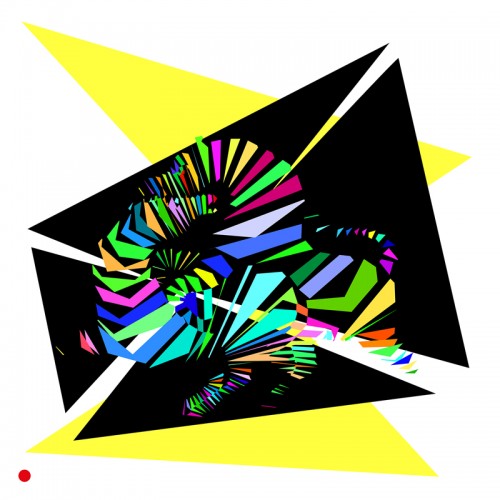
Appropriation et remake de Victor Vasarely : Zebra en 1938

Français : L’Appropriationnisme ou le « Remake » est un concept simple. En effet, il suffit de reprendre le travail d’un artiste et signer la nouvelle production de son nom. Il ne s’agit, en aucun cas, de copier l’œuvre comme pourrait le faire un faussaire. Il ne s’agit pas non plus de plagier l’œuvre. En ce qui me concerne, j’utilise l’œuvre célèbre d’un artiste reconnu. En réutilisant une œuvre originale préexistante et célèbre, condition sine qua non, je propose de rendre un hommage. Il ne s’agit en aucun cas d’un manque d’inspiration surtout lorsque l’on sait maintenant que : « l’art naît de l’art et non de la nature » : Ernst Gombrich. Dans cette série, j’ai voulu revisiter des œuvres célèbres en utilisant ma technique graphique de l’éloge de l’approximation mettant en évidence la problématique de la défaillance et de la mémoire vaporeuse. English: Appropriationism or Remake is a simple concept. Indeed, it is enough to take again the work of an artist and to sign the new production of his name. It is not a question of copying the work as a forger could do. It is not a question of plagiarizing the work. As far as I'm concerned, I use the famous work of a recognized artist. By reusing a pre-existing and famous original work, condition sine qua non, I propose to pay tribute. It is by no means a lack of inspiration especially when we now know that: "art is born of art and not of nature": Ernst Gombrich. In this series, I wanted to revisit famous works using my graphic technique of praising the approximation highlighting the problem of failure and vaporous memory.

  • 2
  • 1
  • 0
LeBoucher LeBoucher
Enlarge
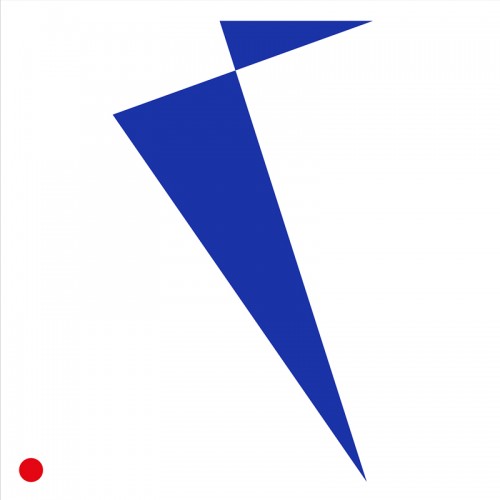
Remake : monochrome d’Yves Klein - IKB

Français : L’Appropriationnisme ou le « Remake » est un concept simple. En effet, il suffit de reprendre le travail d’un artiste et signer la nouvelle production de son nom. Il ne s’agit, en aucun cas, de copier l’œuvre comme pourrait le faire un faussaire. Il ne s’agit pas non plus de plagier l’œuvre. En ce qui me concerne, j’utilise l’œuvre célèbre d’un artiste reconnu. En réutilisant une œuvre originale préexistante et célèbre, condition sine qua non, je propose de rendre un hommage. Il ne s’agit en aucun cas d’un manque d’inspiration surtout lorsque l’on sait maintenant que : « l’art naît de l’art et non de la nature » : Ernst Gombrich. Dans cette série, j’ai voulu revisiter des œuvres célèbres en utilisant ma technique graphique de l’éloge de l’approximation mettant en évidence la problématique de la défaillance et de la mémoire vaporeuse. English: Appropriationism or Remake is a simple concept. Indeed, it is enough to take again the work of an artist and to sign the new production of his name. It is not a question of copying the work as a forger could do. It is not a question of plagiarizing the work. As far as I'm concerned, I use the famous work of a recognized artist. By reusing a pre-existing and famous original work, condition sine qua non, I propose to pay tribute. It is by no means a lack of inspiration especially when we now know that: "art is born of art and not of nature": Ernst Gombrich. In this series, I wanted to revisit famous works using my graphic technique of praising the approximation highlighting the problem of failure and vaporous memory.

  • 3
  • 1
  • 0
Scott Ries Scott Ries
Enlarge
Lighting the Fuse!

Pencil/Colored Pencils

  • 833
  • 1
  • 0
Embracing nightmares Embracing nightmares
Enlarge
Your……

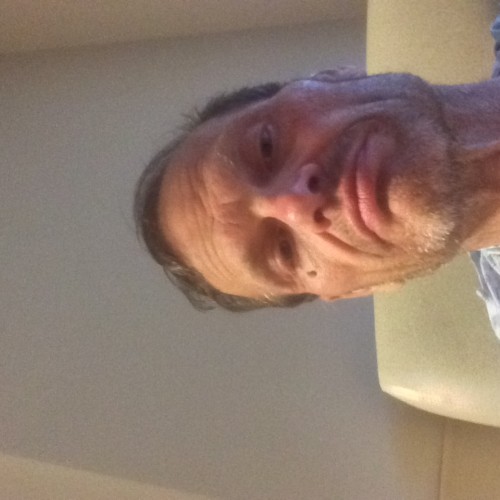
It’s not often I put myself out there, but the lighting conditions were perfect that day. #Embracingnightmares still bringing you that slow flow art style….

  • 249
  • 0
  • 0
Stephen Stephen
Enlarge
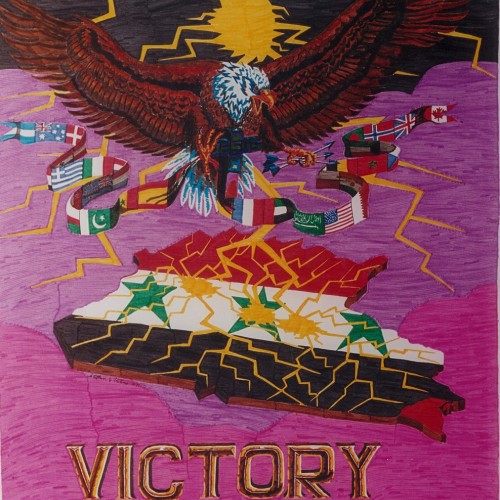
Victory through   Prayer

Victory Through Prayer Medium: Water Color Markers on Illustration Board Size 2' x 4' Year completed: 1991 This illustration is part of a collection of artwork I did while in the military entitled, "The Army Years", I served in the Army National Guard for 5 years, and the regular Army for 4 years. One of the main reasons I got out of the military is because I didn't have much time to do my artwork. While I was stationed in Germany I did a few posters, and banners for a German/ American Playhouse, and I was in a European art show. This illustration was done during The Desert Shield / Desert Storm, during this war, many soldiers were afraid that our military equipment would fail to function due to the desert sand. While I was stationed in Germany, I attended a Christian hospitality house, that ministered to military personnel, and their families. I knew and heard of soldiers who died or were wounded in the war, we prayed for God's protection for those we knew were in harm's way. I believe the reason the casualties were low for the collision force is that God gave them a swift victory on the battlefield. No one should think that it was just might, and smart bombs, Iraq had the 4th largest military in the world. The Bible teaches that God causes the rise and the fall of nations. Decoding the symbolism : The " v " with lightning bolt shooting out of it =God giving the collision forces victory over Iraq's military. The large bold eagle with the arrows in its right talon, and with it's left talon open to attack, = the U.S. attacking Iraq. The banner made up of the flag of the collision, tie to the eagle's open talon= The U.S. leading the collision nation in the war against Iraq. The necklace with the cross attached to it, around the eagle's neck = God protect around the U.S. forces, the result of intercessory prayer of Christians. The flag of Iraq illustrated in the shape of the geological area mass of country, being shattered by the lighting = God judging Iraq, by giving the collision power to conquer Iraq and occupy her land. The land mass colored red at the bottom corner of Iraq = the country Kuwait, that Iraq invaded, that was the cause of the war. Written by Stephen J. Vattimo October 12, 2008

  • 105
  • 0
  • 0
LeBoucher LeBoucher
Enlarge
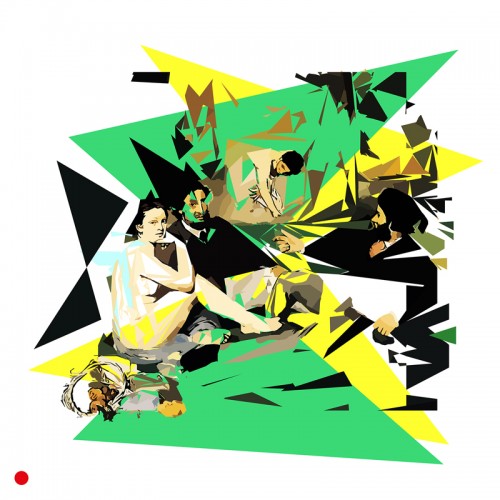
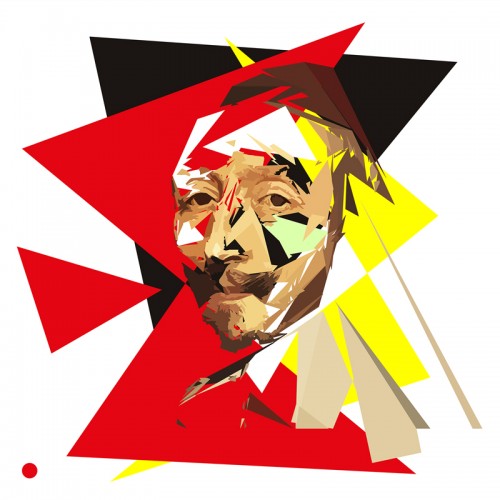
Appropriationnisme ou le « Remake » Édouard Manet : le déjeuner sur l’herbe

Appropriationnisme ou le « Remake » Édouard Manet : le déjeuner sur l’herbe Français : L’Appropriationnisme ou le « Remake » est un concept simple. En effet, il suffit de reprendre le travail d’un artiste et signer la nouvelle production de son nom. Il ne s’agit, en aucun cas, de copier l’œuvre comme pourrait le faire un faussaire. Il ne s’agit pas non plus de plagier l’œuvre. En ce qui me concerne, j’utilise l’œuvre célèbre d’un artiste reconnu. En réutilisant une œuvre originale préexistante et célèbre, condition sine qua non, je propose de rendre un hommage. Il ne s’agit en aucun cas d’un manque d’inspiration surtout lorsque l’on sait maintenant que : « l’art naît de l’art et non de la nature » : Ernst Gombrich. Dans cette série, j’ai voulu revisiter des œuvres célèbres en utilisant ma technique graphique de l’éloge de l’approximation mettant en évidence la problématique de la défaillance et de la mémoire vaporeuse. English: Appropriationism or Remake is a simple concept. Indeed, it is enough to take again the work of an artist and to sign the new production of his name. It is not a question of copying the work as a forger could do. It is not a question of plagiarizing the work. As far as I'm concerned, I use the famous work of a recognized artist. By reusing a pre-existing and famous original work, condition sine qua non, I propose to pay tribute. It is by no means a lack of inspiration especially when we now know that: "art is born of art and not of nature": Ernst Gombrich. In this series, I wanted to revisit famous works using my graphic technique of praising the approximation highlighting the problem of failure and vaporous memory. https://www.pierretomyleboucher.fr

  • 8
  • 0
  • 0
LeBoucher LeBoucher
Enlarge
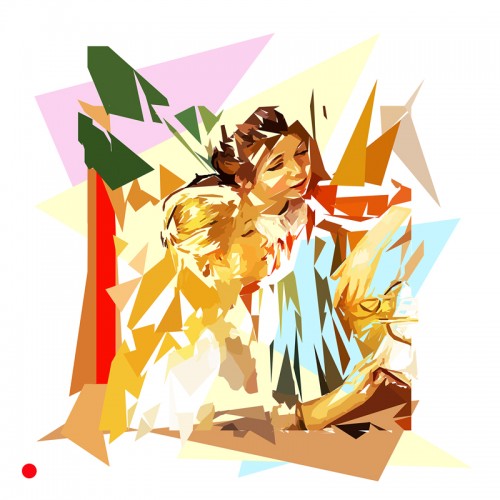
Appropriationnisme ou le « Remake » de la leçon de piano de Pierre-Auguste  Renoir

Français : L’Appropriationnisme ou le « Remake » est un concept simple. En effet, il suffit de reprendre le travail d’un artiste et signer la nouvelle production de son nom. Il ne s’agit, en aucun cas, de copier l’œuvre comme pourrait le faire un faussaire. Il ne s’agit pas non plus de plagier l’œuvre. En ce qui me concerne, j’utilise l’œuvre célèbre d’un artiste reconnu. En réutilisant une œuvre originale préexistante et célèbre, condition sine qua non, je propose de rendre un hommage. Il ne s’agit en aucun cas d’un manque d’inspiration surtout lorsque l’on sait maintenant que : « l’art naît de l’art et non de la nature » : Ernst Gombrich. Dans cette série, j’ai voulu revisiter des œuvres célèbres en utilisant ma technique graphique de l’éloge de l’approximation mettant en évidence la problématique de la défaillance et de la mémoire vaporeuse. English: Appropriationism or Remake is a simple concept. Indeed, it is enough to take again the work of an artist and to sign the new production of his name. It is not a question of copying the work as a forger could do. It is not a question of plagiarizing the work. As far as I'm concerned, I use the famous work of a recognized artist. By reusing a pre-existing and famous original work, condition sine qua non, I propose to pay tribute. It is by no means a lack of inspiration especially when we now know that: "art is born of art and not of nature": Ernst Gombrich. In this series, I wanted to revisit famous works using my graphic technique of praising the approximation highlighting the problem of failure and vaporous memory. https://www.pierretomyleboucher.fr

  • 3
  • 0
  • 0
LeBoucher LeBoucher
Enlarge
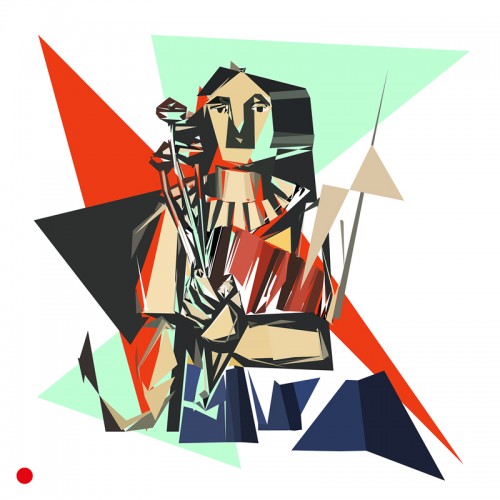
Appropriationnisme ou le « Remake » du Richelieu de Philippe de Champaigne

Français : L’Appropriationnisme ou le « Remake » est un concept simple. En effet, il suffit de reprendre le travail d’un artiste et signer la nouvelle production de son nom. Il ne s’agit, en aucun cas, de copier l’œuvre comme pourrait le faire un faussaire. Il ne s’agit pas non plus de plagier l’œuvre. En ce qui me concerne, j’utilise l’œuvre célèbre d’un artiste reconnu. En réutilisant une œuvre originale préexistante et célèbre, condition sine qua non, je propose de rendre un hommage. Il ne s’agit en aucun cas d’un manque d’inspiration surtout lorsque l’on sait maintenant que : « l’art naît de l’art et non de la nature » : Ernst Gombrich. Dans cette série, j’ai voulu revisiter des œuvres célèbres en utilisant ma technique graphique de l’éloge de l’approximation mettant en évidence la problématique de la défaillance et de la mémoire vaporeuse. English: Appropriationism or Remake is a simple concept. Indeed, it is enough to take again the work of an artist and to sign the new production of his name. It is not a question of copying the work as a forger could do. It is not a question of plagiarizing the work. As far as I'm concerned, I use the famous work of a recognized artist. By reusing a pre-existing and famous original work, condition sine qua non, I propose to pay tribute. It is by no means a lack of inspiration especially when we now know that: "art is born of art and not of nature": Ernst Gombrich. In this series, I wanted to revisit famous works using my graphic technique of praising the approximation highlighting the problem of failure and vaporous memory. https://www.pierretomyleboucher.fr

  • 1
  • 0
  • 0
Keith Fisher Keith Fisher
Enlarge
Untitled

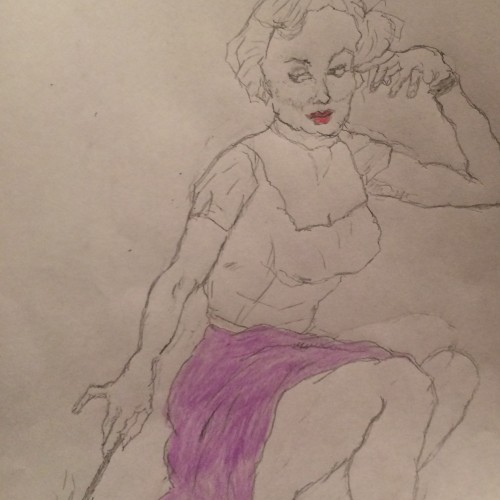
Not the best lighting for this pic but glad to be back at the sketchbook. Reference from WetCanvas WDE.

  • 850
  • 0
  • 0
« Previous
 

Doodle Addicts

Navigate
  • Discover Art
  • Drawing Challenges
  • Weekly Drawing Prompts
  • Artist Directory
  • Art Marketplace
  • Resources
Other
  • News + Blog
  • About Us
  • Contact Us
Newsletter
© 2026 Doodle Addicts™ — All Rights Reserved Terms & Conditions / Privacy Policy / Community Guidelines
Add Doodle Addicts to your home screen to not miss an update!
Add to Home Screen