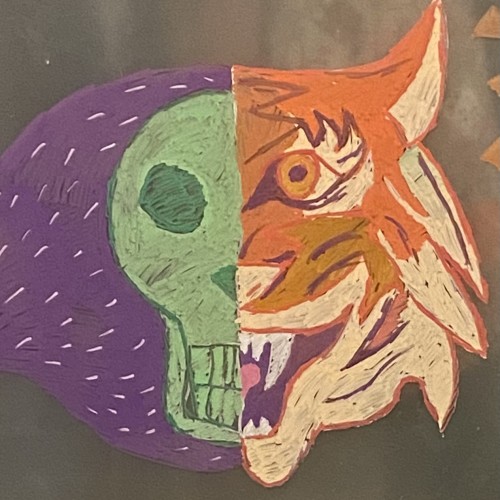
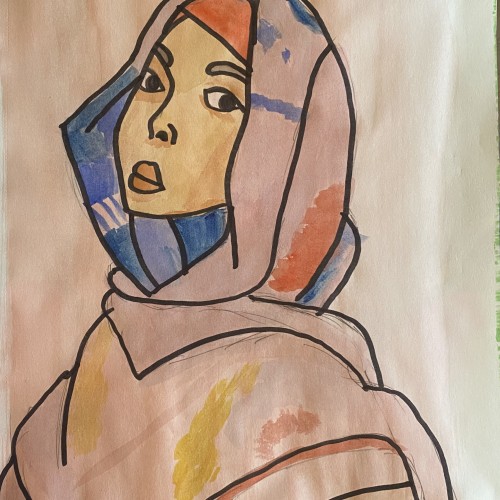
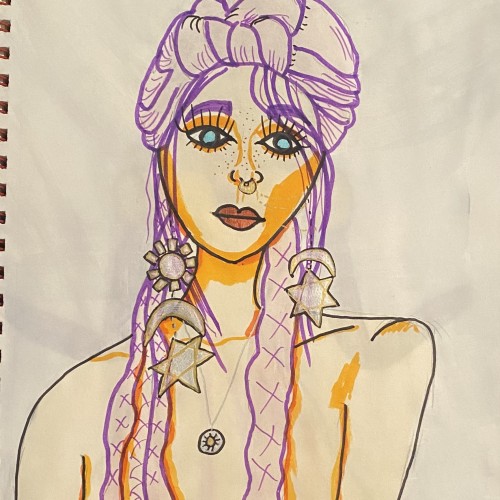
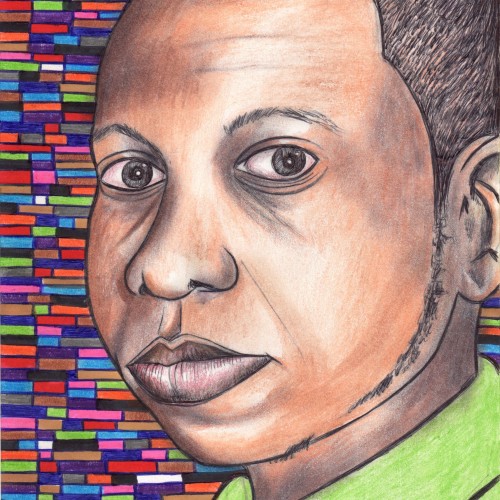
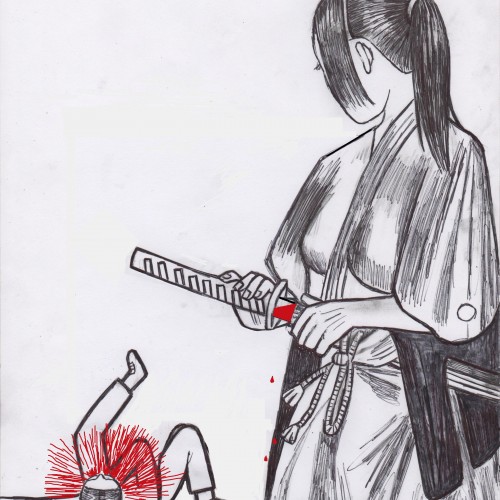
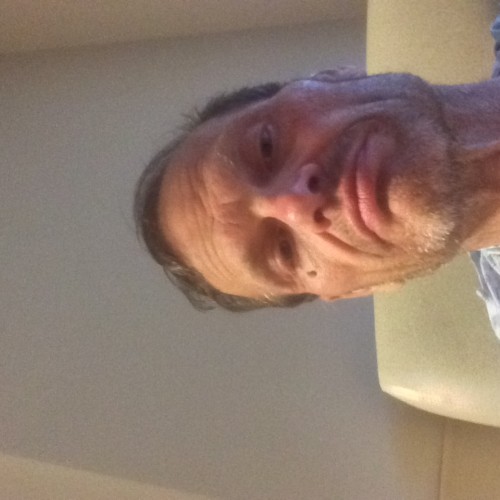
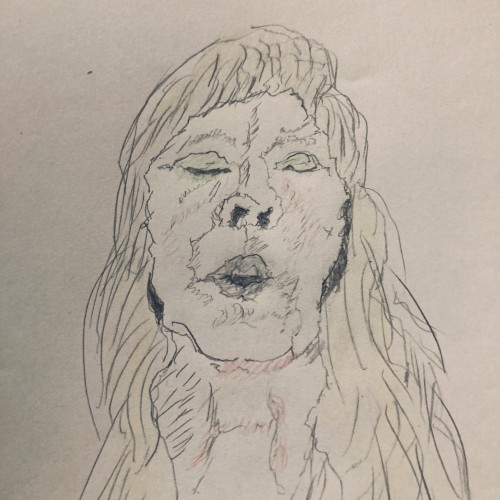
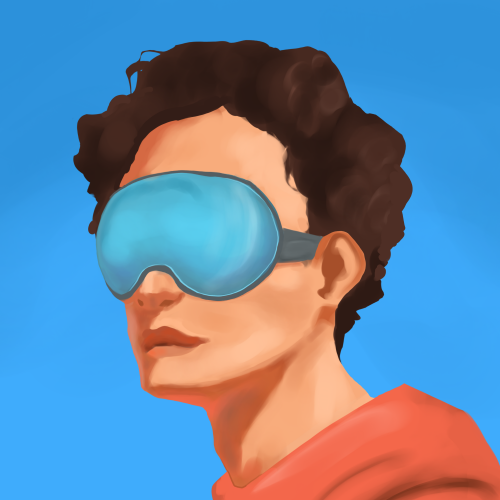
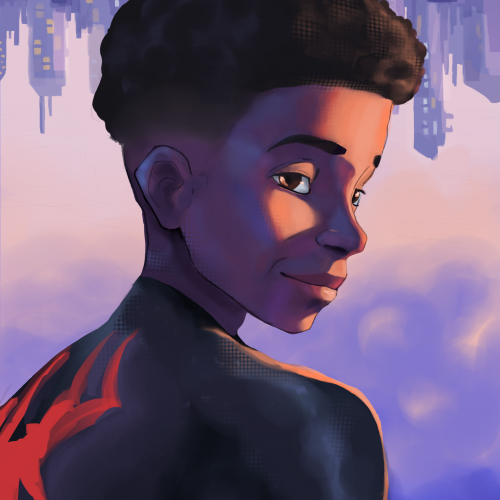
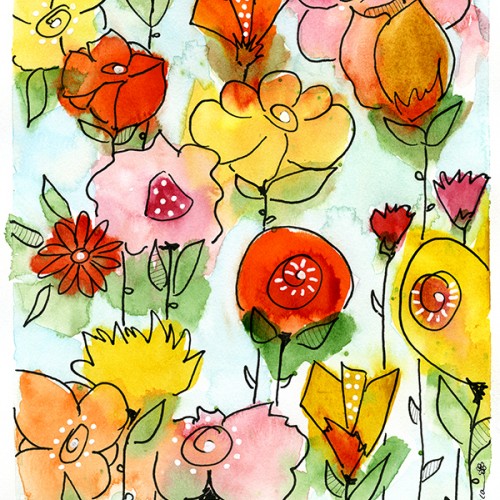
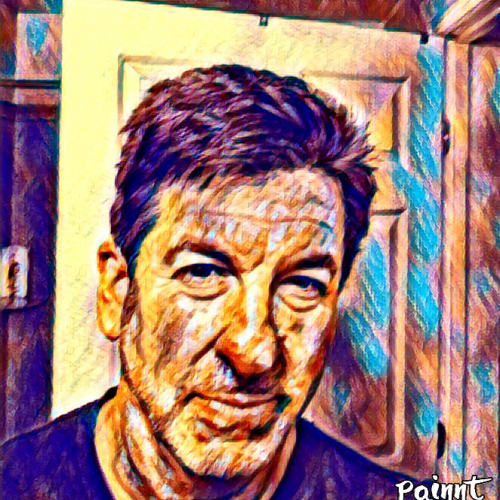
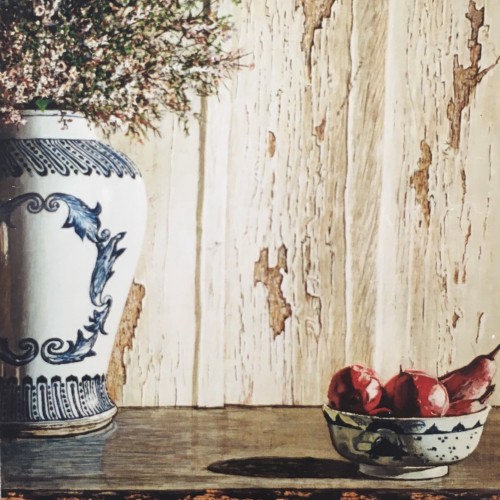
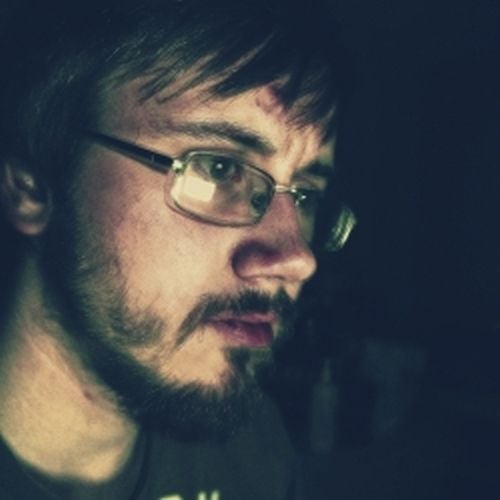
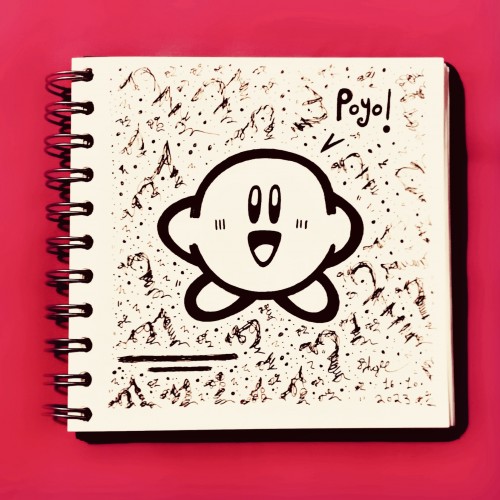
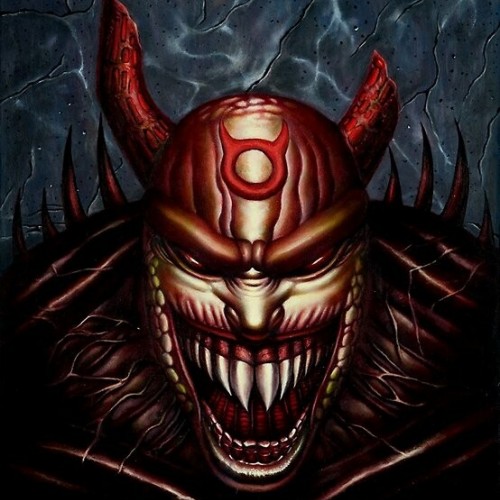
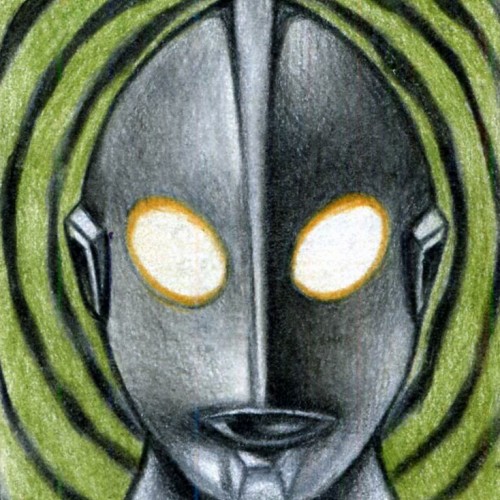
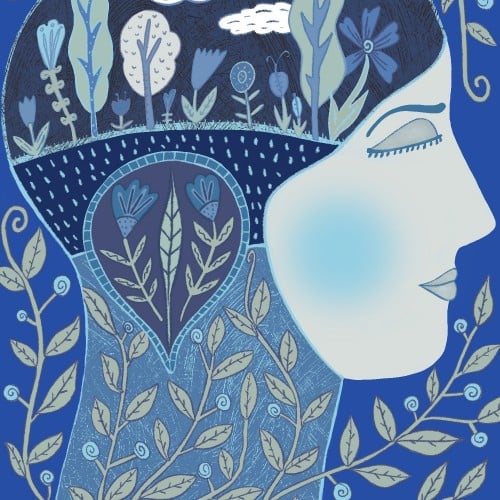
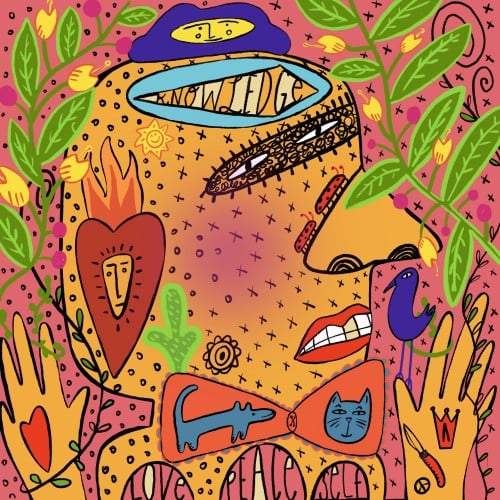
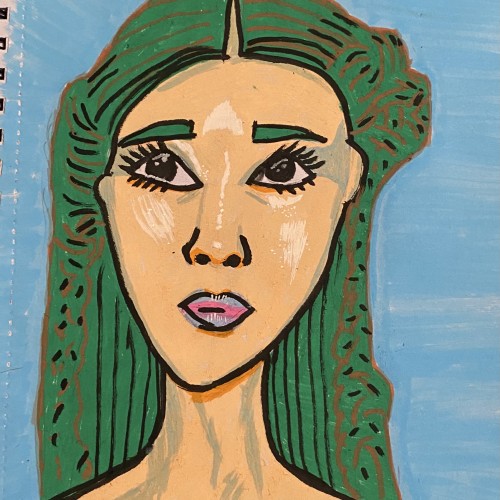
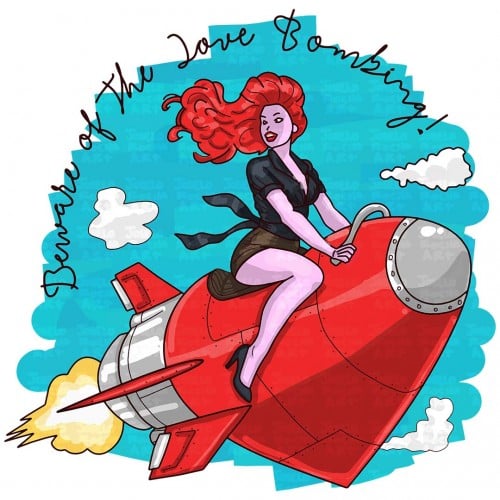
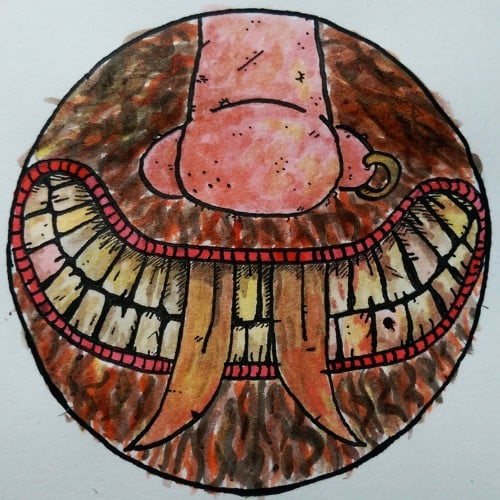
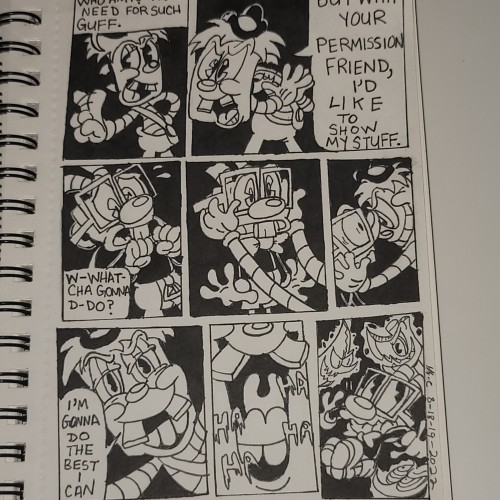
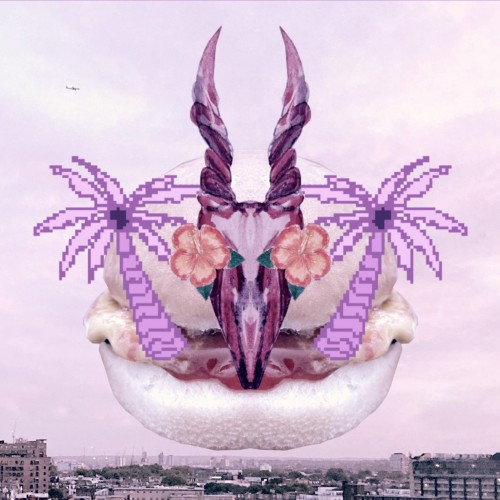
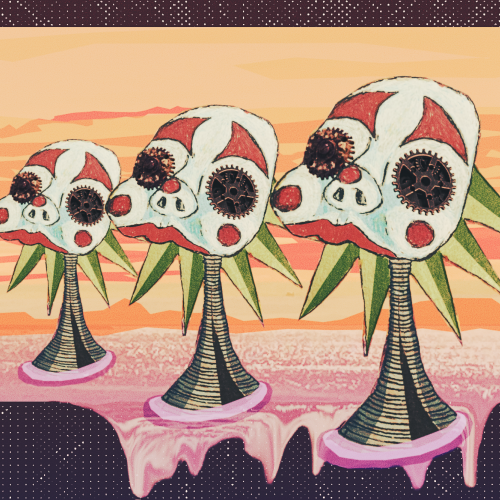
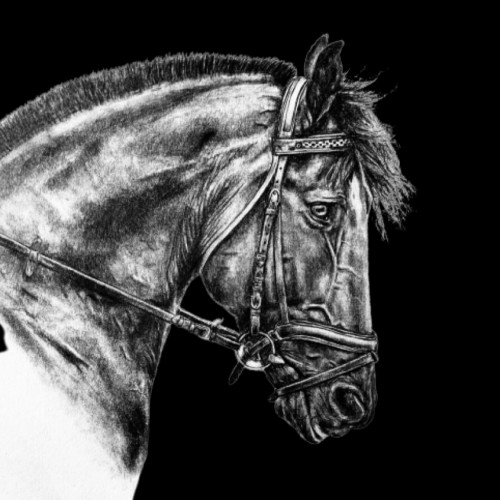
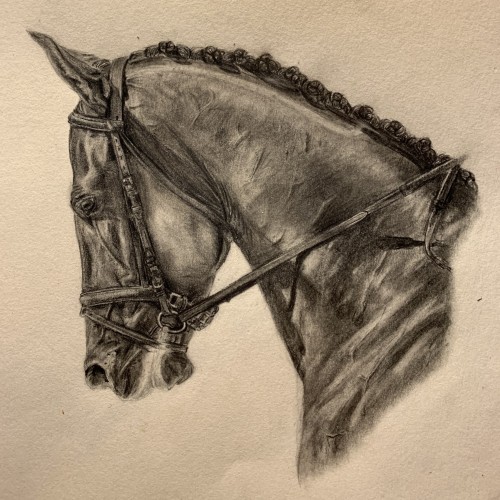
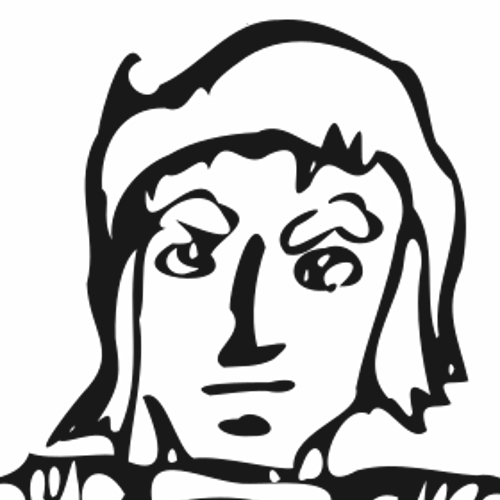
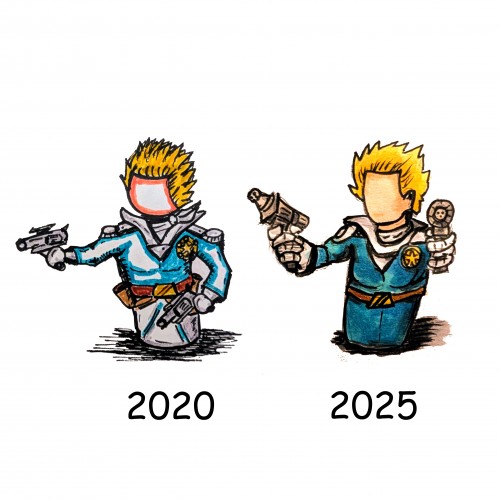
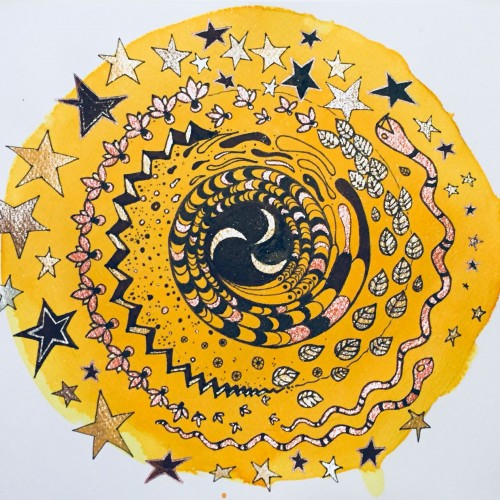
And this is the painting re-done (Posted original the other day). Original painting was done in 2006! I'm sorting through my art--what is worth a little more work--and what cannot be saved!!! This has been an emotionally challenging project. For one thing, in many of the paintings slated for re-do, I'm looking into my past.
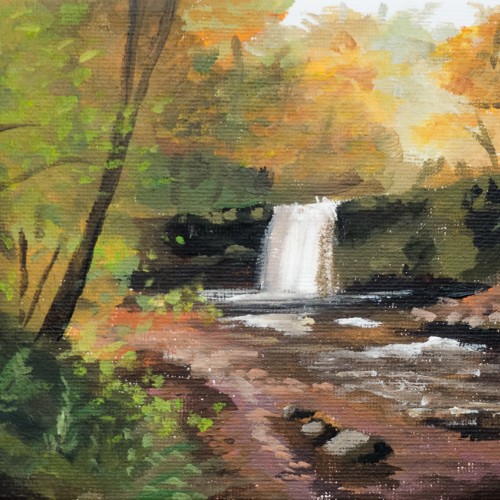
A 4x6" colour sketch of Sgwyd Gwladys in preparation for a much larger piece. Sgwyd Gwladys is a beautiful waterfall - one of many on the Neath 'Waterfall Country' walking route starting in Pontneddfechan.
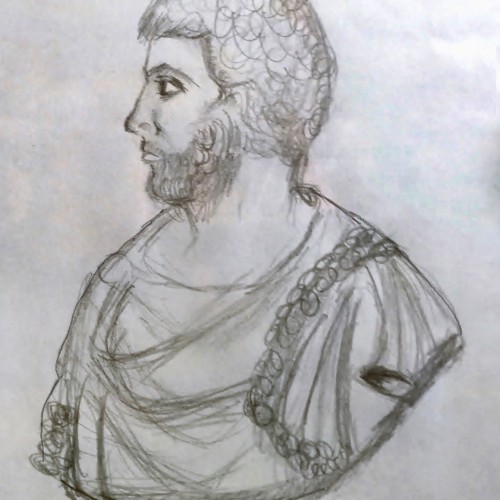
Pyotr Ilich Tchaikovsky (1840–1893)
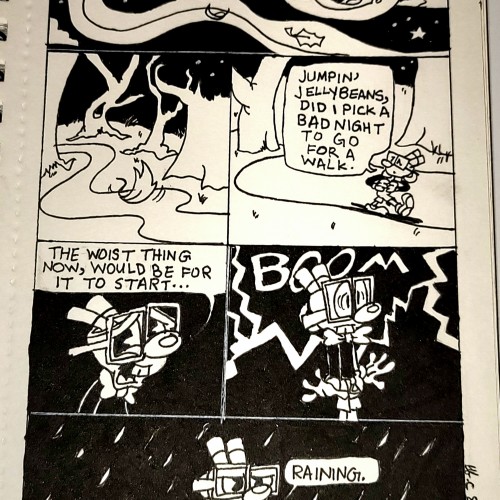
At 9:30, Tchaikovsky set to work—composing at the piano only after he had dealt with any proofs or his correspondence, chores that he disliked. “Before setting about the pleasant task,” his brother noted, “Pyotr Ilich always hastened to get rid of the unpleasant.”
After lunch he went for a long walk, regardless of the weather. His brother writes, “Somewhere at sometime he had discovered that a man needs a two-hour walk for his health, and his observance of this rule was pedantic and superstitious, as though if he returned five minutes early he would fall ill, and unbelievable misfortunes of some sort would ensue.”
- From Daily Rituals: How Artists Work by Mason Currey
“Truly there would be reason to go mad were it not for music.”
― Peter Ilyich Tchaikovsky
“If you do not want to write, at least spit on a piece of paper, put it in an envelope, and send it to me. You are not taking any notice of me at all. God forgive you – all I wanted was a few words from you.”
― Pyotr Ilyich Tchaikovsky
#dailyrituals #inktober #PeterTchaikovsky @masoncurrey
#blackcappedchickadee Facts
A bird almost universally considered “cute” thanks to its oversized round head, tiny body, and curiosity about everything, including humans. The chickadee’s black cap and bib; white cheeks; gray back, wings, and tail; and whitish underside with buffy sides are distinctive. Its habit of investigating people and everything else in its home territory, and quickness to discover bird feeders, make it one of the first birds most people learn. Want to know more check out this link https://www.allaboutbirds.org/guide/Black-capped_Chickadee/overview
Trying to meld the moody tones of pulp noir with the playful romanticism of 1950s lifestyle illustration. Inspired by the fairground scene from the 1942 Veronica Lake classic, This Gun for Hire.
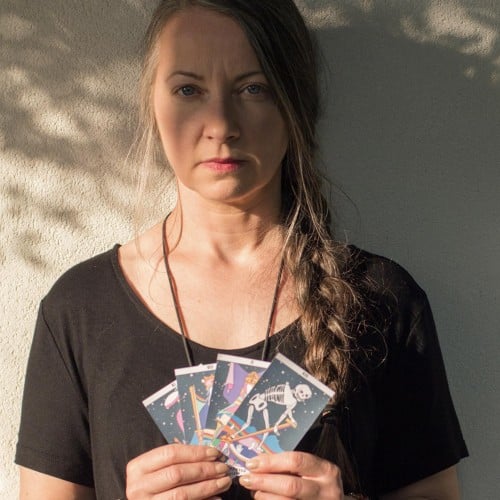
All Done! I’m pretty happy with how it turned out, but a few of the proportions are way off... but oh well. And I absolutely suck at manes(hair) soooo ya. Also I was curious, I’m thinking about getting some prints made of my artwork to sell, do any of you think you or someone you know would be interested in prints? Just curious, thanks! Hope you all are healthy and well! Photo by: Photography by Kelly and Kelly
2B pencil focusing on the eye, nose and mouth. The reflection today is a suggestion that we find what we look for, and we see what we want to see. Our family dinners include a sharing time of: 1. Who blessed you today? 2. Who did you bless today? and 3. What are you thankful for? It is suggested by some that if you focus on the abundance, you will not see so much of the lack, but if you focus on the lack, you will not be able to see the abundance so well. This was illustrated by the questions: "How many red cars did you see on the way to work this morning?" My answer was: "No Idea!" It is because I was not looking. If I was being given $100.00 for each red car I spotted, I would have certainly been looking, and maybe even getting creative with the definition of 'red'. What are you looking for? What are you finding?
Patron Saint of Lost Keys and Small Things.
Reminded me of this poem by Elizabeth Bishop.
One Art
The art of losing isn’t hard to master;
so many things seem filled with the intent
to be lost that their loss is no disaster.
Lose something every day. Accept the fluster
of lost door keys, the hour badly spent.
The art of losing isn’t hard to master.
Then practice losing farther, losing faster:
places, and names, and where it was you meant
to travel. None of these will bring disaster.
I lost my mother’s watch. And look! my last, or
next-to-last, of three loved houses went.
The art of losing isn’t hard to master.
I lost two cities, lovely ones. And, vaster,
some realms I owned, two rivers, a continent.
I miss them, but it wasn’t a disaster.
—Even losing you (the joking voice, a gesture
I love) I shan’t have lied. It’s evident
the art of losing’s not too hard to master
though it may look like (Write it!) like disaster.

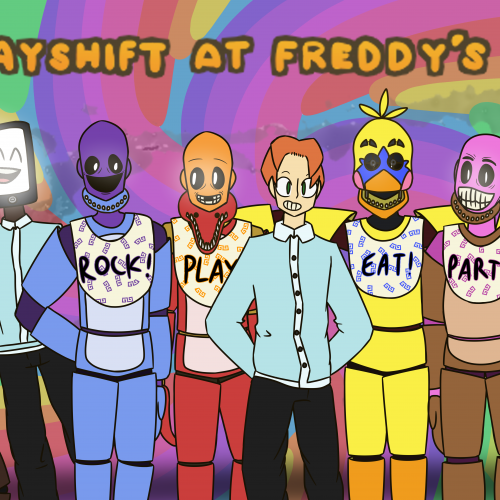
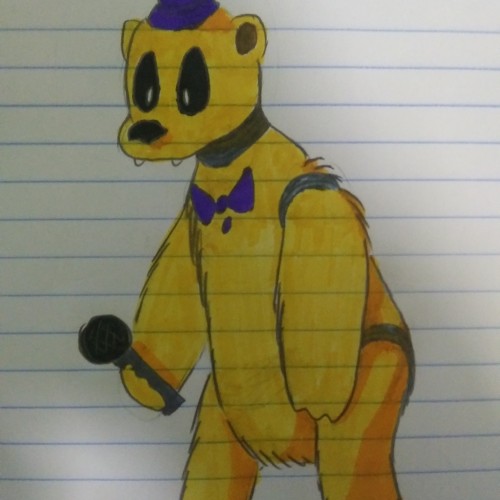
Another drawing I did a while ago. We've got Edward (the guy with the phone on his head), Dave (in a newly designed springlock Bonnie suit), Jack (in the springlock Foxy suit), nondescript employee, the man who brought everybody back to life (in the springlock Chica suit), and Henry (in the springlock Freddy suit). In the bottom left corner is a lonely freddy. I'm thinking that the tame part of Dave (the one that was seen in the flipside) will be the Dave we see in a human form, but the bad part (the one in Davetrap) would be sealed inside of Plushtrap, forever bound in a tiny body so he couldn't do anything bad. He lives in the back alley of the pizzaria and is the king of the lonely Freddys. Freddies? Freddy's? Oh well. Drawn with FireAlpaca.
This is a pumpkin caving of the infamous Nautilus submarine, owned by the pirate captain Nemo . Who sunk ship that supported war, ramming them with his submarine. In this tale Nemo's ship gets attacked by a monstrous giant squid. I caved this design at the Chadds Ford Historical Society's Great Pumpkin Carve contest and event. This is a live carve event. Artist have no idea what kind of pumpkin they will be given to carve. No knowledge of shape, color, size, or condition. Competitors must create their design with manual hand tools. Cavers have 6 hours to create their master pieces, to be considered to qualify to be judged ,to compete for the prize . The size of the average pumpkin is from 200 to 400 pounds , and their wall are about 5 inched thick. It took me 6 hours to carve my pumpkin design. Stephen J. Vattimo 10/18/2021
Okay, I understand that comparing any real-life animatronic bands to FNaF is practically a sin, but I made this doodle subconsciously and I'm in love with it. Introducing Rock-afire Freddy. FNaF animatronics have many differences to real life animatronics, like how FNaF animatronics are made of segments, while real animatronics consist of one big fur piece, much more flexible. And that many of the animatronics from FNaF are completely able to walk around --- but in real life, the animatronics only have moving parts that are essential to their performance. This sort of also leads to another difference; FNaF animatronics from a specific generation all have the same endo, while real endoskeletons for animatronics have their own endoskeleton --- which have several differences from FNaF endos, like having upper jaws (which real endos don't), having teeth (real endos just have a plate which can move the mask jaw), being very bare and with few wires (real endos are very complex, and unlike FNaF where the animtronics are probably powered by electricity, real animatronics usually run on pneumatics). Anyways, enough of me rambling.