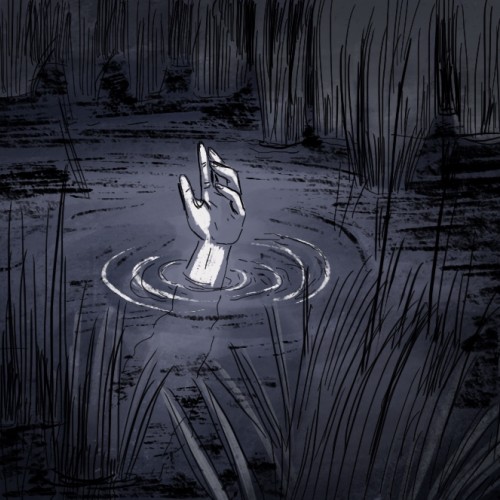
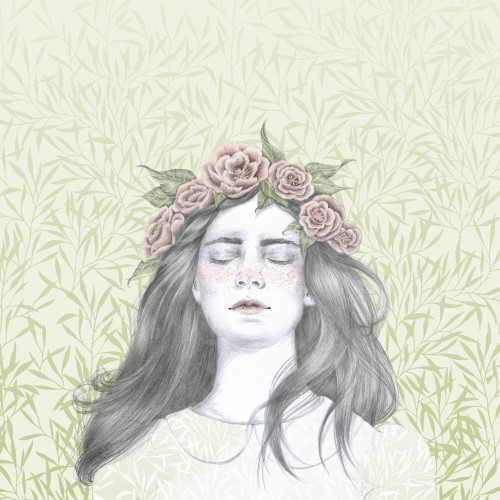
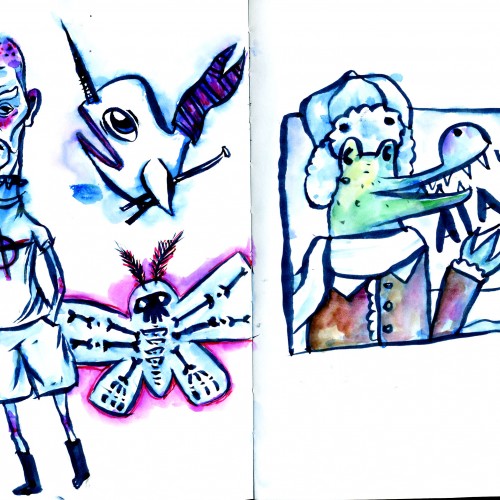
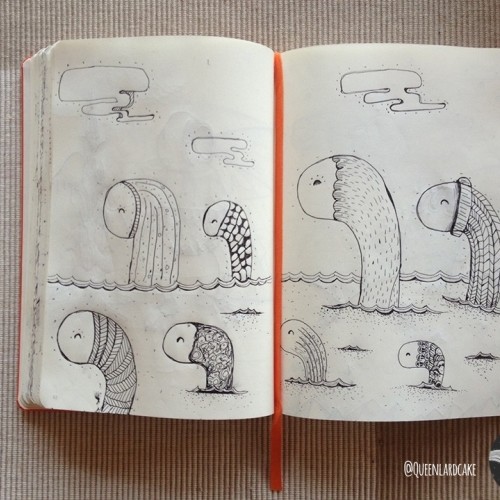
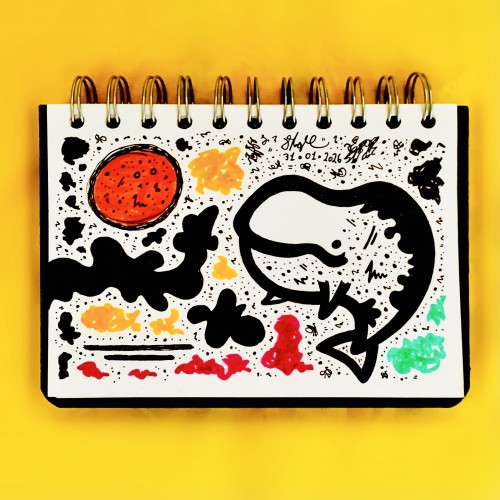
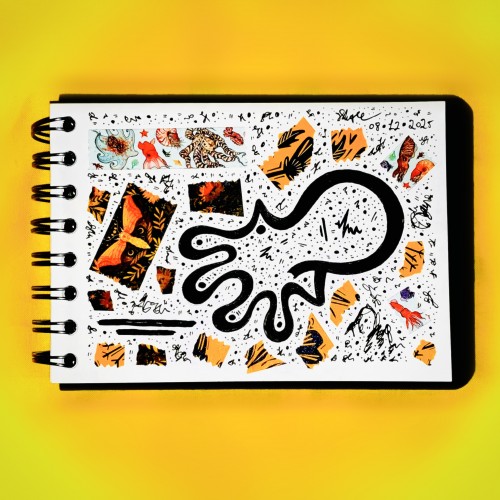
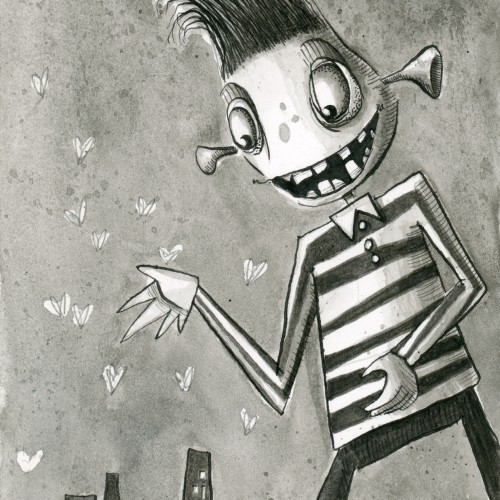
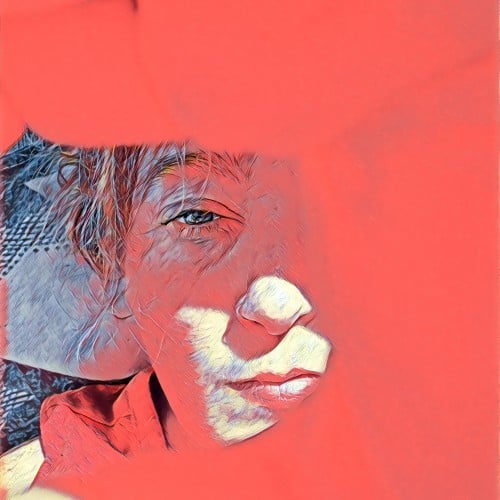
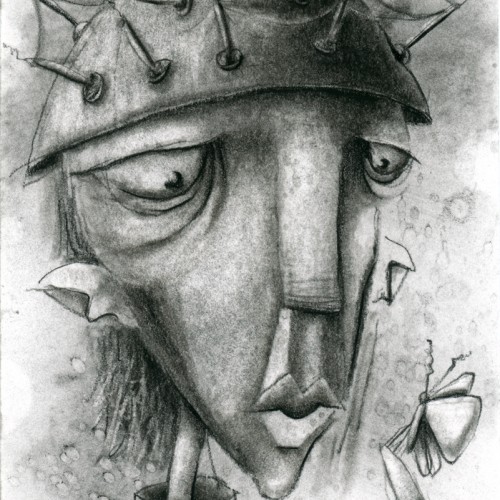
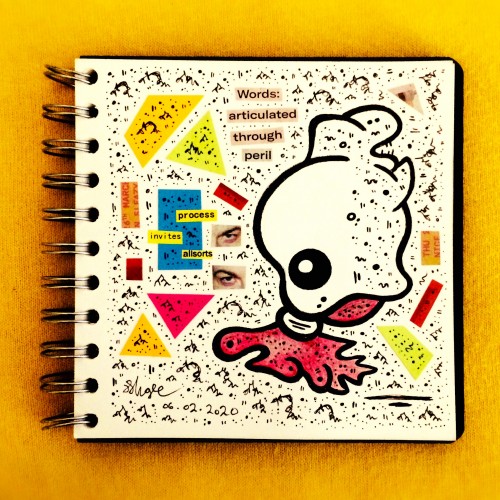
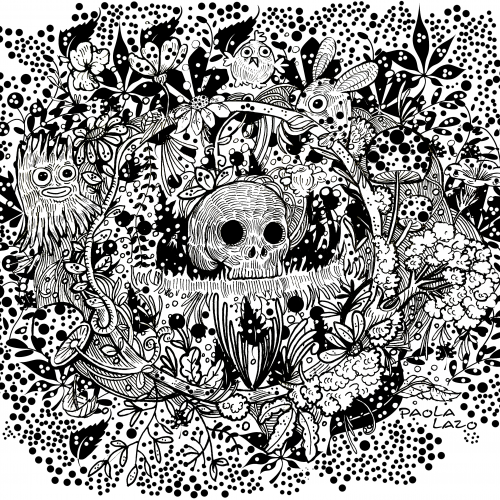
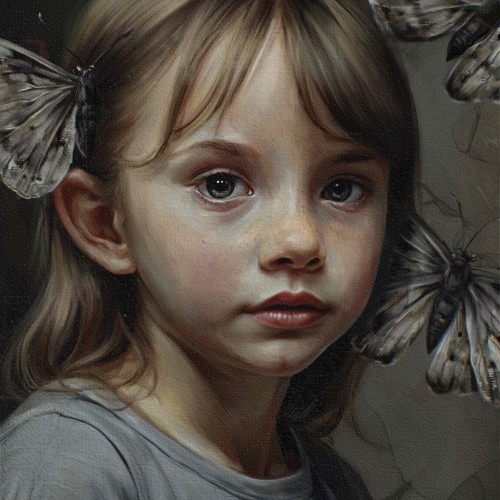
“Beware the wild rushes”, my mother told me. “They grow on the bank side along the salt sea!”. But I, being young, I heeded her none. (Inktober inspired by the Decemberists!!)
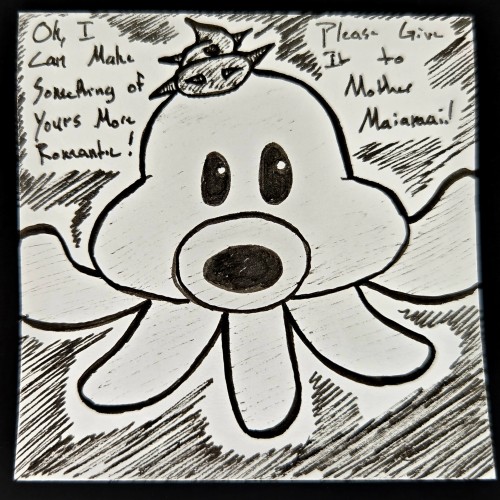
Meet the Woolies
Fearful creatures who live in the ocean and wear colorful woolen sweaters kitted by their grandmothers.
When they see something scary they duck under water and retreat further into their woolen garments.
Mind you, they do inhab
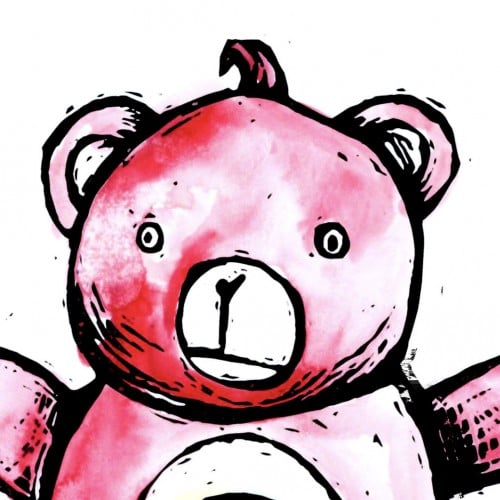
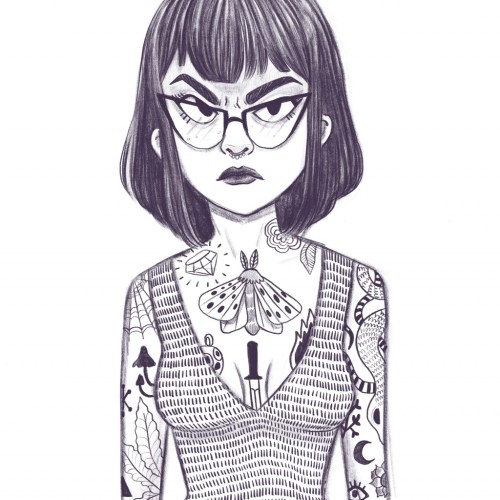
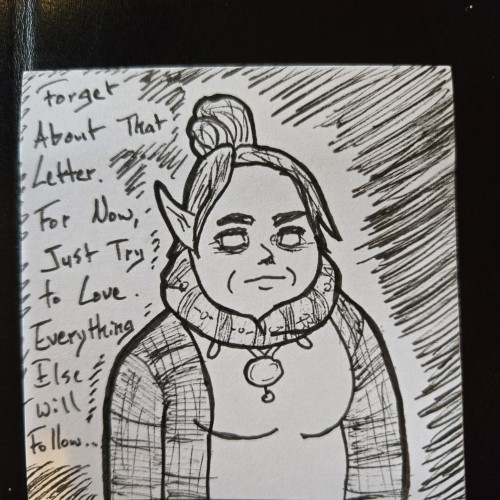
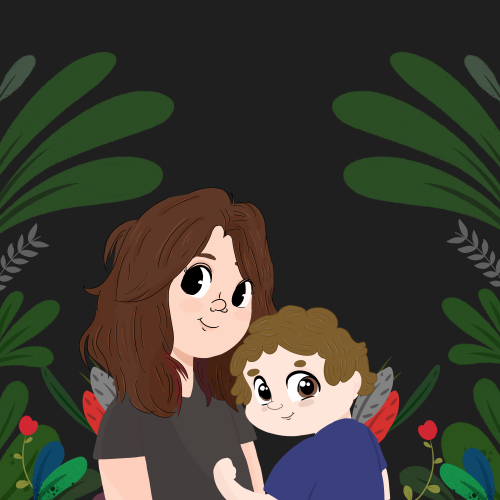
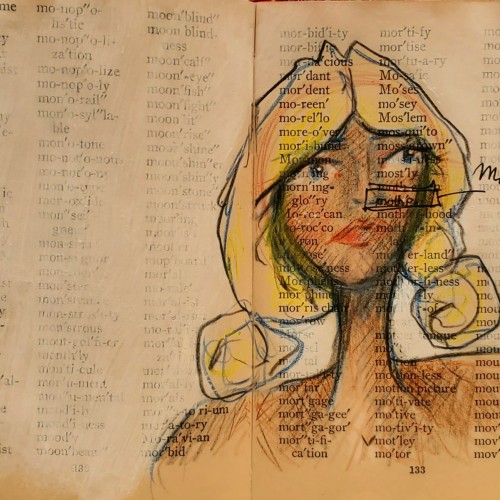
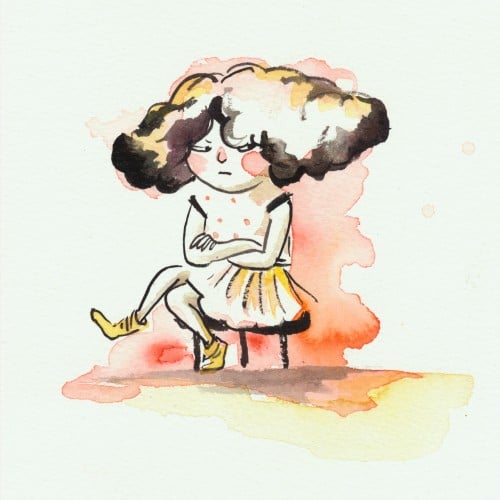
My mother actually used to say this to me and my brothers when we asked her to do something while she was in the midst of doing something else...Magic marker, then worked in Photoshop.
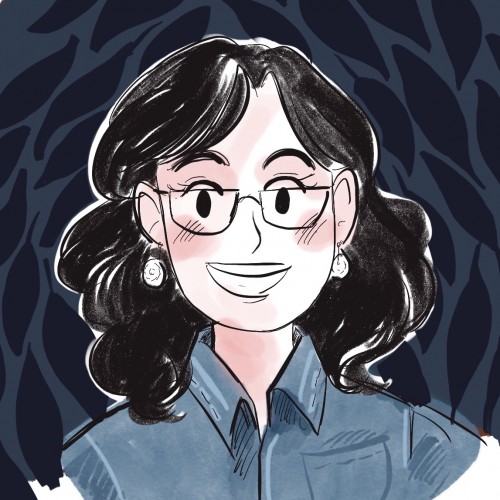
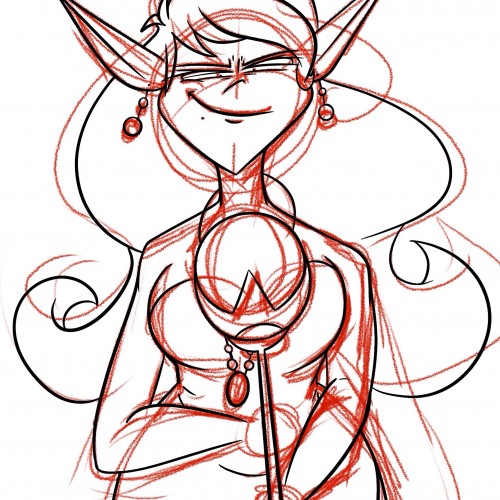
I liked her so much I drew her again, but I learned some things about her. (Damn those hands, gotta work on them.) Concept art
Name: Carina
Age: ???
Race: Demon (Father is a demon, mother human)
Ethnicity: Her mother was a young Italian woman who was tricked into falling in love with a demon.
Status: Sorceress
Abilities: She wields a staff that consumes souls of the living. She uses those souls to feed her power.
Extra (for now): The globe on her staff is an ancient artifact in which she had to prove her will and strength to achieve it. The artifact draws out the souls of her victims. But before it does, it puts them in a trance like state to keep them immobilized.
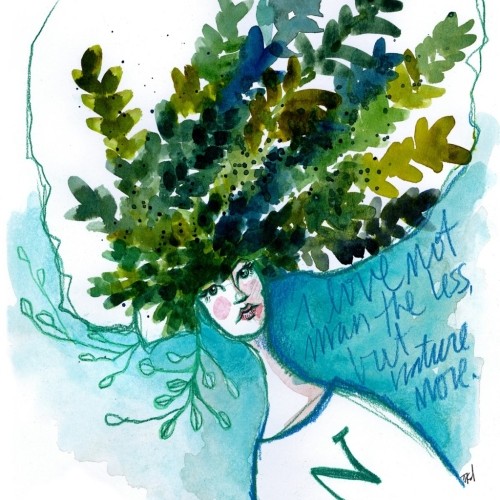
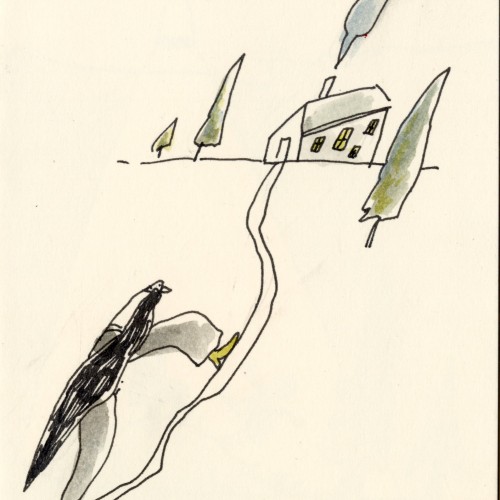
Grandfather was a clergyman and used to preach to the King. Once, before his children and his children's children and his children's children's children covered the face of the earth, Grandfather came to a long field which was surrounded by forests and hills so that it looked like Paradise. At one end it opened out into a bay for his descendants to bathe in.
Then Grandfather thought, here will I dwell and multiply, for verily this is the Land of Canaan.
Then Grandfather and Grandmother built a big two-storey house with a sloping roof and lots of rooms and steps and terraces and a huge veranda and placed plain wooden furniture everywhere inside and outside the house and when it was ready Grandfather began to plant things until the field became a Garden of Eden where he walked around in his big black beard. All he had to do was to point at a plant and it was blessed and grew until it groaned under its own weight.
- Sculptor's Daughter by Tove Jansson
#dailydrawing #tovejansson
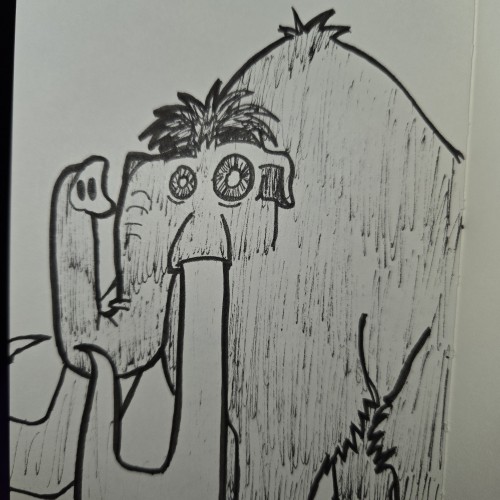
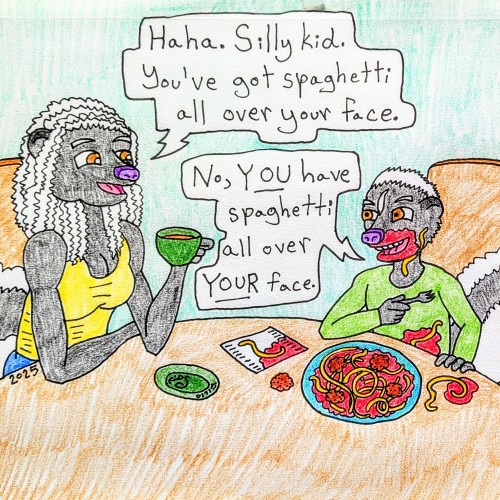
The logic of children of all ages.
x x x
Psychological projection is a defense mechanism in which an individual unconsciously attributes their own unacceptable thoughts, feelings, emotions, impulses, or traits to another person, group, animal, or object to avoid confronting them internally.
This process allows a person to manage uncomfortable emotions like guilt, shame, or anxiety by externalizing them, making it easier to tolerate the internal conflict.
First conceptualized by Sigmund Freud, projection involves displacing negative or undesirable aspects of the self onto others, thereby preserving self-esteem and avoiding internal discomfort.
While it can serve as a short-term coping strategy, unchecked projection can lead to interpersonal conflict, misunderstanding, and damage to relationships.
x x x
no, you. ^w^
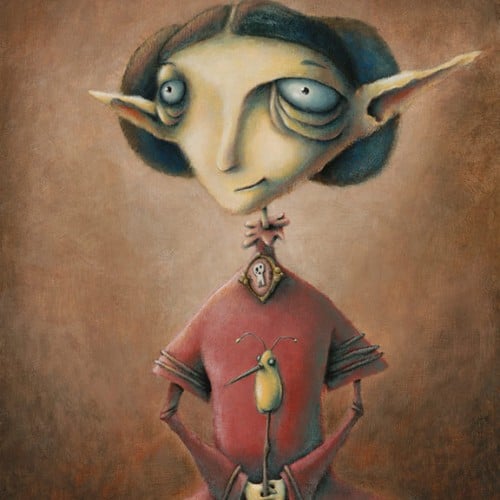
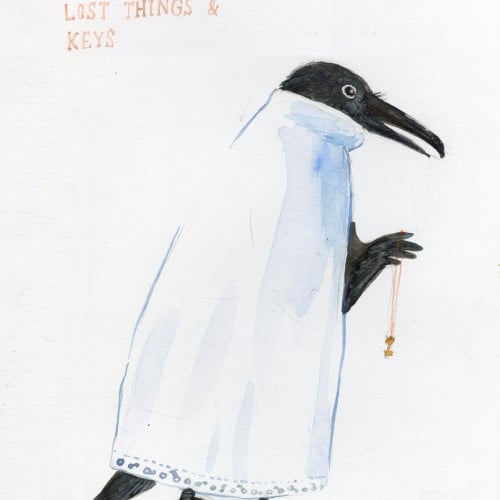
Patron Saint of Lost Keys and Small Things.
Reminded me of this poem by Elizabeth Bishop.
One Art
The art of losing isn’t hard to master;
so many things seem filled with the intent
to be lost that their loss is no disaster.
Lose something every day. Accept the fluster
of lost door keys, the hour badly spent.
The art of losing isn’t hard to master.
Then practice losing farther, losing faster:
places, and names, and where it was you meant
to travel. None of these will bring disaster.
I lost my mother’s watch. And look! my last, or
next-to-last, of three loved houses went.
The art of losing isn’t hard to master.
I lost two cities, lovely ones. And, vaster,
some realms I owned, two rivers, a continent.
I miss them, but it wasn’t a disaster.
—Even losing you (the joking voice, a gesture
I love) I shan’t have lied. It’s evident
the art of losing’s not too hard to master
though it may look like (Write it!) like disaster.
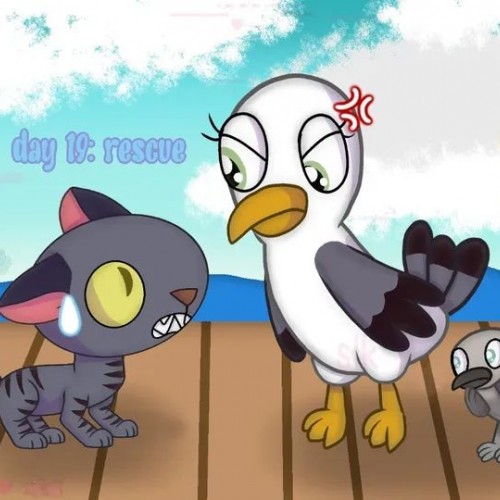
For May 19th, today is the day of the rescue.
For this day, I decided to make a mother seagull who is rescuing and defending her baby from a cat that was bothering and chasing it on the dock.