Previous
Next
logo logo
logo logo
  • Discover Art
    • Trending
    • Most Recent
    • Most Faves
    • Most Views
    • Curated Galleries
  • Drawing Challenges
    • See All Challenges
  • Drawing Prompts
  • Artists
    • Most Popular
    • Most Recent
    • Available For Hire
    • Artist Spotlight
  • More
    • Marketplace
    • Art Discussions
    • Resources
    • News + Blog
Login
Most Views
Select an option
  • Most Relevant
  • Most Faves
  • Most Views
  • Most Comments
  • Most Recent
SEARCH RESULTS FOR

mus

Jonathan Sophie Jonathan Sophie
Enlarge
Jimi Hendrix

Digital portrait of American musician, singer, and songwriter James Marshall "Jimi" Hendrix @jimihendrix

  • 14
  • 4
  • 0
Lv99Lich Lv99Lich
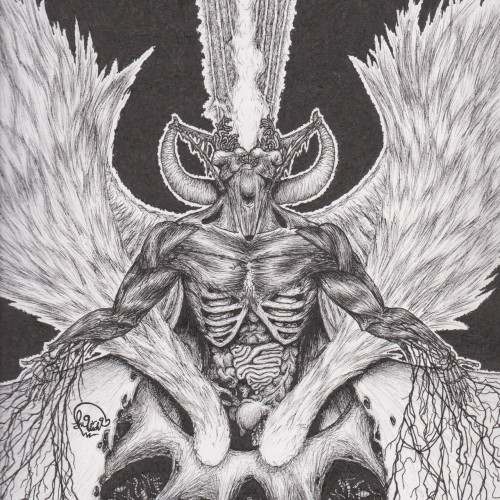
Enlarge
Flayed Splendor

  • 14
  • 6
  • 0
Paul Richardson Paul Richardson
Enlarge
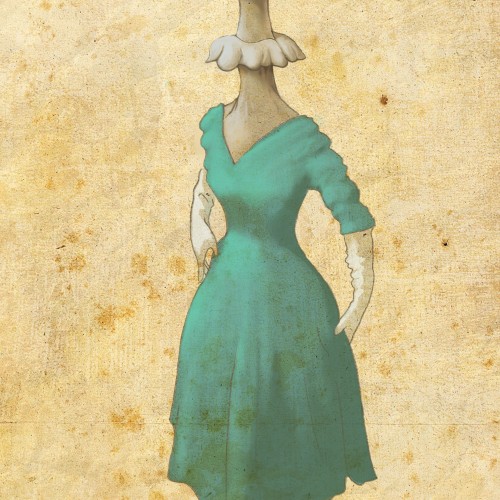
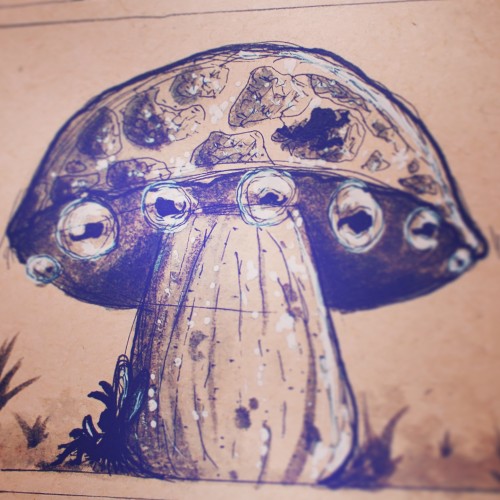
Madam Lepiota

2nd attempt at a shroom head. I felt a lot of hats from 1950’s fashion actually look like mushroom caps.

  • 14
  • 6
  • 0
Lucy Aras Lucy Aras
Enlarge
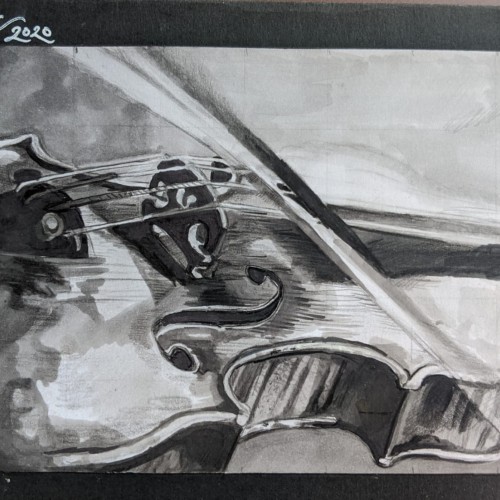
Violin

Violin drawn in copic markers- copied from a stock photo

  • 14
  • 3
  • 0
Trinity Trinity
Enlarge
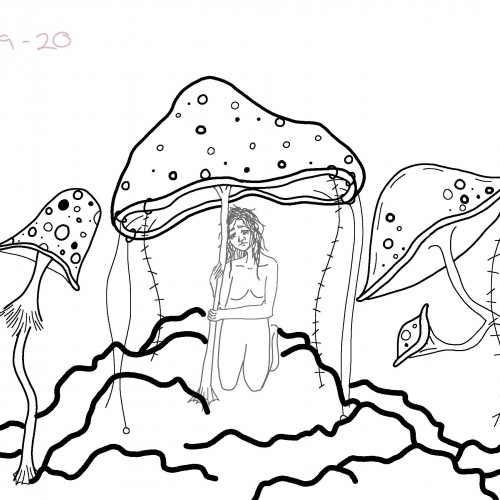
Mushroom People
1/2

  • 14
  • 5
  • 0
Hev Easley Hev Easley
Enlarge
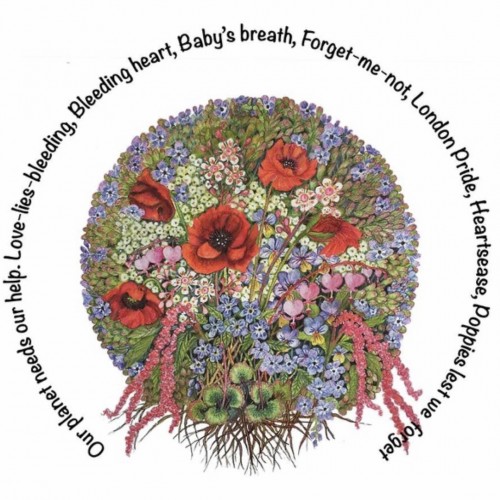
Lest we forget

Our beautiful planet needs our help. We must not take it for granted. I painted this with Inktense pencils, choosing flowers with poignant names to make us stop and think about conservation. It can be bought as a canvas, art print, poster, tee-shirt, throw cushion, greeting card. etc.etc.etc. Visit https://heather-easley.pixels.com

  • 14
  • 2
  • 2
Sanny Mao Sanny Mao
Enlarge
Hareytales - Babysitting

"You kiddos enjoying this story?"

  • 14
  • 2
  • 0
Beresford Beresford
Enlarge
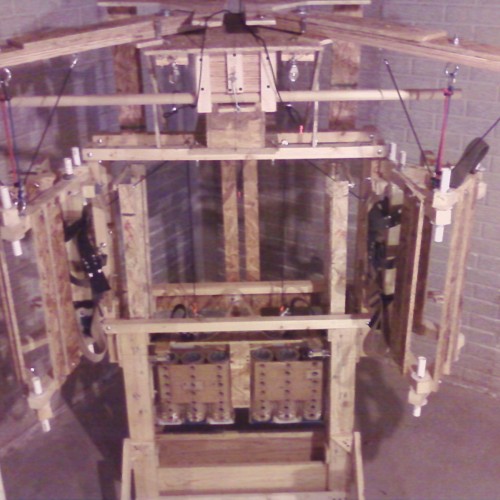
Industrial Art Project

What was created? A concept exerciser (aka: homemade workout machine) made mostly out of wood components, that was a contraption full of hinges, pulleys, weights, and grips (see pin 1). With my system, a person could perform both the butterfly and lat pull down exercises and transition between them with minimal effort. The unit stood about 8 feet tall and was about 6 ft wide when the butterfly arms were connected to it. Why was it created? I have always been fascinated with weight training machine design. I had a bench press weight set at home that did not come with a butterfly attachment, so I decided to make one of my own. I was able to get a steady supply of material (scrap wood) from a local source and constructed a workout routine by stacking columns of weight (instead of accumulating weight plates) in a moving grid generating even or uneven resistance (see pin 3). I also consider what I made could be a benefit to others since it does: (1) represent an extension of DIY culture (i.e. advancing individual knowledge, learning new skills, and the feeling of satisfaction that comes from building from your own ideas), (2) how to apply simple machine principles (i.e. pulleys, leverage, changing the direction or amount of force, etc.) in making a project and, (3) promote woodworking (which allows a person to be creative and is a wonderful medium for artistic expression). What makes it special? What makes my work distinctive concerns the butterfly arms and the weight container. Butterfly Attachment The butterfly attachment arms can be quick disconnected and re-mounted easily. The jackknife motion that the butterfly arms travel in as they flex forward and return to their starting position is an original conception. Weight Grid (see pin 3) Unlike traditional stacked weight plate machines, a person is allowed to make a variety of pattern configurations on the grid (X,□, /,\, —, etc.) by using cup shaped ballast inserts (up to 24) that changes the amount of force a user exerts for each repetition (see figure 2). An individual can position the weights in organized horizontal/vertical patterns or treat them more as random objects in the load basket. In their current form my system’s weight supplements are ½ pound each (about 2 ¾ inches long and 1 14/16 inches in diameter): making them easy to manage. If solid roll stock were used in their construction, they would be estimated to weigh 2 ½ to 2 ¾ pounds (see pin 2). When not in use, weights can be placed in the grid case for compact storage. As a point of fact, the sight holes cut into the drop tubes were drilled by hand with a fixture and not with the use of a drill press. At one point, I contemplated that one could focus on certain muscle groups in the upper body by placing inserts on the weight grid in particular patterns (X,□, /,\, —, etc.). This may have been beneficial for those in need of rehabilitation (through segregation of muscle areas that needed treatment) in such disciplines as Kinesiology or Physical Therapy. What was learned creating it? I learned how much ideas on paper can change drastically when fabricated physically. I learned how challenging it was to develop removable butterfly arms that hang and pivot in mid air. The exerciser’s weight box glides up and down on a vertical guide. I researched various ways of how to make that move while keeping the friction between the connectors on the weight box and the track surface it to a minimum. This was in order to make the climb and drop motion as fluid and controlled as possible. I considered using various sprays, waxes, greases, lacquers, covers, wheels, and even ball bearings to accomplish that. I ended up sanding the inside of the track extensively and then mounted small furniture mover inserts to the weight box on its four corners for a successful connection. Therefore, I learned here how important considering a variety of ideas provides solution to a problem. If I were to start over and do things again? I probably would have done some more background research in the areas of Fluid Dynamics or Biomechanics. I figure, if I had consulted with people in those areas, the time it took to design and redesign the overall unit as well as the weight box might not have taken about 3 years to fully complete. Miscellaneous In the back the machine was a counterweight of tube sand (60 lbs.). Without that, the whole thing would have toppled forward when trying to use it. Thank you for your time. Best Regards. Matthew Link: https://www.pinterest.com/meb206/industrial-art-project/

  • 14
  • 1
  • 0
Lúcia Martins Lúcia Martins
Enlarge
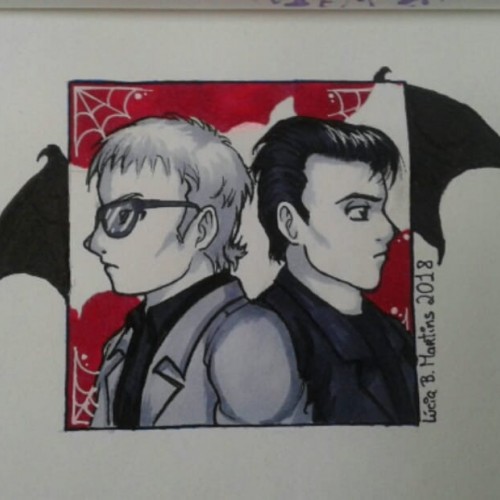
Rhythm section #2: Siblings

4" x 6" portrait of David J. and Kevin Haskins of the post-punk/goth rock band Bauhaus and Love and Rockets. Prints for sale @ etsy.com/shop/DrawingsByLucia.

  • 14
  • 2
  • 0
Lúcia Martins Lúcia Martins
Enlarge
Gothmother

A memory-based portrait of Siouxsie Sioux. Prints for sale @ etsy.com/shop/DrawingsByLucia.

  • 14
  • 4
  • 0
Adriana J. Garces Adriana J. Garces
Enlarge
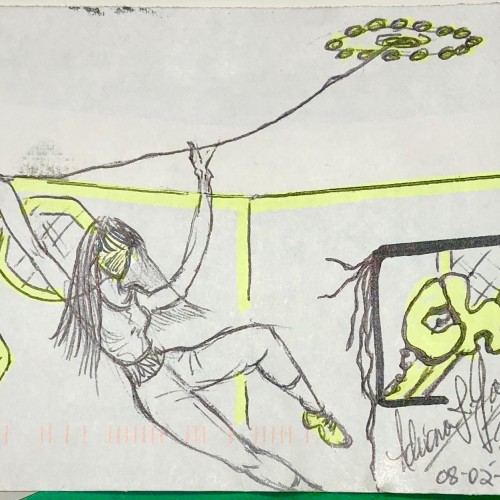
Chandelier

I was on break at work and was inspired by the song playing on the radio “Chandelier “ by the multi- talented Artist, Sia. Her powerful voice is one which usually gets my attention wherever I happen to be. Enjoy

  • 14
  • 1
  • 0
Deena Perez Deena Perez
Enlarge
Mushroom

  • 13
  • 2
  • 1
Sohail Sohail
Enlarge
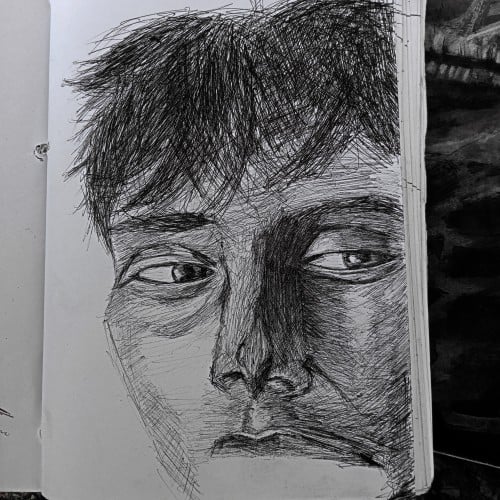
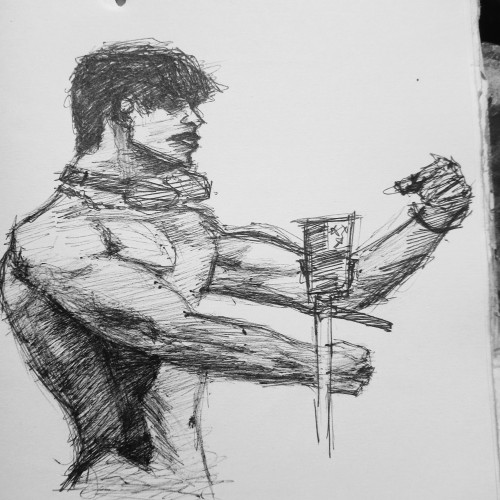
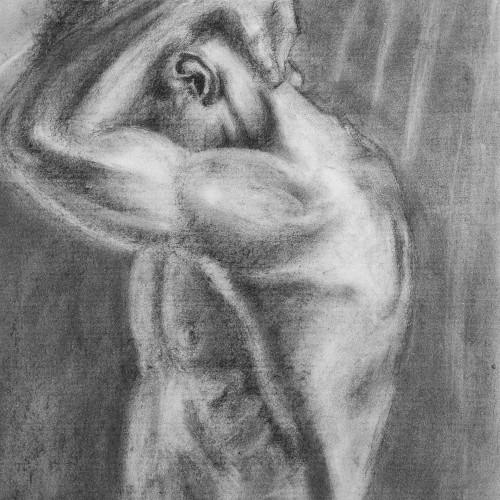
Nerfed muscles.. tormented mind.

It was a quick sketch i made for a person..I promised him a sketch but didn't fulfilled the promise for like 2 weeks then i choose to work on it..drew lines for 6-7 mins

  • 13
  • 3
  • 0
Cláudia Cláudia
Enlarge
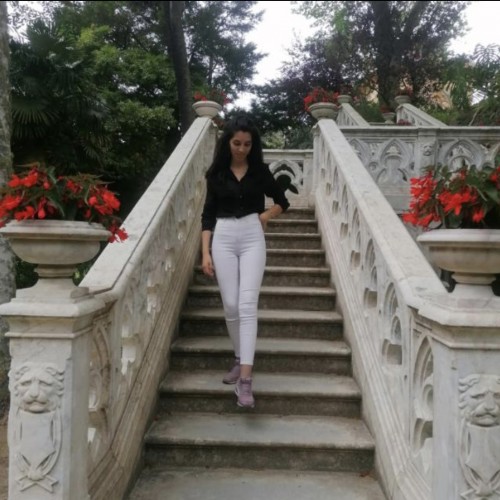
Open chest

  • 13
  • 4
  • 0
Richard Olsen Richard Olsen
Enlarge
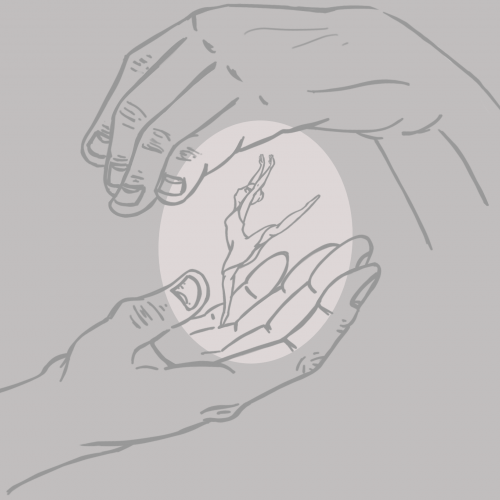
Tiny Dancer

I drew this after listening to some Elton John.

  • 13
  • 3
  • 0
Elias Ibanez Elias Ibanez
Enlarge
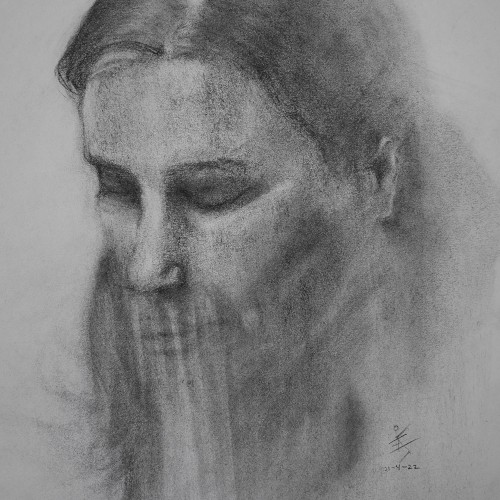
Rules

50x40 cm Charcoal

  • 13
  • 4
  • 0
mdicicco mdicicco
Enlarge
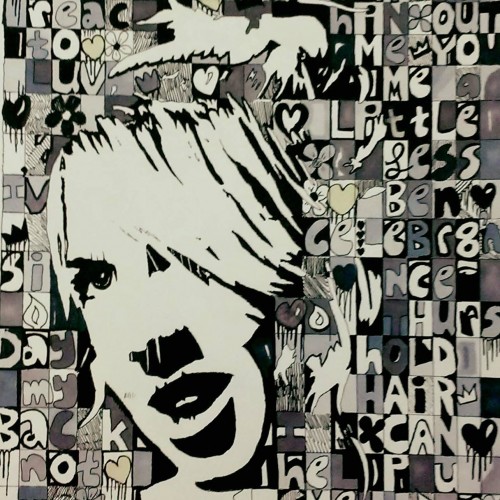
Eva

inktober2020 music charly bliss fanart

  • 13
  • 4
  • 0
Trinity Trinity
Enlarge
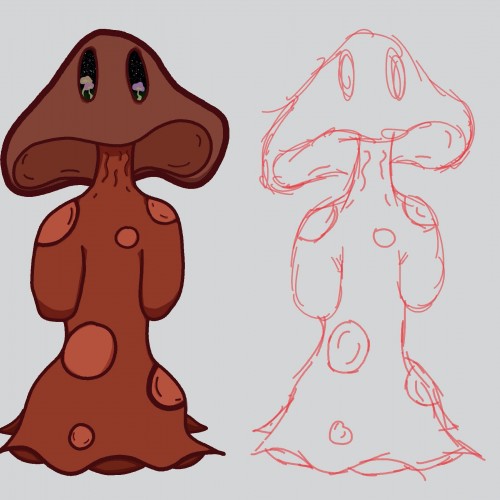
Mushroom People

I meant to post him with my first upload :,)

  • 13
  • 1
  • 0
Ivan Camilli Ivan Camilli
Enlarge
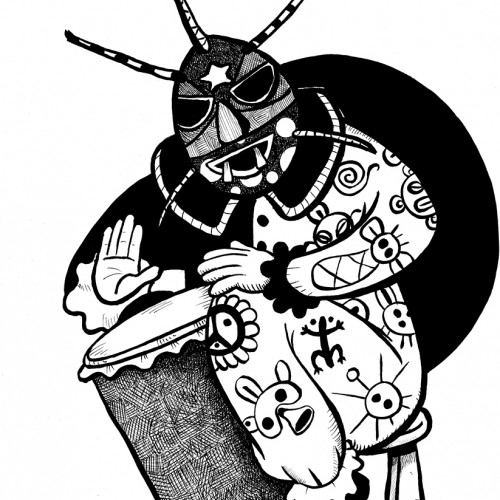
Vejigante

Pen & ink

  • 13
  • 2
  • 0
An Lee An Lee
Enlarge
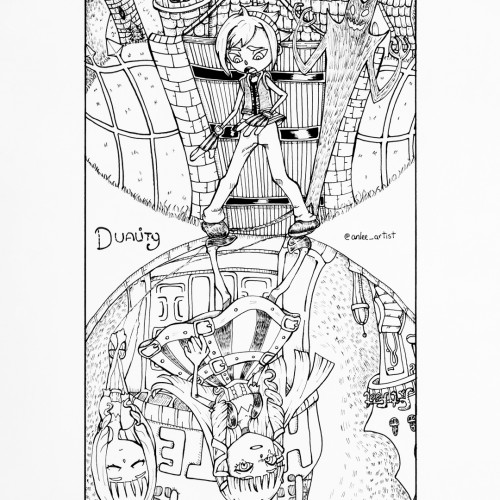
Inktober D-1: Duality

Super late for inktober but I didn't want my ideas to go to waste. ^^ I dunno if I'll finish but I'll try to draw as much as I can without overexerting myself. Anywaaay...! This illustration is a fan art of the two main characters from relatively unknown PS2 classic, Okage. If you haven't heard of it or paid it much attention before, it's a must-play if you don't tire of JRPGs!! The art style is beautiful and reminiscent of Tim Burton's stuff~ Once I have time this'll be available at my art shops. Links below! Art Shops: anleeartist.wixsite.com/anlee/shop or www.redbubble.com/people/anleeartist

  • 13
  • 3
  • 0
Meghan Meghan
Enlarge
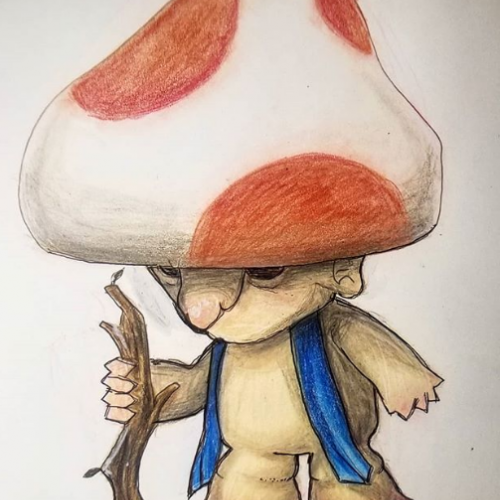
Mushroom Kingdom - Toads (Re-Conceptualized)

Thinking of doing a series of drawing pop culture and gaming cherries in a "twist". That twist equating to exploring my different styles, since it's been awhile. If you don't t know, this is a character rehashed from my imagination of what "toad" people would look like in a different Super Mario universe. Yes, they wear no pants. Which beloved character should I experiment with next?

  • 13
  • 2
  • 1
Hafsa Humair Hafsa Humair
Enlarge
listening to natures music

Pencil drawing with color pencil colours

  • 13
  • 1
  • 0
Enitsirhc Enitsirhc
Enlarge
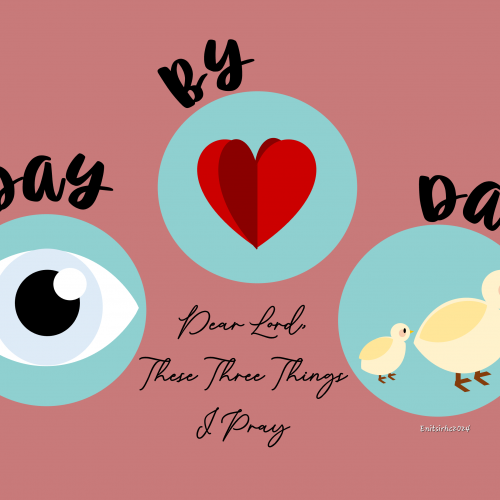
Day By Day

Day by day dear Lord, of thee these three things I pray: to see You more clearly, to love You more dearly, to follow You more nearly. Day by day. This is a hymn I hold dear to my heart, and sometimes I find myself unknowly humming to the tune as I go about my day! If you know this hymn, sing it! //There are 6 Sundays leading up to Good Friday. In observation of Lent, I will be posting 6 works inspired by the theme. This is for the 3rd Sunday of Lent.

  • 12
  • 0
  • 0
crais robert crais robert
Enlarge
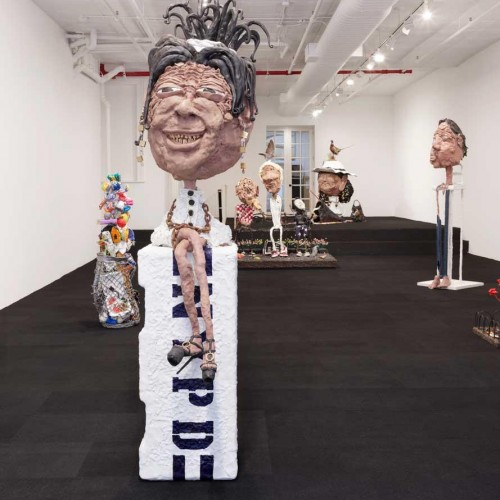
The House of Ryman: A Family of Artists

Take the Rymans, for instance. There is Robert Ryman (1930 – 2019), the patriarch whose paintings are indisputable icons of the modernist canon. Then there are his wives and children. Ethan Ryman (b. 1964) is the oldest of Robert’s three artist children. Though his mother was not an artist, Lucy Lippard (b. 1937) was still a scrappy and eloquent art critic, a feminist, a social activist, and an environmentalist. Ethan’s meticulously considered and crafted artworks might be characterized as somewhere between photography and sculpture, the abstract and the (f)actual. Though Lippard and Ryman divorced just six years after their 1961 marriage, their son is arguably the closest to his father’s methodologies if not his medium, and was certainly the last to become a visual artist. Robert Ryman went on to marry fellow artist Merrill Wagner (b. 1935) in 1969 and they had two sons. Though Wagner is more quietly acknowledged than Ryman, her boundless practice includes sculpture, painting, drawing, installation, and more. With an emphasis on materiality, her sites are indoors and out, her styles alternating. Will Ryman (b. 1969) is the elder son of Robert and Merrill. He started out as an actor and playwright though he too eventually assumed a visual art practice to become a sculptor. He is best known for his large-scale public artworks and theatrical installations that focus on the figurative and psychological, at times absurdist, narratives. Cordy Ryman (b. 1971) is the youngest, and the only one of the three who knew that he was going to be a visual artist early on. His work is abstract, the sophistication understated, and his output is prolific. With his mother’s DIY flair, his homely materials seem sourced from the overflow of construction projects, lumberyards, and Home Depot. Ethan Ryman said that, when he was young, he didn’t want to be a visual artist. Instead, he pursued music and acting, producing records for Wu-Tang Clan, among others, getting “my ears blown out.” But he was always surrounded by artists—Sol LeWitt, Carl Andre, Jan Dibbetts, William Anastasi, and countless others at his mother’s place on Prince Street in SoHo and at the Rymans’s 1847 Greek Revival brownstone on 16th Street in Manhattan, where everyone was often seated around the family dinner table. He would spend part of most weekends in the highly stimulating chaos that reigned there—birds, dogs, plants, toys, art, people, everywhere. “While nowhere near as overwhelming, I was also constantly exposed to artists, writers and other creative folks at my Mom’s place.” “While nowhere near as overwhelming, I was also constantly exposed to artists, writers and other creative folks at my Mom’s place.” Ethan Ryman Lippard was “a powerhouse.” She took Ethan on her lecture tours, readings, conferences, galleries, studios, wherever she had to go. And while that almost always breeds rebellion, at some point, he began noticing all the art around them—both what it looked like and how it was made. He began to take photographs of buildings and realized that “abstract color fields were all around us.” He also began to notice his father and Wagner’s work more carefully—how sensitively it was executed and how reactive it was to its surroundings. “Once you’re interested, you notice. When I asked my dad questions, I would most likely get a one-word response. I had to go to his lectures for answers where he broke down modern art for me. After listening to him, it seemed to me we should all be painting, otherwise what were we doing with our lives?” Will Ryman, on the other hand, said that all his work has a narrative component. His background is in theatre and his interests have always been film and plays, his narratives about New York City and American culture and history. “It’s a city I love,” he said. “I try to observe culture in a bare-bones way and I’ve always been interested in telling stories—we’re the only species that tells stories to each other. It comes from an intuitive, cathartic place in me. I want to stay away from preconceived notions, although that’s not completely possible. I have no plan except to do something honest, with a little bit of a political bent and humor but I’m not an activist. I’m interested in exploring a culture and its flaws as an interaction between human beings.” His interests and his work are very different from his last name. There is no connection to minimalism. He didn’t go to art school, drawn instead to theatre workshops and theatre troupes. “I didn’t become involved with the visual arts until my mid-thirties. It’s easy to say what I make is a reaction, but I dismiss that. And I also wouldn’t say it’s rebellious after twenty years.” Of his family, he said, “we’re a normal family, a close family, with all the dynamics and complications that go along with that. And while everyone who came to 16th Street were artists, they were also just family friends. I have no other measure for how a family interacts. It was just the way it was.” Cordy Ryman was the only one of the three who went to art school, earning a BFA from the School of Visual Arts, but it was reportedly awkward for him, since all his teachers knew his parents. “When I started making abstract paintings, it was kind of push and pull but it became more interesting to me than my earlier figurative or narrative work. That’s when I started to know where I came from. I realized that I had a visual memory, and the language was there, a language I didn’t know I knew. We all had different ways of working; our processes are very different and it’s hard to compare us. Ethan and I use a similar inherited language but he thinks about what he does more. I work very fast, the ideas come from the process itself. I work in two or three modes simultaneously and bounce around.” At home, they were around Wagner’s work since her studio was there. “Will and I were always in her studio, helping her, going to her installation sites with her, adjusting her boulders or whatever the project was she was working on. That was special and made a deep impression, but I didn’t realize it then.” All five Rymans have in common an acute consciousness of space and of place as an integral component of their work. For the brothers, part of that consciousness might stem from their parents, but also from their attachment to their family home, which was a crucible of sorts for them, where everyone was an artist. To Cordy, the house was a “living, breathing thing, and the art in it felt alive, growing, and occupying any space that was available. It was the structure of our world. When I’m making work, it doesn’t need to be the most beautiful thing ever, but it needs to have its own life, its own space, like the art we grew up with.” And the next generation of Rymans, also all sons—what about them? Will said his son is still too young to know. Cordy thought the same about his two younger children; his oldest is in the art world, but not as an artist—so far. Ethan perhaps summed it up best: my two sons are artists; they just don’t know it yet.

  • 12
  • 1
  • 0
Lalmuankima Pachuau Lalmuankima Pachuau
Enlarge
Amusement Park

I miss my childhood. Don't you?

  • 12
  • 1
  • 0
Douglas Arguelles Douglas Arguelles
Enlarge
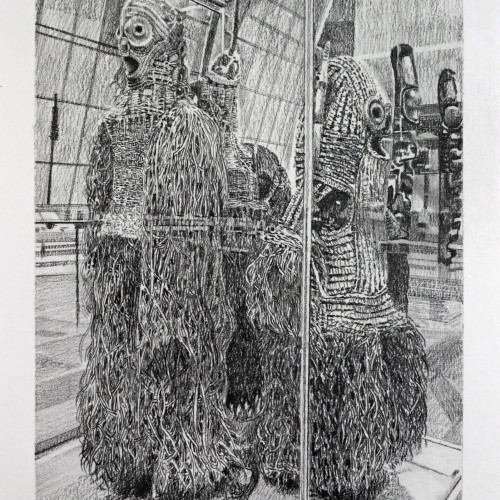
From the series: Ruins # 6. Africa. Metropolitan Museum. NY

Graphite on paper.14" x 11" / 2019

  • 12
  • 4
  • 0
Sevvi Sevvi
Enlarge
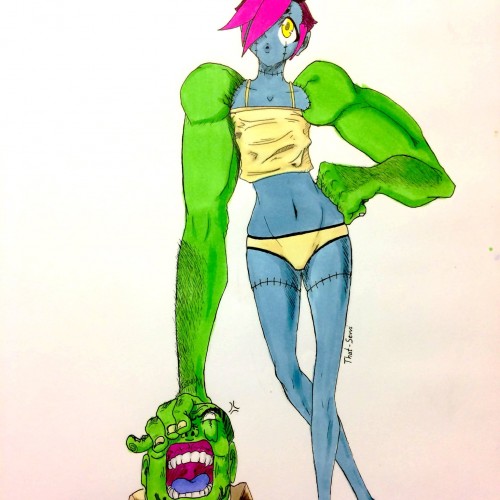
Annie

This is Annie, an amalgam (very much like a Frankenstein's monster) with the ability to attach limbs to herself from muscles at her stitch lines. Based off a game idea I had.

  • 12
  • 1
  • 0
Viktor Wilde Viktor Wilde
Enlarge
Shattered Fetus With A Love Letter

Through strange realms of odd memory, looking to gift something in eyes beautiful. What is this pain represented? Why these tears emerge? A darkness must always follow.

  • 12
  • 3
  • 0
Natalia Vergara Forero Natalia Vergara Forero
Enlarge
Havana na na na !

Third portrait from the collection "Women of the world"

  • 12
  • 1
  • 0
Janelle Dimmett Janelle Dimmett
Enlarge
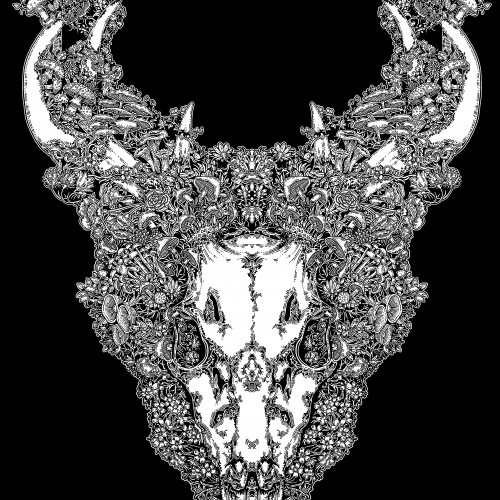
Botanical Deer Skull with Mushrooms

I made a Floral Deer Skull with some mushrooms. I didn't really have a plan when I made this, so it kind of progressed on a whim. Not a bad way really. Anyway, I used mixed media on this one. A combination of pen and ink and procreate. Artwork by Janelle Dimmett. www.janelledimmett.com

  • 11
  • 5
  • 1
« Previous
Next »

Doodle Addicts

Navigate
  • Discover Art
  • Drawing Challenges
  • Weekly Drawing Prompts
  • Artist Directory
  • Art Marketplace
  • Resources
Other
  • News + Blog
  • About Us
  • Contact Us
Newsletter
© 2026 Doodle Addicts™ — All Rights Reserved Terms & Conditions / Privacy Policy / Community Guidelines
Add Doodle Addicts to your home screen to not miss an update!
Add to Home Screen