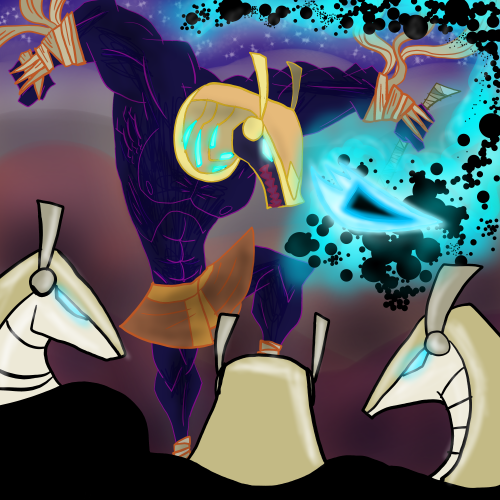
Based on a concept for an upcoming indie metroidvania game inspired by Shadow of the Beast !
The following is by MegaJeff1989 (From DeviantArt) . . . .
This will be a non-profit high quality free to download Samurai Jack fan game based on Episode XXXI: Jack and the Scarab .
that will take place in it's own continuity separate from SJ's with no mention or appearance of Jack, Aku, or any other characters except the ones from the episode. The characters don't exist in this adaption. It will be it's own self contained story.
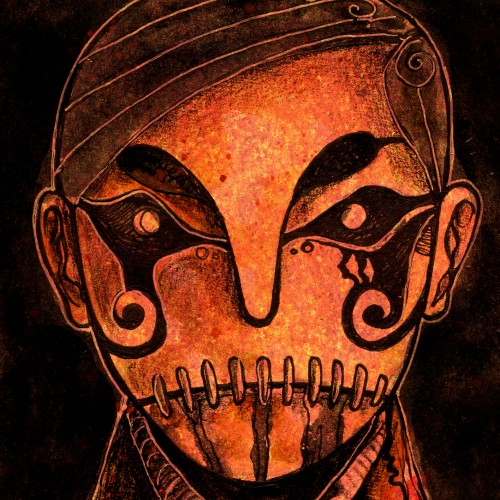
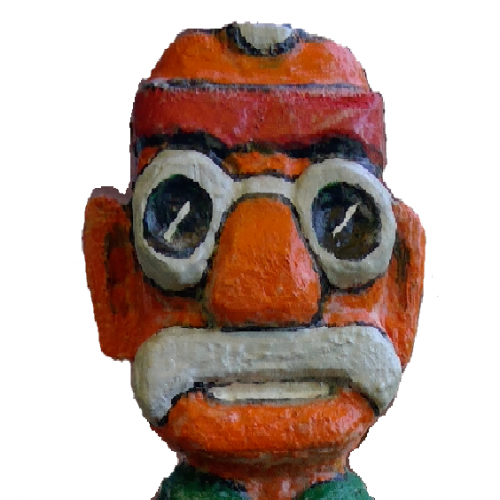
The story is that the Minion of Set who is the protagonist was once a human Egyptian prince who was kidnapped by worshippers of Set and given him to their god along with other children, a dark ritual commenced where they were transformed into his strongest minions to wreak chaos and destruction upon Egypt. The protagonist regains his human mind after fatally injuring the pharaoh who was his father but the pharaoh has completed a ritual to imprison him and the other minions in a tomb where they'll stay forever. He vows vengeance upon Set and he awaits the day that somebody frees them from their prison so he can carry it out.
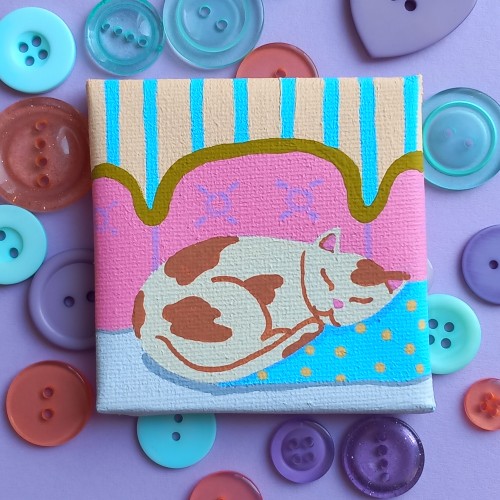
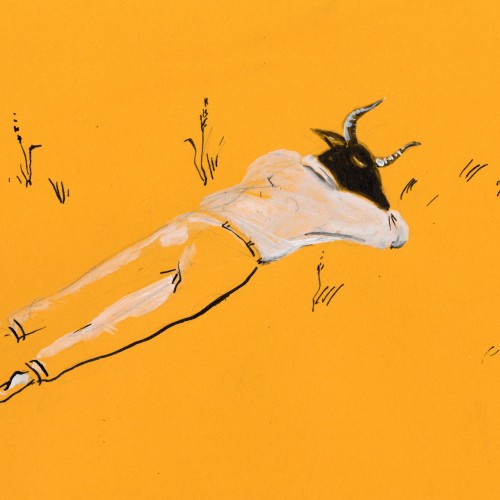
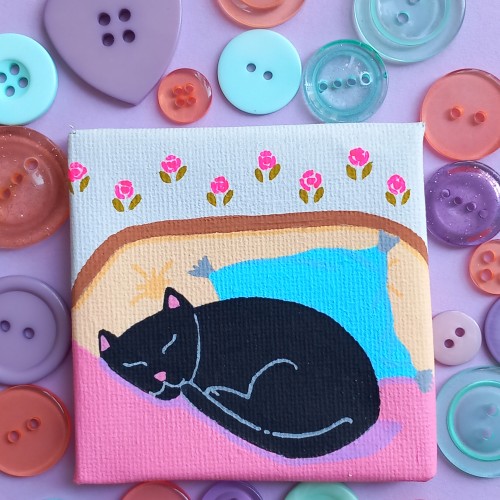
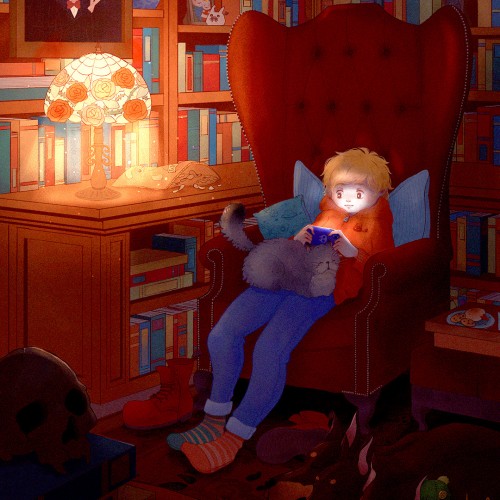
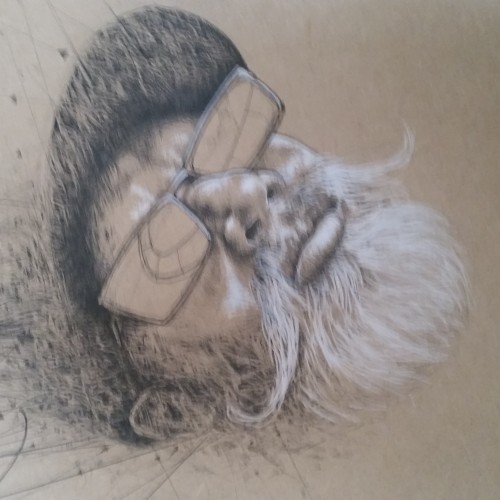
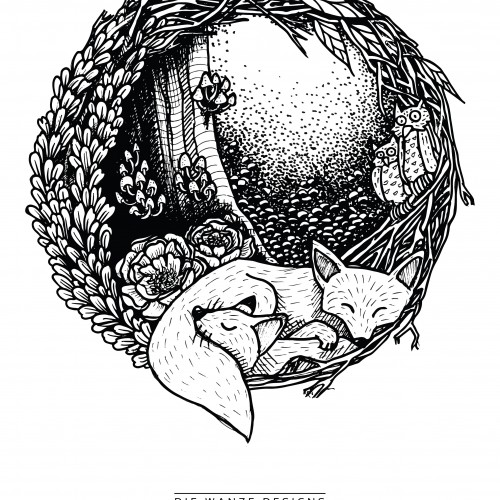
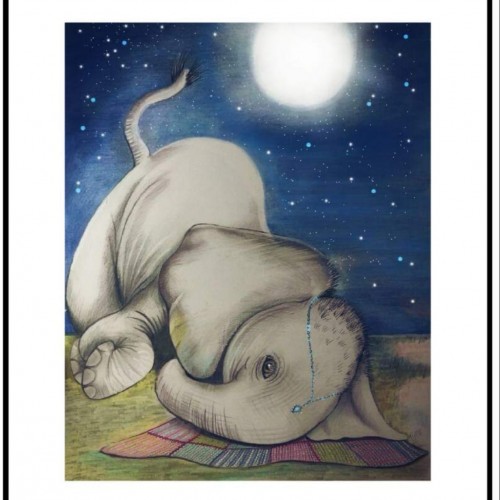
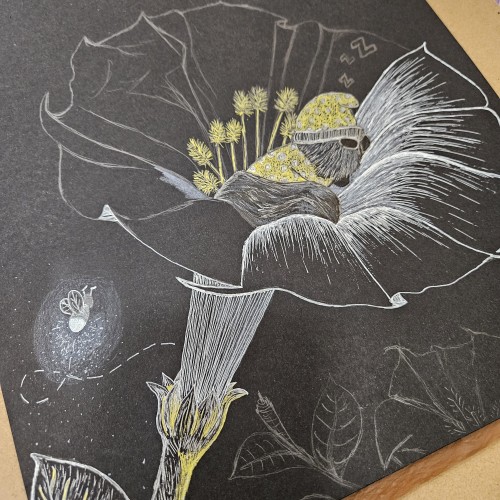
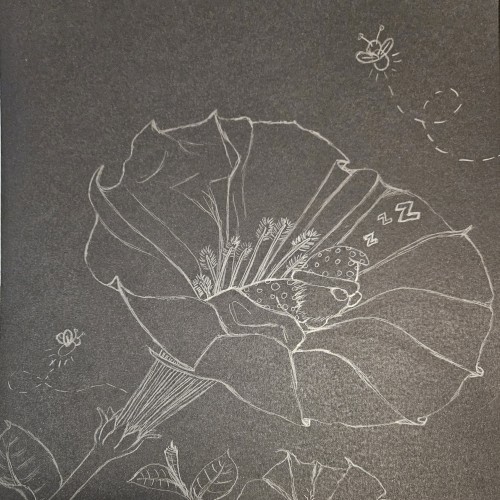
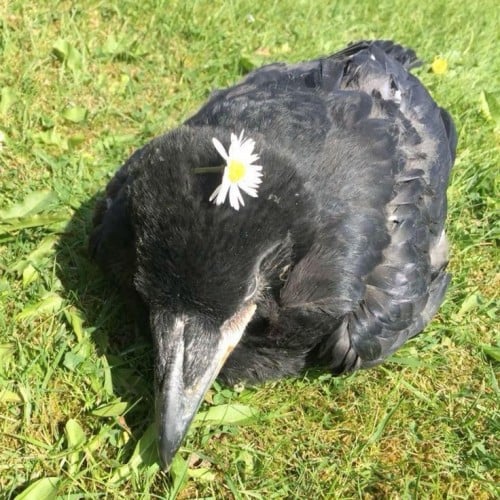
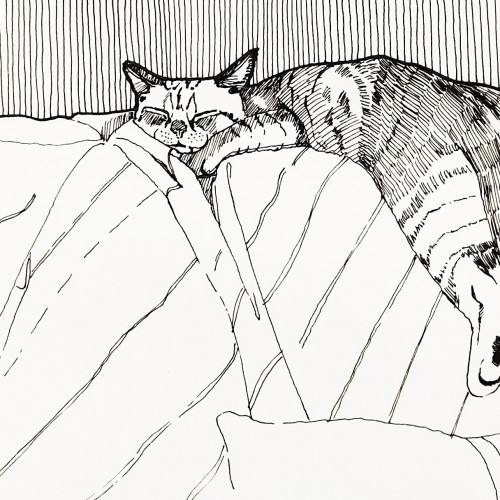
A nap.
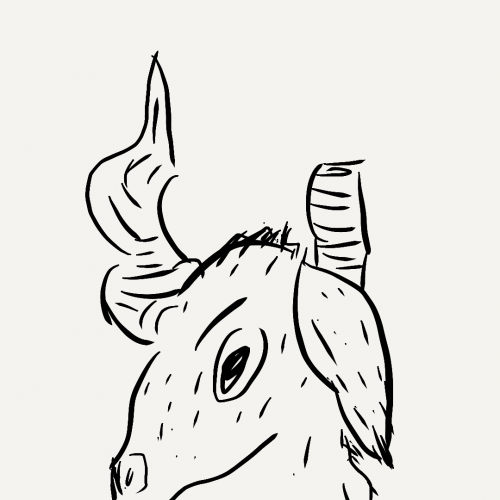
I am testing some new papers and colors to do more illustrations for the Minotaur book as I read it.
This book is called The Minotaur Takes His Own Sweet Time by Steven Sherrill. Can't wait to start it. https://www.instagram.com/p/Ce6SbuaOTqo/?utm_source=ig_web_copy_link
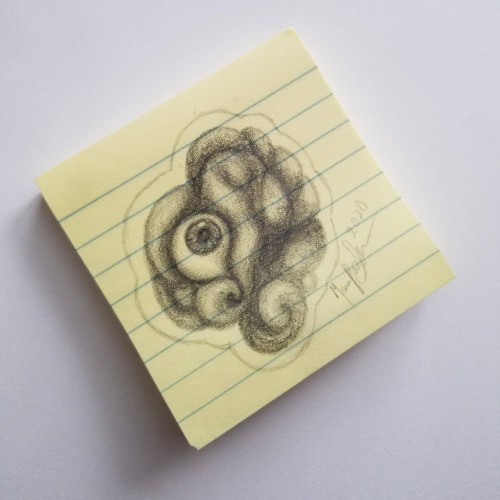
"'Faith' is a fine invention for gentlemen who see. But microscopes are prudent In an emergency!"-Emily Dickinson. A doodle from English class during the 4th rainy and cold day this week; let's hope the weather isn't foreshadowing how the rest of the school year will go. In all honesty, the only way I got through this week was courtesy of gymnastics and my fantastic coaches (shout out to Tony and Andrea). I figured I'd snap a photo of this before I give it away...
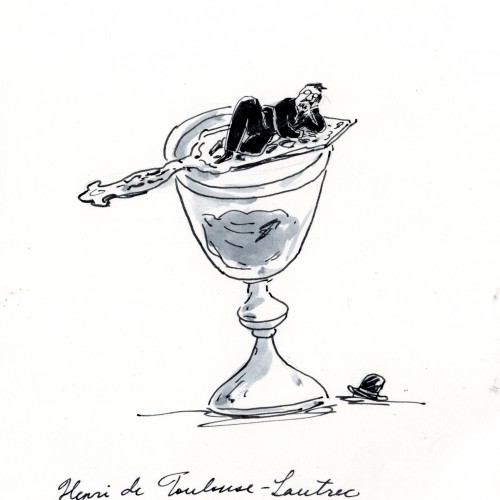
Henri de Toulouse-Lautrec (1864-1901)
Toulouse-Lautrec drank constantly and slept little. After a long night of drawing and binge-drinking, he would often wake early to print lithographs, then head to a café for lunch and several glasses of wine. Returning to his studio, he would take a nap to sleep off the wine, then paint until the late afternoon, when it was time for aperitifs.
(One of his inventions was the Maiden Blush, a combination of absinthe, mandarin, bitters, red wine, and champagne. He wanted the sensation, he said, of “a peacock’s tail in the mouth.”)
From Daily rituals by Mason Currey
#dailyrituals #inktober #henriToulouseLautrec @masoncurrey
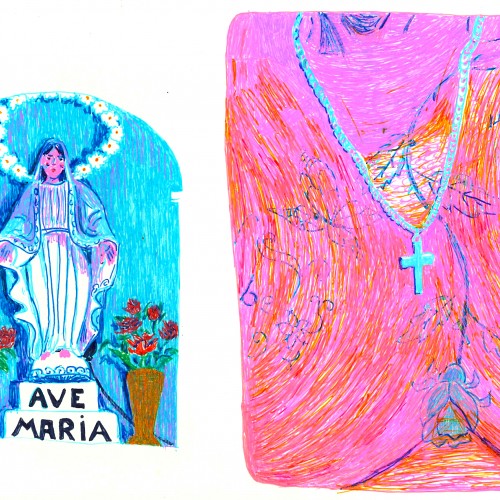
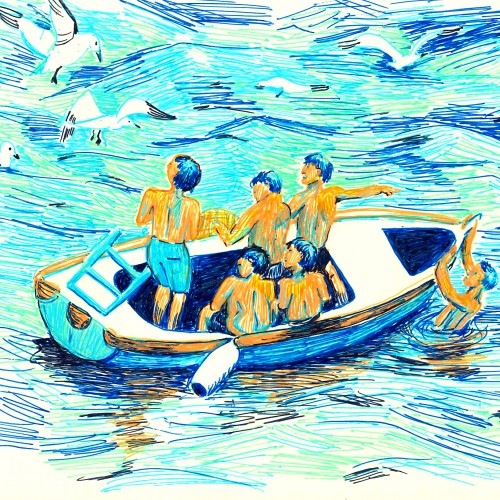
made with gel ink pen for a future art book about mediterranean way of life. In the streets of Napoli we can find these little virgo statues in every corners and big men shirtless
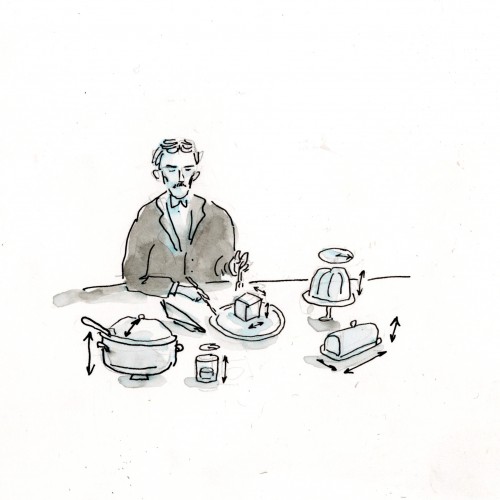
Nikola Tesla (1856–1943)
After he had started his own company, Tesla arrived at the office at noon. Immediately, his secretary would draw the blinds; Tesla worked best in the dark and would raise the blinds again only in the event of a lightning storm, which he liked to watch flashing above the cityscape from his black mohair sofa.
Tesla ate alone, and phoned in his instructions for the meal in advance. Upon arriving, he was shown to his regular table, where eighteen clean linen napkins would be stacked at his place. As he waited for his meal, he would polish the already gleaming silver and crystal with these squares of linen, gradually amassing a heap of discarded napkins on the table. And when his dishes arrived—served to him not by a waiter but by the maître d’hôtel himself—Tesla would mentally calculate their cubic contents before eating, a strange compulsion he had developed in his childhood and without which he could never enjoy his food.
- From Daily Rituals: How Artists Work by Mason Currey
“Of all things, I liked books best.”
― Nikola Tesla
“One must be sane to think clearly, but one can think deeply and be quite insane.”
― Nikola Tesla
#dailyrituals #inktober #NikolaTesla @masoncurrey
I am an art teacher with a master’s degree—trained by brilliant professors who believed that art could do more than decorate walls. I offer safe spaces for teenagers to grow—nourishing soil where their imaginations can take root.
And yet… I am assigned to hallway duty.
This is compulsory education, after all.
So I sit—posted like a sentinel—watching young lives stream past.
“Get to class,” I say with a smile and a nudge.
The system wants attendance; I’m hungry for presence.
Armed not with a whistle or clipboard, but with a pen—
my scribble’s soft insurgency.
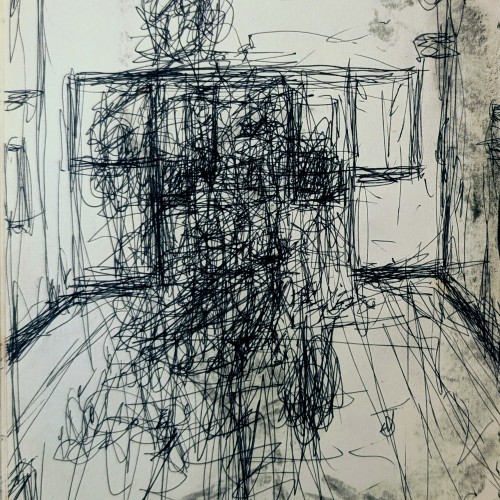
The hallway stretches out like a geometric hymn.
Columns and corners chant structure.
Teenagers swirl past—half-formed galaxies of limbs and laughter—
their orbits chaotic, their gravity pulling time forward.
I begin to draw.
Not their tardiness, but their motion.
A shoulder. A blur of sneakers.
A tilted head chasing freedom.
Feet flickering like seconds.
Each mark a pulse.
Each smudge a breath.
My paper becomes a seismograph of seeing—
trembling gently through the mundane.
This isn’t about making art for a frame or a feed.
It’s about refusing to leak away in the fluorescent hum of obligation.
It’s a quiet mutiny against the clock.
I do this on long car rides, too (passenger side, mind you).
Letting the lines grow wild, jagged, and unapologetic.
Not for polish—
but for presence.
This is how I remember I’m still alive.
Still growing.
Still watching.
Still choosing to see.
Because sometimes mental health looks like
a piece of scrap paper,
a moving pen,
and the simple, sacred act of
marking time with wonder.
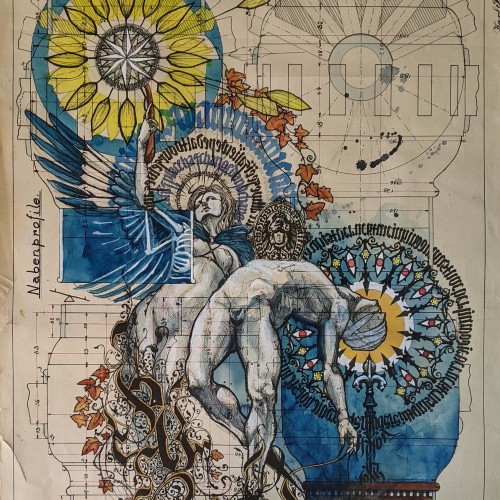
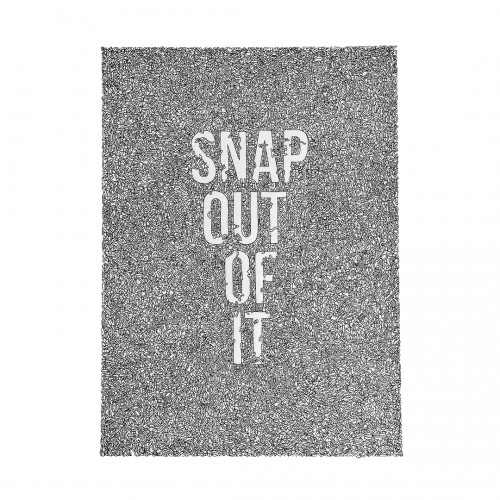
Another work created in Lockdown in Berlin. Drawn on a piece of drafting paper from an ingenieering student in Leipzig, 1923. Like the cellar it was found in, it expresses a longing to be outside. A longing to feel of use, a job to go to or someone to visit. It is confusion and patience drawn out thin and ready to snap at any moment.
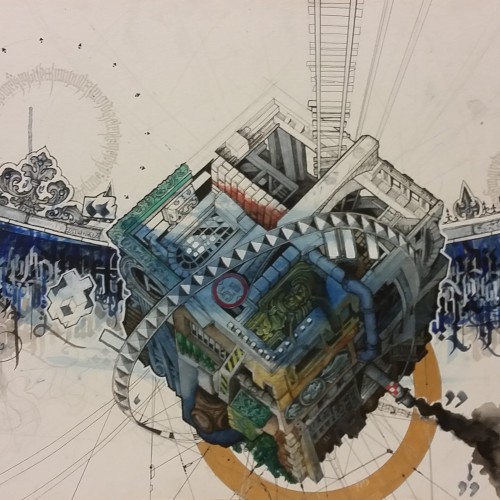
A cartographic representation of the experience of moving to a new city in a foreign land. This work, dubbed as 'Introspectionism', provides the viewer with a snapshot over time of the inner workings of the process of the strange becoming slowly more familiar and the foreign becoming Home.
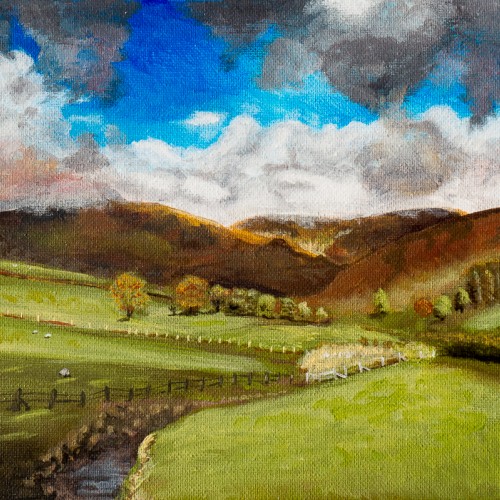
The reference for this painting was a quick snap I took at the roadside on a trip up to Angelsey. Didn't really manage to capture the scale or the atmosphere.
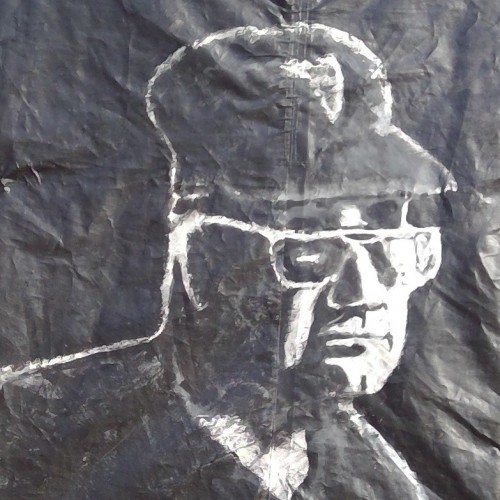
This is an exterior white paint on an old tarp with a treated lumber frame painting using a photograph taken of my Dad in the Summer of 1979. Dad and I were on the porch playing our guitars while a girl I was dating snapped some photos. I get a sense of Dad's calmness whenever I look at the photo, and now, this painting.