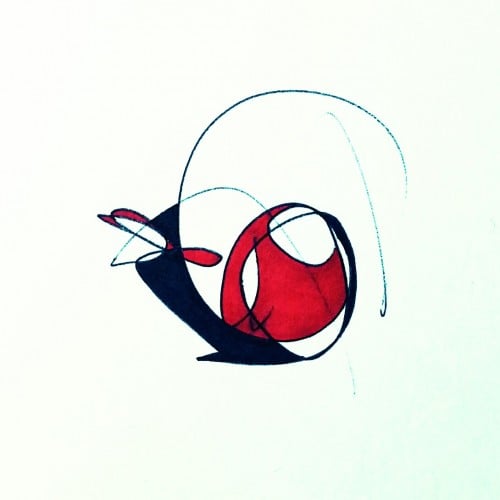
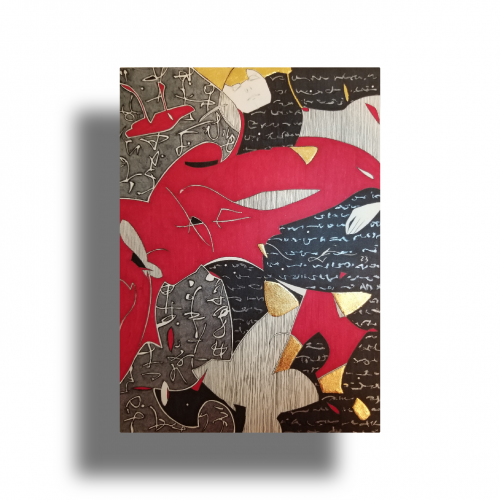
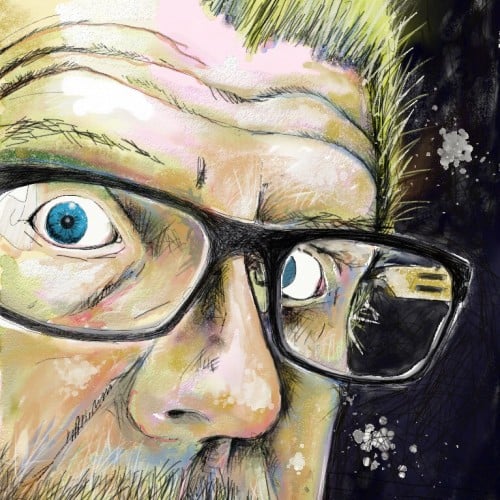
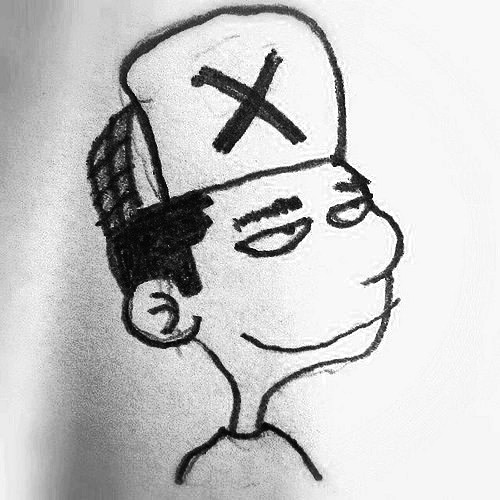
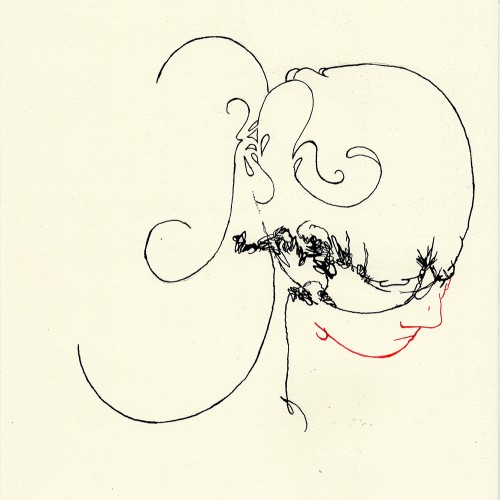
The idea is to show a figure crossing over two ` scripts’ with a bilingual suggestion. By standing in between worlds, we see opposing viewpoints.
Many artists have incorporated typography as symbols in their paintings since the 60s, but no one has attempted to approach lines in this `written’ manner. How different it is are the two writing styles of the East and the West; one with angular lines while the other in a smooth flow! This work juxtaposes the symbolism of cultures – script. At the same time, it questions the need to grasp the full meaning of the script to appreciate the aesthetic flow of calligraphic lines.
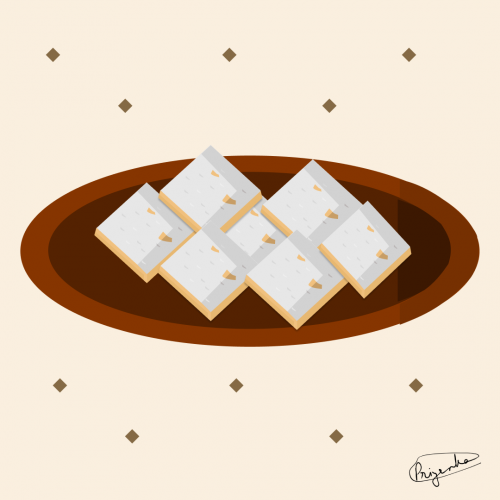
Kaju Katli or Kaju Barfi is an Indian sweet that is made of crushed cashew nuts and sugar.
Illustrated the delicate, sweet and rich Kaju Katli, showcasing its tender layers of smooth cashew nut paste enveloped in an intricate lattice of glossy, golden sheets.
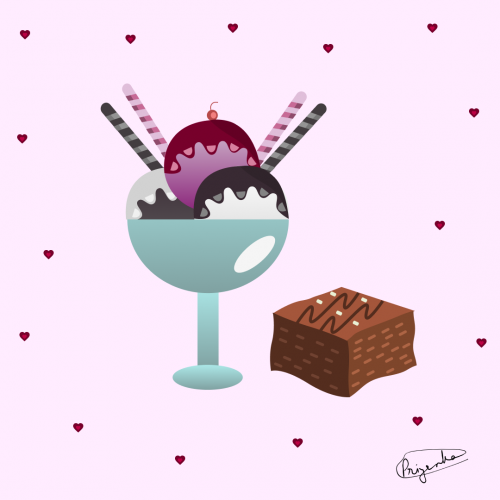
Illustrated an irresistible combination of three overflowing, creamy, smooth scoops of strawberry,
vanilla and chocolate with crunchy sticks accompanied with a warm, rich, and gooey chocolate brownie topped with chocolate sauce
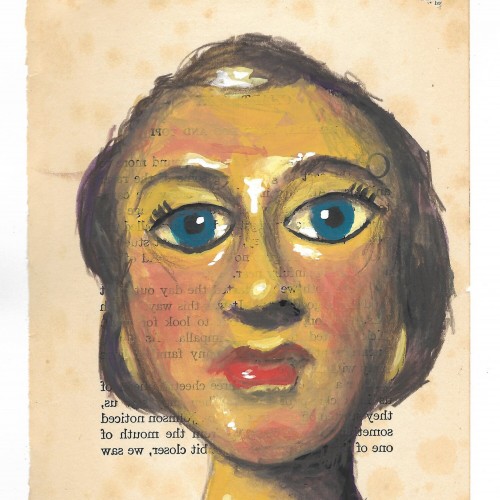
The Woman Puppet from Rome. A clay or plaster of paris puppet head that was glossy and smooth. This painting of the woman pupped is regal and dignified. It shows little animation or dramatic expression. It is unlike most of the others, say for its counterpart
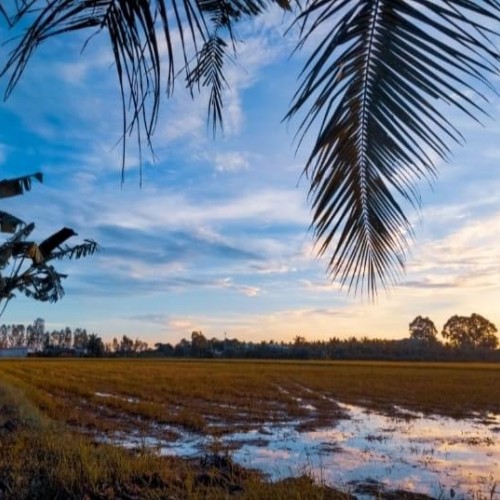
The countryside is a place far away from the city, peaceful and cool. My hometown is also on the outskirts of the city. Every summer vacation home to visit, I enjoy a cool and fresh air. Both sides of the road are straight dikes with fields, smooth green lawns, and beautiful vast fields. In my hometown, there are bamboo and banyan trees for shade every summer afternoon. Farmers work hard to cultivate and cultivate vegetables. Young people about the same age as me, come home from school and still have to take care of buffaloes and cows. People in the countryside live frugally, spontaneously, but full of love. They know how to care for each other in the village love.
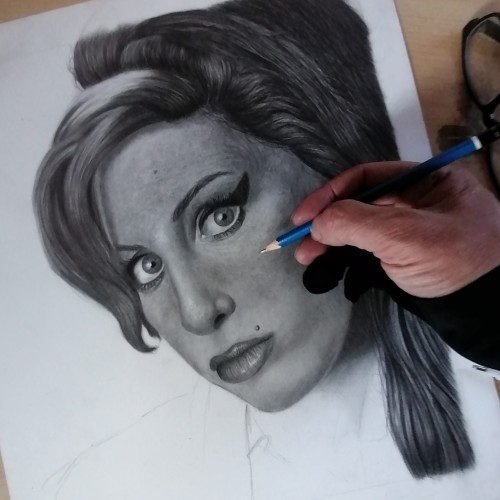
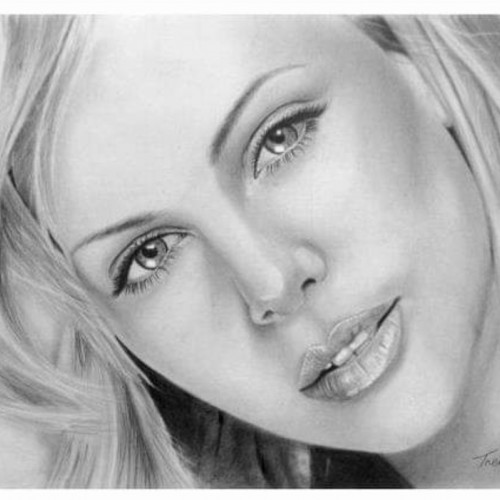
This is a color pencil drawing by me based on a model named Veronika.I used Faber Castell Polychroms and Prismacolor pencils on Smooth Cartridge paper.many thanks for looking.
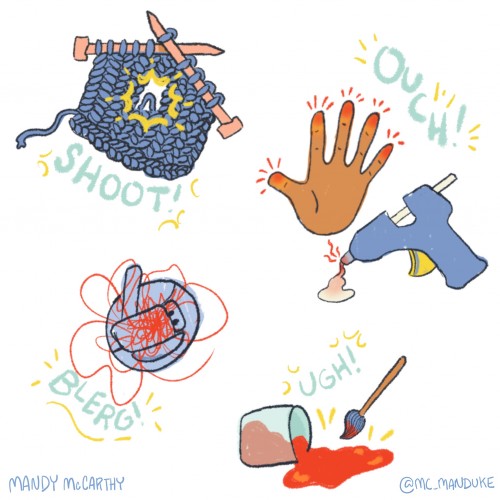
The plight of the maker is tears from a dropped stitch, the unrelenting mental gauntlet that is bobbin knots, the pain of fingertips burned smooth from the lava-like ooze that hold our creations together. Makers! Know this. You are not alone.
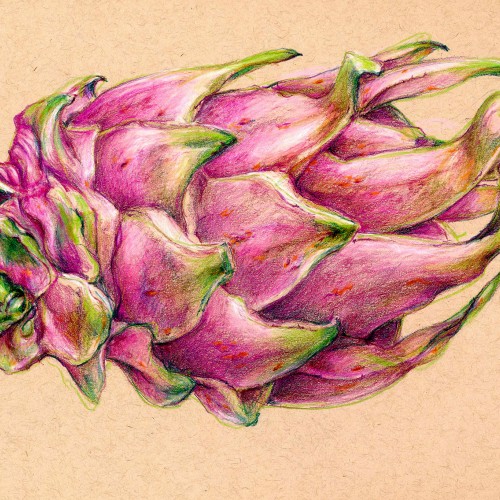
I asked my husband (who is our Covid-period grocery shopper as I am high risk) to bring home a fruit to draw. He came home with a dragon fruit. For those who don't know this interesting edible, it's from a cactus. There are two species: the Asian species is white inside, the Central American variety is shocking pink (see photo). Great in smoothies or when nicely ripe (as this one was) it's tasty eaten out of the skin with a spoon.
So I've been looking into other programs tailored to illustrators and I came across Krita. It's free, easy to use and I LOVE the intuitive pen pressure and natural smoothness
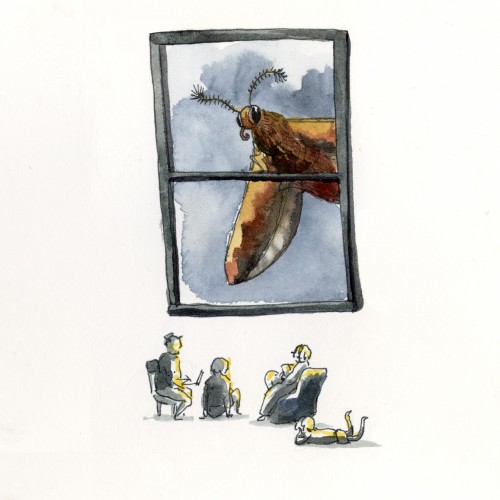
https://www.instagram.com/p/CCtS009hqco/?utm_source=ig_web_copy_link A beautiful moth came for a visit. Silky smooth (I petted her of course) and magnificent.
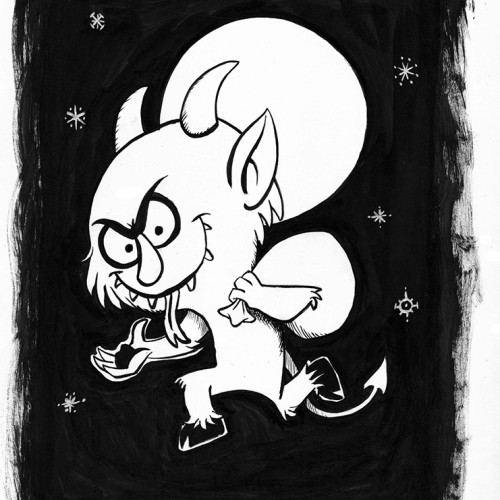
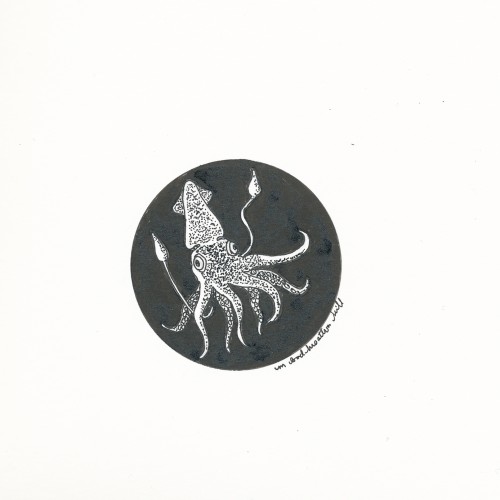
Brush with black ink and white acrylic paint on 9” X 12” acid free Strathmore Bristol smooth surface paper. The Image dimensions are about 5 1/2” X 8 ½. Signed and dated.
(The black ink was used for the character as well as for the background. The acrylic painting was used only for the small shapes in the background)
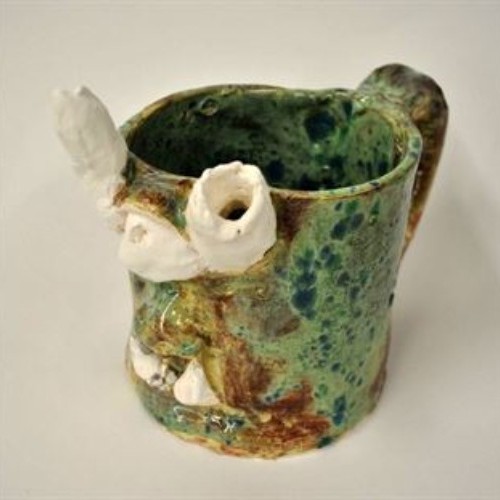
The first stage of clay is slip. Slip is watery clay; it is most often used to "slip and score", which I used to attach the features of the mug to the mug itself.
The second stage of clay is wet. Wet is moist, very plastic clay. Wet is the type of clay I love to use, just because it feels so fresh, and because it is moist enough that I don't have to soften it with water.
The third stage of clay is leather hard. Leather hard is the stage my mug was in after being left on the shelf for twenty-four hours or so. It is easier to cut but very difficult to sculpt.
The fourth stage of clay is greenware. Greenware is completely dry clay that is fragile and breakable. I would say that greenware is an overdose of leather hard for the clay. In other words, leaving clay out for a longer amount of time can turn leather hard clay into greenware.
The fifth stage of clay is bisque. This is the clay after its first firing. If it was grey clay, it is now white in this stage. It is now completely hard and no longer soft in any way. Bisque, luckily, is only one stage away from glaze...
The sixth stage of clay is glaze. This is the final firing and results in a smooth texture and a shiny look. I loved the way my glaze came out. While I was painting the mug, it was more of a ruddy red-brown but when it glazed, it turned out to be this beautiful spotted green.
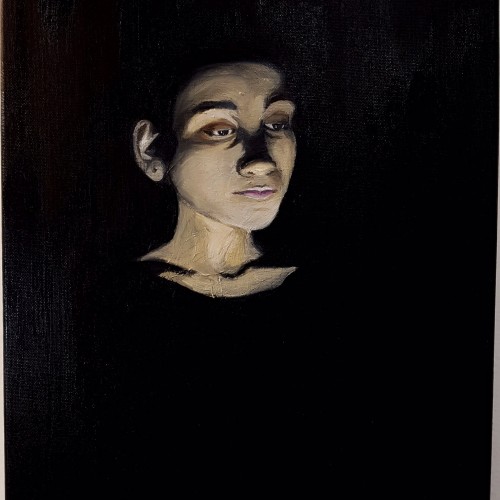
Inspired by the Neo-Classical period, I pushed myself as an artist to portray subjects in an idealistic fashion combining drama and artificial lighting. The subject is my sister who modelled as a reference, enabling me to control the shadowy effect over her face. The dim lighting and dark background resonated with the period style, focusing on the facial parts that are visible. The end result looks like she is emerging from the darkness. A somber atmosphere is illustrated through visual expression.
Adding the fast drying oil on the brushes improved the blending of the colours on the canvas which was especially useful when it came to applying strokes on the face smoothly. Visit https://www.martiaposts.com for more