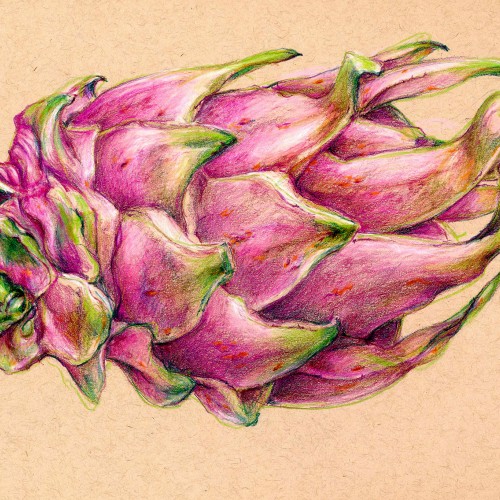
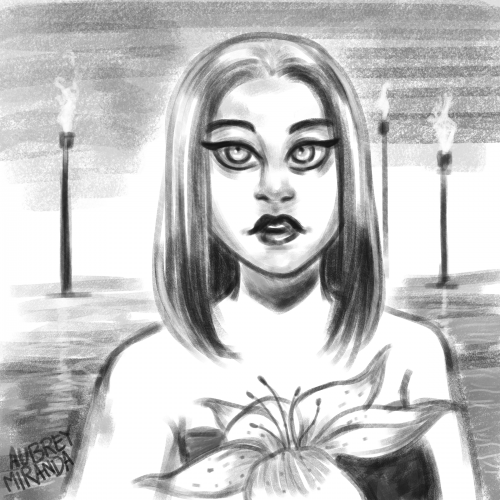
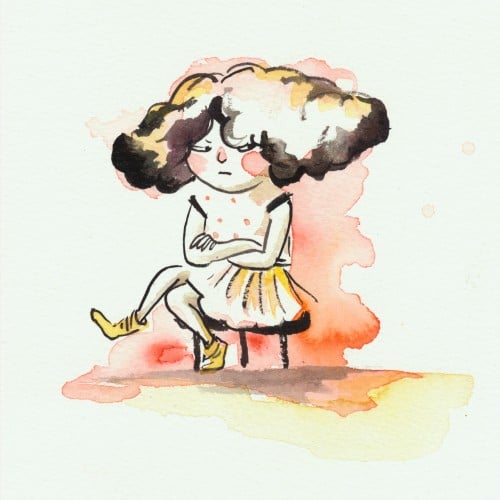
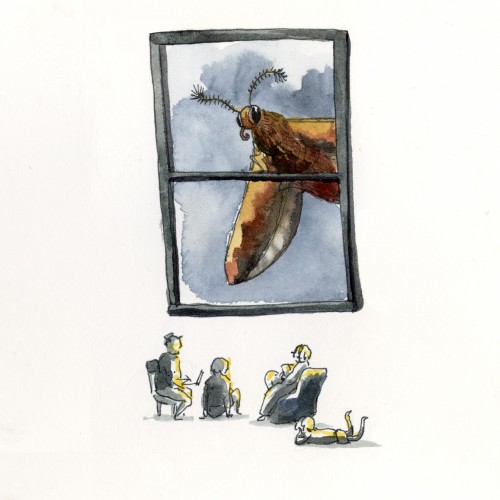
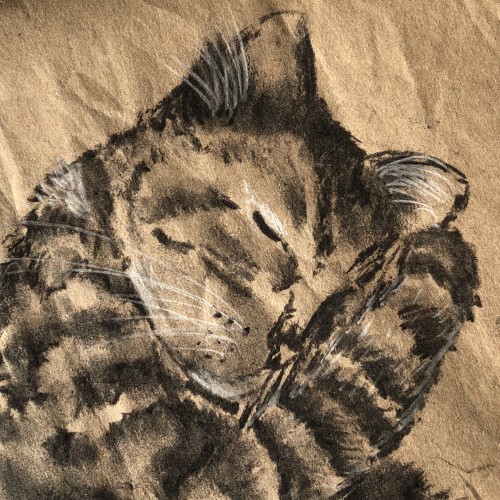
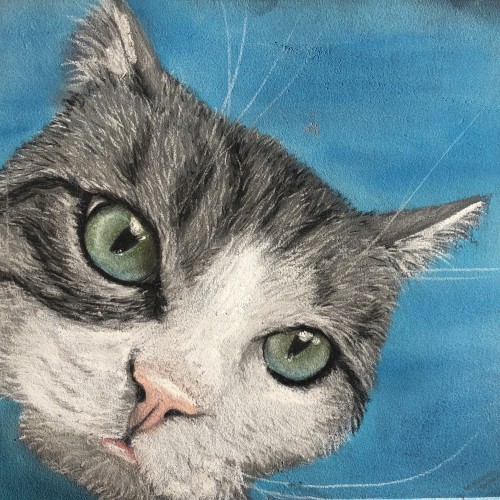
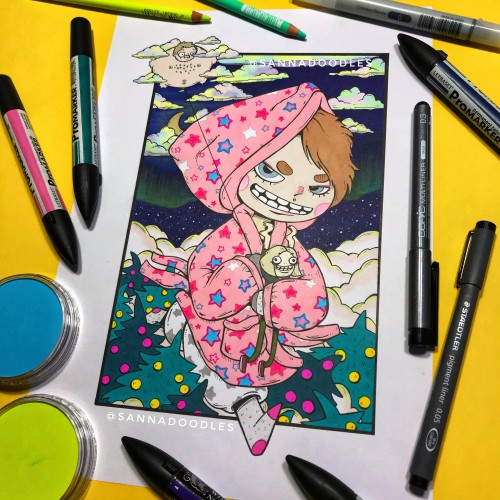
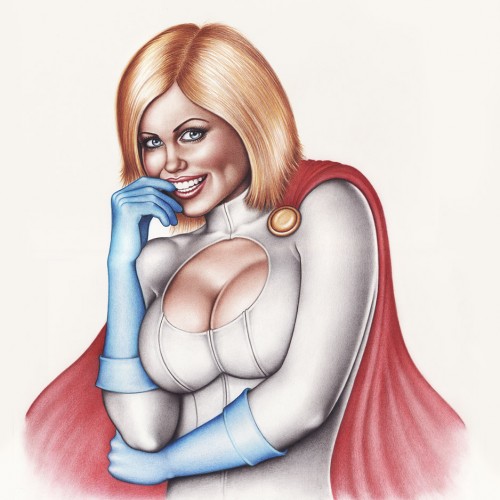
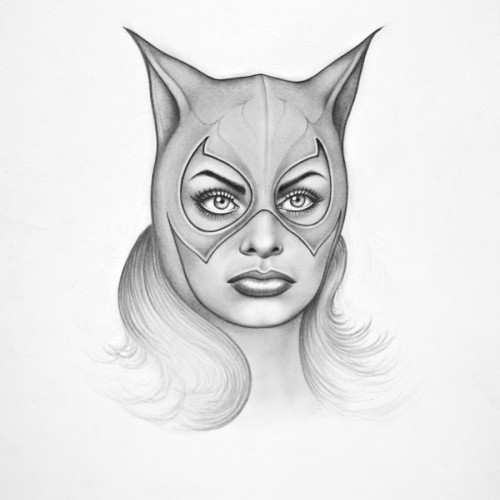
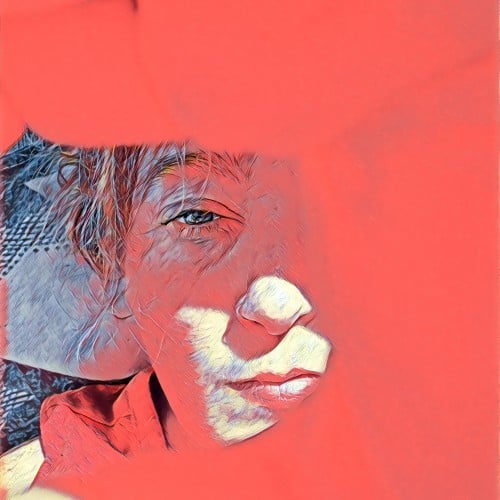
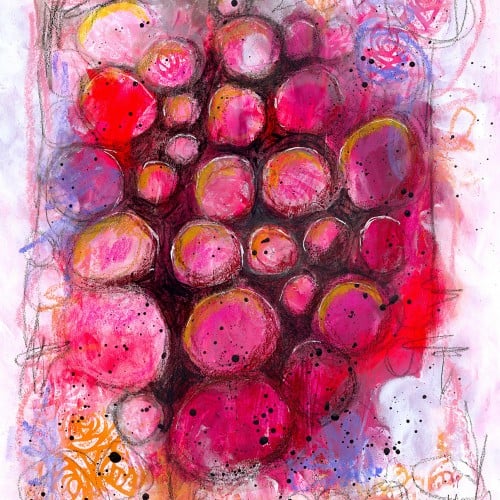
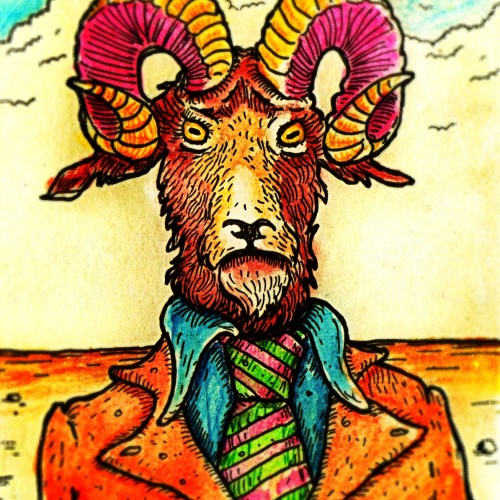
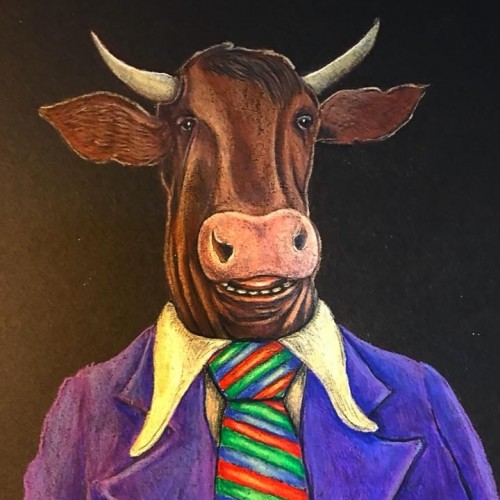
My first venture into artist grade colouring pencils - and I'm smitten! I never thought I could achieve such boldness and blendability with them! I'm still getting used to them and will think about choosing smoother paper with less tooth next time. The texture and weight was more for the water-based gouache along with alcohol inks (which are very unforgiving to even primed heavy paper!). Apologies for the unevenness of lighting between the 2 sides of paper; will correct that when I'm making proper image files.
This is a color pencil drawing by me based on a model named Veronika.I used Faber Castell Polychroms and Prismacolor pencils on Smooth Cartridge paper.many thanks for looking.
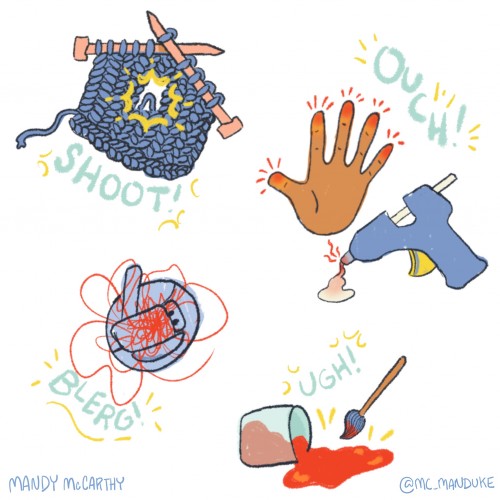
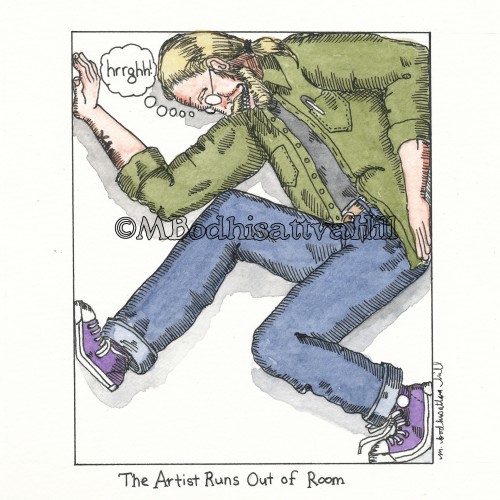
The plight of the maker is tears from a dropped stitch, the unrelenting mental gauntlet that is bobbin knots, the pain of fingertips burned smooth from the lava-like ooze that hold our creations together. Makers! Know this. You are not alone.
I asked my husband (who is our Covid-period grocery shopper as I am high risk) to bring home a fruit to draw. He came home with a dragon fruit. For those who don't know this interesting edible, it's from a cactus. There are two species: the Asian species is white inside, the Central American variety is shocking pink (see photo). Great in smoothies or when nicely ripe (as this one was) it's tasty eaten out of the skin with a spoon.
So I've been looking into other programs tailored to illustrators and I came across Krita. It's free, easy to use and I LOVE the intuitive pen pressure and natural smoothness
https://www.instagram.com/p/CCtS009hqco/?utm_source=ig_web_copy_link A beautiful moth came for a visit. Silky smooth (I petted her of course) and magnificent.
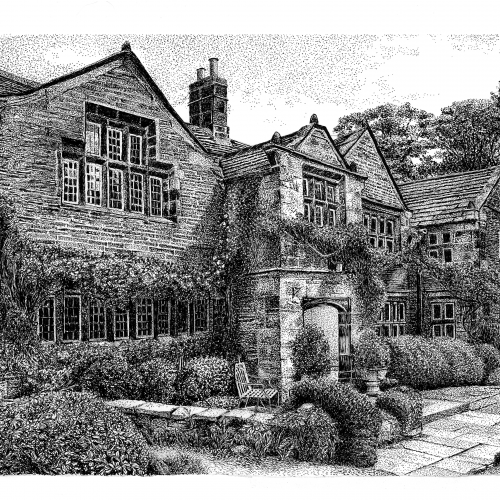
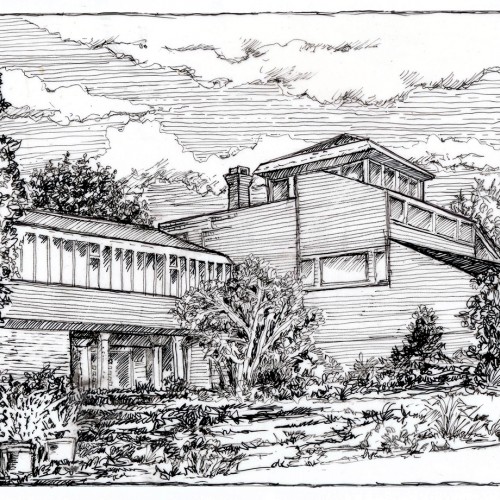
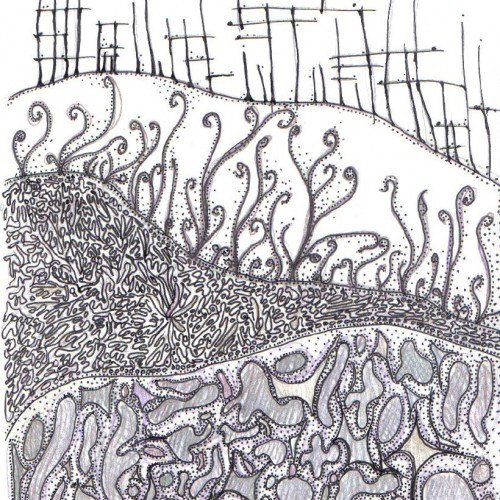
Architectural subjects are not my penchant....but this is a pen line drawing of our house which I did a few weeks ago near the beginning of the "stay at home" phase of our lives. Seemed a fitting subject. Just a couple of micron pens on a smooth surfaced paper.
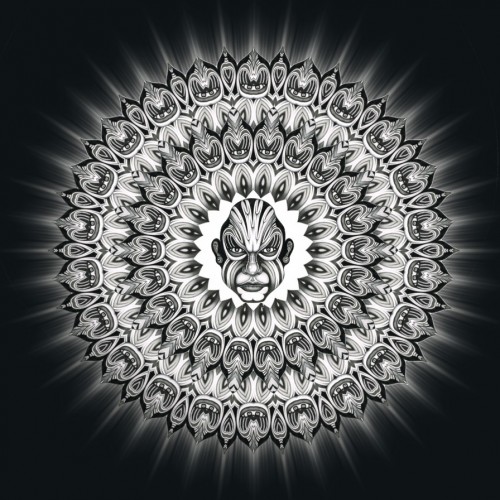
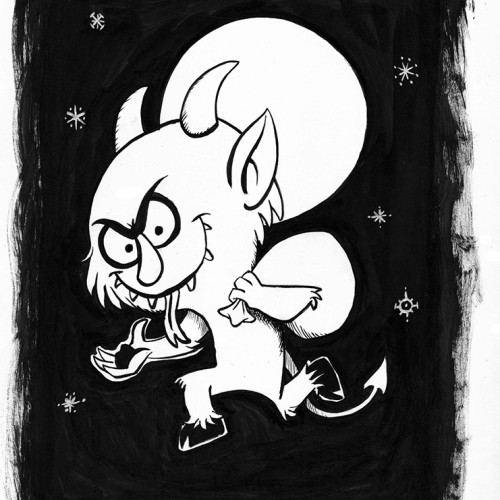
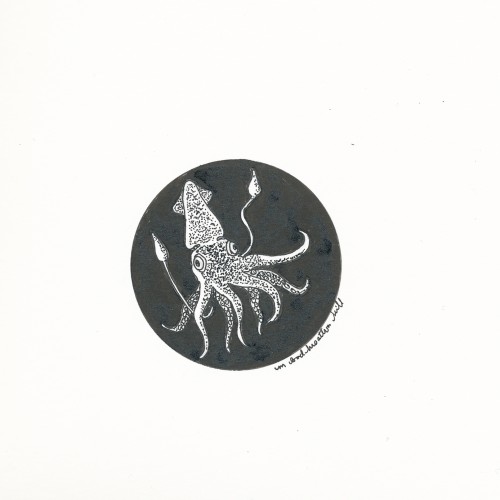
Brush with black ink and white acrylic paint on 9” X 12” acid free Strathmore Bristol smooth surface paper. The Image dimensions are about 5 1/2” X 8 ½. Signed and dated.
(The black ink was used for the character as well as for the background. The acrylic painting was used only for the small shapes in the background)
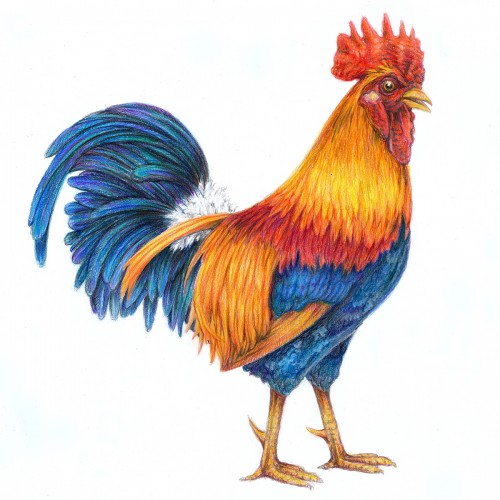
Our rooster was killed by a weasel while defending his hens a few years ago, so this fellow was referenced from various on-line photos. He's drawn with colored pencils on Strathmore 400 Smooth Bristol board paper.
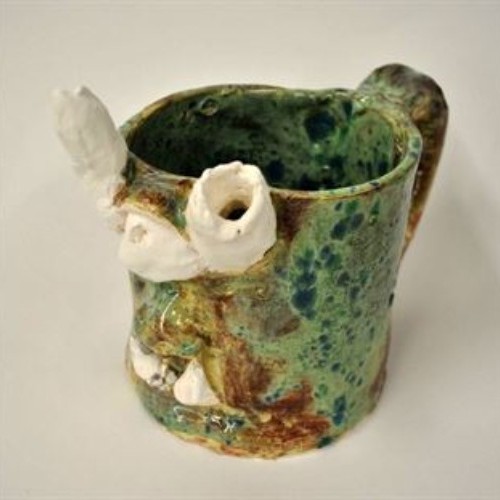
The first stage of clay is slip. Slip is watery clay; it is most often used to "slip and score", which I used to attach the features of the mug to the mug itself.
The second stage of clay is wet. Wet is moist, very plastic clay. Wet is the type of clay I love to use, just because it feels so fresh, and because it is moist enough that I don't have to soften it with water.
The third stage of clay is leather hard. Leather hard is the stage my mug was in after being left on the shelf for twenty-four hours or so. It is easier to cut but very difficult to sculpt.
The fourth stage of clay is greenware. Greenware is completely dry clay that is fragile and breakable. I would say that greenware is an overdose of leather hard for the clay. In other words, leaving clay out for a longer amount of time can turn leather hard clay into greenware.
The fifth stage of clay is bisque. This is the clay after its first firing. If it was grey clay, it is now white in this stage. It is now completely hard and no longer soft in any way. Bisque, luckily, is only one stage away from glaze...
The sixth stage of clay is glaze. This is the final firing and results in a smooth texture and a shiny look. I loved the way my glaze came out. While I was painting the mug, it was more of a ruddy red-brown but when it glazed, it turned out to be this beautiful spotted green.
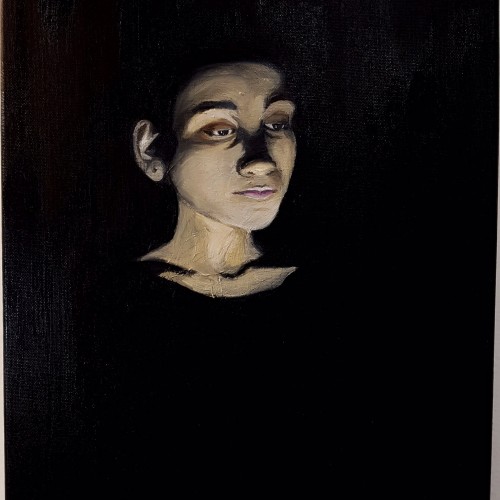
Inspired by the Neo-Classical period, I pushed myself as an artist to portray subjects in an idealistic fashion combining drama and artificial lighting. The subject is my sister who modelled as a reference, enabling me to control the shadowy effect over her face. The dim lighting and dark background resonated with the period style, focusing on the facial parts that are visible. The end result looks like she is emerging from the darkness. A somber atmosphere is illustrated through visual expression.
Adding the fast drying oil on the brushes improved the blending of the colours on the canvas which was especially useful when it came to applying strokes on the face smoothly. Visit https://www.martiaposts.com for more
Here is a pencil drawing of actress Charlize Theron. I used Cold Greys and black from the Faber Castell Polychroms range of color pencils on Strathmore Bristol Smooth (series 300) paper. Many thanks for looking
I had a rock tumbler as a child and really enjoyed it. When my youngest was a child we bought her one. She was eager to enjoy it too, but somewhere after starting on that path, we lost track and it everything inside turned into a solid mass. We tossed it and forgot about it. On a recent beach trip, I collected handfuls of rocks, as I am always likely to do, and, upon return, remembered how I loved my childhood rock tumbler. I immediately researched, ordered and eagerly anticipated its delivery. Of course, with Amazon Prime, that was only a couple day’s wait. As soon as I unboxed it I thought “what am I doing?” I have neither time, nor space for yet another hobby. I thought “what will I DO with a pile of polished, pretty rocks?” I would gather them in my hands and feel their silky smoothness. I would likely gather them in some beautiful glass bowl and…then what? I have toddler grand kids frequently at my home. They put small colorful things in their mouths and up their noses and feed them to the dogs regularly. And I don’t even have a single space to display a bog bowl of pretty rocks. So I quickly decided “I’m Returning the Rock Tumbler” and will, for NOW, stick to painting them when the mood strikes.