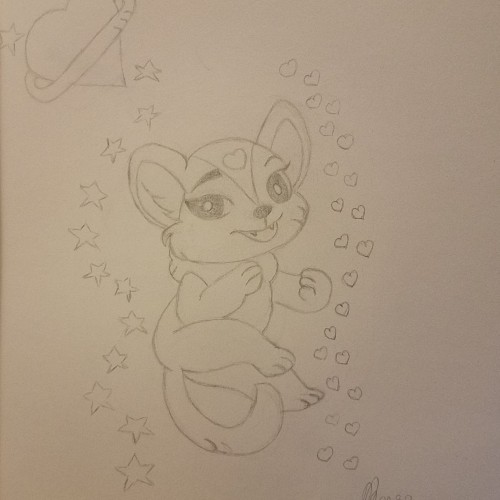
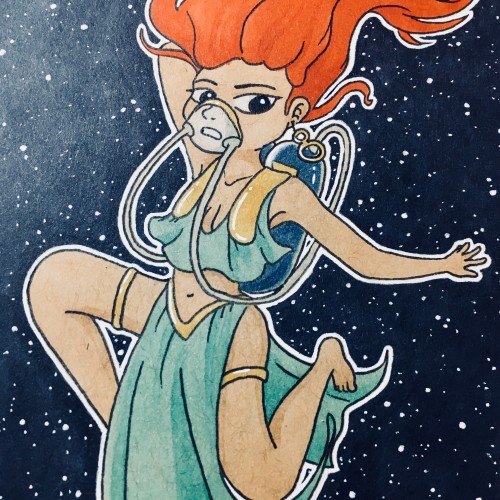
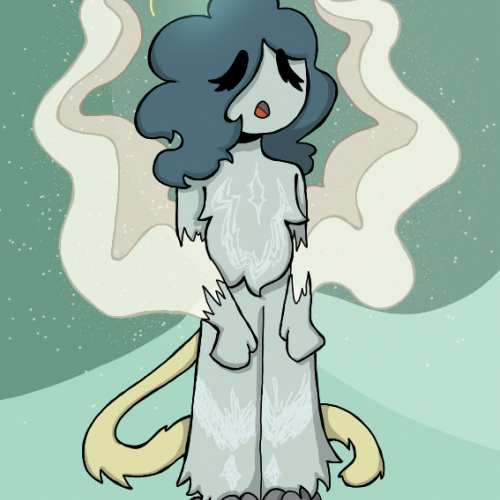
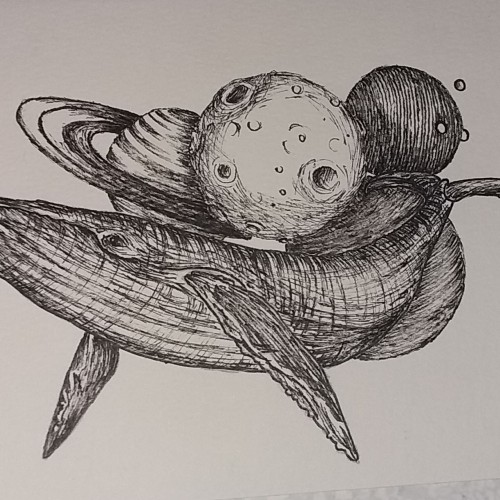
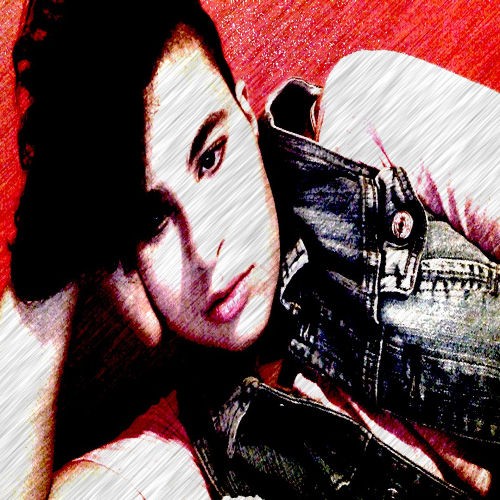
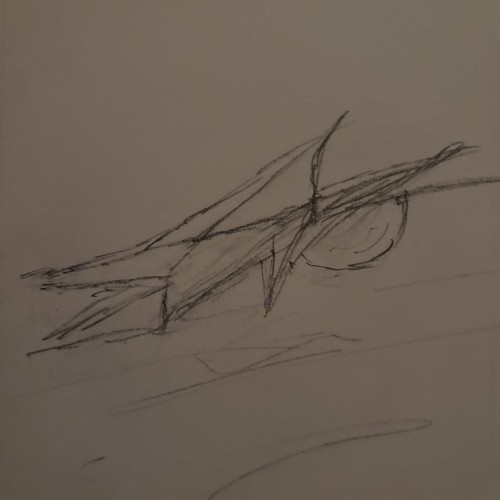
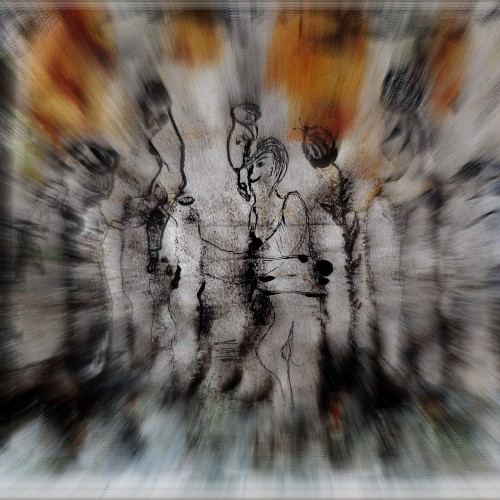
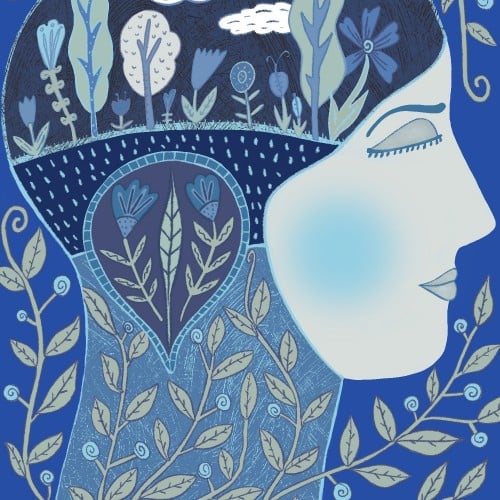
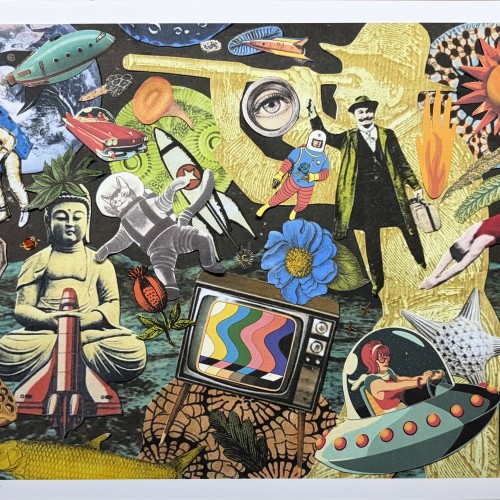
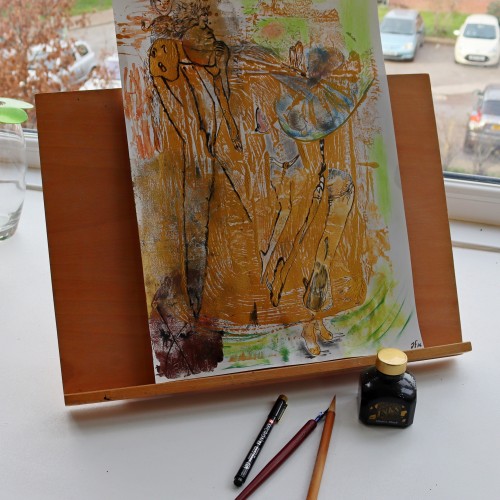
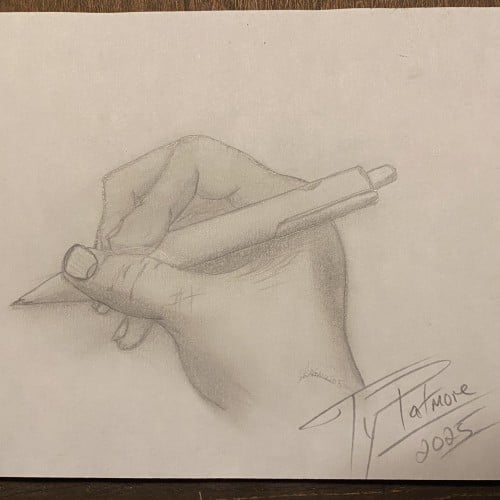
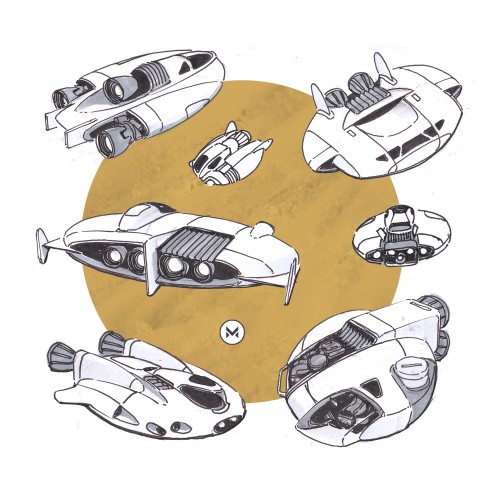
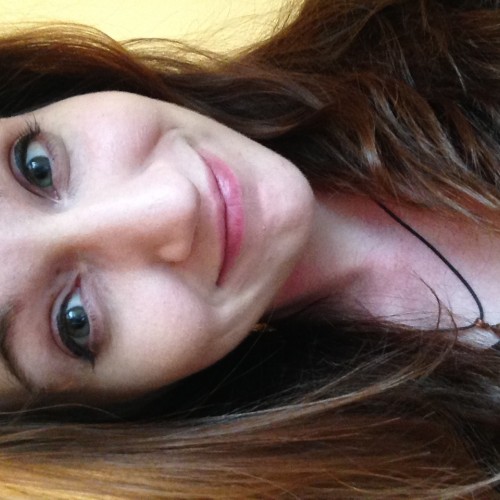
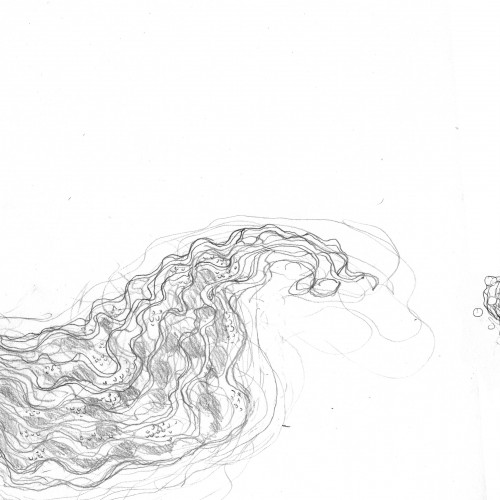
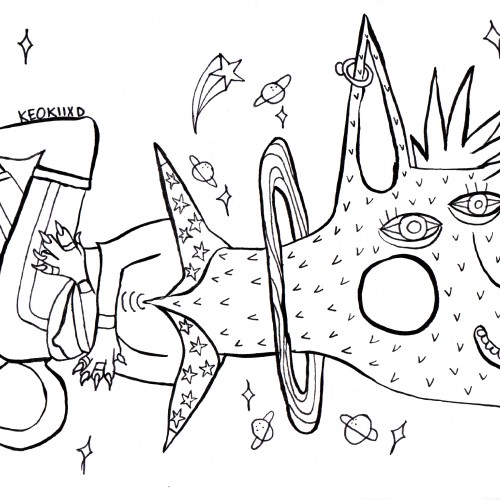
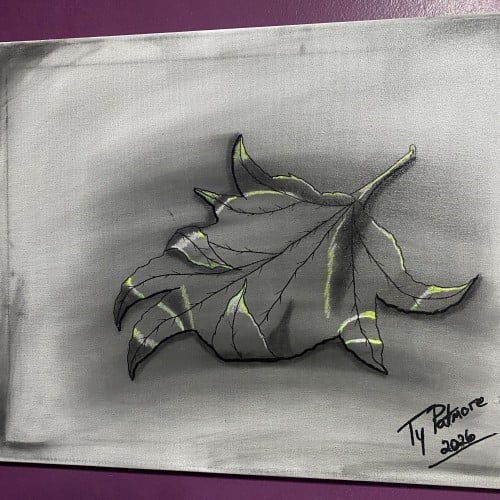
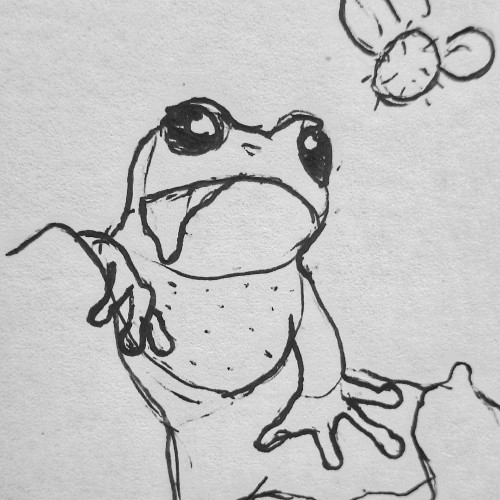
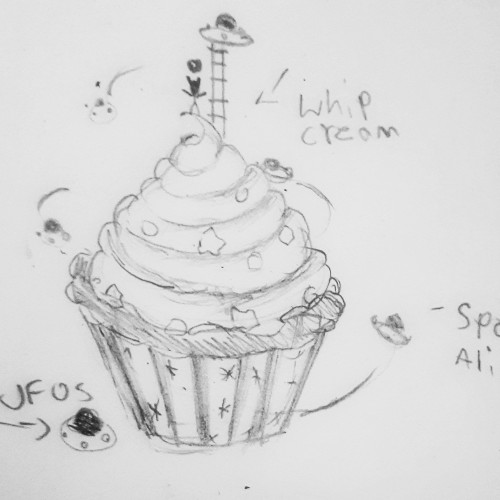
For some reason, I had to prove to myself that good art does indeed take time. Anyways, this is an angel character (they're not real angels, they're a fictional species of mine) in my "spacefluff" style. I think I want to name her Mosambi, because she's sweet.
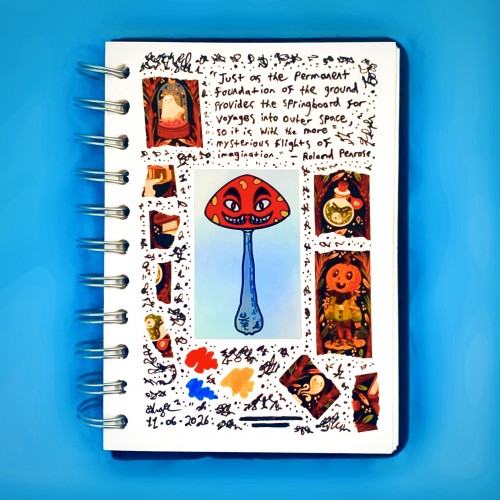
“Just as the permanent foundation of the ground provides the springboard for voyages into outer space, so it is with the more mysterious flights of imagination.”
— Roland Penrose.
It doesn't take a hero to order men into battle. It takes a hero to be one of those men who goes into battle ~
Norman Schwarzkopf
.
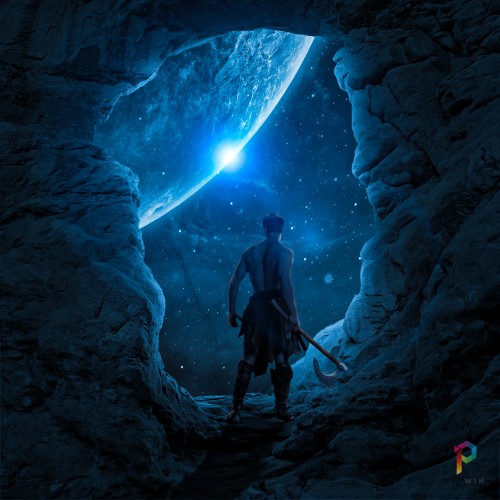
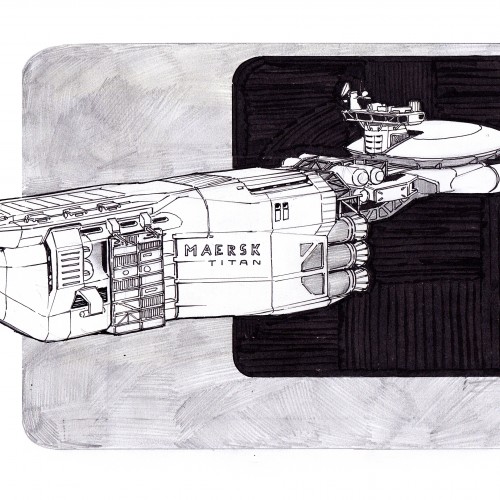
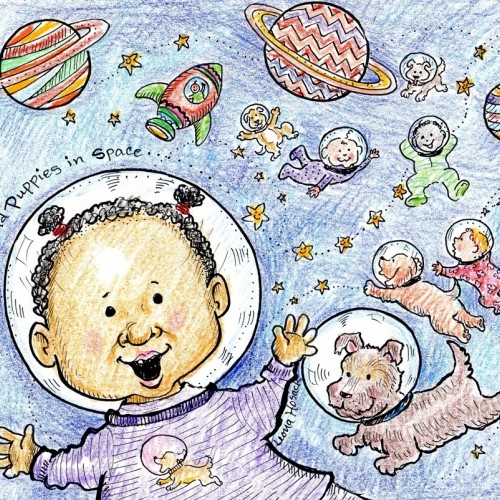
When the battle goes outer space and you are the only left ⚔️
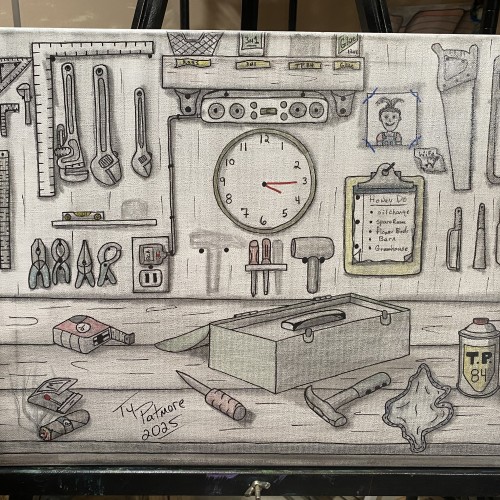
The Tool Bench marks my 50th canvas—completed exactly one year to the day after I finished my very first one. This piece is a tribute to work, memory, and the quiet corners where both creativity and responsibility live.
Drawn entirely freehand, it’s built like a snapshot of a lived-in workspace: mismatched tools, worn wood, scribbled reminders, and the little personal things that actually make a place yours. The clipboard holds a “Honey-Do” list that never seems to end. The Polaroid-style sketch of my wife sits taped to the wall like a reminder of why the work matters. The shadows on the back wall match the tools lying on the bench—suggesting a moment in progress, a task paused, life happening between motions.
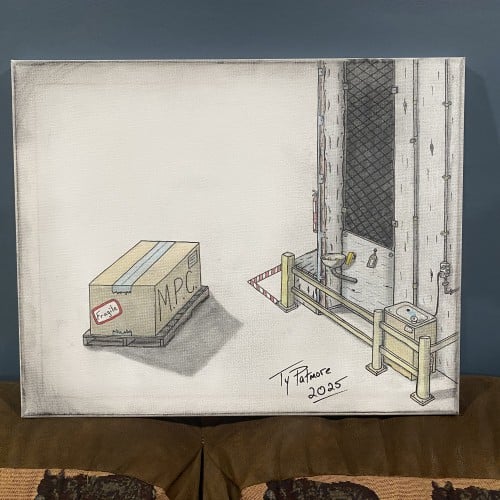
"Industrial Timeout" presents a meticulously rendered scene of solitude and tension within a utilitarian setting. The composition is split between a vast, empty white space and a tightly constrained, detailed industrial corner. In the foreground, a single, unassuming cardboard box sits on a pallet. It is labeled "FRAGILE" and "M.P.C." (possibly a reference to 'Minimum Package Content' or a similar industrial acronym), suggesting a precious, yet standardized, cargo awaiting movement.
I think for a lot of us, the pandemic has redefined what the definition of “staying at home” means. It has been a struggle navigating the new definition of “home” and the space that “home” occupies in our lives.
I think Art is the only good thing came out of religion. Maybe centuries from now when science will only be the thing people believe in, we will finally appreaciate the art we've created out of religious competency.
At that time we are living out there in space because of the nuclear disaster we've made on earth making it inhabitable for us to live. Because somebody thought that his god is better than somebody else's.
So now revisiting after centuries, looking at the marvels our ancestors have created make us hope that always good things come out of bad things. We just have to search for it.
The materials that Meir uses in her works are not of the refined and so she is called an “arte povere” artist. At times she describes her work as someone dealing in alchemy - work develops as in a trial laboratory with different techniques and materials. She says, “ at times the artistic work process is a sort of puzzle demanding the filling in of all the empty squares “.
Some of her work focuses on women, and they incorporate criticism and cultural protest.
Meir has strong opinions about recycling and environmental protection that is represented in her works by use of materials and shapes. In her work she reacts to contemporary art that communicates with the eco system, waste, and she also searches for different worlds. Her works are made up of layers upon colorful layers that when we look at them it becomes clear that the mound of waste she chose is not coincidental. It actually becomes a colorful kaleidoscope of utopia.
Jaffa Meir is a multifaceted, autodidact artist working in painting, sculpture, photography, product design, carpets and furniture, painting on textile, and computer graphics.
The structural composition of some of the works is influenced also by her many years of working in the architects’ office.
Meir also worked in the developing of ideas within the field of ecosystems and recycling for factories such as Coca Cola, and during this process came up with ideas for designing parks and public game spaces using industrial waste products.
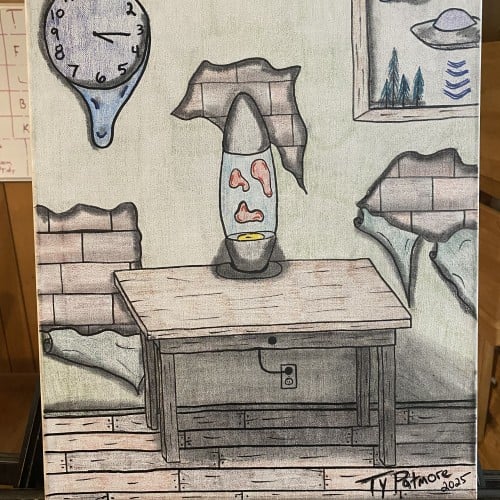
In “I Love Lamp,” Ty Patmore blends nostalgia, humor, and subtle unease into a surreal domestic scene where time, space, and memory feel slightly off-center. A lava lamp—softly glowing with drifting shapes—sits on a worn wooden table, acting as the sole beacon of warmth inside a room that is quietly falling apart. The wallpaper peels back to reveal fractured brick beneath, as if the structure itself is shedding its old skin.
A melting wall clock drips down the surface like time losing its grip, while a framed picture of a UFO drifting over pine trees hints that even the outside world may not be quite right. Every object bends reality just enough to make the viewer question whether this room is comforting… or unsettling.
From Sketch to Final Water Coloring Stages, this is a spread from Tide Day! A lot goes into making a good composition, taking into account the center of the image where the binding is, and how to play with size and negative space. One of my favorite things to do is explore contrasting expressions between characters and highlight their emotions through physical stances and expressions. This was a tough challenge with the lack of limbs and the watery context, but Pearl's stubbornness and attitude shines through!
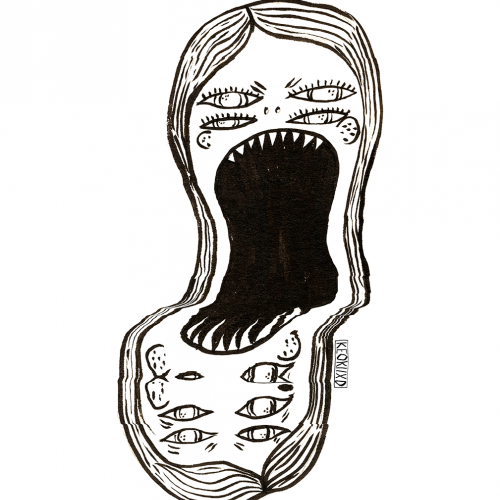
You can print and put some color on it! send me your creations @keokiixd on instagram or comment below. I made this illustration for a notebook project with my friends @drfrutas ✨ you can buy it at my ig too :)
A moment suspended between departure and arrival. Interim explores transition—where movement pauses, direction is uncertain, and meaning exists in the waiting. Rendered with restraint and negative space, the piece invites reflection on the quiet spaces between what was and what will be.