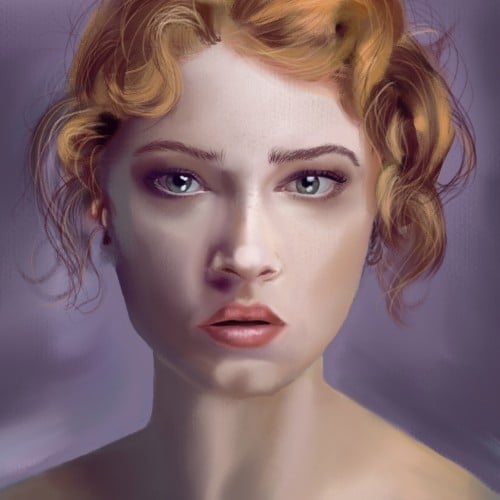
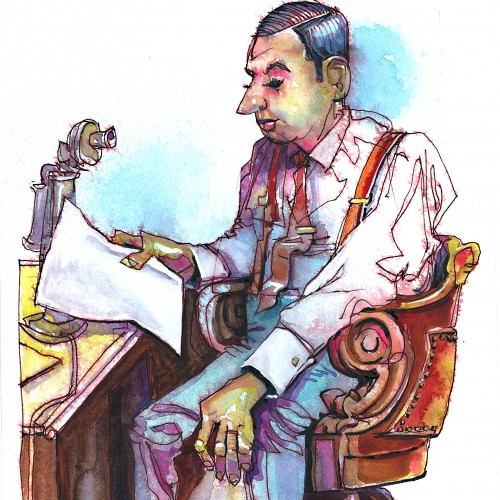
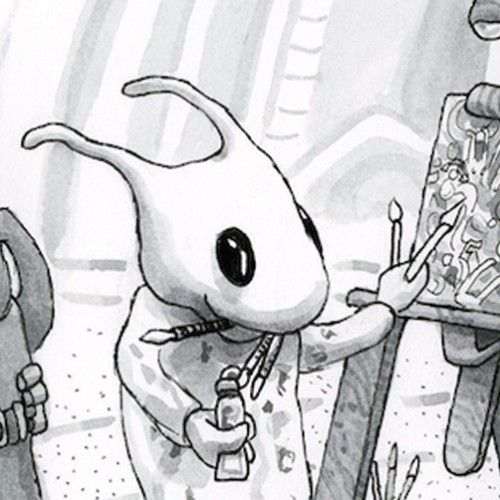
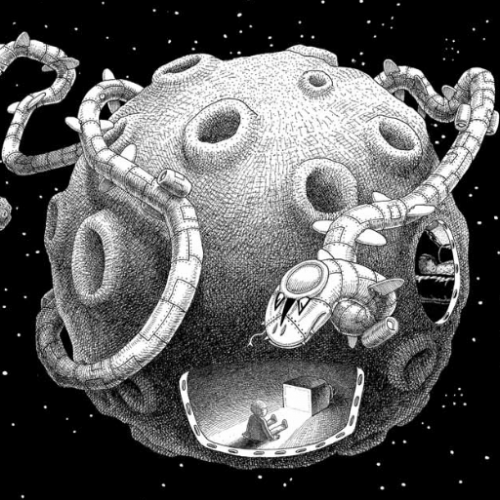
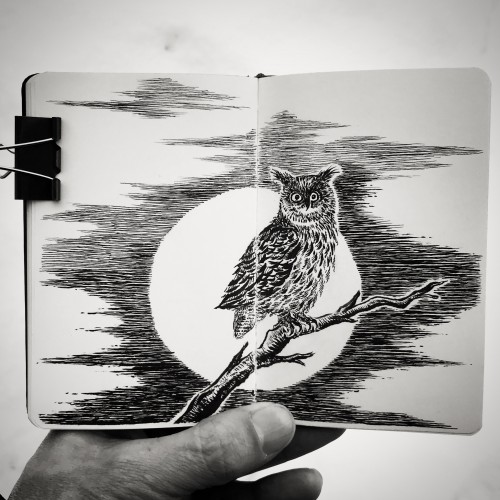
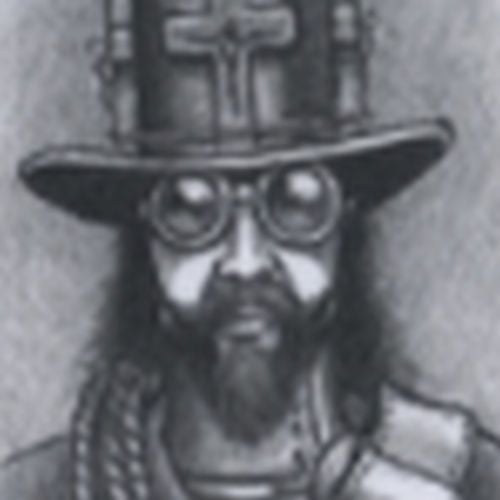
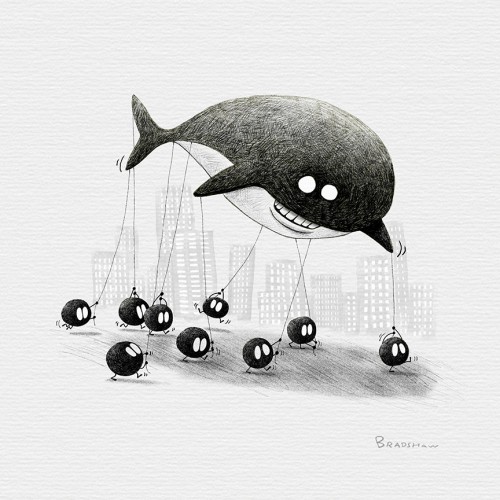
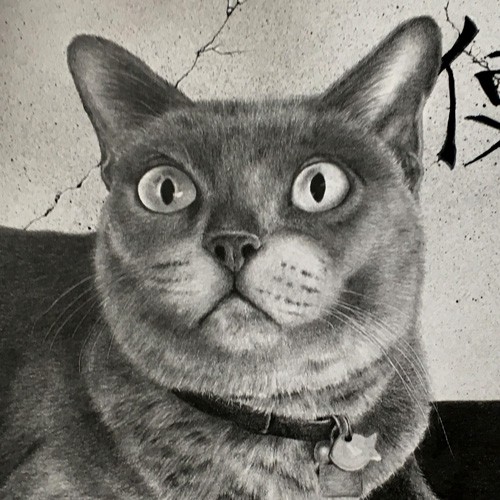
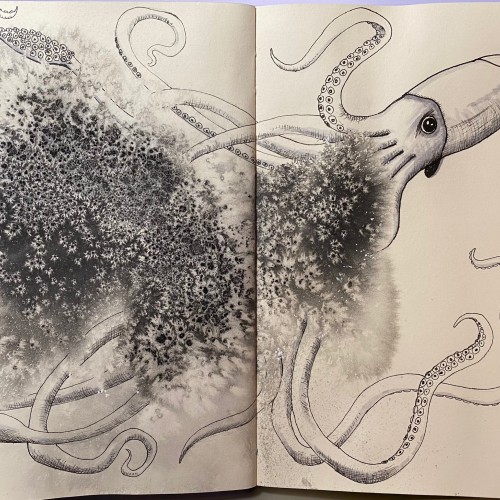
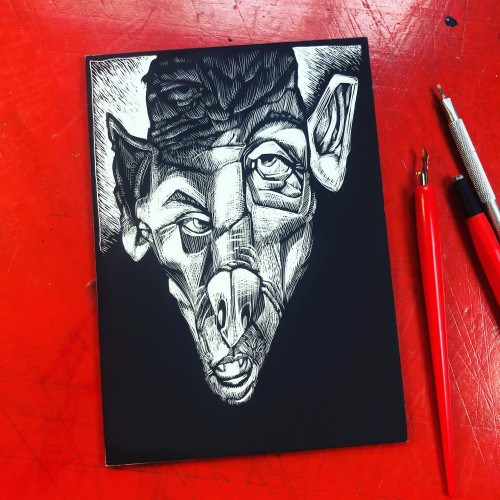
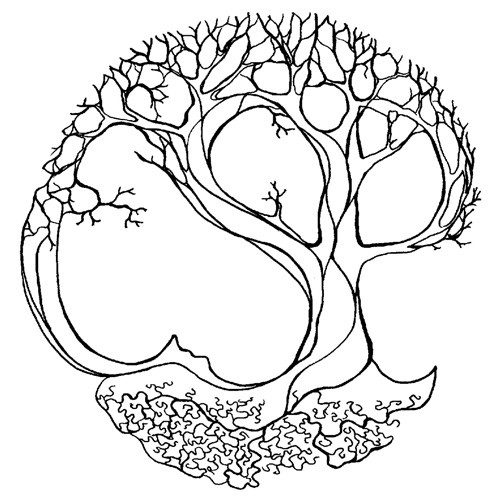
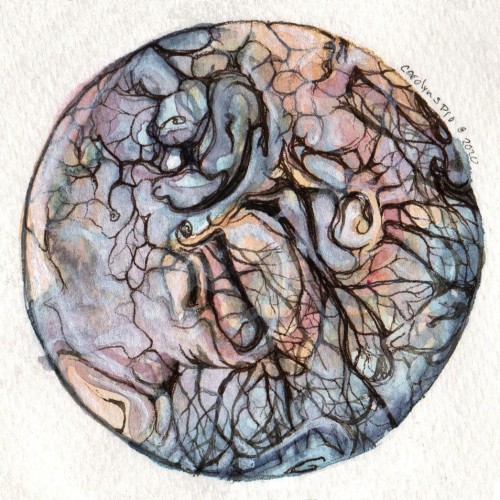
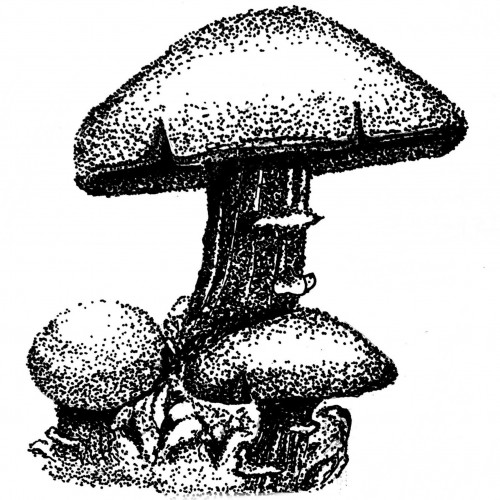
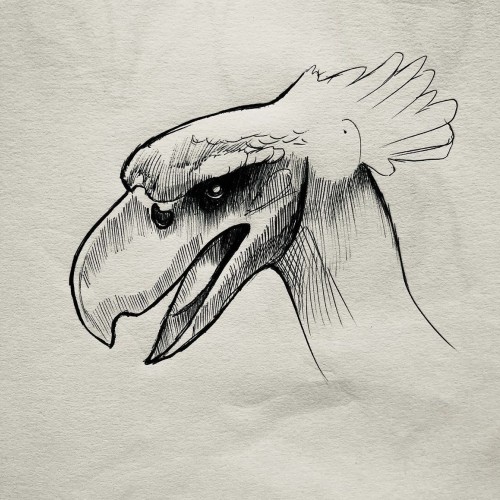
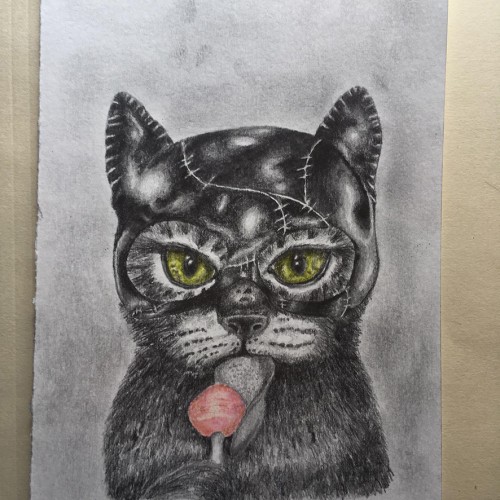
Crosshatching was used to build up the shadows. It's probably my favourite drawing technique. Works best with pen and ink. This is the cover image for one of my children's picture books.
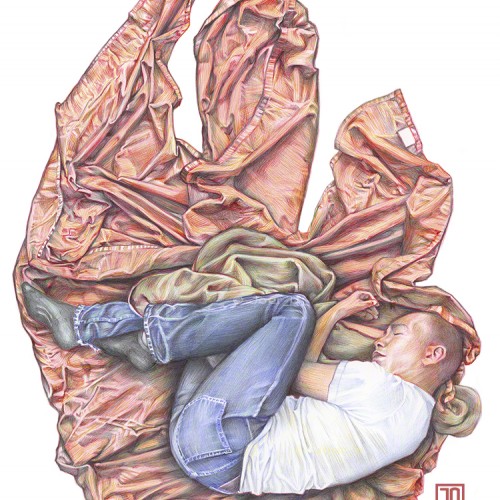
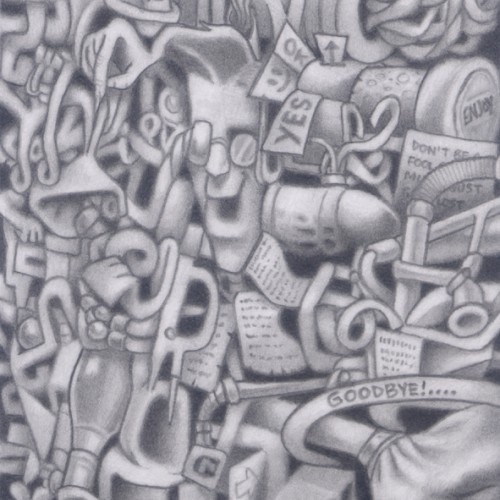
Seemingly trapped indoors and inside your head indefinitely, the possibility of living a normal life after COVID seems like a fevered dream. Still one of my favourite drawings from 2020 and a technique breakthrough. Ballpoint Pen on Archival 8.5" x 11" paper
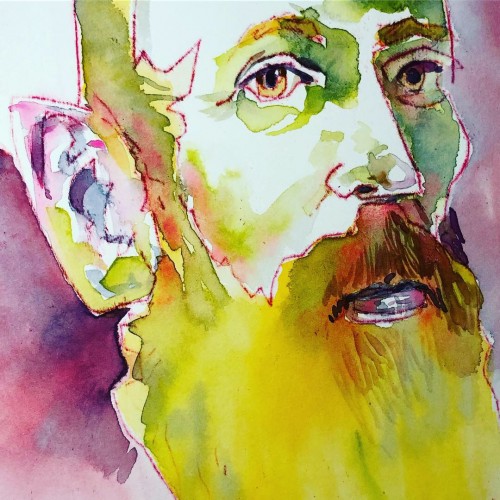
Experimenting today with an oil transfer drawing technique. The red and purple lines are oil drawn/transferred to hot press 140 pound watercolor paper with watercolor applied. The oil resists the watercolor.
I uploaded a version of this that I felt was kind of a throwaway. Just dinking around and trying to get a feel for techniques. In the end, while I was happy with what I learned, I didn't think much of it as far as a completed work goes. But I couldn't leave it alone so I took about another hour and fixed what I felt could be fixed short of starting from scratch. Because it's a process, right?
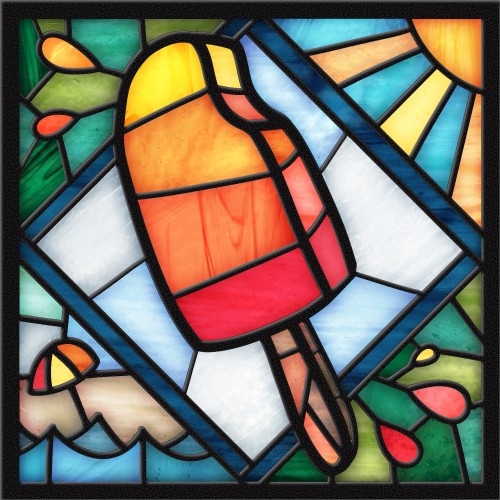
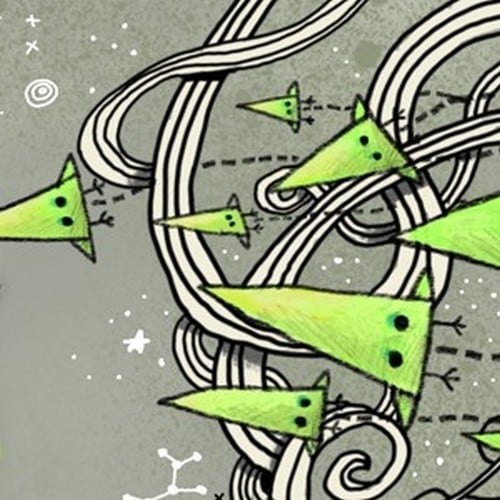
Playing around with digital stained-glass effects, and thought it would be fun to portray tropical summer vibes in a medium where you don't usually find them. Shout out to Lisa Bardot at bardotbrush.com for the basic digital technique.
Inktober2018day12-Whale. I’m using inktober to explore and improve my techniques. This time I wanted to try using more crosshatching. I’m happy with the result. Also, at first I had nothing for the whale prompt but it’s rewarding when you push through the dead space and a concept or idea comes to my head that I can be excited with.
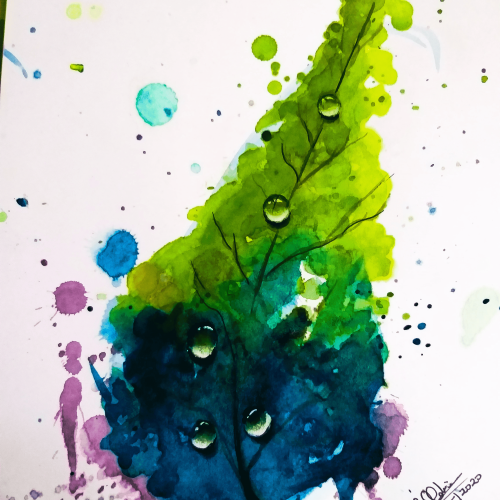
The leaf painted by using Watercolors & Splash Technique. It creates nice combo of colors to a Leaf. Dew Drops on top make em realistic. Dew drops show purest form of nature.
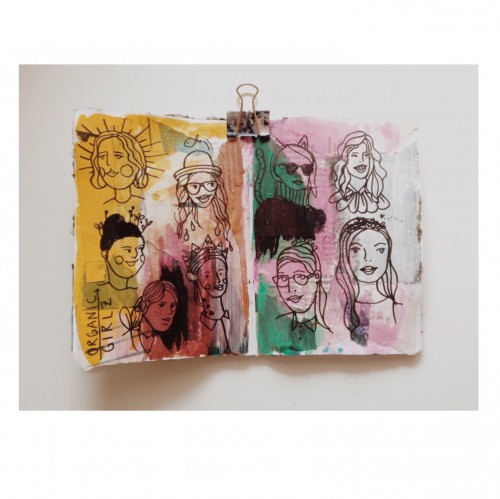
Inspired by nature. Background layer of the pages are covered by Greenpeace's newsletter papers and used mixed technique with acrylic, ecoline and markers.
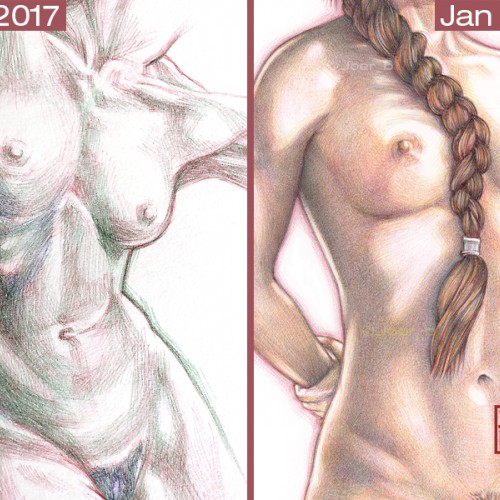
I’m often asked about my Bic pen drawings and how I do them. It starts with a good foundational drawing, the ballpoint pen part is just trying to colour within the lines. I try to do my best to explain the process, but the best way to show my progress is by posting my efforts to master pen drawings over the span of 3 or so years. I have been doodling/drawing with ballpoint pens as far back as I can remember - they were cheap, readily available and always lying around the house. It wasn’t until I was bored during a particularly long team meeting-conference call (around 2016-17) that I started to think about the possibilities of ballpoint pens as serious portrait illustration tools. My first experiments with full colour ink portrait drawings were rather crude, but that’s the point of learning new techniques—as long as the curiosity and the love of drawing is there, you can transfer that skill and passion into any medium. Remember, the most exquisite drawings and paintings you see didn’t materialise fully formed, they started out as failed experiments. Failure after failure after failure. It’s important to remember this when you get discouraged (I've failed spectacularly over the years). The only difference between the accomplished artist and the beginner is hundreds of hours of practice. Talent can only get you so far. It’s the hard work that you do behind the scenes that makes your work look effortless. Keep doodling. Keep learning. Stay curious.
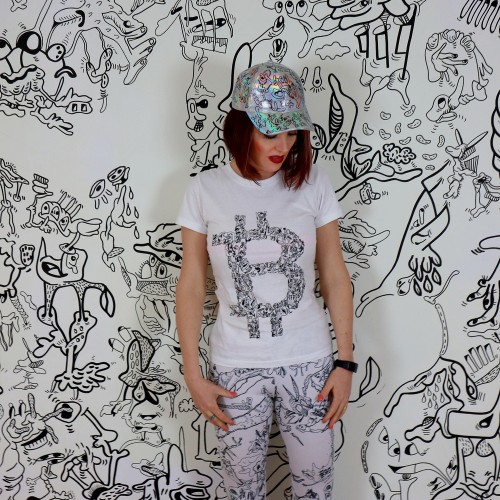
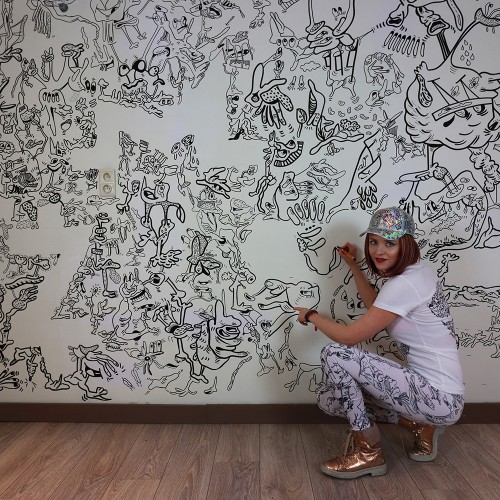
Jook’s doodle colouring books are a collection of true gems. Her anthropomorphic and surreal scenes depict a plethora of creatures, spanning from cute and innocent-looking to downright bizarre and monster-like. Flip through the pages, get colouring and get inspired. Join Jook’s world. Colouring books for ages 7 to 77.
I am a Belgian female artist & illustrator and I use a self-invented technique of automatic drawing to delve into my subconscious. I doodle everywhere and every spare moment. By quickly drawing, barring any conscious thought, I am giving as much room as possible to my imagination. Through extensive, at times even compulsive, doodling, a new and totally unique world arises. Come visit, get inspired and maybe get lost in my subconscious. Join my world and my obsessive-compulsive drawings. More info: doodleart.shop | Facebook | instagram | youtube page of the book
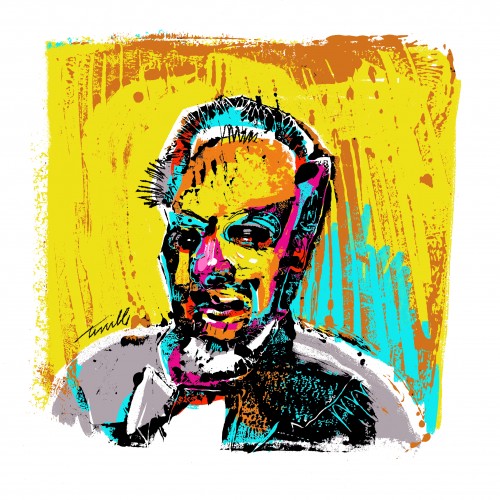
I like this guy! Illustrated portrait resulting from my illustration printmaking techniques demo video. Inked up a piece of plexiglass and had some fun. Monoprint (or is it a monotype) + Adobe Fresco for the color finish.
Trees in a reflection have always been a subject of interest to me. I have created several of this version, trying to fine-tune my skills and explore some opaque techniques.
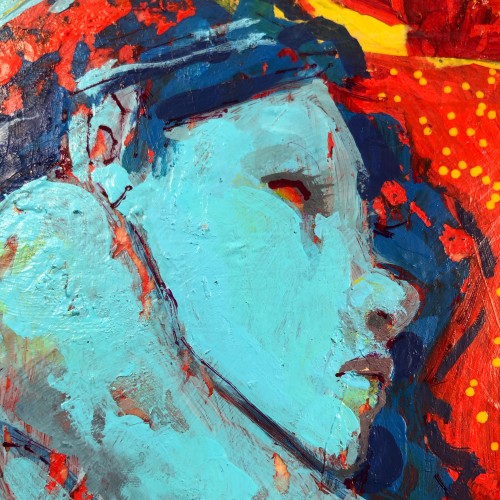
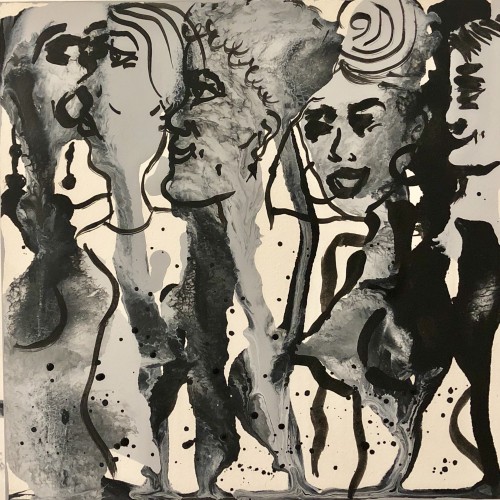
This painting is a technique I enjoy mostly because I see figures in the ordinary and draw them out from what I see in abstract backgrounds I paint. In it you see a group of people enjoying time together. I used Acrylics on Aquaboard, a surface especially made for many layers of wet media.
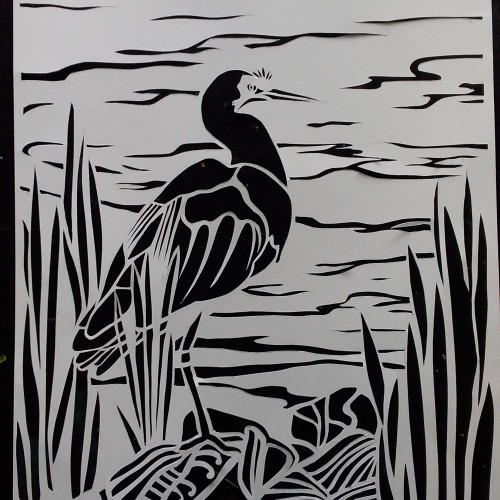
Tried some papercutting. I made a stencil then copied it and put over some collage. I need to work on my gluing technique and probably try out some different paper, but glad I kept the original stencil.
Mostly wet on wet technique and then wet on dry for the white paint. I used a Mont Marte Round 2 brush and Reeves watercolor paint tubes.
Also concocted my very own magic watercolor paint that made the black background somewhat similar to gouache.
I learned this painting from one of the best artists named Maria Raczynska.
Lois's last book: "The style of Loish. Finding an artistic voice." is just AMAZING! It's:
- inspiring,
- full of tips on how to start searching own style,
- full of Lois's thoughts and experiences on her way to finding the artistic voice.
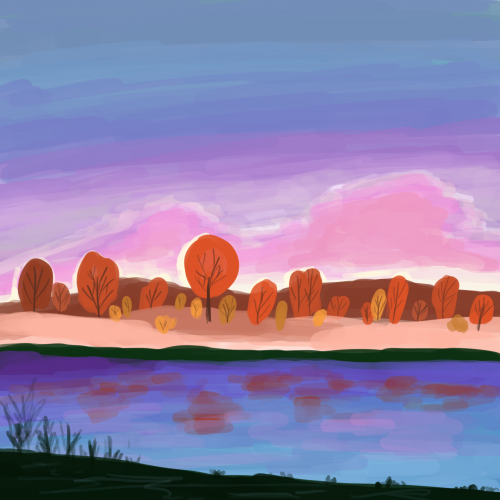
So I wanted to try something new in my digital art journey. I experimented with new techniques. I tried to use a brush type that gives a transparency effect.
I chose one picture from Loish's book as a reference.
And here it is - a colorful landscape.
Thank you, Lois, for creating and sharing your phenomenal and inspiring art!
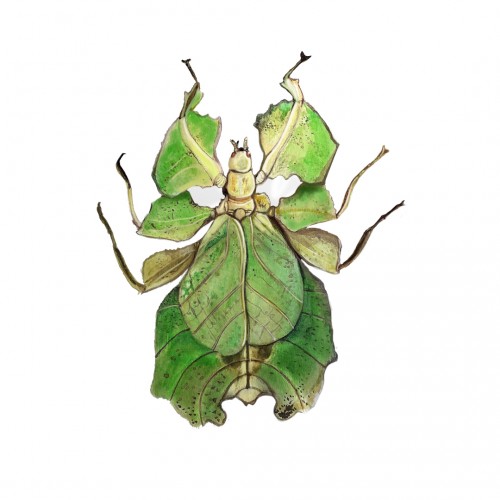
These masters of leaf-like camouflage can be found throughout Southeast Asia, with some of the biodiversity hotspots being Indonesia, Malaysia, and Papua New Guinea . This is Nanophyllium suzukii watercolor painting, I like so much this technique. More like this on: https://www.instagram.com/camilojulianc/
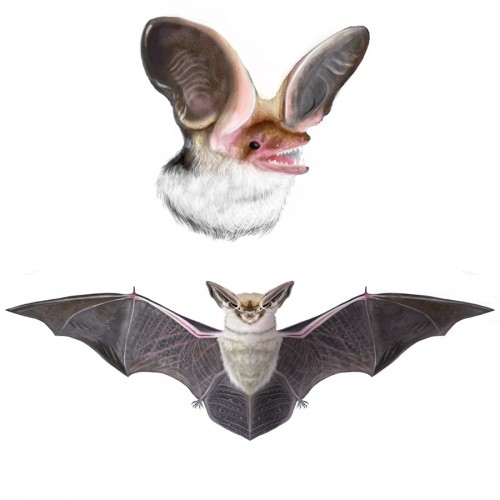
Big-eared Brown Bat (Histiotus macrotus). Hybrid technique (digital enhanced watercolor). This species has large dark ears. The dorsal hairs are strongly bicolored, with black or dark brown bases and yellow tips. Some authors consider that H. macrotus is distributed only in Chile and Argentina. More like this on IG: https://www.instagram.com/camilojulianc/