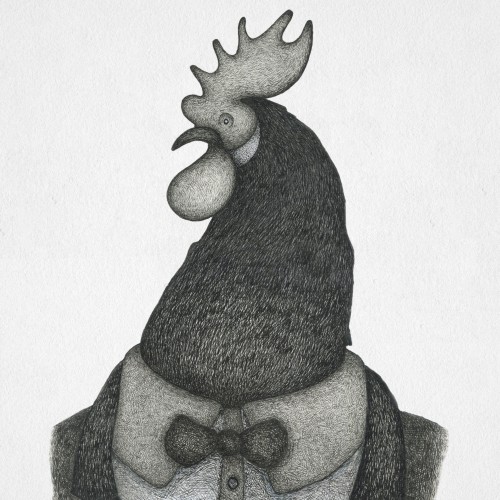
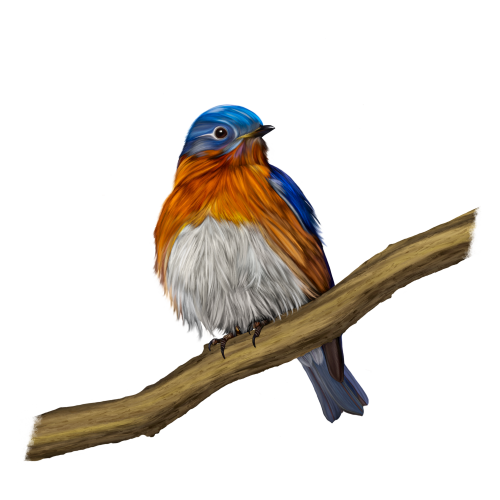
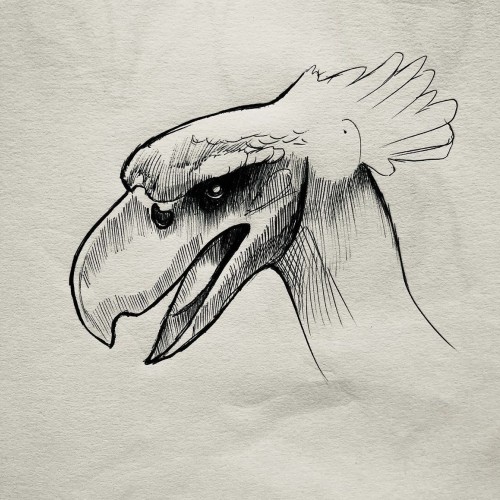
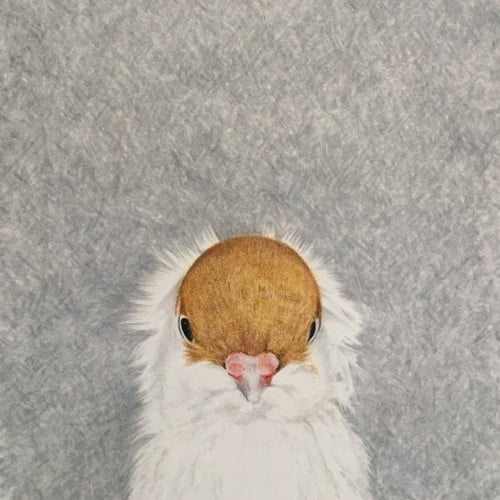
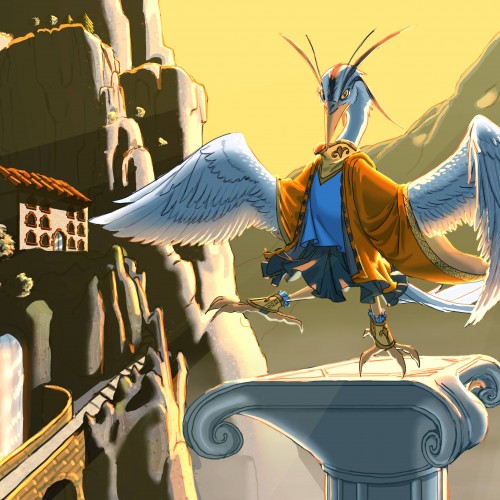
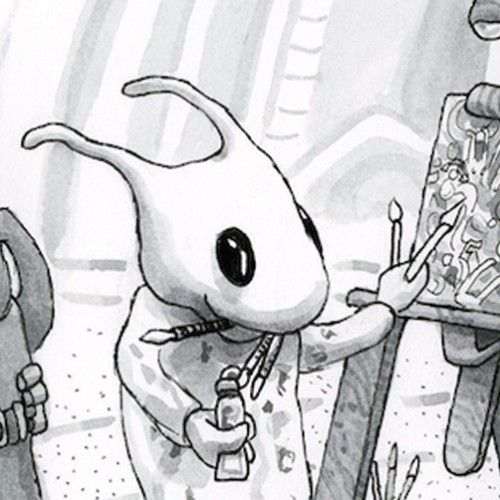
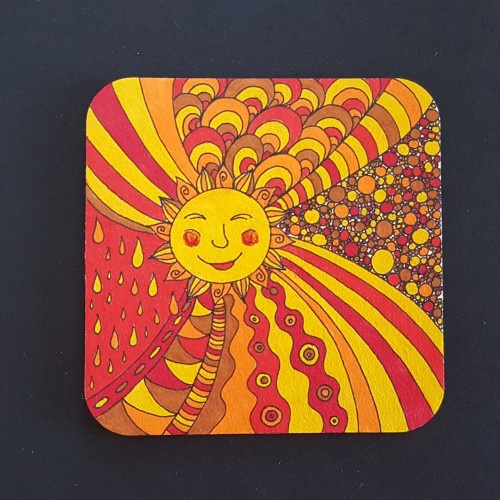
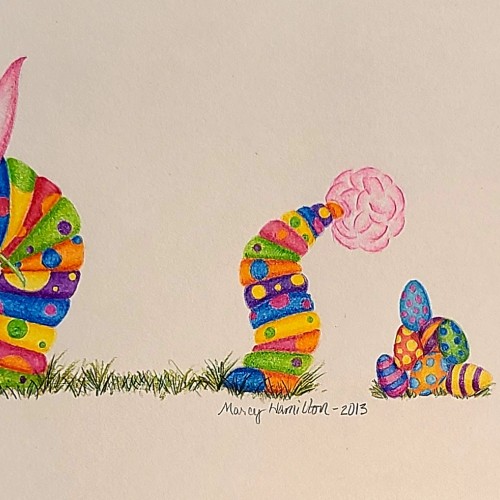
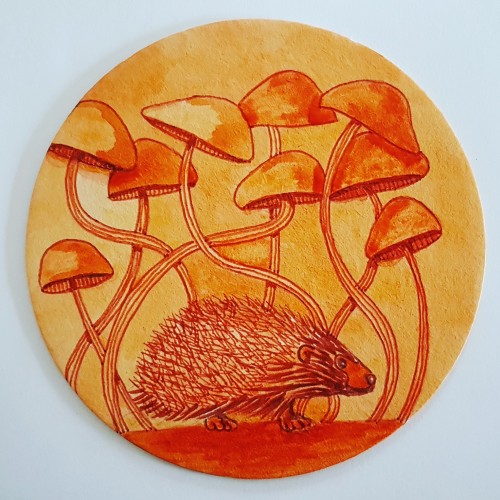
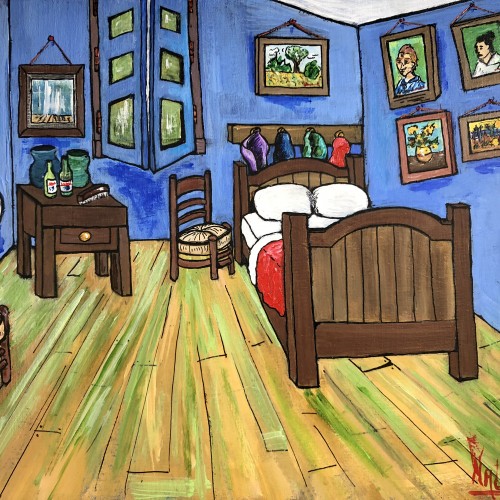
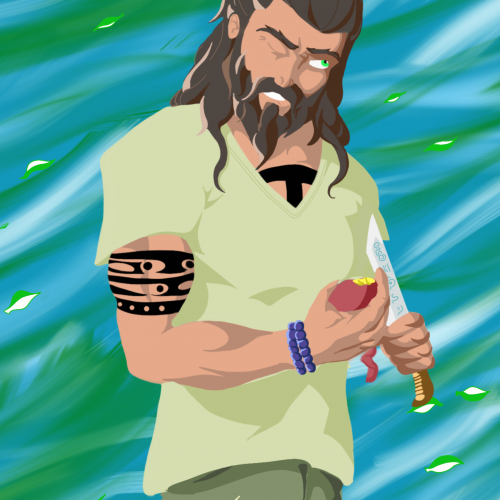
He’s not about wondering whether or not he’ll be surrounded when the sun rises, for there’s no moment but this very one. The world is his audience and he decided to sing for it in style every single day.
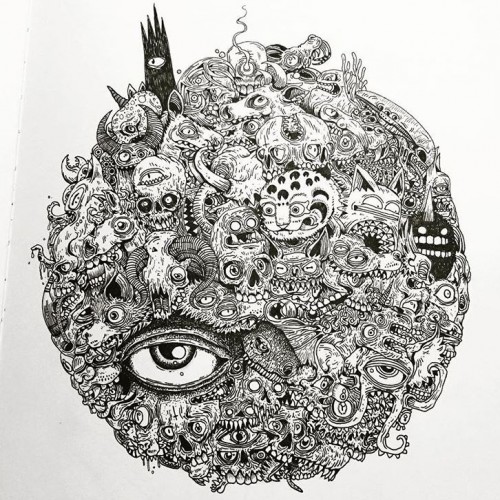
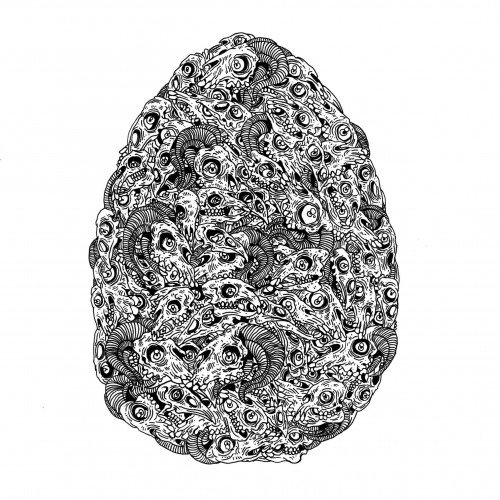
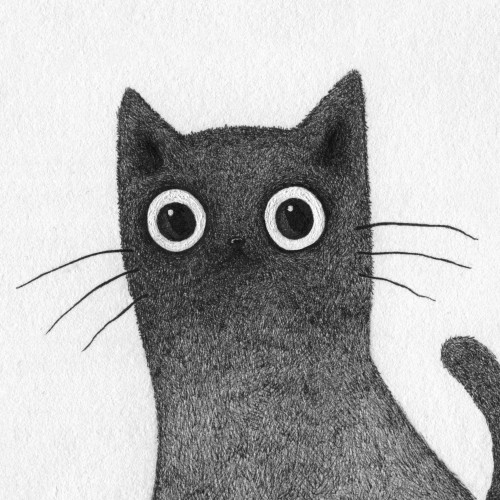
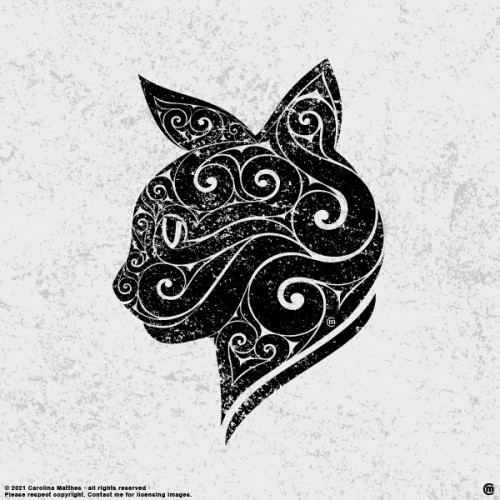
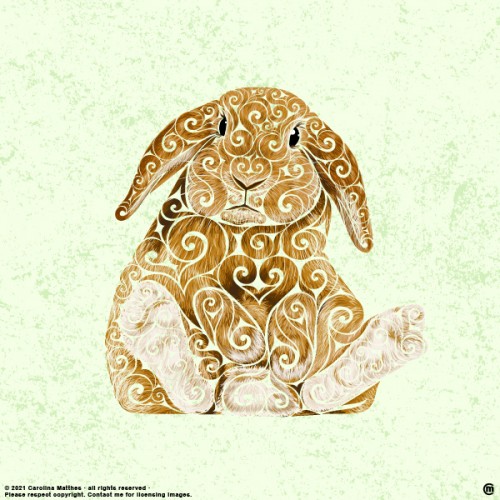
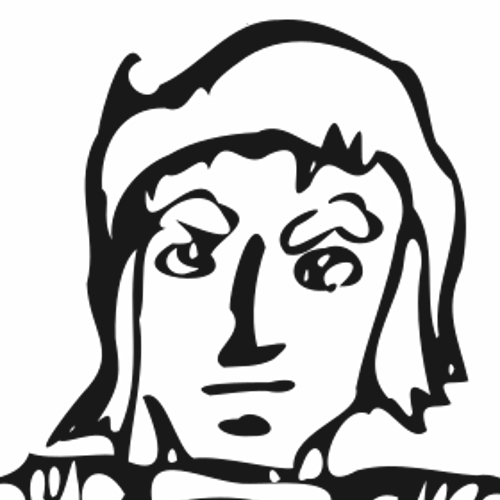
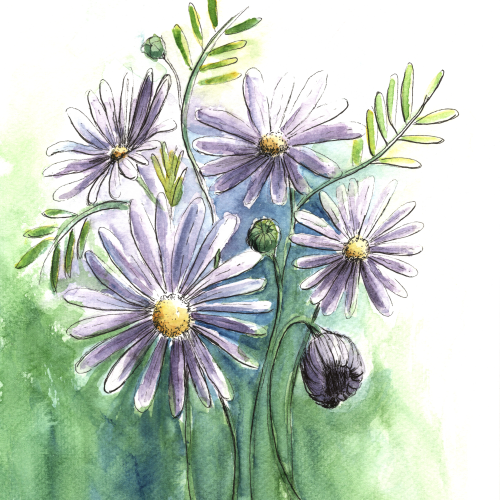
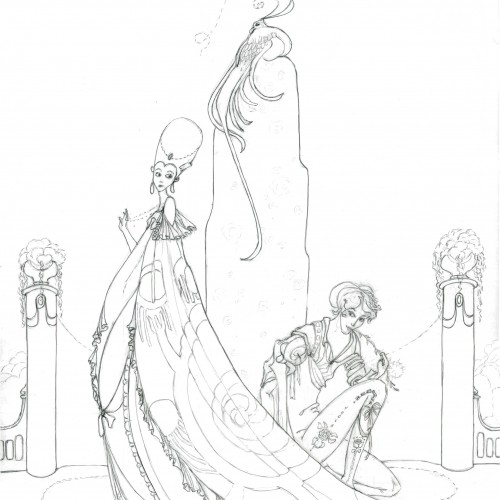
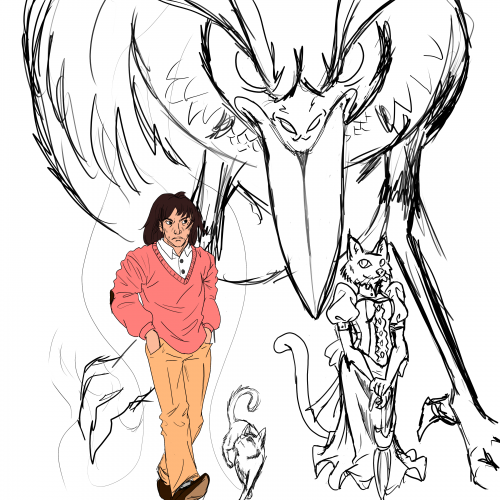
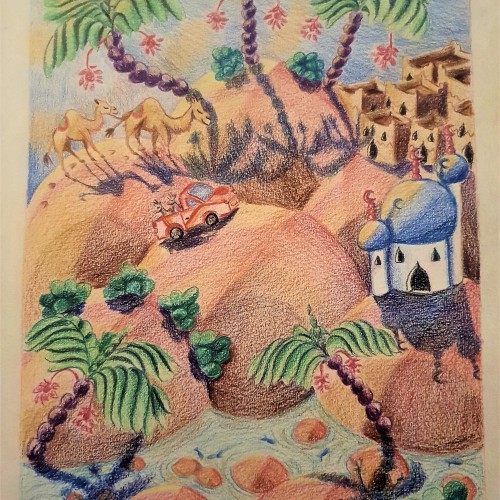
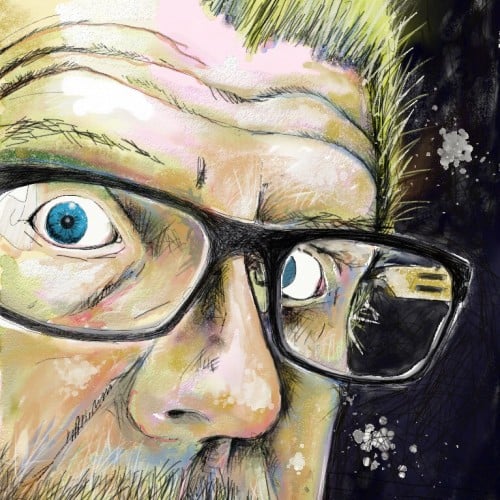
One of my Swirly Designs, illustrated with different tools such as Graphite, Aquarelle, Ink Pens and Ai & Tablet. Sometimes sheer Vectorillustration/design.
.
Urh.-Nr:1811955
.
Copyright by Carolina Matthes
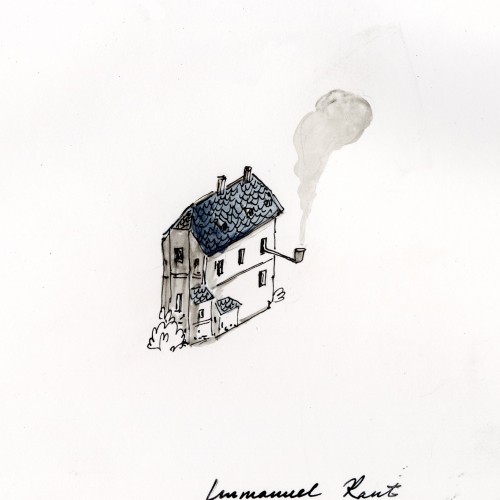
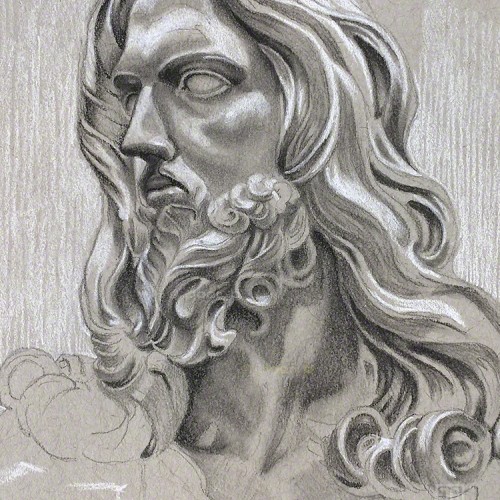
Immanuel Kant (1724–1804)
Kant’s biography is unusually devoid of external events.
As Heinrich Heine wrote: The history of Kant’s life is difficult to describe. For he neither had a life nor a history.
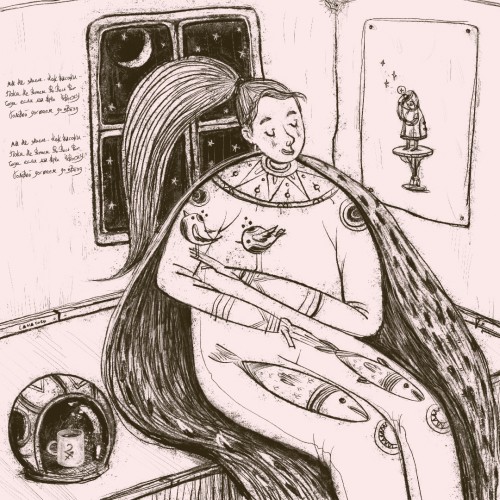
In actual fact, as Manfred Kuehn argues in his 2001 biography, Kant’s life was not quite as abstract and passionless as Heine and others have supposed…. If he failed to live a more adventurous life, it was largely due to his health: the philosopher had a congenital skeletal defect that caused him to develop an abnormally small chest, which compressed his heart and lungs and contributed to a generally delicate constitution. In order to prolong his life with the condition—and in an effort to quell the mental anguish caused by his lifelong hypochondria—Kant adopted what he called “a certain uniformity in the way of living and in the matters about which I employ my mind.”
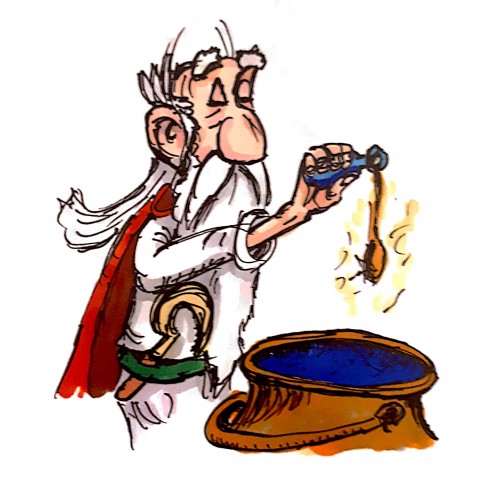
This routine was as follows: Kant rose at 5:00 A.M., after being woken by his longtime servant, a retired soldier under explicit orders not to let the master oversleep. Then he drank one or two cups of weak tea and smoked his pipe. According to Kuehn, “Kant had formulated the maxim for himself that he would smoke only one pipe, but it is reported that the bowls of his pipes increased considerably in size as the years went on.”
- From Daily Rituals: How Artists Work by Mason Currey
#dailyrituals #inktober #ImmanuelKant @masoncurrey
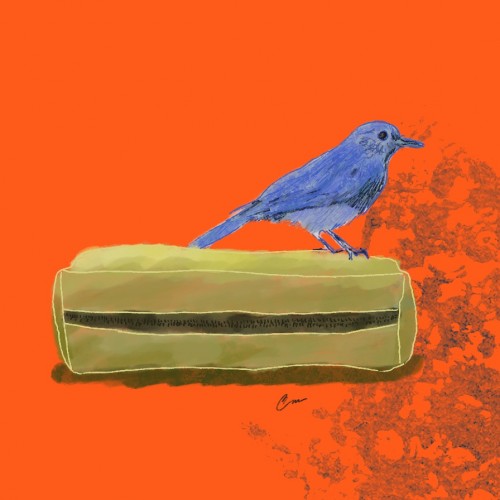
The little bluebird, restless artist,
Flew over the orange horizon without restraint.
With his box full of colored pencils,
He thought he could paint the sky in an instant, of course!
But too many pencils and too few wings,
Unbalanced the poor little bird.
So many colors, no coordination,
His creative disaster fell to the ground!
Orange, yellow and red pencils shattered,
While the little blue bird fell in tears.
His celestial dream turned into a nightmare...
Until he saw - a rainbow formed!
From sadness, joy overflowed,
In that magical moment he understood:
It doesn't matter the skill or the tools,
Art comes from the heart, even if messy!
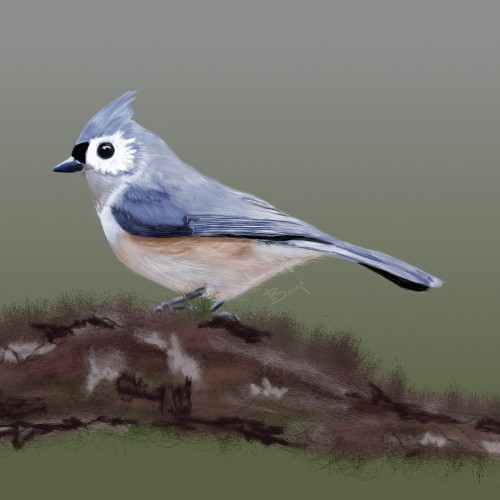
My latest sketch using Corel Painter 2021 on PC with digital pencil. The Tufted Titmouse (Baeolophus bicolor) is a small, grey-plumed songbird, easily recognized for the crest of grey feathers atop its head, its big black eyes, black forehead, and its rust-coloured flanks. They are quite common throughout the eastern part of North America, so if you're in that geographical region and want to catch a glimpse of a Tufted Titmouse, it may not be that difficult to find.
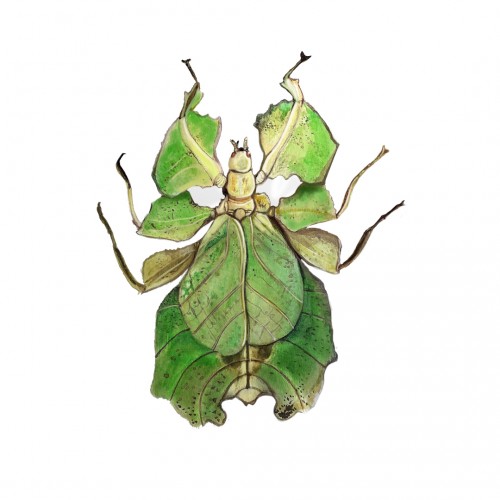
These masters of leaf-like camouflage can be found throughout Southeast Asia, with some of the biodiversity hotspots being Indonesia, Malaysia, and Papua New Guinea . This is Nanophyllium suzukii watercolor painting, I like so much this technique. More like this on: https://www.instagram.com/camilojulianc/
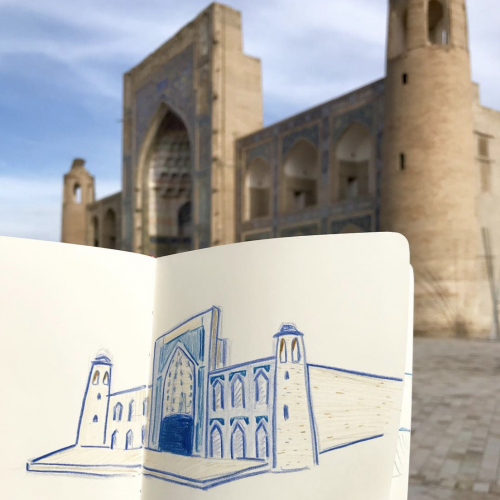
I travelled around Uzbekistan for two weeks during easter. It is definitely one of the most interesting and beautiful countries I have travelled in. These are some of the urban sketches from my travel sketchbook, of some of the most famous buildings in the different cities of Uzbekistan. I would LOVE to hear what you guys think.
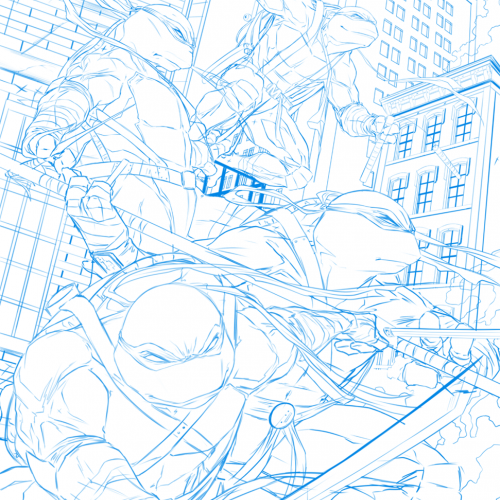
Next up is the finalized sketch. Specifically when I'm working on prints and commissions I do a detailed final sketch. It makes the inking/painting process a lot faster.
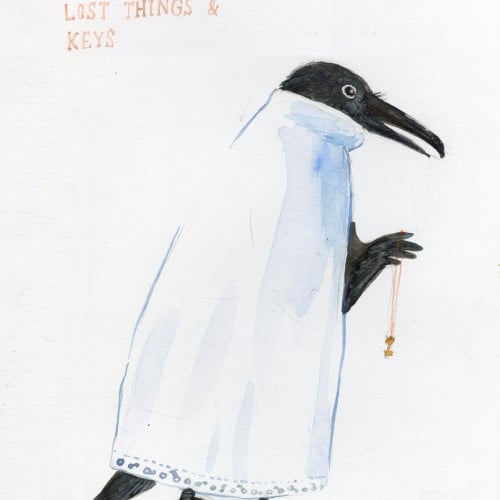
Patron Saint of Lost Keys and Small Things.
Reminded me of this poem by Elizabeth Bishop.
One Art
The art of losing isn’t hard to master;
so many things seem filled with the intent
to be lost that their loss is no disaster.
Lose something every day. Accept the fluster
of lost door keys, the hour badly spent.
The art of losing isn’t hard to master.
Then practice losing farther, losing faster:
places, and names, and where it was you meant
to travel. None of these will bring disaster.
I lost my mother’s watch. And look! my last, or
next-to-last, of three loved houses went.
The art of losing isn’t hard to master.
I lost two cities, lovely ones. And, vaster,
some realms I owned, two rivers, a continent.
I miss them, but it wasn’t a disaster.
—Even losing you (the joking voice, a gesture
I love) I shan’t have lied. It’s evident
the art of losing’s not too hard to master
though it may look like (Write it!) like disaster.
"She stopped to speak to him, altering her mind, and went on her way."
Trying to learn more about Kay Nielsen's style. He illustrated folk and fairy tales in the early 1900s for Grimm and Disney and others. I love his dark/moody style with everything so flowy, elongated, elegant, and tragic. And his amazing compositions.
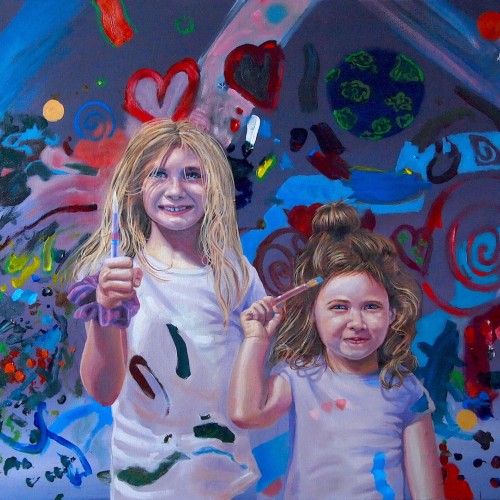
A friend's children painted a canvas I gave them and I painted them into it. The fun messy doodle background is 90% theirs. I added a few streams to pop out some of the shapes they painted. I might do this as a series.
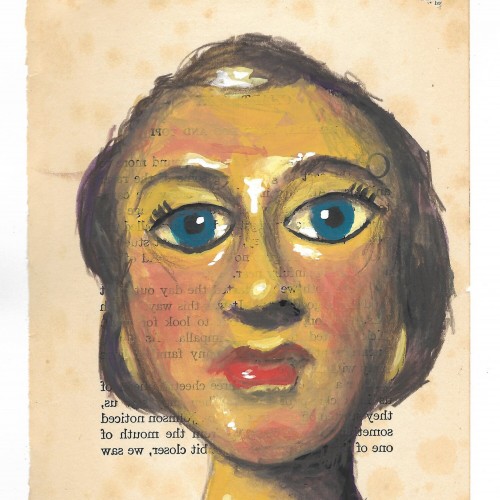
The Woman Puppet from Rome. A clay or plaster of paris puppet head that was glossy and smooth. This painting of the woman pupped is regal and dignified. It shows little animation or dramatic expression. It is unlike most of the others, say for its counterpart