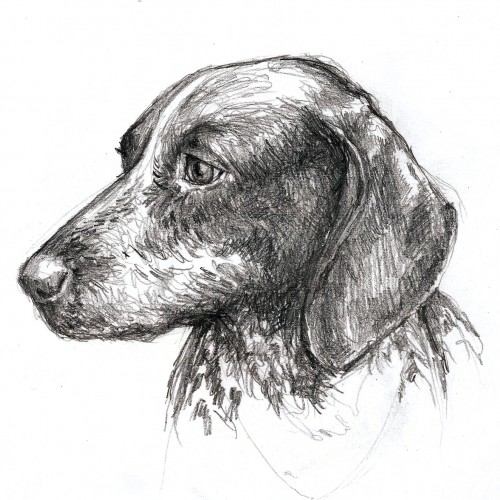
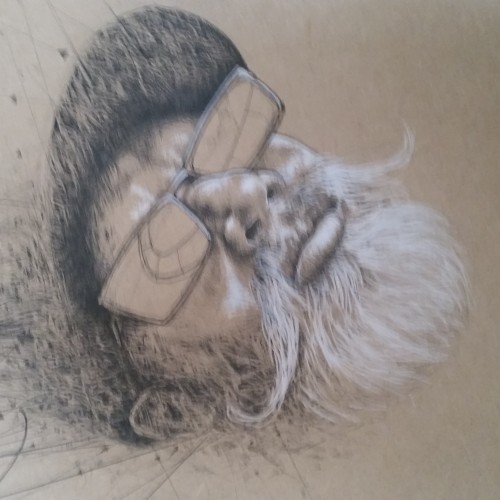
Pasha was a beloved German Shorthaired Pointer rescue dog. He came to us a bedraggled youngster and lived to become a "grand old man." This pencil drawing was done as a tribute after he "crossed the rainbow bridge."
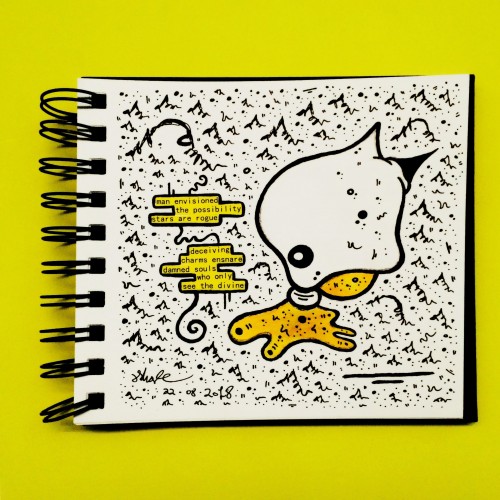
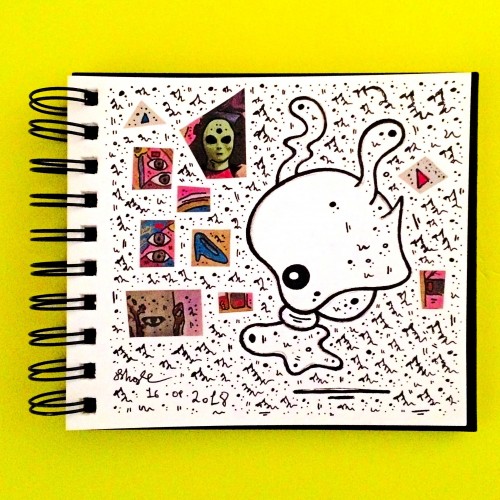
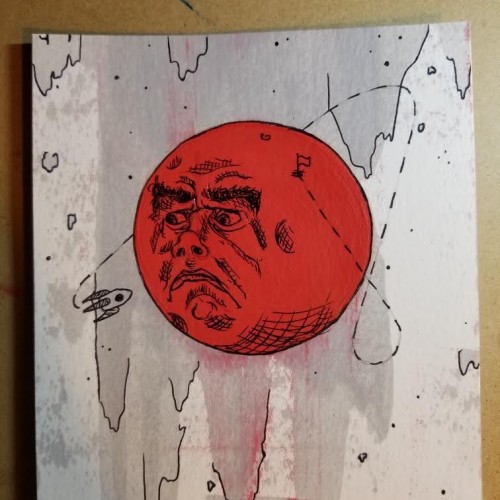
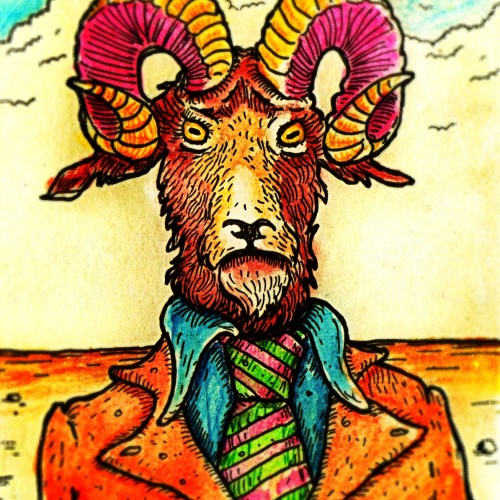
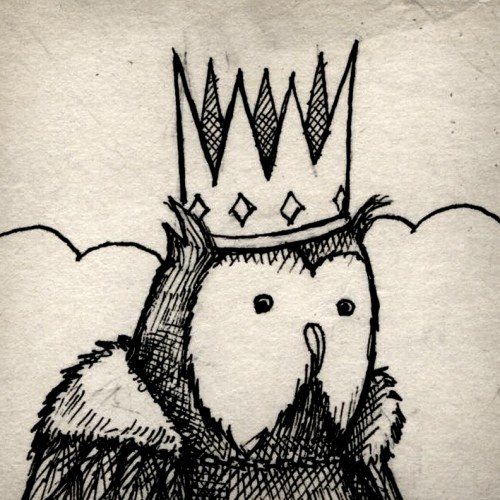
What started off as a mess up ended up as a cool doodle. I plan on putting it up on my bedroom wall, maybe Walton will feel less hollow since he'll have some good company. I think everyone has a little bit of Walton in them at one point or another..
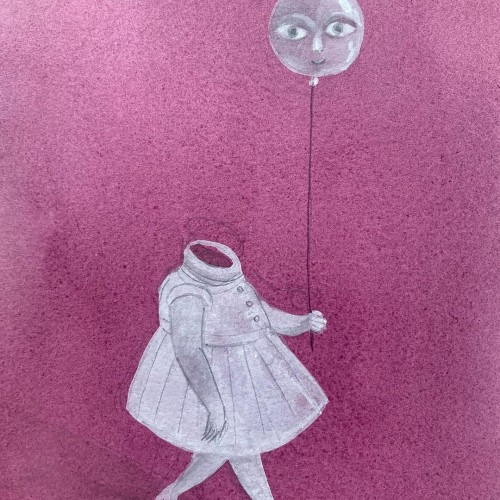
THE LITTLE GIRL AND THE BALLOON by Ben Loory.
"That night the mother had a terrible dream. In the dream, Annie was a balloon. She floated up out of her bed and through the open window and away across the sky toward the moon."
https://www.instagram.com/p/CgzLv_COUat/?utm_source=ig_web_copy_link
Annuals are encouraged to seed in the less formal beds in our large garden.
We tend them, photograph them, and I draw and paint them. This is a colored pencil (Prismacolor) drawing of one of our seedling poppies. It was an odd form. Not exactly a single, nor a double and lacked the common cross markings in the throat.
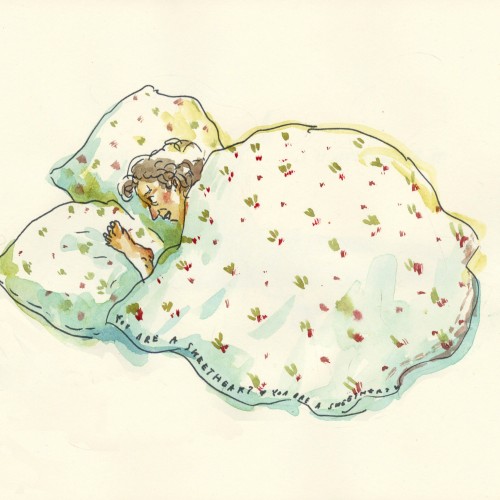
The sweetheart.
From Rooster's Wife by Russell Edson.
An old woman had fallen in love with one of her feet.
Her husband said, No you didn't.
Yes I did, it was sticking out of the covers of my bed, and I said, You're a sweetheart.
No you didn't, said her husband.
Yes I did.
https://www.instagram.com/p/Cj8GWKeOjCo/?utm_source=ig_web_copy_link
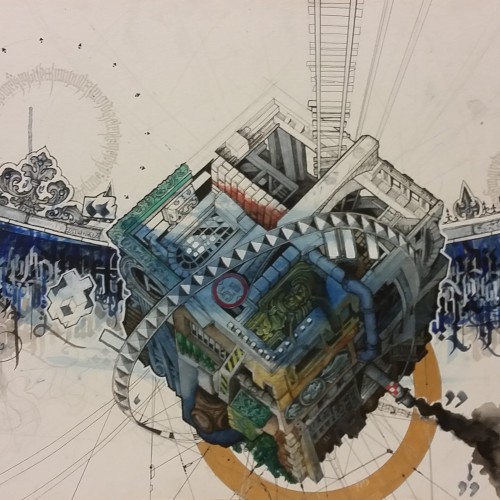
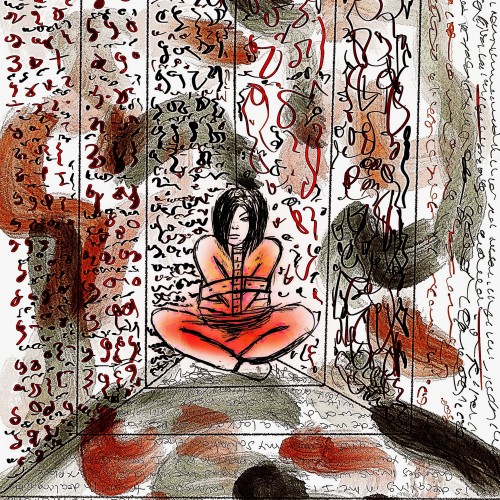
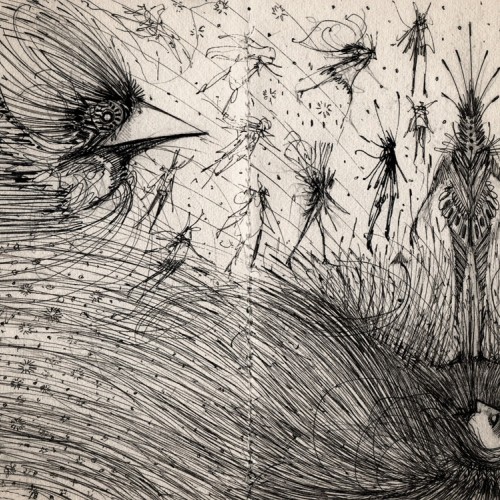
A cartographic representation of the experience of moving to a new city in a foreign land. This work, dubbed as 'Introspectionism', provides the viewer with a snapshot over time of the inner workings of the process of the strange becoming slowly more familiar and the foreign becoming Home.
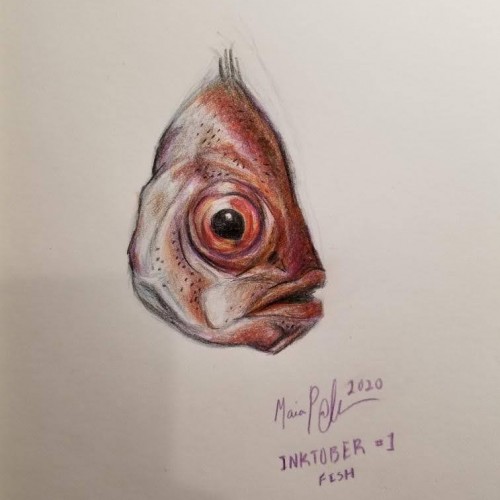
I can't believe October is already here, and it's startling how fast time is moving. I shouldn't be up this late, but I wanted to make some art, especially given how today has been (8-3:15 'in school,' 3:15-10pm doing homework). The honest answer is I just feel down. I can usually phrase things better but my brain is fried. Everything is non-stop, the time I have to breathe seems to get shorter. Anyway, it's 11pm, I should get to bed.
Customarily, families give their homes a thorough cleaning in the days leading up to Lunar New Year’s Day. Windows are scrubbed, floors are swept, and furniture is dusted in preparation for the new year, sweeping away away the bad luck of the past year. In addition, dusting is avoided on New Year’s Day, for fear that good fortune will be swept away.
My vision of the character ‘Smaug’ from J.R.R. Tolkien’s ‘The Hobbit’.
Pencil sketch, coloured digitally on IbisPaint X.
Here is a passage from The Hobbit describing Smaug’s appearance: “There he lay, a vast red-golden dragon, fast asleep; thrumming came from his jaws and nostrils, and wisps of smoke, but his fires were low in slumber. Beneath him, under all his limbs and his huge coiled tail, and about him on all sides stretching away across the unseen floors, lay countless piles of precious things, gold wrought and unwrought, gems and jewels, and silver red-stained in the ruddy light. Smaug lay, with wings folded like an immeasurable bat, turned partly on one side, so that the hobbit could see his underparts and his long pale belly crusted with gems and fragments of gold from his long lying on his costly bed.”
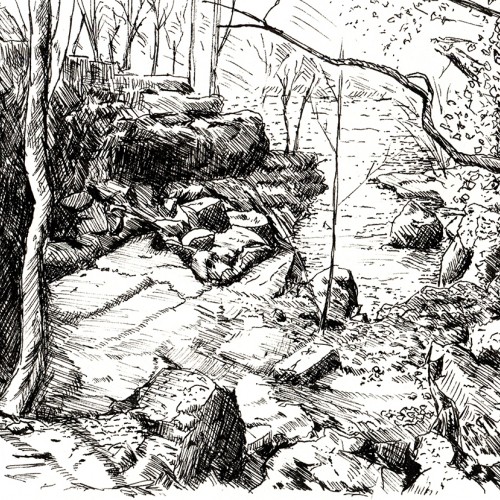
Looking down on the Afon Mellte from its rocky riverbank in Neath's 'Waterfall Country'. I was a little perturbed by the complexity of this scene at first, but soon got into the flow of it. I love doing these wild nature scenes. Uniball Eye Micro on 6x8" sketchbook.
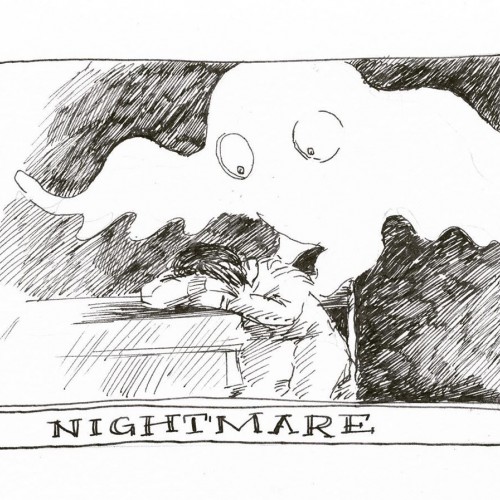
Superstitions: Nightmare
The 'nightmare' was originally believed to be a huge spirit which settled on people while they slept and gave them a feeling of being stifled - and in Europe an old preventative for this was to place a knife or something similar at the end of the bed, as it was well known that the denizens of darkness feared iron and steel.
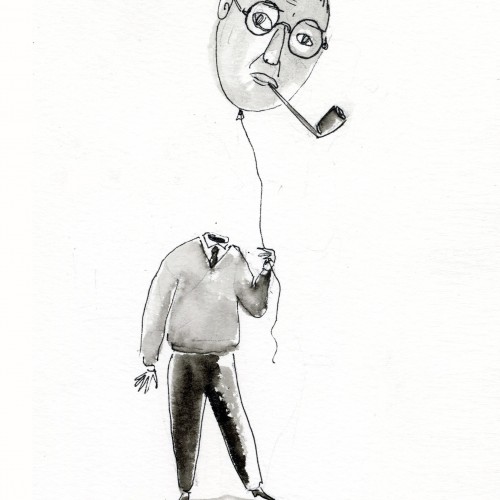
Jean-Paul Sartre (1905–1980)
By the 1950s, too much work on too little sleep—with too much wine and cigarettes—had left Sartre exhausted and on the verge of collapse. Rather than slow down, however, he turned to Corydrane, a mix of amphetamine and aspirin then fashionable among Parisian students, intellectuals, and artists (and legal in France until 1971, when it was declared toxic and taken off the market). The prescribed dose was one or two tablets in the morning and at noon. Sartre took twenty a day, beginning with his morning coffee and slowly chewing one pill after another as he worked. For each tablet, he could produce a page or two of his second major philosophical work, The Critique of Dialectical Reason.
The biographer Annie Cohen-Solal reports, “His diet over a period of twenty-four hours included two packs of cigarettes and several pipes stuffed with black tobacco, more than a quart of alcohol—wine, beer, vodka, whisky, and so on—two hundred milligrams of amphetamines, fifteen grams of aspirin, several grams of barbiturates, plus coffee, tea, rich meals.”
- From Daily Rituals: How Artists Work by Mason Currey
#dailyrituals #inktober #jeanPaulSartre @masoncurrey