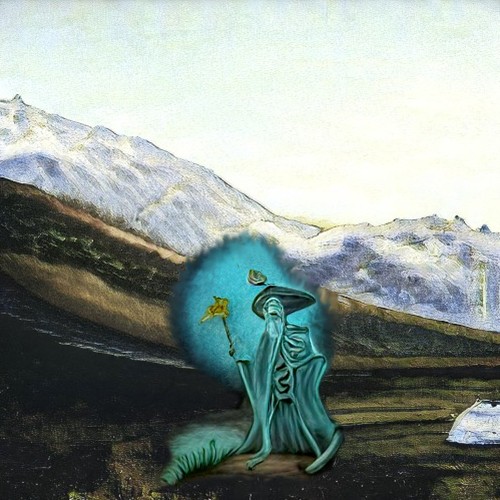
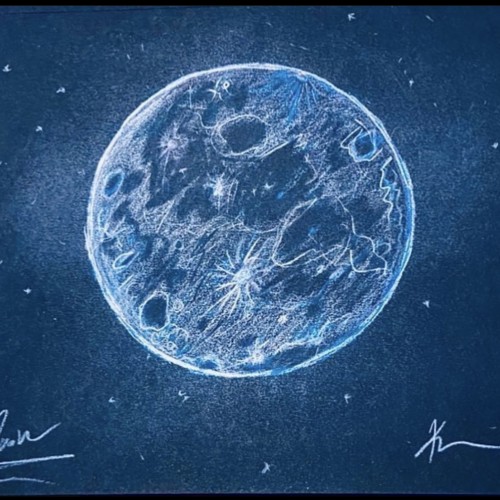
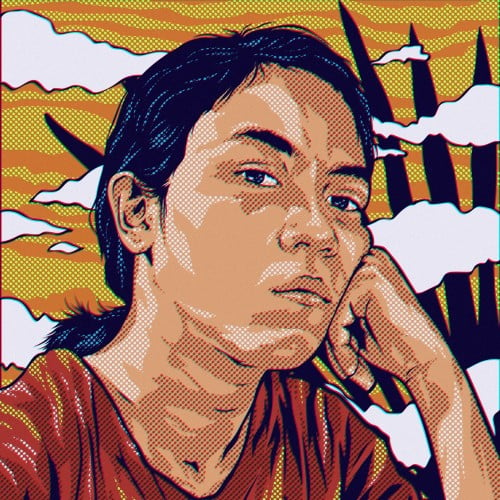
Nikola Tesla (1856–1943)
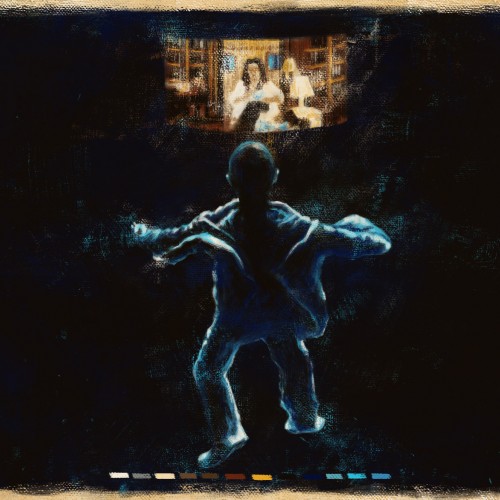
After he had started his own company, Tesla arrived at the office at noon. Immediately, his secretary would draw the blinds; Tesla worked best in the dark and would raise the blinds again only in the event of a lightning storm, which he liked to watch flashing above the cityscape from his black mohair sofa.
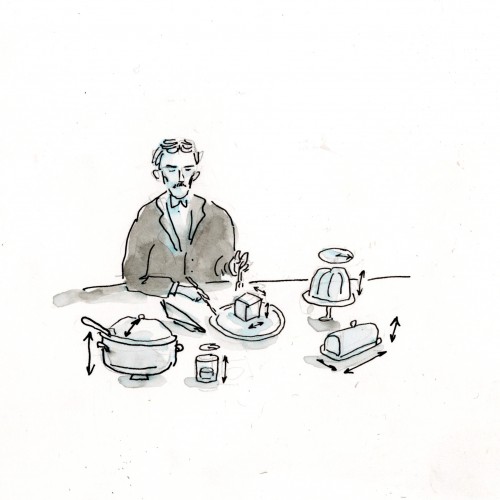
Tesla ate alone, and phoned in his instructions for the meal in advance. Upon arriving, he was shown to his regular table, where eighteen clean linen napkins would be stacked at his place. As he waited for his meal, he would polish the already gleaming silver and crystal with these squares of linen, gradually amassing a heap of discarded napkins on the table. And when his dishes arrived—served to him not by a waiter but by the maître d’hôtel himself—Tesla would mentally calculate their cubic contents before eating, a strange compulsion he had developed in his childhood and without which he could never enjoy his food.
- From Daily Rituals: How Artists Work by Mason Currey
“Of all things, I liked books best.”
― Nikola Tesla
“One must be sane to think clearly, but one can think deeply and be quite insane.”
― Nikola Tesla
#dailyrituals #inktober #NikolaTesla @masoncurrey
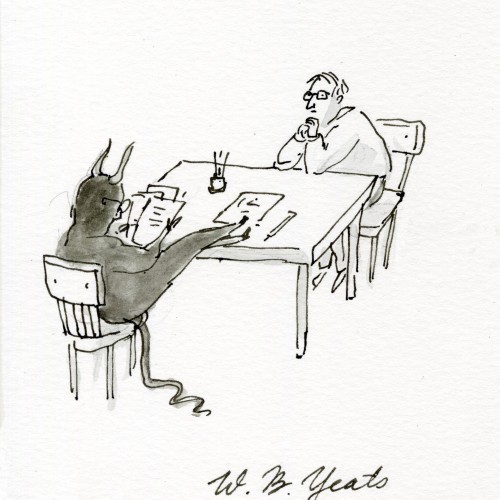
W. B. Yeats (1865–1939)
A lyric poem of eighty or more lines took him about three months of hard labor.
Fortunately, Yeats was not so careful about his other writing, like the literary criticism he did to earn extra money. “One has to give something of one’s self to the devil that one may live,” he said. “I give my criticism.”- From Daily Rituals: How Artists Work by Mason Currey
“Life is a long preparation for something that never happens.”
― W.B. Yeats
#dailyrituals #inktober #WBYeats @masoncurrey
Douglas the young elephant observed: “Hey, without me, you guys would be in hell...!” and then he giggled like any young elephant would while everyone else rolled their eyes
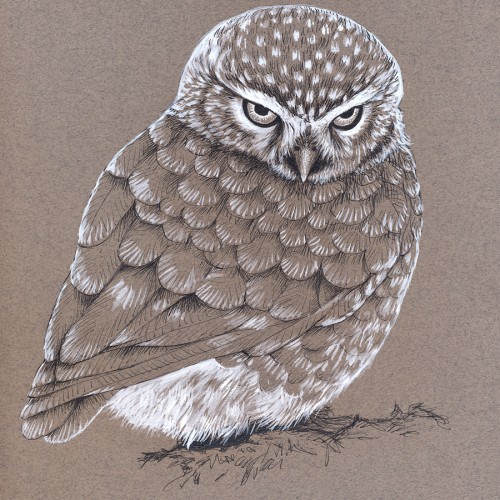
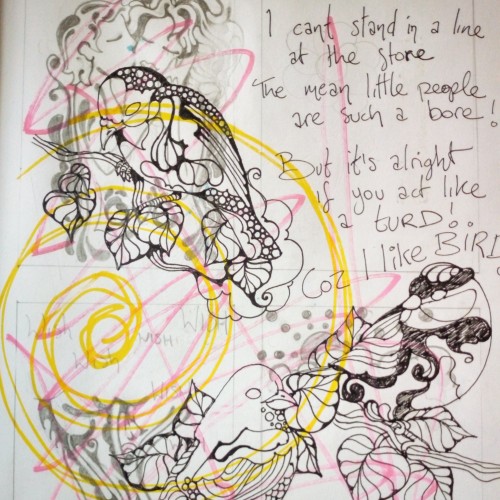
One day in my frustration I scribbled over some thumb nails and proceeded to draw birds with lyrics to that song by The Eels, Birds....it was one of those days.
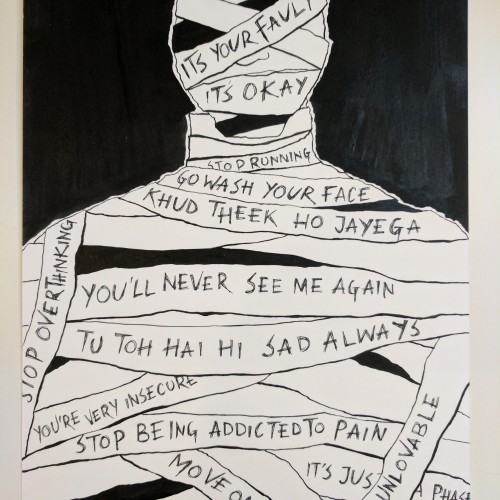
I asked 13 Indian young adults, suffering from a mental health issue, what words do they wish to never hear again with respect to their mental health problem.These responses are words spoken by their colleagues, friends, or family members at some point or the other.