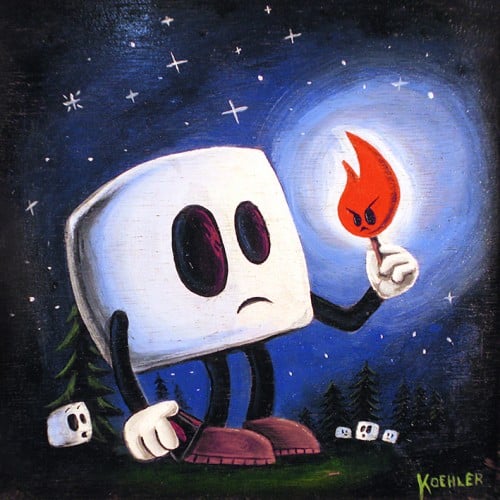
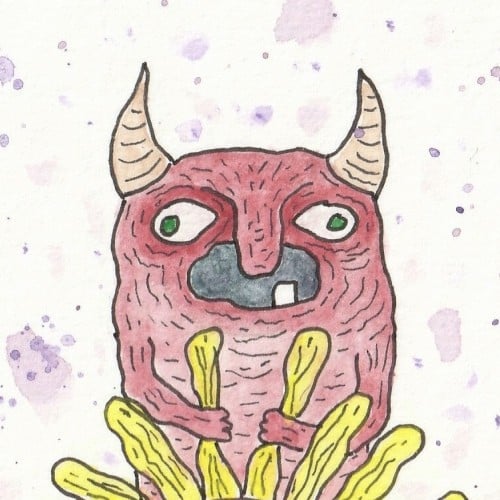
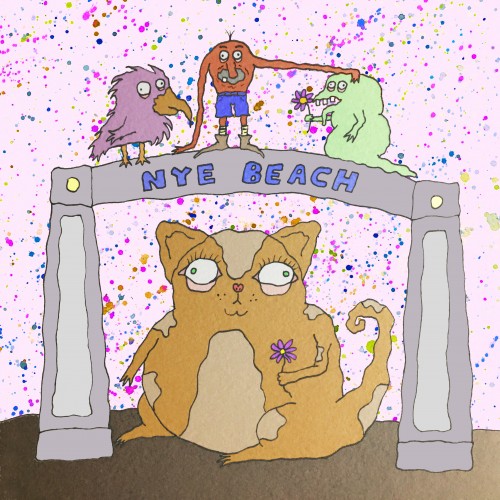
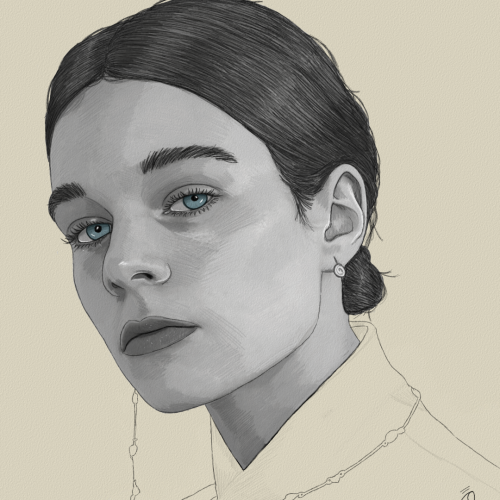
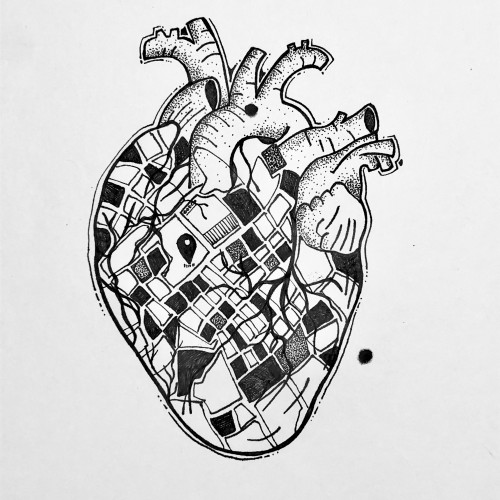
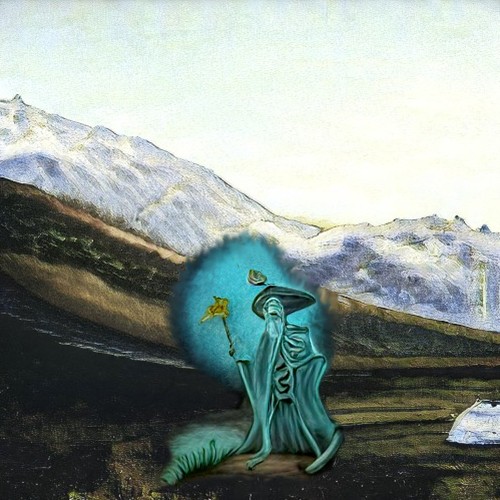
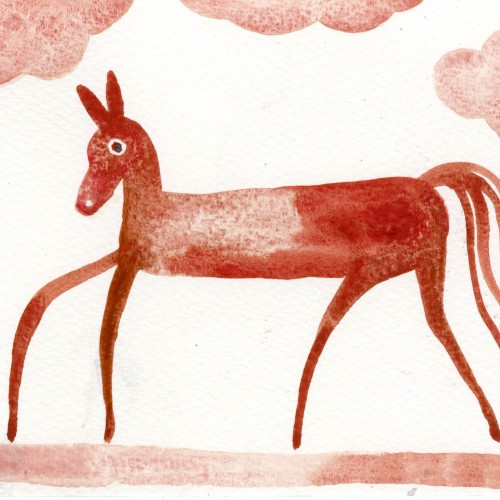
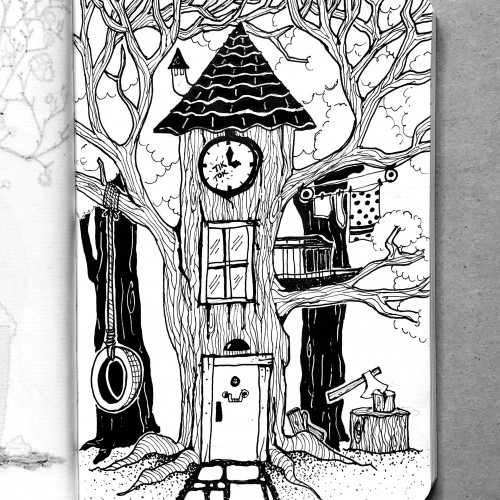
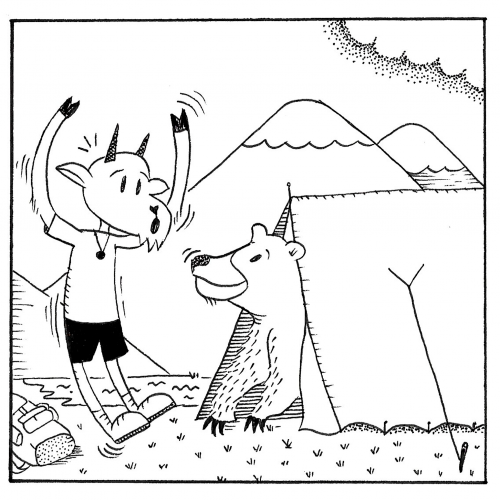
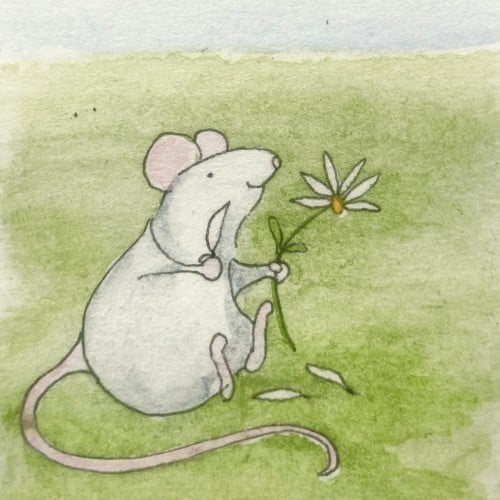
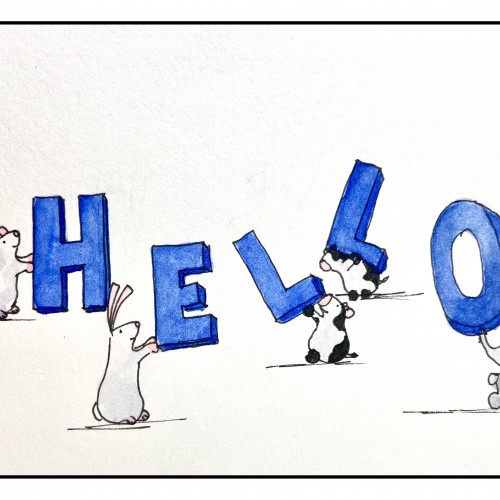
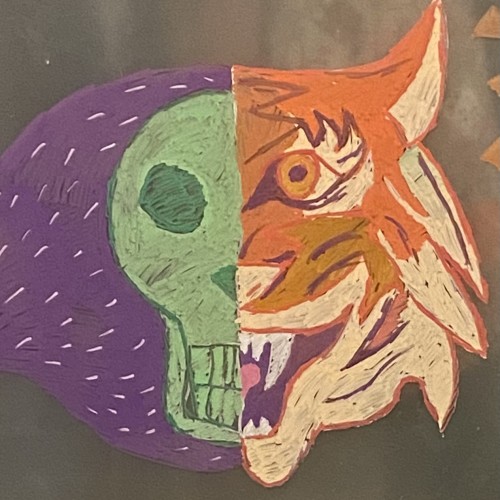
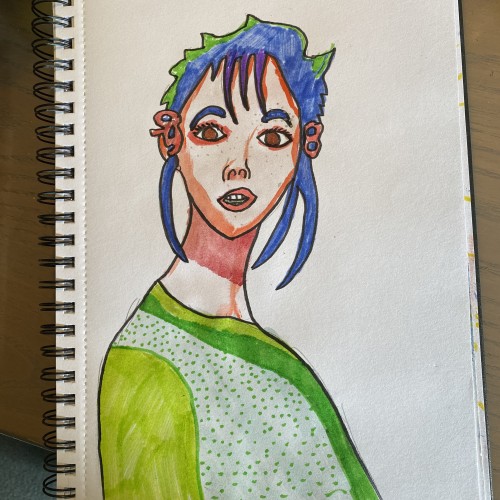
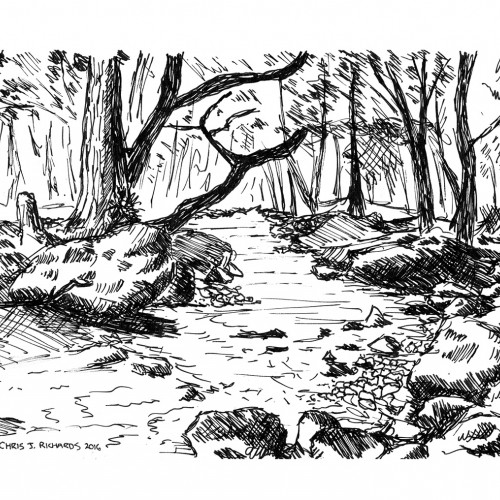
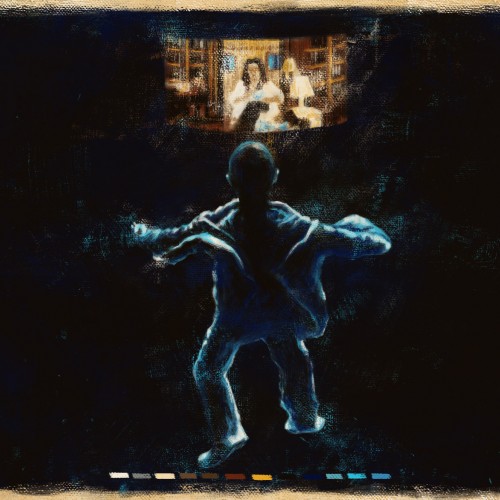
I had some 5x7 postcards produced if you're looking for some whimsical paintings to frame or use to mail to friends. I'll throw some stickers in with each order.
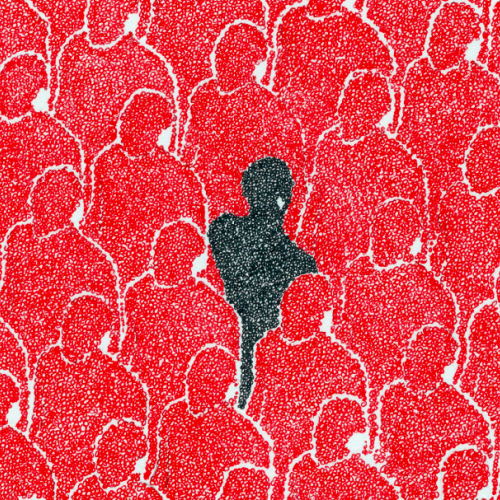
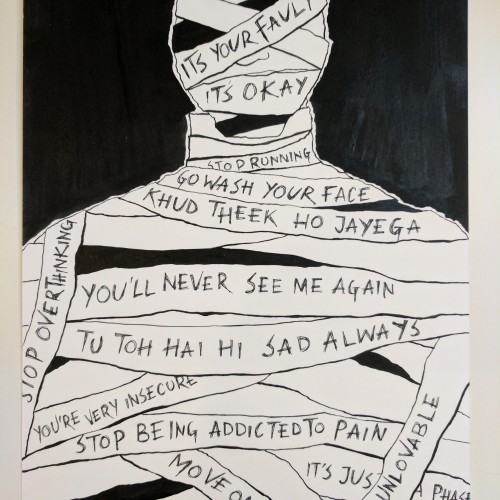
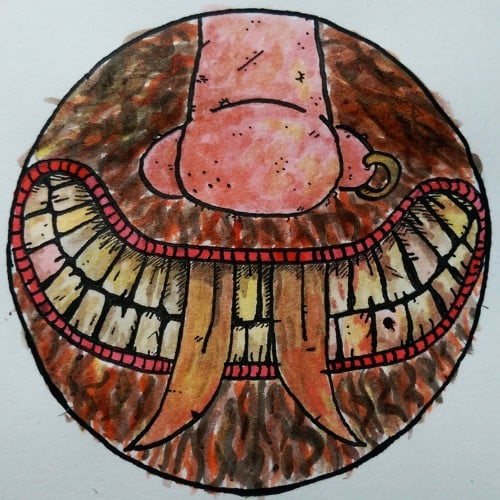
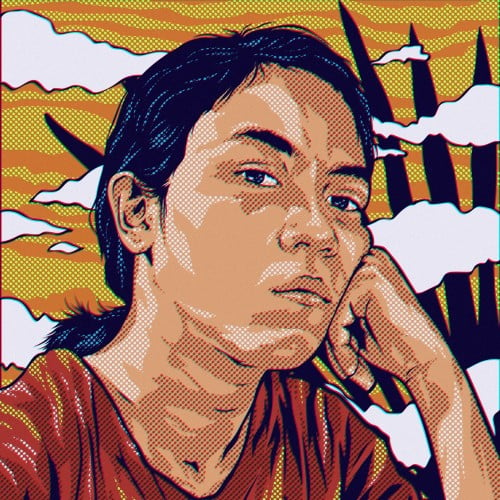
I asked 13 Indian young adults, suffering from a mental health issue, what words do they wish to never hear again with respect to their mental health problem.These responses are words spoken by their colleagues, friends, or family members at some point or the other.
René Descartes (1596–1650)
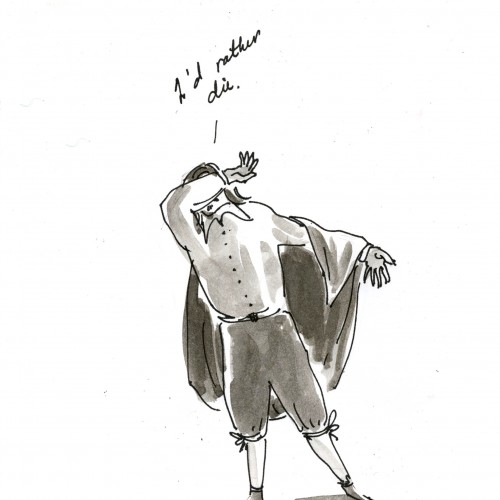
Descartes was a late riser. The French philosopher liked to sleep until mid-morning, then linger in bed, thinking and writing, until 11:00 or so.
His comfortable bachelor’s life ended abruptly in late 1649, Descartes accepted a position in the court of Queen Christina of Sweden.
Descartes accepted a position in the court of Queen Christina of Sweden,Arriving in Sweden, in time for one of the coldest winters in memory, Descartes was notified that his lessons to Queen Christina would take place in the mornings—beginning at 5:00 A.M. He had no choice but to obey. But the early hours and bitter cold were too much for him. After only a month on the new schedule, Descartes fell ill, apparently of pneumonia; ten days later he was dead.
- From Daily Rituals: How Artists Work by Mason Currey
“Dubito, ergo cogito, ergo sum.
(English: "I doubt, therefore I think, therefore I am")”
― Rene Descartes
#dailyrituals #inktober #reneDescartes @masoncurrey #wouldratherdiethangetupearly
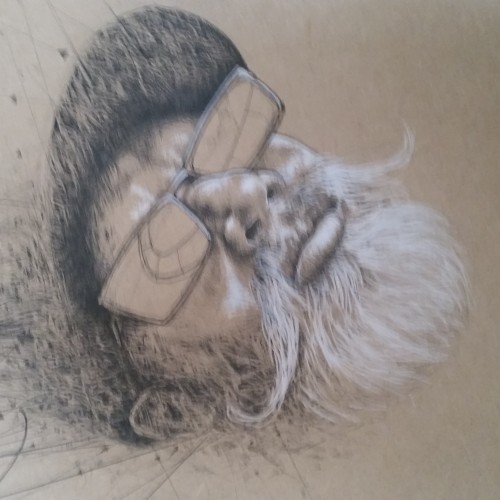
Nikola Tesla (1856–1943)
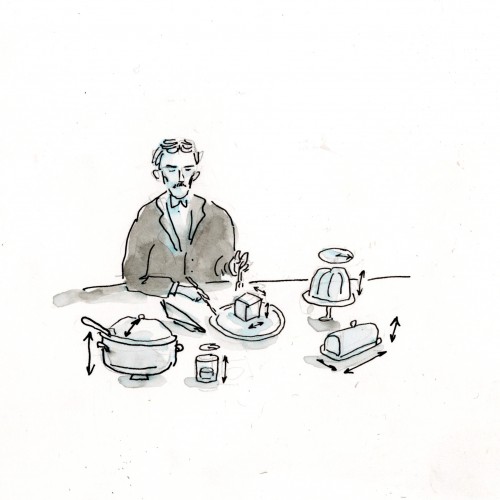
After he had started his own company, Tesla arrived at the office at noon. Immediately, his secretary would draw the blinds; Tesla worked best in the dark and would raise the blinds again only in the event of a lightning storm, which he liked to watch flashing above the cityscape from his black mohair sofa.
Tesla ate alone, and phoned in his instructions for the meal in advance. Upon arriving, he was shown to his regular table, where eighteen clean linen napkins would be stacked at his place. As he waited for his meal, he would polish the already gleaming silver and crystal with these squares of linen, gradually amassing a heap of discarded napkins on the table. And when his dishes arrived—served to him not by a waiter but by the maître d’hôtel himself—Tesla would mentally calculate their cubic contents before eating, a strange compulsion he had developed in his childhood and without which he could never enjoy his food.
- From Daily Rituals: How Artists Work by Mason Currey
“Of all things, I liked books best.”
― Nikola Tesla
“One must be sane to think clearly, but one can think deeply and be quite insane.”
― Nikola Tesla
#dailyrituals #inktober #NikolaTesla @masoncurrey
Jean-Paul Sartre (1905–1980)
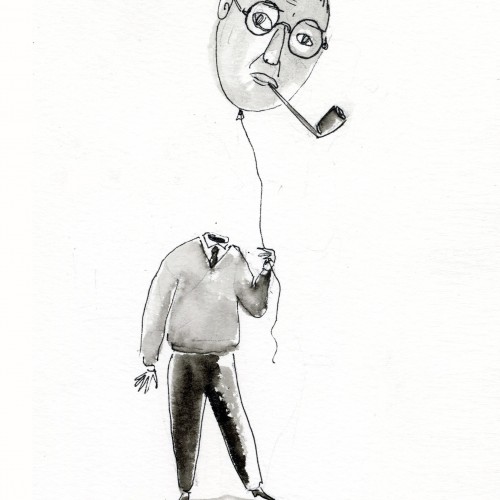
By the 1950s, too much work on too little sleep—with too much wine and cigarettes—had left Sartre exhausted and on the verge of collapse. Rather than slow down, however, he turned to Corydrane, a mix of amphetamine and aspirin then fashionable among Parisian students, intellectuals, and artists (and legal in France until 1971, when it was declared toxic and taken off the market). The prescribed dose was one or two tablets in the morning and at noon. Sartre took twenty a day, beginning with his morning coffee and slowly chewing one pill after another as he worked. For each tablet, he could produce a page or two of his second major philosophical work, The Critique of Dialectical Reason.
The biographer Annie Cohen-Solal reports, “His diet over a period of twenty-four hours included two packs of cigarettes and several pipes stuffed with black tobacco, more than a quart of alcohol—wine, beer, vodka, whisky, and so on—two hundred milligrams of amphetamines, fifteen grams of aspirin, several grams of barbiturates, plus coffee, tea, rich meals.”
- From Daily Rituals: How Artists Work by Mason Currey
#dailyrituals #inktober #jeanPaulSartre @masoncurrey
Douglas the young elephant observed: “Hey, without me, you guys would be in hell...!” and then he giggled like any young elephant would while everyone else rolled their eyes