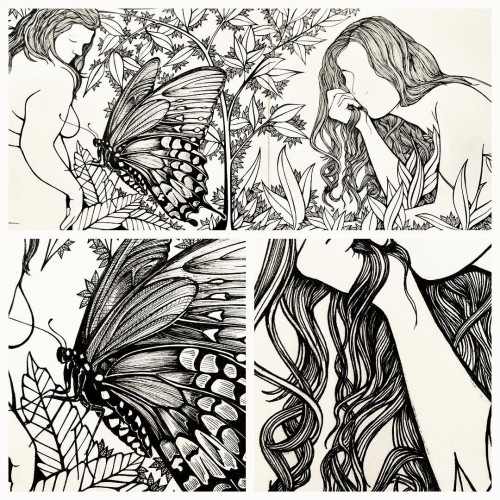
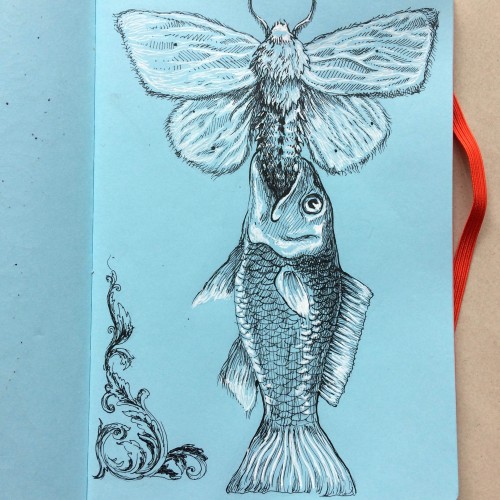
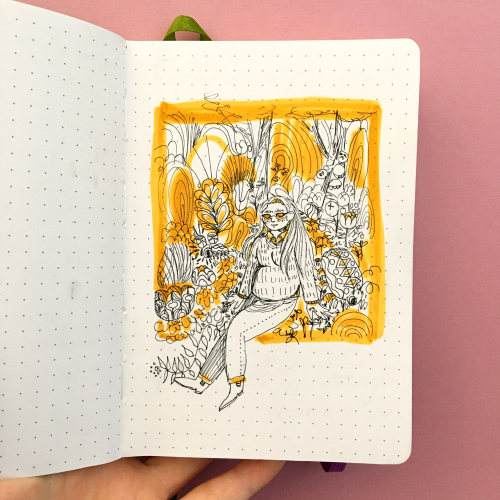
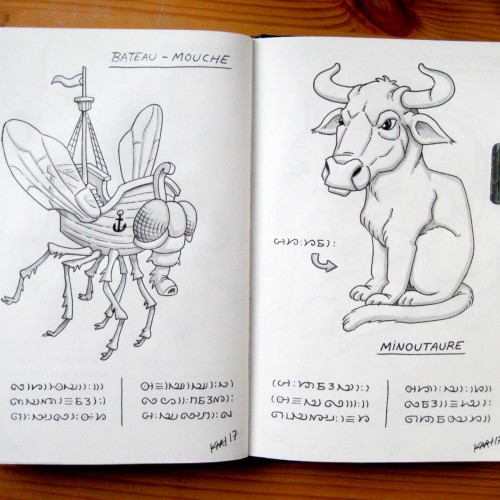
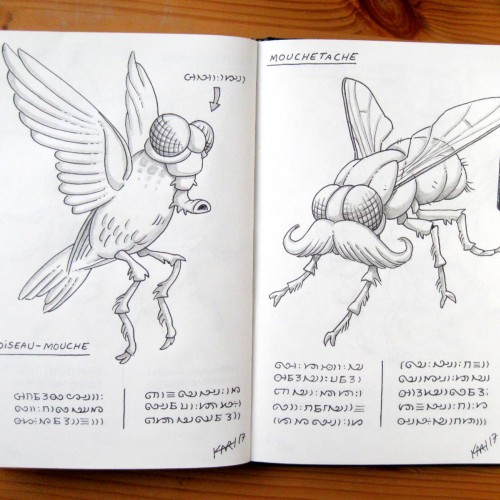
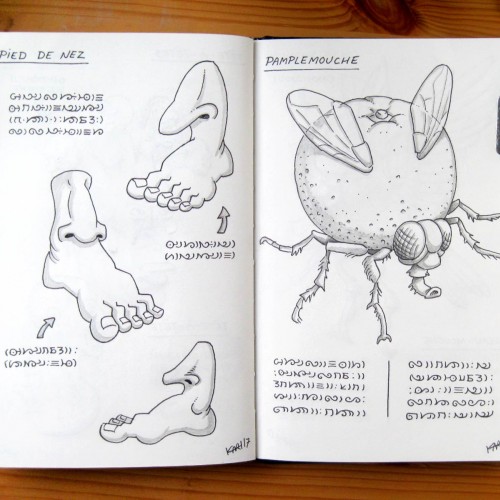
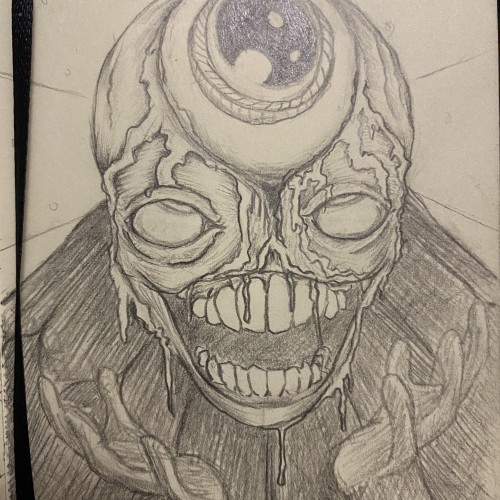
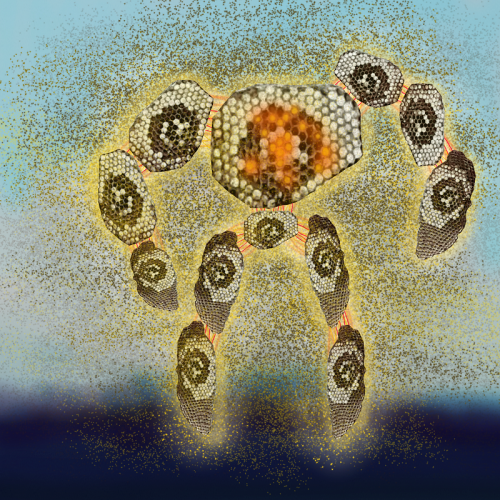
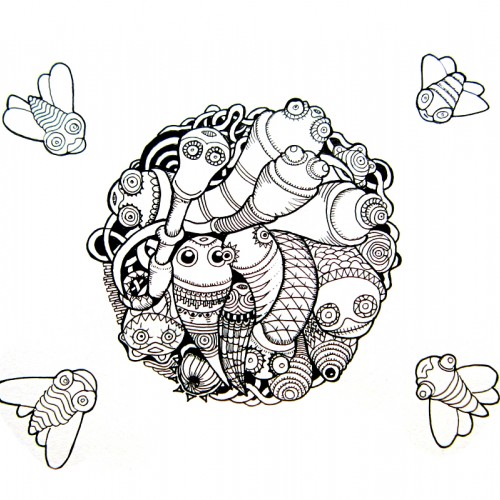
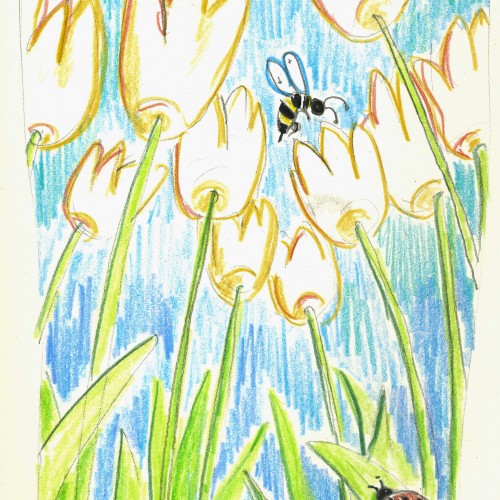
Every day in 2017 I drew in a Moleskine Japanese (Accordion Fold) Album (pocket size) with the goal of completing one continuous drawing all year. I filled up nearly six complete sketchbooks, completing a drawing that is 5.5 inches high and more than 600 inches wide. Now, what do I do with it?
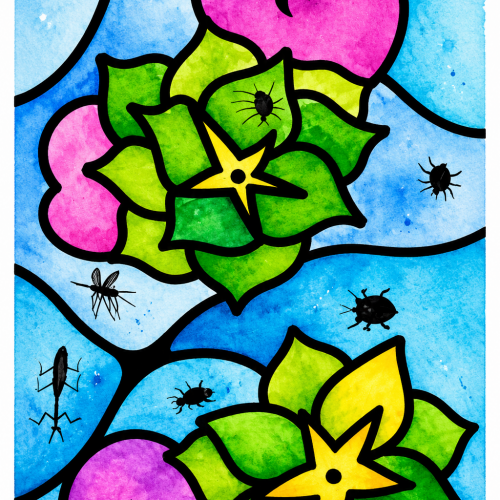
After the success of last year's birth month flower drawings and the products I made with them, I decided to continue drawing flowers - this time it's all the state flowers and state insects. I'm a little behind on the insects.
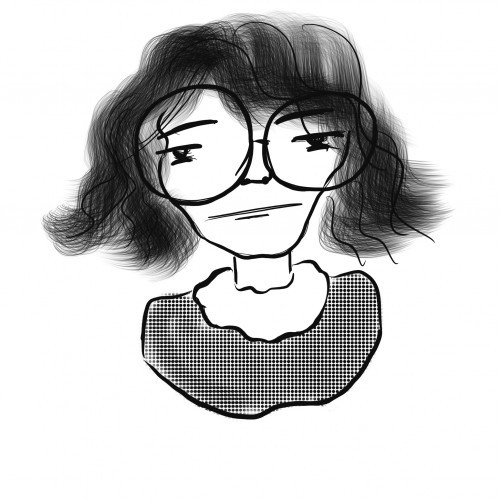
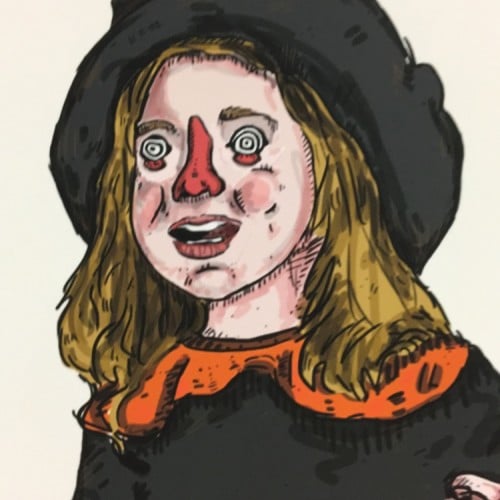
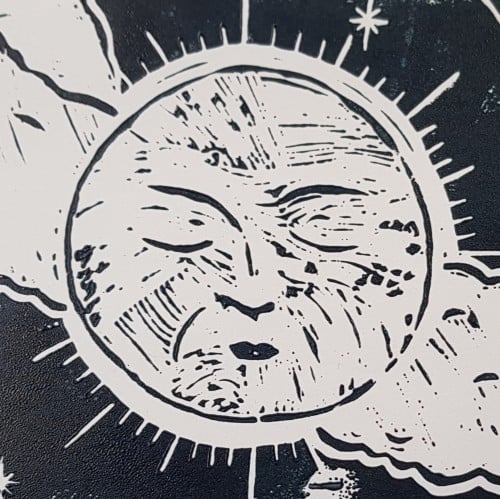
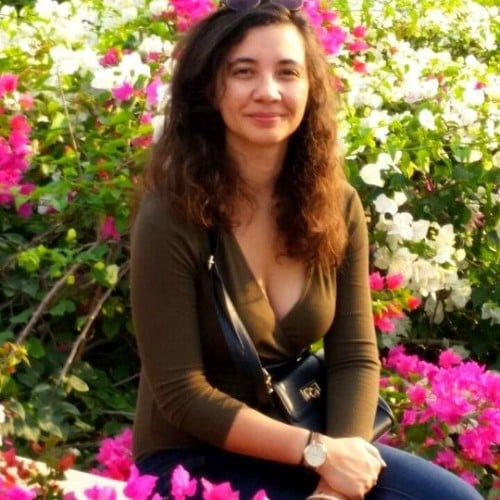
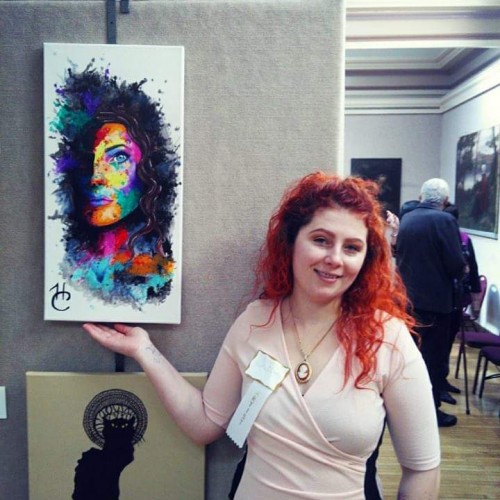
Hello, this is me in sunglasses. My name is Tricia (they/them) and I live on the east-coast of US in Maine (which is up by Canada). I look forward to the cooler weather. My goal is to draw more insects and moons in the future. Hope you have a great day~
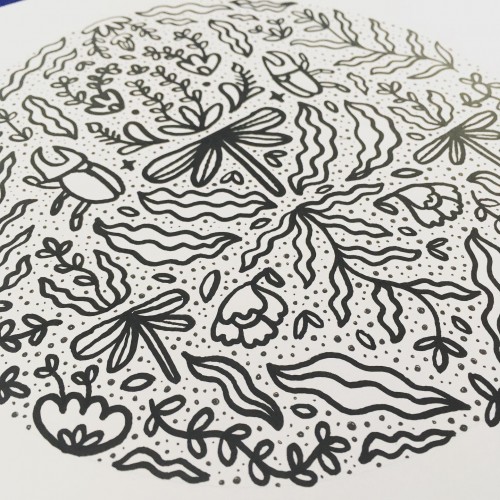
These patterns are all made from drawings pulled from my 2017 sketchbook project. I studied fiber arts in grad school and learned how to do repeat patterns - the old fashioned way by cutting and taping paper together... I haven't done any in 25 years - until this month!
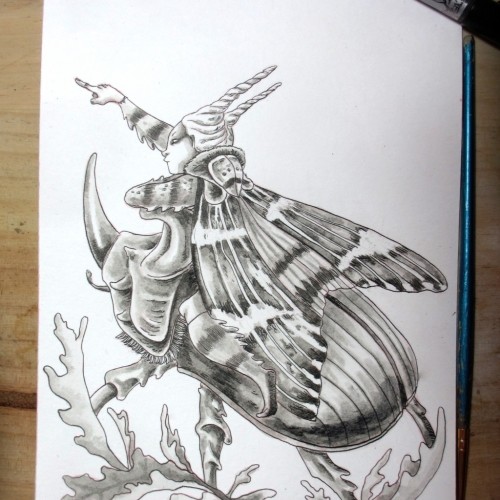
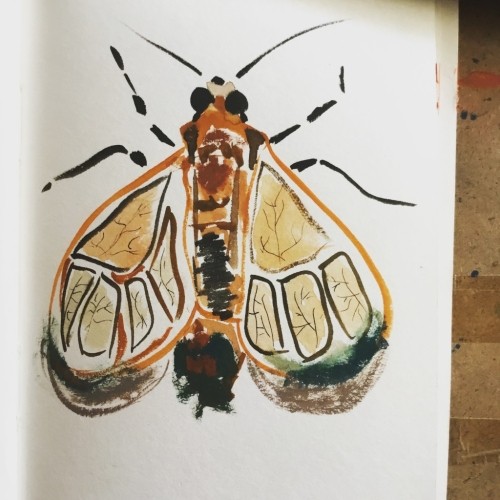
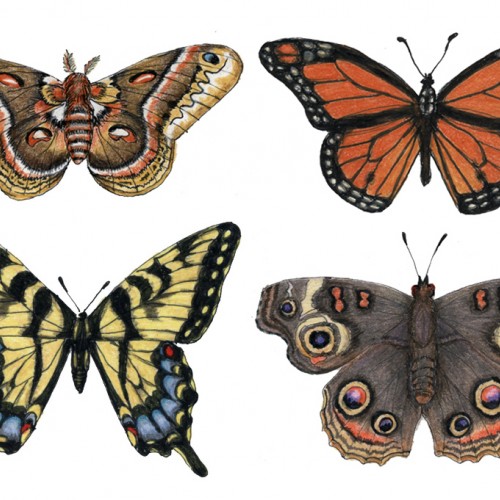
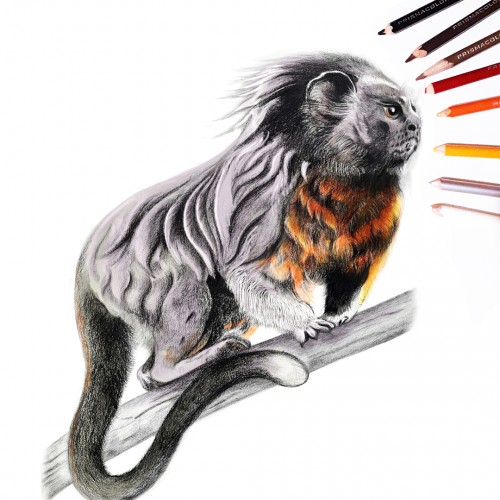
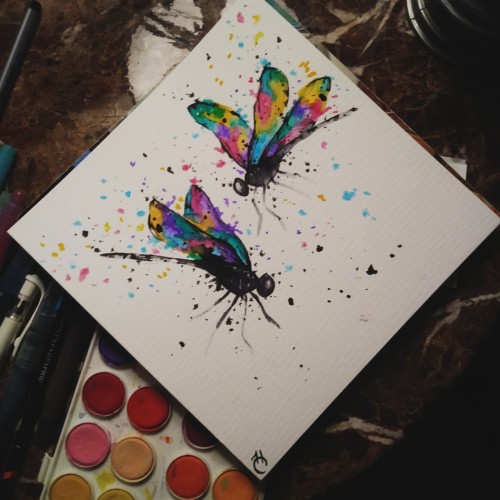
It's never been my practice to stick pins into insects and collect them that way, but drawing them is quite appealing. These are created with Prismacolor pencils and a Micron pen.
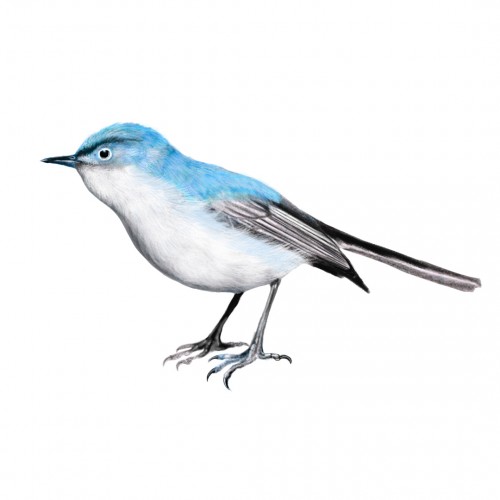
Mixed media, colored pencils and Photoshop. Blue-gray Gnatcatchers (Polioptila caerulea) are a very small songbirds and are most frequently encountered in pinyon-juniper habitat but can be found in any low-elevation areas with an abundance of shrubs. It prey mainly on small insects. Main source: https://www.instagram.com/camilojulianc/
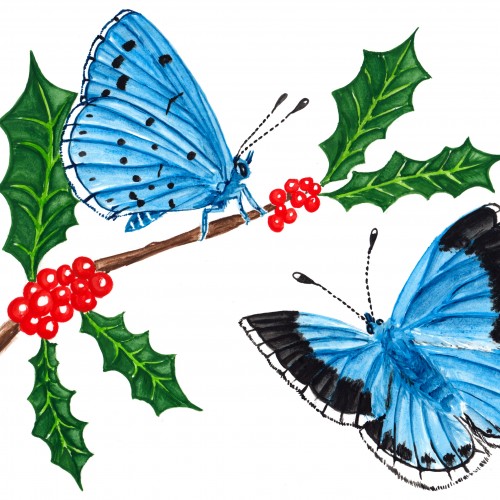
butterflies # ????? : two holly blues. This was a hard one and worthy of an art block
with top and bottom wings distinguishing the species, composition and pose was almost impossible. Cue two of the Holly Blues! :)
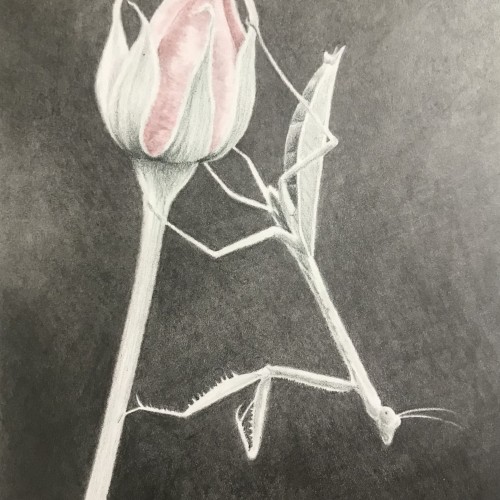
Mantid on a rose bud was done on Strathmore Bristol with Derwent Graphitint (tinted graphite) pencils. I love these insects and they are all over the rose bushes this time of year. I tried to capture her natural grace and beauty as she stepped down from her rose bud perch while eyeing her prey.
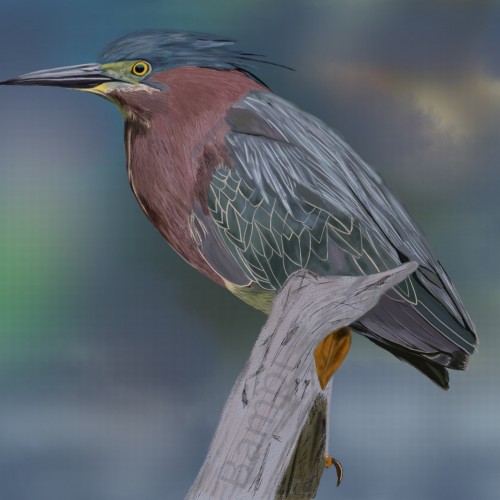
The Green Heron is one of the world’s few tool-using bird species. It often creates fishing lures with bread crusts, insects, and feathers, dropping them on the surface of the water to entice small fish.
Green Herons usually hunt by wading in shallow water, but occasionally they dive for deep-water prey and need to swim back to shore—probably with help from the webs between their middle and outer toes.
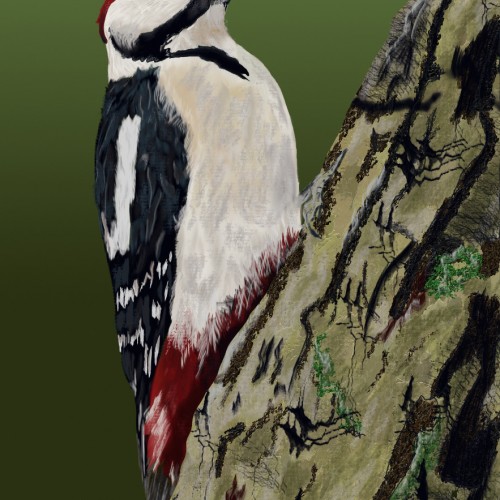
The Lesser Spotted Woodpecker is the smallest and least common of the UK's three species of woodpecker. It is most often found in the tops of trees where it creeps along branches in search of insects. Found in England, but rare in the north. Absent from Scotland and Ireland. Its 'drumming' is much quieter and less vigorous than that of the Great Spotted Woodpecker; its presence is often only given away by this or their call.
The lesser spotted woodpecker is small in size, being not much bigger than a house sparrow. Males are black and white, with a red crown cap, and females are plain black and white. They both have a distinctive white ladder marking down their black back.
**Did you know?**
There are now believed to be less than 3,000 pairs breeding annually in the UK compared to nearly 45,000 greater spotted woodpeckers.
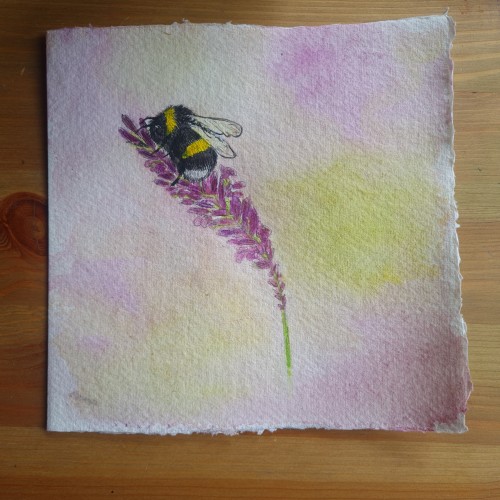
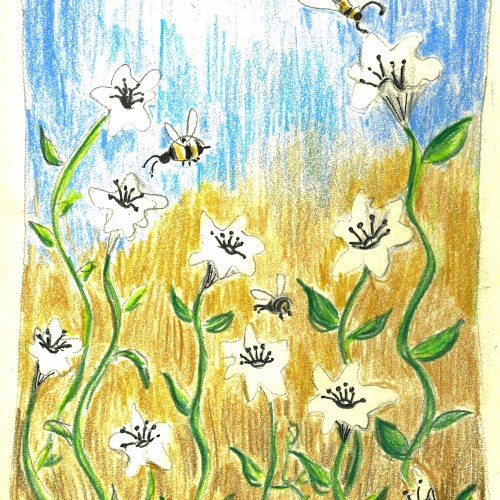
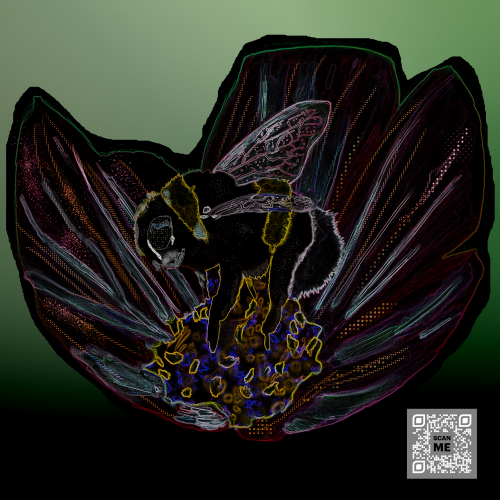
Flight of the bumblebee The lifecycle begins in spring, when rising temperatures awaken a queen bumblebee that has been hibernating alone in the soil. The queen will have spent the entire winter underground, using up reserves of energy stored as fat in her body. When she first emerges, she feeds on flowers, drinking nectar to gain energy. She will then begin to search for a suitable nest site. Frequent nesting sites include holes in the ground, tussocky grass, bird boxes and under garden sheds.