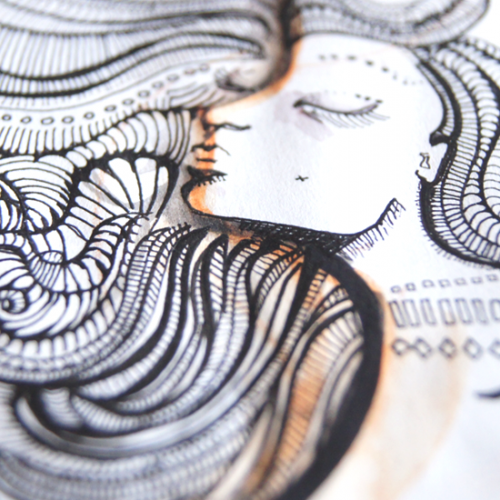
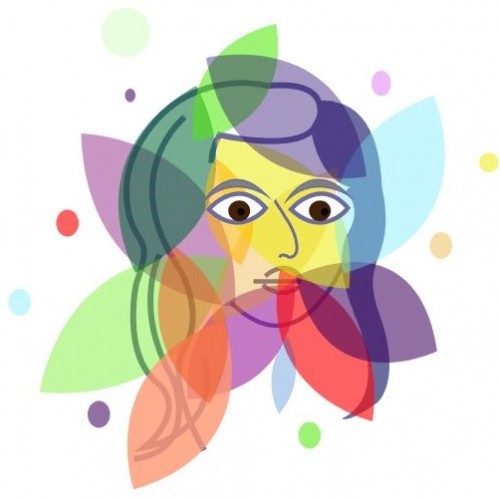
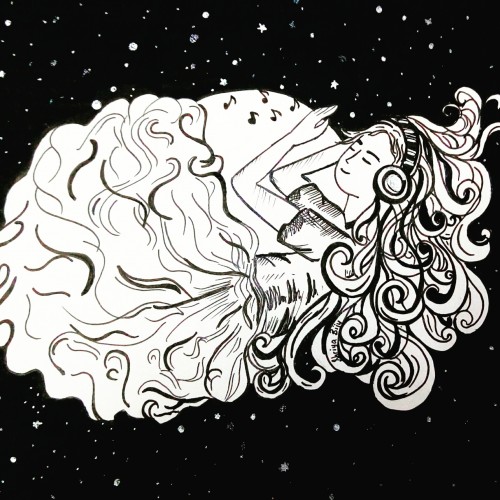
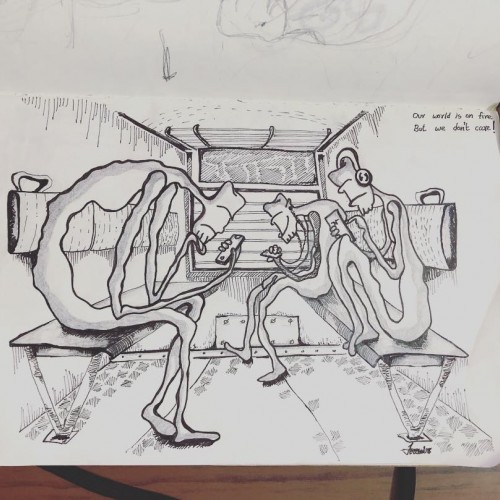
All you have to do is lift your chin up to encounter the most fascinating things in life. What would it take to lift up your chin and talk to the person sitting right next to you. I fear that one day we will forget the very essence of being a human.
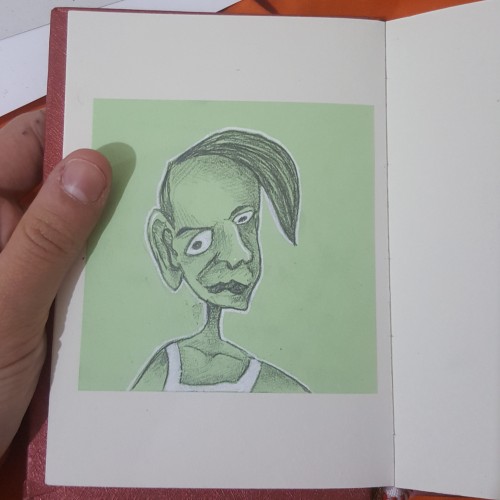
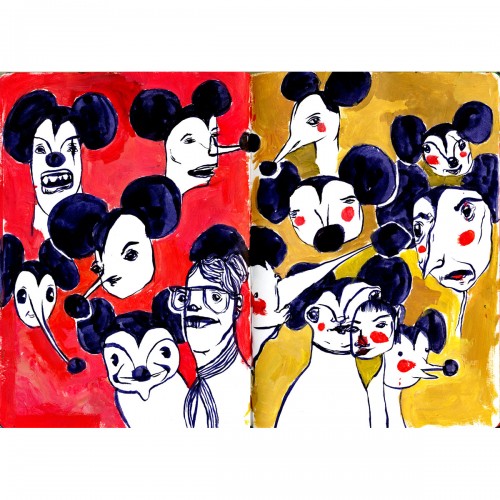
I saw on the Samantha Bee show that there's an association between vintage cartoons and minstrelsy, and I can't stop thinking about it now. So I drew some mean looking white person mice in retaliation. These are your suburb mice that are complaining that the Whole Foods line is taking too long.
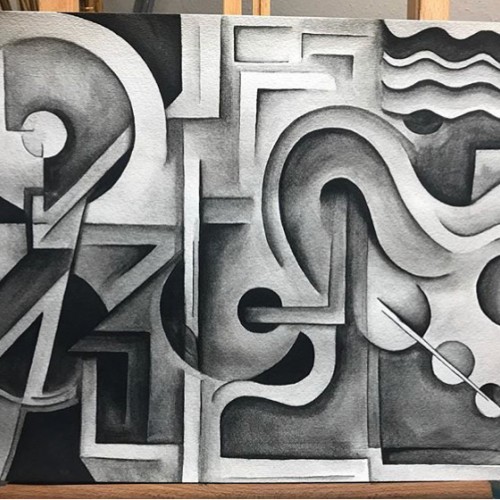
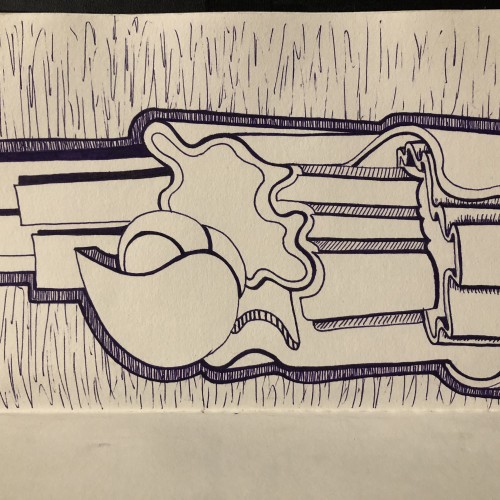
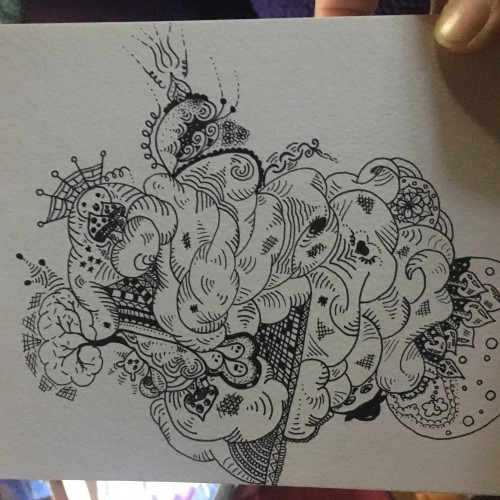
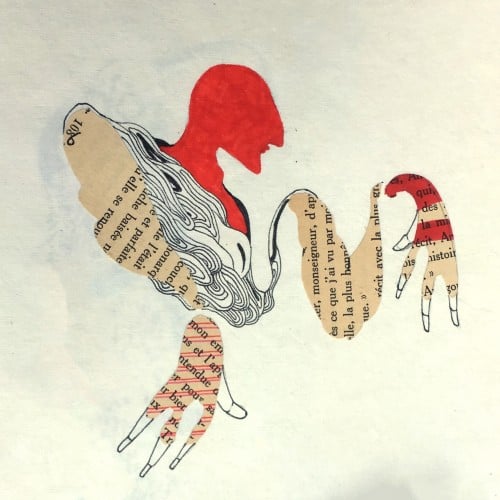
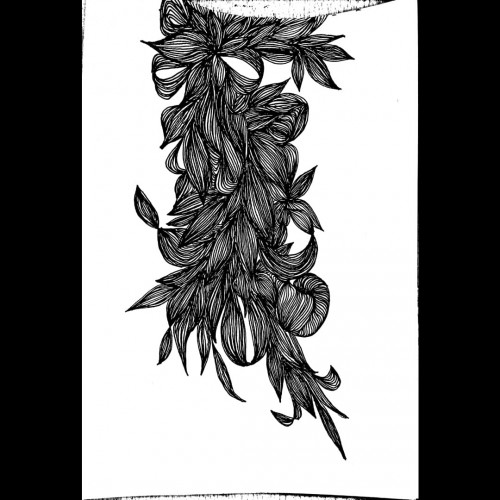
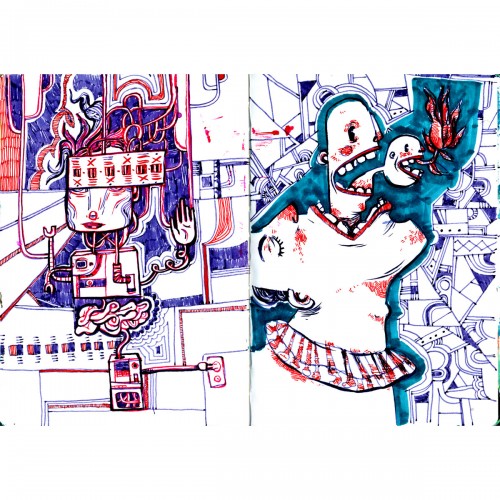
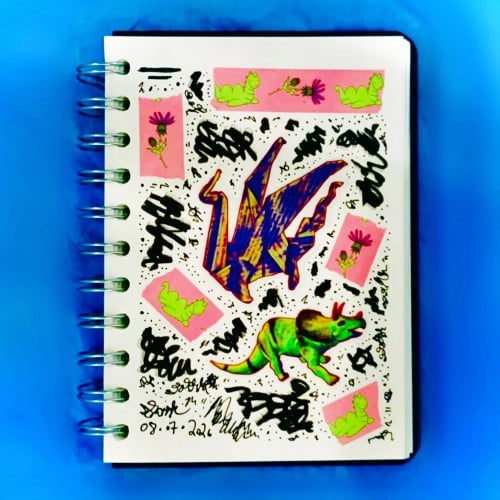
Sometimes I just start throwing lines on top of lines. Today was such a day, fusing, intermingling, and vomiting lines up onto the page. (I originally titled this "Dreams in Digital" but then I was like "no one has heard Orgy's second album but you. Please abandon this late-1990s alt-rock persona. Live in the now.")
These were drawn on different days, in different places.
A salt shaker and sugar rack at Beans & Barley on Milwaukee’s East Side—a place that is gone now. A chair at Starbucks, which is still there.
When I go places, I wait.
Waiting is filled with observation.
Observation is recorded with marks.
Marks spark memory.
I can look at a few pencil lines years later and remember where I was.
Maybe that’s what a sketchbook really keeps. Not drawings of things, but evidence of moments.
For Doodle Addicts, I would use this rather than making Beans & Barley the whole story. The loss of Beans & Barley gives one sketch poignancy, but your larger idea is better: drawing converts otherwise disposable waiting into memory.
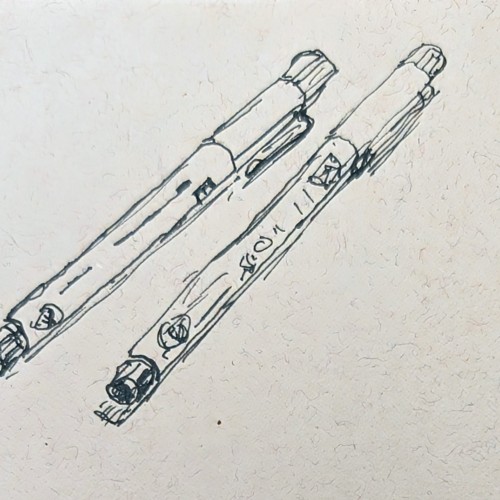
Two pens resting on the table, drawn quickly before they were put back to work. The lines wander and double back, but that is part of looking: an ordinary object becomes particular when we give it our full attention.
Ink sketch from observation.
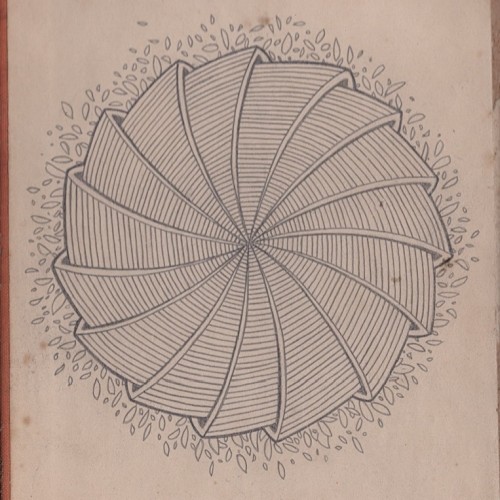
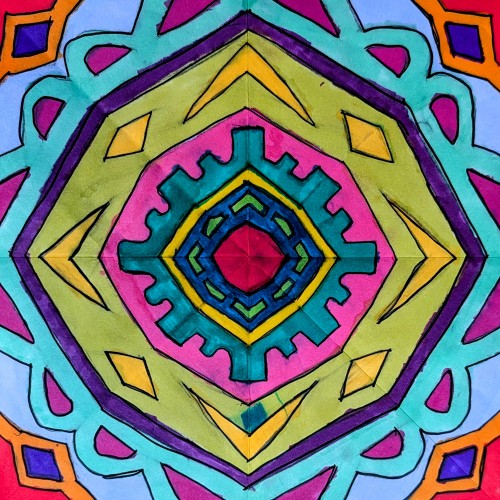
Ruskin believed that ornament was never decoration for its own sake — it was evidence of attention, a record of the hand and eye slowing down enough to truly see. These kaleidoscope name designs are built the same way: a name broken into line, repeated outward with discipline, until pattern becomes a kind of patience made visible.mandala, kaleidoscope, radial symmetry, pattern art, geometric art, name art, marker art, hand drawn, meditative art