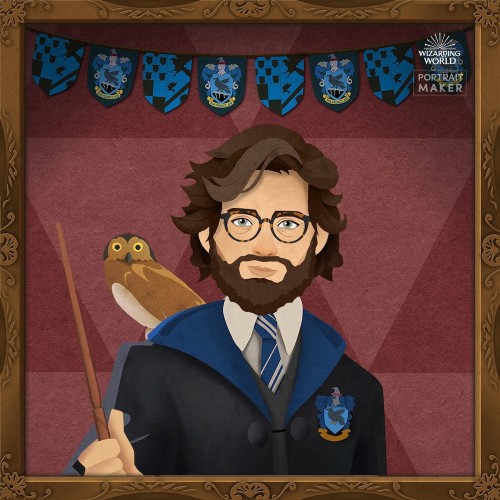
There are practice excercises on Youtube for the sketchbook app. It was just for the flower, which
I didn't quite get it right and I changed the background and added the bee. I am actually proud of the bee. That's breakfast.
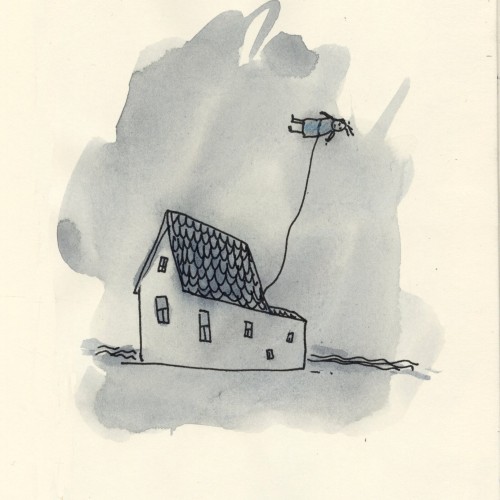
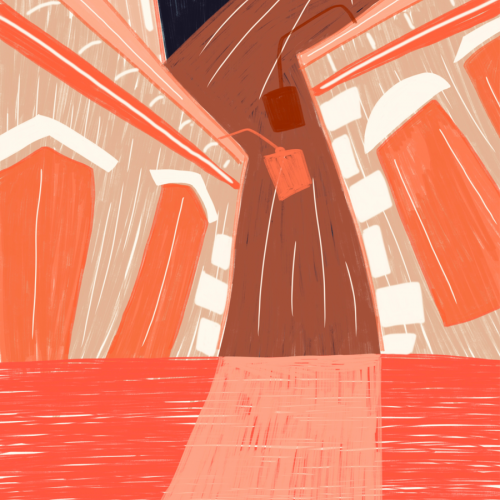
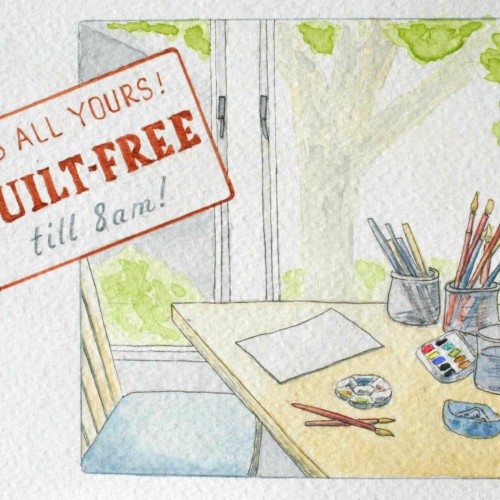
The house is grey, the sky and the sea are grey, and the field is grey with dew. It's four o'clock in the morning and I have saved three important hours which can be counted as extra. Or perhaps three and a half.
I have learned to tell the time, although I'm not yet quite sure about the minutes.
Sculptor's daughter by Tove Jansson.
#dailydrawing #toveJansson
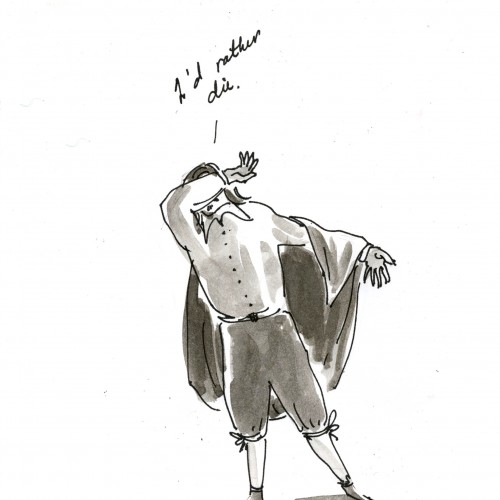
René Descartes (1596–1650)
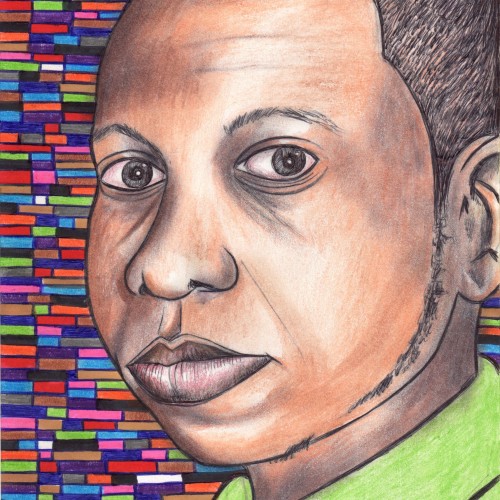
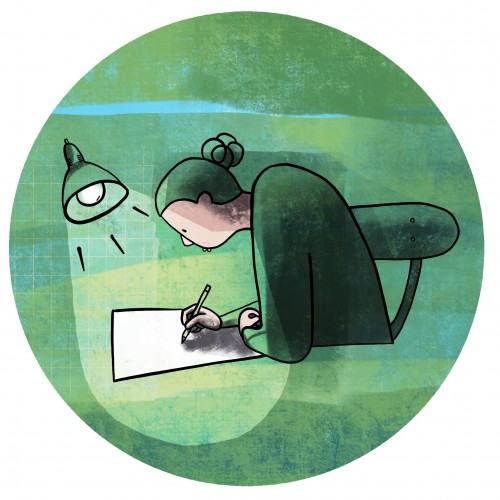
Descartes was a late riser. The French philosopher liked to sleep until mid-morning, then linger in bed, thinking and writing, until 11:00 or so.
His comfortable bachelor’s life ended abruptly in late 1649, Descartes accepted a position in the court of Queen Christina of Sweden.
Descartes accepted a position in the court of Queen Christina of Sweden,Arriving in Sweden, in time for one of the coldest winters in memory, Descartes was notified that his lessons to Queen Christina would take place in the mornings—beginning at 5:00 A.M. He had no choice but to obey. But the early hours and bitter cold were too much for him. After only a month on the new schedule, Descartes fell ill, apparently of pneumonia; ten days later he was dead.
- From Daily Rituals: How Artists Work by Mason Currey
“Dubito, ergo cogito, ergo sum.
(English: "I doubt, therefore I think, therefore I am")”
― Rene Descartes
#dailyrituals #inktober #reneDescartes @masoncurrey #wouldratherdiethangetupearly
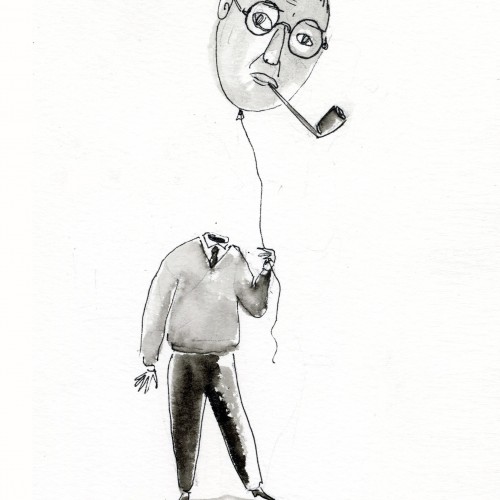
Jean-Paul Sartre (1905–1980)
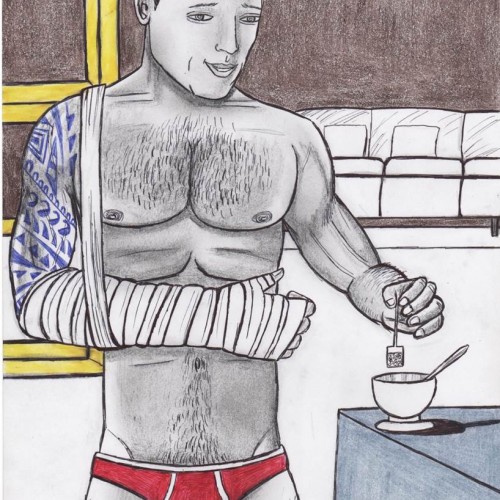
By the 1950s, too much work on too little sleep—with too much wine and cigarettes—had left Sartre exhausted and on the verge of collapse. Rather than slow down, however, he turned to Corydrane, a mix of amphetamine and aspirin then fashionable among Parisian students, intellectuals, and artists (and legal in France until 1971, when it was declared toxic and taken off the market). The prescribed dose was one or two tablets in the morning and at noon. Sartre took twenty a day, beginning with his morning coffee and slowly chewing one pill after another as he worked. For each tablet, he could produce a page or two of his second major philosophical work, The Critique of Dialectical Reason.
The biographer Annie Cohen-Solal reports, “His diet over a period of twenty-four hours included two packs of cigarettes and several pipes stuffed with black tobacco, more than a quart of alcohol—wine, beer, vodka, whisky, and so on—two hundred milligrams of amphetamines, fifteen grams of aspirin, several grams of barbiturates, plus coffee, tea, rich meals.”
- From Daily Rituals: How Artists Work by Mason Currey
#dailyrituals #inktober #jeanPaulSartre @masoncurrey
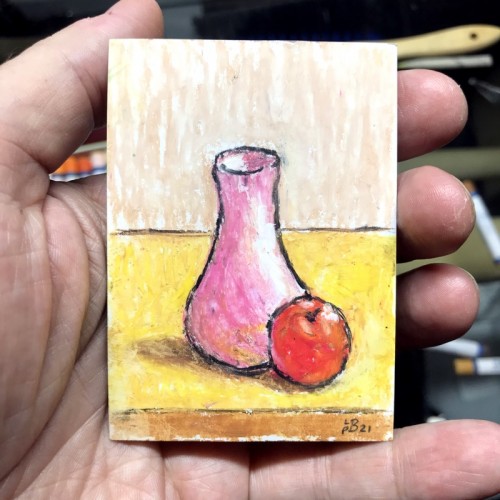
I recently discovered oil pastels and am being amazed every day at how versatile they are. While cleaning my desk this morning I found some blank ATCs (Artist trading cards, 2.5x3.5") and wondered if I could work small with such a bulky medium. Turns out, absolutely yes.
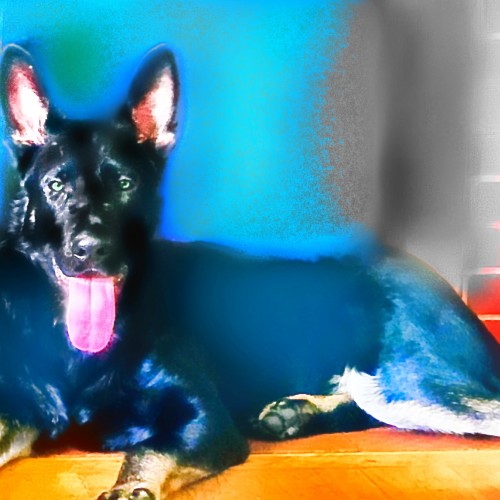
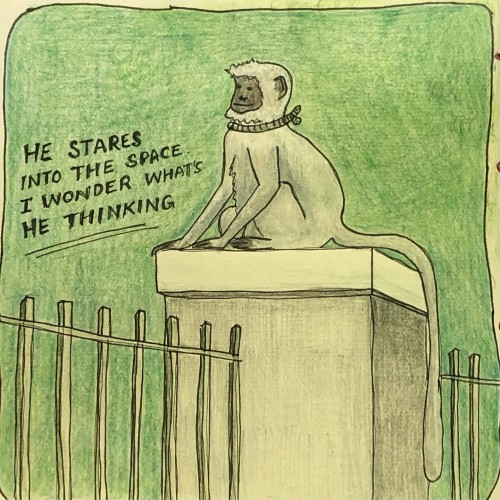
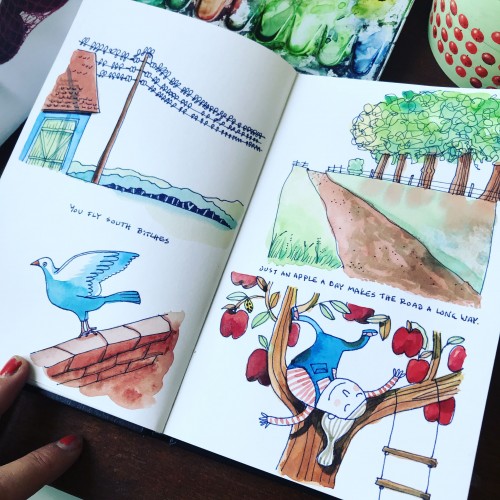
Found him sitting on a wall in the park where I go for a jog since pandemic started. Was so mesmerised by this magnificent beast. I couldn’t stop staring at him every morning. The contrast between the white fur and black skin. So shiny yet so peacefully he sat doing his job.
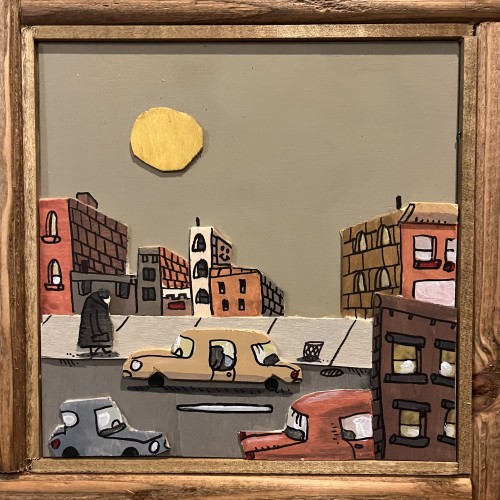
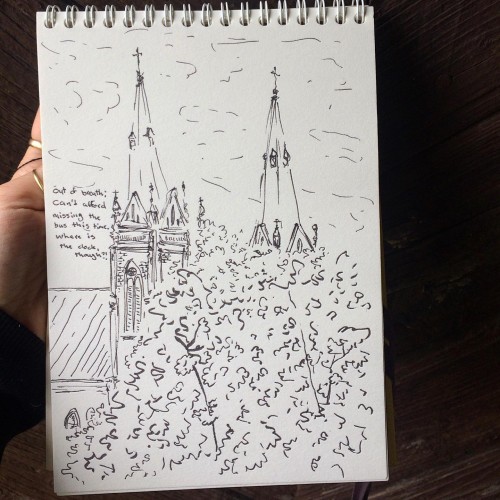
I tried to catch my breath after all the running; I finally got to the bus stop. The wind was blowing vigorously, the rain clouds were approaching. It was a very typical spring morning.
I spotted a huge line drawing on YouTube. I was curious about how it feels to draw just lines over and over again. The one on the web was four times as big as this one (on A3 paper). Half way through I started to nod off. Next morning I thought the green
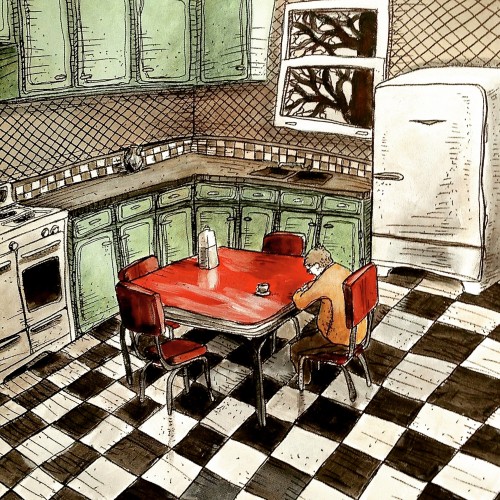
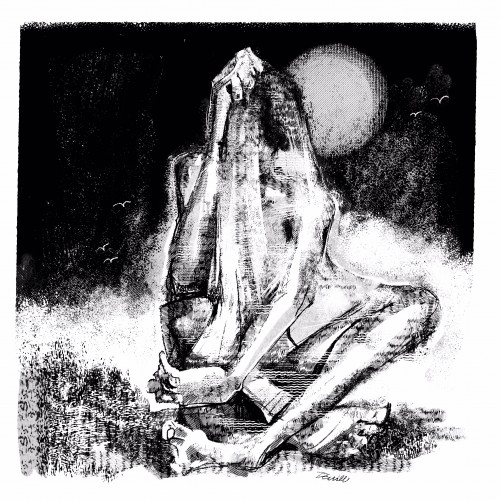
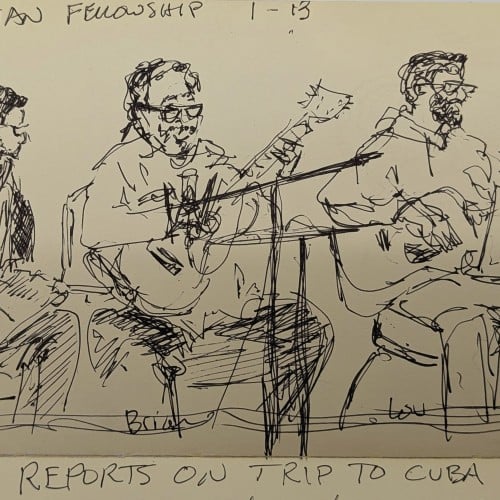
Sunday morning, more than a decade ago.
Music, fellowship, and reports about what God was doing here and there.
Some things are worth remembering. We learn from looking back—
but we must live forward.