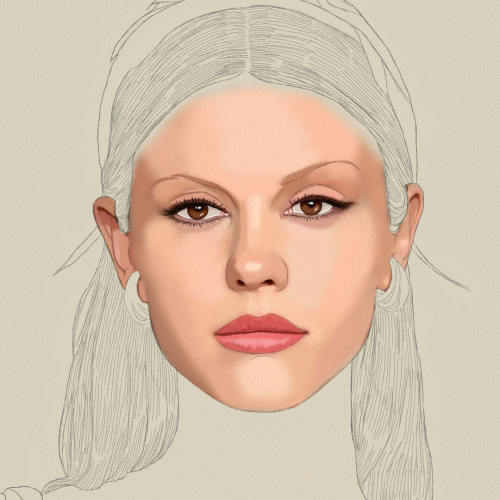
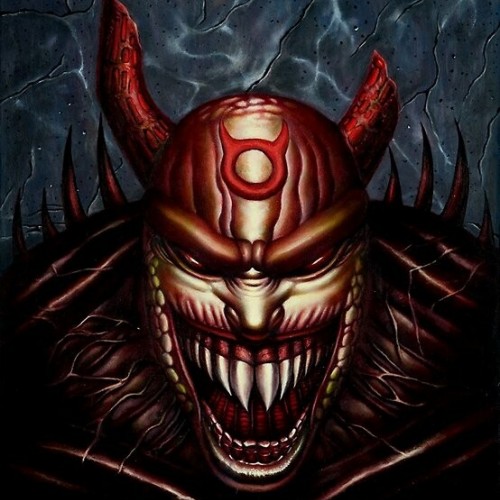
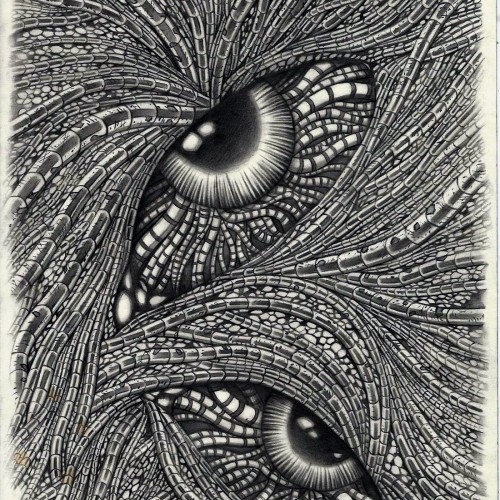
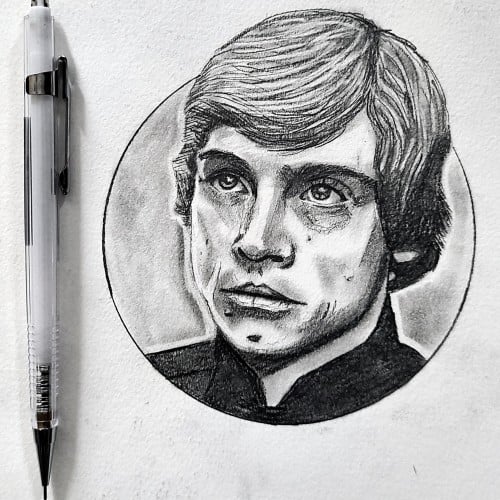
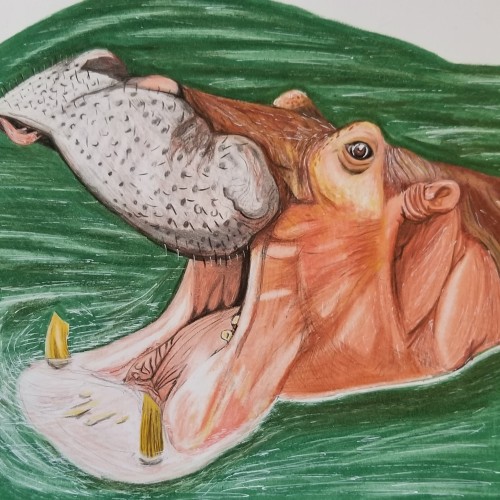
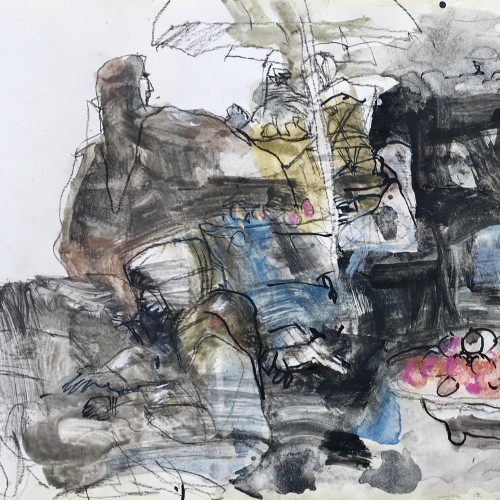
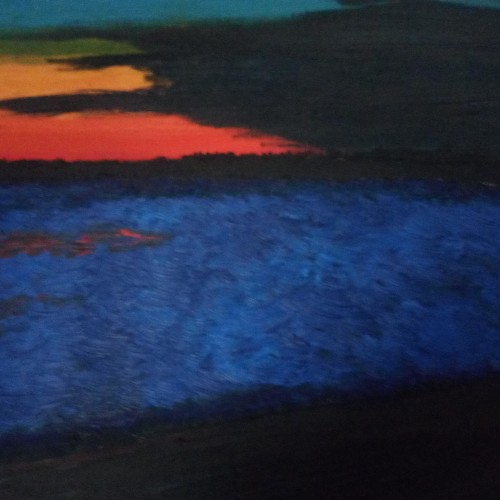
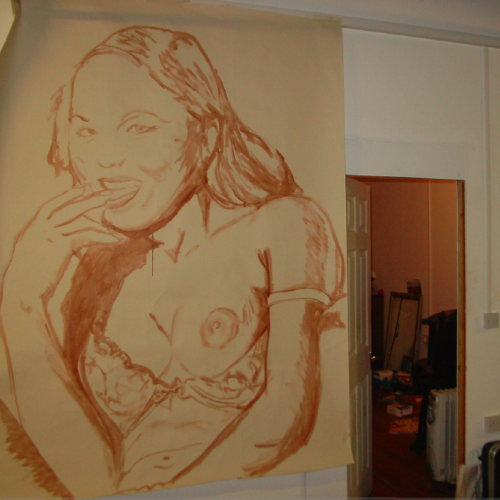
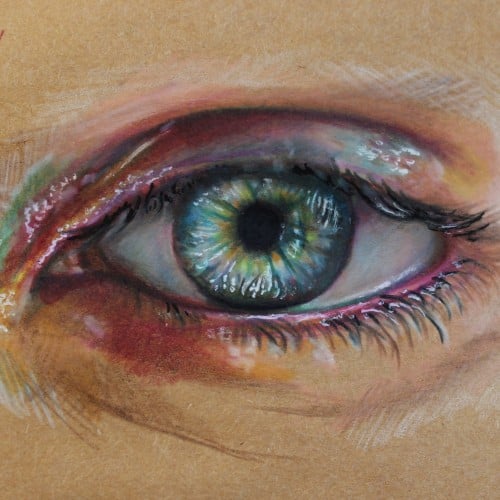
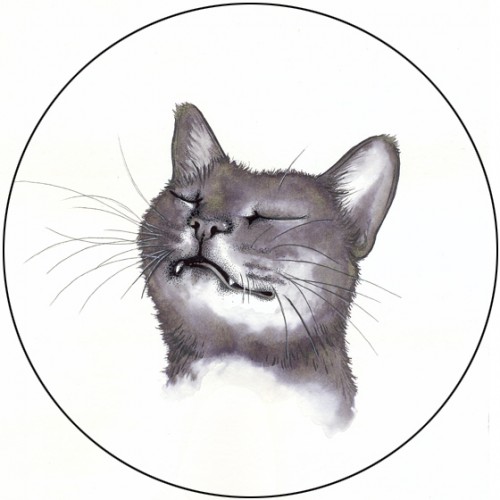
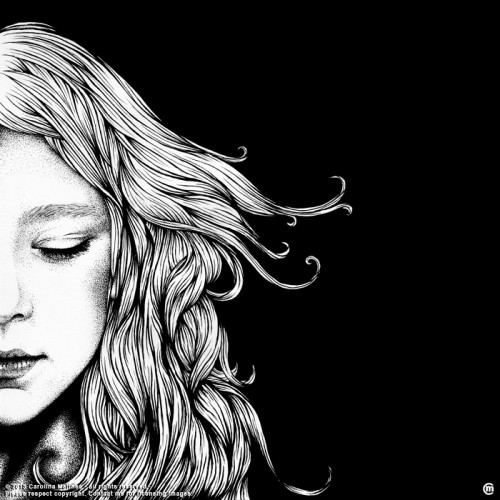
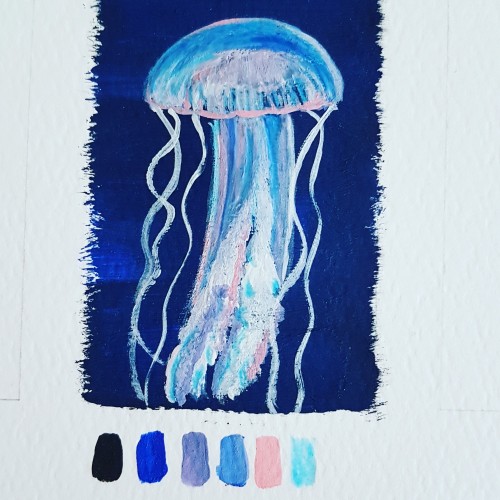
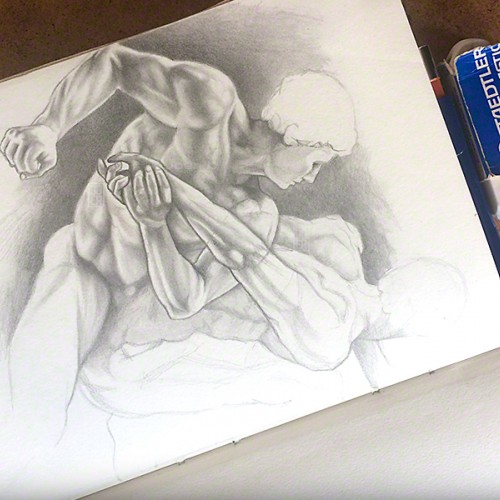
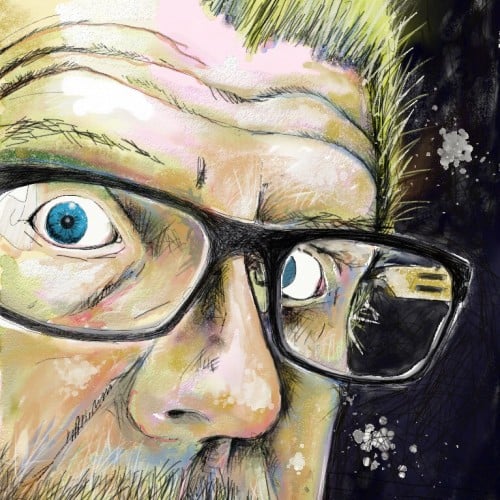
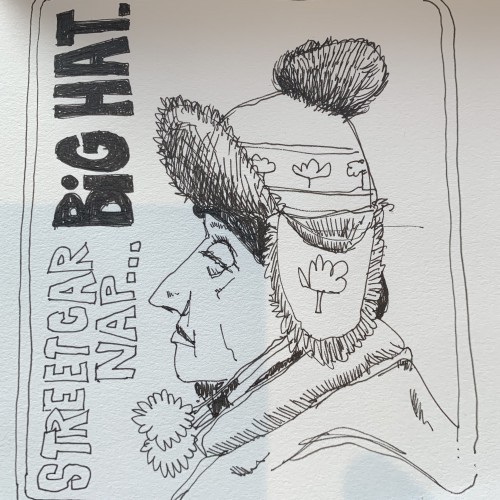
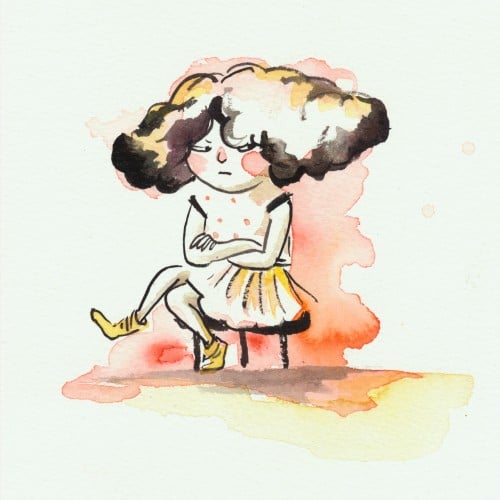
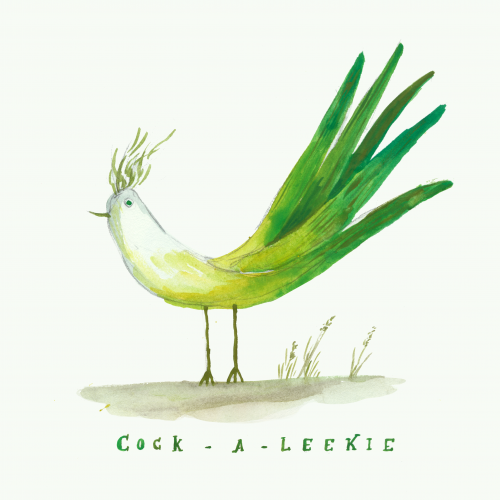
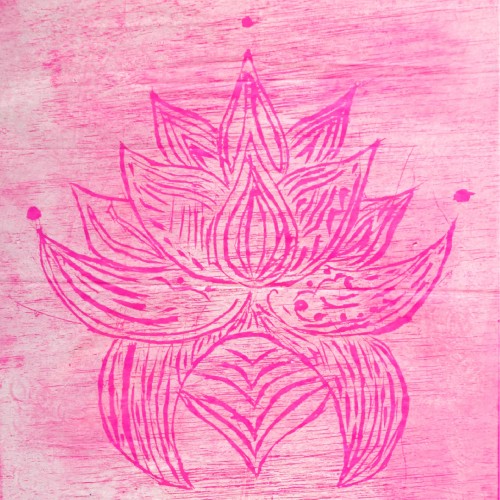
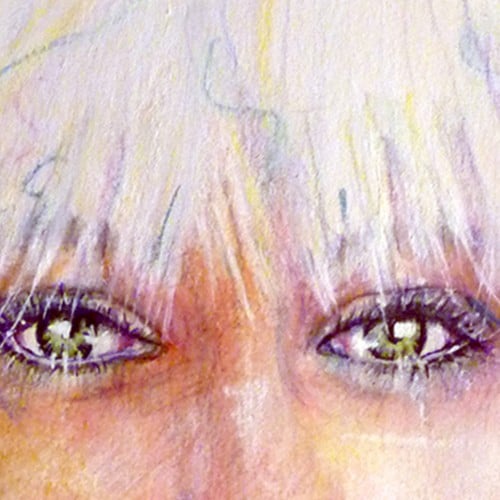
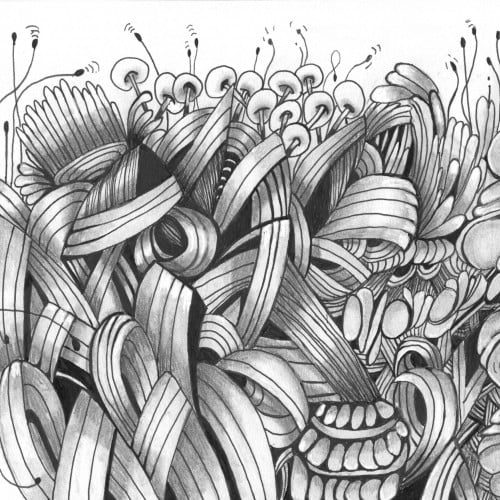
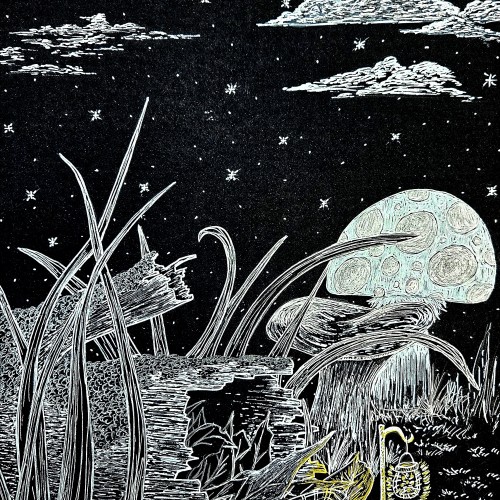
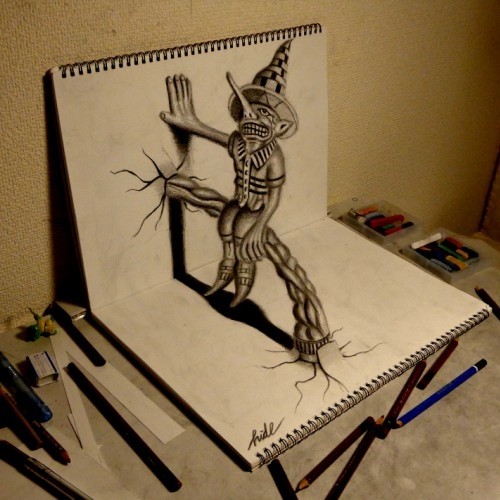
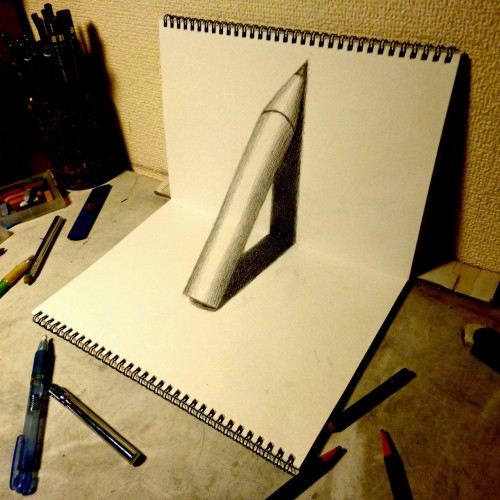
Done 2022 with lead pencils on 11x17 drawing paper. Original art is up for sale $75 (shipping fee will apply) USD email me and open for private commissions as well jungmeister4@yahoo.com Also I have my 2023 Wall calendar up for sale $19.95 with my artworks through Artwanted.com art community website. Click or copy / paste the link below and would be appreciated if you can support me on the calendar https://www.artwanted.com/artist.cfm?ArtID=115637&Tab=Calendar
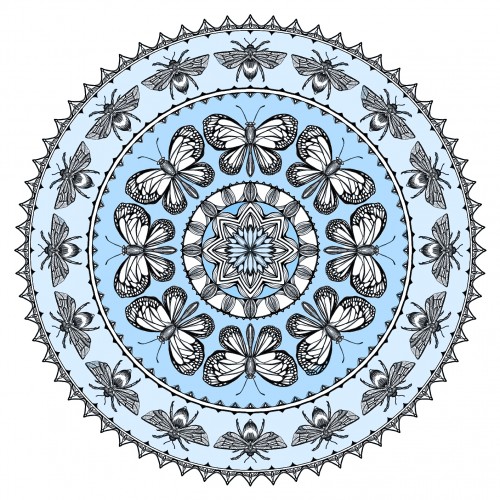
What's more comforting than a summer day with butterflies flitting and bumblebees tumbling amonst the flowers in the meadow? My husband felt that blue was most comforting for him. Me, I liked the salmon. The mandala is drawn in Spirality...which takes the designated "wedge" and repeats it around the circle. Colored in Photoshop (given there is a 20 min. time given for this challenge---otherwise, I would have colored it by hand).
*writes a few words, masticates a few more he found reading Doctor Who books*
An ode to the more saccharine yet saltier tasting things in life. Faff and fluff aside, find your own meaning folks.
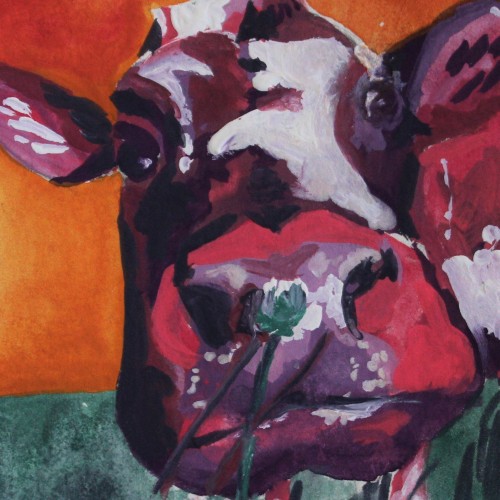
This colorful painting was created using gouache paint to give an illustrative design feel. The subject is a cow painted using non-local colors like pink and violet, contrasting the orange sky background. I love the small clover flower the cow appears to be smelling in the foreground of this piece. For more in my gallery, please visit ArtsyDrawings.com!
I found this grouping quite challenging to draw.
Also known as The Two Wrestlers, The Uffizi Wrestlers or The Pancrastinae. The sculpture is a Roman marble sculpture copy of a lost Greek original from the third century BCE. The piece is in the Uffizi collection in Florence, Italy.
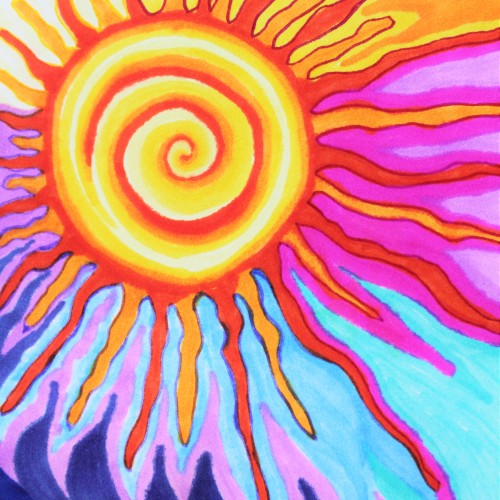
This doodle is a marker and ink drawing of a hyper stylized sun with a middle spiral and squiggles extruding from the center like a wild galactic heliocentric power hold. The sky is orange and hot Barbie pink and deep blue and very fun and colorful to look at. Check out more of my art at ArtsyDrawings.com
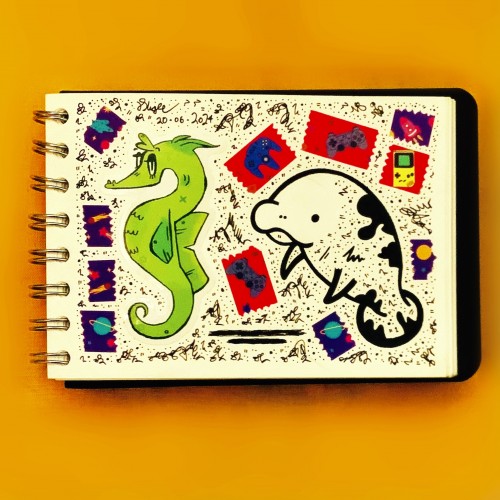
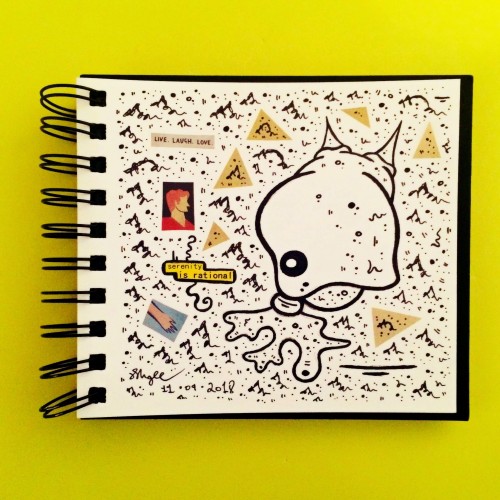
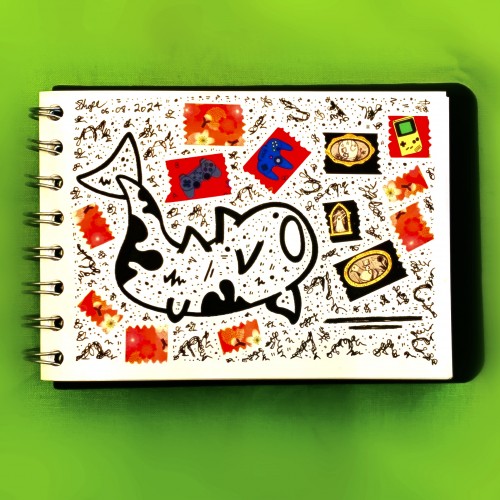
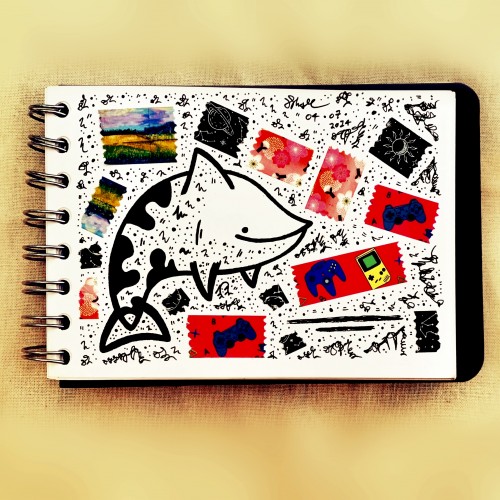
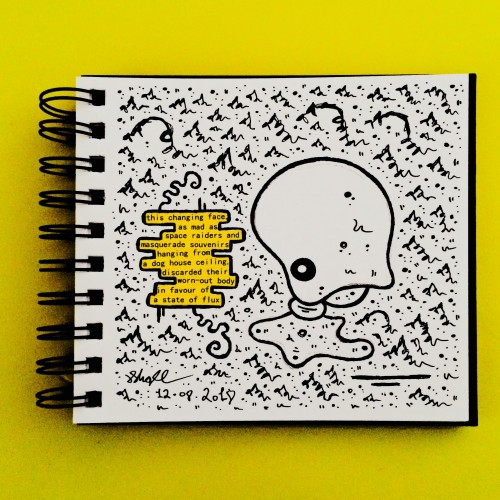
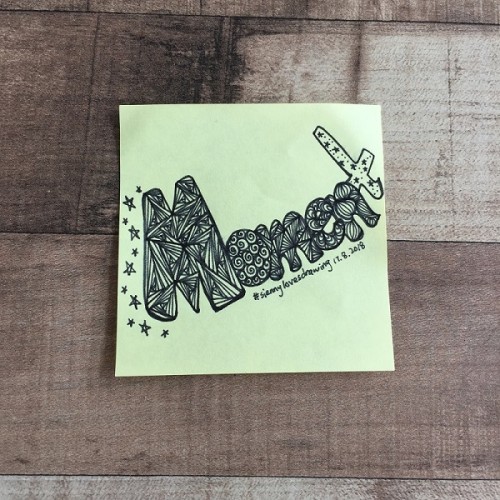
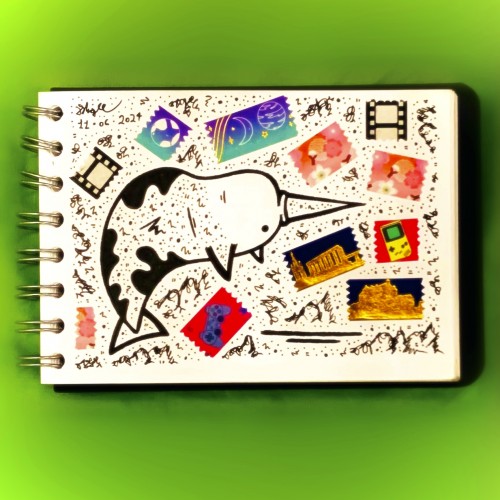
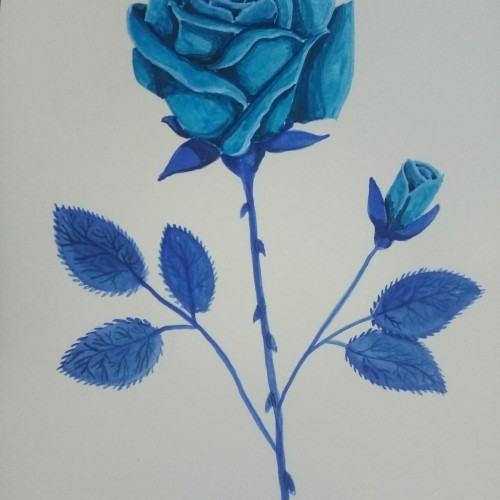
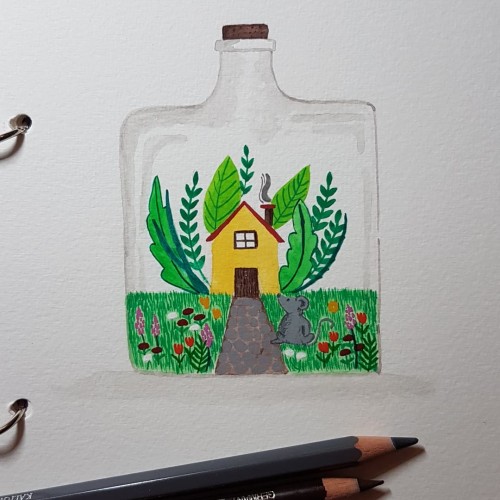
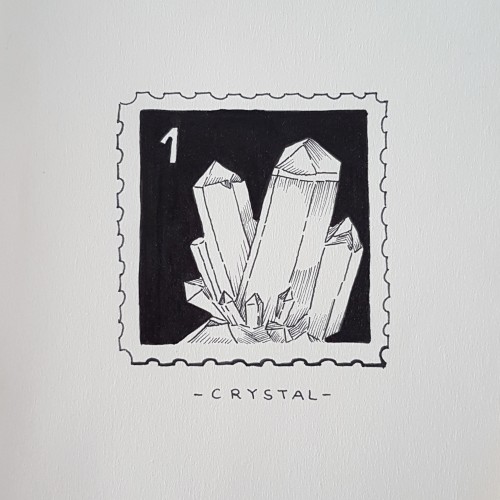
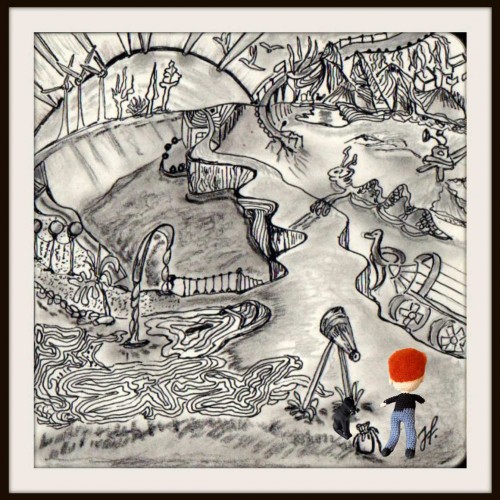
My drawings creating with a fine liner, pencil or color pencils and brush pen.
Sometimes they are also different collages.
They are a figment of my imagination size 14/9cm