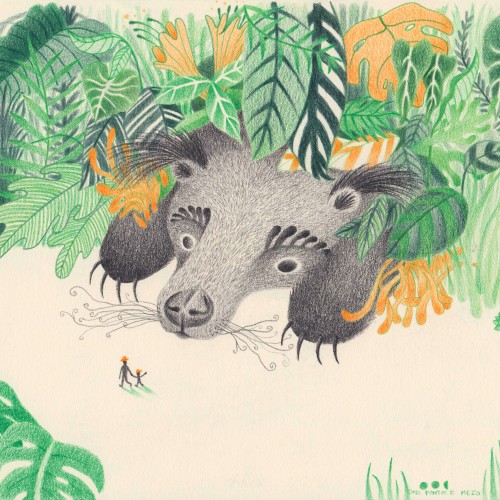
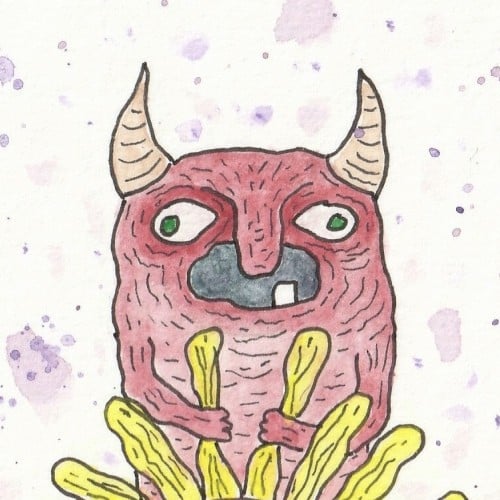
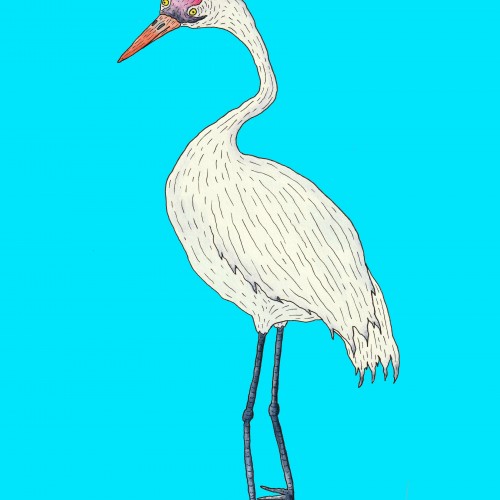
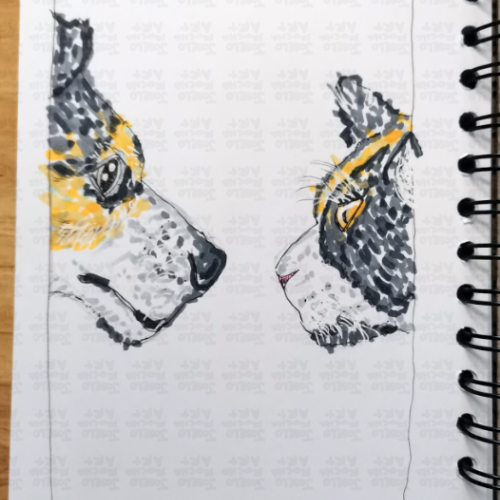
Binturong, a fluffy animal with even fluffier ears. Really mysterious if you ask me. I made a small comic of this, you can see more on Instagram.
On a more serious note, binturongs are fascinating and also a vulnerable species, with a decreasing population (acording to the IUCN redlist).
You can learn more about them through @abconservation.
:.
**Are Red Foxes Endangered?**
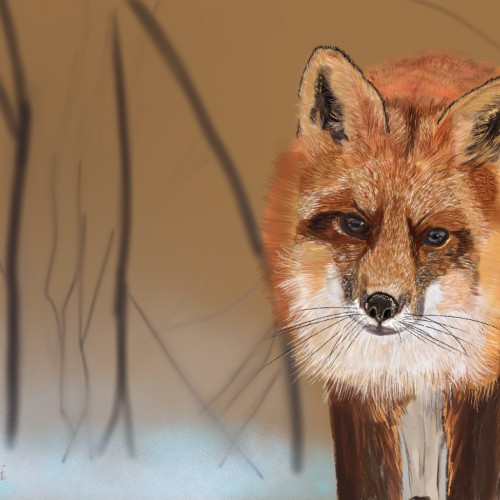
Currently, red foxes do not have such a status. The IUCN claims that the mammals’ population is stable and does not consider red foxes to be endangered. In fact, they also say that their highest population density is in the UK. Up to 30 red foxes per square 0.5km can exist. However, in the UK the red fox population has fallen by about 41% from 1995 until 2017.
There are several large threats to the red fox population, mainly habitat losses and fragmentations, plus exploitation and hunting. Habitat loss is the most serious of them all. Luckily for the species, they are very adaptable and can live in different conditions, which is also one of the reasons foxes have been regular visitors to urbanised areas and people’s yards. They come to look for food, which their natural habitat offers less of.
In the UK, there are some strict rules about dealing with foxes on your property and you can get a serious fine or even get jailed if you do not follow them.
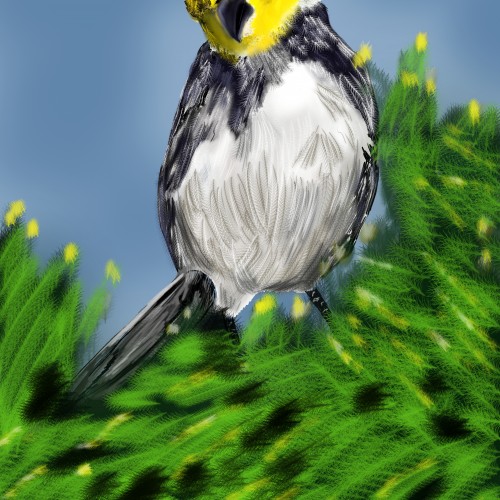
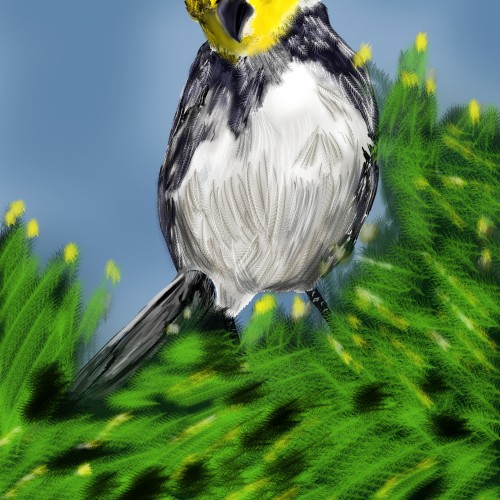
**ENDANGERED SPECIES** This small bird the Golden Cheeked Warbler #goldencheekedwarbler #endangeredspecies also known as the #GoldFinchofTexas lives and breeds in Central Texas particularly somewhere around the Edwards Plateau, Lampasas Cut Plain and Central Mineral Region. The main reason of the threat and decrease of this small bird’s population is mainly because of ranching, agriculture and land development. At present, there is no known record of the number of Golden Cheeked Warblers remaining.
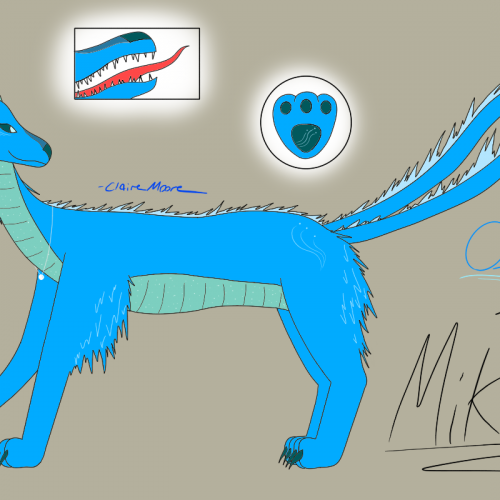
This is another base coloring of my Mikisu species. This particular color scheme was requested by a fellow doodle addict. Thank you for your suggestion and I hope you like it. ((Coping or claiming my species as one's own is not allowed.))
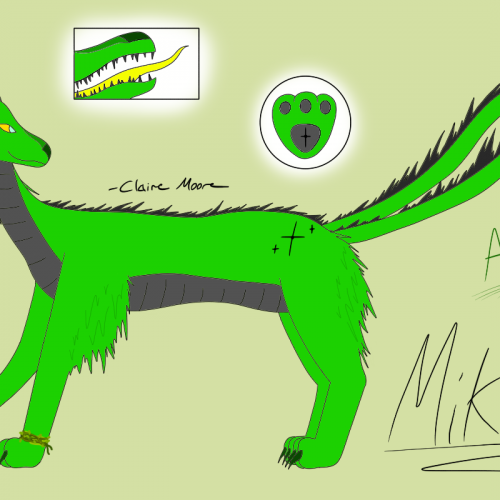
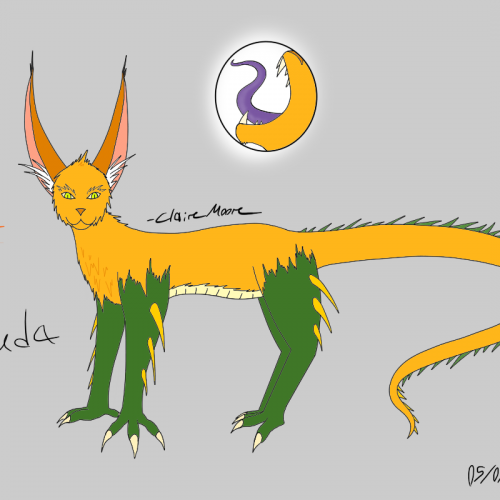
This is a digital drawing of a species I came up with. This is also my first attempt of making a base. I'm very pleased with how it turned out and I plan to only get better. Please do not use or claim the species as your own. I worked hard and all things I create are cherished and made with lots of care. Because I have a base, I'm open to color ideas. Please comment if there are any colors you would like to see on my Mikisu. Thank you!
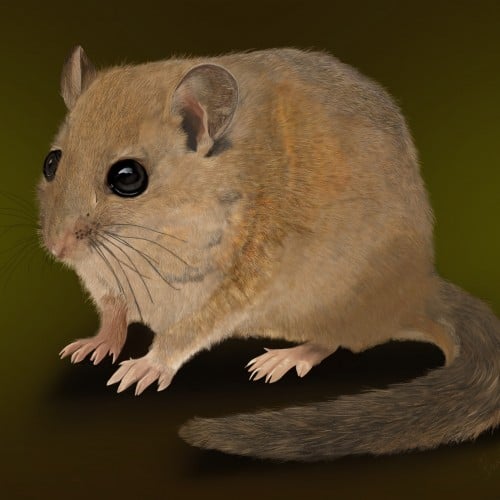
This delicate digital illustration captures the quiet charm of a hazel dormouse, portrayed with soft textures and warm, natural tones. Every fine hair and subtle contour has been carefully rendered, bringing a lifelike sense of warmth and vulnerability to this enchanting woodland mammal. The dormouse’s glossy, expressive eyes and gentle posture invite the viewer into its secretive world, hidden among hedgerows and ancient woodlands. Created using digital drawing apps, this piece blends realism with a tender, almost storybook quality — a celebration of one of Britain’s most beloved yet rarely seen native species.
Drawn with Clip Studio Paint and XP-Pen Artist 15.6 Pro pen display tablet.
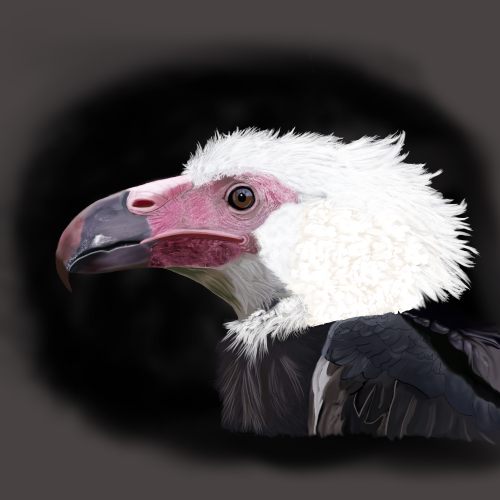
Critically Endangered The White-headed Vulture has undergone catastrophic declines in population number, with an estimate median decline in 96% over three generations (45 years)
This decline has been seen in its very large range from West Africa, across to southern Africa also. Reductions in populations of medium-sized mammals and wild ungulates, as well as habitat conversion throughout its range best explain the current decline. Additional threats include indirect poisoning at baits set to kill jackals in small-stock farming areas. This species is also recorded in trade in West and Central Africa as this species is used for both traditional medicines and also they are intentionally killed for use in witchcraft. This species is part of the Accipitridae bird family, which diverged from all other species of bird 49.6 million years ago during the Paleogene period. Vultures split from the other genera in this family 12.7 million years ago. This species is highly sensitive to land-use and is concentrated to protected areas. Individuals were marked with patagial (wing) tags in Fouta Djallon vulture sanctuary to monitor movements and for a toxicological assessment of the vulture population of the park. Additional studies to monitor the movements of individuals within and between protected areas in underway is South Africa. Info: Edgeofexistence . org #birdlife #birds #birddrawing #birdsketch #whiteheadedvulture #vultures #bampidraws
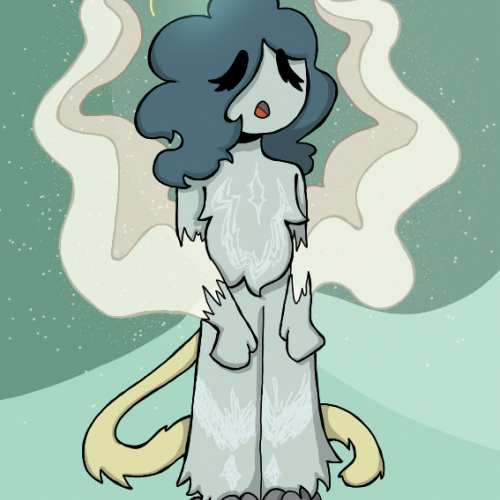
For some reason, I had to prove to myself that good art does indeed take time. Anyways, this is an angel character (they're not real angels, they're a fictional species of mine) in my "spacefluff" style. I think I want to name her Mosambi, because she's sweet.
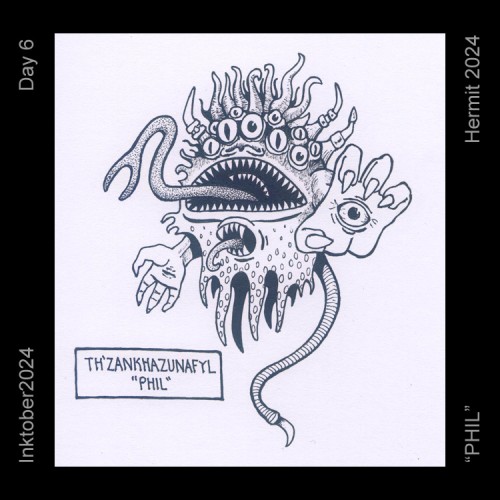
(Gel Fineliner on A5 Paper) “Wait...Did you just call me Phil? I'm a multi-dimensional higher being, you ignorant little tit! You don't just call someone like me PHIL! I was about to share the fruits of my knowledge with your species, ushering in a new age which would have been a significant step in human evolution, but now you can all PISS RIGHT OFF! You humans deserve to wipe yourselves out!” (It is widely believed that humanity constantly subdues itself with lazy misunderstandings like this.)
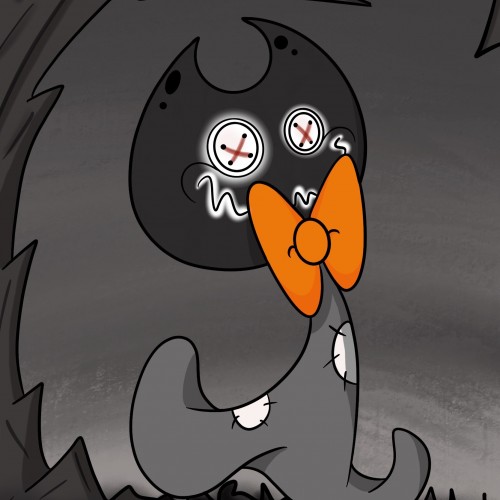
This is a new character I have created, his name is Creep Face.
Species: Spirit
Personality: Prankster
Home: Mausoleum
Likes: Wanders Cemeteries, Pumpkin, Hot Chocolate and scaring Scribble
Dislikes: The Sun (Its too optimistic & bright!)
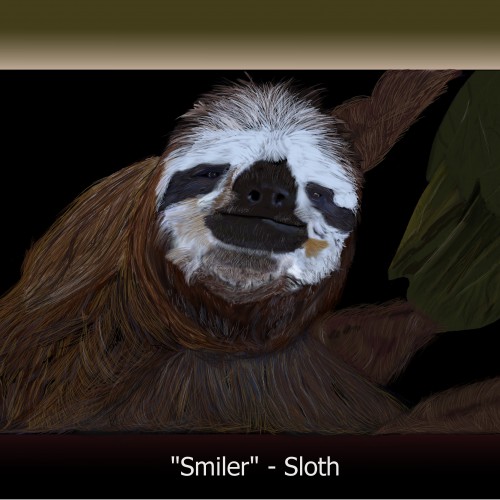
Sloths have an unusual method of camouflage. Cracks in their hair allow many different species of algae and fungi to grow which makes them appear green. Some species of fungi living in sloth fur have been found to be active against certain strains of bacteria, cancer and parasites! Sloth hair also provides home to an entire ecosystem of invertebrates — some species of which are found nowhere else on earth (like the ‘sloth moth’). A single sloth can host up to 950 moths and beetles within its fur at once. https://slothconservation.org/10-incredible-facts-about-the-sloth/
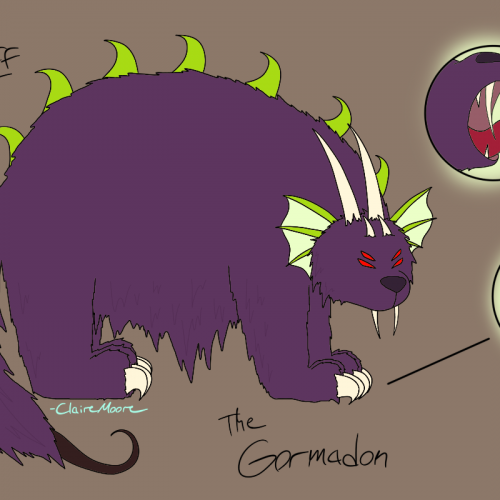
Claire here with another species I designed! This is a digital drawing of what I call a Gormadon. It's likeness is most like a bear, but it has spikes and frills kind of like a dragon or dinosaur. I imagine this species to be quite big if it were real. Perhaps about the size of an adult elephant. Thanks for checking it out and please drop a like if you liked it. *Please do not copy or claim this species as your own. It is not allowed in any circumstance*
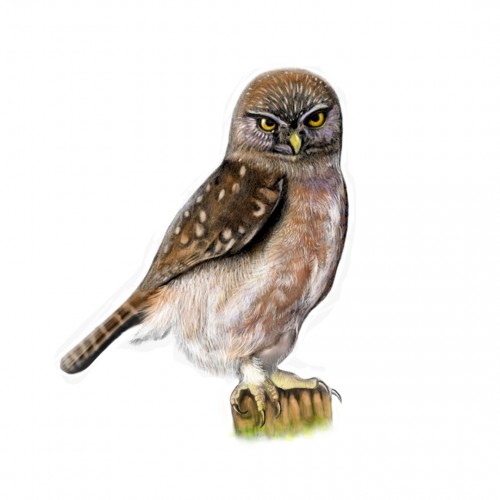
I've been seeing lots of new bird species around my neighbourhood, like robins and magpies!
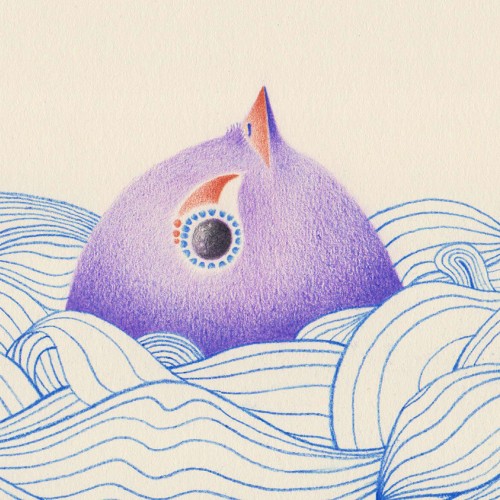
I like to think this bird is watching me from the sea of uncertainty, and looking at all the things I will create in the future and secretly telling me to go on, without me knowing how they will turn out. And strangely, that is some kind of motivation for me. : .
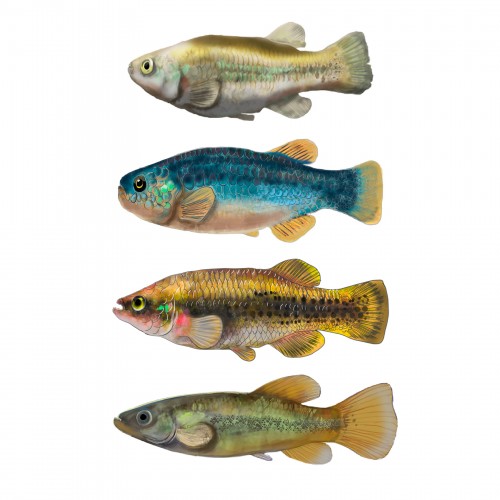
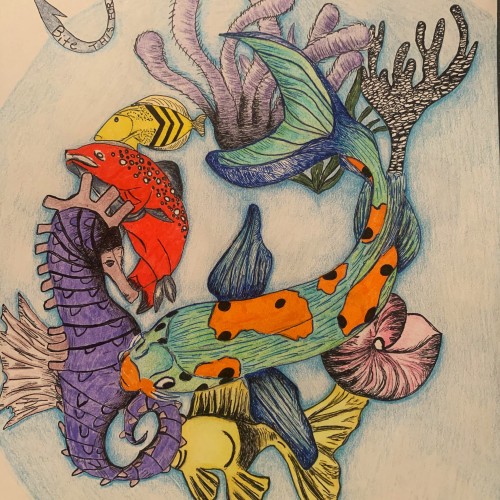
The Middle American killifish genus Profundulus occurs in most Pacific and Atlantic drainages from the Mexican state of Guerrero to the Chamelecón River in Honduras, with highest species diversity in southern Mexico. Digital painting. Genus Profundulus: P. parentiae (top), P. mixtlanensis (blue predator), P. oaxacae (mostly dark spots) y P. balsanus (below). More like this on my IG page: https://www.instagram.com/camilojulianc/
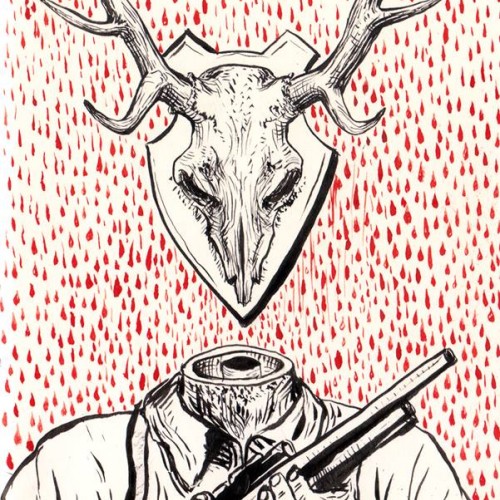
For day 15 the inktober word was weak so I decided to approach the subject of hunting for trophies.
It is not the animal that's weak it's the human that's cruel.
A lot of species become endangered because of our need to kill. We should love and protect all the animals, not put them on walls (real or virtual) only for our pleasure and ego.
**ENDANGERED SPECIES** This small bird the Golden Cheeked Warbler #goldencheekedwarbler #endangeredspecies also known as the #GoldFinchofTexas lives and breeds in Central Texas particularly somewhere around the Edwards Plateau, Lampasas Cut Plain and Central Mineral Region. The main reason of the threat and decrease of this small bird’s population is mainly because of ranching, agriculture and land development. At present, there is no known record of the number of Golden Cheeked Warblers remaining.
This is a digital drawing of another species I designed. Please do not use or claim the species as your own. I took great care creating this creature and I love it to bits. I made a base for this creature too, so if anyone has any color suggestions, I would love to hear them. Just drop a comment. Thanks so much and have a great day.
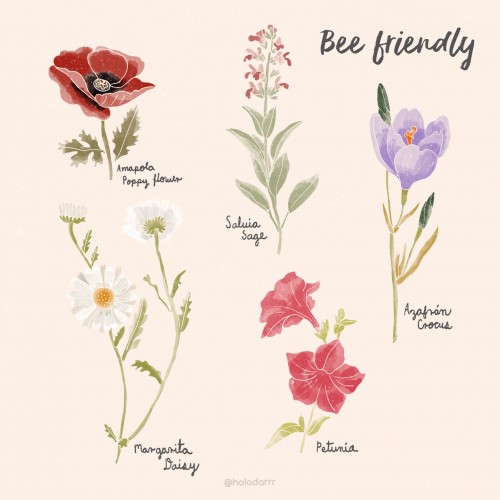
Bee friendly plants you can cultivate, protect or care if you see them anywhere. There are many native flowers, herbs, vegetables and fruit trees that help pollination, the ideal is to grow species free of agrochemicals and pesticides.
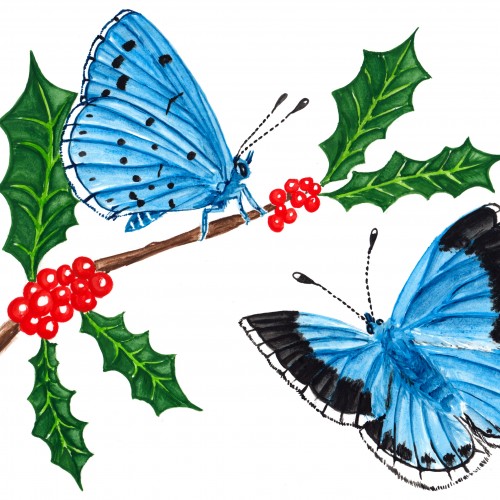
butterflies # ????? : two holly blues. This was a hard one and worthy of an art block
with top and bottom wings distinguishing the species, composition and pose was almost impossible. Cue two of the Holly Blues! :)