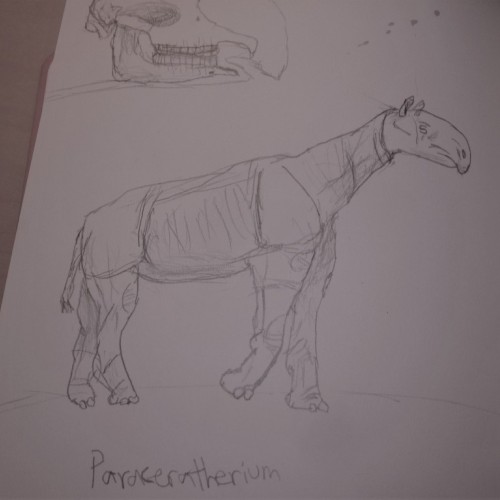
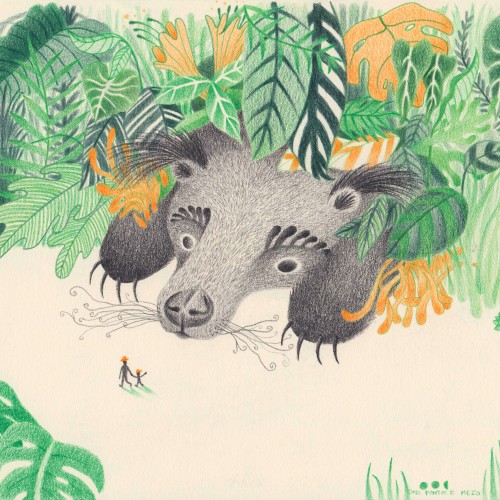
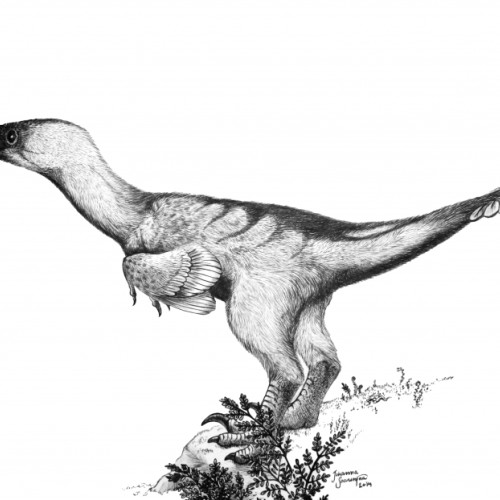
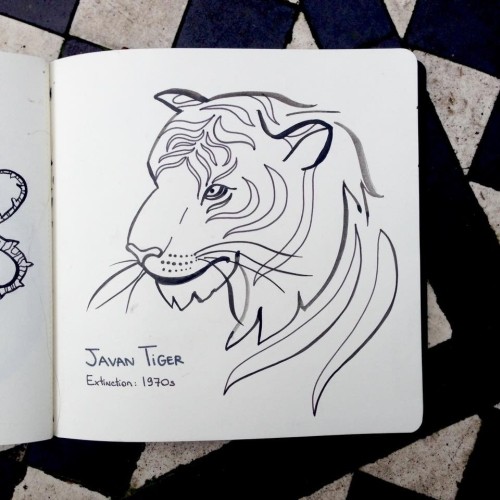
This is a pencil sketch of the biggest rhino species that roamed the planet. It is an odd-toed ungulate and lived during the Oligocene epoch. No one is sure how it went extinct, but many think it's because it lost its food source from other animals (which
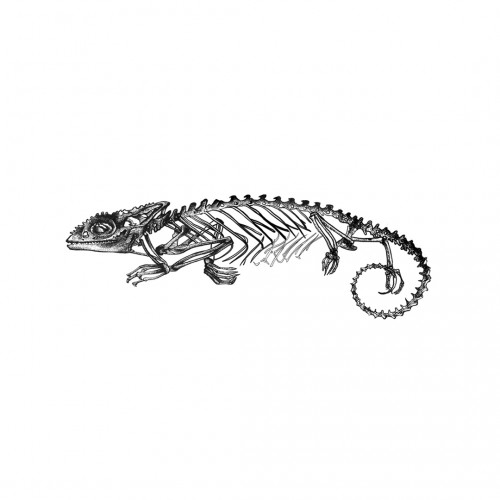
The Seychelles Tiger Chameleon, is the only species in the resurrected genus Archaius. It is listed as Endangered on the IUCN Red List of Threatened Species. More like this on: https://www.instagram.com/camilojulianc/
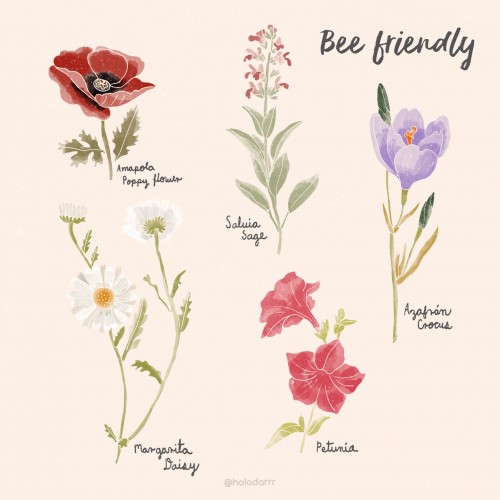
Bee friendly plants you can cultivate, protect or care if you see them anywhere. There are many native flowers, herbs, vegetables and fruit trees that help pollination, the ideal is to grow species free of agrochemicals and pesticides.
Binturong, a fluffy animal with even fluffier ears. Really mysterious if you ask me. I made a small comic of this, you can see more on Instagram.
On a more serious note, binturongs are fascinating and also a vulnerable species, with a decreasing population (acording to the IUCN redlist).
You can learn more about them through @abconservation.
:.
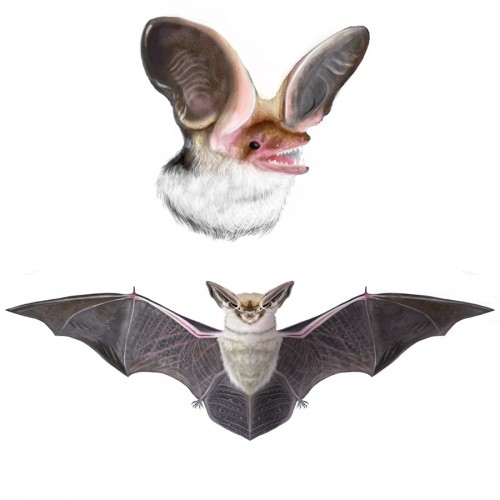
Big-eared Brown Bat (Histiotus macrotus). Hybrid technique (digital enhanced watercolor). This species has large dark ears. The dorsal hairs are strongly bicolored, with black or dark brown bases and yellow tips. Some authors consider that H. macrotus is distributed only in Chile and Argentina. More like this on IG: https://www.instagram.com/camilojulianc/
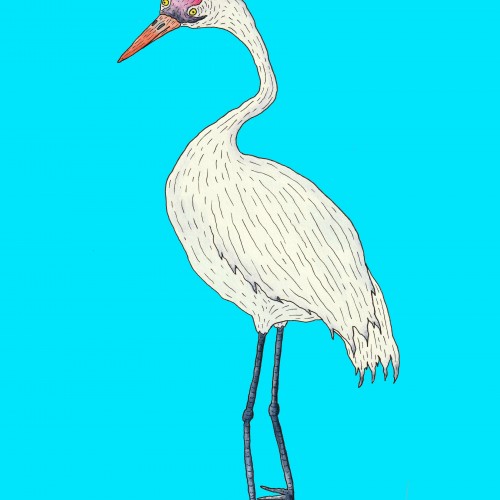
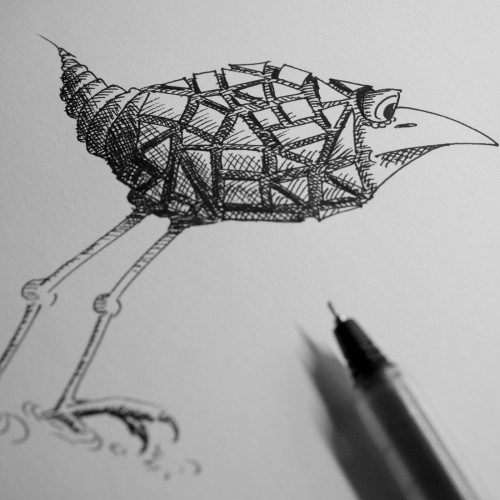
I've been seeing lots of new bird species around my neighbourhood, like robins and magpies!
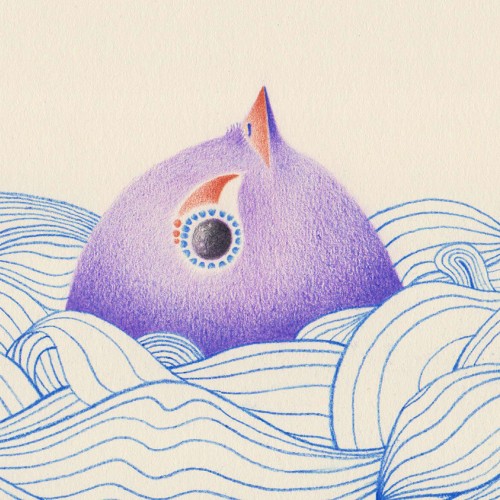
I like to think this bird is watching me from the sea of uncertainty, and looking at all the things I will create in the future and secretly telling me to go on, without me knowing how they will turn out. And strangely, that is some kind of motivation for me. : .
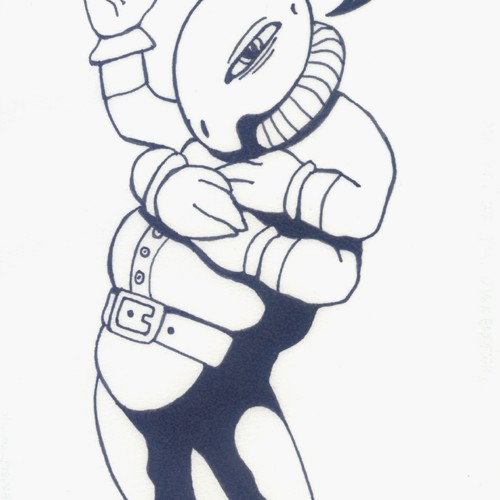
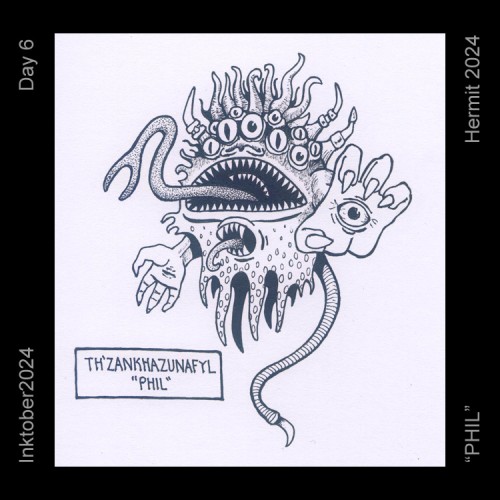
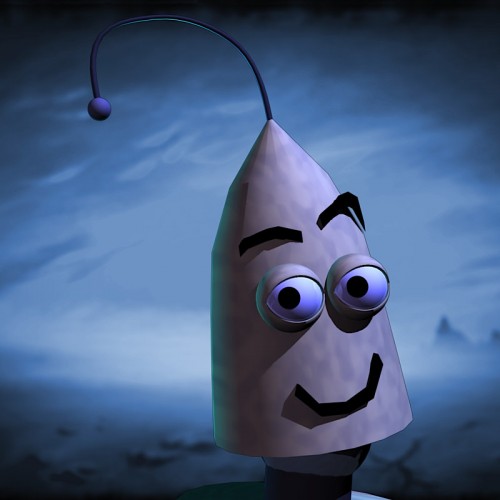
(Fineliner on 190mm x 120mm paper) This was one of the more larger pieces I did last year (and by large I mean just under A5). It depicts a friendly alien species who, having travelled light years across space, shared the fruits of their knowledge with us, and assimilated into human life as best they could, is still confronted with one of those age-old questions of ignorance.
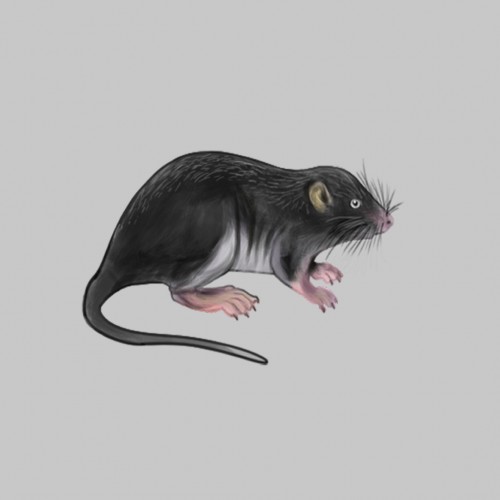
The Mexican water mouse (Rheomys mexicanus) is a species found exclusively in the state of Oaxaca. More like this on: https://www.instagram.com/camilojulianc/
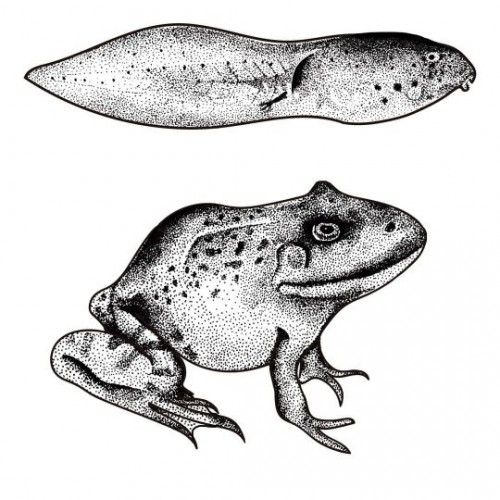
The American bullfrog, Lithobates catesbeianus. A tadpole and an adult. The species is a highly adaptable generalist and it has been introduced to all continents. More like this on: https://www.instagram.com/camilojulianc/
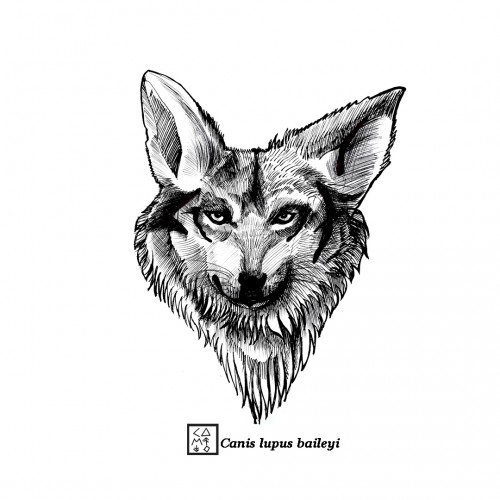
The Mexican wolf (Canis lupus baileyi) is a subspecies of gray wolf once native to southeastern Arizona, southern New Mexico, western Texas and northern Mexico. Its ancestors were likely the first gray wolves to enter North America after the extinction of the Beringian wolf, as indicated by its southern range and basal physical and genetic characteristics. More like this on: https://www.instagram.com/camilojulianc/
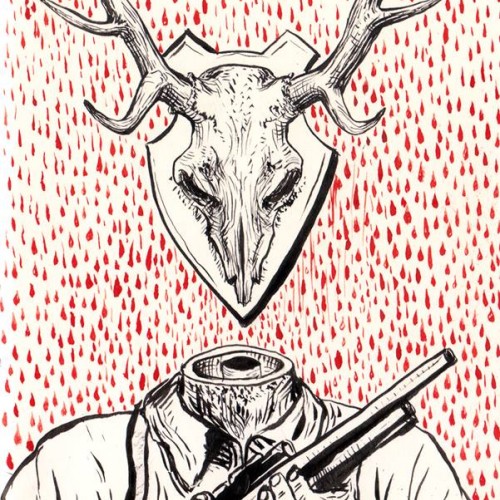
For day 15 the inktober word was weak so I decided to approach the subject of hunting for trophies.
It is not the animal that's weak it's the human that's cruel.
A lot of species become endangered because of our need to kill. We should love and protect all the animals, not put them on walls (real or virtual) only for our pleasure and ego.
Before you is a touching tale of true friendship between a capybara and a mouse. The capybara is the world's largest rodent. If you google "capybara friends," you'll see that there are a lot of instances of other species just hanging out with them in the wild. For some reason, all animals are attracted to the capybara. I'll wait while you look this up.
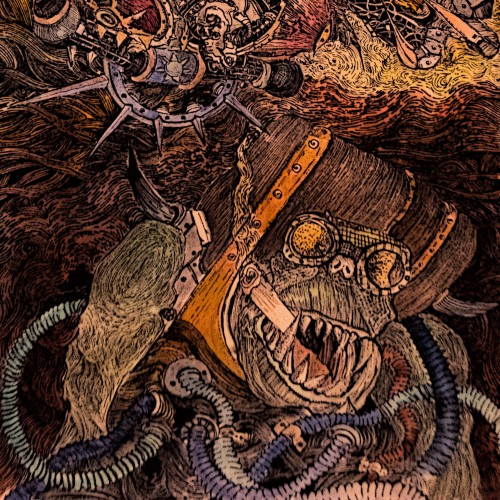
The Orks, also called Greenskins, are a savage, warlike, green-skinned race of humanoids who are spread all across the Milky Way Galaxy. They share many features with Warhammer Fantasy Orcs (and were initially called "Space Orcs" to distinguish them). They are seen by their enemies (pretty much everyone else in the universe) as savage, warlike, and crude, but they are the most successful species in the whole galaxy, outnumbering possibly every other intelligent race, even Mankind (with the very plausible exception of the Tyranids).
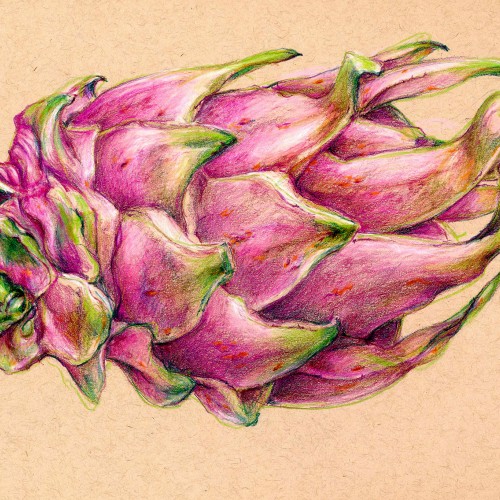
I asked my husband (who is our Covid-period grocery shopper as I am high risk) to bring home a fruit to draw. He came home with a dragon fruit. For those who don't know this interesting edible, it's from a cactus. There are two species: the Asian species is white inside, the Central American variety is shocking pink (see photo). Great in smoothies or when nicely ripe (as this one was) it's tasty eaten out of the skin with a spoon.
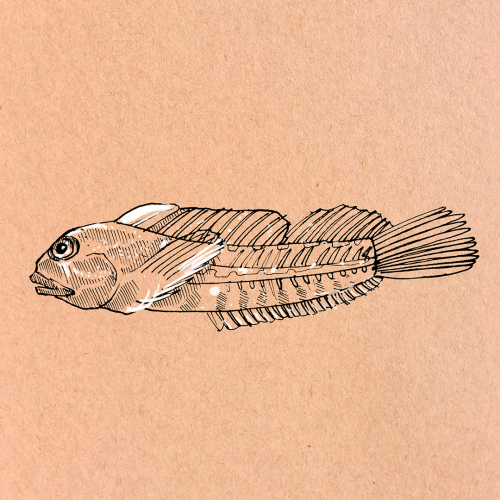
Coralliozetus clausus, a new species of chaenopsid blenny, endemic to Isla del Coco, Costa Rica. More like this on: https://www.instagram.com/camilojulianc/
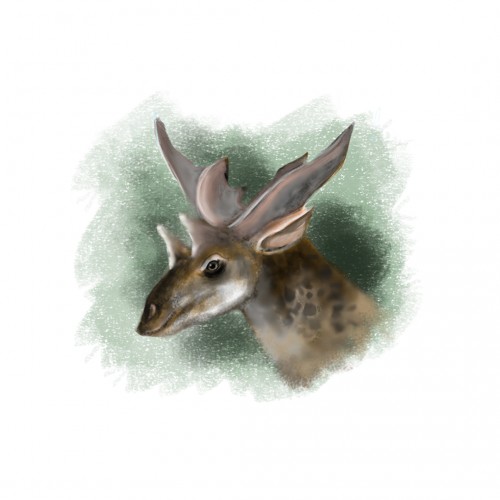
Paleoart is a branch of scientific illustration that reconstructs the real-life appearance of extinct animals and plants. It was a term coined in 1987 by Mark Hallet. This a Sivatherium portrait. The species
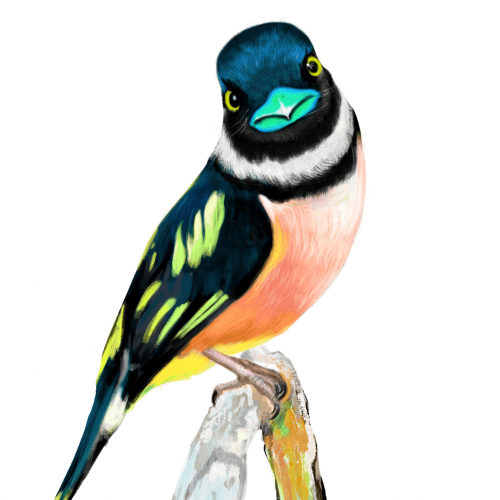
The Black-and-yellow Broadbill (Eurylaimus ochromalus) is a species of bird in the Eurylaimidae family. It is found in Brunei, Indonesia, Malaysia, Myanmar, Singapore, and Thailand. Reference: @hokduan. More like this on: https://www.instagram.com/camilojulianc/
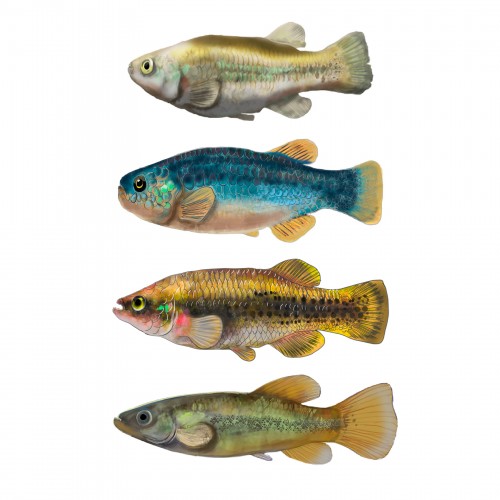
The Middle American killifish genus Profundulus occurs in most Pacific and Atlantic drainages from the Mexican state of Guerrero to the Chamelecón River in Honduras, with highest species diversity in southern Mexico. Digital painting. Genus Profundulus: P. parentiae (top), P. mixtlanensis (blue predator), P. oaxacae (mostly dark spots) y P. balsanus (below). More like this on my IG page: https://www.instagram.com/camilojulianc/
(Gel Fineliner on A5 Paper) “Wait...Did you just call me Phil? I'm a multi-dimensional higher being, you ignorant little tit! You don't just call someone like me PHIL! I was about to share the fruits of my knowledge with your species, ushering in a new age which would have been a significant step in human evolution, but now you can all PISS RIGHT OFF! You humans deserve to wipe yourselves out!” (It is widely believed that humanity constantly subdues itself with lazy misunderstandings like this.)
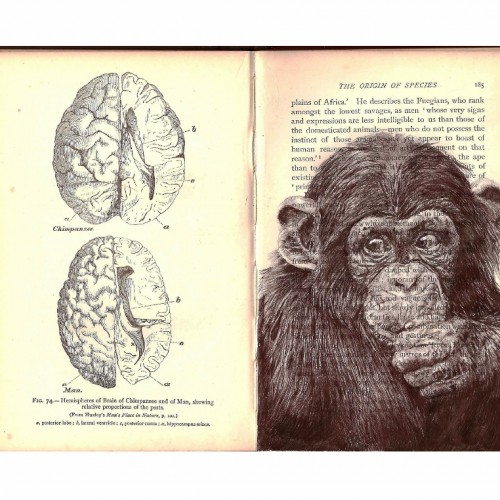
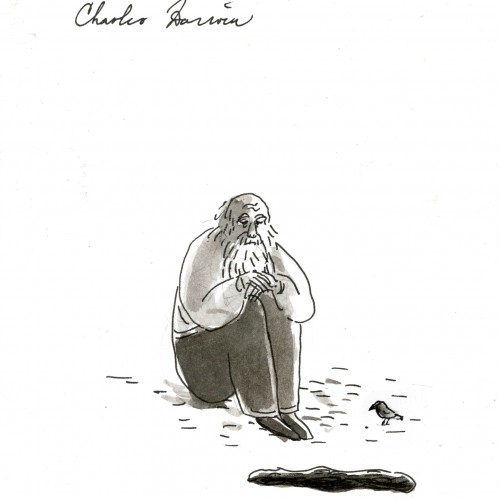
Charles Darwin (1809–1882)
From the time he arrived at Down House until 1859, when he finally published On the Origin of Species, Darwin led a double life, keeping his thoughts on evolution and natural selection to himself while bolstering his credentials in the scientific community.
Meanwhile, he divulged his secret theory to a very few confidants; he told one fellow scientist it was “like confessing a murder.”
- From Daily Rituals: How Artists Work by Mason Currey
“Ignorance more frequently begets confidence than does knowledge: it is those who know little, not those who know much, who so positively assert that this or that problem will never be solved by science.”
― Charles Darwin, The Descent of Man
#dailyrituals #inktober #CharlesDarwin @masoncurrey
A page of comic for a conquest
The story
End of the project: human species. The simulation has been achieving unexpected outcomes. Was increased free thought and the doubts fade away.
At that time, I recreate my own image. However, it's behaviours came with anomalies. We aren't.
You can't run away from you. Dreams were unexisted memories.
The likehood was that we're living an illusion. But, we change our view.
I couldn't attain the freedom I looked for. Everything became real. Everything came down. Am I still dreaming?