Previous
Next
logo logo
logo logo
  • Discover Art
    • Trending
    • Most Recent
    • Most Faves
    • Most Views
    • Curated Galleries
  • Drawing Challenges
    • See All Challenges
  • Drawing Prompts
  • Artists
    • Most Popular
    • Most Recent
    • Available For Hire
    • Artist Spotlight
  • More
    • Marketplace
    • Art Discussions
    • Resources
    • News + Blog
Login
Most Relevant
Select an option
  • Most Relevant
  • Most Faves
  • Most Views
  • Most Comments
  • Most Recent
SEARCH RESULTS FOR

technique

Aubrey Aubrey
Enlarge
Redo

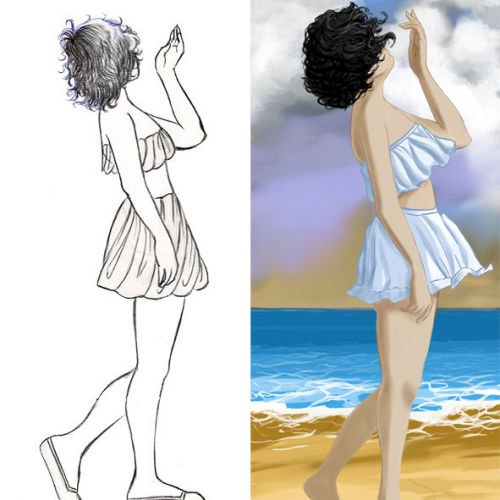
I wanted to redo a simple drawing from 2011. I found it lying around the piles of paper that I swarmed myself with a decade ago. I like to think I've learned a bit more technique in these past years.

  • 256
  • 3
  • 0
Marie Ysabelle Marie Ysabelle
Enlarge
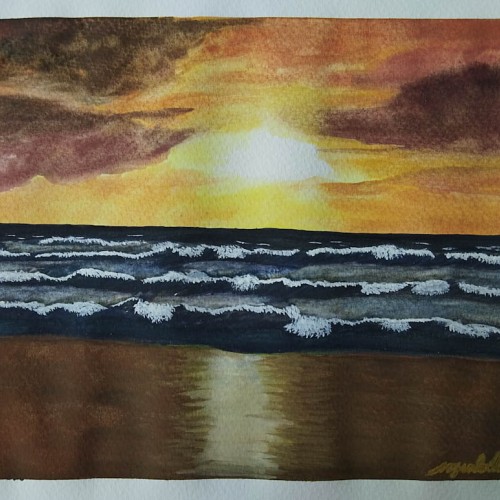
Liquid sunset

It was the first time I tried using a Fabriano 200 gsm cold pressed watercolor paper. And I had learned different techniques in watercolors through the process of creating this painting. It was also fun painting the waves. Thank you, Maria Raczynska.

  • 38
  • 3
  • 0
Aarefa Tayabji Aarefa Tayabji
Enlarge
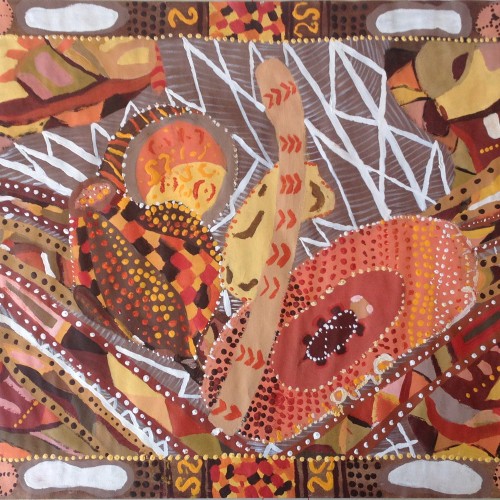
Aboriginal Art Still Life

Aboriginal Art is a new technique I learned in school and thos dots with ear buds tooooookkk aaaagggeess to create. It was one of the most refreshing, calming and therapeutic painting I had ever done.

  • 17
  • 3
  • 3
LeBoucher LeBoucher
Enlarge
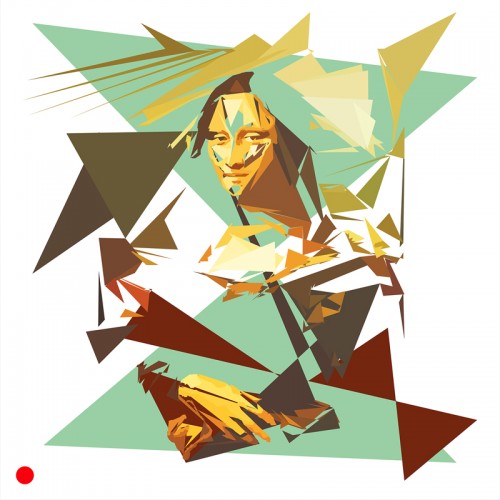
Appropriationnisme ou le « Remake » La Joconde de Léonard de Vinci

Français : L’Appropriationnisme ou le « Remake » est un concept simple. En effet, il suffit de reprendre le travail d’un artiste et signer la nouvelle production de son nom. Il ne s’agit, en aucun cas, de copier l’œuvre comme pourrait le faire un faussaire. Il ne s’agit pas non plus de plagier l’œuvre. En ce qui me concerne, j’utilise l’œuvre célèbre d’un artiste reconnu. En réutilisant une œuvre originale préexistante et célèbre, condition sine qua non, je propose de rendre un hommage. Il ne s’agit en aucun cas d’un manque d’inspiration surtout lorsque l’on sait maintenant que : « l’art naît de l’art et non de la nature » : Ernst Gombrich. Dans cette série, j’ai voulu revisiter des œuvres célèbres en utilisant ma technique graphique de l’éloge de l’approximation mettant en évidence la problématique de la défaillance et de la mémoire vaporeuse. English: Appropriationism or Remake is a simple concept. Indeed, it is enough to take again the work of an artist and to sign the new production of his name. It is not a question of copying the work as a forger could do. It is not a question of plagiarizing the work. As far as I'm concerned, I use the famous work of a recognized artist. By reusing a pre-existing and famous original work, condition sine qua non, I propose to pay tribute. It is by no means a lack of inspiration especially when we now know that: "art is born of art and not of nature": Ernst Gombrich. In this series, I wanted to revisit famous works using my graphic technique of praising the approximation highlighting the problem of failure and vaporous memory. https://www.pierretomyleboucher.fr

  • 9
  • 3
  • 0
LeBoucher LeBoucher
Enlarge
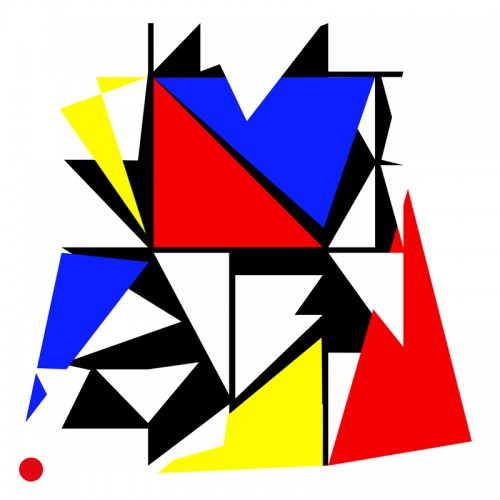
Appropriationnisme ou le « Remake » de Mondrian : Composition numéro 4

Français : L’Appropriationnisme ou le « Remake » est un concept simple. En effet, il suffit de reprendre le travail d’un artiste et signer la nouvelle production de son nom. Il ne s’agit, en aucun cas, de copier l’œuvre comme pourrait le faire un faussaire. Il ne s’agit pas non plus de plagier l’œuvre. En ce qui me concerne, j’utilise l’œuvre célèbre d’un artiste reconnu. En réutilisant une œuvre originale préexistante et célèbre, condition sine qua non, je propose de rendre un hommage. Il ne s’agit en aucun cas d’un manque d’inspiration surtout lorsque l’on sait maintenant que : « l’art naît de l’art et non de la nature » : Ernst Gombrich. Dans cette série, j’ai voulu revisiter des œuvres célèbres en utilisant ma technique graphique de l’éloge de l’approximation mettant en évidence la problématique de la défaillance et de la mémoire vaporeuse. English: Appropriationism or Remake is a simple concept. Indeed, it is enough to take again the work of an artist and to sign the new production of his name. It is not a question of copying the work as a forger could do. It is not a question of plagiarizing the work. As far as I'm concerned, I use the famous work of a recognized artist. By reusing a pre-existing and famous original work, condition sine qua non, I propose to pay tribute. It is by no means a lack of inspiration especially when we now know that: "art is born of art and not of nature": Ernst Gombrich. In this series, I wanted to revisit famous works using my graphic technique of praising the approximation highlighting the problem of failure and vaporous memory. https://www.pierretomyleboucher.fr

  • 10
  • 3
  • 0
LeBoucher LeBoucher
Enlarge
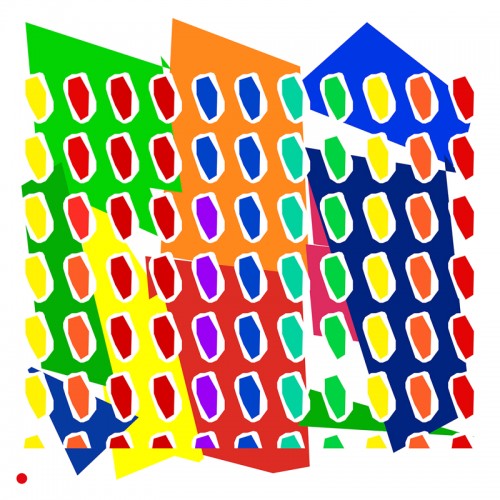
L’abstraction radicale  de Claude Viallat

Français : L’Appropriationnisme ou le « Remake » est un concept simple. En effet, il suffit de reprendre le travail d’un artiste et signer la nouvelle production de son nom. Il ne s’agit, en aucun cas, de copier l’œuvre comme pourrait le faire un faussaire. Il ne s’agit pas non plus de plagier l’œuvre. En ce qui me concerne, j’utilise l’œuvre célèbre d’un artiste reconnu. En réutilisant une œuvre originale préexistante et célèbre, condition sine qua non, je propose de rendre un hommage. Il ne s’agit en aucun cas d’un manque d’inspiration surtout lorsque l’on sait maintenant que : « l’art naît de l’art et non de la nature » : Ernst Gombrich. Dans cette série, j’ai voulu revisiter des œuvres célèbres en utilisant ma technique graphique de l’éloge de l’approximation mettant en évidence la problématique de la défaillance et de la mémoire vaporeuse. English: Appropriationism or Remake is a simple concept. Indeed, it is enough to take again the work of an artist and to sign the new production of his name. It is not a question of copying the work as a forger could do. It is not a question of plagiarizing the work. As far as I'm concerned, I use the famous work of a recognized artist. By reusing a pre-existing and famous original work, condition sine qua non, I propose to pay tribute. It is by no means a lack of inspiration especially when we now know that: "art is born of art and not of nature": Ernst Gombrich. In this series, I wanted to revisit famous works using my graphic technique of praising the approximation highlighting the problem of failure and vaporous memory. https://www.pierretomyleboucher.fr

  • 5
  • 3
  • 0
LeBoucher LeBoucher
Enlarge
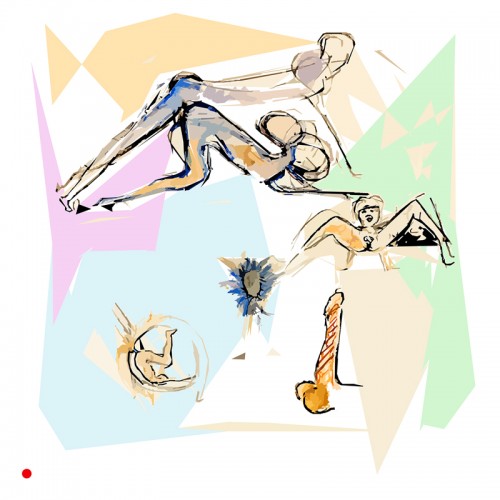
Appropriation et remake Hybert Fabrice : cul-réfléchi

Français : L’Appropriationnisme ou le « Remake » est un concept simple. En effet, il suffit de reprendre le travail d’un artiste et signer la nouvelle production de son nom. Il ne s’agit, en aucun cas, de copier l’œuvre comme pourrait le faire un faussaire. Il ne s’agit pas non plus de plagier l’œuvre. En ce qui me concerne, j’utilise l’œuvre célèbre d’un artiste reconnu. En réutilisant une œuvre originale préexistante et célèbre, condition sine qua non, je propose de rendre un hommage. Il ne s’agit en aucun cas d’un manque d’inspiration surtout lorsque l’on sait maintenant que : « l’art naît de l’art et non de la nature » : Ernst Gombrich. Dans cette série, j’ai voulu revisiter des œuvres célèbres en utilisant ma technique graphique de l’éloge de l’approximation mettant en évidence la problématique de la défaillance et de la mémoire vaporeuse. English: Appropriationism or Remake is a simple concept. Indeed, it is enough to take again the work of an artist and to sign the new production of his name. It is not a question of copying the work as a forger could do. It is not a question of plagiarizing the work. As far as I'm concerned, I use the famous work of a recognized artist. By reusing a pre-existing and famous original work, condition sine qua non, I propose to pay tribute. It is by no means a lack of inspiration especially when we now know that: "art is born of art and not of nature": Ernst Gombrich. In this series, I wanted to revisit famous works using my graphic technique of praising the approximation highlighting the problem of failure and vaporous memory.

  • 4
  • 3
  • 0
LeBoucher LeBoucher
Enlarge
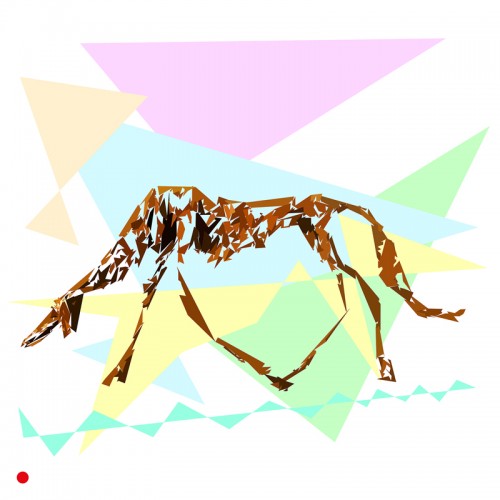
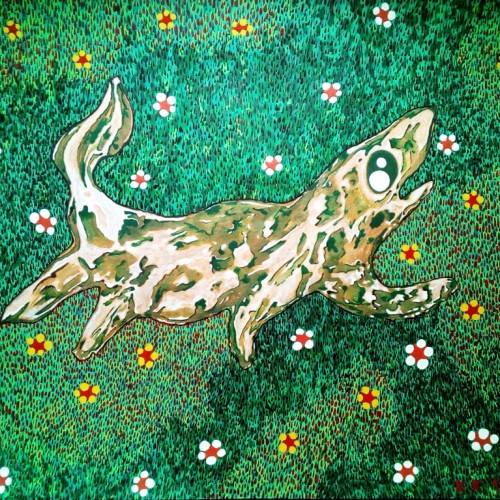
Remake : Giacometti : une chienne d’amitié

Français : L’Appropriationnisme ou le « Remake » est un concept simple. En effet, il suffit de reprendre le travail d’un artiste et signer la nouvelle production de son nom. Il ne s’agit, en aucun cas, de copier l’œuvre comme pourrait le faire un faussaire. Il ne s’agit pas non plus de plagier l’œuvre. En ce qui me concerne, j’utilise l’œuvre célèbre d’un artiste reconnu. En réutilisant une œuvre originale préexistante et célèbre, condition sine qua non, je propose de rendre un hommage. Il ne s’agit en aucun cas d’un manque d’inspiration surtout lorsque l’on sait maintenant que : « l’art naît de l’art et non de la nature » : Ernst Gombrich. Dans cette série, j’ai voulu revisiter des œuvres célèbres en utilisant ma technique graphique de l’éloge de l’approximation mettant en évidence la problématique de la défaillance et de la mémoire vaporeuse. English: Appropriationism or Remake is a simple concept. Indeed, it is enough to take again the work of an artist and to sign the new production of his name. It is not a question of copying the work as a forger could do. It is not a question of plagiarizing the work. As far as I'm concerned, I use the famous work of a recognized artist. By reusing a pre-existing and famous original work, condition sine qua non, I propose to pay tribute. It is by no means a lack of inspiration especially when we now know that: "art is born of art and not of nature": Ernst Gombrich. In this series, I wanted to revisit famous works using my graphic technique of praising the approximation highlighting the problem of failure and vaporous memory.

  • 2
  • 3
  • 0
LeBoucher LeBoucher
Enlarge
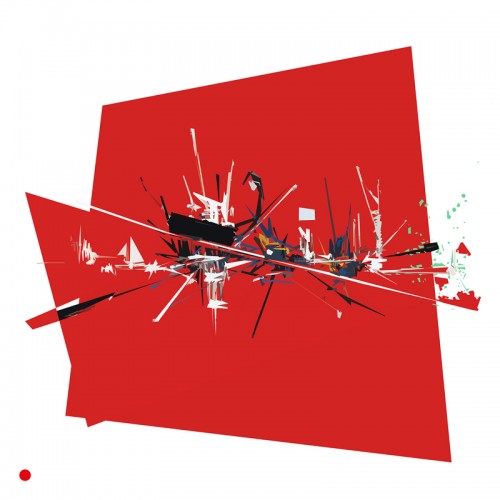
Remake : Georges - Mathieu : Rouge

Français : L’Appropriationnisme ou le « Remake » est un concept simple. En effet, il suffit de reprendre le travail d’un artiste et signer la nouvelle production de son nom. Il ne s’agit, en aucun cas, de copier l’œuvre comme pourrait le faire un faussaire. Il ne s’agit pas non plus de plagier l’œuvre. En ce qui me concerne, j’utilise l’œuvre célèbre d’un artiste reconnu. En réutilisant une œuvre originale préexistante et célèbre, condition sine qua non, je propose de rendre un hommage. Il ne s’agit en aucun cas d’un manque d’inspiration surtout lorsque l’on sait maintenant que : « l’art naît de l’art et non de la nature » : Ernst Gombrich. Dans cette série, j’ai voulu revisiter des œuvres célèbres en utilisant ma technique graphique de l’éloge de l’approximation mettant en évidence la problématique de la défaillance et de la mémoire vaporeuse. English: Appropriationism or Remake is a simple concept. Indeed, it is enough to take again the work of an artist and to sign the new production of his name. It is not a question of copying the work as a forger could do. It is not a question of plagiarizing the work. As far as I'm concerned, I use the famous work of a recognized artist. By reusing a pre-existing and famous original work, condition sine qua non, I propose to pay tribute. It is by no means a lack of inspiration especially when we now know that: "art is born of art and not of nature": Ernst Gombrich. In this series, I wanted to revisit famous works using my graphic technique of praising the approximation highlighting the problem of failure and vaporous memory

  • 12
  • 3
  • 0
Art Exploration Art Exploration
Enlarge
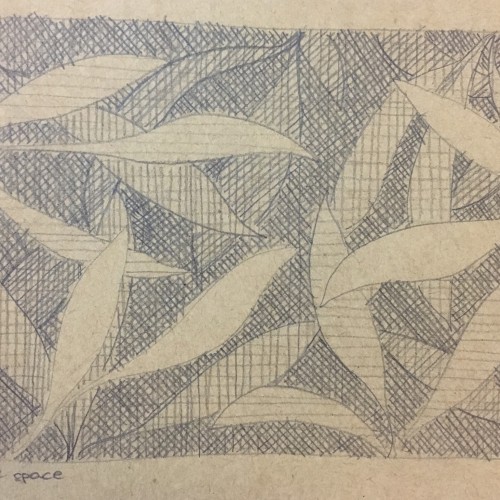
Negative space practice

This was an exercise in using negative space inspired by watercolor techniques.

  • 3
  • 3
  • 0
mARTia mARTia
Enlarge
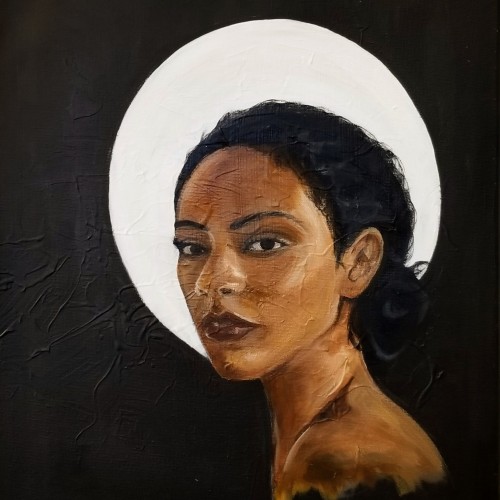
Eve

Eve is a continuation on my series of portraits. This piece represents my maturing technique and style as I begin to experiment with creamy consistencies. The painting displayed my ability to capture facial expressions. My trip to Paris, France influenced my painting style. I was struck by the realism and drama depicted in various compositions, but also the lack of diversity. This piece is named "Eve" questioning whether the holy subjects depicted in European art were, in fact, part of a different race altogether.

  • 8
  • 3
  • 1
Tia Tia
Enlarge
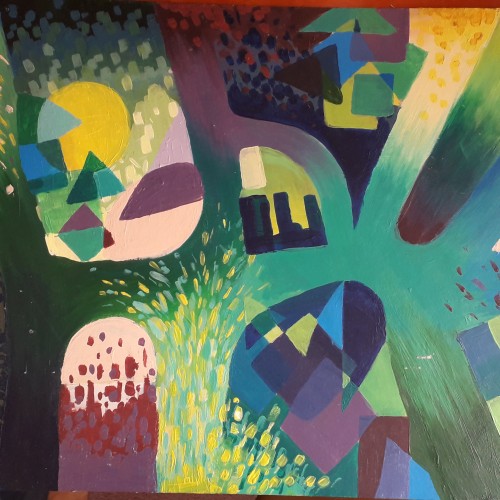
City from above

To get used to different painting techniques (2017 October)

  • 11
  • 3
  • 0
V. U. V. U.
Enlarge
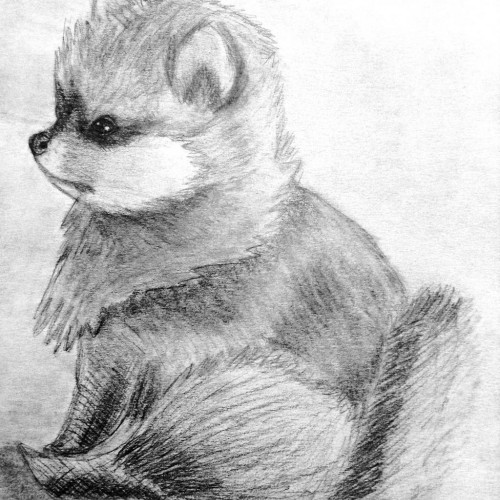
Pomeranian Puppy

This is an old piece I did for a shading assignment in high school art class. 3 techniques of shading used: tonal value, hatching and cross hatching

  • 29
  • 3
  • 0
Leah Lucci Leah Lucci
Enlarge
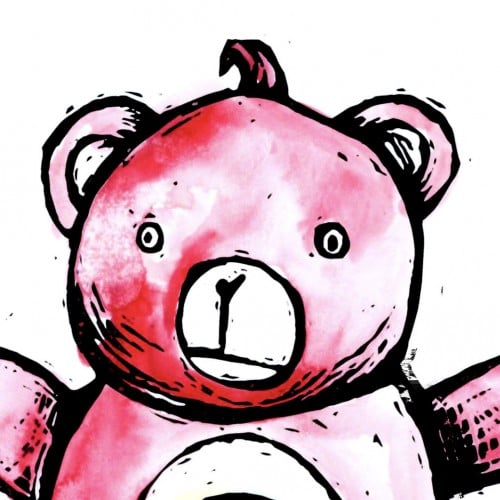
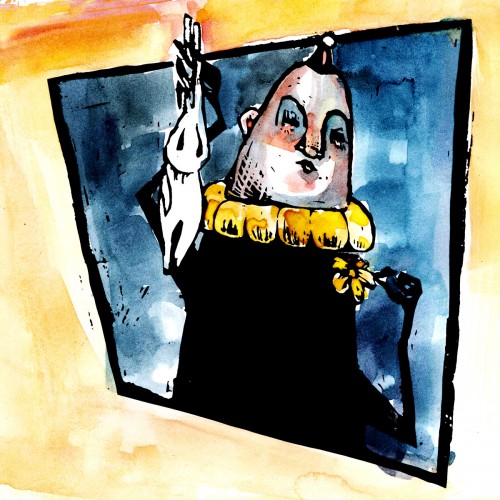
Psychos and Intellectuals
1/4

I'm trying a new subtractive technique to get black tones in my drawing, then watercoloring over top. It's sort of a printmaking approach. Sort of.

  • 447
  • 3
  • 0
Pablo Lara Henríquez Pablo Lara Henríquez
Enlarge
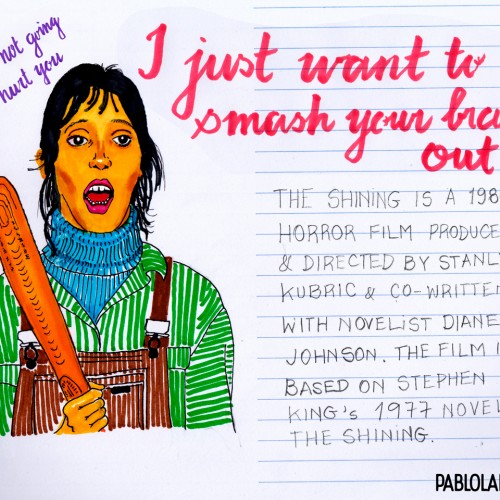
Wendy Torrance from The Shining

Happy Halloween: Illustration of Wendy Torrance from The Shining. Technique: Markers & some digital edition Paper: my notebook Tilibra, couché, 150 g/m

  • 20
  • 3
  • 2
Lea Cook Lea Cook
Enlarge
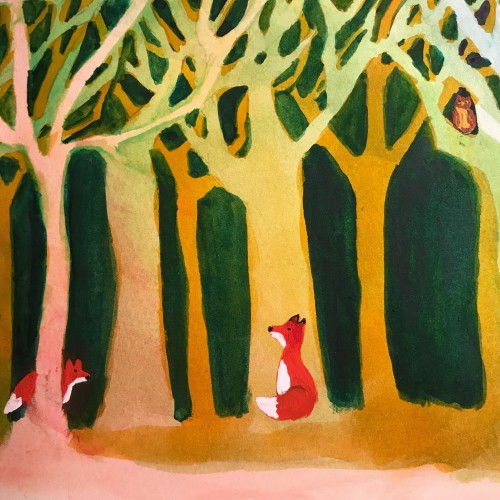
What does the fox say

This is watercolor using the negative painting technique where you paint around your subject using multiple layers which creates depth. This has greater than 8 layers of watercolor washed around the tree shapes

  • 21
  • 3
  • 0
Adriana J. Garces Adriana J. Garces
Enlarge
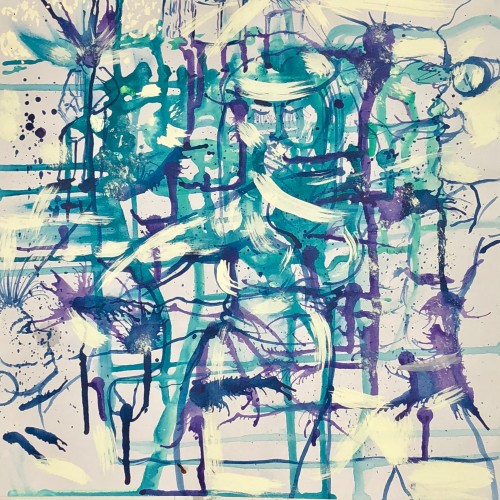
City Heat

This painting/ drawing is started in the Abstract with forms created organically. I used Acrylics and applied them liberally as you might use in watercolor techniques. I love challenging myself to create in this form, as I do in finding the figures which may form themselves in the process. I then detail the figures in a drawing style to enhance and bring it forward. It’s part of a three piece series I made in this color story and can also be seen on my ArtFinder page, available for purchase. @adrianajgarces

  • 29
  • 3
  • 0
Hermit Hermit
Enlarge
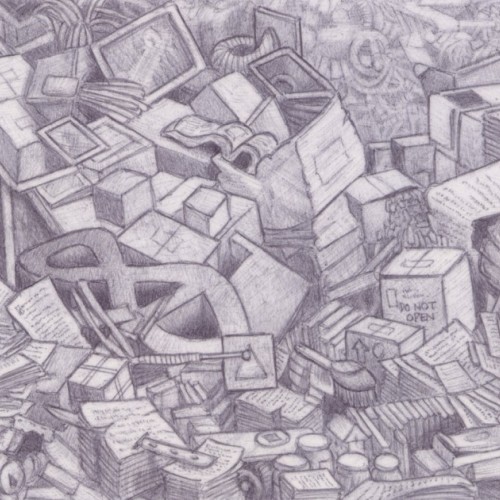
Dreamscape - Rubbish Bin Of The Mind

(Black biro on a 139mm x 89mm postcard) An artwork that explores shading techniques which are built up until images form to make them more random.

  • 1,084
  • 3
  • 1
Joselo Rocha Joselo Rocha
Enlarge
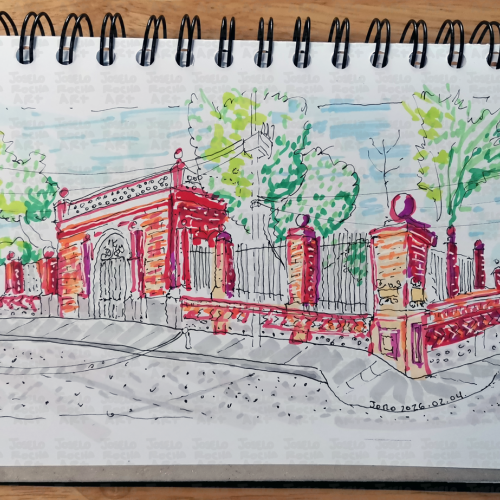
Historic Red Brick Entrance

A stylized architectural illustration capturing the intricate beauty of a classic brick gateway and decorative ironwork. This design blends traditional sketching techniques with a modern, vibrant color palette, making it a perfect statement piece for those who appreciate urban history and fine masonry details.

  • 55
  • 2
  • 1
Juice_Lime Juice_Lime
Enlarge
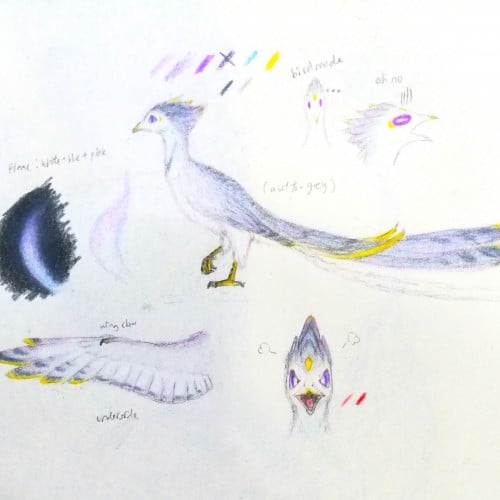
A Bird Ref

Personal reference for one of my OCs. Was testing out some colour combinations, while figuring out some colouring techniques.

  • 16
  • 2
  • 1
Brianna Eisman Brianna Eisman
Enlarge
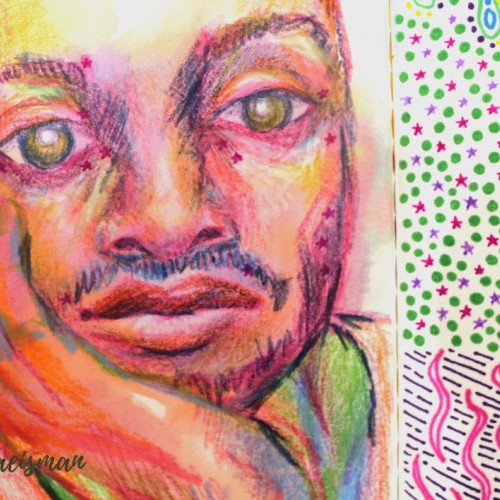
Empathy by Brianna Eisman

This portrait was created using mixed media like colored pencils, markers, and ink. The portrait features the face of a man resting in his hand, and staring dead-eyed at the viewer. I used non local color techniques to create depth and form using colors not typically found in the human face, like blues and violets for shadows and yellows and oranges or highlights. Parts of his face include small pink stars which originally faded from the previous page, but I really like the look it gives, they almost look like celestial freckles.

  • 278
  • 2
  • 0
Lucy lott Lucy lott
Enlarge
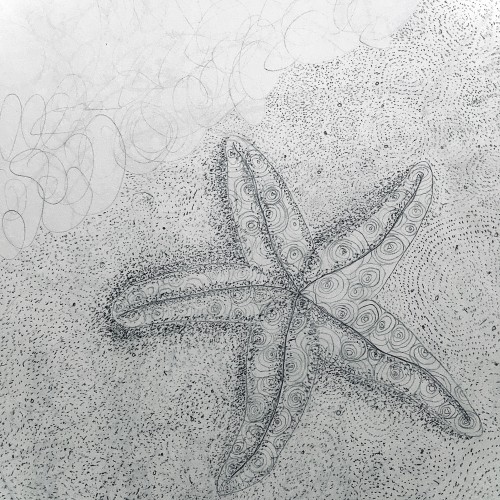
On The Beach

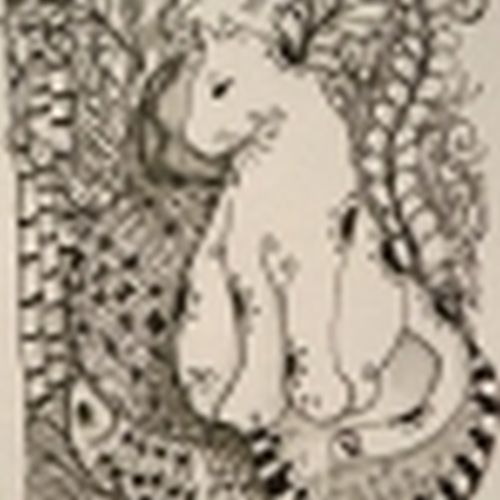
This is entirely made with dots (or a shading technique called Stippling)

  • 6
  • 2
  • 1
Spark Spark
Enlarge
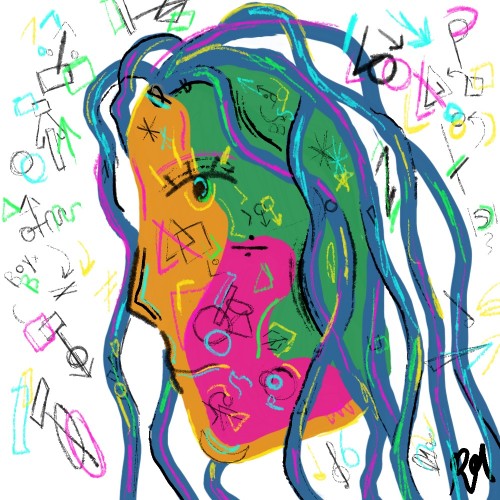
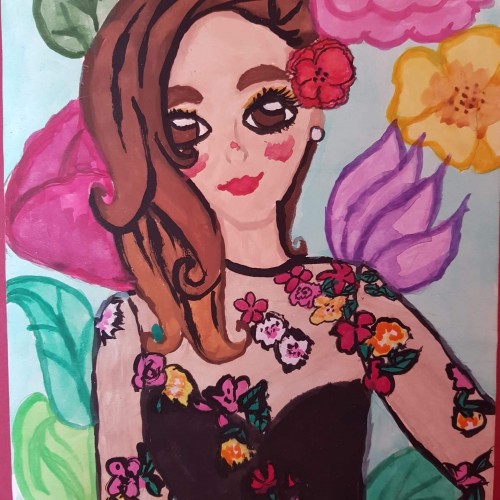
Colorful lady

I drew this girl to keep my creative juices flowing, and I love how it turned out! Not a lot of technique involved, mostly just drawing shapes. I LOOOOVE colorful things.

  • 12
  • 2
  • 1
Génesis Saffon Trías Génesis Saffon Trías
Enlarge
Partner.

Technique: ink and colored pencils

  • 6
  • 2
  • 0
LeBoucher LeBoucher
Enlarge
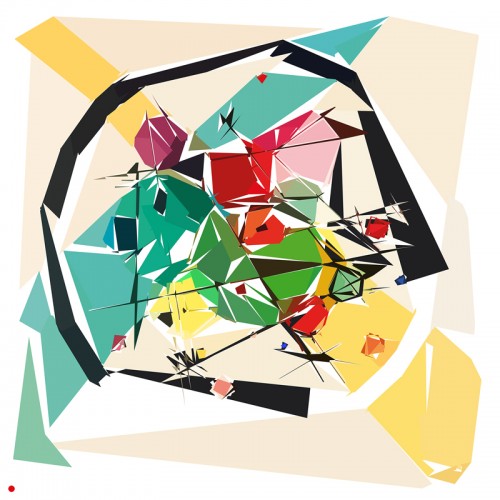
Appropriationnisme ou le « Remake » Wassily -Kandinsky – Painting style Wassily Kandinsky –Circles in a circle - 1923

Français : L’Appropriationnisme ou le « Remake » est un concept simple. En effet, il suffit de reprendre le travail d’un artiste et signer la nouvelle production de son nom. Il ne s’agit, en aucun cas, de copier l’œuvre comme pourrait le faire un faussaire. Il ne s’agit pas non plus de plagier l’œuvre. En ce qui me concerne, j’utilise l’œuvre célèbre d’un artiste reconnu. En réutilisant une œuvre originale préexistante et célèbre, condition sine qua non, je propose de rendre un hommage. Il ne s’agit en aucun cas d’un manque d’inspiration surtout lorsque l’on sait maintenant que : « l’art naît de l’art et non de la nature » : Ernst Gombrich. Dans cette série, j’ai voulu revisiter des œuvres célèbres en utilisant ma technique graphique de l’éloge de l’approximation mettant en évidence la problématique de la défaillance et de la mémoire vaporeuse. English: Appropriationism or Remake is a simple concept. Indeed, it is enough to take again the work of an artist and to sign the new production of his name. It is not a question of copying the work as a forger could do. It is not a question of plagiarizing the work. As far as I'm concerned, I use the famous work of a recognized artist. By reusing a pre-existing and famous original work, condition sine qua non, I propose to pay tribute. It is by no means a lack of inspiration especially when we now know that: "art is born of art and not of nature": Ernst Gombrich. In this series, I wanted to revisit famous works using my graphic technique of praising the approximation highlighting the problem of failure and vaporous memory. https://www.pierretomyleboucher.fr

  • 6
  • 2
  • 0
LeBoucher LeBoucher
Enlarge
Appropriationnisme ou le « Remake » de Galasymptomes Rhinocerontiques de Dali

Français : L’Appropriationnisme ou le « Remake » est un concept simple. En effet, il suffit de reprendre le travail d’un artiste et signer la nouvelle production de son nom. Il ne s’agit, en aucun cas, de copier l’œuvre comme pourrait le faire un faussaire. Il ne s’agit pas non plus de plagier l’œuvre. En ce qui me concerne, j’utilise l’œuvre célèbre d’un artiste reconnu. En réutilisant une œuvre originale préexistante et célèbre, condition sine qua non, je propose de rendre un hommage. Il ne s’agit en aucun cas d’un manque d’inspiration surtout lorsque l’on sait maintenant que : « l’art naît de l’art et non de la nature » : Ernst Gombrich. Dans cette série, j’ai voulu revisiter des œuvres célèbres en utilisant ma technique graphique de l’éloge de l’approximation mettant en évidence la problématique de la défaillance et de la mémoire vaporeuse. English: Appropriationism or Remake is a simple concept. Indeed, it is enough to take again the work of an artist and to sign the new production of his name. It is not a question of copying the work as a forger could do. It is not a question of plagiarizing the work. As far as I'm concerned, I use the famous work of a recognized artist. By reusing a pre-existing and famous original work, condition sine qua non, I propose to pay tribute. It is by no means a lack of inspiration especially when we now know that: "art is born of art and not of nature": Ernst Gombrich. In this series, I wanted to revisit famous works using my graphic technique of praising the approximation highlighting the problem of failure and vaporous memory. https://www.pierretomyleboucher.fr

  • 7
  • 2
  • 0
Abril Abril
Enlarge
Portrait. Karla

Watercolor technique. Portrait

  • 11
  • 2
  • 2
LeBoucher LeBoucher
Enlarge
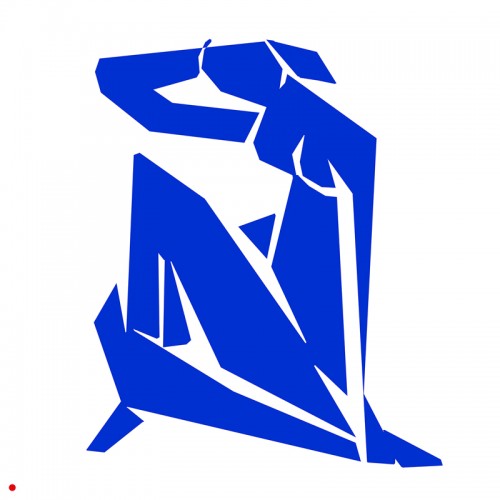
Remake : Henri Matisse : nu bleu II – 1952

Français : L’Appropriationnisme ou le « Remake » est un concept simple. En effet, il suffit de reprendre le travail d’un artiste et signer la nouvelle production de son nom. Il ne s’agit, en aucun cas, de copier l’œuvre comme pourrait le faire un faussaire. Il ne s’agit pas non plus de plagier l’œuvre. En ce qui me concerne, j’utilise l’œuvre célèbre d’un artiste reconnu. En réutilisant une œuvre originale préexistante et célèbre, condition sine qua non, je propose de rendre un hommage. Il ne s’agit en aucun cas d’un manque d’inspiration surtout lorsque l’on sait maintenant que : « l’art naît de l’art et non de la nature » : Ernst Gombrich. Dans cette série, j’ai voulu revisiter des œuvres célèbres en utilisant ma technique graphique de l’éloge de l’approximation mettant en évidence la problématique de la défaillance et de la mémoire vaporeuse. English: Appropriationism or Remake is a simple concept. Indeed, it is enough to take again the work of an artist and to sign the new production of his name. It is not a question of copying the work as a forger could do. It is not a question of plagiarizing the work. As far as I'm concerned, I use the famous work of a recognized artist. By reusing a pre-existing and famous original work, condition sine qua non, I propose to pay tribute. It is by no means a lack of inspiration especially when we now know that: "art is born of art and not of nature": Ernst Gombrich. In this series, I wanted to revisit famous works using my graphic technique of praising the approximation highlighting the problem of failure and vaporous memory.

  • 2
  • 2
  • 0
LeBoucher LeBoucher
Enlarge
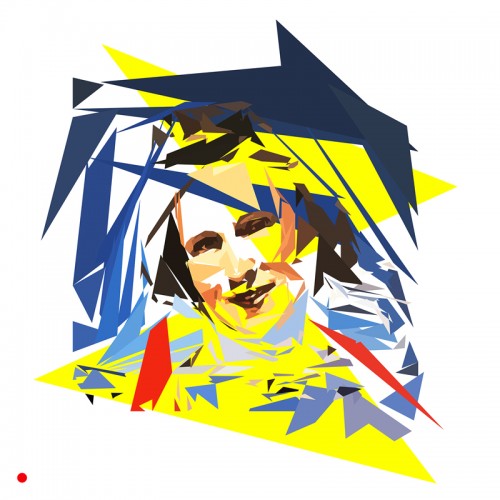
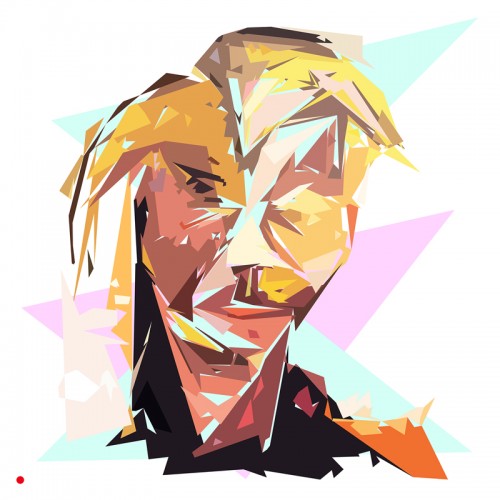
Remake : Francis Bacon – autoportrait

Remake : Francis Bacon – autoportrait Français : L’Appropriationnisme ou le « Remake » est un concept simple. En effet, il suffit de reprendre le travail d’un artiste et signer la nouvelle production de son nom. Il ne s’agit, en aucun cas, de copier l’œuvre comme pourrait le faire un faussaire. Il ne s’agit pas non plus de plagier l’œuvre. En ce qui me concerne, j’utilise l’œuvre célèbre d’un artiste reconnu. En réutilisant une œuvre originale préexistante et célèbre, condition sine qua non, je propose de rendre un hommage. Il ne s’agit en aucun cas d’un manque d’inspiration surtout lorsque l’on sait maintenant que : « l’art naît de l’art et non de la nature » : Ernst Gombrich. Dans cette série, j’ai voulu revisiter des œuvres célèbres en utilisant ma technique graphique de l’éloge de l’approximation mettant en évidence la problématique de la défaillance et de la mémoire vaporeuse. English: Appropriationism or Remake is a simple concept. Indeed, it is enough to take again the work of an artist and to sign the new production of his name. It is not a question of copying the work as a forger could do. It is not a question of plagiarizing the work. As far as I'm concerned, I use the famous work of a recognized artist. By reusing a pre-existing and famous original work, condition sine qua non, I propose to pay tribute. It is by no means a lack of inspiration especially when we now know that: "art is born of art and not of nature": Ernst Gombrich. In this series, I wanted to revisit famous works using my graphic technique of praising the approximation highlighting the problem of failure and vaporous memory.

  • 6
  • 2
  • 0
Old bone story and artwork Old bone story and artwork
Enlarge
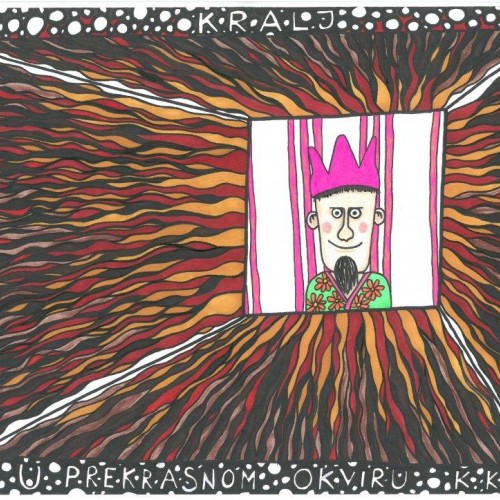
Art Gallery assheads of the World of Fantasy, with a story about the King of the Dwarves, outsider picture

It's always fun to come to the Art gallery of the assheads, marginal artists of the World of Fantasy. Today I have seen the picture you are looking at, it made me interesting, as more people worked on it, not considering the picture as a whole, nor the work of its predecessors. Then, out of a large cardboard box, an old man came out and came to me. There were two big holes in the box, so I realized that the guy was looking at me from the box for a while. - Do you like the picture? - he asked. His eyes, red from lack of sleep, staring at me. On the old clothes he wore on himself, there was a stain of color. - I was impressed with - I said cautiously, knowing the unpredictable nature of people who deal with art - Did you do it? His face was stretched into a smile, a few teeth that he had left, flashes from the mouth cavity. - Yes - proudly erect his chicken breast an old man - Inspiration wore me all the time! He looked at me with a look that required my other questions about the image, need to tell any story, to anyone, about his work, was in it taut like a catapult. - What inspired you? - I ask the old man, and he barely welcomed the question and said: - Last week I was visiting my friend Jergon, the King of the Dwarves. (His statement that the mighty King of the Dwarves his friend was so incredible, that it must have been true. Assheads usually have unusual life stories.) "It is well known to you that the dwarves appreciate their privacy, keep their place of residence confidential and may be ruthless if you disturb them. As a friend of Jergon, "the old man says," I have surely passed the territory of the dwarves. As I approached his home, I noticed more and more than the vicinity of his underground apartment - in the old roots - was edited by the gardening techniques of the dwarves. Dwarves worship their king and their nature makes them do something for him every day. For example, to clean the weed and planted rare plants and flowers around his house. Some day they polished the old root under which the King lives. So the environment of his house went out completely artificial, unnatural. The king is angry because he now has no privacy, his home has become like a public park, sweet hide, dear dwarves, was taken away from him. He told me. "Dear friend, if you think it's nice to be a king, you are not right. Everything has its own price." This visit inspired me to paint this work. - I nodding my head as if to understand how much potential was in that situation, so inspiration was a natural consequence. - Art freedom is expressed here - I said to the old man - maybe with the King of the Dwarves, on it, the picture was even more effective. The old asshead looked at me strictly and asked: - Did you see the King of the Dwarves? "I did not even see an ordinary dwarf," I admitted. The old man looked at me for a moment or two with a disappointed look, then he turned and entered the box. I felt a look from the box on my back as I left the gallery.

  • 6
  • 2
  • 0
« Previous
Next »

Doodle Addicts

Navigate
  • Discover Art
  • Drawing Challenges
  • Weekly Drawing Prompts
  • Artist Directory
  • Art Marketplace
  • Resources
Other
  • News + Blog
  • About Us
  • Contact Us
Newsletter
© 2026 Doodle Addicts™ — All Rights Reserved Terms & Conditions / Privacy Policy / Community Guidelines
Add Doodle Addicts to your home screen to not miss an update!
Add to Home Screen