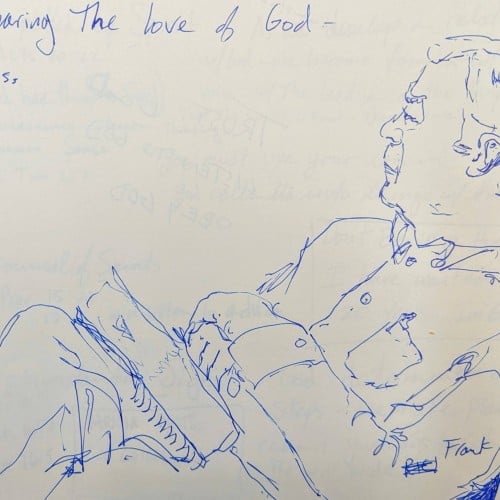
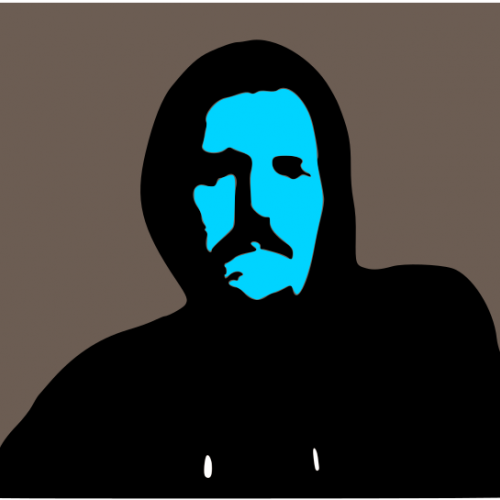
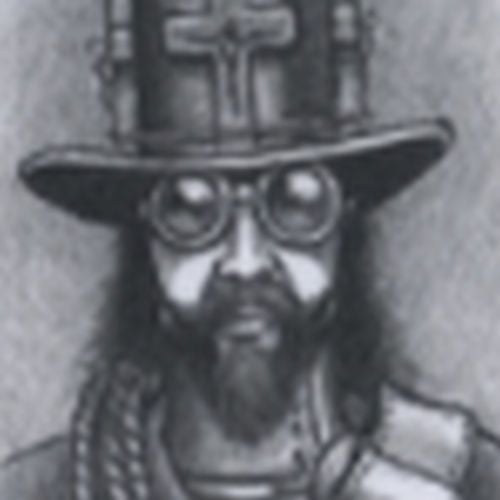
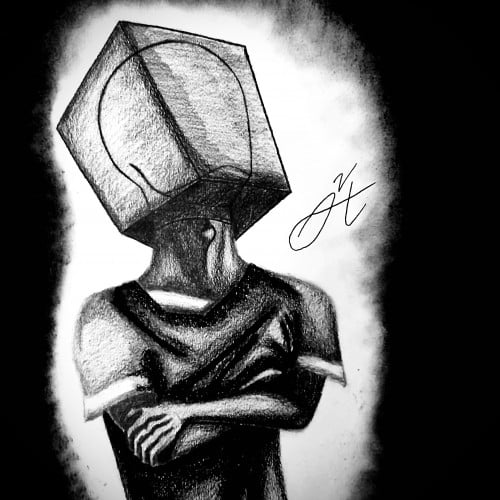
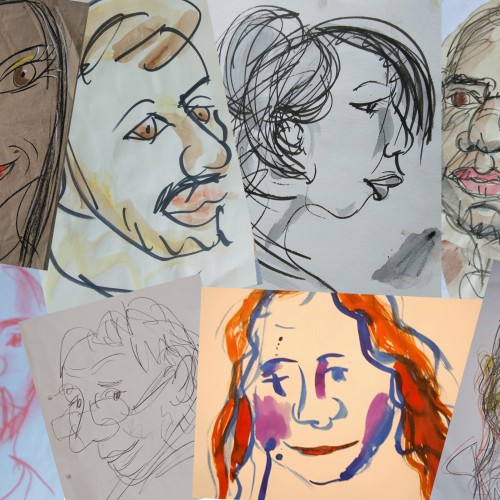
Sometimes the quickest drawings hold the deepest truths. During an after-sermon discussion about understanding the love of God, I found myself listening with one ear and drawing with the other. Frank, seated across the room, made a natural model—relaxed posture, thoughtful presence, and a face full of character.
With a pen in hand, I traced his form in a quick contour line, following the folds of his shirt, the tilt of his jaw, the stillness of his hands resting in his lap. Contour drawing asks us to see more than just the surface—it demands patience and presence, a slowing down until the line itself feels like prayer.
Frank became more than a subject; he was a reminder that the love of God is often revealed in ordinary moments and everyday people.
- Oil painting of a countryside of Vietnam. When observing, it is easy to see an image erected when people are working in the field, along with the early morning time, so it has created a beautiful picture. Each object in the picture has its own highlight, full of attractive looks. Although it is a picture of a simple landscape about people in the countryside, every little detail is meticulously painted by the author. This painting is owned by the author "Uilliam Potter". This picture was drawn and uploaded to show everyone the inherent beauty of a rural village, if you have the opportunity, come and feel it. Get the beauty here in the most realistic way.
- Please contact me via Email: williampotterowners@yahoo.com
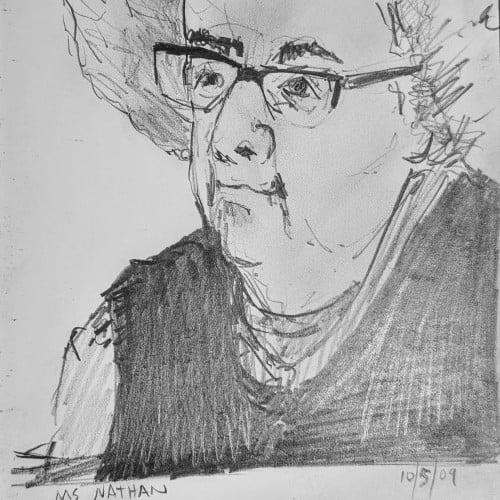
Ms. Nathan was a play production teacher with flair and a big personality. She wore colorful clothing and loud socks that never matched. Her joyful, chortling laugh filled the room—or the hallway—wherever she happened to be.
Staff meetings and PD days have always been strong invitations for observational drawings. Over the years, I’ve found that there are many boxes to check in a wide variety of systems. I often created my own boxes—and checked them with sketches of my colleagues.
This one goes out to the colorful Ms. Nathan.
Really happy with this one. I was in a bad mood, strange that the drawings get better when im not so happy. Got some Acryl stuff done, but have to wait for a good friend who brings his camera. Stay healthy and take it like a silver back!^^
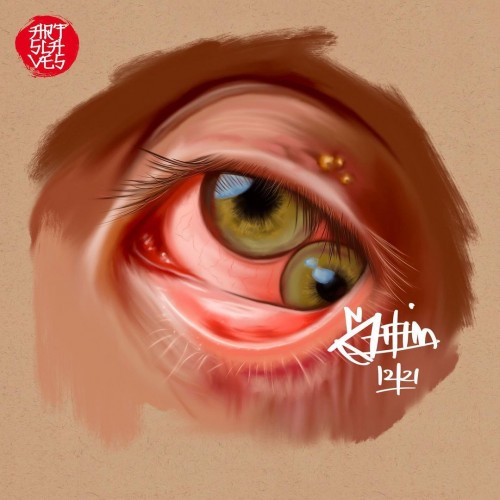
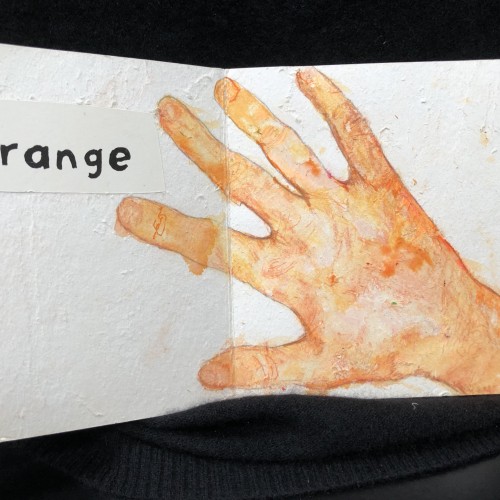
These are watercolor and pencil and ink drawings. They are 5 of 10 images of my hand from a child's board book from which I peeled the laminated pages and exposed the underlying cardboard. I have always struggled with a very large Port Wine Stain birthmark, and periodically make art about that, this one of two books this year.
The Kufi writing style is one of the most charming and strongest styles in Arabic Calligraphy. It is used here to illustrate the word "Allah" with some additional curves to maintain and clarify the beauty of this word. Besides some Islamic drawings which surround the word "Allah". This illustration firstly was made on paper with a pencil, then I converted it to digital art using Adobe Illustrator.
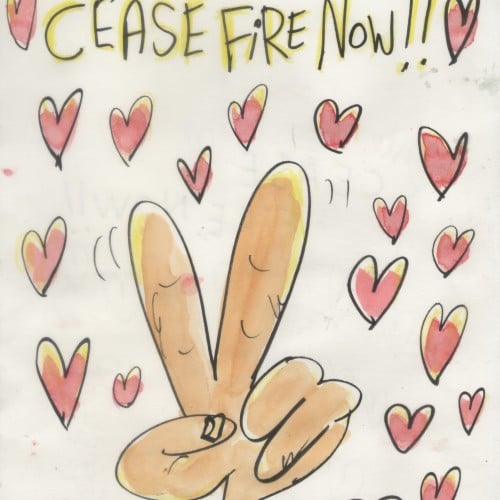
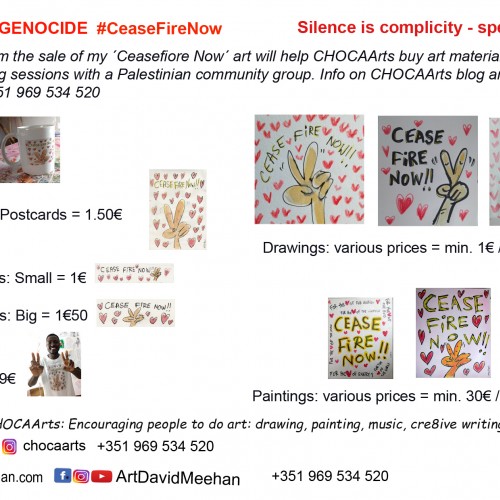
Ceasefire Now drawings = 15€ :)
Profits from the sale of my Ceasefiore Now art will help CHOCAArts buy art material + link up for drawing sessions with a Palestinian community group. Info on CHOCAArts blog and / or phone +351 969 534 520
https://artdavidmeehan.blogspot.com/p/q.html
FB Art Page https://www.facebook.com/artdavidmeehan/
Instagram https://www.instagram.com/artdavidmeehan/
+351 969 534 520 artdavidmeehan@gmail.com
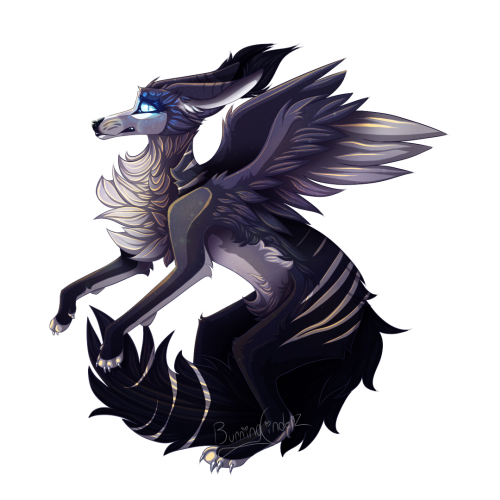
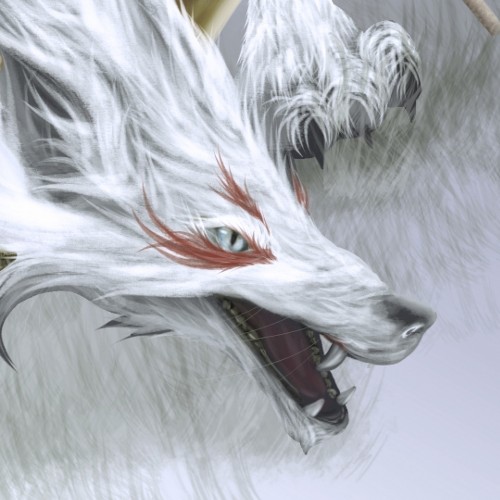
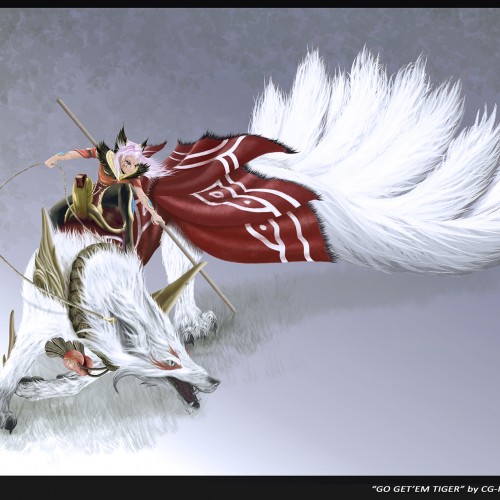
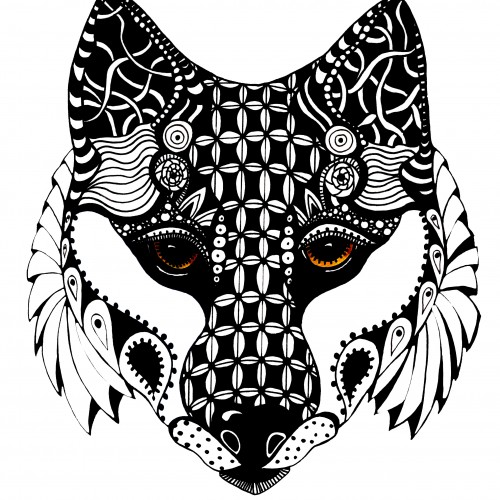
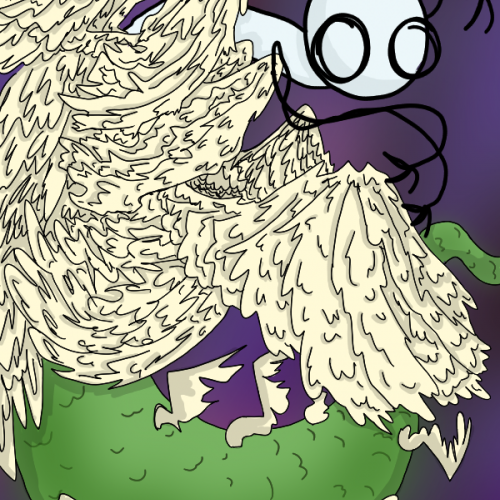
Hey, something that ISN'T a fox! ...Kinda. This is a fox-like canine with wings, not sure what to exactly call their species yet. I'm pretty proud of her design. c:
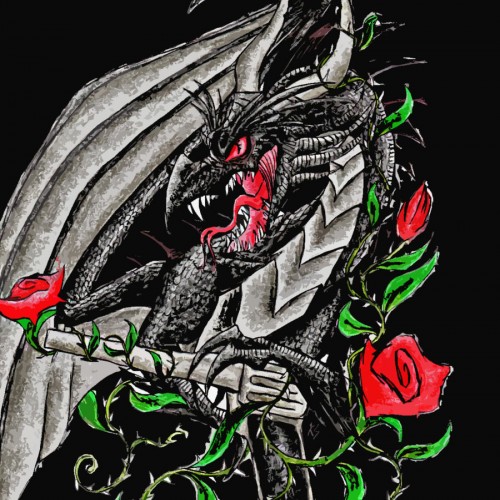
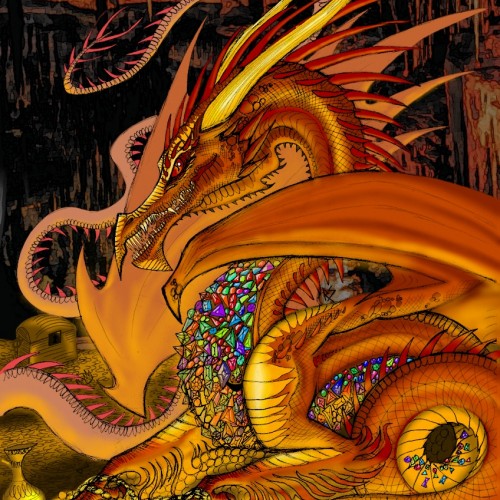
My vision of the character ‘Smaug’ from J.R.R. Tolkien’s ‘The Hobbit’.
Pencil sketch, coloured digitally on IbisPaint X.
Here is a passage from The Hobbit describing Smaug’s appearance: “There he lay, a vast red-golden dragon, fast asleep; thrumming came from his jaws and nostrils, and wisps of smoke, but his fires were low in slumber. Beneath him, under all his limbs and his huge coiled tail, and about him on all sides stretching away across the unseen floors, lay countless piles of precious things, gold wrought and unwrought, gems and jewels, and silver red-stained in the ruddy light. Smaug lay, with wings folded like an immeasurable bat, turned partly on one side, so that the hobbit could see his underparts and his long pale belly crusted with gems and fragments of gold from his long lying on his costly bed.”
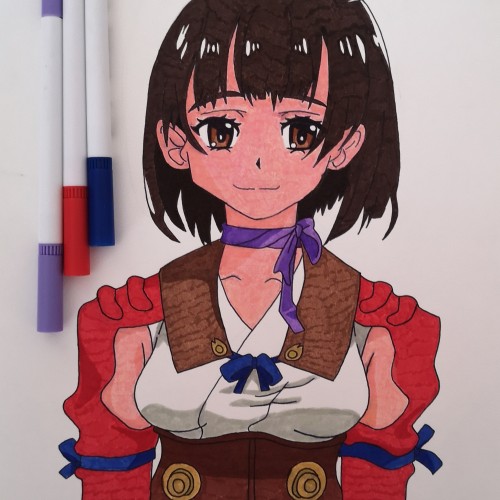
Colorful drawing of Mumei, character from the anime "Kabaneri of the Iron Fortress".
Reference: official character design
Techniques: brush pens on regular paper
I'm compiling simple slapdash 5 min. drawings of people + sharing their story.
Book 1 = story behind your name
If u wanna be drawn plz get in touch
Dave +351969534520
https://artdavidmeehan.blogspot.com/p/7.html