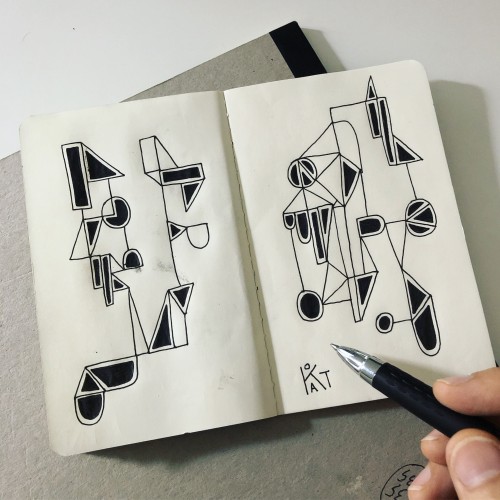
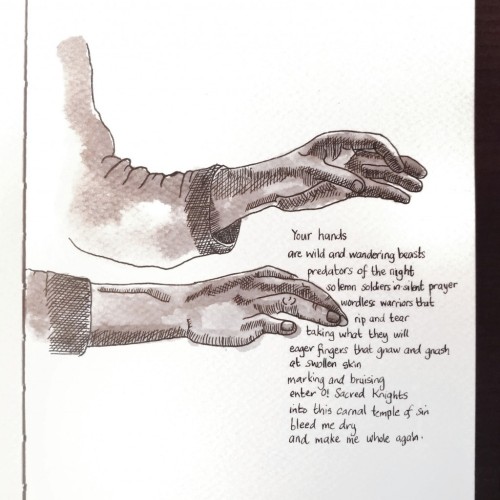
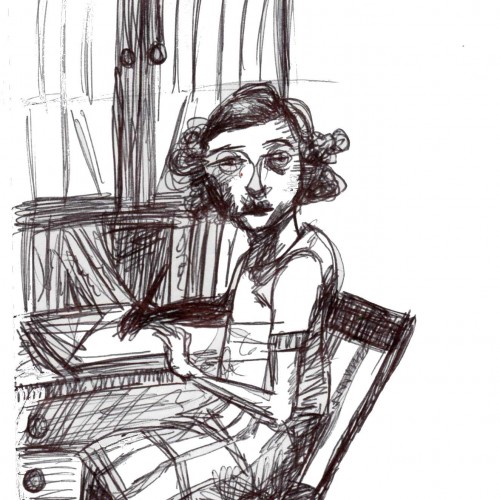
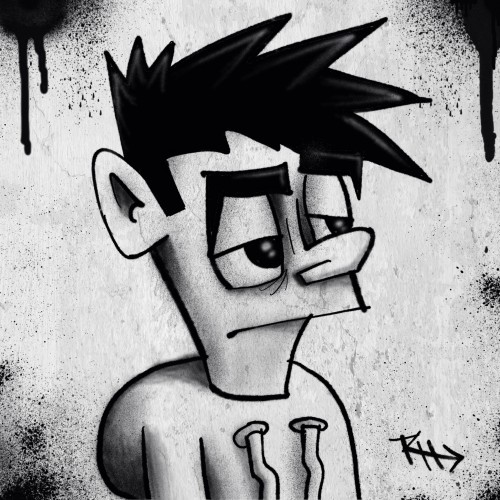
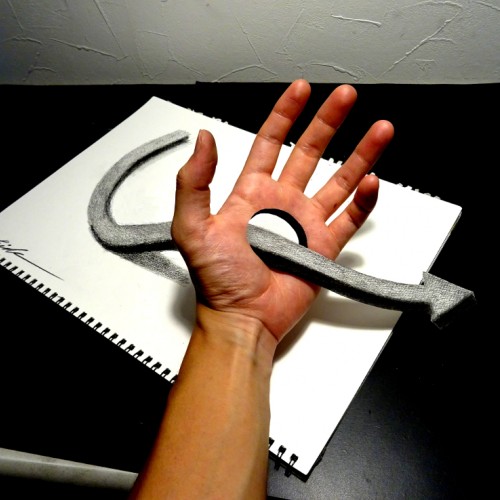
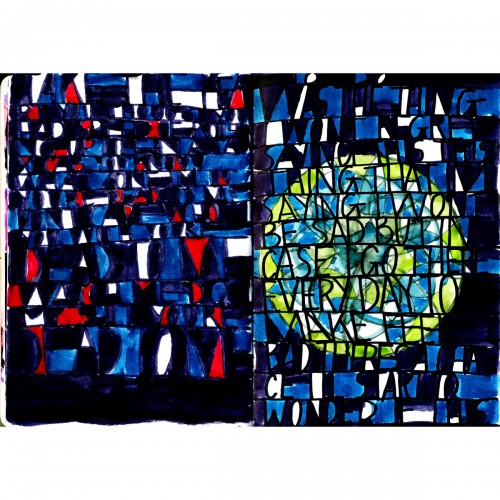
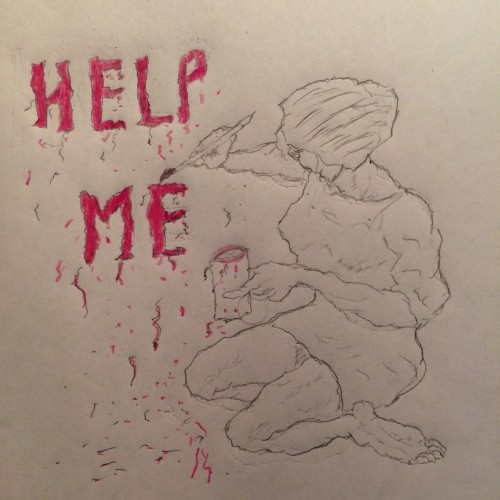
This sketchbook is my therapist. Not this one specifically, but any single one small enough to fit in my pocket. I tell it everything, from quirky thoughts and funny notes to abstract concepts, drawings and positive reminders. Keep it analog folks… a doodle, sketch, writing, poem, or scribble every day helps to keep the brain fit and the thoughts flowing. ✏️
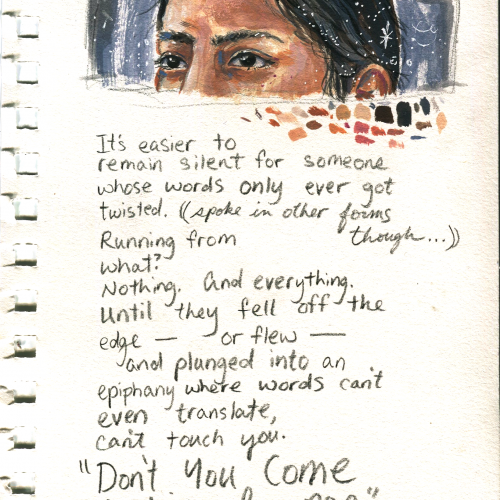
It’s easier to remain silent for someone
whose words only ever got twisted.
(spoke in other forms though)
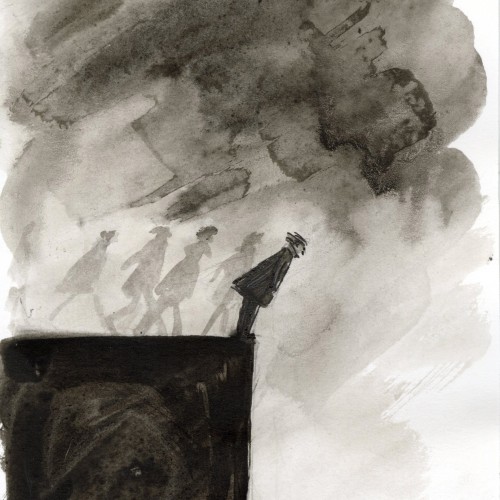
Running from what?
Nothing. And everything.
Until they fell off the edge - or flew-
and plunged into an epiphany where words can’t
even translate,
can’t touch you.
“Don’t you come looking for me”
on the wind.
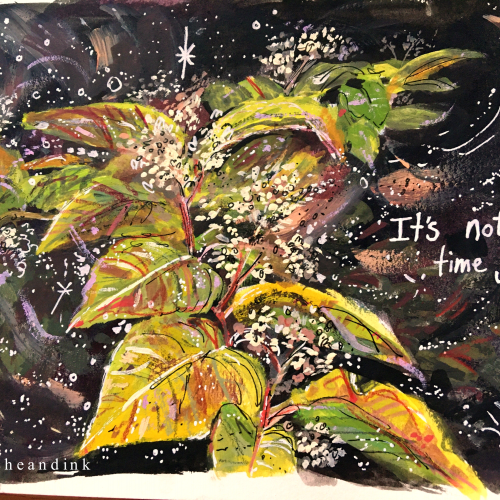
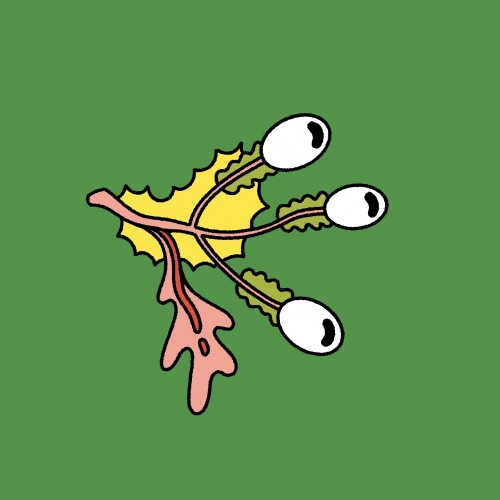
I took an hour or two and drew some owls while watching the 7th Harry Potter movie. The black (it's actually dark purple) ink is in a Platinum Preppy refillable marker (I SWEAR BY THESE -- you just need the ONE and can keep putting ink in it) (https://www.gouletpens.com/collections/other-writing-instruments/products/platinum-preppy-refillable-marker-black?variant=11884751487019) and the green is in an extra-fine Lamy Al-Star (https://www.gouletpens.com/products/lamy-al-star-fountain-pen-bluegreen?variant=11884855885867).
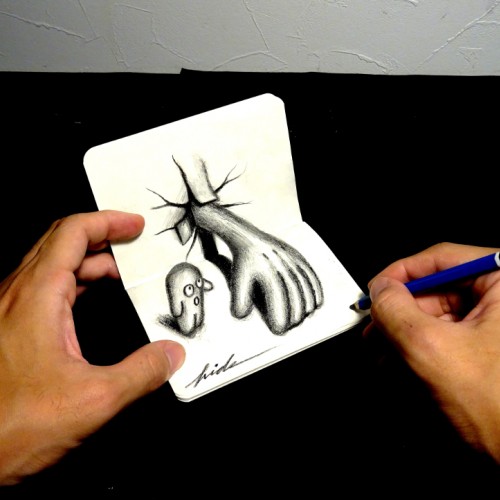
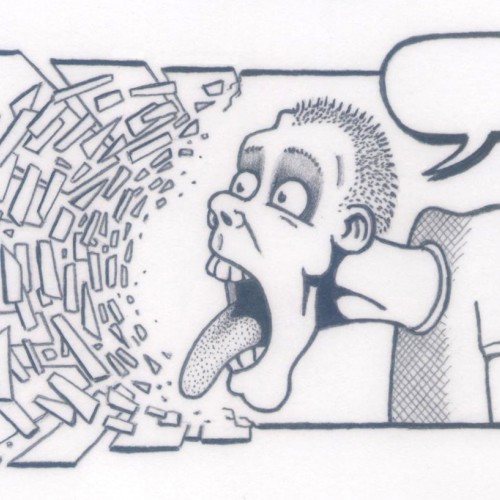
(2B pencil on 132mm x 86mm paper) I did think of writing something in the speech bubble but decided it worked best as a kind of "silent scream" so I left it blank.
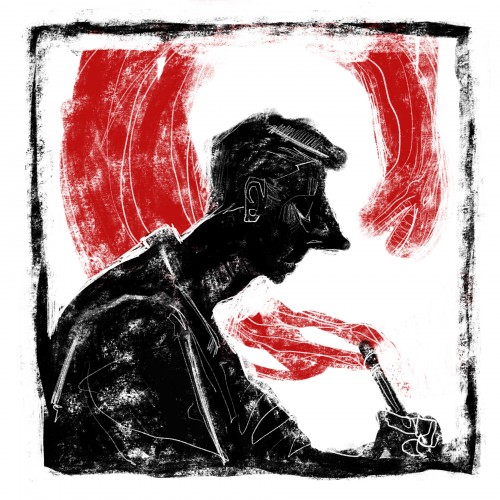
Samuel Beckett (1906–1989)
On a late-night walk near Dublin harbor, Beckett found himself standing on the end of a pier in the midst of a winter storm. Amid the howling wind and churning water, he suddenly realized that the “dark he had struggled to keep under” in his life—and in his writing, which had until then failed to find an audience or meet his own aspirations—should, in fact, be the source of his creative inspiration.
“I shall always be depressed,” Beckett concluded, “but what comforts me is the realization that I can now accept this dark side as the commanding side of my personality. In accepting it, I will make it work for me.”
- From Daily Rituals: How Artists Work by Mason Currey
#dailyrituals #inktober #samuelbeckett @masoncurrey
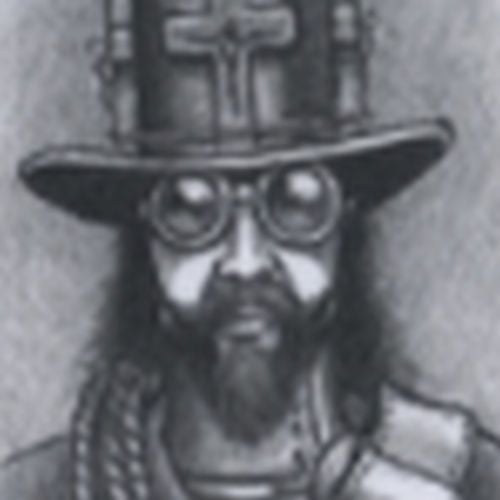
Here's an ink illustration from my sketchbook. The only thing more terrifying than dying of the plague might be encountering a plague doctor. The type at the bottom says "A Black Sun Revolves Around You." It's been distorted and abstracted, but it's derived from letterforms.
Mark Twain (1835–1910)
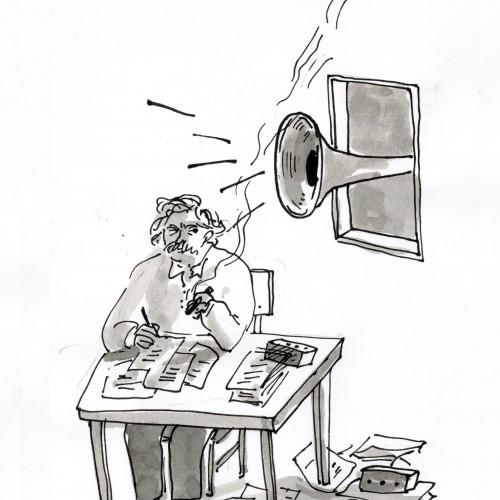
In the 1870s and ’80s, the Twain family spent their summers at Quarry Farm in New York, about two hundred miles west of their Hartford, Connecticut, home. Twain found those summers the most productive time for his literary work, especially after 1874, when the farm owners built him a small private study on the property. That same summer, Twain began writing The Adventures of Tom Sawyer. His routine was simple: he would go to the study in the morning after a hearty breakfast and stay there until dinner at about 5:00. Since he skipped lunch, and since his family would not venture near the study—they would blow a horn if they needed him—he could usually work uninterruptedly for several hours. “On hot days,” he wrote to a friend, “I spread the study wide open, anchor my papers down with brickbats, and write in the midst of the hurricane, clothed in the same thin linen we make shirts of.”
Whether or not he was working, he smoked cigars constantly. One of his closest friends, the writer William Dean Howells, recalled that after a visit from Twain, “the whole house had to be aired, for he smoked all over it from breakfast to bedtime.”
- From Daily Rituals: How Artists Work by Mason Currey
“Everyone is a moon, and has a dark side which he never shows to anybody.”
― Mark Twain
#dailyrituals #inktober #MarkTwain @masoncurrey
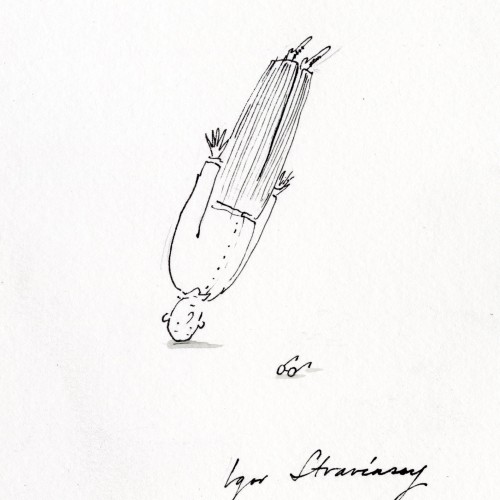
Igor Stravinsky (1882–1971)
“I get up at about eight, do physical exercises, then work without a break from nine till one,” Stravinsky told an interviewer in 1924. Generally, three hours of composition were the most he could manage in a day, although he would do less demanding tasks—writing letters, copying scores, practicing the piano—in the afternoon.
Unless he was touring, Stravinsky worked on his compositions daily, with or without inspiration, he said. He required solitude for the task, and always closed the windows of his studio before he began: “I have never been able to compose unless sure that no one could hear me.” If he felt blocked, the composer might execute a brief headstand, which, he said, “rests the head and clears the brain.”
- From Daily Rituals: How Artists Work by Mason Currey
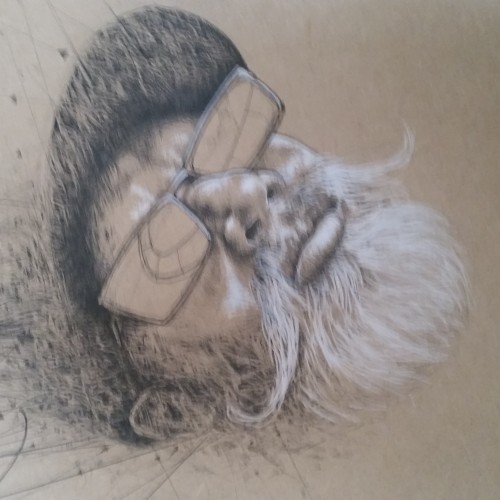
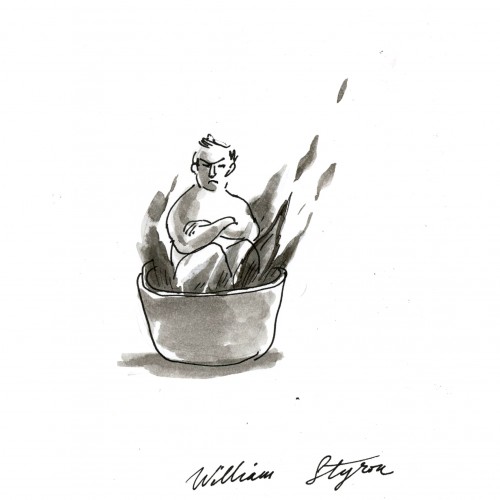
William Styron (1925–2006)
“Let’s face it, writing is hell,” Styron told The Paris Review in 1954.
- From Daily Rituals: How Artists Work by Mason Currey
“We’re all in this game together.”
― William Styron
#dailyrituals #inktober #WilliamStyron @masoncurrey