Previous
Next
logo logo
logo logo
  • Discover Art
    • Trending
    • Most Recent
    • Most Faves
    • Most Views
    • Curated Galleries
  • Drawing Challenges
    • See All Challenges
  • Drawing Prompts
  • Artists
    • Most Popular
    • Most Recent
    • Available For Hire
    • Artist Spotlight
  • More
    • Marketplace
    • Art Discussions
    • Resources
    • News + Blog
Login
Most Recent
Select an option
  • Most Relevant
  • Most Faves
  • Most Views
  • Most Comments
  • Most Recent
SEARCH RESULTS FOR

composition

Ty patmore Ty patmore
Enlarge
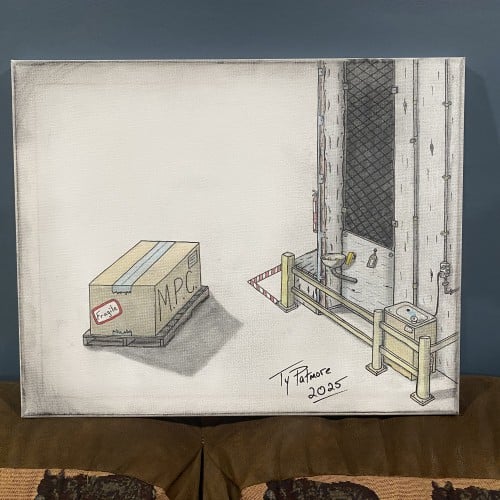
Industrial timeout

"Industrial Timeout" presents a meticulously rendered scene of solitude and tension within a utilitarian setting. The composition is split between a vast, empty white space and a tightly constrained, detailed industrial corner. In the foreground, a single, unassuming cardboard box sits on a pallet. It is labeled "FRAGILE" and "M.P.C." (possibly a reference to 'Minimum Package Content' or a similar industrial acronym), suggesting a precious, yet standardized, cargo awaiting movement.

  • 17
  • 2
  • 1
Ty patmore Ty patmore
Enlarge
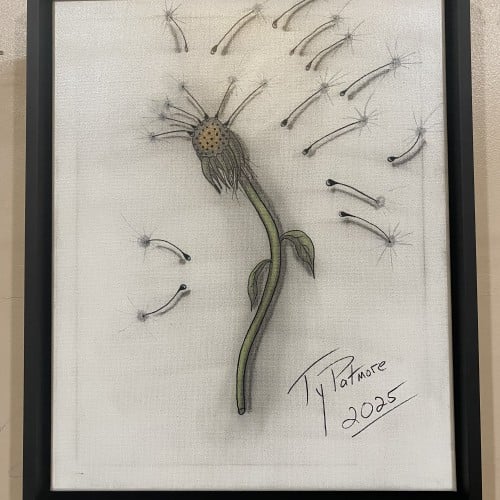
Isn’t she a Dandy.

This captivating drawing by Ty Patmore (2025) beautifully illustrates the final stage of a dandelion's life cycle, transforming the common weed into a subject of elegant art. The central, spent head of the flower is rendered with intricate texture, while the detached seeds are given a light, airy quality as they float away. The subtle shading and focused color on the stem provide a grounding element to the otherwise ethereal composition, making it a perfect piece for anyone who cherishes the simple, magical moments in nature.

  • 11
  • 2
  • 1
jahangir packages jahangir packages
Enlarge
EcoFriendlyPackaging

This artwork beautifully reflects the essence of Eco Friendly Packaging Eco Friendly Packaging by uniting nature and design. A simple kraft paper box, tied with organic twine, carries a sprouting green plant that symbolizes life, renewal, and sustainability. The composition turns ordinary packaging into a statement of environmental care, reminding us that every choice can support a greener future.

  • 8
  • 2
  • 0
Sabina Hahn Sabina Hahn
Enlarge
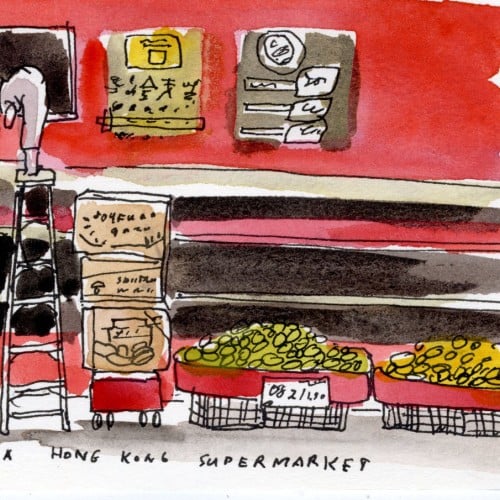
In a chinatown supermarket

Now that I started to draw my photos, I noticed that I started taking different pictures. I am taking fewer "good" pictures - composition, color all went out the window. Instead, I am taking pictures of things that made me happy or just tickled my fancy. A stack of blinis, made from my great-aunt's recipe. A book that I accidentally discovered that is so weird and funny. A secret compartment in the wall in a supermarket.

  • 130
  • 1
  • 0
Joselo Rocha Joselo Rocha
Enlarge
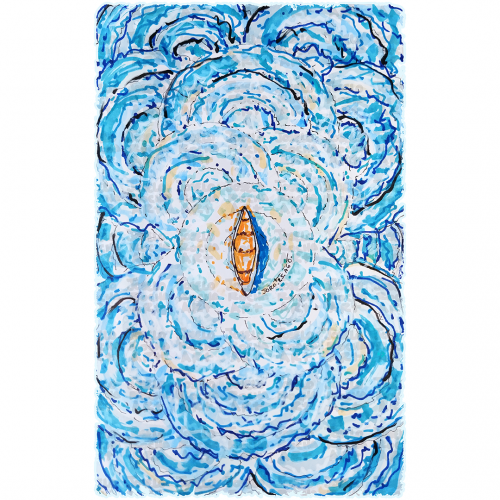
Ripples

A boat floats at the center of swirling, vibrant blue waves, creating a sense of motion and energy. The contrast between the warm tones of the boat and the cool hues of the water highlights the image's dynamic composition.

  • 115
  • 9
  • 1
Joselo Rocha Joselo Rocha
Enlarge
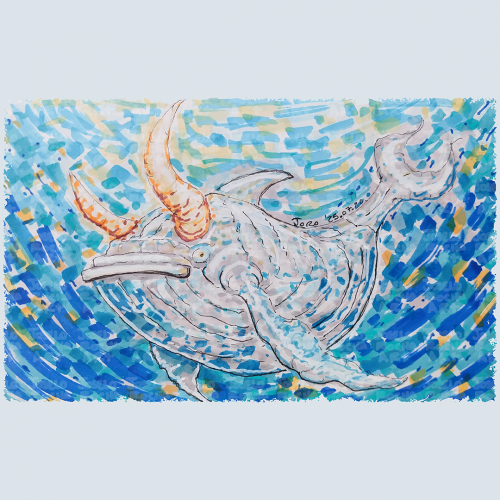
Bullwhale

A fantastical bullwhale creature with a mix of whale and bull features glides through a vibrant, swirling, blue and orange hues body of water. The colors blend in a mosaic style, enhancing the creature's mythical presence with a composition that creates a sense of movement and depth, capturing an imaginative underwater scene.

  • 93
  • 7
  • 2
Valentina Balan Valentina Balan
Enlarge
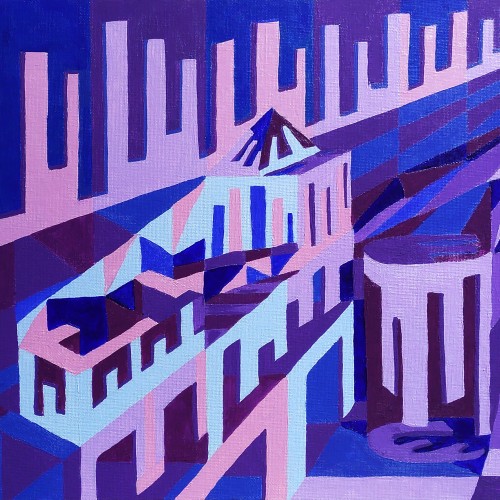
Geometrical still life

"Geometrical still life" Based on the composition of plaster figures canvas on cardboard, acrylic, 30x40 cm, 2024

  • 3
  • 4
  • 0
Guilhem Guilhem
Enlarge
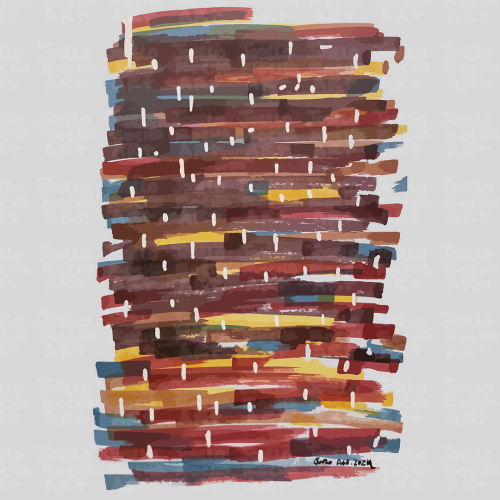
Abstract Composition

Abstract Composition

  • 7
  • 2
  • 0
Steven Steven
Enlarge
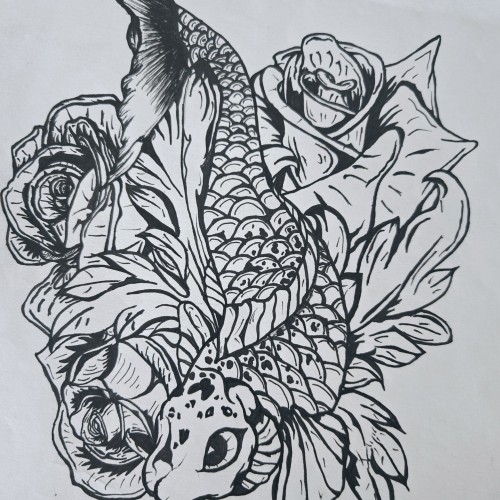
Pisces Koi

"Pisces Koi" is a bold and intricate black-and-white ink piece that blends symbolism with fluid motion. A koi fish, known for its resilience and transformation, weaves through a bed of blooming roses, creating a contrast between movement and stillness. The fine details in the scales and petals bring depth, making the composition feel alive. The upward motion of the koi echoes the legend of perseverance—where a koi swimming upstream becomes a dragon—mirroring the Pisces spirit of adaptation and ambition. The roses introduce another layer, possibly symbolizing beauty, personal growth, or challenges that shape us. This piece captures a sense of quiet strength and fluidity, speaking to those drawn to themes of transformation, water energy, and the balance between struggle and grace.

  • 7
  • 1
  • 2
Thich Minh Bao Thich Minh Bao
Enlarge
Sexy girl

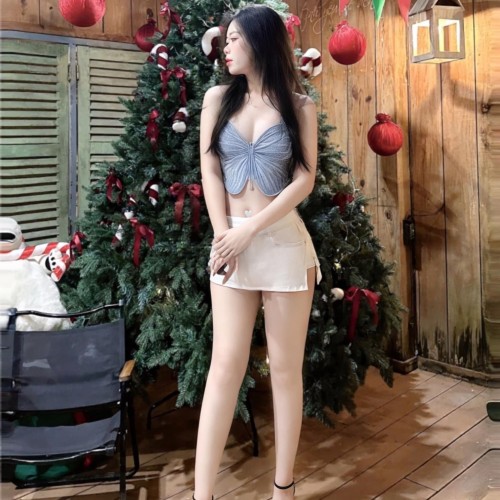
The photo captures a shimmering, festive Christmas moment with a beautiful young woman posing in front of a lavishly decorated Christmas tree. She is wearing a glamorous outfit consisting of a sparkling butterfly-shaped crop top and a short white skirt, paired with elegant high heels. The surrounding space exudes a warm, cozy atmosphere with wooden walls, vibrant red ornaments, and green-and-red pennant banners hanging above, creating a lively holiday scene. A black chair nearby, along with festive decorations like a fabric Santa Claus and candy canes, enhances the Christmas spirit. The woman in the image radiates a gentle yet captivating beauty, with her long, flowing black hair and a charming sideways gaze. The combination of modern fashion and a classic holiday setting creates a stunning composition, evoking a sense of warmth and romance. This image is copyrighted and DMCA registered. I strictly prohibit all of you from posting this image on other online forums. If I discover it, you will receive some reports from me. Contact me via: thichminhbaovn@gmail.com

  • 12
  • 0
  • 0
Valentina Balan Valentina Balan
Enlarge
Space suprematism

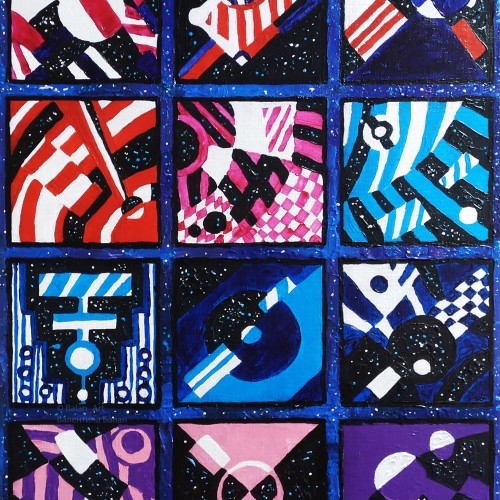
Abstract painting "Space suprematism". Canvas on cardboard, acrylic, glossy lacquer, 30x40 cm, 2023

  • 20
  • 11
  • 0
Kurtis D Edwards Kurtis D Edwards Plus Member
Enlarge
In the Forest

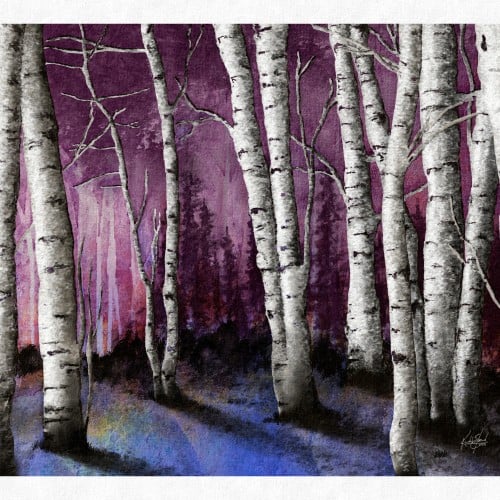
The final piece for a watercolor course I just wrapped up. Trees are always an important part of my compositions.

  • 142
  • 11
  • 3
Sabina Hahn Sabina Hahn
Enlarge
Dmitry Shostakovich (1906–1975)

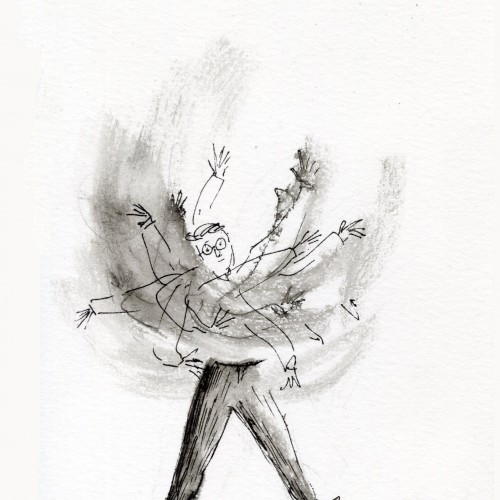
Dmitry Shostakovich (1906–1975) Shostakovich’s contemporaries do not recall seeing him working, at least not in the traditional sense. The Russian composer was able to conceptualize a new work entirely in his head, and then write it down with extreme rapidity—if uninterrupted, he could average twenty or thirty pages of score a day, making virtually no corrections as he went. But this feat was apparently preceded by hours or days of mental composition—during which he “appeared to be a man of great inner tensions,” the musicologist Alexei Ikonnikov observed, “with his continually moving, ‘speaking’ hands, which were never at rest.” Shostakovich himself was afraid that perhaps he worked too fast. “I worry about the lightning speed with which I compose,” he confessed in a letter to a friend. Undoubtedly this is bad. One shouldn’t compose as quickly as I do. Composition is a serious process, and in the words of a ballerina friend of mine, “You can’t keep going at a gallop.” I compose with diabolical speed and can’t stop myself.… It is exhausting, rather unpleasant, and at the end of the day you lack any confidence in the result. But I can’t rid myself of the bad habit. - From Daily Rituals: How Artists Work by Mason Currey #dailyrituals #inktober #shostakovich @masoncurrey

  • 436
  • 8
  • 0
Sabina Hahn Sabina Hahn
Enlarge
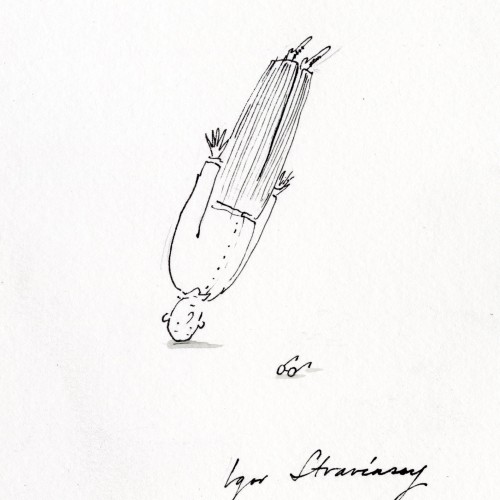
Igor Stravinsky

Igor Stravinsky (1882–1971) “I get up at about eight, do physical exercises, then work without a break from nine till one,” Stravinsky told an interviewer in 1924. Generally, three hours of composition were the most he could manage in a day, although he would do less demanding tasks—writing letters, copying scores, practicing the piano—in the afternoon. Unless he was touring, Stravinsky worked on his compositions daily, with or without inspiration, he said. He required solitude for the task, and always closed the windows of his studio before he began: “I have never been able to compose unless sure that no one could hear me.” If he felt blocked, the composer might execute a brief headstand, which, he said, “rests the head and clears the brain.” - From Daily Rituals: How Artists Work by Mason Currey

  • 365
  • 2
  • 1
Sabina Hahn Sabina Hahn
Enlarge
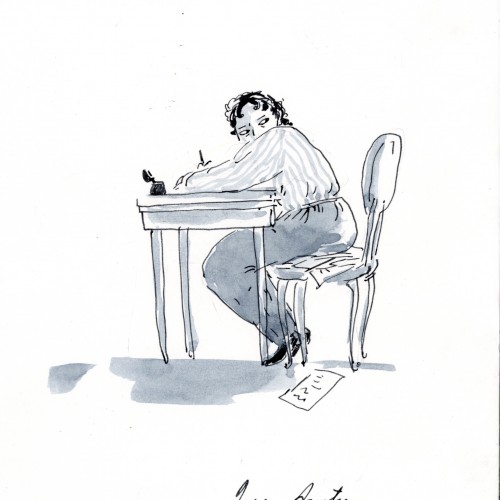
Jane Austen

Jane Austen (1775–1817) Austen never lived alone and had little expectation of solitude in her daily life. Her final home, a cottage in the village of Chawton, England, was no exception: she lived there with her mother, her sister, a close friend, and three servants, and there was a steady stream of visitors, often unannounced. ... Austen wrote in the family sitting room, “subject to all kinds of casual interruptions,” her nephew recalled. She was careful that her occupation should not be suspected by servants, or visitors, or any persons beyond her own family party. She wrote upon small sheets of paper which could easily be put away, or covered with a piece of blotting paper. There was, between the front door and the offices, a swing door which creaked when it was opened; but she objected to having this little inconvenience remedied, because it gave her notice when anyone was coming. “Composition seems to me impossible with a head full of joints of mutton & doses of rhubarb.” From Daily rituals by Mason Currey #dailyrituals #inktober #janeAusten @masoncurrey

  • 256
  • 4
  • 0
Dean C. Graf Dean C. Graf Plus Member
Enlarge
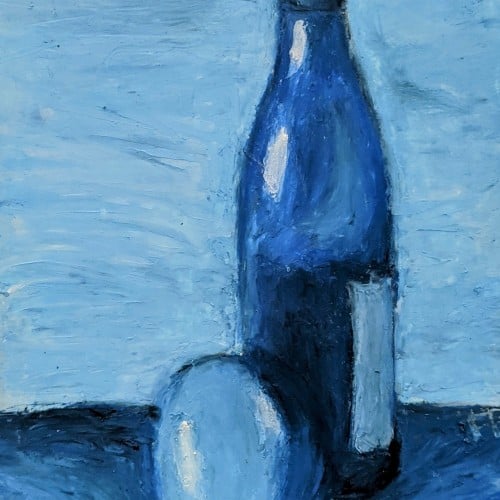
Monochromatic pastel

Teaching painting is a great task to ask of a person who doesn't paint. I do not paint. I teach the manipulation of media through experience. "Learn from doing!" I say. Monochromatic pastel exercises help my students to get a handle on the media. We explore value and composition and the handling of media. Sometimes happy accidents occur. This was my example to the teens on composition and value. It is a journey.

  • 38
  • 9
  • 2
Joselo Rocha Joselo Rocha
Enlarge
Abstract Sepia

For some reason I can't stop looking at it.

  • 129
  • 5
  • 2
Kurtis D Edwards Kurtis D Edwards Plus Member
Enlarge
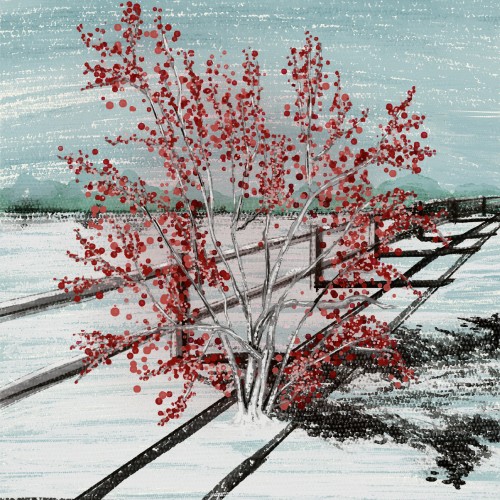
Michigan Holly

Michigan Holly, Ilex verticillata, drawn in Rebelle 7. I got the perspective a bit off, but i love the composition overall

  • 90
  • 5
  • 0
Dean C. Graf Dean C. Graf Plus Member
Enlarge
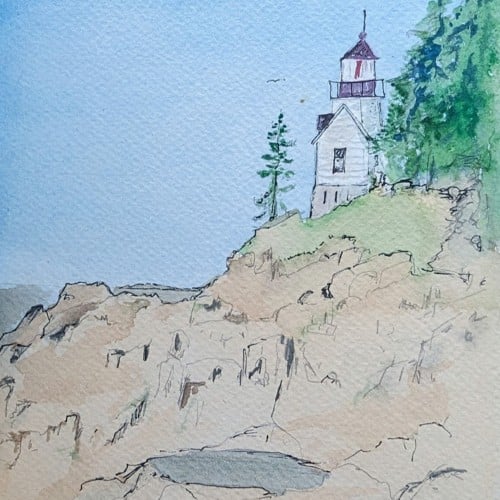
Maine Lighthouse

Lighthouses offer a plethora of possibilities for metaphors. This was an exercise in composition and uses for watercolor.

  • 212
  • 8
  • 0
Maureen Venville Maureen Venville
Enlarge
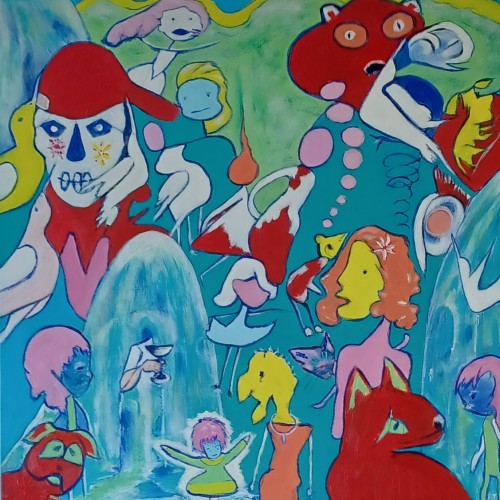
Re-living the Dream

Intuitive painting in acrylic. 61 x 61 cm. Characters evolved as I worked and turned into a somewhat dreamlike composition. My love of colours and composition and the quirkiness of the contents makes this a very entertaining work.

  • 2
  • 1
  • 0
Maureen Venville Maureen Venville
Enlarge
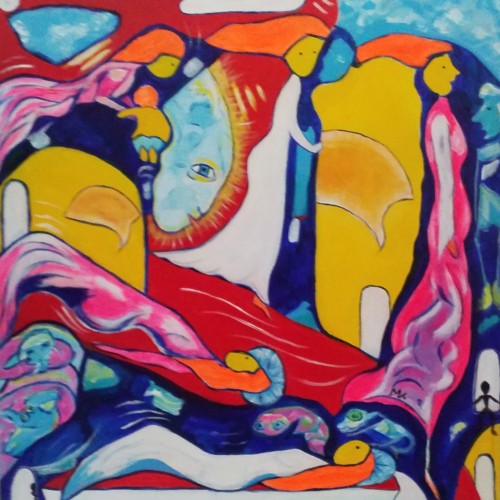
Moon Lady

"Moon Lady" Acrylic on canvas 61 x 61 cm. Intuitive work. This painting wasn't planned. My art evolves as I work. I am obsessed with colour and composition. All shapes and colours are edited as I work.

  • 5
  • 1
  • 0
Enitsirhc Enitsirhc
Enlarge
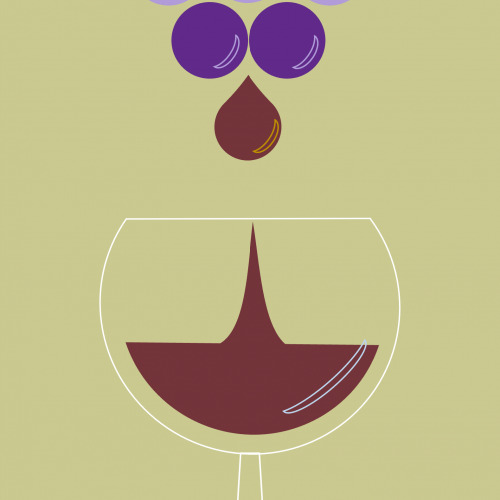
Grape Juice for Adults

Capturing the gradual process of turning grapes to wine in the form of color transition and solid-liquid state transition compositions

  • 8
  • 1
  • 0
Spearmint Chalk Spearmint Chalk
Enlarge
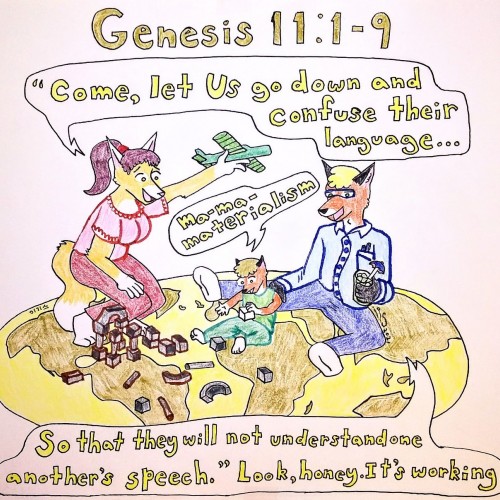
The Fall of the Tower of Babble

I take a lot of Genesis as an allegory for birth and maturation, both individually and collectively. The Garden of Eden could easily be interpreted as the womb, and we are all cast out of it at some point. Genesis 2:24 says "This is why a man leaves his father and mother and bonds with his wife, and they become one flesh." Though people use this passage to refer to the tradition of marriage, I think that it speaks to something much, much deeper than that. Literally, when two people copulate, they create a child that is of one flesh. They do not "become one flesh" because they engage in a ritual institution and are now "to be viewed as comprising a single identity," but they literally become one flesh because their genetic compositions are joined into a new being (Mark 10:8 and the two shall become one flesh.’ So they are no longer two but one flesh. 9 What therefore God has joined together, let no man separate.”). That being said, I read somewhere once that babies born in every part of the world make phonetic sounds from pretty much every language in the world. It is only after a period of time that they start to key in on certain sounds that the people around them are making, and it is only after that that children key in enough to start developing more advanced language skills (typically). However, in this original state, there is a freedom. There are no assumptions. There is an innocence in that state. There is a lack of judgement. There comes a point at which babies/young children begin to mimic and to incorporate what they are experiencing from the creatures around them into themselves. To small creatures with an undeveloped sense of self or reality, the caregivers around them may as well be gods, at least from their perspective. They will learn from these gods around them and will begin to embody their cultural beliefs, their language, their idiosyncrasies, and their perceptions, often on a deeply unconscious level. Adults contribute to that quite thoroughly and somewhat consciously. (Genesis 1:26 Then God said, “Let Us make mankind in Our image, according to Our likeness..") (Genesis 11:7 7 Go to, let us go down, and there confound their language, that they may not understand one another's speech.) In our own way as individuals, we are each a Tower of Babel, and at some point, for each of us, that Tower fell. Barriers to communication of so many kinds were created for and/or by us. Perhaps we still spend time constructing new barriers and thinking up new ways to distance ourselves from the rest of our kind. I chose to use the phrase "materialism" to express how children engender these attributes of caregivers and others alike. However, this can easily be exchanged for a phrase like "socialism," or "corporate capitalism," or nearly any other thing that you can probably think of. Children are like sponges. They soak up even more than we realize. Most widespread religions in the world have some form of renunciation belief or ritual wherein an individual must 'cast off' the old self and put on the new. This is because, regardless of where or when a child is born in the world, the perspectives of the people around them raising them will likely leave much to be desired. It is necessary for beings to continue to learn, and this often entails a serious consideration of what was instilled into them at an earlier time. It is quintessential that we question and evaluate these things since the state of the world will have changed by the time that we reach maturation. The ideas that people gave us may apply to a world that is already different. The story of the Tower of Babel may refer to a state that earlier humans lived in, perhaps on a shared continent, in which the manners in which they communicated were similar. Then, at some point, perhaps these same peoples went off on their travels and developed new languages. In a funny way, we seem to do that as individuals. At some point, we strike out on our own, even if only a little. Though we may differ on surface level behaviors and in the symbols that we use to describe the human experience, human beings are more or less fundamentally the same. We let our differences create so, so, so many barriers between ourselves and other beings. Just think of all of the harm that things like xenophobia, racism, intolerance, and a lack of an ability to communicate verbally with one another have done to our species. Even beyond that, just think of how easily we dismiss the inner lives and inner experiences of creatures different than ourselves simply because they do not communicate verbally with us in our preferred tongue. Research is overwhelmingly in support of other beings communicating with others of their kind, whether we as individuals acknowledge it or not.. Some of us are just really into denial about it. We could achieve remarkably wonderful things, if only we would learn to recognize the similarities of our experiences. (Matthew 19:6 So they are no longer two, but one flesh. Therefore what God has joined together, let no one separate.”)

  • 3
  • 1
  • 0
erik cheung erik cheung
Enlarge
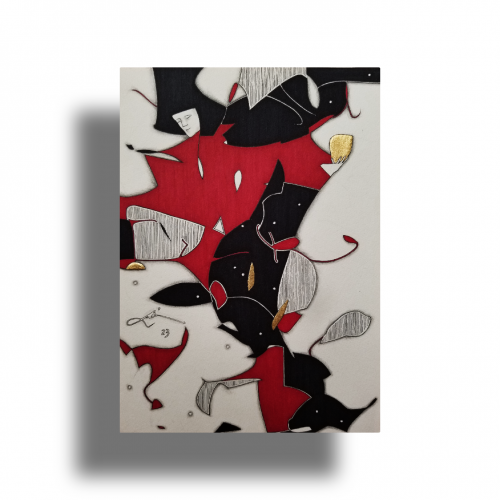
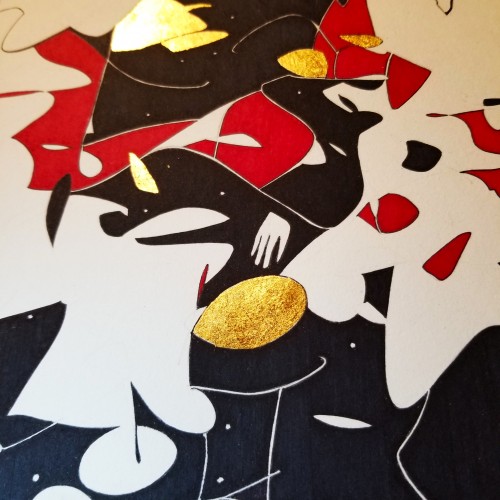
The Golden Idol

This picture, among my many others, was created by following the doodle lines made in a minute. The figure and composition was FOUND from the loops in between... without alterations. https://youtu.be/xOa42BwxOx4

  • 5
  • 0
  • 0
erik cheung erik cheung
Enlarge
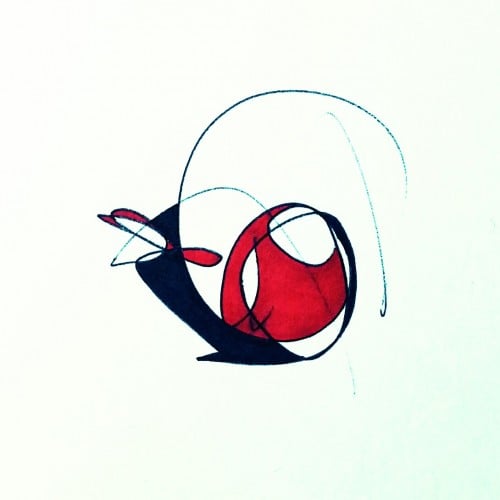
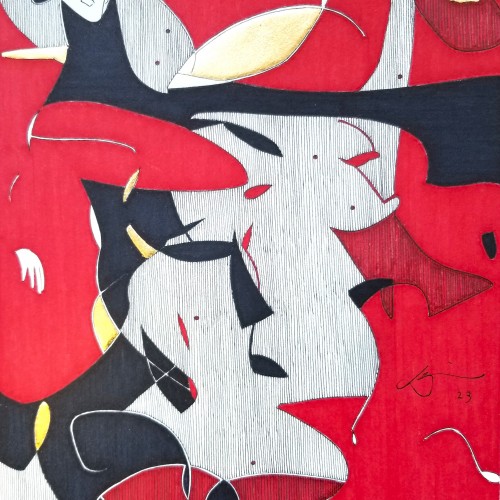
Queen of the Night

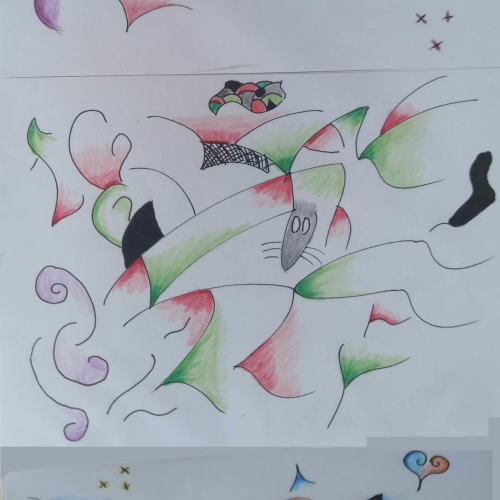
Since the dawn of l’automatisme, the floating shapes of Miro and Klee were praised as musical suggestions. Unlike the Masters, my groundwork of flowing lines speaks melody and rhythm from a musical score perspective. The flow of lines ties the art elements into a composition. It also reflects a concept from Chinese paintings, which says, ` as a line moves into the invisible, the idea continues.’

  • 6
  • 0
  • 0
erik cheung erik cheung
Enlarge
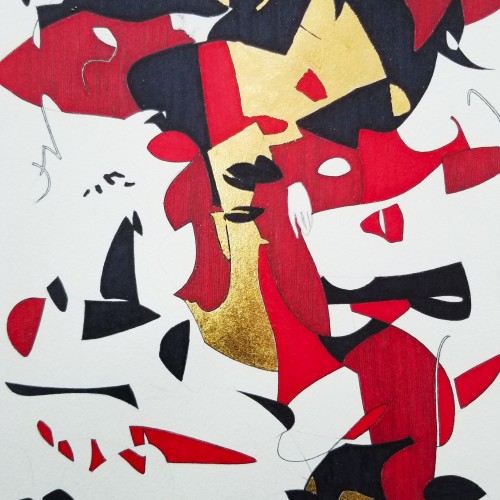
Figurine

The form of Martial Arts introduced by Bruce Lee embraces `being formless’ as a central idea. Sharing this belief, my works do not start with an intention of what to make, but rather the process is to follow-through to what the works wish to become. In Jeet Kun To, the practice is to `be water’, to react and to blend. Instead of following the artist’s desire to direct the brush, I enhance, without an intention to change or render. The composition dropped from elsewhere as a message and is polished to shine.

  • 5
  • 1
  • 2
erik cheung erik cheung
Enlarge
Remorse

Some works were born to be prodigious. Once the preliminary lines were laid within the first minute, the quality of the shapes, the diagonal composition and the weight were balanced out. With the black mass as the hood, a face, hidden underneath, is unveiled. With the addition of the black fingers and the white hand, the full figure surfaced naturally. The black fingers are the minimal suggestions to add character. The title `Remorse’ came about because of the bowed head and the pose. utube clip: https://youtu.be/mb48rCx-lYI

  • 10
  • 0
  • 0
Kurtis D Edwards Kurtis D Edwards Plus Member
Enlarge
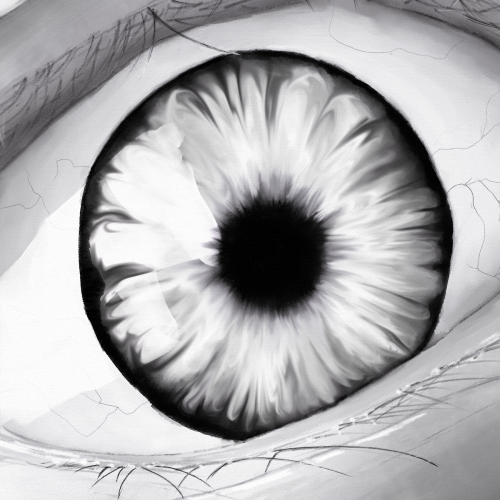
Eye Study

The monochromatic weekly challenge inspired me to do an eye study. I've been having a bit of a composition block and thinking about starting to sell at art fairs, so my thoughts are preoccupied. I wanted to keep practicing tho. Lemme know what you think. I used pencils, smudges, and liquify in Rebelle 6. This is not AI nor is any part of this AI.

  • 167
  • 5
  • 0
Art Craft Land Art Craft Land
Enlarge
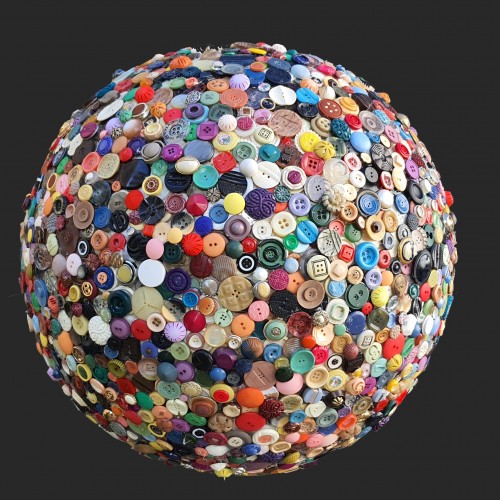
Buttons demonstration

The materials that Meir uses in her works are not of the refined and so she is called an “arte povere” artist. At times she describes her work as someone dealing in alchemy - work develops as in a trial laboratory with different techniques and materials. She says, “ at times the artistic work process is a sort of puzzle demanding the filling in of all the empty squares “. Some of her work focuses on women, and they incorporate criticism and cultural protest. Meir has strong opinions about recycling and environmental protection that is represented in her works by use of materials and shapes. In her work she reacts to contemporary art that communicates with the eco system, waste, and she also searches for different worlds. Her works are made up of layers upon colorful layers that when we look at them it becomes clear that the mound of waste she chose is not coincidental. It actually becomes a colorful kaleidoscope of utopia. Jaffa Meir is a multifaceted, autodidact artist working in painting, sculpture, photography, product design, carpets and furniture, painting on textile, and computer graphics. The structural composition of some of the works is influenced also by her many years of working in the architects’ office. Meir also worked in the developing of ideas within the field of ecosystems and recycling for factories such as Coca Cola, and during this process came up with ideas for designing parks and public game spaces using industrial waste products.

  • 31
  • 6
  • 0
Art Craft Land Art Craft Land
Enlarge
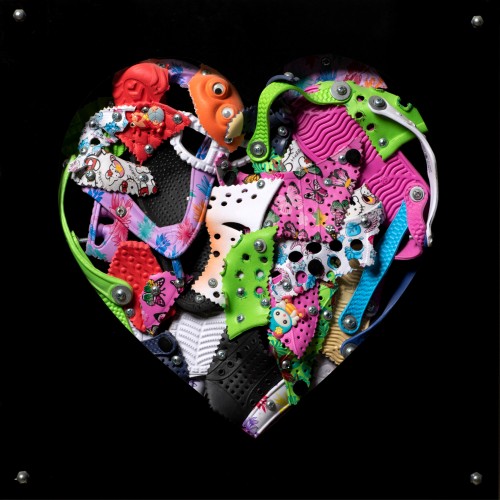
Flip flops heart

The materials that Meir uses in her works are not of the refined and so she is called an “arte povere” artist. At times she describes her work as someone dealing in alchemy - work develops as in a trial laboratory with different techniques and materials. She says, “ at times the artistic work process is a sort of puzzle demanding the filling in of all the empty squares “. Some of her work focuses on women, and they incorporate criticism and cultural protest. Meir has strong opinions about recycling and environmental protection that is represented in her works by use of materials and shapes. In her work she reacts to contemporary art that communicates with the eco system, waste, and she also searches for different worlds. Her works are made up of layers upon colorful layers that when we look at them it becomes clear that the mound of waste she chose is not coincidental. It actually becomes a colorful kaleidoscope of utopia. Jaffa Meir is a multifaceted, autodidact artist working in painting, sculpture, photography, product design, carpets and furniture, painting on textile, and computer graphics. The structural composition of some of the works is influenced also by her many years of working in the architects’ office. Meir also worked in the developing of ideas within the field of ecosystems and recycling for factories such as Coca Cola, and during this process came up with ideas for designing parks and public game spaces using industrial waste products.

  • 39
  • 1
  • 4
 
Next »

Doodle Addicts

Navigate
  • Discover Art
  • Drawing Challenges
  • Weekly Drawing Prompts
  • Artist Directory
  • Art Marketplace
  • Resources
Other
  • News + Blog
  • About Us
  • Contact Us
Newsletter
© 2026 Doodle Addicts™ — All Rights Reserved Terms & Conditions / Privacy Policy / Community Guidelines
Add Doodle Addicts to your home screen to not miss an update!
Add to Home Screen