Previous
Next
logo logo
logo logo
  • Discover Art
    • Trending
    • Most Recent
    • Most Faves
    • Most Views
    • Curated Galleries
  • Drawing Challenges
    • See All Challenges
  • Drawing Prompts
  • Artists
    • Most Popular
    • Most Recent
    • Available For Hire
    • Artist Spotlight
  • More
    • Marketplace
    • Art Discussions
    • Resources
    • News + Blog
Login
Most Relevant
Select an option
  • Most Relevant
  • Most Faves
  • Most Views
  • Most Comments
  • Most Recent
SEARCH RESULTS FOR

connection

OKAT OKAT Plus Member
Enlarge
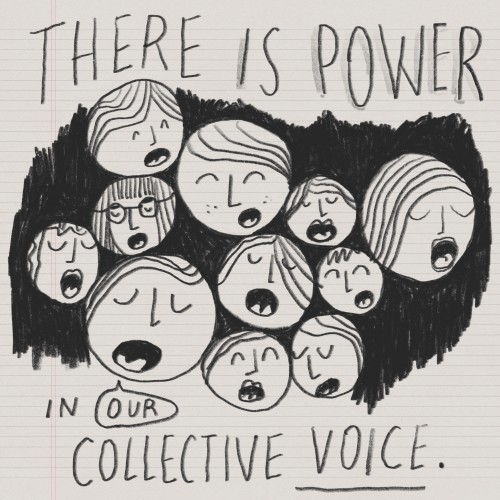
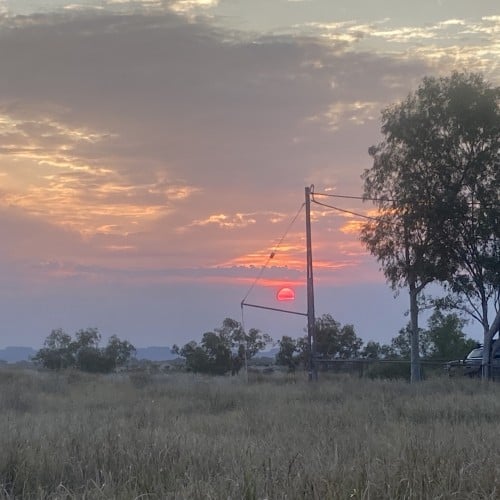
There Is Power In Our Collective Voice

I believe the future is about connection. Sometimes it seems that technology is making us more alone, but I like to believe that with every post, like, comment, follow, share, email and tweet, we are making ourselves more visible to one another. And together, we can make ourselves heard... Keep it positive, keep it loud, and keep it going forever.

  • 1,659
  • 37
  • 1
Jim Bradshaw Jim Bradshaw Plus Member
Enlarge
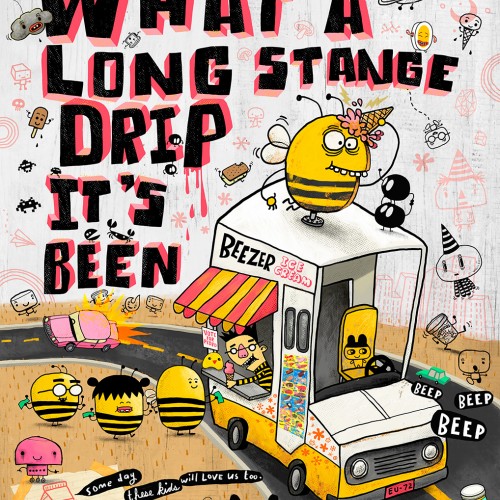
Ice Dream
1/5

Ice Dream. There’s some strange references going on in this one. If I don’t explain it won’t come together. Back in my day the Europe 72 3 record Dead live album had a crazy kid on the back cover smashing a cone on his head. Later an ice cream truck company called Weaser ripped off that art and would visit my mid Jersey neighborhood daily. Google it if you care. Flash forward to 2019. The ice cream truck that hits my neighborhood EVERY DAYS has a loud obnoxious song and no Greatful Dead connections. It drives me out of my mind so here is the result. I always try to turn my pain into gain. What a long strange explanation it’s been.

  • 899
  • 31
  • 4
Annie Tate Annie Tate Plus Member
Enlarge
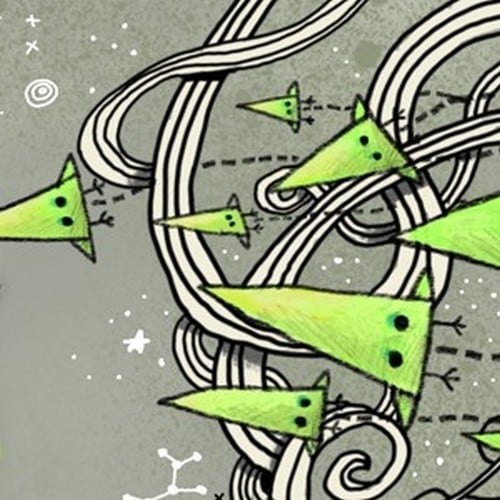
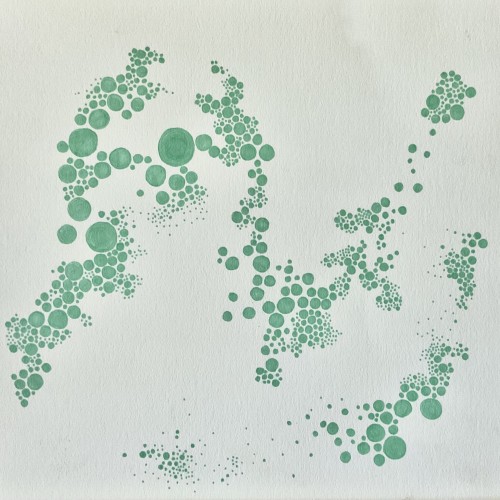
What do you see?

I love creating work that starts from a point in nature and develops into something more abstract, something that can be interpreted in many different ways. It’s interesting to hear what people see, what connection to their own life they bring when viewing a work.

  • 26
  • 9
  • 4
Bleu Hope Bleu Hope Plus Member
Enlarge
“Melting Pottery”, August 2025.

This week’s been an interesting one for socialising in my world, no denying it. If I’m not getting acquainted with new folks at work or at my art clubs, it’s reconnecting with people I haven’t seen in 20+ years… certainly informed today’s piece, without a doubt!

  • 41
  • 3
  • 0
Dean C. Graf Dean C. Graf Plus Member
Enlarge
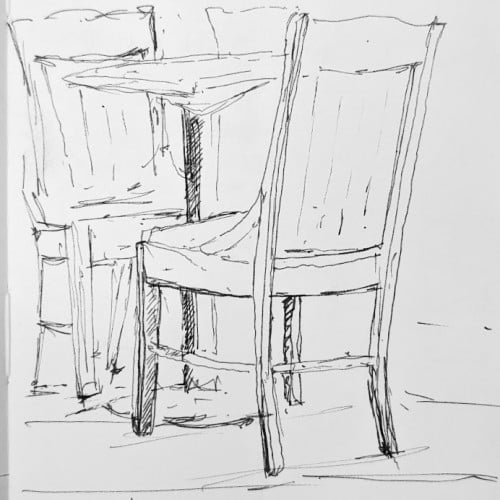
Five Chairs, Holding Space
1/3

Chairs are more than wood or iron. They are metaphors, quiet keepers of what it means to be present. They wait, as Wendell Berry might say, for us to “make a place to sit down. Sit down. Be quiet.” I draw them because they embody the humblest love—affection, as Berry calls it, that “gives itself no airs.” In their stillness, chairs hold the weight of relationships, the churn of thought, the grace of silence. They are where we meet, where we linger, where we become. These three drawings are offerings—sketches of chairs that invite connection, reflection, and the slow work of being. Each is a small sacred place, as Berry reminds us, not desecrated by haste or distraction, but alive with possibility. Drawing 1: The Coffee Shop Chairs Two wooden chairs face each other across a small round table in a coffee shop, their grain worn smooth by years of elbows and whispered truths. The table is a circle, a shape that knows no hierarchy, only intimacy. These chairs are for relationships that dare to deepen—for friends who risk vulnerability, for lovers who speak in glances, for strangers who become less strange. They ask for eye contact, for mugs of coffee grown cold in the heat of conversation. Here, sentences begin, “I’ve always wanted to tell you…” or “What if we…” These chairs shun the clamor of screens, as Berry urges, and invite the “three-dimensioned life” of shared breath. They are the seats of courage, where presence weaves the delicate threads of togetherness. Drawing 2: The Sandwich Café Chairs In a sandwich café, two wooden chairs sit across a small square table, its edges sharp, its surface scarred by crumbs and time. These chairs are angled close, as if conspiring. They are for relationships of a different timbre—perhaps the quick catch-up of old friends, the tentative lunch of colleagues, or the parent and child navigating new distances. The square table speaks of structure, of boundaries, yet the chairs lean in, softening the angles. They wait for laughter that spills over plates, for silences that carry weight, for the small confessions that bind us. These are chairs for the work of relating, for the patience that “joins time to eternity,” as Berry writes. They ask us to stay, to listen, to let the ordinary become profound. Drawing 3: The Patio Chair A lone cast-iron chair rests on a patio, its arms open to the wild nearness of nature—grass creeping close, vines curling at its feet, the air heavy with dusk. This chair is not for dialogue but for solitude, for the slow processing of thought. It is the seat of the poet, the dreamer, the one who sits with what was said—or left unsaid. Here, ideas settle like sediment in a quiet stream; here, the heart sifts through joy or grief. As Berry advises, this chair accepts “what comes from silence,” offering a place to make sense of the world’s noise. Its iron roots it to the earth, unyielding yet tender, a throne for contemplation where one might “make a poem that does not disturb the silence from which it came.” This is the chair for becoming, for growing older, for meeting oneself. These three chairs—one for intimacy, one for the labor of connection, one for solitude—are a trinity of relation. They are not grand, but they are true. They hold space for the conversations that shape us, the silences that heal us, the thoughts that root us. They are, in Berry’s words, sacred places, made holy by the simple act of sitting down. My drawings are but traces of these places—postcards from moments where we might remember how to be with one another, or how to be alone. So, pull up a chair. Or three. Sit down. Be quiet. The world is waiting to soften.

  • 115
  • 2
  • 0
Bleu Hope Bleu Hope Plus Member
Enlarge
Noise Correction, December 2020.

Keeping things together and setting records straight.

  • 204
  • 2
  • 0
Linus Ogalsbee Linus Ogalsbee Plus Member
Enlarge
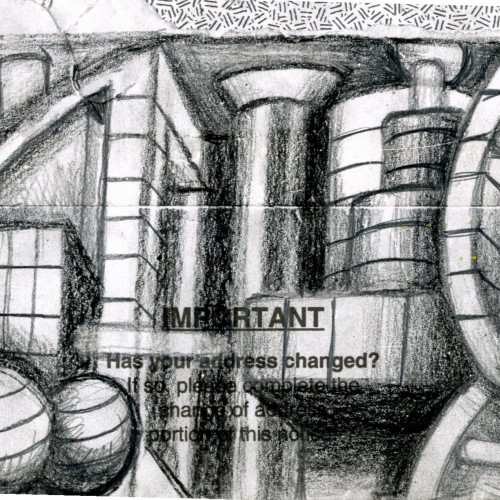
Connections

Drawing on envelope

  • 226
  • 1
  • 0
Ania Pawlik Ania Pawlik
Enlarge
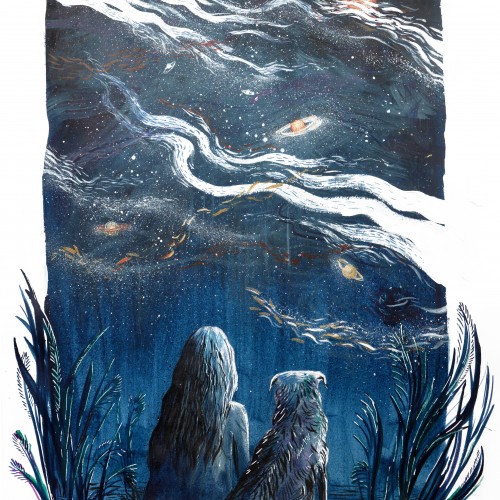
Connection

I am interested in connection between a human and an animal. This unique, individual emotional, almost telepathic connection that is so abstract that only art could possible be bale to materialize it . ..like another different universe...

  • 449
  • 31
  • 2
Mandelyn Bouso Mandelyn Bouso
Enlarge
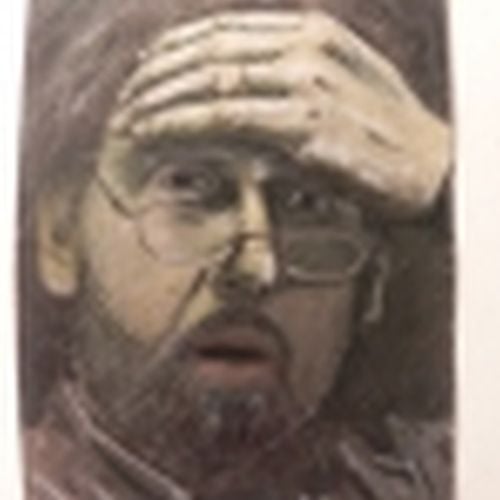
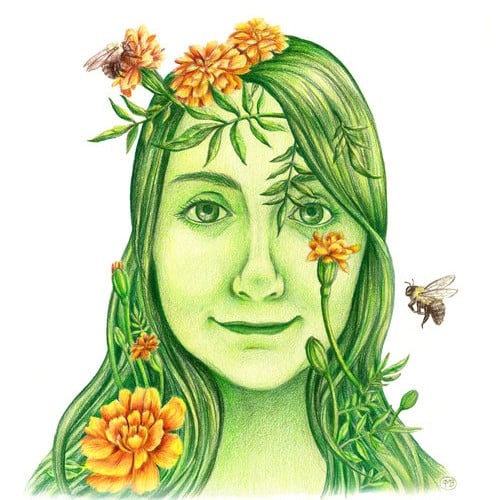
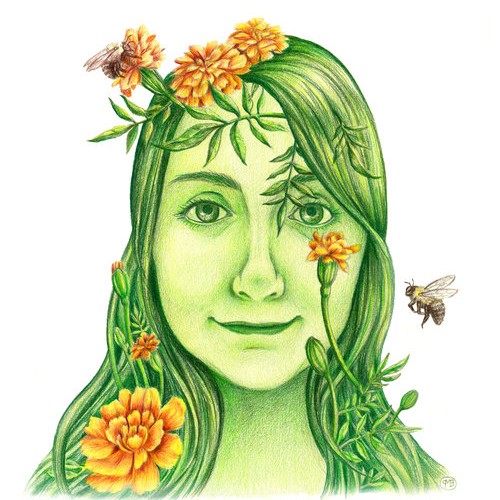
Self Portrait

Created in colored pencil, I just wanted to show my love of the bees and all things green. We rely so much on Mother Earth and it's our connection to her that will continue to sustain us.

  • 57
  • 20
  • 1
Lynn Lynn
Enlarge
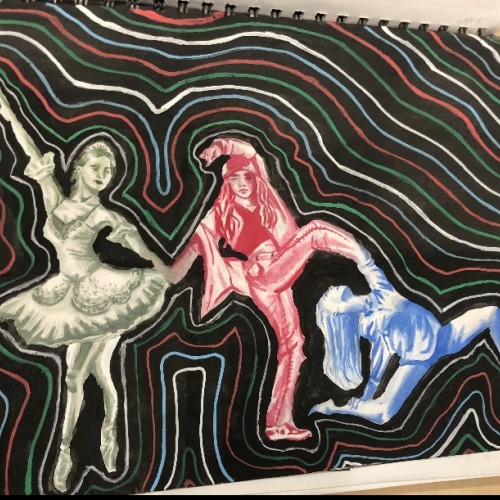
Movement in Dance

A representation of how human connection is formed by dance and the variety of styles found within dance. Additionally, the colors represent the general emotions each style invokes.

  • 117
  • 9
  • 3
Ania Pawlik Ania Pawlik
Enlarge
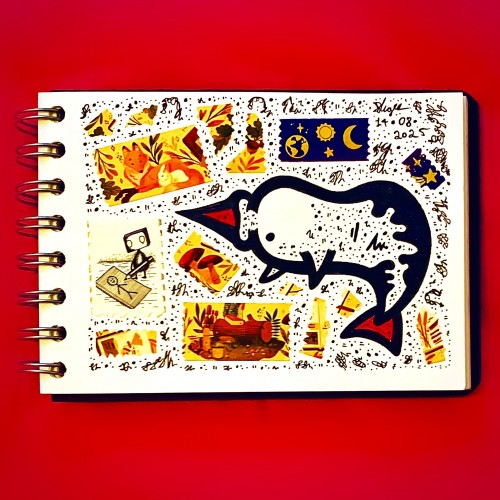
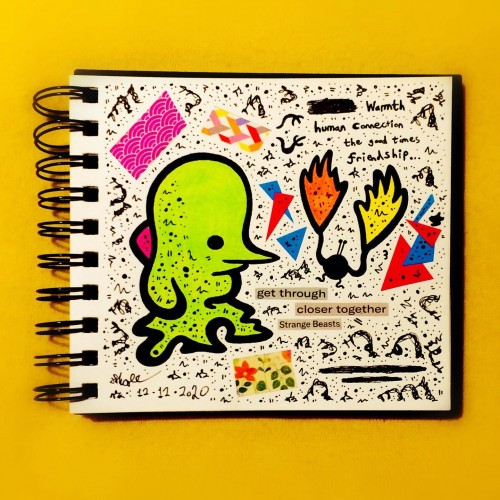
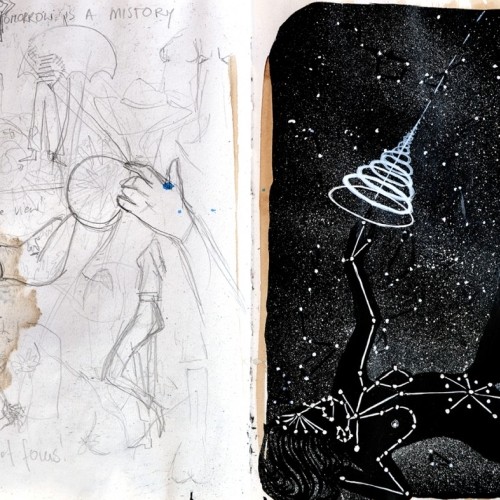
Connection

Sketchbook. Coffee and Ink. 2017 @ Ania Pawlik 2017

  • 1,308
  • 9
  • 0
Tricia Clark Tricia Clark
Enlarge
Weavers

I feel a connection to spiders but am also afraid of them.

  • 637
  • 8
  • 2
Silvia Poldaru Silvia Poldaru
Enlarge
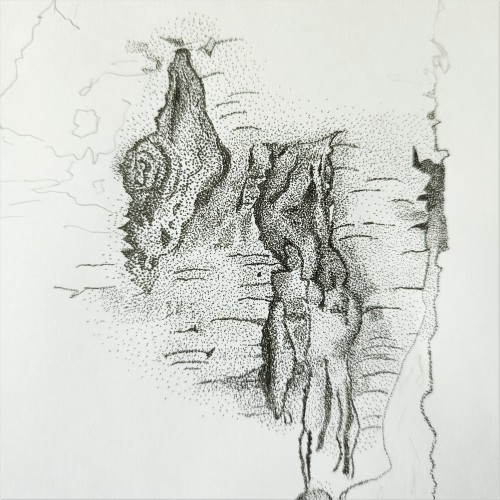
Homage to birch trees

I have been teaching myself stippling. This is a work in progress on a birch tree bark. I've always admired birches and have strong childhood connections with them. I am a keeper of some very fond memories of our summer house and three beautiful big birch trees in the yard. I could sit under them for hours: watching the delicate leaves dance in the summer breeze; watching them turn golden during autumn; feeling my way around on their uneven bark full of valleys and crevices.

  • 21
  • 7
  • 0
Maia Palomar Maia Palomar
Enlarge
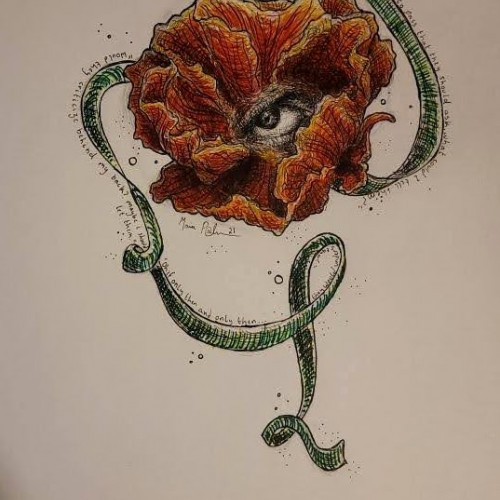
Doodle

(I had gotten some new fine-point pens last week, and I figured this was a good way to test them out.) Two very different things have been on my mind lately, maybe there's a connection? I think it's interesting how it's taken me 4 years to figure something out, become comfortable enough to open up to others about it, and then embrace it. Yet it's like living a double life, being authentic to some and keeping secrets from others. On the other hand, to the person receiving this drawing, I know I can't do anything to change the situation even though I wish I could. All I can say is I'm forever grateful for all you do, and I truly hope you decide to take advantage of all the opportunities coming your way.

  • 198
  • 7
  • 0
Lynn Lynn
Enlarge
Divergent Project: Nature and Humanity Interconnected

  • 119
  • 5
  • 1
Paola Angelini Paola Angelini
Enlarge
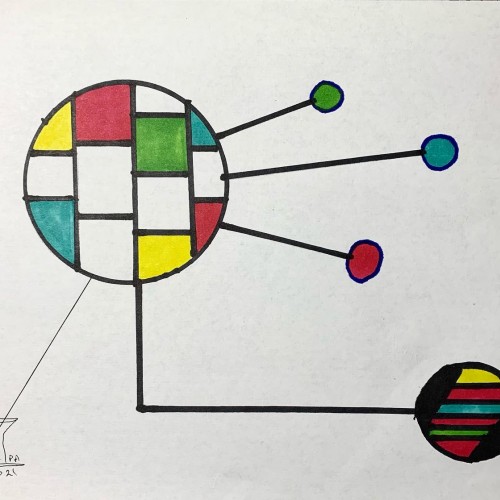
Connections

  • 15
  • 5
  • 0
Stacia Leigh Stacia Leigh
Enlarge
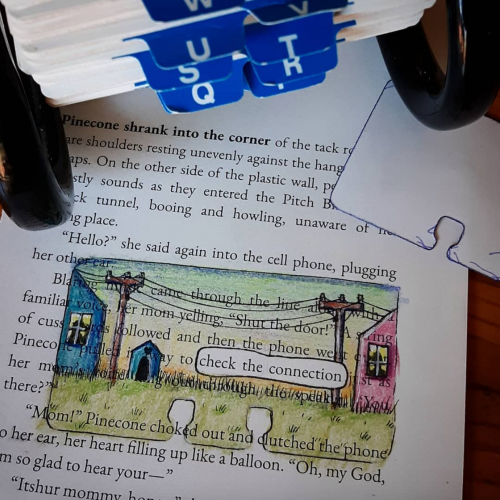
Rolodex Art: Connection

"Check the connection."

  • 226
  • 4
  • 2
Stacia Leigh Stacia Leigh
Enlarge
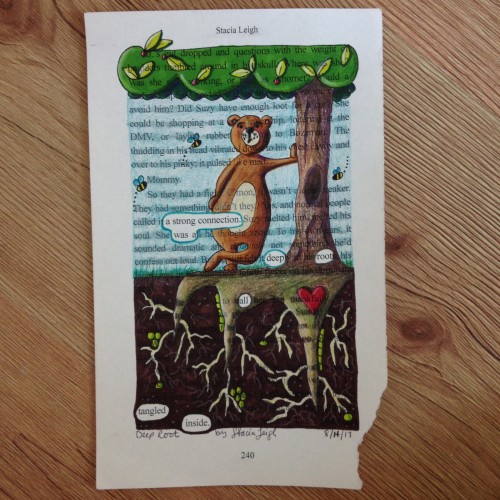
Deep Roots

"A strong connection was a deep root all tangled inside." ~ A blackout poem from a recycled page of Dealing with Blue, a young adult romance.

  • 298
  • 4
  • 0
ChadKiley ChadKiley
Enlarge
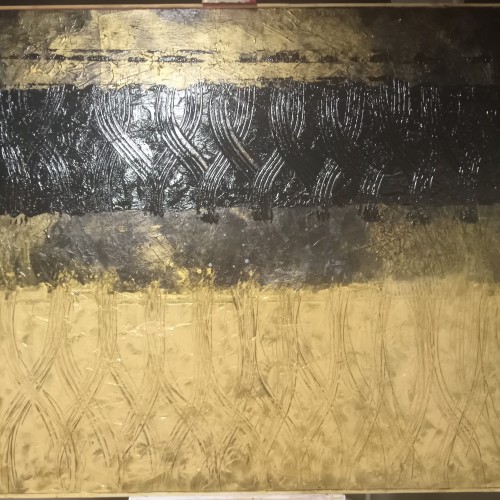
Boundaries and Connections

Acrylic

  • 52
  • 3
  • 0
Jennifer Jennifer
Enlarge
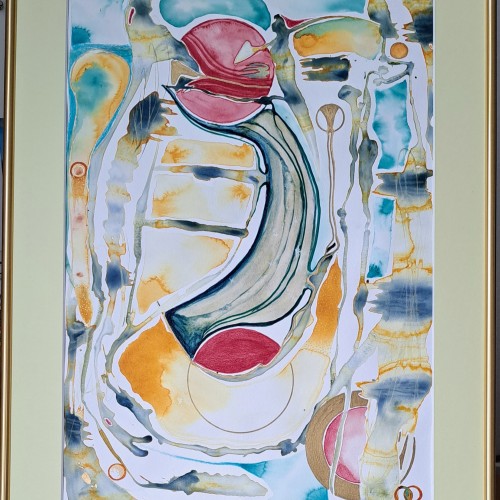
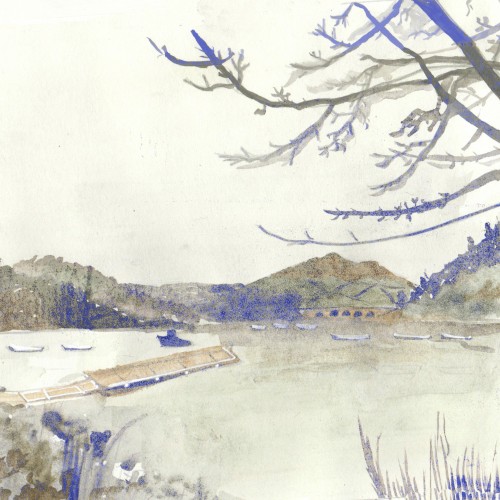
Connections

The flow of wet on wet watercolor with a little structure.

  • 26
  • 3
  • 0
Steve Martinez Steve Martinez
Enlarge
Connection

Relationships have many levels and can become complicated. Connection is vital.

  • 256
  • 3
  • 0
Maia Palomar Maia Palomar
Enlarge
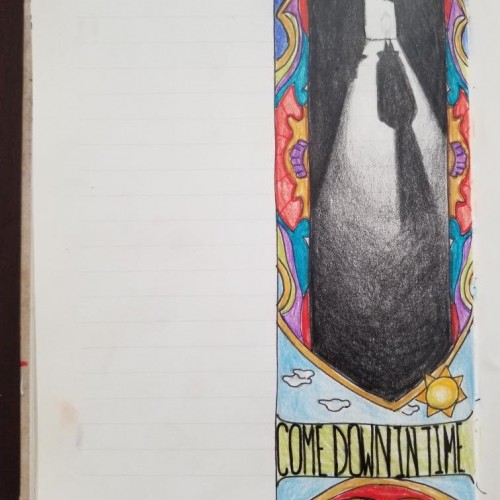
September

It's not quite September yet, but I finished my bullet journal sketch for next month a few minutes ago. "Come Down in Time" by Elton John, the second song on the first side of 'Tumbleweed Connection.' I'm not sure what to expect with the starting of school, with senior year as a whole, and what the end of 2020 or 2021 will bring. It feels like I'm hearing all this static and incomprehensible noise, but I open my eyes and see nothing else there, simply a dark open space.

  • 236
  • 3
  • 0
Khozana omar Khozana omar
Enlarge
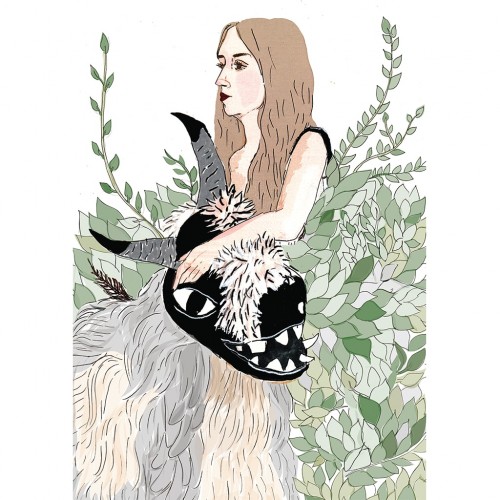
Biophilia

A drawing I worked on that I originally made in a life drawing class. The theme was based on humans connection to animals/beasts.

  • 13
  • 3
  • 0
Ty patmore Ty patmore
Enlarge
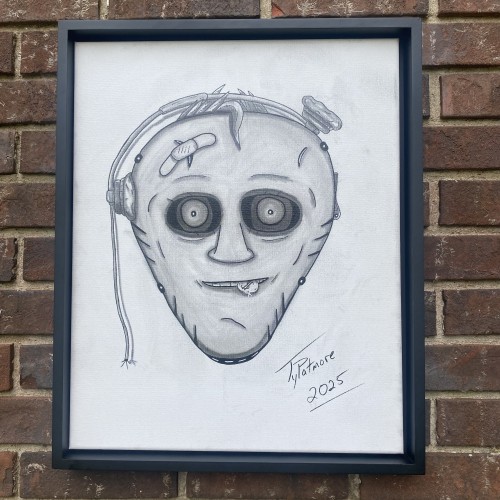
Hear No Evil (The Materialist)

This figure explores how the relentless pursuit of monetary gain and digital distraction stifles genuine attention and moral listening. * Visual Focus: The mask is equipped with a headphone covering a single ear. The headphone wire is visibly broken, frayed, and cut short, suggesting a deliberate disconnect or a failed attempt at communication. A small coin dangles conspicuously from the corner of the figure's mouth. * Symbolism: * The Headphones: Represent modern distraction and the ability to selectively "tune out" inconvenient truths or moral calls. The broken, frayed wire reinforces the idea of a failed connection to the real world. * The Coin in the Mouth: Serves as a powerful, visceral metaphor for being "consumed by monetary means." It connects the act of speaking/listening to the theme of greed, suggesting that the voice and ear are functionally "plugged" or corrupted by the all-consuming focus on wealth. The refusal to hear moral guidance is dictated by the pursuit of money.

  • 18
  • 2
  • 1
Kaushangi Goel Kaushangi Goel
Enlarge
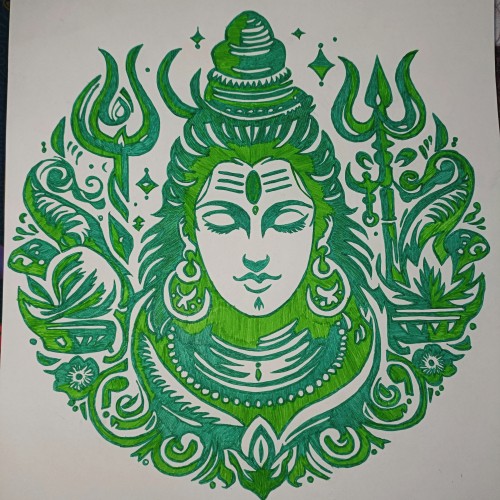
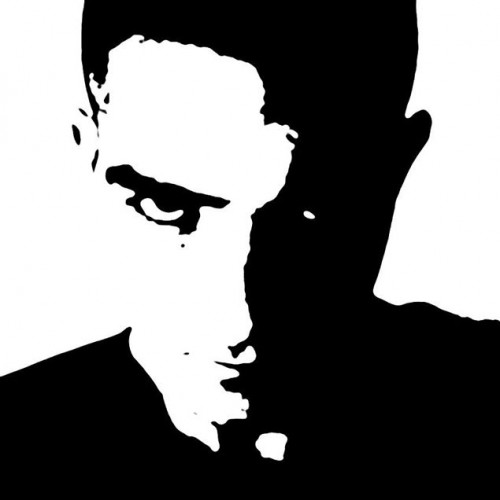
Shiv Silhouette

This is the Lord Shiva Silhouette art using contrast of shades of green representing his connection to nature and peace it provides to the soul.

  • 40
  • 2
  • 0
Nestoras Papadopoulos Nestoras Papadopoulos
Enlarge
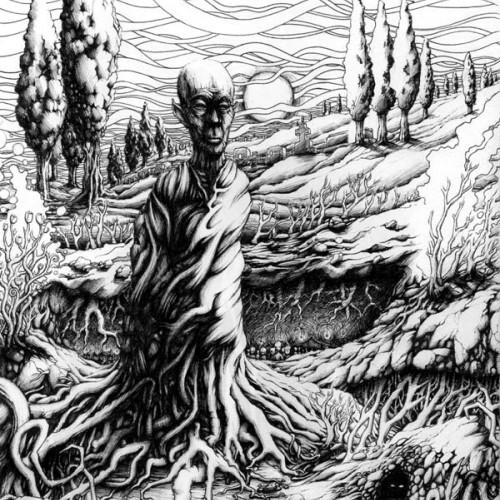
Still Life (Rooted in Nature)

This captivating ink drawing features a fantasy character standing still, deeply rooted to the earth and seamlessly merged with nature. Surrounded by a complex web of trees and plants, the figure embodies the essence of the natural world. In the background, a mesmerizing sunset casts a warm glow over abstract waves of clouds, creating a harmonious blend of light and shadow. This artwork symbolizes the profound connection between humanity and the environment, inviting viewers to reflect on the beauty of nature.

  • 6
  • 2
  • 1
Tracy Boness Tracy Boness
Enlarge
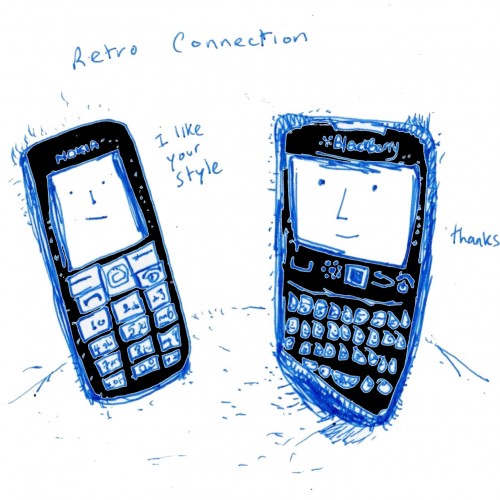
Retro Connection

Two little mobile phones meet and make a connection

  • 583
  • 2
  • 0
Robert Falagrady Robert Falagrady
Enlarge
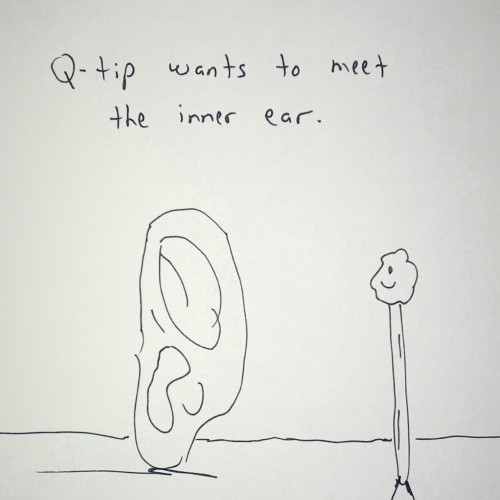
Waxy connection

  • 9
  • 1
  • 0
Marina Marina
Enlarge
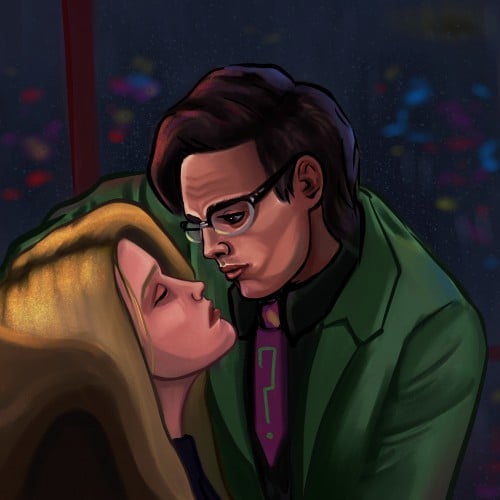
Gotham TV! RiddleStalk

While working at the GCPD, they haven't really communicated. Or rather, they haven't communicated at all - Edward was courting Kristen Kringle, and if they crossed paths, it was limited to simple "hi-bye." But Amber was starting her "career" as an informant and tried to pay attention to her colleagues, especially if they stood out in some way. And Edward stood out. Not only with his brilliant mind, but also with his good manners, determination, and gentlemanly treatment of women. Therefore, Amber had him in good standing - which, in the context of her character, is a great compliment. But she did not seek friendship or any connection with him, being too busy with her ambitions. But they really got to know each other many years later, when he became the Riddler, and she became the Stalker. She, as always in all her versions, became obsessed with a new, interesting person, like a fan of a character, and wanted to become closer to them. This time, that person was him. She even felt strangely shy about going and confessing her interest to her former colleague. But nevertheless, everything was as usual - Amber, who rarely feels strong emotions, always tries not to miss the opportunity to satisfy her loneliness and sparked passion for someone with this strange agreement: she offers free information to her obsessions in exchange for their company and their personal information (like what subject they liked in school, how they prefer to court their love interest, nothing that could compromise them (She can find it on her own). She also does not enter into sexual relations with them, even if they are not against it). Having lived in the illusion of being showered with their attention, she eventually gets tired of them and silently moves on, ghosting them unless they do something that returns her interest (after all, having free info is worth "forgiving" her for moving on on them). This time, everything was the same. But the Riddler would not be the Riddler if he left her strange puzzle unsolved. Not that previous obsessions all let her go without questions, but they were not the Riddler. And everything became complicated...

  • 68
  • 1
  • 0
crais robert crais robert
Enlarge
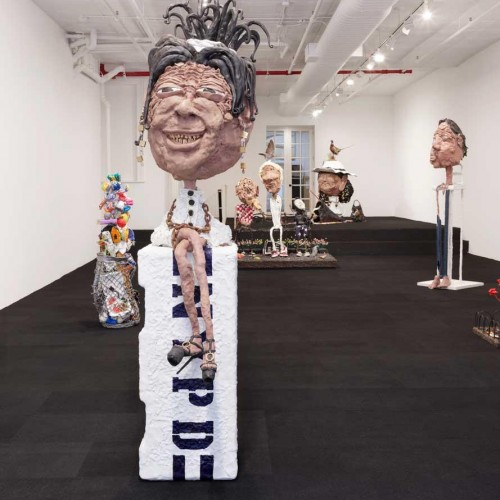
The House of Ryman: A Family of Artists

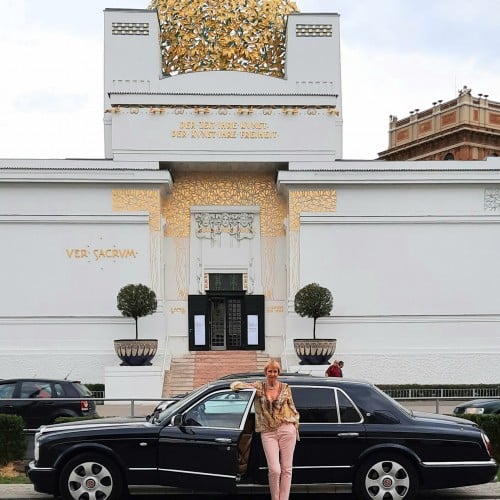
Take the Rymans, for instance. There is Robert Ryman (1930 – 2019), the patriarch whose paintings are indisputable icons of the modernist canon. Then there are his wives and children. Ethan Ryman (b. 1964) is the oldest of Robert’s three artist children. Though his mother was not an artist, Lucy Lippard (b. 1937) was still a scrappy and eloquent art critic, a feminist, a social activist, and an environmentalist. Ethan’s meticulously considered and crafted artworks might be characterized as somewhere between photography and sculpture, the abstract and the (f)actual. Though Lippard and Ryman divorced just six years after their 1961 marriage, their son is arguably the closest to his father’s methodologies if not his medium, and was certainly the last to become a visual artist. Robert Ryman went on to marry fellow artist Merrill Wagner (b. 1935) in 1969 and they had two sons. Though Wagner is more quietly acknowledged than Ryman, her boundless practice includes sculpture, painting, drawing, installation, and more. With an emphasis on materiality, her sites are indoors and out, her styles alternating. Will Ryman (b. 1969) is the elder son of Robert and Merrill. He started out as an actor and playwright though he too eventually assumed a visual art practice to become a sculptor. He is best known for his large-scale public artworks and theatrical installations that focus on the figurative and psychological, at times absurdist, narratives. Cordy Ryman (b. 1971) is the youngest, and the only one of the three who knew that he was going to be a visual artist early on. His work is abstract, the sophistication understated, and his output is prolific. With his mother’s DIY flair, his homely materials seem sourced from the overflow of construction projects, lumberyards, and Home Depot. Ethan Ryman said that, when he was young, he didn’t want to be a visual artist. Instead, he pursued music and acting, producing records for Wu-Tang Clan, among others, getting “my ears blown out.” But he was always surrounded by artists—Sol LeWitt, Carl Andre, Jan Dibbetts, William Anastasi, and countless others at his mother’s place on Prince Street in SoHo and at the Rymans’s 1847 Greek Revival brownstone on 16th Street in Manhattan, where everyone was often seated around the family dinner table. He would spend part of most weekends in the highly stimulating chaos that reigned there—birds, dogs, plants, toys, art, people, everywhere. “While nowhere near as overwhelming, I was also constantly exposed to artists, writers and other creative folks at my Mom’s place.” “While nowhere near as overwhelming, I was also constantly exposed to artists, writers and other creative folks at my Mom’s place.” Ethan Ryman Lippard was “a powerhouse.” She took Ethan on her lecture tours, readings, conferences, galleries, studios, wherever she had to go. And while that almost always breeds rebellion, at some point, he began noticing all the art around them—both what it looked like and how it was made. He began to take photographs of buildings and realized that “abstract color fields were all around us.” He also began to notice his father and Wagner’s work more carefully—how sensitively it was executed and how reactive it was to its surroundings. “Once you’re interested, you notice. When I asked my dad questions, I would most likely get a one-word response. I had to go to his lectures for answers where he broke down modern art for me. After listening to him, it seemed to me we should all be painting, otherwise what were we doing with our lives?” Will Ryman, on the other hand, said that all his work has a narrative component. His background is in theatre and his interests have always been film and plays, his narratives about New York City and American culture and history. “It’s a city I love,” he said. “I try to observe culture in a bare-bones way and I’ve always been interested in telling stories—we’re the only species that tells stories to each other. It comes from an intuitive, cathartic place in me. I want to stay away from preconceived notions, although that’s not completely possible. I have no plan except to do something honest, with a little bit of a political bent and humor but I’m not an activist. I’m interested in exploring a culture and its flaws as an interaction between human beings.” His interests and his work are very different from his last name. There is no connection to minimalism. He didn’t go to art school, drawn instead to theatre workshops and theatre troupes. “I didn’t become involved with the visual arts until my mid-thirties. It’s easy to say what I make is a reaction, but I dismiss that. And I also wouldn’t say it’s rebellious after twenty years.” Of his family, he said, “we’re a normal family, a close family, with all the dynamics and complications that go along with that. And while everyone who came to 16th Street were artists, they were also just family friends. I have no other measure for how a family interacts. It was just the way it was.” Cordy Ryman was the only one of the three who went to art school, earning a BFA from the School of Visual Arts, but it was reportedly awkward for him, since all his teachers knew his parents. “When I started making abstract paintings, it was kind of push and pull but it became more interesting to me than my earlier figurative or narrative work. That’s when I started to know where I came from. I realized that I had a visual memory, and the language was there, a language I didn’t know I knew. We all had different ways of working; our processes are very different and it’s hard to compare us. Ethan and I use a similar inherited language but he thinks about what he does more. I work very fast, the ideas come from the process itself. I work in two or three modes simultaneously and bounce around.” At home, they were around Wagner’s work since her studio was there. “Will and I were always in her studio, helping her, going to her installation sites with her, adjusting her boulders or whatever the project was she was working on. That was special and made a deep impression, but I didn’t realize it then.” All five Rymans have in common an acute consciousness of space and of place as an integral component of their work. For the brothers, part of that consciousness might stem from their parents, but also from their attachment to their family home, which was a crucible of sorts for them, where everyone was an artist. To Cordy, the house was a “living, breathing thing, and the art in it felt alive, growing, and occupying any space that was available. It was the structure of our world. When I’m making work, it doesn’t need to be the most beautiful thing ever, but it needs to have its own life, its own space, like the art we grew up with.” And the next generation of Rymans, also all sons—what about them? Will said his son is still too young to know. Cordy thought the same about his two younger children; his oldest is in the art world, but not as an artist—so far. Ethan perhaps summed it up best: my two sons are artists; they just don’t know it yet.

  • 12
  • 1
  • 0
 
Next »

Doodle Addicts

Navigate
  • Discover Art
  • Drawing Challenges
  • Weekly Drawing Prompts
  • Artist Directory
  • Art Marketplace
  • Resources
Other
  • News + Blog
  • About Us
  • Contact Us
Newsletter
© 2026 Doodle Addicts™ — All Rights Reserved Terms & Conditions / Privacy Policy / Community Guidelines
Add Doodle Addicts to your home screen to not miss an update!
Add to Home Screen