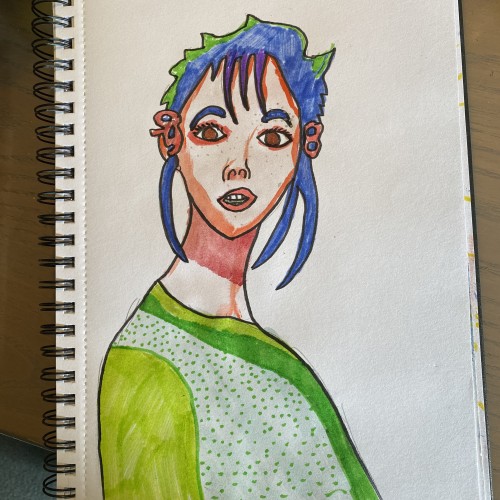
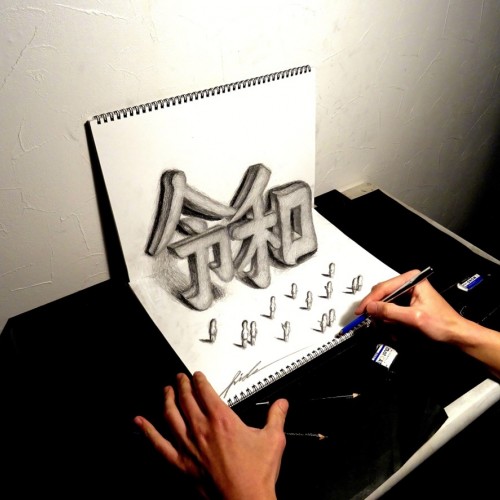
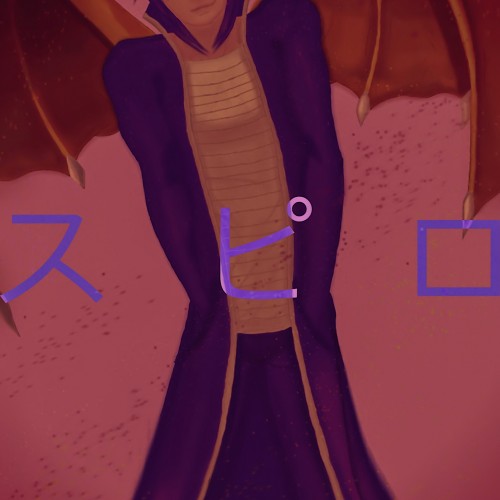
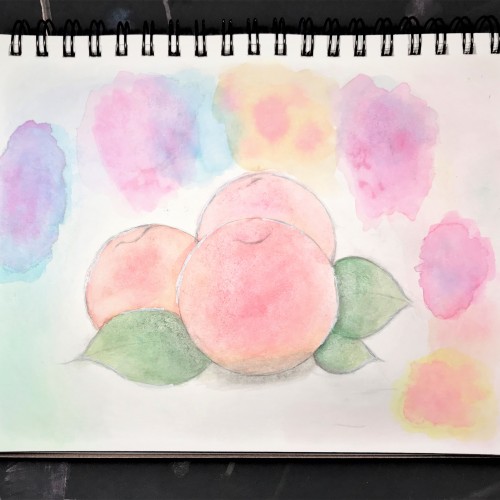
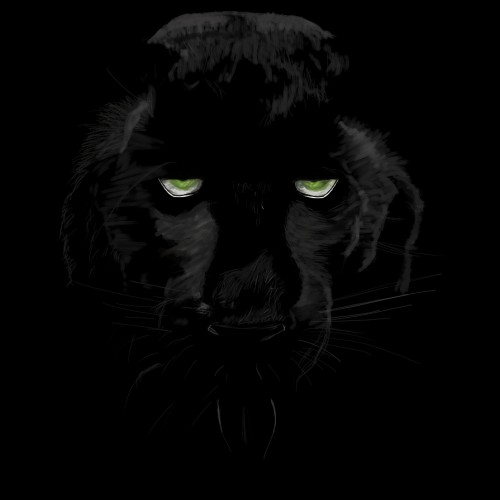
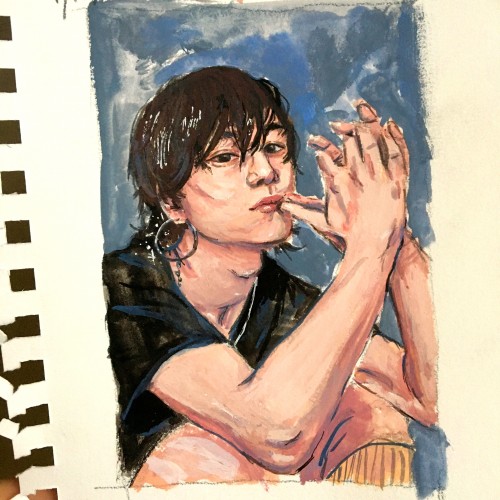
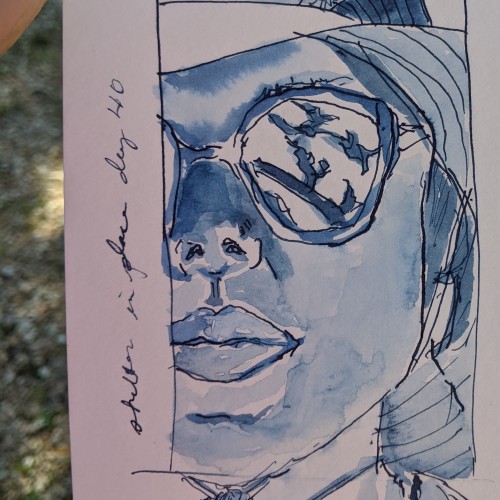
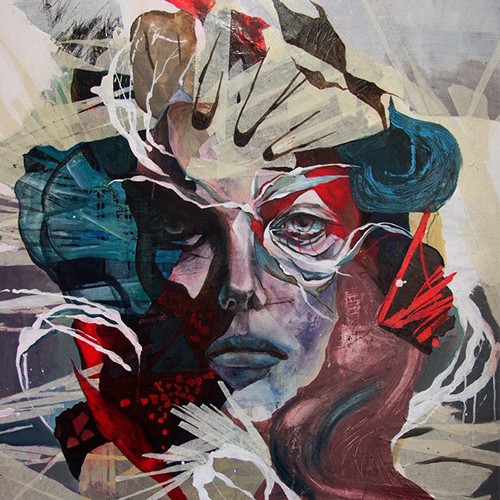
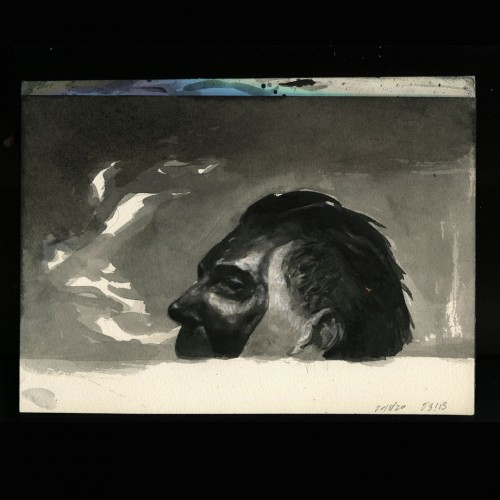
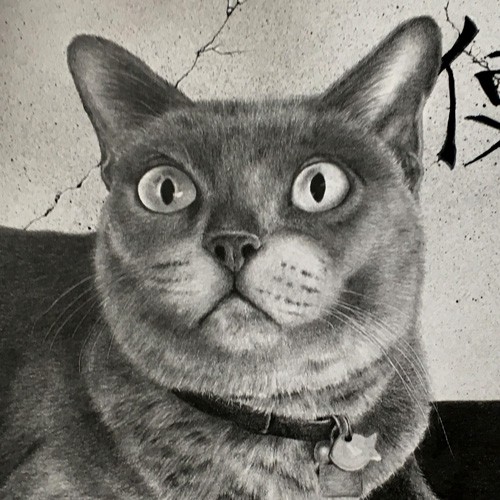
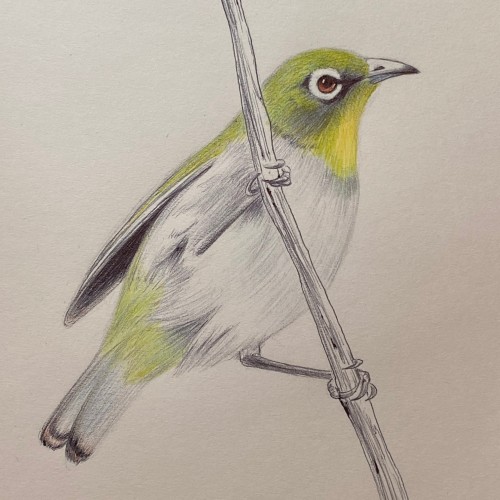
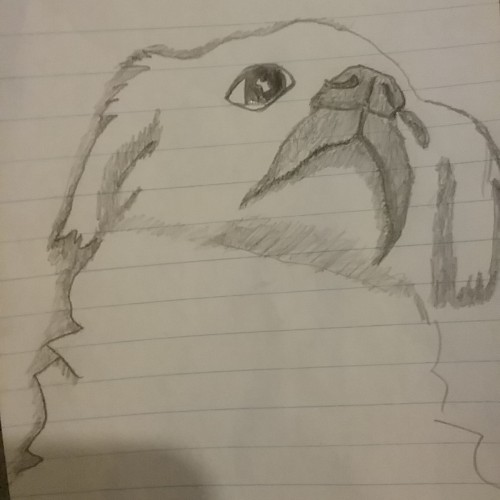
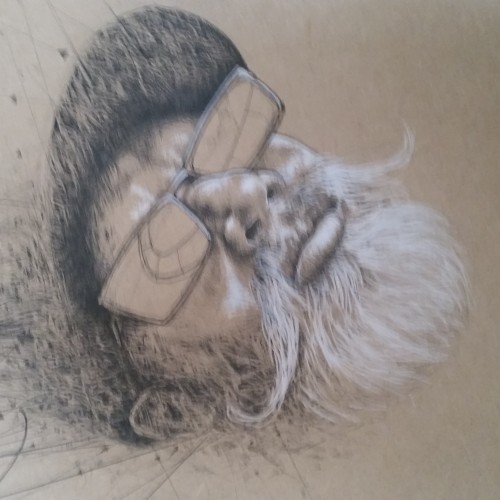
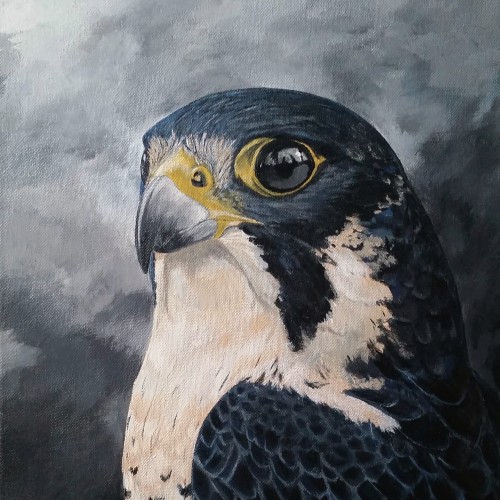
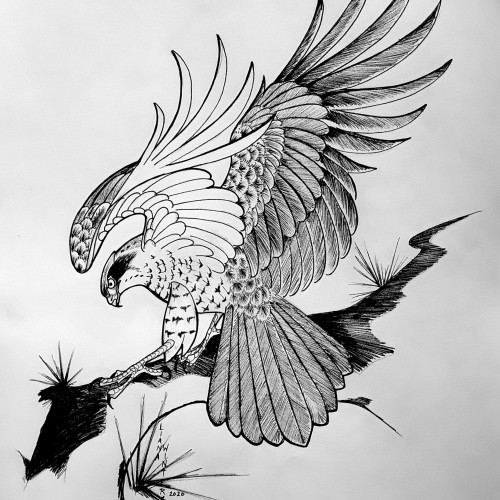
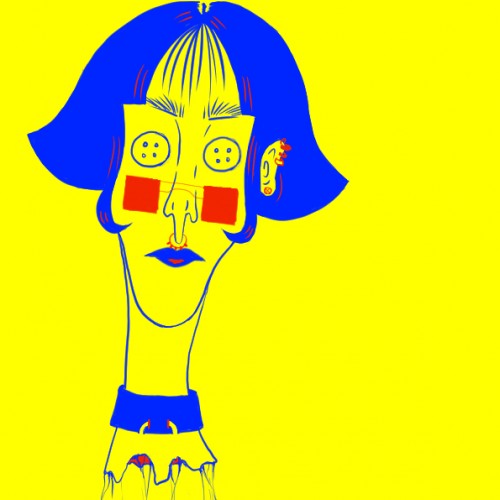
Portrait practice. Used reference photo of Sakaguchi Kentaro https://sparklesby-me.tumblr.com/post/180692882506/sakaguchi-kentaro-for-elle-japan-jan2019
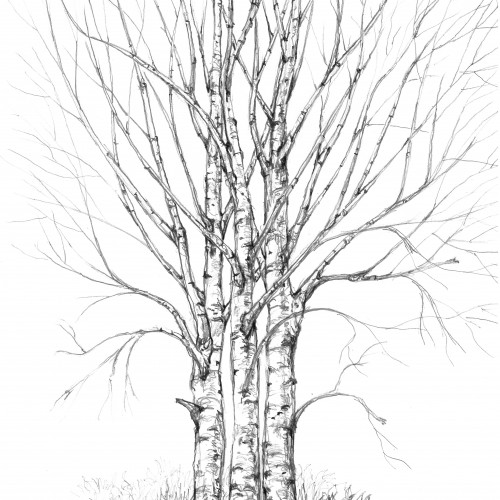
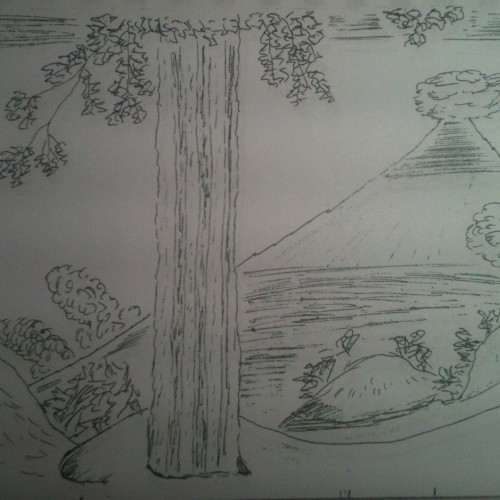
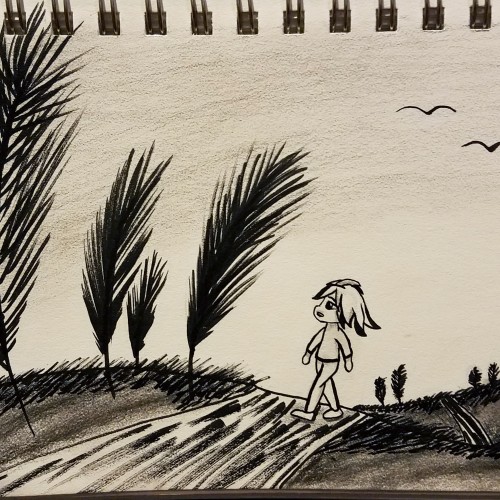
Outside my drawing table window are straight and weeping birches. We lost one of the birch trucks and, tragically, a beautiful OLD Japanese maple during an ice storm a few years ago. The third trunk is still in my mind's eye.
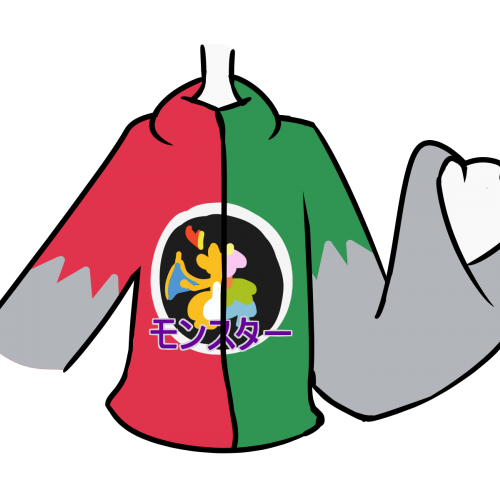
A Pokémon sweater I drew a while ago. It represents Japanese Pokémon Red and Green. I drew a static-head wearing a smiliar sweater, which is inspired from this. The Japanese text translates to "Monster". Drawn with FireAlpaca.
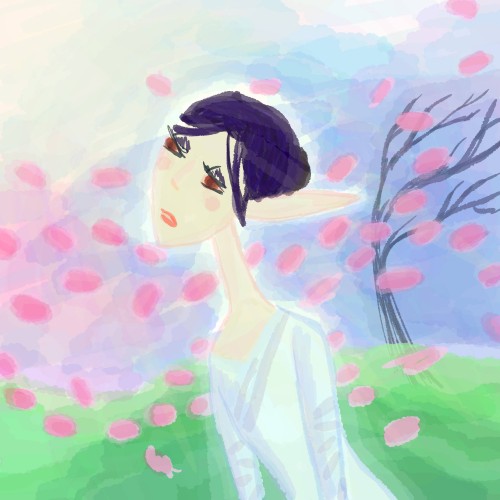
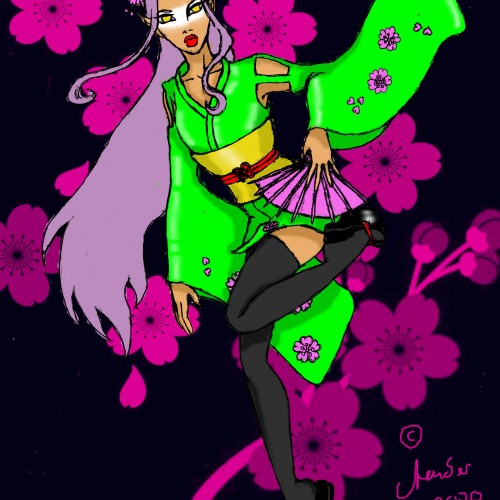
Pictured is Lilac, a female original character I created in spring. Her design is inspired by traditional japanese fashion and attire, but I gave it a modern twist to fit into a more futuristic setting.
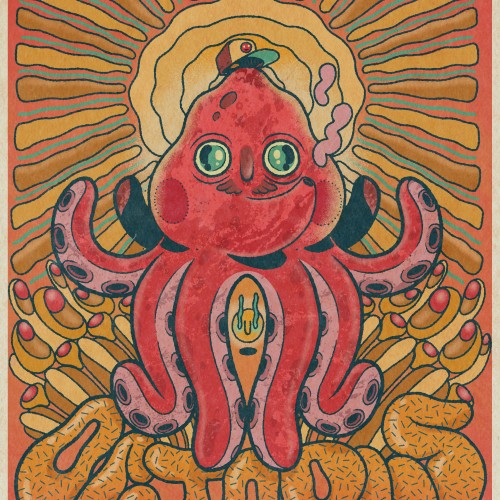
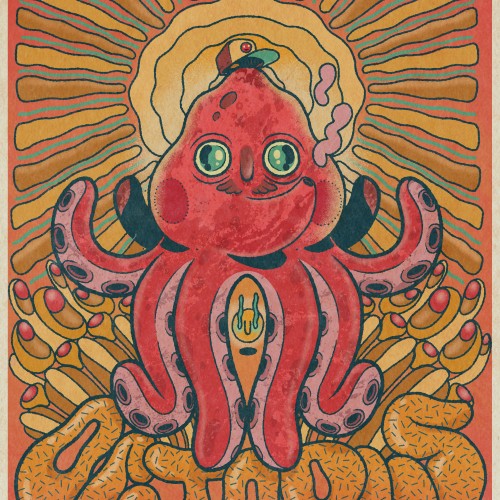
Hand drawn line work then digitally colored. Part of a weekly prompt challenge from my local art shop. The character is loosley based on a well know japanese octopus character.
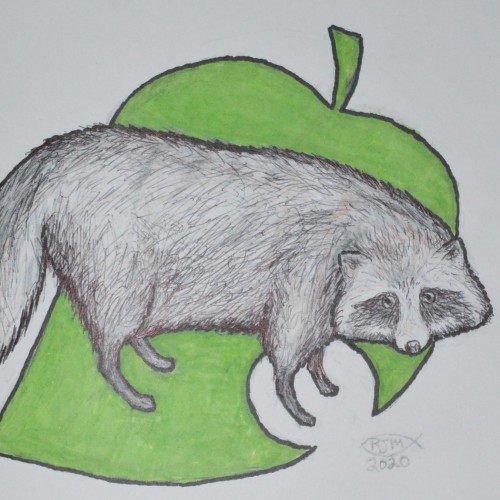
It's a Raccoon Dog! Did you know these exist? In Japan they call them Tanuki. I've always liked raccoons so I really enjoyed finding out about the Raccoon Dogs years ago (Even though they actually aren't related to Raccoons). It would be so cool to have one. ^_^ Thank you Lord for all the Raccoon Dogs! :P
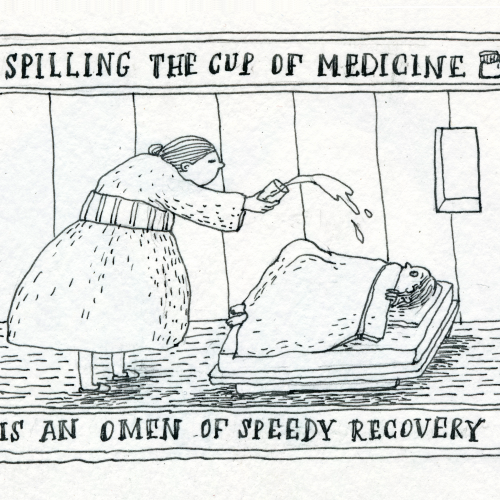
Omens and Superstitions.
In Japan there is a superstition that if a cup or glass containing medicine for a sick person is accidentally upset, then it is an omen of that person's speedy recovery.
From "A DICTIONARY OF OMENS AND SUPERSTITIONS" by Philippa Waring
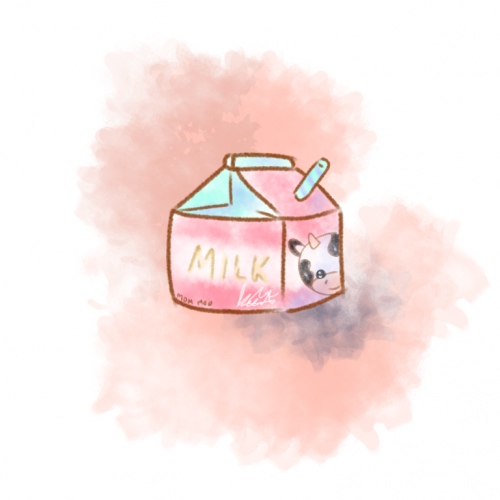
Life gives us too much work sometimes. Here's a minimalistic and simple splash of milk to brighten your day. Pastel colours that softens the image and allows you to feel relaxed. I hope this little artwork can refresh your spirit just like how drinking a small carton of milk will let us feel refreshed.
. . . . . . . . . . . . . Go to my profile, click Website to jump to: https://www.etsy.com/sg-en/shop/IERYArt
“Hikyaku - literally "fleet feet" or "flying feet." These running messengers played a critical role in delivering items and messages, given that in Japan's mountainous terrain, other modes of transportation, like horses or carriages, weren't very practical.”